Milwaukee-Eight oil sumping on 2017-2019 engines is a specific failure pattern where excess oil accumulates in the crankcase instead of returning cleanly to the oil tank, and fixing it requires diagnosis, not guesswork. In Harley-Davidson terms, “sumping” usually shows up after sustained highway speed, high heat, aggressive throttle, or repeated hot-soak cycles, then reveals itself through elevated crankcase pressure, oil carryover into the intake, reduced power feel, smoky exhaust on decel, noisy top end, or an abnormally low reading in the external tank right after shutdown. I have worked through enough M8 teardown reports, pressure tests, and vent-routing inspections to say this clearly: not every 2017-2019 Milwaukee-Eight that consumes oil is sumped, and not every sumped engine needs the same remedy. The hub topic here is model-specific ergonomics and performance recipes, so the forensic method matters because rider posture, gearing, luggage load, windshield setup, and cruising speed all change engine load and oil temperature. A Road Glide Ultra ridden two-up at 80 mph in summer creates a different stress case than a stripped Street Glide Special used for short urban rides. A proper recipe therefore starts with symptom capture, then separates rider complaints into mechanical, thermal, and usage buckets before any parts are ordered. For these years, the core concern centers on oil scavenging efficiency, crankcase vacuum control, breather flow, and factory updates that evolved after early-field complaints. Understanding that system is the difference between replacing parts blindly and producing a durable fix that restores clean scavenging, stable oil level behavior, and predictable long-distance performance.
Within the Harley-Davidson lineup, 2017 introduced the Milwaukee-Eight touring platform, and 2018-2019 expanded the architecture across additional touring and trike applications with small but meaningful running changes. The engines share four-valve heads, single internal camshaft layout, improved cooling control compared with Twin Cam, and a revised oiling system intended to balance pressure feed, scavenge return, and crankcase breathing. In practice, owners and technicians learned that some combinations of manufacturing tolerance, pump sealing, plate alignment, sump volume behavior, and operating style could expose weaknesses. That is why this article acts as a hub for the broader Harley-Davidson ergonomics and performance recipe category: seat height, bar reach, foot control position, fairing management, and load planning affect comfort, but they also influence how long riders hold a narrow rpm band under heavy wind resistance, which directly affects oil temperature and scavenging demand. If your goal is a forensic fix, you need a repeatable path that links rider report, inspection results, service history, and known component updates. You also need to know when to stay stock, when to install revised factory parts, and when to move to proven aftermarket pump and cam-plate packages from names such as S&S Cycle or Feuling. The best outcome is not simply “no more sumping.” It is a motorcycle that idles consistently, pulls cleanly through the midrange, keeps oil where it belongs, and matches the rider’s touring or performance use without compromising reliability.
What oil sumping looks like on 2017-2019 Milwaukee-Eight models
Oil sumping on these M8s is best understood as a system imbalance: the feed side delivers oil normally, but the scavenge side cannot evacuate the crankcase fast enough under certain conditions. When that happens, the rotating assembly starts working through excess oil, which increases drag, aerates lubricant, raises internal pressure pulses, and pushes mist through the breathers. Riders commonly report one or more direct symptoms. The first is a hot engine that feels flat or “heavy” after thirty to sixty minutes at freeway speed. The second is oil collecting in the air cleaner backing plate or dripping from the breather area. The third is a dipstick reading that seems misleadingly low immediately after shutdown, followed by a tank level that rises later once oil drains back. The fourth is mechanical roughness, especially when the engine is heat soaked and then restarted. None of these signs proves sumping by itself, but the pattern is meaningful. Trike models and fully dressed touring bikes can make the issue easier to feel because higher curb weight and luggage loads hold the engine under sustained load for longer stretches. Conversely, a lighter bagger may mask it until the rider adds a windshield, passenger, and taller gearing strategy.
Several adjacent problems can mimic sumping, so forensic discipline matters. A restricted air cleaner can exaggerate oil mist visibility. Overfilling the oil tank can produce carryover that looks like a scavenging issue. Worn valve guides, ring sealing problems, or incorrect oil viscosity can all affect consumption and smoke. Exhaust leaks at the port can alter perceived performance, and a weak compensator or clutch complaint can be mistaken for crankcase drag. For that reason, I start with a baseline record: exact model, year, mileage, engine displacement, cam status, tune status, oil type, ambient temperature, average cruising speed, rider load, and whether the bike still carries the original oil pump and cam support plate. If there has been any prior top-end work, I want invoices and part numbers. Harley-Davidson issued service information and updated components during the early M8 years, and whether those updates were applied is often the pivot point in diagnosis.
Root causes: pump efficiency, sealing, breathing, and operating conditions
The main mechanical root cause on early Milwaukee-Eight engines is reduced scavenging effectiveness under heat and rpm, usually tied to oil pump performance, internal leakage, or alignment issues between the pump and cam chest components. In plain terms, the scavenge stage has to pull oil-air mixture out of the crankcase faster than it accumulates. If the pump cavitates, leaks internally, or cannot maintain volumetric efficiency as clearances change with temperature, oil stays in the lower end. Early pumps and plates were more sensitive to stack-up tolerance than many owners realized. A slight mismatch in mounting geometry can affect rotor sealing and body distortion. Once hot, the margin shrinks further. Add sustained 75-85 mph cruising, a heavy fairing, tall windshield, passenger weight, and summer ambient temperatures above 90 degrees Fahrenheit, and the system can reach a threshold where symptoms become repeatable.
Crankcase breathing is the second major contributor. The M8 vents through the heads, and the system depends on pressure pulses being managed cleanly. If blow-by increases because ring seal is compromised, or if breather components are contaminated, oil mist output rises and rider complaints intensify. That does not always mean the base problem is ring damage. Sometimes excessive sump volume itself worsens pressure behavior and makes the breathers look guilty. The forensic point is that pressure control and scavenging are linked. Oil selection and level checking habits also matter. Harley-Davidson specifies checking the level with the engine at operating temperature and on the jiffy stand for many touring applications; cold checks invite overfill. Overfilled oil tanks create their own carryover pattern, especially on short-trip bikes where condensation and fuel dilution can alter volume. Finally, tune quality affects heat. An engine running too lean under cruise, or one with poor spark control after intake and exhaust changes, runs hotter and increases the likelihood that marginal scavenging will show up in real use.
Forensic diagnosis: the step-by-step fix recipe before parts replacement
A defensible fix starts with evidence collection, because replacing the pump before confirming the failure mode can hide, not solve, the real cause. I use a simple structure that works in dealership environments and independent shops alike.
| Diagnostic step | What to inspect | What the result means |
|---|---|---|
| Confirm complaint | Ride at normal cruise speed for 30-60 minutes, then inspect oil tank level, intake, exhaust smoke, and hot restart behavior | Reproduces the exact operating condition that triggers sumping symptoms |
| Check oil handling | Verify oil type, fill quantity, and hot-check procedure per service manual | Rules out overfill, wrong viscosity, and misleading tank readings |
| Inspect breather path | Open air cleaner, inspect backing plate, breathers, and oil residue pattern | Distinguishes normal misting from excessive carryover tied to crankcase pressure |
| Review calibration | Check for intake, exhaust, cam, or tuner changes using Digital Technician or aftermarket software records | Identifies heat-producing tunes or unsupported combinations |
| Measure mechanical condition | Compression, leak-down, and if needed crankcase vacuum behavior | Separates pump/scavenge issues from ring seal or top-end wear |
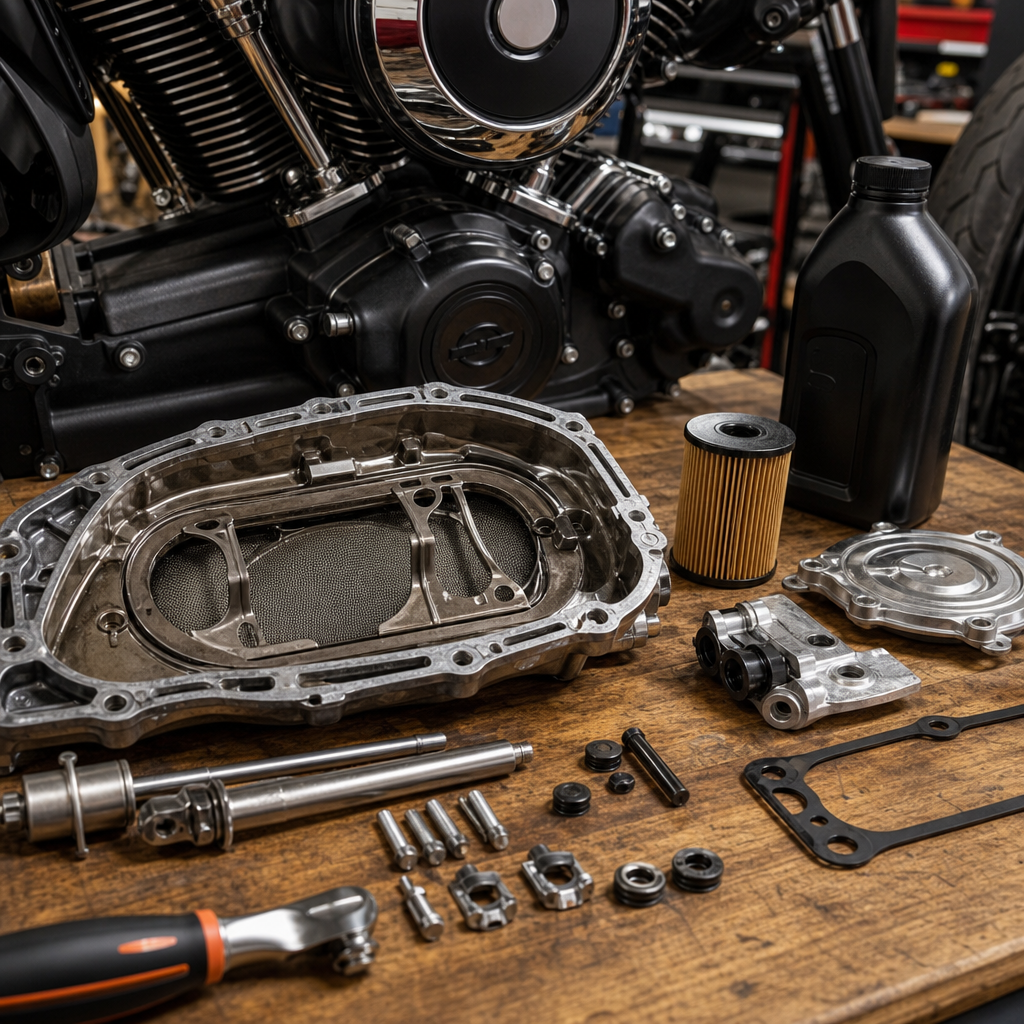
| Inspect cam chest | Check pump body condition, rotor scoring, plate alignment, fastener torque, and update status | Finds the common early-M8 hardware causes directly |
That process sounds basic, but it prevents expensive mistakes. For example, a 2018 Road Glide with heavy breather oiling and weak highway pull may simply be overfilled and running a poor mail-order tune after slip-ons and a high-flow intake. Another 2017 Ultra Limited with identical symptoms may show correct oil level, excellent compression, and clear evidence of early pump inefficiency once the cam chest is opened. I also pay close attention to rider ergonomics during diagnosis because the hub topic is performance recipes, not isolated bench work. If the rider sits behind a tall touring screen with broad lowers and packed saddlebags, the bike can maintain higher average throttle opening into headwinds than the owner realizes. That sustained aerodynamic load matters. It explains why some motorcycles only sump during interstate travel but seem normal around town. Good notes here support the final repair recommendation and help the owner understand why the fix is justified.
Repair paths: stock update, aftermarket upgrade, and when each makes sense
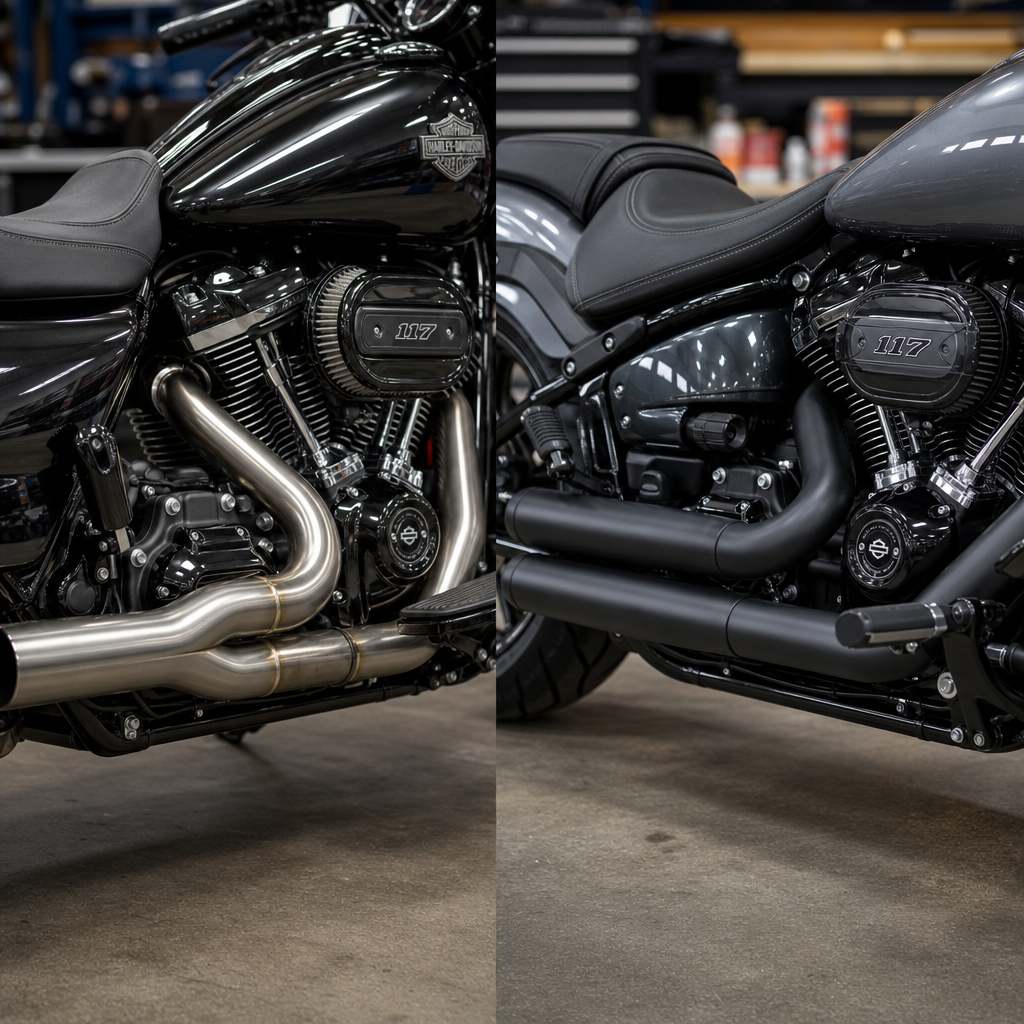
Once true sumping is confirmed, the repair path usually falls into three tiers. The first is a factory-corrective approach using the latest compatible Harley-Davidson oil pump and cam support plate revisions for the engine. This suits motorcycles that remain otherwise stock, have moderate mileage, and are owned by riders who want OEM serviceability. The second is a premium reliability upgrade using a matched oil pump and cam plate from established suppliers such as S&S Cycle or Feuling. These kits are designed with tighter control of scavenge efficiency, stronger pressure management, and better resistance to the tolerance-stack problems that affected some early bikes. The third tier adds performance intent: if the cam chest must come apart anyway, many owners combine the oiling upgrade with a torque-oriented camshaft, lifters if needed, and a proper dyno tune. That route makes sense for touring riders seeking cooler running under load and stronger passing power, but only when the tuner understands M8 airflow, knock control, and fuel strategy.
Choosing between those paths depends on use case and budget. A near-stock Electra Glide used for regional touring may do perfectly well with updated factory parts and careful assembly. A Road Glide ridden long distance in desert heat, often two-up and fully packed, benefits from a known high-capacity scavenge solution and fresh cam chest hardware because the duty cycle is harsher. Trike owners deserve special mention: extra mass and lower airflow around some configurations mean heat management matters more, so I lean toward the more robust pump-and-plate option if symptoms are verified. During assembly, detail work is critical. Pump centering, plate flatness, O-ring integrity, torque sequence, and lifter block cleanliness all affect the result. This is not a job for casual parts swapping. The service manual, torque-angle procedures where specified, and a measured inspection of related wear items are mandatory. If the engine has significant mileage, inspect the inner cam bearing where applicable to the configuration, chain tension components, and oil pressure relief behavior so the new parts are not blamed for an old hidden fault.
Building the complete model-specific recipe: ergonomics, heat, and maintenance after the fix
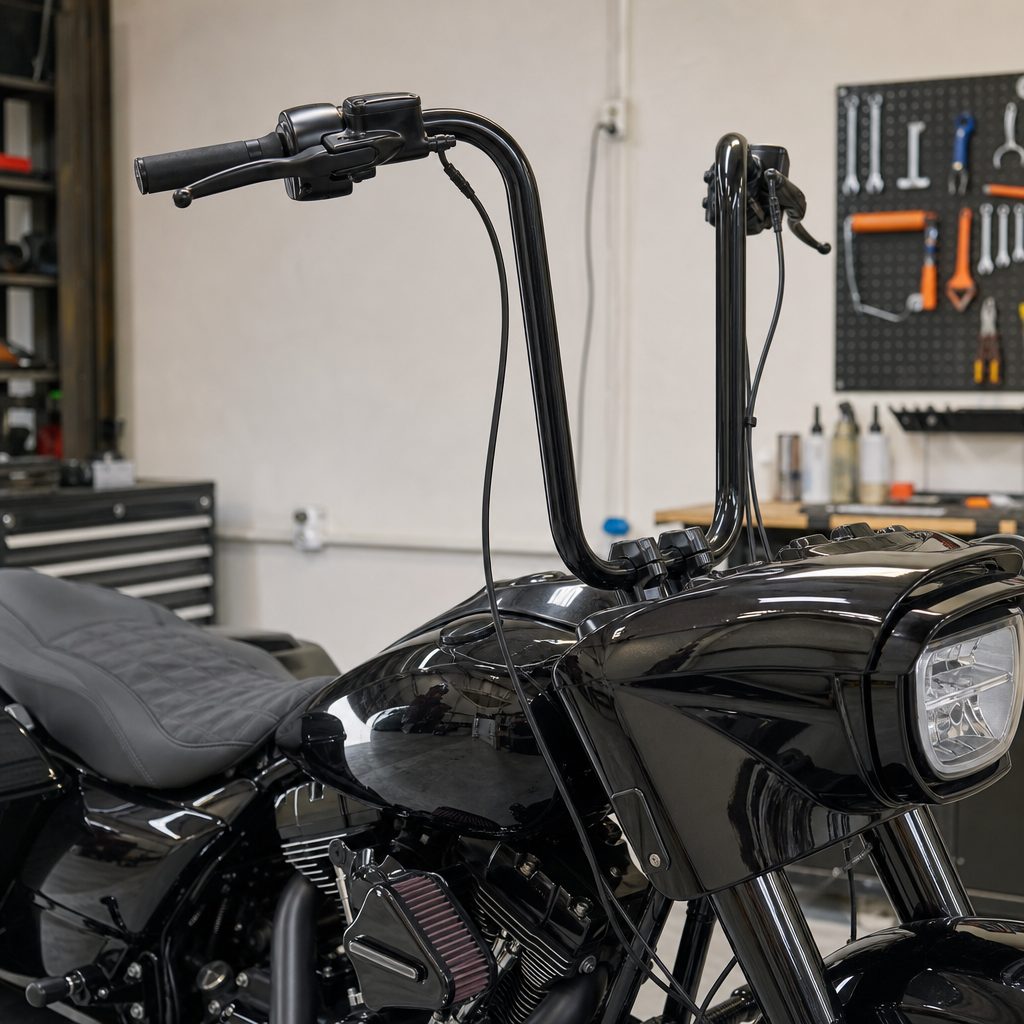
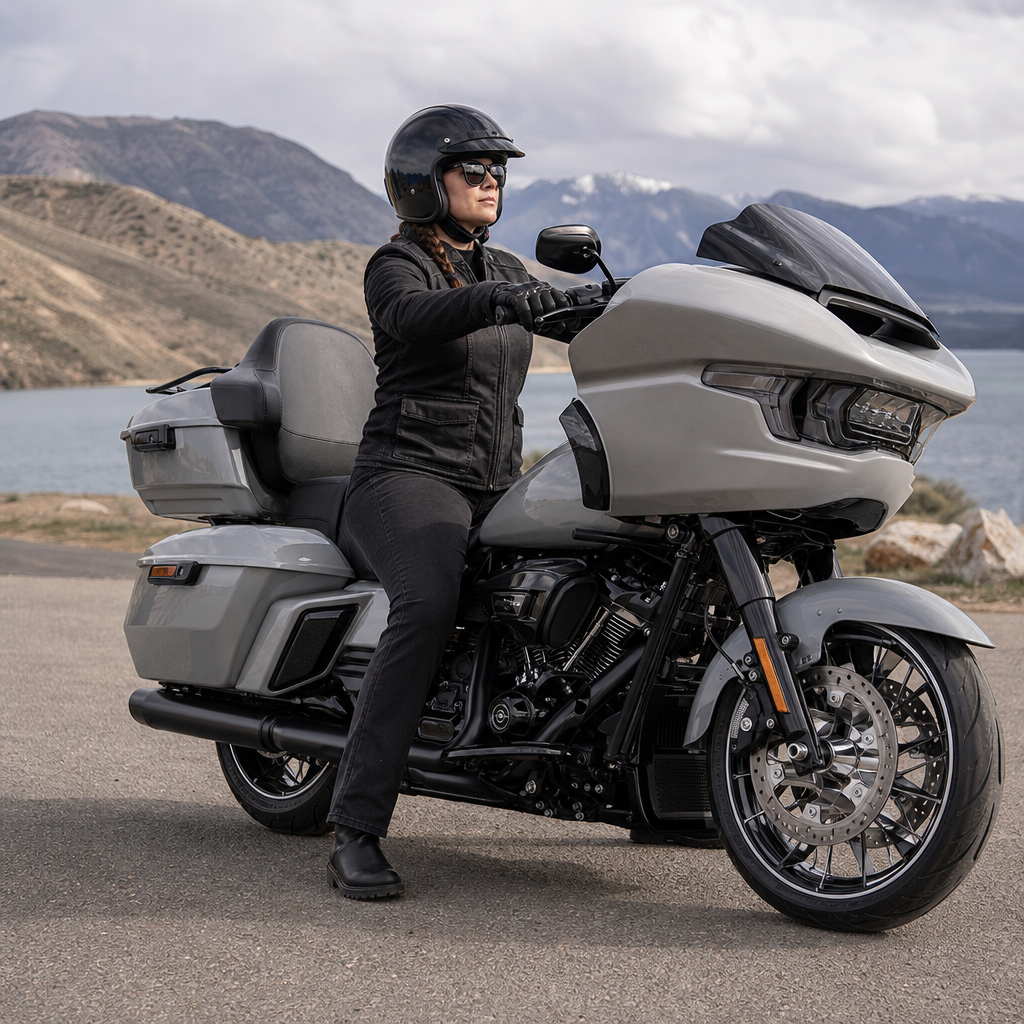
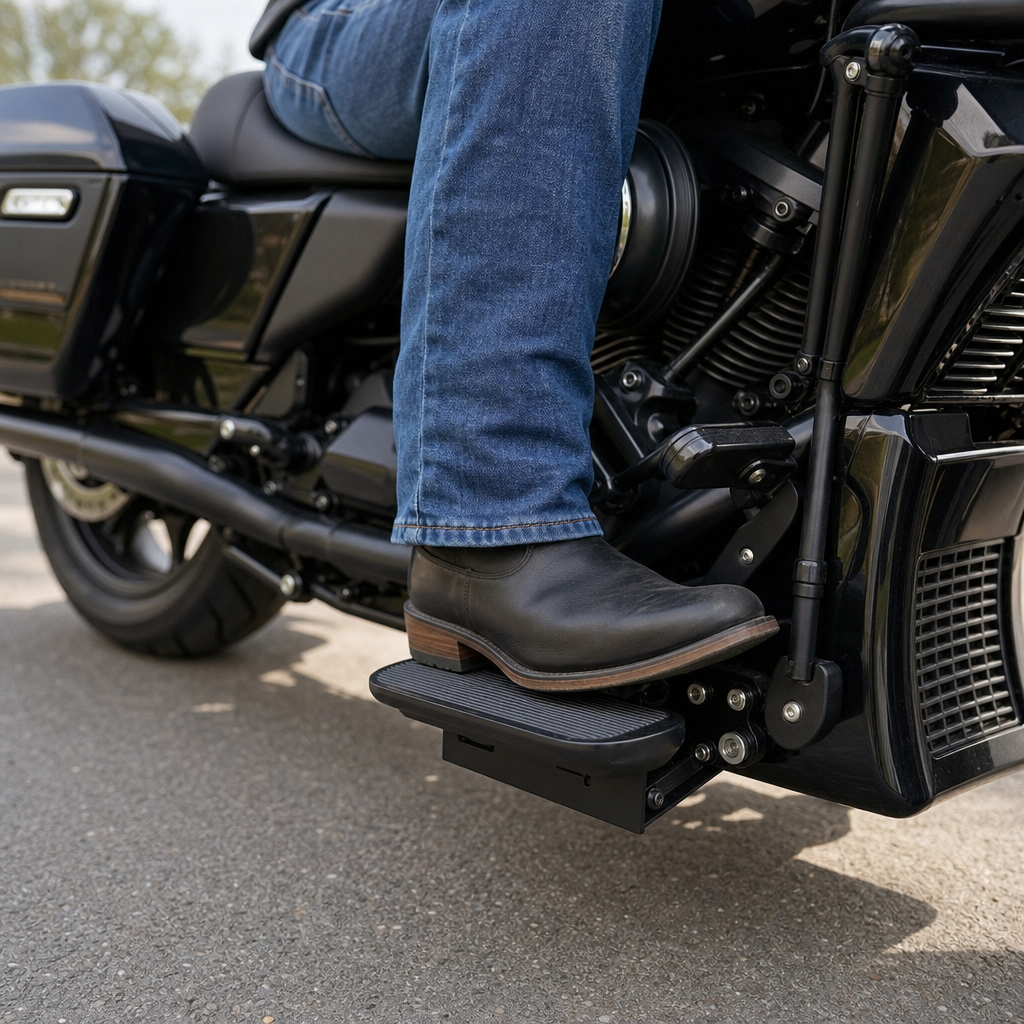
A forensic repair should end with a complete operating recipe tailored to the motorcycle and rider. That means the oiling fix is only one part of the answer. For a heavy touring Harley-Davidson, seat position, handlebar reach, and floorboard posture affect how long the rider can comfortably hold an efficient rpm band rather than lugging the engine in top gear. Lugging raises cylinder pressure and heat while reducing the smooth scavenging rhythm the engine prefers. I often recommend riders downshift sooner on grades, especially on loaded 107 and early 114 models. Wind management is another overlooked factor. A very tall windshield can improve comfort yet increase drag at interstate speed; that higher load shows up as oil temperature and fuel demand. Sometimes a moderate-height screen or vented option reduces buffeting and lets the rider maintain the same speed with less throttle. Suspension sag and tire pressure matter too, because a stable chassis reduces the tendency to ride with unnecessary throttle corrections in crosswinds.
After the repair, set a maintenance plan that matches the bike’s duty cycle. Use a high-quality oil in the recommended viscosity, change it on schedule, and avoid topping off unless the level is checked fully hot using the manual’s procedure. Reinspect the air cleaner after the first long trip to verify breather cleanliness. Review idle quality, hot-start behavior, and any change in oil level consistency. If the bike received a cam or exhaust package, confirm the tune on a load-bearing dyno rather than relying on seat-of-the-pants impressions. The best hub-level guidance for this Harley-Davidson subtopic is simple: performance and comfort are connected. A motorcycle set up for the rider’s body and travel style runs more consistently, creates less heat, and makes engine problems easier to diagnose early. That is why every model-specific recipe should link ergonomics, load management, thermal control, and oiling integrity rather than treating them as separate conversations.
For 2017-2019 Milwaukee-Eight owners, the practical takeaway is that oil sumping is real, diagnosable, and fixable when approached as a system problem instead of a rumor-driven one. The strongest results come from confirming the complaint under real riding conditions, ruling out overfill and tune issues, inspecting breathing behavior, and then opening the cam chest only when the evidence points there. Early M8s reward that discipline because the difference between a satisfactory repair and a lasting one is usually found in the details: updated pump design, correct plate choice, precise assembly, and a tune that controls heat. Just as important, the motorcycle has to be configured for the rider. Luggage load, windshield drag, gearing habits, and posture all influence how hard the engine works, especially on touring Harley-Davidson models.
As the hub page for model-specific ergonomics and performance recipes, this article sets the framework for every related guide: diagnose before modifying, match parts to actual use, and treat comfort adjustments as performance variables, not accessories. When you apply that framework, the benefit is straightforward: cleaner scavenging, steadier oil behavior, less breather mess, better highway feel, and greater confidence on long trips. If your 2017-2019 M8 shows the classic signs, document the symptoms, compare them against the recipe above, and plan the repair with a technician who knows early Milwaukee-Eight oiling updates cold.
Frequently Asked Questions
What exactly is oil sumping on a 2017-2019 Milwaukee-Eight, and how is it different from normal oil mist or routine breather behavior?
On a 2017-2019 Milwaukee-Eight, oil sumping refers to a condition where engine oil accumulates in the crankcase faster than the scavenge side of the oiling system can remove it and return it to the tank. A small amount of oil mist in the intake tract or breather system can be normal on a big V-twin, especially under hard use, but true sumping is a specific failure pattern. It typically shows up after sustained highway operation, high oil temperature, repeated hot-soak cycles, or aggressive throttle use, when the engine begins holding excess oil in the lower end instead of scavenging it cleanly.
The difference matters because normal breather misting is minor and predictable, while sumping creates a chain reaction of symptoms. As oil level rises in the crankcase, the rotating assembly has to work through that oil, which increases drag, elevates crankcase pressure, and can force more oil vapor or liquid oil through the breathers into the intake. That is when riders start noticing reduced power feel, messy air cleaner oiling, smoky exhaust on deceleration, unusual noises, or a generally “loaded up” feeling after the engine gets hot. In other words, routine misting is a nuisance; sumping is a system imbalance with measurable effects.
Forensic diagnosis is important because not every oily air cleaner or smoky decel event means the crankcase is sumping. A correct diagnosis separates genuine scavenging failure from overfill, poor ring seal, breather valve problems, oil pump inefficiency, cam chest leakage paths, or pressure dynamics caused by heat and riding pattern. Treating every symptom as “it needs a pump” is guesswork. The right fix recipe starts by identifying whether excess oil is actually staying in the crankcase, under what conditions it happens, and what part of the system is failing to control it.
What symptoms most reliably point to Milwaukee-Eight oil sumping, and when do they usually appear?
The classic symptom pattern is condition-dependent rather than constant. Many 2017-2019 Milwaukee-Eight engines run normally when cold or during short trips, then show sumping behavior after sustained highway speed, heavy load, high ambient temperature, repeated stop-and-go heat cycles, or aggressive throttle use. Riders commonly report a noticeable drop in performance once the engine is fully heat-soaked, as if the bike suddenly feels heavy, lazy, or less willing to rev. That sensation often reflects increased crankcase drag and higher internal pressure caused by excess oil retained in the lower end.
Another common indicator is oil carryover into the intake system. This can appear as oil in the air cleaner backing plate, filter element contamination, breather discharge residue, or a wet film in the intake tract. Smoke on deceleration can also be part of the picture, especially if oil is being pushed through the breathers or drawn past the intake path under changing manifold vacuum. Some owners also notice odd mechanical sound changes when the condition is active, because the engine’s internal environment is no longer stable. In severe cases, crankcase pressure symptoms may include leaks, dipstick irregularities, or a general sense that the engine is not venting and scavenging as it should.
What makes the pattern distinctive is timing. Sumping often does not announce itself in the garage or during a brief local ride. It tends to show up after the exact kinds of operation that challenge oil control: long interstate runs, hot weather, repeated hot restarts, high-rpm passing, or heavy throttle under load. That is why the best diagnostic approach is to recreate the complaint in the same thermal and riding conditions that trigger it, then inspect the evidence methodically rather than relying on assumptions made with a cool engine on a lift.
What is the best forensic fix recipe for diagnosing oil sumping before replacing parts?
The best fix recipe starts with verification, not parts swapping. First, confirm the oil level is being checked correctly and that the engine is not simply overfilled. Incorrect oil level readings can cloud the whole diagnosis. Next, document the complaint in detail: when it happens, how long the bike must be ridden before symptoms appear, whether ambient heat matters, whether the issue follows highway speed versus city riding, and whether there are related signs like intake oiling, smoke on decel, or power loss. A pattern tied to temperature and sustained operation is often more meaningful than a single visual clue.
From there, inspect the breather system, air cleaner assembly, and intake tract for the type and amount of oil contamination present. Look for signs of abnormal carryover rather than a light mist film. Evaluate for crankcase pressure issues, and inspect the cam chest and oiling components with the goal of identifying leakage, scavenging inefficiency, or pressure-control problems. On these engines, the diagnosis should include scrutiny of the oil pump’s scavenge performance, pressure relief behavior, sealing surfaces, alignment factors, and any wear or distortion that could reduce return efficiency. If the bike has aftermarket engine components, those must be considered as variables rather than ignored.
A true forensic approach also means ruling out look-alike problems. Ring seal issues, valve guide problems, breather reed or umbrella-related venting faults, intake sealing issues, and oil aeration can all create overlapping symptoms. The smart sequence is: verify complaint, reproduce under real-world heat/load conditions, inspect evidence, measure what can be measured, identify the failure mode, and only then choose corrective parts and procedures. On 2017-2019 M8s, the winning strategy is not “replace everything in the cam chest.” It is to determine exactly why oil is remaining in the crankcase and address the root cause with a targeted repair.
Do all 2017-2019 Milwaukee-Eight engines with sumping need an oil pump upgrade, or can the cause be elsewhere?
No, not every 2017-2019 Milwaukee-Eight showing sumping symptoms automatically needs an oil pump upgrade, even though the pump is often part of the conversation. The oil pump and scavenge side are central to crankcase oil control, so they deserve serious attention, but they are not the only possible cause. A bike can show intake oiling, smoky decel, or pressure-related behavior because of breather function problems, sealing issues, oil level errors, excessive heat stress, or engine condition problems that mimic sumping. That is why experienced diagnosis comes before any shopping list.
That said, the oil pump and cam chest assembly remain high-value inspection points on these engines because the scavenge system has to stay efficient under the exact conditions that trigger the complaint. If scavenging falls behind once oil gets hot and thin, excess oil collects in the crankcase and symptoms escalate quickly. In that scenario, a pump update, improved sealing, careful component inspection, and proper assembly practices may absolutely be part of the correct repair. But the key is proving that scavenging inefficiency is the failure mode rather than assuming it.
The most authoritative answer is this: some engines are fixed by addressing pump-related shortcomings, some require broader cam chest corrections, and some are misdiagnosed entirely. A durable repair depends on matching the remedy to the evidence. If the root cause is elsewhere, an upgraded pump may reduce symptoms without truly solving the problem. For owners and technicians alike, the best path is to treat the engine like a case file: establish facts, isolate the fault, then install only the parts that directly address that fault.
After the repair, how can you confirm the oil sumping problem is actually fixed and not just temporarily masked?
The only meaningful confirmation is a post-repair validation under the same conditions that originally produced the complaint. If the bike used to sump after a long highway run on a hot day, then a short idle test in the shop proves almost nothing. The engine needs to be ridden through the same heat load, speed, and duration that previously caused elevated crankcase pressure, intake oil carryover, power fade, or smoky decel. A repair is not verified because the engine sounds fine on the lift; it is verified because the symptom pattern no longer returns in the field.
After that road validation, inspect the evidence points again. Check the intake and air cleaner for fresh oil carryover, evaluate whether the previous smoke-on-decel behavior is gone, and confirm the engine no longer feels loaded or sluggish when fully heat-soaked. Also pay attention to whether crankcase pressure-related mess or irregular behavior has disappeared. Ideally, the repair should restore consistent performance and normal oil control across repeated hot operating cycles, not just one favorable test ride.
The final step is trend monitoring. Recheck the motorcycle after additional mileage, especially if the original failure was intermittent or heat-dependent. True correction shows stable behavior over time, with no progressive return of breather oiling, no renewed performance drop after sustained use, and no new signs that the engine is retaining oil in the lower end. That long-view confirmation is what separates a real forensic fix from a temporary improvement that merely hides the underlying problem for a few rides.