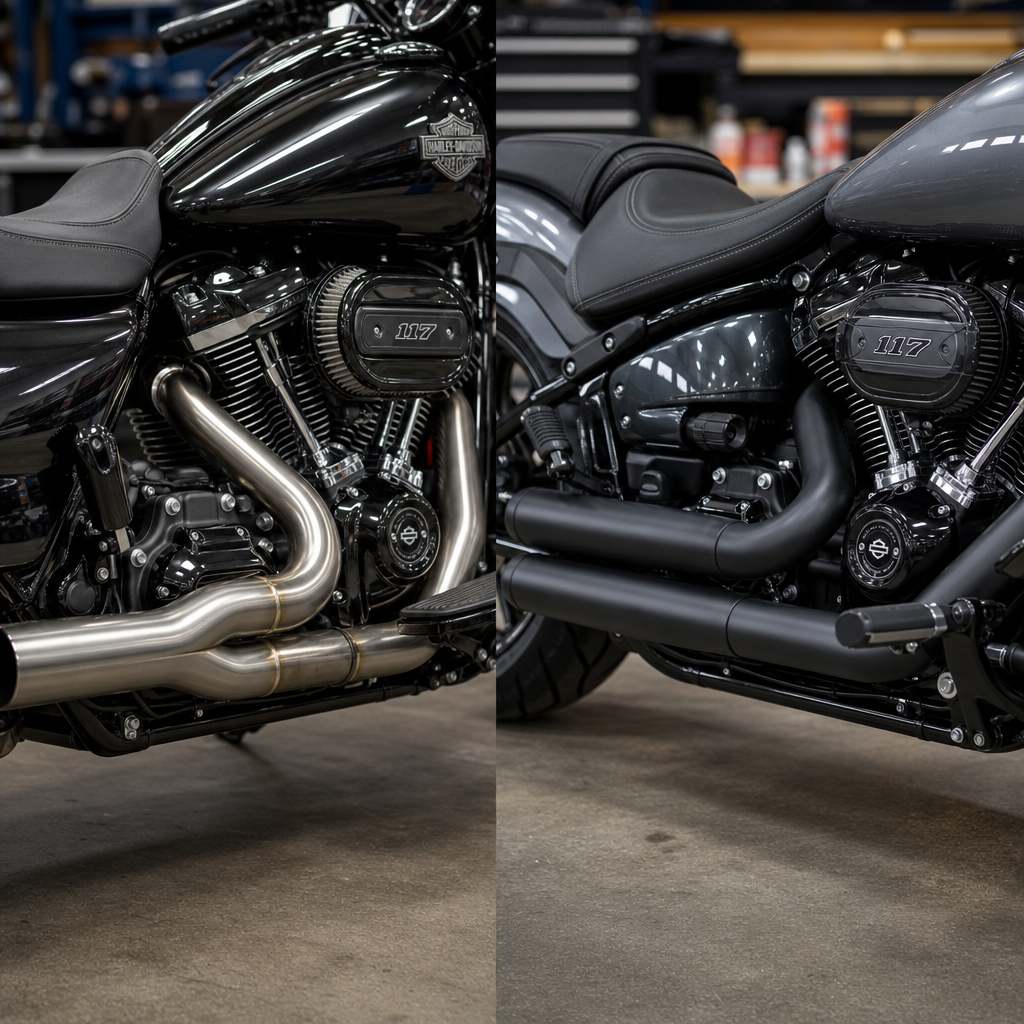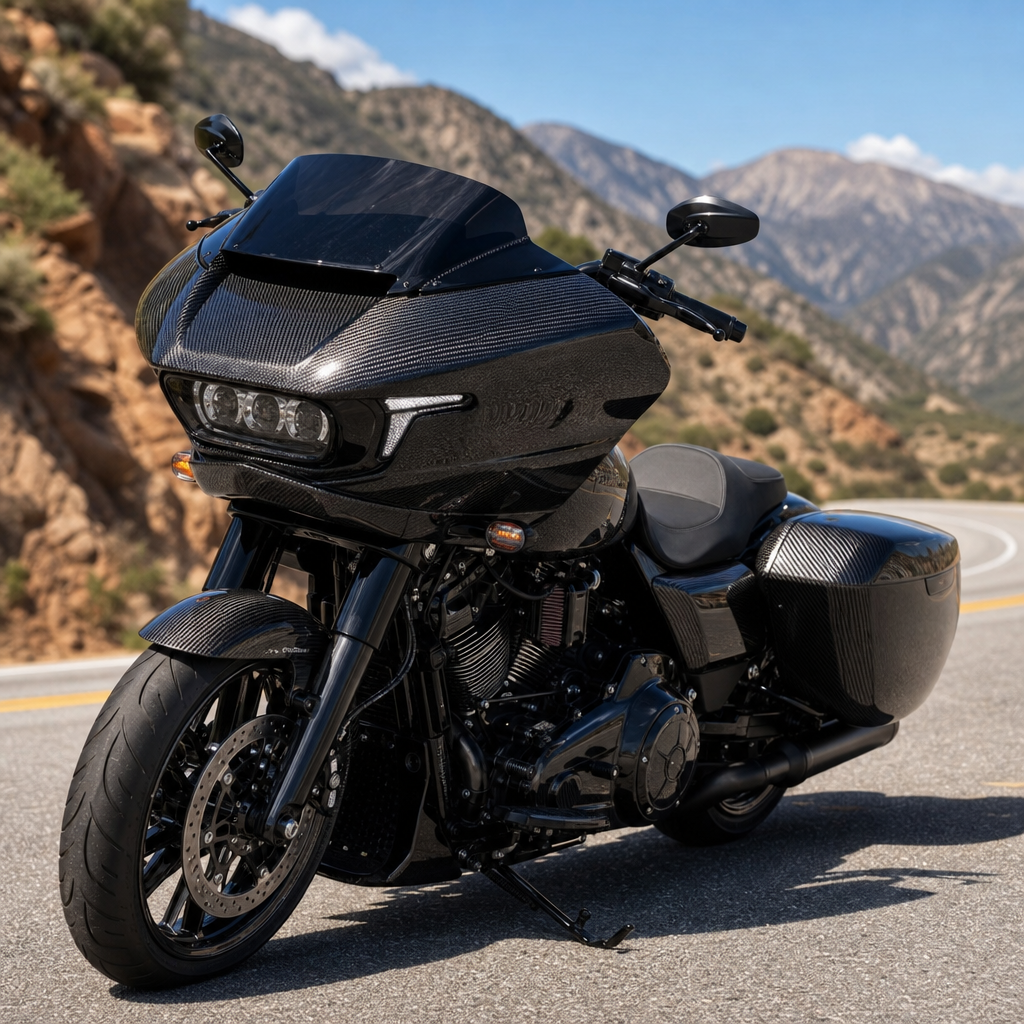
The CVO Road Glide ST carbon fiber fairing recipe for 2027 weight savings starts with a simple reality: on a performance-focused Harley-Davidson bagger, every pound removed from the wrong place changes more than the scale. It changes steering effort, wind management, rider fatigue, and the way the motorcycle responds when you ask it to transition quickly at speed. For riders researching model-specific ergonomics and performance recipes, the CVO Road Glide ST is one of the clearest examples of how material choice, component placement, and rider fit work together.
In this context, a recipe is a repeatable build plan. It is not just a shopping list. A useful recipe defines the target outcome, the compatible parts, the expected tradeoffs, the installation checkpoints, and the ergonomic effects that appear after the hardware goes on. Carbon fiber fairing upgrades sit at the center of that discussion because the Road Glide platform carries significant visual mass and functional hardware in the front structure. Change that structure, and you influence handling feel, rider protection, accessory compatibility, and long-distance comfort all at once.
I have worked with touring Harley setups where owners chased total weight reduction but ignored where the mass lived. The result was often disappointing. Dropping five pounds from a muffler heat shield or cosmetic bracket rarely feels transformational. Removing several pounds high and forward, however, can be noticeable from the first parking-lot turn. That is why the fairing conversation matters. The CVO Road Glide ST already blends premium equipment with performance intent, so a carbon fiber strategy for 2027 should be evaluated as part of a full ergonomic and performance system, not as a style-only modification.
This hub article explains that system. It covers how to think about front-end weight savings, what fit variables matter most for the CVO Road Glide ST, how to compare fairing options, and how this model connects to the broader category of Harley-Davidson model-specific ergonomics and performance recipes. If you want a practical roadmap before buying parts, this is the page to start with.
Why the CVO Road Glide ST Is the Right Case Study
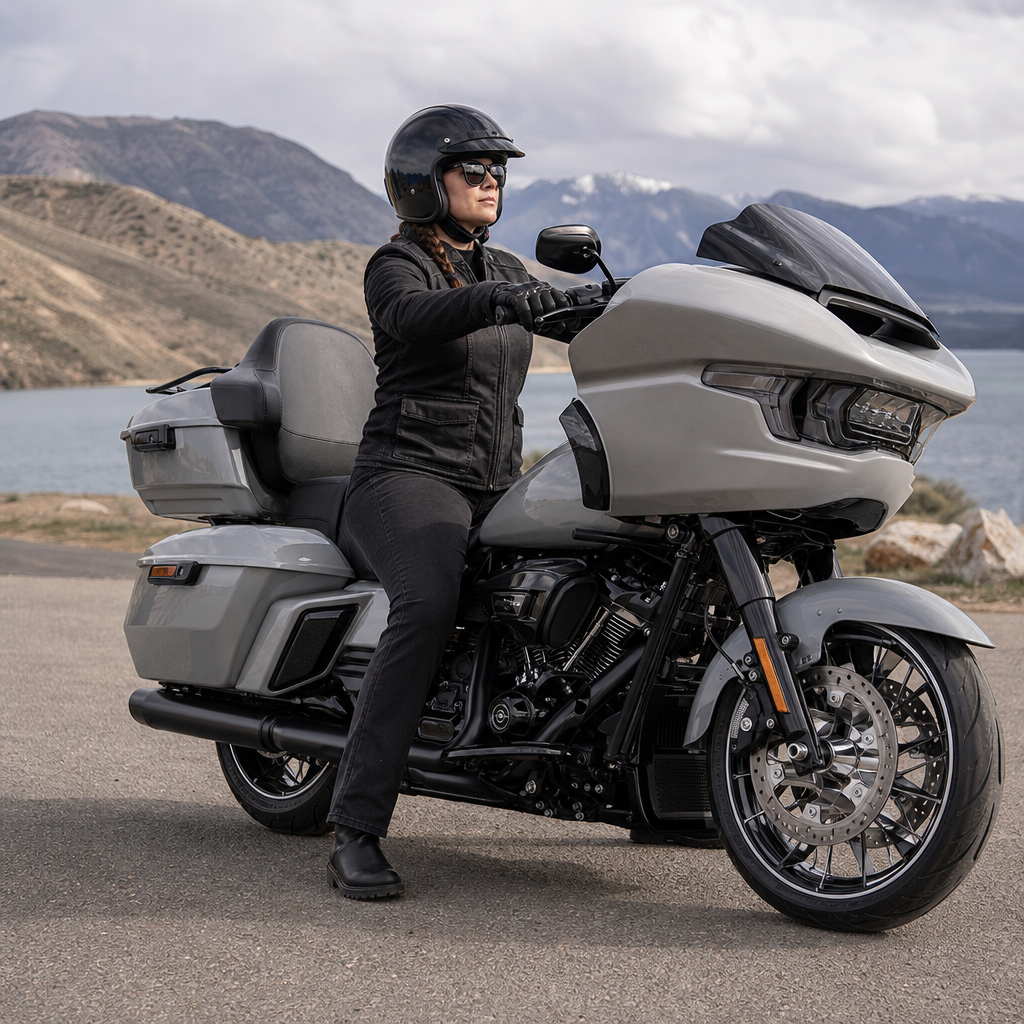
The CVO Road Glide ST occupies a useful middle ground for analysis because it combines touring architecture with performance expectations. The sharknose fairing is frame-mounted, which means the rider does not steer all of its mass directly the way they would on a fork-mounted fairing. Even so, front structure weight still affects the motorcycle’s dynamic behavior. It influences pitch response, braking feel, loading during direction changes, and the total burden carried by the chassis, suspension, and rider over long distances.
That matters even more when owners begin adding common equipment. Taller windshields, upgraded audio, navigation mounts, auxiliary lights, phone chargers, cameras, and heavier brackets can turn the front of the bike into a dense package quickly. A carbon fiber fairing recipe is valuable because it offsets that creep. In many cases, it also improves stiffness relative to fiberglass alternatives if the layup and resin system are well engineered. Quality matters here. Vacuum-bagged or autoclave-style processes, proper bonding of mounting points, and UV-stable clear coats separate a structural component from a decorative shell.
For 2027 planning, riders should think beyond catalog claims. Ask three direct questions. How much weight is actually saved compared with the original assembly or the specific aftermarket part being replaced? Where is that weight removed relative to the steering axis and rider contact points? What additional hardware must be added back to complete the installation? Those questions prevent inflated expectations and create a more reliable basis for comparing carbon fiber fairings, inner fairing pieces, mounting supports, and windshield combinations.
What “Weight Savings” Really Means on a Road Glide
Weight savings on a bagger should be evaluated in three categories: static mass reduction, mass location, and secondary effects. Static mass reduction is the simplest number. If a carbon fiber outer fairing saves four to eight pounds over a stock-style equivalent, that is real and measurable. Mass location is more important. Four pounds removed high and forward can produce a greater perceived benefit than a larger reduction lower in the chassis because the rider feels it during low-speed corrections, transitions, and front-end loading. Secondary effects include easier servicing, less stress on some brackets, and more freedom to choose taller or thicker windshields without completely undoing the gain.
Riders often ask whether a fairing swap alone will make the bike dramatically faster. The honest answer is no. You are not turning a heavyweight touring Harley into a middleweight sport motorcycle. What you can do is sharpen the interface between rider and machine. The bike may feel less top-heavy during garage maneuvers. Turn-in may require less persuasion. Windshield and cockpit changes may become easier to tune because the front package starts from a lighter baseline. On a platform intended for real miles, these small improvements stack up.
The best way to verify gains is to weigh assemblies before and after removal using the same scale and the same included hardware. Record the outer fairing, windshield, trim, brackets, speakers if equipped, fasteners, and mounts as separate line items. Owners who skip this step usually remember the final feel but cannot explain which component delivered the difference. For a true 2027 recipe, documentation matters because parts availability, resin methods, and bracket designs change over time.
Core Ergonomics Variables for This Sub-Pillar Topic
Model-specific ergonomics and performance recipes are built around rider contact and rider workload, not just horsepower numbers. On the CVO Road Glide ST, the critical variables are reach to bars, seat-to-peg relationship, torso angle, shoulder width relative to bar sweep, windshield height relative to eye line, and the pressure pattern created by the fairing at highway speed. A carbon fiber fairing enters the discussion because it can alter windshield options, mirror placement, venting, inner fairing layouts, and the vibration characteristics of the cockpit.
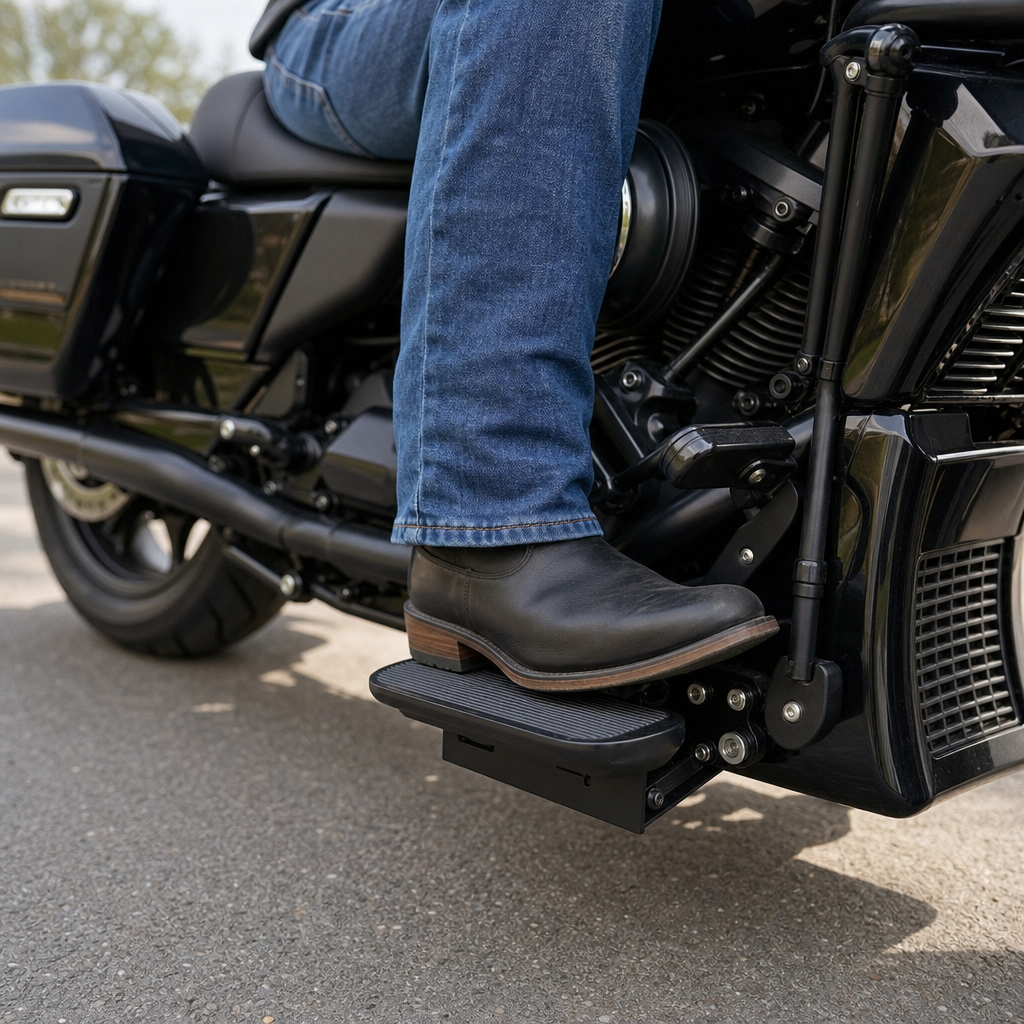
In practice, I evaluate ergonomics in layers. First comes neutral posture at low speed. Can the rider lock the outside knee against the tank area, keep relaxed elbows, and turn full lock without shoulder strain? Second comes sustained highway posture. Is wind pressure unloading the wrists or forcing the rider backward? Third comes dynamic control. During aggressive corner entries and quick corrections, can the rider move around the saddle without fighting the bars or getting buffeted at the helmet? If a fairing recipe improves scale weight but worsens those three layers, it is not a successful performance recipe.
This is why hub pages like this matter for Harley-Davidson owners. The same part can help one rider and hurt another depending on inseam, arm length, preferred seat shape, and average riding speed. A rider who spends most of the day at 80 mph in open crosswinds may value stability and reduced buffeting more than the lightest possible assembly. Another rider focused on canyon roads and shorter trips may gladly accept slightly more wind noise for sharper front-end feel.
Building the 2027 Carbon Fiber Fairing Recipe
A sound recipe starts with a target. For most CVO Road Glide ST owners, the realistic target is not maximum weight loss at any cost. It is balanced reduction with no sacrifice in fit, finish, or reliability. That usually means selecting a carbon fiber outer fairing from a manufacturer with documented fitment, using reinforced mounting points, keeping OEM-quality hardware where possible, and pairing the fairing with a windshield and cockpit setup that preserves the motorcycle’s intended highway function.
Use this framework when planning the build:
| Recipe Step | What to Check | Why It Matters |
|---|---|---|
| Baseline weigh-in | Stock outer fairing, windshield, trim, brackets, fasteners | Creates a real starting point for measuring savings |
| Part construction review | Layup method, resin quality, UV protection, bonded inserts | Determines durability, finish stability, and structural integrity |
| Fitment validation | Model-year compatibility, lighting openings, vent locations, speaker provisions | Prevents rework and hidden labor costs |
| Ergonomic pairing | Windshield height, bar reach, seat position, mirror visibility | Maintains comfort and control after the swap |
| Road test sequence | Parking-lot turns, 45 mph sweepers, highway crosswinds, hard braking | Confirms whether the recipe improves real riding behavior |
Several details are commonly missed. First, carbon fiber fairings often need careful torque discipline. Over-tightening fasteners can crush composite layers or create stress points around inserts. Second, finish quality changes maintenance requirements. A deep clear-coated weave may need paint-protection film in high-abrasion zones. Third, lightweight parts can reveal weaknesses elsewhere, especially on older accessory brackets that flex or resonate. The fairing may be lighter, but the whole front system still has to behave like a cohesive assembly.
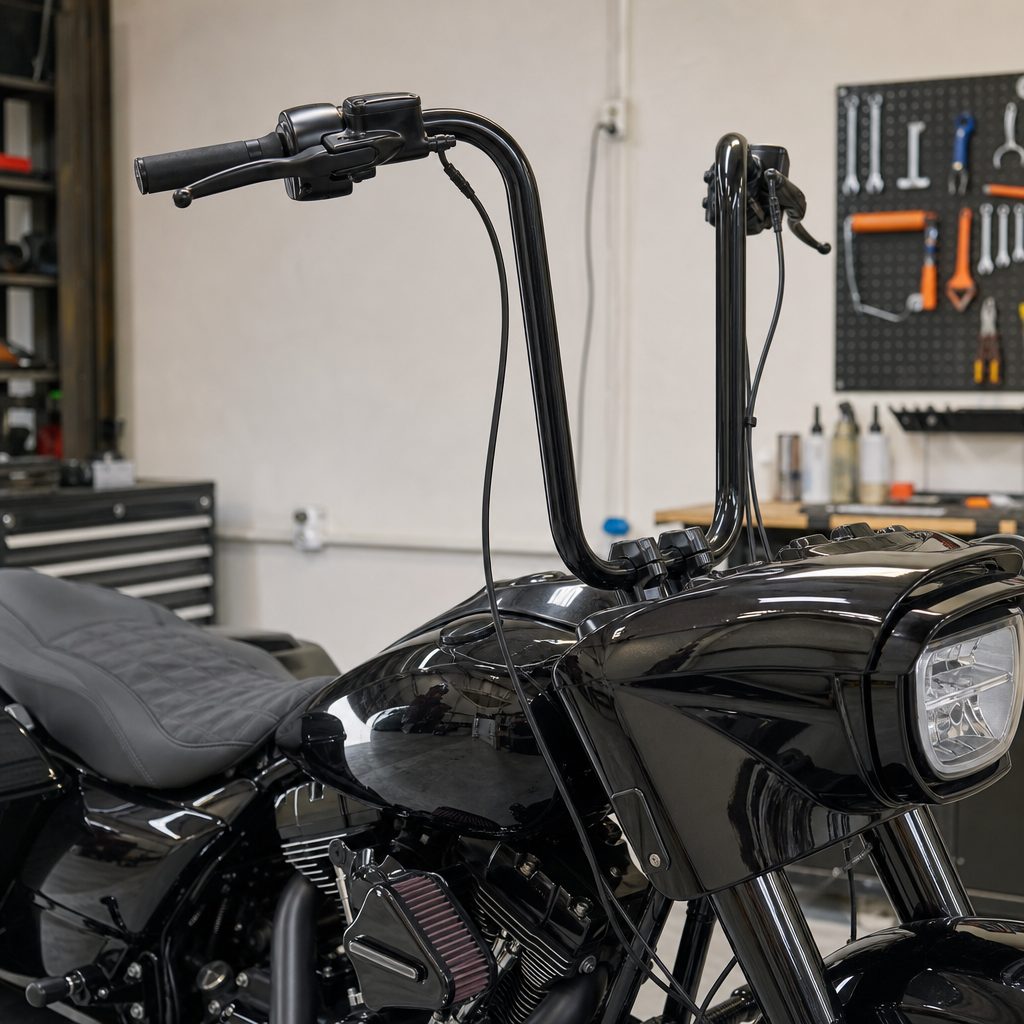
For many riders, the smartest companion upgrades include a correctly sized windshield, reduced-weight accessory mounts, and a bar setup that shortens reach without forcing excessive wrist angle. This is where the recipe concept earns its value. Weight reduction should support ergonomics, and ergonomics should support performance.
Real-World Tradeoffs: Handling, Wind, Heat, and Cost
Every meaningful modification has tradeoffs, and carbon fiber fairing swaps are no exception. The first tradeoff is cost. High-quality carbon fiber parts are expensive because the material itself is costly and the labor required for precise layup, trimming, and finishing is substantial. If a part is dramatically cheaper than comparable options, inspect the details closely. Inconsistent weave alignment, thin mounting tabs, low-grade clear coat, and vague fitment notes usually signal where the savings came from.
The second tradeoff is impact behavior. Carbon fiber is strong and stiff, but it does not fail the same way as some plastics. In a minor incident, a flexible OEM piece may scuff or deform while a composite panel can crack or chip. That does not make carbon fiber unsuitable; it simply means the owner should understand repair and replacement realities before committing. The third tradeoff is thermal and acoustic behavior. Different fairing materials can transmit resonance differently, especially when speakers, amplifiers, or phone mounts are installed. A front end that looks premium but buzzes at certain rpm is not a finished solution.
Wind management is the final major variable. A lighter fairing does not automatically mean cleaner airflow. The shape, venting, windshield contour, and rider height determine buffeting more than the weight of the shell itself. I have seen owners save several pounds and then spend weeks correcting turbulence with windshield changes because they treated aerodynamics as an afterthought. For the CVO Road Glide ST, the right recipe always pairs weight savings with airflow testing at the rider’s normal touring speed.
How This Hub Connects to Other Harley-Davidson Recipes
As a sub-pillar hub under Harley-Davidson, this page should guide riders toward adjacent model-specific ergonomics and performance recipes. The same evaluation method used here applies across Street Glide, Road Glide, Road King Special, Low Rider ST, and performance-tuned Softail models, but the priorities shift. A fork-mounted fairing bike will make steering-mass discussions more obvious. A stripped performance cruiser may care less about windshield integration and more about rider triangle and mid-control leverage. A touring chassis with passenger duty will place more emphasis on load distribution and rear suspension support.
That is the point of using recipes instead of generic advice. Harley-Davidson platforms respond differently because frame geometry, fairing architecture, seat height, engine vibration character, and intended use differ. On the CVO Road Glide ST, a carbon fiber fairing recipe is primarily about front-package refinement. On another model, the recipe might center on bars, risers, pegs, and saddle shape before bodywork ever enters the conversation.
When building your own roadmap, keep the hierarchy clear. Start with rider fit. Then address airflow. Then reduce weight where the reduction is meaningful. Finally, validate the changes with repeatable road testing. That sequence prevents expensive mistakes and leads to a bike that feels intentionally developed rather than randomly modified.
The best CVO Road Glide ST carbon fiber fairing recipe for 2027 weight savings is the one that treats pounds, posture, and protection as one system. Carbon fiber can deliver measurable front-end weight reduction, but the real payoff comes when that reduction improves steering feel, lowers rider workload, and supports better cockpit tuning. On a premium Harley-Davidson bagger, that integrated result matters more than any isolated number on a spec sheet.
For this sub-pillar topic, the broader lesson is just as important. Model-specific ergonomics and performance recipes work because motorcycles are not abstract platforms. They are physical machines ridden by people with different bodies, habits, and expectations. A successful recipe identifies the right target, uses compatible parts, measures the outcome honestly, and respects tradeoffs in cost, durability, and airflow.
If you are planning a 2027 build, begin with a baseline weigh-in and a fit assessment before ordering parts. Compare fairing construction carefully, pair the upgrade with the right windshield and control setup, and road test in the conditions you actually ride. Use this hub as your starting point for the wider Harley-Davidson recipe library, then build a Road Glide ST that is lighter, better fitted, and more rewarding every mile.
Frequently Asked Questions
Why does a carbon fiber fairing matter so much on a 2027 CVO Road Glide ST weight-savings build?
On a performance-oriented bagger like the CVO Road Glide ST, fairing weight matters because of where that weight lives and how it influences the motorcycle in motion. The fairing sits high and forward, which means even modest weight reduction there can affect steering feel more noticeably than the same number of pounds removed from a lower, more centralized location. Riders often focus on total pounds saved, but the more important question is how those pounds influence turn-in effort, side-to-side transitions, and the way the bike settles at speed. A lighter carbon fiber fairing can reduce the sense of top-heaviness at the front of the motorcycle and make quick directional changes feel more natural and less labor-intensive.
There is also a rider-fatigue component that gets overlooked. When the front of the motorcycle feels calmer and more responsive, the rider usually works less through long sweepers, urban traffic, and fast corrections. On a heavy touring platform, that can translate into a more confident ride over a full day rather than just a sharper feel in the first few miles. The aerodynamic structure of the fairing also plays a role. A well-designed carbon fiber fairing is not simply a lighter shell; it needs to preserve mounting integrity, windshield alignment, ducting, and airflow behavior so the rider does not trade weight savings for buffeting, vibration, or reduced stability.
For a 2027 weight-savings recipe, carbon fiber makes sense because it targets a high-impact area without changing the fundamental identity of the CVO Road Glide ST. The goal is not to make the bike into something it is not. The goal is to refine steering effort, maintain highway composure, and improve how the motorcycle reacts when ridden with purpose. That is why fairing weight is one of the first places experienced builders evaluate.
How much weight can realistically be saved with a carbon fiber fairing on a CVO Road Glide ST?
The honest answer is that real-world savings depend on what is being replaced and how complete the new assembly is. A bare carbon fiber outer fairing may save a meaningful amount compared with a stock component, but the final result is influenced by every bracket, mount, insert, fastener, vent panel, windshield interface, speaker opening, and inner structure that remains attached to it. Some riders assume carbon fiber automatically creates dramatic numbers, but on a modern touring Harley-Davidson, realistic savings are usually the result of a system approach rather than one miracle part.
That system approach means you should compare complete like-for-like assemblies. Are you replacing only the outer shell, or are you also replacing support structures with lighter equivalents? Are factory mounting points retained? Is the part built for road use with proper reinforcement in stress areas, or is it a thin cosmetic piece intended more for appearance than sustained use? Weight claims can vary significantly depending on whether the manufacturer includes hardware, bonded inserts, and finish layers in the listed figure. For that reason, serious buyers should ask for documented weights of the stock part, the replacement part, and the installed configuration.
What matters just as much as the number on the scale is the result on the road. Even if the total pounds saved seem modest, reducing weight high and forward can produce a more noticeable performance benefit than a larger weight drop elsewhere. In other words, the fairing recipe is valuable because it improves leverage, steering character, and responsiveness, not just because it generates a headline number. For a 2027 build, realistic expectations and verified component weights are the smart way to evaluate whether the carbon fiber fairing delivers meaningful value.
Will switching to a carbon fiber fairing affect wind protection, stability, or comfort on long rides?
It can, which is why fairing selection should never be based on weight alone. The CVO Road Glide ST relies heavily on its fairing shape, windshield relationship, and mounting precision to manage airflow around the rider. If a carbon fiber fairing matches the stock geometry, maintains proper rigidity, and mounts correctly, wind protection and stability can remain excellent while delivering the handling benefits of lower weight. If the replacement part has inconsistent dimensions, poor finish accuracy, or inadequate reinforcement, the result can be added buffeting, panel movement, noise, and a less refined ride at highway speeds.
Rigidity is a major factor. Carbon fiber has the potential to be very strong, but strength depends on layup quality, resin system, reinforcement strategy, and manufacturing standards. A properly built fairing should resist flex under wind load, preserve alignment at speed, and keep stress from transferring unevenly into mounting points. That is especially important on a bagger that may see aggressive riding, rough pavement, and long-distance miles. The rider should not have to choose between performance and touring comfort. A well-engineered part can support both.
Comfort also depends on details such as windshield fit, vent integration, instrument line-up, and whether the fairing works harmoniously with mirrors, hand controls, and any attached accessories. Small dimensional errors can create airflow changes the rider notices immediately, especially around the helmet and shoulders. For that reason, riders planning a 2027 weight-savings recipe should prioritize carbon fiber fairings designed specifically for the Road Glide ST platform, tested in realistic riding conditions, and reviewed by owners who care about both speed and long-haul usability.
What should riders look for when choosing a carbon fiber fairing for a CVO Road Glide ST?
Fitment quality should be at the top of the list. On a premium model like the CVO Road Glide ST, the fairing must align correctly with factory mounting locations, windshield hardware, lighting interfaces, and adjacent bodywork. Good carbon fiber parts should not require excessive trimming, forcing, slotting, or improvised hardware just to install. Poor fit can create stress cracks, vibration, uneven panel gaps, and long-term durability problems. A quality manufacturer will clearly state whether the fairing is a direct replacement, whether stock hardware is reused, and which additional parts are required for a proper install.
Material and construction quality matter just as much. Riders should look for reinforced mounting points, clean resin work, consistent weave alignment if a visible finish is desired, and a production process built around structural use rather than decorative appearance alone. UV protection is important if the carbon weave will remain exposed, because prolonged sun exposure can degrade the finish over time without a proper clear coat. If the fairing will be painted, the buyer should still verify that the substrate is stable, properly cured, and suitable for prep and finish work.
It is also wise to evaluate the fairing in the context of the full build. If the goal is a 2027 weight-savings recipe, the fairing should complement suspension setup, wheel and tire choices, braking expectations, and the rider’s preferred windshield height and cockpit ergonomics. The best part is not always the lightest possible part. It is the one that delivers measurable savings, preserves road manners, and holds up under real-world use. Reputable brand support, installation guidance, and owner feedback from Road Glide ST riders are often the clearest signs that a carbon fiber fairing is worth the investment.
Is a carbon fiber fairing upgrade worth it for riders who want better handling without sacrificing the character of the CVO Road Glide ST?
For many riders, yes, especially if the goal is refinement rather than reinvention. The CVO Road Glide ST already has a strong performance identity within the Harley-Davidson bagger world, and a carbon fiber fairing fits that mission because it improves a meaningful area of the motorcycle without changing what makes the bike special. You still keep the long-distance capability, the unmistakable silhouette, and the confidence of a big fixed-fairing platform, but you potentially reduce steering effort and improve how eagerly the bike responds when ridden hard.
That said, the upgrade is most worthwhile when the rider values feel, response, and cumulative gains. If someone expects a single fairing swap to transform the motorcycle as dramatically as suspension tuning, they may be disappointed. But if they understand that front-end weight reduction is one part of a broader recipe, the value becomes much clearer. The improvement often shows up in subtle but important ways: less effort initiating lean, better composure during quick transitions, a lighter sensation at the bars, and reduced fatigue over time. Those benefits can be especially rewarding for riders who regularly mix touring mileage with aggressive back-road or high-speed riding.
In practical terms, the upgrade is worth it when the part is high quality, the installation is correct, and the rider’s expectations are grounded in how performance motorcycles actually improve: through thoughtful, compounding changes. For a 2027 weight-savings plan, a carbon fiber fairing is not just a styling statement. It is a targeted modification that can support handling, comfort, and confidence while preserving the essential personality of the CVO Road Glide ST.