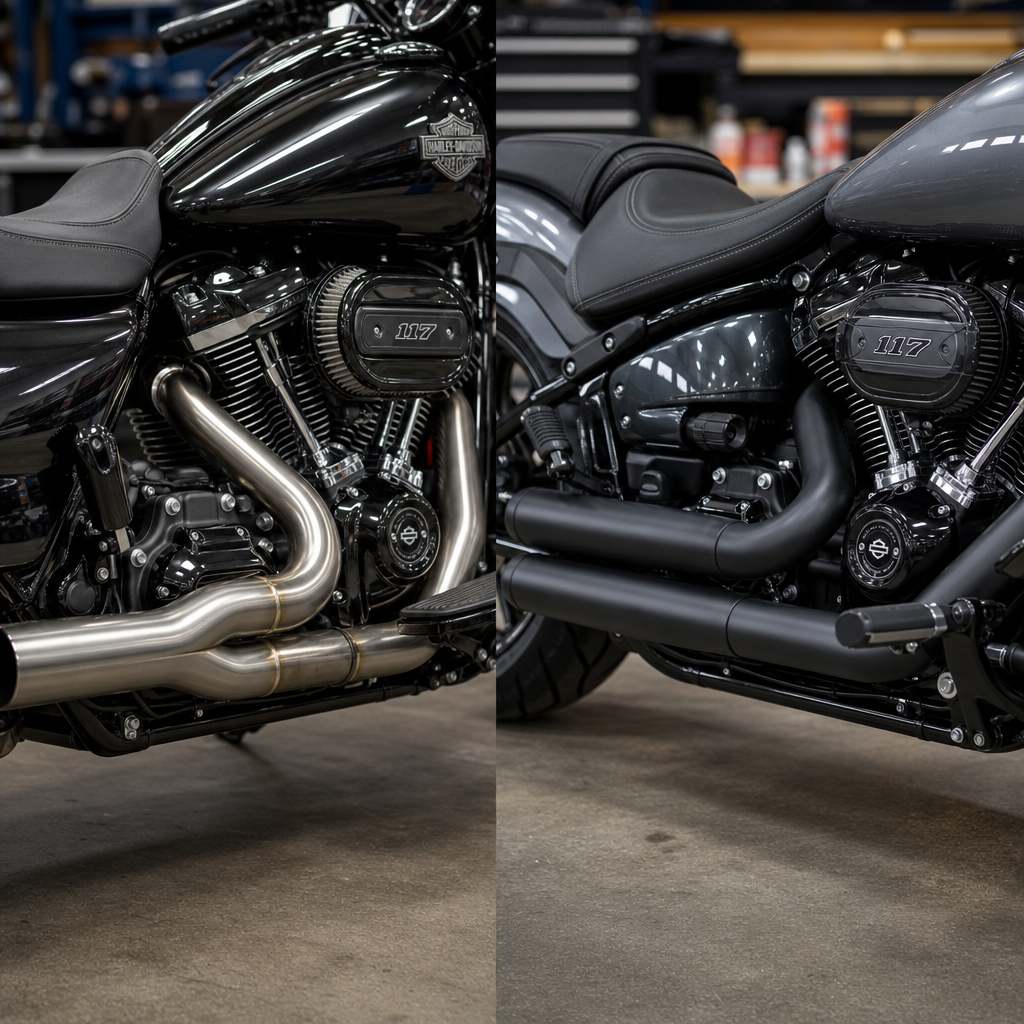
The Milwaukee-Eight oil pump scavenge recipe for maximizing 2027 oil flow starts with understanding what the system must do: evacuate crankcase oil quickly, maintain stable feed pressure, control heat, and support the ergonomics and performance goals riders build into each motorcycle. On Harley-Davidson touring, cruiser, trike, and performance-bagger platforms, oil flow is never just a lubrication topic. It affects idle quality, hot-running behavior, valve train stability, rider comfort in traffic, and how confidently a bike holds power on long grades or repeated acceleration. In practical workshop terms, a recipe is a repeatable combination of parts choices, clearances, inspection steps, and usage-matched tuning decisions. Getting that recipe right matters because the Milwaukee-Eight responds clearly to oil system quality: efficient scavenging reduces sump accumulation, lowers parasitic drag from flywheel windage, and helps the engine deliver more consistent behavior across temperature ranges.
I have built and corrected enough Milwaukee-Eight combinations to know that most oiling complaints are not caused by a single bad part. They usually come from mismatched priorities. A rider installs a high-volume pump, keeps a restrictive cam plate, uses oil that is too heavy for the climate, then wonders why hot idle noise, breathers, or heat complaints remain. Another rider chases peak horsepower and ignores seat height, bar reach, floorboard position, and gearing, even though these factors shape how hard the engine works in the real world. That is why this hub covers model-specific ergonomics and performance recipes together. For Harley-Davidson owners, performance is the total outcome of lubrication, thermal management, rider posture, load, gearing, and maintenance discipline. The best Milwaukee-Eight oil pump scavenge recipe is not universal; it is tailored to platform, riding style, climate, and build level.
What the Milwaukee-Eight oil pump scavenge system actually does
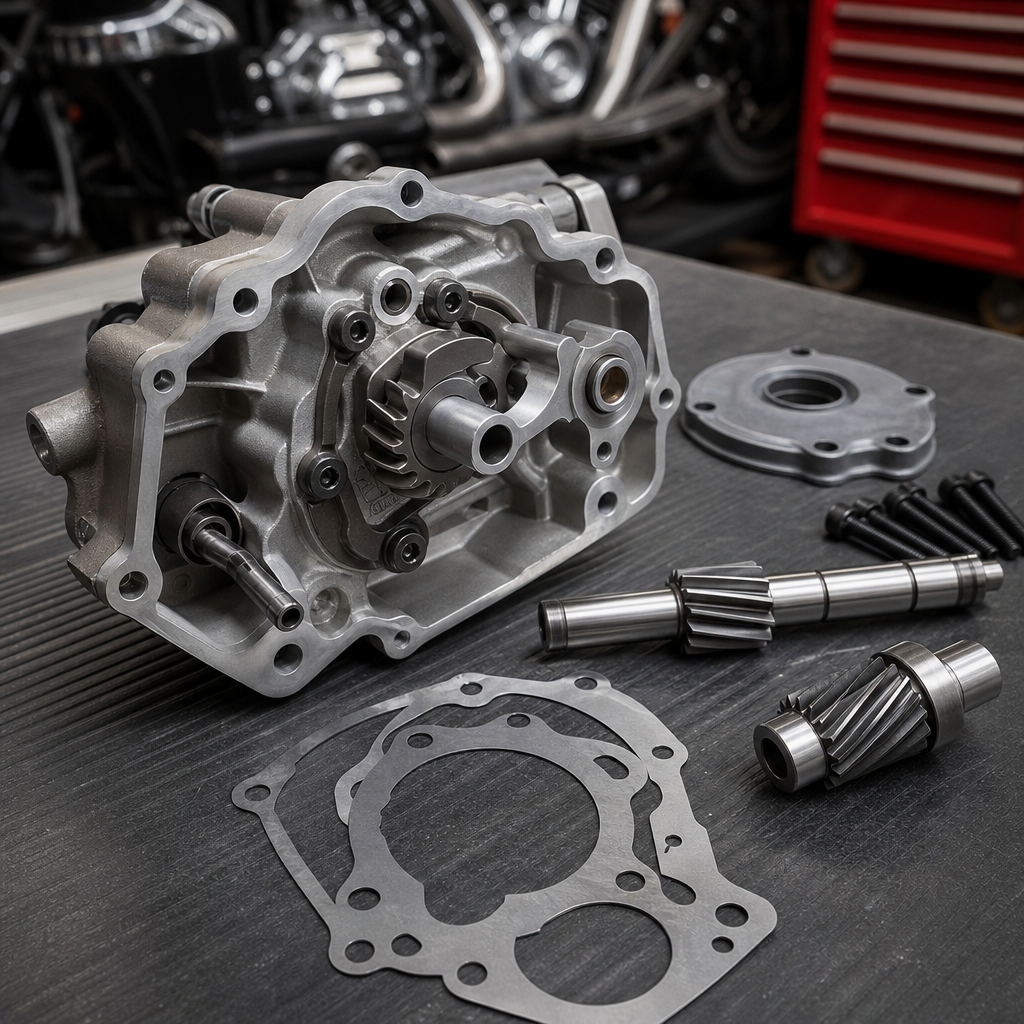
The Milwaukee-Eight uses a gerotor-style oil pump arrangement integrated with the cam chest. One stage feeds pressurized oil to critical engine components, while the scavenge side pulls oil from the crankcase and returns it to the tank. The scavenge function is especially important on big-inch V-twins because oil left in the sump increases windage losses, aeration risk, and temperature. In plain terms, if the flywheels are whipping through excess oil, the engine wastes energy and can run hotter. A strong scavenge setup keeps the bottom end drier, which improves efficiency and stabilizes oil control during long highway operation, aggressive corner exits, and stop-and-go heat soak.
For 2027 oil flow targets, think less about a magic number and more about system balance. Flow depends on pump capacity, internal leakage, oil viscosity, engine speed, temperature, and return-path efficiency. Harley-Davidson’s own updates across Milwaukee-Eight generations, plus aftermarket developments from S&S Cycle, Feuling, Star Racing, and Fuel Moto-supported builds, show the same principle: better scavenge performance comes from improved port geometry, tighter control of pump alignment, stronger pressure regulation, and cam plate compatibility. When owners ask the direct question, “What improves Milwaukee-Eight scavenging the most?” the answer is straightforward: precise pump-to-crank alignment, a matched cam plate and pump, correct relief behavior, and oil viscosity appropriate to ambient conditions and bearing clearances.
How model-specific ergonomics change oiling demand
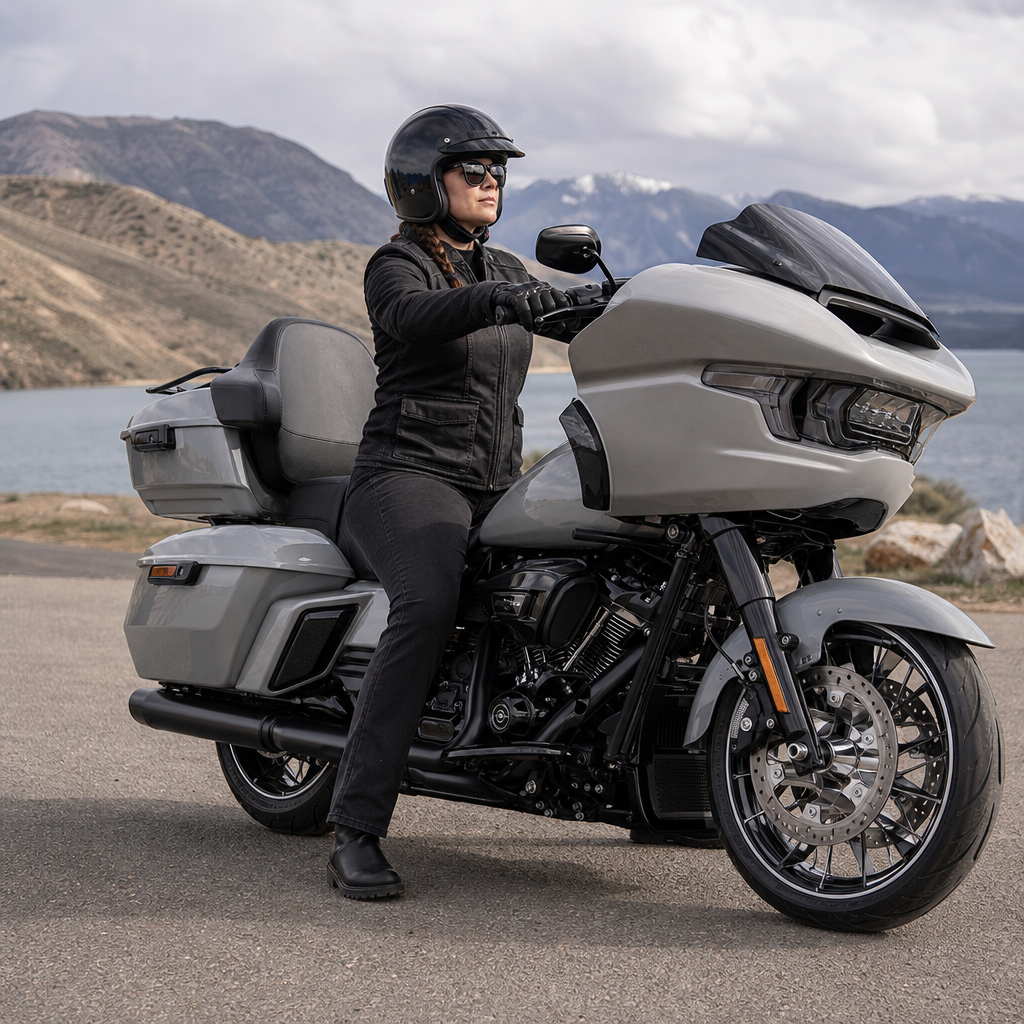
Ergonomics may seem separate from engine oil flow, but in real service they are connected. A Road Glide Limited carrying a passenger, trunk load, and highway pegs imposes a different duty cycle than a Low Rider ST ridden solo on short aggressive routes. A Street Glide with bars that force the rider upright into wind resistance often cruises at slightly higher throttle opening than the same bike with a better reach and torso angle. That changes cylinder head temperature and oil temperature. A trike with more frontal area and mass can spend more time under sustained load, asking more from scavenge efficiency during summer touring. Even seat foam density affects how often a rider stands the bike back up from a stop or accelerates to create airflow. These are small factors individually, but together they influence heat and therefore oil behavior.
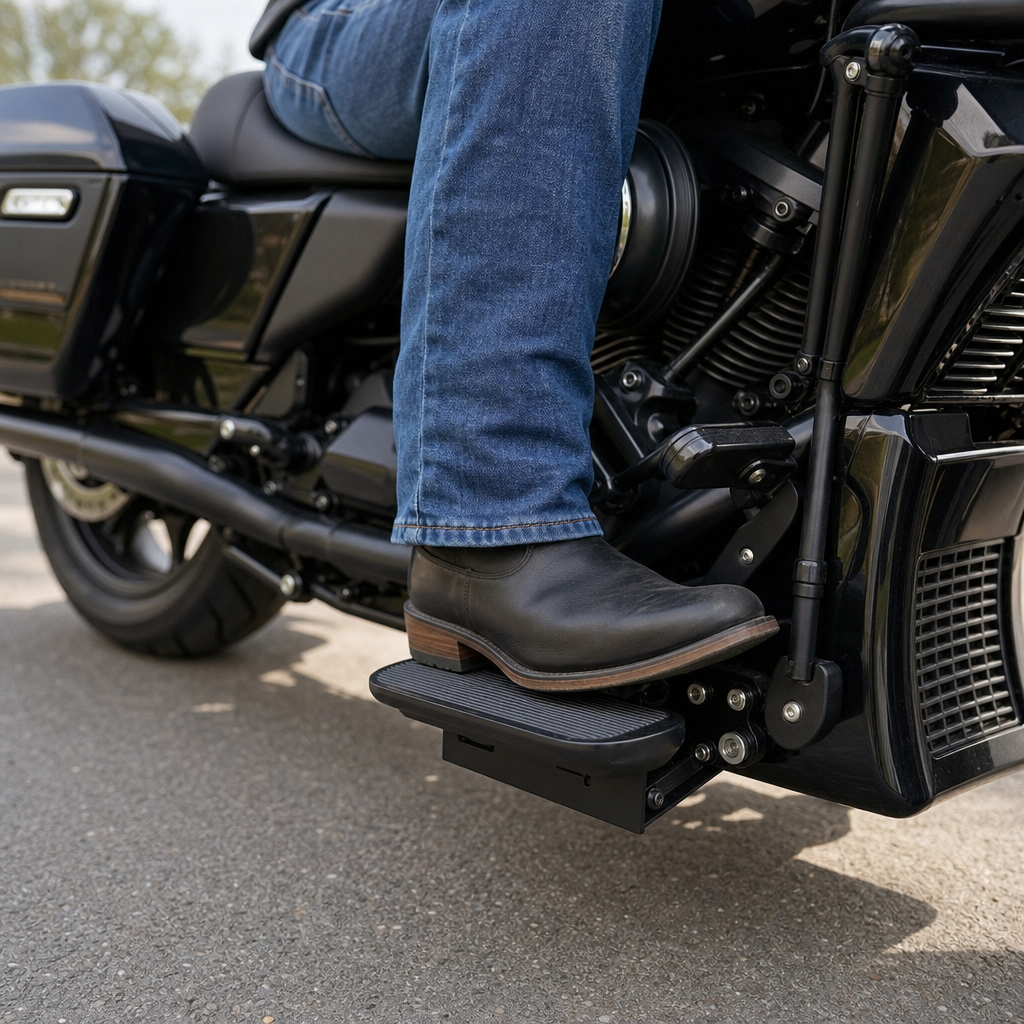
Model-specific performance recipes should start with rider triangle basics: seat height, seat-to-floorboard distance, handlebar reach, and windshield management. When the rider is supported correctly, throttle inputs become smoother and sustained load often decreases. On touring models, a well-matched touring seat, mid-height bars, and windshield that reduces buffeting can lower fatigue and moderate unnecessary rpm variation over long days. On Softails, especially performance-oriented builds, foot control position and bar leverage affect how often the rider uses abrupt torque to compensate for poor body positioning. Better ergonomics do not replace mechanical oiling improvements, but they reduce the thermal abuse that exposes weak scavenging.
The core scavenge recipe for maximizing Milwaukee-Eight oil flow
A reliable recipe begins with measurement, not marketing. Verify pinion shaft runout within accepted limits, inspect cam chest wear surfaces, confirm oil pump alignment during installation, and check the pressure relief valve for smooth operation. If the foundation is off, a premium pump cannot deliver its design advantage. In my experience, the strongest upgrade path for many 107, 114, 117, and 121-style builds is a matched high-efficiency pump and cam plate from the same manufacturer, installed with documented torque sequence and alignment procedure. Feuling’s Race Series and HP+ combinations are common choices; S&S and other established suppliers also provide proven systems. The brand matters less than using a matched system with known clearances and a reputation for repeatability.
The supporting recipe includes appropriate oil selection, cooler capacity if usage demands it, and breathers that are not masking sump problems. Harley-Davidson specifies viscosity ranges by temperature, and that guidance should not be ignored. Heavier oil is not automatically better. In cooler climates or shoulder seasons, overly thick oil can slow return characteristics at startup and increase drag. In very hot operation, a stable motorcycle-specific synthetic meeting the manufacturer’s viscosity recommendation often delivers the best compromise of film strength, pumpability, and oxidation resistance. For severe heat, a quality oil cooler with thermostat control helps because overcooling can be nearly as undesirable as overheating for moisture control and stable clearances.
| Bike type | Typical use | Scavenge priority | Recommended recipe focus |
|---|---|---|---|
| Touring bagger | Two-up, luggage, long highway miles | Heat stability under sustained load | Matched pump and cam plate, thermostat oil cooler, rider fit upgrades |
| Performance bagger | Hard acceleration, spirited corner exits | Fast sump evacuation at high rpm | High-efficiency scavenge system, precise alignment, premium synthetic oil |
| Softail cruiser | Mixed commuting and weekend rides | Hot idle control and traffic heat | Balanced pump upgrade, correct viscosity, airflow-conscious ergonomics |
| Trike | Heavy load, lower airflow, touring duty | Thermal control and return consistency | Scavenge upgrade, cooler management, gearing and seating review |
Building hub recipes across Harley-Davidson models
As a sub-pillar hub, this page should guide readers toward model-specific recipes rather than pretend every Milwaukee-Eight behaves the same. For Road Glide and Street Glide models, the next layer should compare fairing protection, rider posture, and sustained interstate load, then connect those traits to oil temperature patterns and cam chest choices. For Road King owners, the absence of a frame-mounted infotainment fairing changes airflow and rider position, which can alter thermal feel even with identical engines. Electra Glide, Ultra, and Tri Glide articles should address passenger mass, cargo, and parade-speed operation. Softail articles should separate Heritage, Fat Boy, Breakout, Low Rider S, and Low Rider ST because gearing, stance, and intended speed envelope differ enough to justify different performance recipes.
The hub should also organize recipes by outcome. One cluster can target cooler-running touring, another stronger roll-on power with stable oil control, another improved hot-idle behavior in urban traffic, and another long-distance comfort without sacrificing engine durability. Internal links from this article should lead readers to cam selection, oil cooler sizing, clutch and primary setup, suspension balance, rider fit, and gearing pages. That structure helps owners make better decisions because an oil pump upgrade rarely lives alone. A 117-inch bagger with short shocks, poor airflow management, and an overgeared final drive may feel worse than a modest 107 with a disciplined, integrated recipe. The hub’s job is to show how the pieces work together.
Common mistakes that limit Milwaukee-Eight oil flow gains
The most common mistake is assuming flow claims on a parts box guarantee better real-world scavenging. Published percentages are measured under specific conditions and may not reflect your crankshaft runout, cam support plate condition, or operating temperature. Another frequent error is installing a larger pump without checking for trapped debris, scoring, or gasket surface distortion in the cam chest. I also see owners chase oil pressure numbers while ignoring sump evacuation. Pressure is only part of the story. An engine can show acceptable feed pressure and still carry too much oil in the bottom end under heat or rpm. That is why any serious recipe should include observation of breather behavior, hot idle sound, return consistency, and post-run inspection during service intervals.
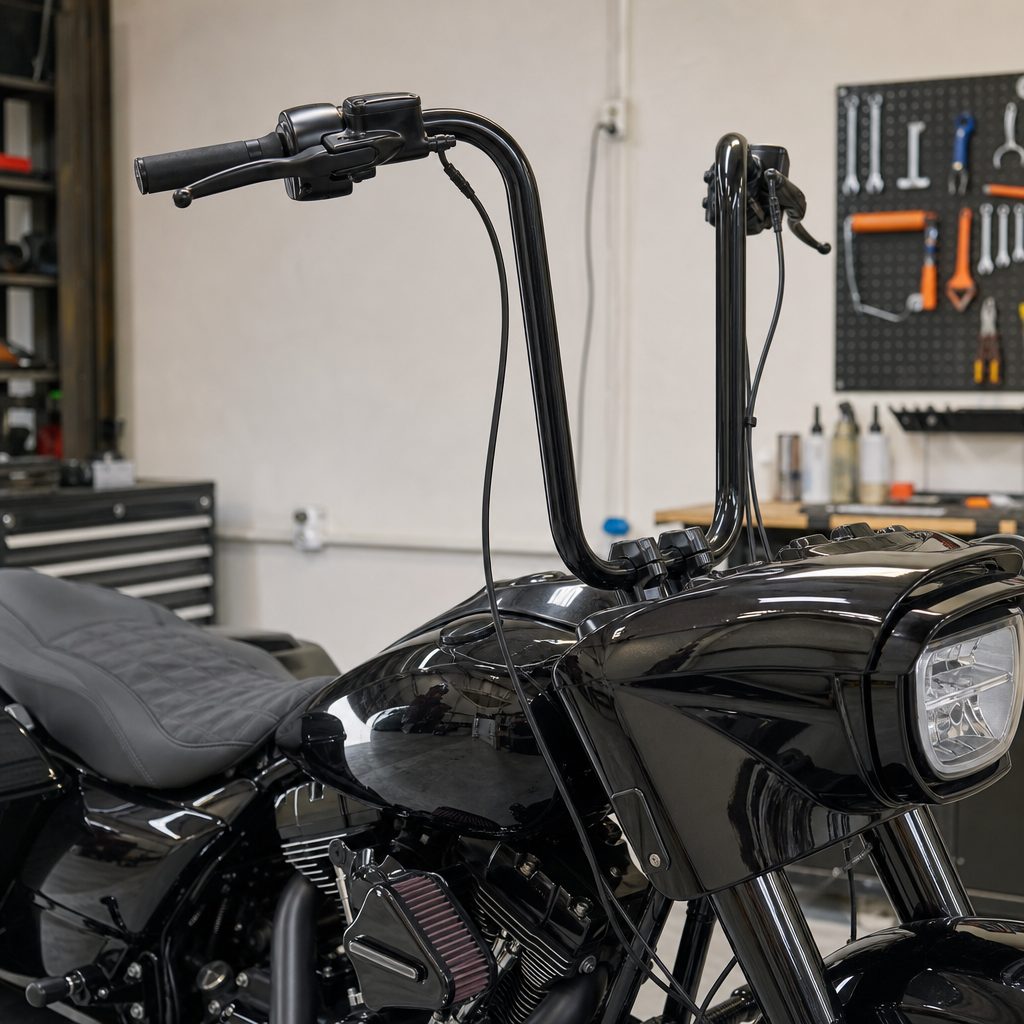
Another limitation comes from treating ergonomics as cosmetic. Tall bars, deeply dished seats, or floorboard setups that look right online can force awkward body position, increase throttle correction, and raise engine workload. Finally, some riders overmodify without a baseline. Before upgrading, document oil temperature in comparable conditions, note idle quality after heat soak, and track consumption over several thousand miles. Use recognized diagnostic tools where possible, including a digital tach, infrared thermometer for comparative checks, and service-manual procedures for oil pump installation. Data turns a guess into a repeatable recipe, and repeatability is what separates a dependable Harley-Davidson build from a pile of expensive parts.
Choosing the right 2027-ready recipe for your bike
If your goal is maximizing 2027 oil flow, choose a recipe based on how the motorcycle is actually used. For a stock-displacement touring bike that spends days on the highway, prioritize scavenging stability, thermal control, and rider ergonomics that reduce unnecessary load. For a performance bagger with cam work and tuning, prioritize sump evacuation under repeated high-rpm pulls, strict installation accuracy, and oil that remains stable under heat. For urban cruisers, focus on hot idle manners, airflow at low speed, and a moderate upgrade path rather than race-spec parts. In every case, keep the system balanced: pump, cam plate, oil choice, cooler strategy, tuning, and rider fit should support one another.
The main benefit of a well-designed Milwaukee-Eight oil pump scavenge recipe is consistency. The engine feels calmer in traffic, cleaner under acceleration, and more predictable on long rides because excess sump oil, heat buildup, and mismatched parts are no longer working against it. As the Harley-Davidson hub for model-specific ergonomics and performance recipes expands, use this page as the starting framework: define the riding mission, measure the mechanical baseline, then choose upgrades that match the platform instead of copying someone else’s parts list. Start with your model, your climate, and your riding load, and build a recipe that keeps oil moving efficiently while the whole motorcycle works better for the rider.
Frequently Asked Questions
What does “maximizing 2027 oil flow” really mean on a Milwaukee-Eight oil pump scavenge setup?
Maximizing 2027 oil flow is not simply about pushing more oil everywhere or chasing a larger pump number. In a Milwaukee-Eight, the real goal is to improve how efficiently the oiling system moves oil through the engine while keeping the crankcase as free of excess oil as possible. The scavenge side of the pump has a critical job: it must pull oil out of the crankcase quickly, return it to the tank or designated reservoir path, and prevent oil from pooling where it can create drag, heat, and unwanted crankcase pressure effects. When that scavenging action is optimized, the engine tends to run cleaner internally, maintain more consistent feed pressure, and resist the negative effects of oil aeration and windage.
For a 2027-focused build recipe, riders and builders are usually thinking beyond stock commuting conditions. They want strong hot-idle behavior, dependable pressure during long highway pulls, better thermal control in traffic, and stability under the added loads common on touring bikes, trikes, cruisers, and performance baggers. In practical terms, maximizing oil flow means matching the pump’s scavenge capacity to the engine’s real operating demands, making sure return passages are not restricted, and supporting the overall combination with sensible oil viscosity, proper clearances, and quality filtration. The best outcome is not “maximum volume at all times,” but balanced oil movement that supports lubrication, cooling, reliability, and rider comfort.
Why is the scavenge side of the oil pump so important for Milwaukee-Eight performance and rider comfort?
The scavenge side matters because it directly influences what is happening inside the crankcase while the engine is running under heat and load. If oil stays in the crankcase too long, the rotating assembly can whip it into foam, create parasitic drag, and increase internal turbulence. That can affect power delivery, temperature control, and the smoothness riders feel at idle or in stop-and-go traffic. In a Milwaukee-Eight platform, especially one used on heavier Harley-Davidson touring and trike applications, those effects become very noticeable because the engine often spends time at sustained temperature, low road speed, and varying load.
Good scavenging also helps stabilize the rest of the lubrication system. When the return side is doing its job efficiently, the feed side has a better chance of delivering oil predictably where it is needed, including bearings, top end components, and other high-friction areas. This is especially important in engines that have been tuned for more torque, ridden aggressively, or equipped with heat-generating accessories and heavier payloads. From the rider’s point of view, a better-scavenging system can contribute to more consistent hot-running manners, less oil-related temperature stress, and a more refined feel when the motorcycle is idling at a light, creeping through traffic, or covering long distances in warm weather.
What parts and setup changes are usually included in a strong Milwaukee-Eight oil pump scavenge recipe?
A solid scavenge recipe usually starts with a high-quality oil pump designed for improved evacuation efficiency rather than just advertised output. Builders typically look for tighter internal control, dependable machining quality, and proven compatibility with the intended engine combination. From there, the recipe often includes checking pump alignment, verifying cam chest component fit, and making sure the pump is not being compromised by installation issues that can reduce its real-world efficiency. Even an excellent pump can underperform if it is misaligned or installed in a system with restrictions elsewhere.
Beyond the pump itself, the recipe often involves supporting components and operating choices. That can include an oil plate or matched cam chest components where applicable, proper pressure relief behavior, unrestricted oil return paths, and a filter that offers strong flow without sacrificing filtration integrity. Oil selection matters as well. The right viscosity for the climate, riding style, and engine clearances helps the pump do its job without creating unnecessary resistance or thinning out excessively at temperature. Builders also pay attention to engine combinations that influence oil behavior, such as big-bore setups, cam choices, sustained high-rpm use, and increased thermal load. In the best builds, the pump is treated as one part of an oil-control strategy rather than a standalone fix.
Can better scavenging improve hot idle, valve train stability, and overall reliability on touring and performance-bagger models?
Yes, better scavenging can contribute meaningfully to all three, although it should be viewed as part of an overall engine health and tuning strategy. At hot idle, a well-controlled oiling system helps the engine avoid some of the instability that comes from excess heat, oil aeration, and uneven internal oil management. When the crankcase is cleared more efficiently, the system is better positioned to maintain orderly oil circulation as temperatures rise. That does not magically solve every idle issue, but it supports a more stable operating environment.
Valve train stability also benefits from consistent lubrication and pressure behavior. The Milwaukee-Eight’s top end depends on a predictable supply of oil under changing rpm and temperature conditions. If the pump can scavenge efficiently and the feed side remains stable, the valve train is less likely to experience the secondary effects of inconsistent oil control during hard use. On touring bikes and performance baggers that spend time at sustained speed, in heat, or under added load, that consistency matters for durability and rider confidence. Over the long term, improved scavenging can reduce unnecessary internal stress, limit heat-related oil degradation, and help the engine maintain dependable behavior across a wide range of riding conditions. Reliability is rarely the result of one part alone, but an efficient scavenge system is absolutely a foundational piece.
How do riders know when it is time to upgrade the Milwaukee-Eight oil pump scavenge system?
The need for an upgrade usually shows up as a pattern rather than one isolated symptom. Riders often start looking at the scavenge system when the motorcycle runs hotter than expected in traffic, feels less composed at hot idle, or is being pushed beyond stock use with performance modifications, heavy touring loads, or long-distance summer riding. Builders also consider an upgrade when an engine combination has changed enough that the stock oiling strategy may no longer be the best match. Higher output builds, repeated high-rpm operation, and applications where heat management is especially important are all common reasons to revisit pump efficiency and scavenging capacity.
That said, the smartest upgrade decision comes from evaluating the whole system. Oil temperature behavior, pressure consistency, engine build specs, riding environment, and the condition of related components all matter. A rider should not assume the pump is the problem if there are other issues such as poor tuning, wrong oil choice, blocked passages, excessive clearances, or cooling airflow limitations. In an authoritative build plan, the scavenge upgrade is chosen because it fits the engine’s real demands and complements the intended use of the motorcycle. When approached that way, the result is not just more oil movement on paper, but better control, better heat handling, and a more confidence-inspiring machine on the road.