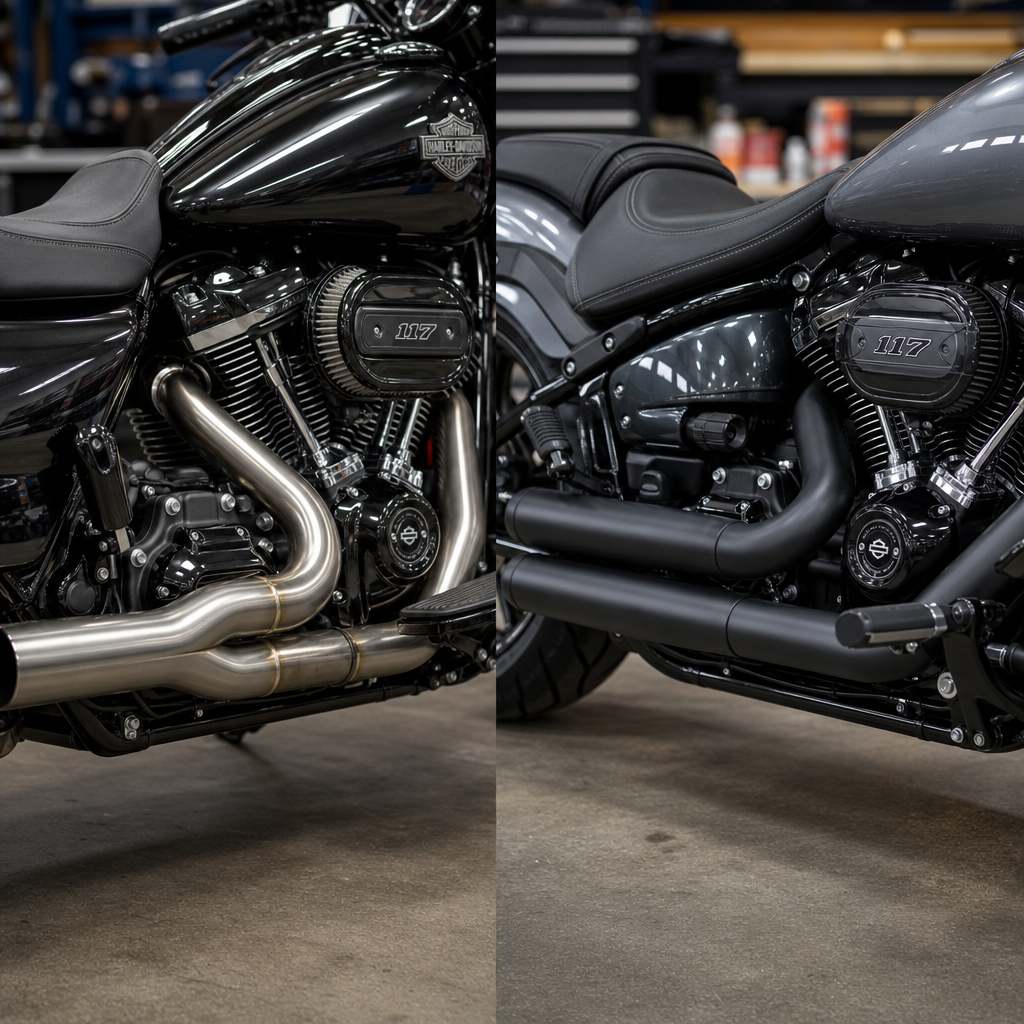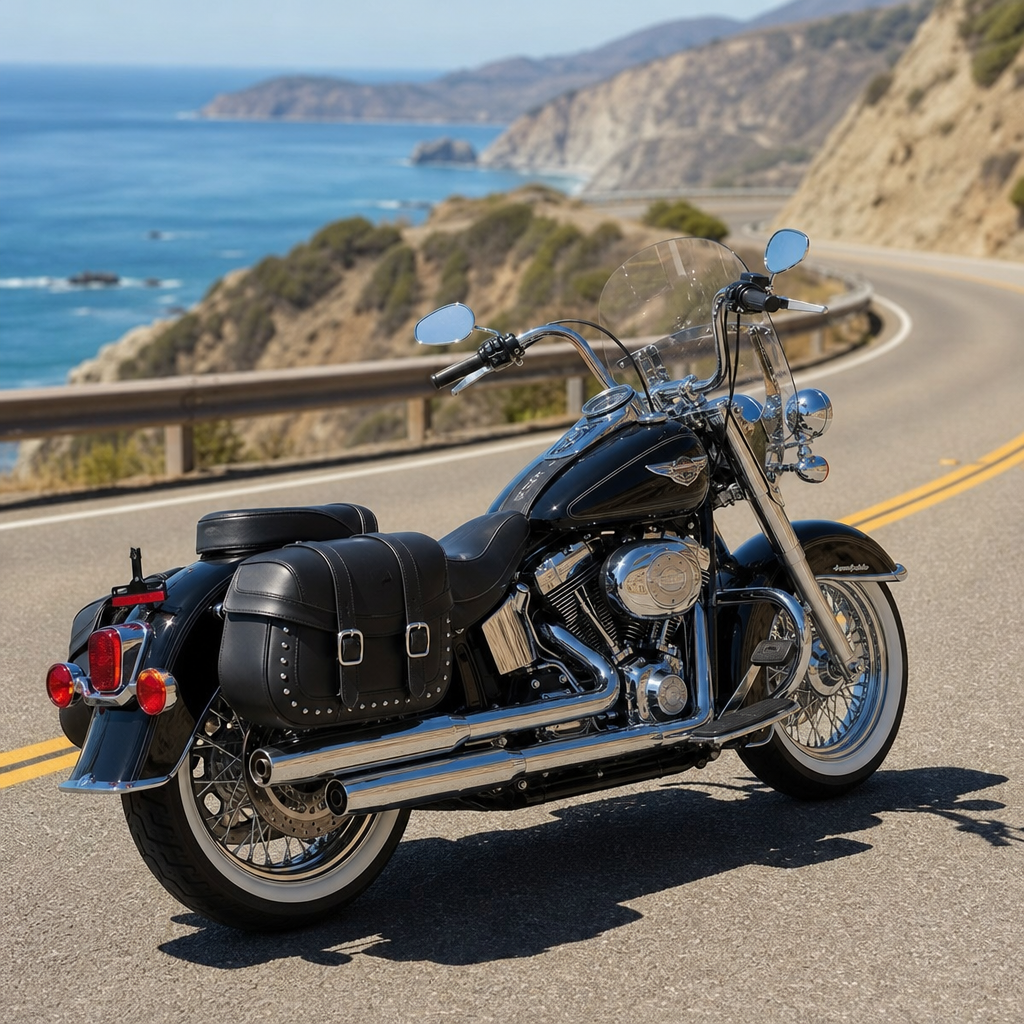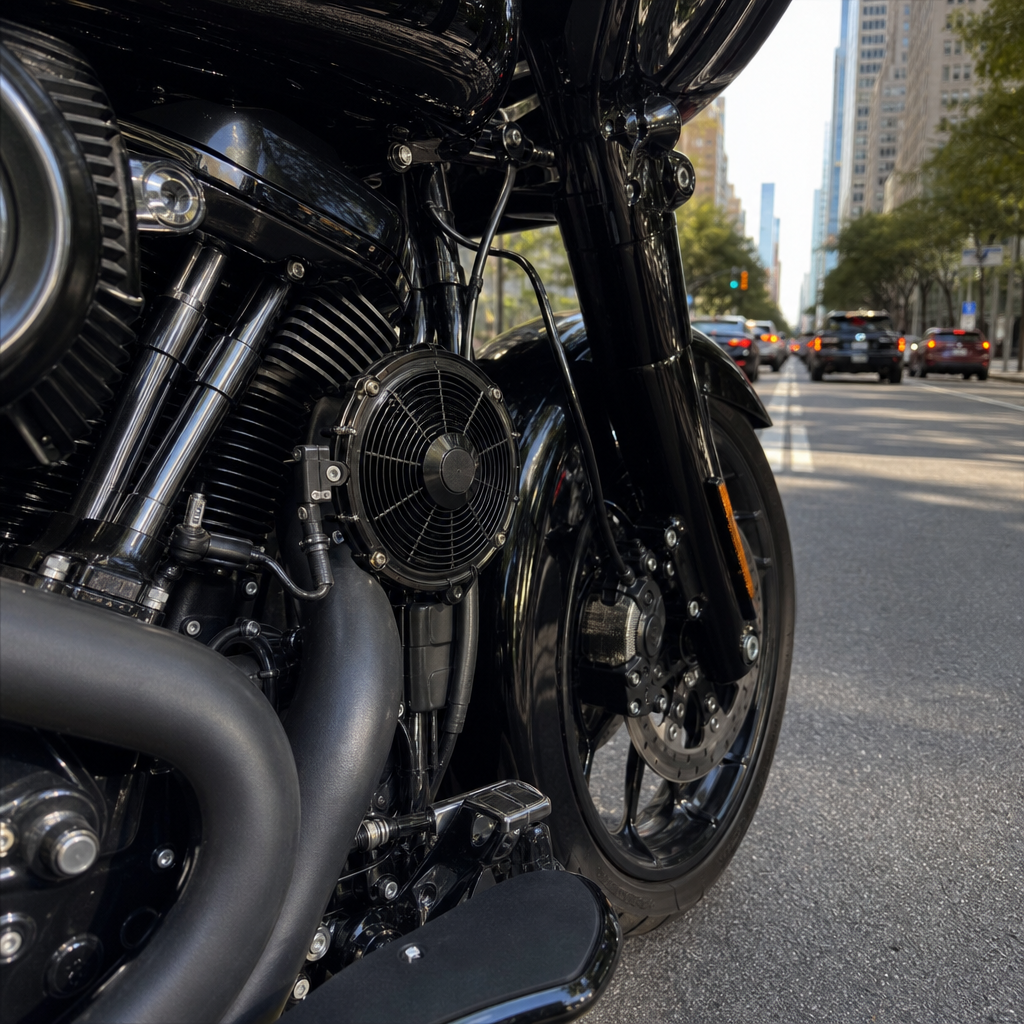
Milwaukee-Eight riders who spend real time in dense urban traffic know that heat management is no longer a side note; it is a core part of reliability, comfort, and repeatable performance. In this hub article, the phrase “Milwaukee-Eight oil cooler fan recipe” means a model-specific combination of cooling hardware, airflow management, ergonomics, maintenance, and tuning choices that help a Harley-Davidson with a Milwaukee-Eight engine stay more stable during low-speed operation in 2027-style city conditions. “Recipe” matters because no single fan kit solves every problem: a Road Glide used for summer commuting, a Street Glide carrying a passenger, and a Road King running police-style idling all load the engine and rider differently. I have set up these bikes for stop-and-go use, and the best results always come from pairing an oil cooler fan with sensible supporting changes rather than chasing one miracle part.
The topic matters because modern traffic creates exactly the conditions air-cooled and partially liquid-managed V-twins dislike most: minimal vehicle speed, high radiant heat from surrounding cars, long idle periods, and frequent clutch work. Even when the engine control module protects the powertrain through strategies such as rear-cylinder deactivation at idle, the rider still feels heat at the thighs, inner knees, and seat area. An oil cooler fan addresses one specific bottleneck by forcing air through the cooler when natural ram air disappears. That can reduce oil temperature rise, improve consistency after repeated stops, and help preserve lubricant viscosity. It also supports rider comfort, which directly affects control, concentration, and confidence in traffic.
This page serves as a sub-pillar hub for model-specific ergonomics and performance recipes across the Harley-Davidson range, with the Milwaukee-Eight platform at the center. The goal is comprehensive guidance: what the fan does, which bikes benefit most, how ergonomics change cooling outcomes, what tradeoffs to expect, and how to build a balanced city package. If you are comparing parts, planning a 2027 commuter build, or deciding whether to start with airflow, seat position, tuning, or maintenance, this guide gives the framework. From here, supporting articles can go deeper on touring fairing airflow, seat foam density, floorboard position, low-speed fueling, and oil selection, but the foundation starts with understanding how cooling and ergonomics interact on the Milwaukee-Eight.
What an Oil Cooler Fan Actually Fixes in City Traffic
An oil cooler fan improves heat rejection when the bike is moving too slowly for natural airflow to do the job. On a Harley-Davidson touring model, the stock or accessory oil cooler sits in a location that works well at speed, but in traffic its effectiveness drops because pressure differential across the cooler collapses. A fan restores airflow through the fins. That does not make the engine run “cold,” and it does not replace good tuning or maintenance. It simply helps the oil shed heat under the exact operating condition that causes urban complaints: long periods below roughly 20 mph with frequent stops.
Oil temperature is not the same as cylinder head temperature, exhaust port temperature, or rider-perceived heat, yet it is strongly connected to all of them. Hotter oil thins, carries more heat through the sump area, and can make the bike feel harsher after repeated heat soak cycles. In practical shop terms, riders usually report three improvements after a properly installed fan kit: less heat buildup while waiting at lights, quicker recovery after crawling traffic, and a more consistent feel in throttle response once the bike gets moving again. Those are meaningful benefits even if peak numbers on a gauge change modestly rather than dramatically.
The limitation is important. If a bike has a lean calibration, restricted airflow from added highway pegs or a blocked fairing lower, low oil level, dirty cooler fins, or a dragging clutch that keeps revs high, a fan alone will not cure the underlying issue. Think of the fan as a force multiplier inside a complete cooling recipe. It works best when the rest of the system is healthy.
The Best Milwaukee-Eight Models for a City Cooling Recipe
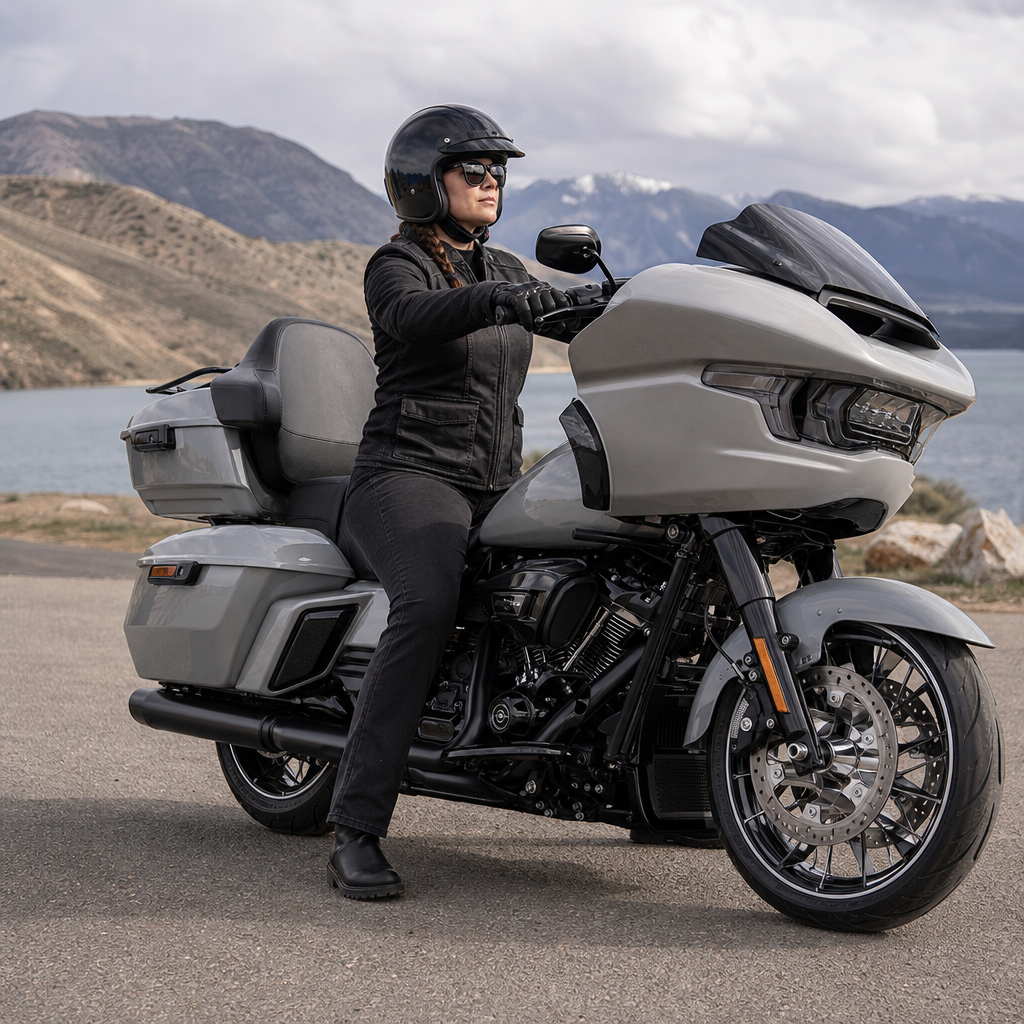
Not every Milwaukee-Eight Harley-Davidson needs the same setup. Touring models such as the Street Glide, Road Glide, Road King, Ultra Limited, and Electra Glide are usually the strongest candidates for an oil cooler fan because they spend more time loaded, carry more bodywork, and are often ridden in commuter or parade-like conditions. The very features that make them great long-distance bikes—fairings, lowers, luggage, passenger accommodations, and larger frontal structures—also change how heat reaches the rider when speed drops.
Softail-based Milwaukee-Eight models can also benefit, but the recipe shifts. On a Heritage Classic or Low Rider ST, rider triangle, leg position, and exhaust routing may matter more than forced airflow through an oil cooler. Some Softail owners feel engine heat more directly on the right leg due to exhaust proximity, while touring riders often complain about broad heat wash around the seat and inner thighs. That is why this hub organizes the subtopic around model-specific ergonomics and performance recipes rather than a one-size-fits-all parts list.
| Model family | Typical city heat complaint | Most useful first upgrade | Supporting recipe items |
|---|---|---|---|
| Touring: Road Glide, Street Glide, Road King | Heat soak at lights, thigh and seat heat, loaded commuting | Oil cooler fan | Deflectors, seat change, synthetic oil, idle strategy check |
| Touring with passenger or luggage | Higher oil temperature under load, reduced comfort margin | Oil cooler fan with clean ducting | Weight management, suspension setup, clutch adjustment |
| Softail: Heritage, Low Rider ST, Sport Glide | Localized leg heat, exhaust-side discomfort | Ergonomic repositioning | Heat shields, fan if equipped, fueling review |
| Police or escort-style use | Long idle periods, repeated low-speed operation | Oil cooler fan plus maintenance schedule tightening | Frequent fin cleaning, oil analysis, battery capacity review |
For 2027 urban use, touring bikes remain the clearest use case because average city congestion has not improved, curbside delivery traffic has increased, and summer pavement temperatures in many metro areas regularly exceed historical norms. If your riding profile includes daily stoplights, event traffic, and low-speed queueing, the cooling recipe should be built around that reality instead of open-road assumptions.
How Ergonomics Changes Heat Perception and Performance
Ergonomics is not separate from cooling; it changes how the rider receives heat and how the motorcycle sheds it. Small shifts in seat height, reach to bars, floorboard position, and lower-leg angle can expose the rider to more or less heat plume from the rear cylinder and exhaust crossover areas. On the Milwaukee-Eight, where idle temperature management strategies can reduce some stationary heat, the rider’s posture still determines whether that heat reaches the inseam, calves, or lower back.
I have seen riders blame the engine when the real issue was posture locking their legs against a hot zone. A dished seat that traps the rider low can increase contact with rising heat around the saddle. A wide aftermarket seat may improve pressure distribution on long rides but also block airflow around the inner thighs in town. Shorter riders who sit closer to the tank often feel more concentrated heat than taller riders whose knees sit farther from the cylinder heads. Likewise, engine guards, lower fairings, and highway pegs can either redirect beneficial airflow or create stagnant pockets depending on placement.
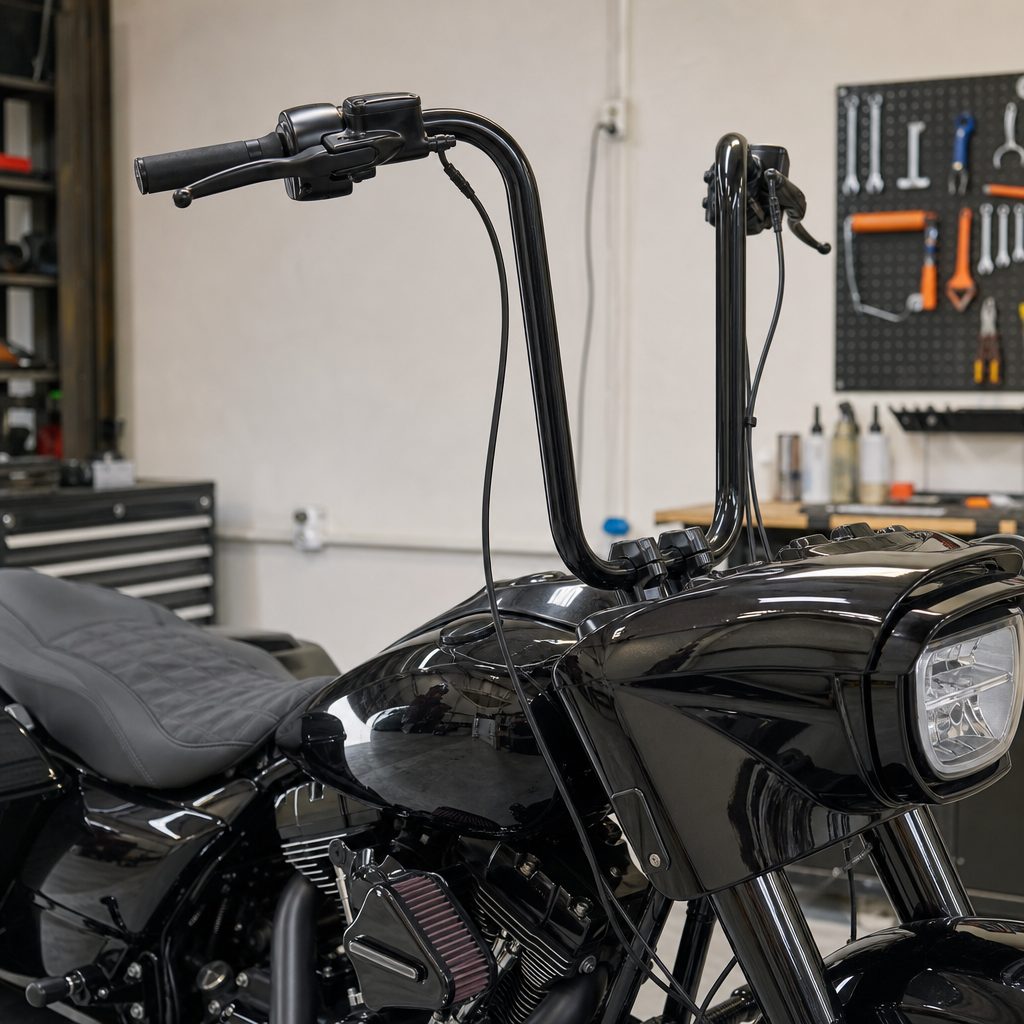
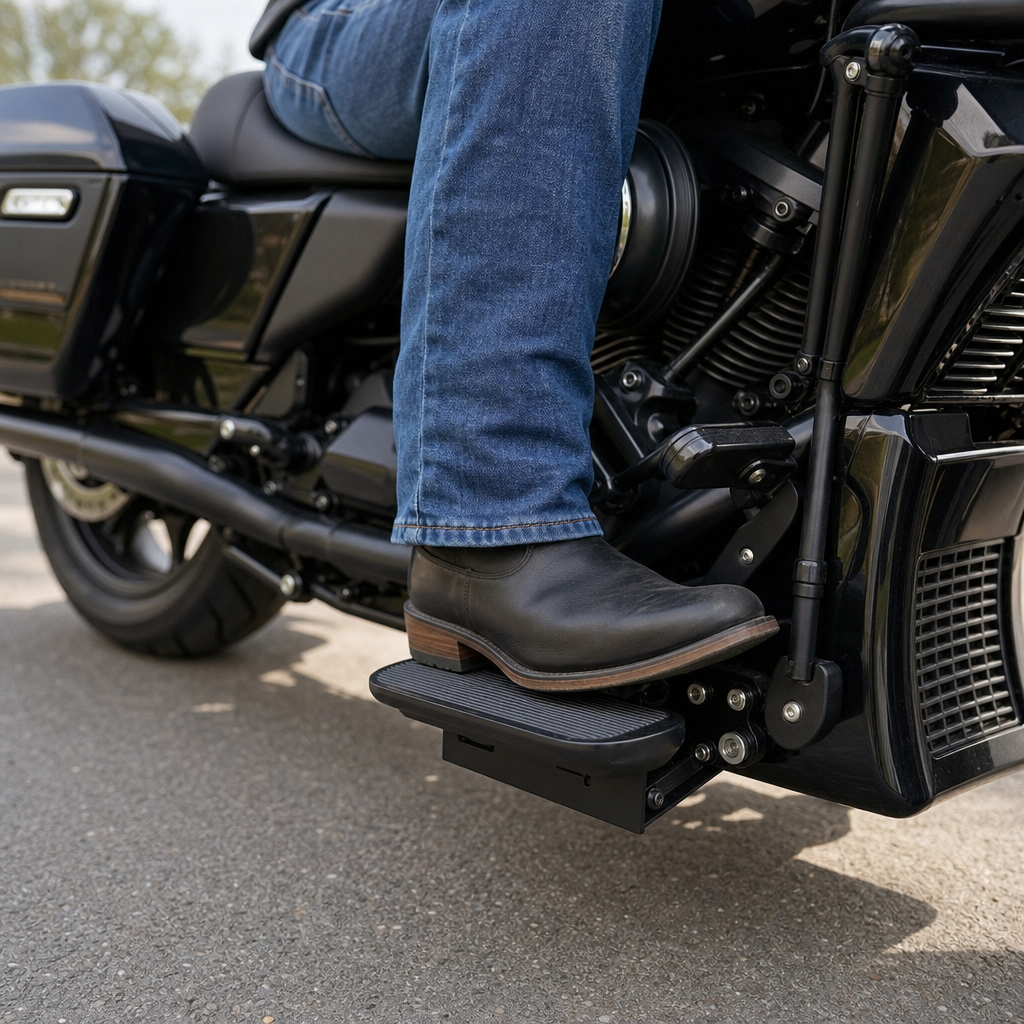
Performance is involved too. When the rider is uncomfortable, clutch modulation worsens, stop-start precision drops, and fatigue arrives sooner. That matters in traffic where balance, line choice, and smooth throttle pickup are continuous tasks. A proper ergonomics recipe therefore includes a seat that balances support with airflow, bar reach that reduces torso compression, and foot placement that avoids pinning the legs into engine heat. For touring models, fork-mounted or frame-mounted fairing differences also affect how hot air circulates around the cockpit. The practical answer is to evaluate comfort and heat together, never in isolation.
Building the 2027 City Traffic Cooling Recipe
The most effective 2027 city traffic recipe starts with the oil cooler fan, but only as the center of a layered system. First, choose a fan kit designed specifically for your Harley-Davidson model year and engine guard or fairing configuration. Fit matters because even a strong fan loses value if brackets obstruct cooler face area or wiring routes near exhaust heat. A thermostatic switch or intelligent automatic control is preferable to a basic manual toggle because it responds consistently and reduces the chance you forget to activate it in traffic.
Second, protect airflow quality. Clean cooler fins with low-pressure air or careful washing, and inspect for bugs, road grime, and bent fins. Third, run a high-quality full synthetic oil in the viscosity recommended for the engine and climate. Harley-Davidson’s own SYN3 and premium motorcycle oils from brands such as Amsoil, Motul, and Red Line are often chosen for thermal stability, though the right specification matters more than brand loyalty. Fourth, verify idle speed behavior, clutch free play, and fueling health. A bike that is lugged, poorly tuned, or dragging at stops creates avoidable heat.
Then address ergonomics. Add or remove lower wind deflectors based on real testing, not assumption. On some bikes they reduce rider heat; on others they trap warm air at low speed. Choose a seat with enough support to let you move slightly rather than one that fixes you in a hot pocket. If you use passenger boards, luggage, or crash-bar bags, make sure they are not interfering with cooling airflow. Finally, watch the electrical budget. A fan draws power, so battery health, charging output, and accessory load from heated gear, audio amplifiers, and lighting need review. This is basic reliability work, and it prevents city-cooling gains from creating electrical headaches.
Installation, Maintenance, and Tuning Mistakes to Avoid
The most common installation mistake is treating the oil cooler fan as a cosmetic bolt-on. Secure mounting, abrasion-resistant wire routing, weatherproof connectors, fuse protection, and adequate clearance from headers are mandatory. I prefer to inspect steering sweep and suspension compression after installation because a fan shroud or harness that looks safe on the lift can still contact other components in use. If the kit uses a temperature probe, sensor placement must follow the manufacturer’s instructions precisely or activation points become unreliable.
Maintenance matters just as much. City bikes ingest dust, tire residue, insects, and oily grime that coat cooler fins and reduce efficiency. During service intervals, inspect the cooler face, fan blades, fasteners, and relay operation. Listen for bearing noise and verify that the fan starts and stops at expected temperatures. If a rider reports rising heat despite having a fan, I check oil level, cooler cleanliness, battery voltage under load, and any recent changes to exhaust, tune, or lower fairings before blaming the kit.
Tuning errors can quietly undermine the entire recipe. Extremely lean calibrations, excessive idle time after startup, or aftermarket exhaust systems that increase local radiant heat without correcting fueling often worsen rider discomfort. On the other hand, not every bike needs an aggressive remap. The correct approach is diagnostic, not ideological: review trouble codes, operating temperature patterns, spark plug condition, and ride use. Keep in mind that federal and state emissions rules may limit certain tuning changes, so owners should use compliant solutions where required. A cooling recipe works best when it respects both mechanical reality and legal boundaries.
How This Hub Connects to Other Harley-Davidson Recipes
This article is the hub because Milwaukee-Eight city cooling sits at the crossroads of several Harley-Davidson subtopics. A rider researching an oil cooler fan is usually also evaluating seat comfort, fairing airflow, suspension behavior under load, and low-speed throttle manners. Those are not separate ownership questions; they are parts of one recipe. A Road Glide commuter may need a fan article, a touring ergonomics article, and a guide to passenger-and-luggage setup. A Low Rider ST owner may start with seat and peg position before deciding whether cooling accessories are even the priority.
The practical takeaway is simple. For 2027 city traffic, the best Milwaukee-Eight oil cooler fan recipe is a balanced package: model-correct forced airflow, clean maintenance habits, realistic electrical planning, and ergonomics that reduce heat exposure instead of amplifying it. Riders who approach the problem this way get better consistency, better comfort, and more confidence in slow traffic. Use this hub as the starting point for your Harley-Davidson build plan, then map your next steps by model, riding environment, and comfort goals. When you choose upgrades as a system rather than as isolated parts, the motorcycle becomes easier to live with every day.
Frequently Asked Questions
What does “Milwaukee-Eight oil cooler fan recipe” actually mean for 2027 city traffic riding?
The phrase “Milwaukee-Eight oil cooler fan recipe” is best understood as a complete heat-control strategy rather than a single bolt-on part. For riders dealing with stop-and-go urban traffic, long red lights, low vehicle speed, and higher ambient temperatures, the recipe includes a fan-assisted oil cooler, a properly sized and well-routed airflow path, heat-conscious rider ergonomics, disciplined maintenance, and tuning choices that reduce unnecessary thermal load. In practical terms, it means building a package that keeps oil temperature more consistent when natural ram air is almost nonexistent.
That matters because the Milwaukee-Eight platform responds best when heat is managed as a system. A fan on the oil cooler can help pull air through the cooler when the bike is crawling, but it works much better when paired with clean cooler fins, unobstructed mounting, intact shrouding or ducting where applicable, healthy oil flow, and calibration that does not make the engine run hotter than necessary in urban use. The “recipe” concept also acknowledges that different Harley-Davidson touring, cruiser, and bagger configurations have different fairings, leg positions, floorboard locations, and aftermarket accessory combinations that can either improve or restrict airflow.
In other words, the right recipe is model-specific and use-specific. A rider commuting daily in dense downtown traffic may prioritize low-speed cooling performance, fan duty reliability, and reduced rider heat exposure, while another rider who mostly covers highway miles may value lower fan activity and a cleaner installation. The goal is not to make the engine cold. The goal is to make the bike more stable, more comfortable, and more repeatable under the kind of low-speed heat stress that defines 2027 city riding.
Will adding an oil cooler fan alone solve Milwaukee-Eight heat issues in heavy traffic?
An oil cooler fan can make a meaningful difference, but by itself it is rarely a complete solution. In dense traffic, the main problem is not just that the oil gets hot. The entire motorcycle is being asked to idle, crawl, and repeatedly recover with very little incoming air. The rear cylinder area, exhaust routing, catalyst heat, rider leg position, and even accessory placement all affect how hot the bike feels and how effectively the engine sheds heat. A fan helps because it restores airflow through the oil cooler at low speed, but it cannot compensate for every other heat source on the motorcycle.
For the best result, the fan should be part of a coordinated setup. That includes confirming that the oil cooler itself is appropriately matched to the bike and riding environment, the fan is wired with a reliable temperature-based control strategy, and the mounting location allows the fan to pull or push air without major blockage. It also helps to evaluate whether highway bars, lowers, custom trim, auxiliary lights, or decorative covers are unintentionally disrupting airflow around the cooler. On some builds, small changes in surrounding hardware can noticeably affect cooler efficiency.
It is also important to consider tune quality, engine oil condition, and maintenance history. A bike with a clogged cooler, overdue oil service, poor idle behavior, or excessive fueling imbalance may still feel hot even with a fan installed. Similarly, rider comfort improvements such as heat deflectors, seat choice, and leg positioning do not lower oil temperature directly, but they can dramatically improve perceived heat in traffic. The short answer is yes, an oil cooler fan helps, often significantly, but the strongest results come from treating it as one key ingredient in a broader Milwaukee-Eight city-cooling package.
What components and setup choices usually make up the best Milwaukee-Eight oil cooler fan recipe?
A strong recipe usually starts with a quality fan-assisted oil cooler solution designed for the specific Milwaukee-Eight model and chassis layout. That means choosing a cooler core and fan combination known for durable construction, stable wiring, weather resistance, and adequate airflow output. The fan should have a control method that makes sense for real traffic use, whether that is an automatic thermal switch, ECU-integrated logic where supported, or a well-executed manual override used responsibly. Reliability is just as important as airflow because city riders often demand long fan run times in high heat.
Next comes airflow management. The cooler needs a clean stream path, especially at low speed. Proper spacing from surrounding components, attention to ducting or shroud design, and avoiding blockages from accessories all matter. A well-mounted fan that can move air consistently through the cooler core is usually more effective than a bigger-looking setup installed in a cramped or turbulent location. In many cases, riders see the best results when the fan and cooler are treated like a matched system rather than pieced together from unrelated parts.
The recipe also includes oil and maintenance decisions. Using the correct oil viscosity and quality for the engine and climate, replacing oil on schedule, inspecting lines and fittings, keeping fins clean, and monitoring for leaks or reduced flow are basic but essential steps. Heat performance declines quickly when the cooler is dirty or the oil is degraded. Add to that a sensible tune that avoids unnecessary heat buildup in low-speed operation, and the package becomes much more effective. Finally, rider-focused add-ons such as heat shields, deflectors, and seating or floorboard adjustments should not be overlooked. They may not change every temperature reading, but they can make a major difference in how manageable the bike feels in slow urban riding.
How do tuning, maintenance, and riding habits affect oil cooler fan performance on a Milwaukee-Eight?
They affect it more than many riders expect. A fan does not create cooling capacity out of thin air; it improves the movement of air across the oil cooler. If the engine is generating unnecessary heat because of poor calibration, neglected service, or riding patterns that keep the bike heat-soaked, the fan will be working uphill. A well-tuned Milwaukee-Eight that idles properly, transitions smoothly off idle, and does not run excessively hot in stop-and-go conditions gives the oil cooler fan a much better chance to stabilize temperatures rather than merely slow down the climb.
Maintenance has a direct impact as well. Clean cooler fins transfer heat better. Healthy oil carries heat more effectively than old, contaminated oil. Intact hoses, secure clamps, and unrestricted flow ensure that the cooler is actually seeing the oil circulation it needs. Even charging-system health matters because an electric fan depends on stable voltage, especially when the motorcycle is operating at low RPM with lights, audio, navigation, and other accessories active. If the electrical system is marginal, fan performance and long-term reliability can suffer.
Riding habits are the third part of the equation. Riders who spend extended periods idling in place, creep forward constantly without opportunities for airflow, or repeatedly shut the bike off and restart it in congestion may see different heat behavior than riders who maintain short rolling gaps and keep some air moving. Avoiding unnecessary stationary idling, using route timing to reduce peak congestion, and paying attention to how luggage or accessories affect airflow can all improve real-world cooling. The fan is a valuable tool, but it performs best when the motorcycle is maintained correctly and ridden with some awareness of heat load management.
How can riders tell if their current Milwaukee-Eight city-cooling setup needs improvement?
The first signs are usually consistent and easy to recognize: rising heat discomfort during short urban rides, frequent heat soak after traffic lights, noticeable drops in comfort around the seat and inner thighs, and a feeling that the motorcycle takes too long to recover once traffic starts moving again. Riders may also notice the fan cycling constantly without much improvement, or they may find that the bike feels acceptable on open roads but becomes unpleasantly hot every time low-speed congestion appears. Those patterns suggest the cooling setup may be incomplete, poorly matched, or overdue for inspection.
A more technical evaluation includes checking how clean and exposed the oil cooler is, whether the fan actually moves strong airflow through the core, whether its activation strategy makes sense for traffic use, and whether any accessories are blocking the cooler’s intake or exhaust path. It is also smart to review the broader setup: current oil type, service intervals, tune quality, exhaust and catalyst configuration, and whether rider heat management accessories are helping or worsening airflow. Sometimes the problem is not a lack of fan power but a packaging issue, wiring inconsistency, or a maintenance-related drop in efficiency.
Ultimately, a Milwaukee-Eight city-cooling setup needs improvement when it cannot deliver stable, repeatable behavior in the exact conditions the rider faces most often. If the motorcycle regularly becomes uncomfortable or inconsistent in dense traffic, that is enough reason to reassess the recipe. A better combination of cooler capacity, fan control, airflow management, maintenance discipline, and comfort-focused accessories can transform the bike from merely tolerable in urban heat to genuinely usable and confidence-inspiring in modern city conditions.