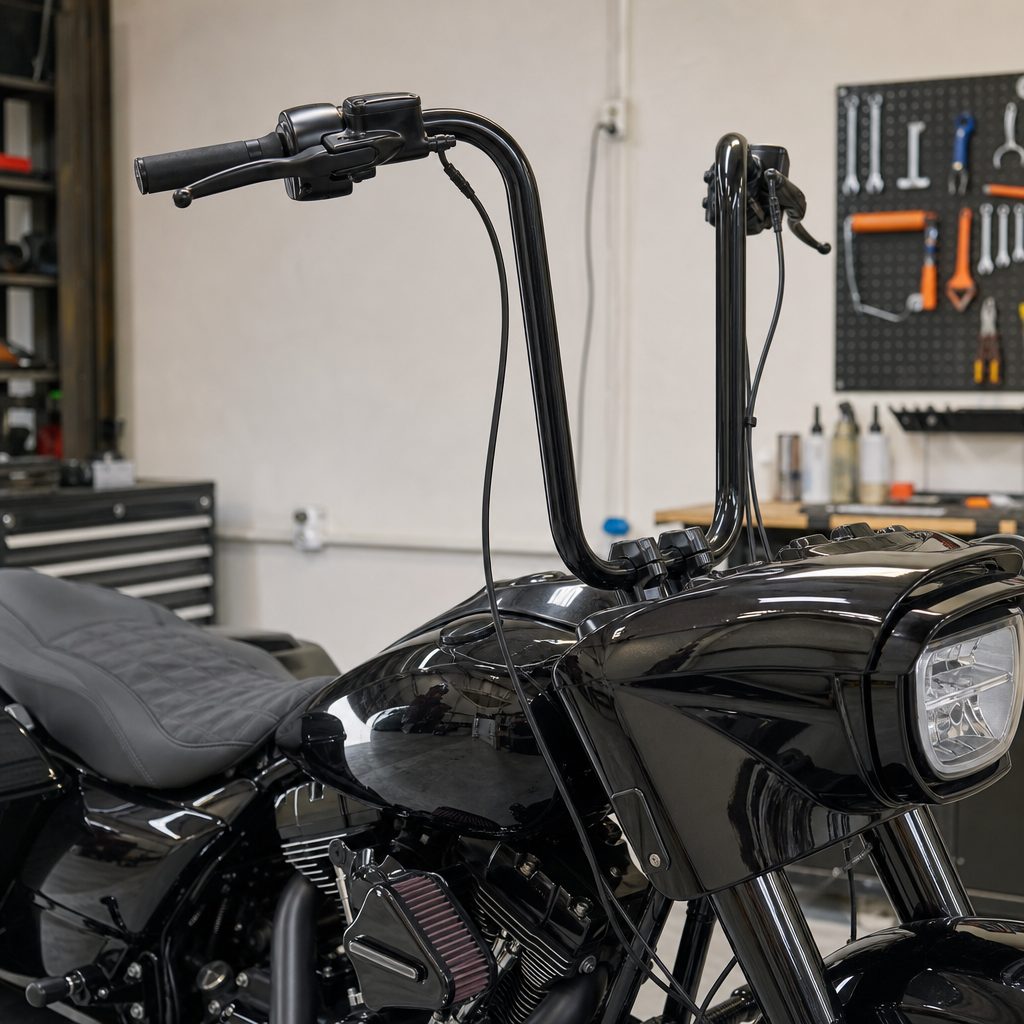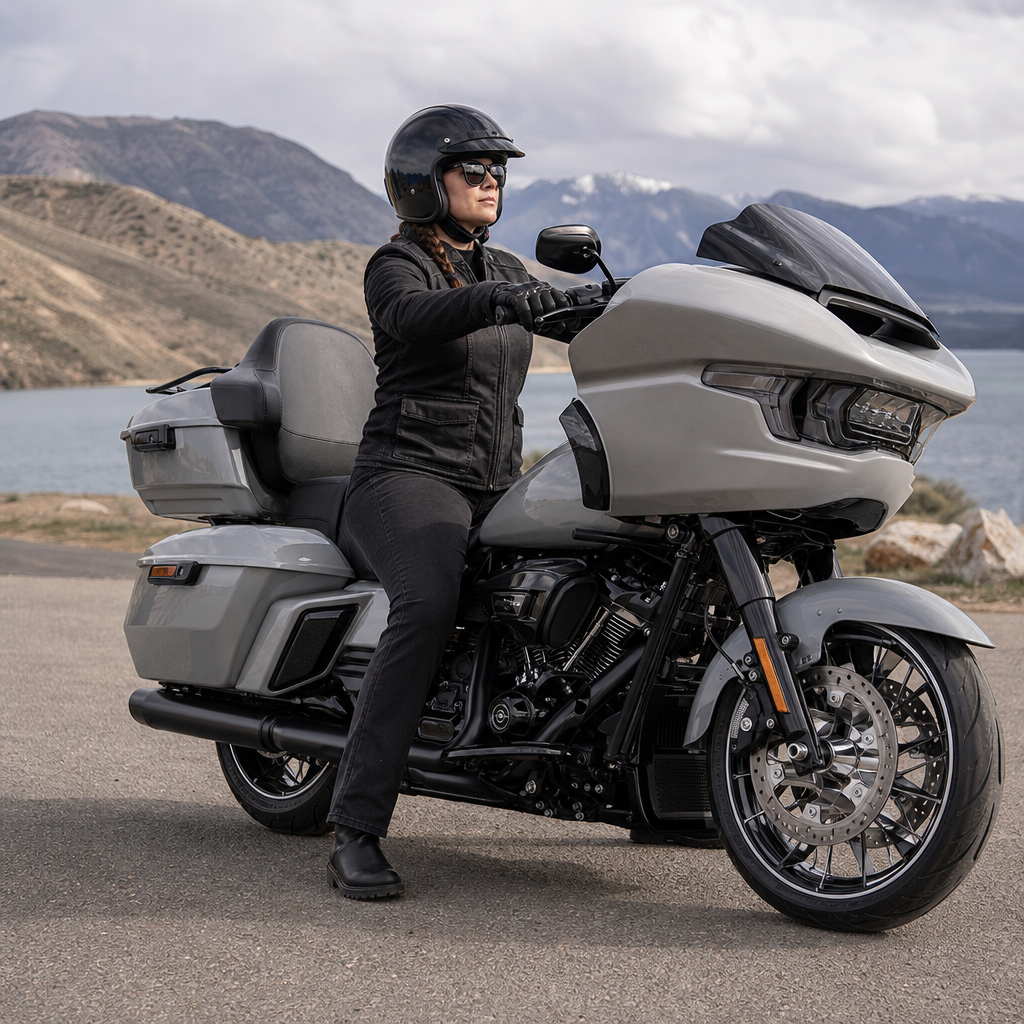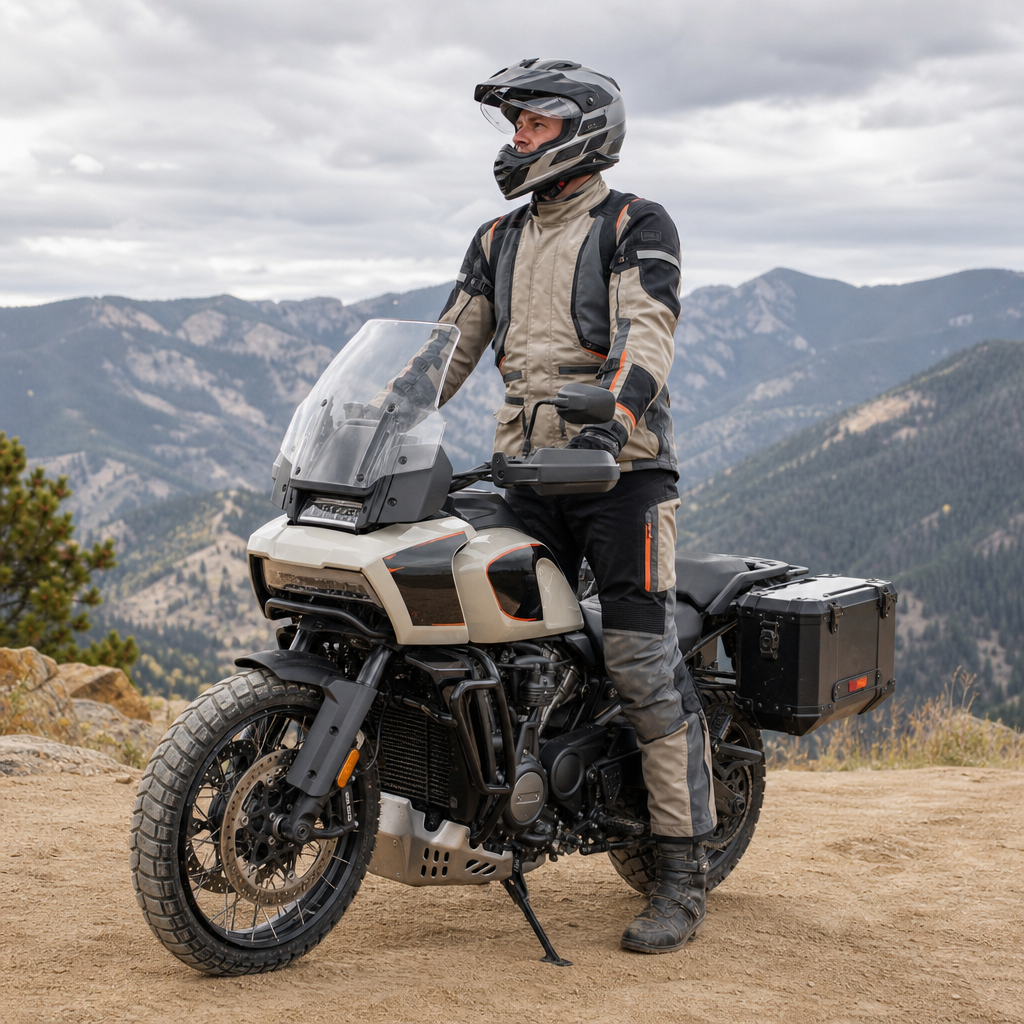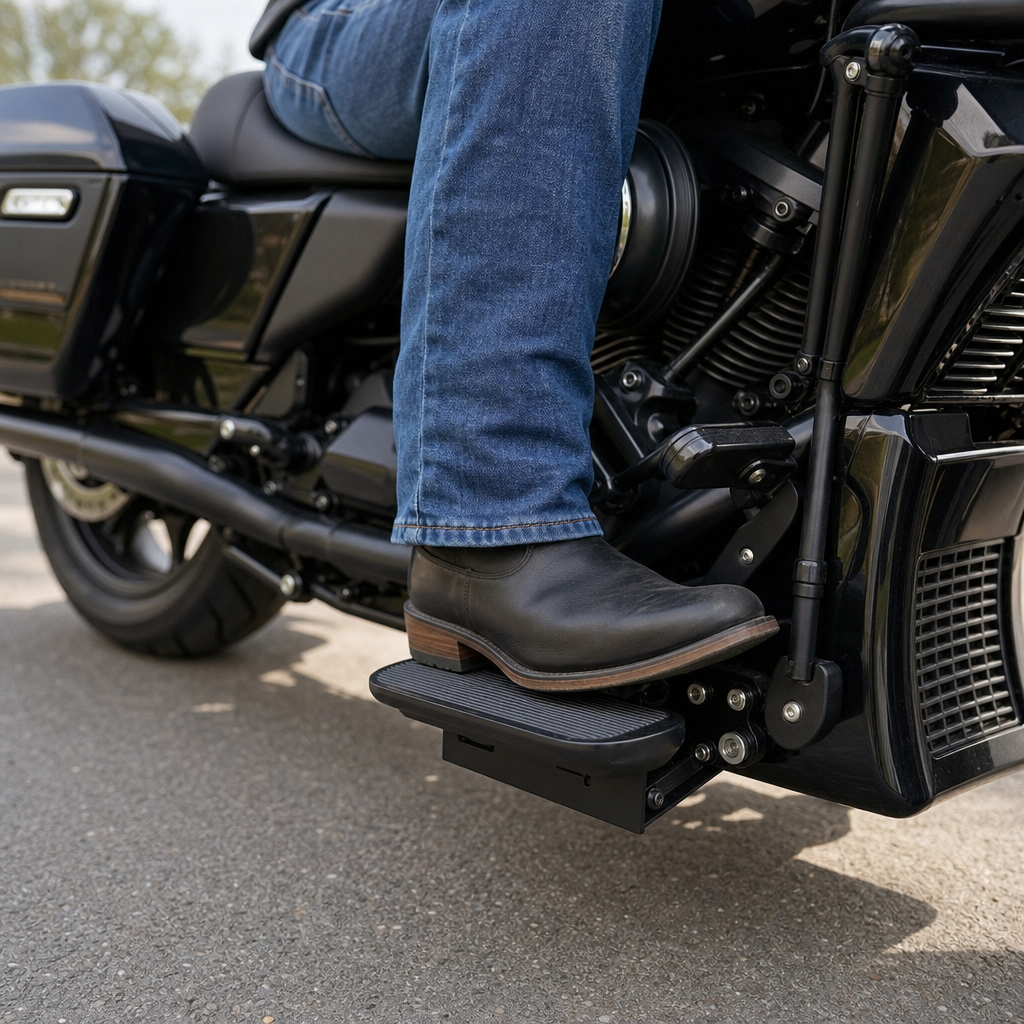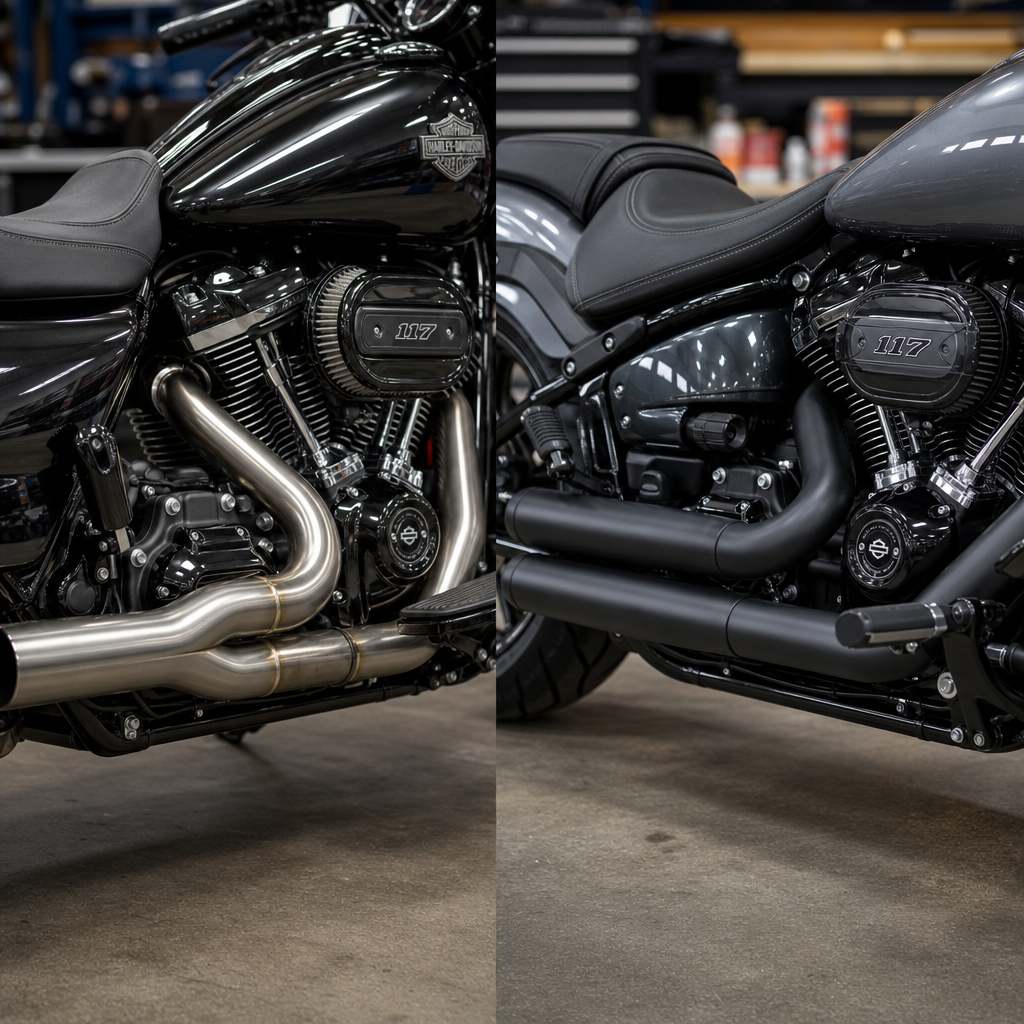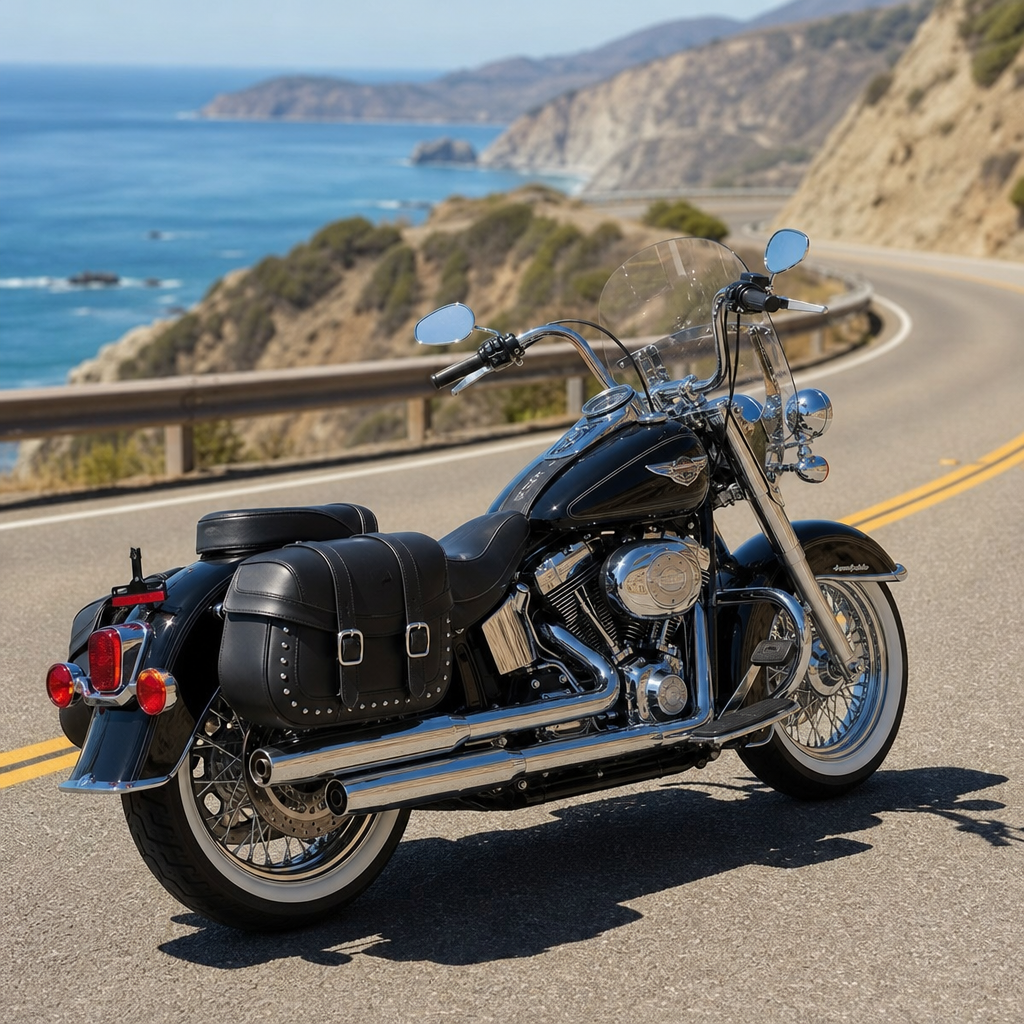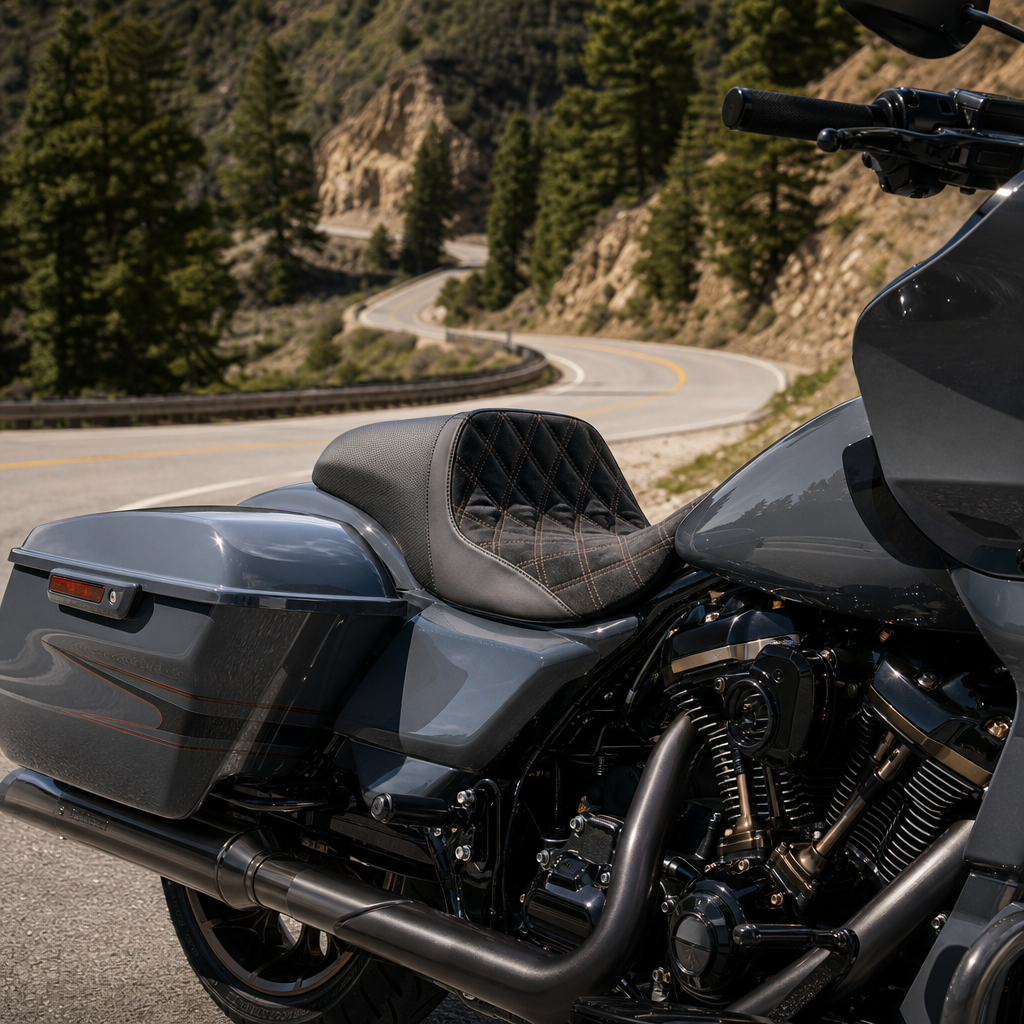
The CVO Road Glide ST solo seat recipe starts with a clear goal: keep the bike’s aggressive performance look while creating real support for the rider over hours, not minutes. On a Harley-Davidson touring platform, a “seat recipe” means the combined choices of foam density, bucket shape, cover material, rider position, lumbar support, reach to bars, and how the seat works with suspension, floorboards, and riding style. For the CVO Road Glide ST, those choices matter more than they do on a standard cruiser because this model blends bagger racing cues with long-distance touring geometry. A seat that looks perfect in photos can still lock the pelvis in the wrong angle, increase tailbone pressure, and make the bike feel heavier in transitions.
I have worked through enough Harley-Davidson fitment sessions to know that riders usually describe seat problems in the wrong language at first. They say a seat is “hard,” “too thin,” or “pushes me back,” but the real issue is often hip rotation, thigh support, or the relationship between the seating pocket and the controls. On the CVO Road Glide ST, a solo seat changes more than comfort. It changes leverage at the bars, knee bend at the floorboards, and confidence during hard braking or corner exits. That is why model-specific ergonomics and performance recipes deserve their own framework rather than generic touring-bike advice.
This hub article explains how to balance styling and comfort for the CVO Road Glide ST while setting up a broader approach to Harley-Davidson model-specific ergonomics. It defines the main variables, shows where owners usually go wrong, and gives practical criteria for choosing or building the right solo seat. It also connects seat decisions to suspension setup, rider size, trim level expectations, and the performance identity of the Road Glide ST. If you want the bike to look fast, feel planted, and stay usable on real roads, the seat is not an accessory. It is the center of the rider triangle and one of the most important tuning parts on the motorcycle.
Why the CVO Road Glide ST demands a model-specific seat strategy
The CVO Road Glide ST is not just a Road Glide with premium paint. It sits inside Harley-Davidson’s performance bagger conversation, where rider movement, chassis feedback, and visual stance all matter. Compared with a traditional touring setup, ST owners usually want a lower-profile silhouette, a more assertive seating position, and firmer support under acceleration and braking. The challenge is that the sharknose fairing, floorboard position, bar reach, and overall mass still place it in the touring category. That creates a tension between what looks race-inspired and what actually works for 300-mile days.
A model-specific approach begins with understanding the rider triangle. The seat sets pelvis position first, then everything else follows. If the pocket is too far rearward, shorter riders overreach the bars and support body weight with the shoulders. If the rise is too abrupt, taller riders get trapped and lose the ability to shift weight in corners. If the front nose is too wide, inseam effectively shrinks at stops. Those are not minor details. On a heavy bagger, unstable footing at traffic lights or parking-lot speeds is a genuine control issue.
The ST also amplifies pressure-point mistakes because many owners ride it in a wider range of conditions than they expected. A bike bought for canyon runs still ends up doing highway drones, city traffic, and weekend touring. Thin foam may feel sporty for twenty minutes, then become punishing after ninety. Extremely soft foam feels impressive in the showroom, then collapses under the ischial tuberosities and creates hot spots. The best CVO Road Glide ST solo seat recipe avoids both extremes by using layered support instead of one-note plushness or one-note firmness.
The core ergonomics recipe: shape, foam, width, and rider support
The most reliable solo seat formula for this bike combines a moderately deep pocket, controlled lumbar rise, medium-firm support foam, and a narrow front section with broader rear weight distribution. In plain terms, the seat should hold the rider under throttle without locking the hips so tightly that body position cannot change. It should also support the sit bones rather than concentrate pressure on the tailbone. This sounds simple, but many aftermarket seats miss one of those targets because they chase style first.
Shape comes before padding. A well-shaped seat with disciplined foam usually outperforms a poorly shaped seat loaded with gel. Gel inserts can help with vibration damping, but they also retain heat and may create edge pressure if not integrated correctly. On touring Harleys, I have seen better long-distance results from high-quality polyurethane foam or dual-density constructions than from overly soft gel-heavy builds. Saddlemen, Le Pera, Mustang, and Harley-Davidson’s own accessory catalog all approach this problem differently, but the same principle applies: contour must match pelvic support.
Width is another misunderstood variable. Riders often assume a wider touring seat is always more comfortable. In reality, excessive width can interfere with stop-and-go confidence and force the hips outward, which changes knee tracking to the boards. On a CVO Road Glide ST, the ideal width is enough to spread load under the rider without making the bike feel bulky between the legs. That balance preserves the slim, aggressive visual line owners want while maintaining support where it counts.
| Seat Variable | Aggressive Styling Benefit | Comfort Benefit | Common Mistake |
|---|---|---|---|
| Low-profile cover and side profile | Keeps the bike visually lean and performance-focused | Reduces excess bulk around the rider’s inner thighs | Going too thin and losing support after an hour |
| Medium-firm dual-density foam | Maintains a purposeful, taut appearance | Prevents bottoming out and supports sit bones | Choosing showroom-soft foam that collapses on the road |
| Moderate lumbar rise | Creates a defined cockpit look | Helps resist rearward slide under acceleration | Using an aggressive backstop that traps taller riders |
| Narrow front nose | Preserves a sleek line from tank to seat | Improves reach to the ground at stops | Making the transition too sharp, causing inner-thigh pressure |
| Textured seating surface | Adds premium custom detail | Reduces sliding in braking and wet conditions | Using rough materials that abrade riding gear |
Support strategy should reflect actual use. Riders who spend most of their time on short urban or back-road rides can accept a tighter bucket and firmer feel. Riders planning two-up touring on another setup but using the solo seat for day rides still need enough compliance to absorb broken pavement. The sweet spot is usually a seat that feels slightly firm at first touch yet disappears once the suspension and rider weight load it properly. That is a better sign than immediate plushness.
Styling choices that preserve the ST identity without ruining comfort
The CVO Road Glide ST has a visual identity built around motion, even when parked. A solo seat should reinforce that identity with clean side lines, restrained stitching, and a profile that follows the rear fender rather than ballooning above it. The best-looking setups usually avoid overbuilt touring wings and exaggerated pillow-top forms. Instead, they use subtle dish shaping, carefully placed seams, and materials that look technical rather than decorative. Black gripper panels, carbon-look vinyl accents, and suede-style inserts are common choices because they align with the bike’s performance character.
That said, style details must serve function. Diamond stitching can look premium, but if the stitch pattern creates ridges in the seating area, pressure distribution suffers. Alcantara-style or suede-like inserts improve grip, especially during hard braking, but they can require more maintenance in wet climates and may fade faster if parked outdoors. Smooth vinyl is easier to clean and often more weather resistant, yet it can let the rider slide forward under braking if the bucket angle is shallow. There is no perfect material; there is only the right material for the rider’s use pattern and storage habits.
Color and contrast matter less than texture and proportion. On a performance-themed Harley-Davidson bagger, understated trim usually ages better than loud customization. A slim seat with precise stitching and a quality cover can make the whole bike look sharper. A flashy seat that ignores the fairing, tank, and bag lines can make a premium model look pieced together. If your goal is to preserve resale value, choose designs that read as factory-plus rather than trend-driven custom work.
One practical rule helps: if the seat improves the bike’s profile but forces you to think about discomfort every forty-five minutes, it is not a successful styling upgrade. The ST should feel cohesive in motion, and true visual confidence comes from riding posture that looks natural, planted, and controlled. Comfort supports style because a rider who is not fidgeting always looks more composed on the bike.
How the seat affects handling, braking, suspension feel, and rider endurance
A solo seat changes performance feel because it fixes the rider’s mass in a specific place relative to the chassis. Move the rider back and the front end can feel lighter, especially in low-speed steering inputs. Move the rider forward and bar reach improves for some builds, but knee angle tightens and tailbone loading can increase. On the CVO Road Glide ST, where owners often care about sharper response than standard touring riders, this is critical. The seat is part of the handling package, not separate from it.
Under braking, a good seat uses shape and surface friction to resist forward slide. Without that support, the rider braces on the bars, which increases upper-body fatigue and reduces steering finesse. Under acceleration, the opposite happens. If the lumbar rise is too low or too rounded, the rider drifts rearward and has to pull against the bars. That constant push-pull cycle is tiring and makes the bike feel less settled. A supportive solo seat lets the core and lower body do more of the stabilization work.
Suspension feel also changes with seat construction. Thick, soft foam can mask harshness at first, but it also blurs feedback from the chassis. Very rigid foam transmits every sharp edge from expansion joints and broken asphalt. The right construction complements the suspension rather than trying to replace it. If the rear shocks are underdamped or preload is wrong, no seat will fully solve repeated impacts. In real fitment work, I treat seat tuning and suspension tuning as connected decisions. The best outcome often comes from small improvements in both areas rather than expecting one expensive part to fix everything.
Endurance depends on micro-movement. Riders need enough support to stay stable and enough freedom to change position slightly over time. This is where many stylish solo seats fail. They create a dramatic bucket that photographs well but traps the hips in one angle for hours. On long rides, even a few degrees of locked pelvic rotation can irritate the lower back, hamstrings, or hips. The best seat for this model holds you securely while still allowing minor shifts that restore circulation and reduce numbness.
Choosing the right recipe by rider size, mileage, and use case
There is no single best CVO Road Glide ST solo seat for every rider because inseam, torso length, weight, flexibility, and mileage goals all change the answer. A rider around 5-foot-8 with a shorter inseam typically benefits from a narrower nose and a seating pocket that does not push too far rearward. A 6-foot-2 rider often needs more fore-aft room and a less aggressive lumbar wall. Weight matters too. Foam that feels ideal for a 160-pound rider may bottom out under a 240-pound rider, while extra-firm foam can feel unforgiving to lighter riders.
Use case is the final filter. For urban riding and short aggressive blasts, prioritize control, stop confidence, and resistance to sliding. For mixed day rides, choose a balanced bucket with medium-firm foam and a cover material that manages both grip and weather exposure. For frequent long-range use, consider seats with carefully shaped support zones rather than simply adding more padding. In many cases, a custom rebuild by a specialist upholsterer produces better results than swapping through multiple off-the-shelf seats because the pan, foam, and cover can be tuned to the individual rider.
As a hub for Harley-Davidson model-specific ergonomics and performance recipes, this page points to a consistent method: evaluate the motorcycle as a system. Start with rider triangle measurements, then test seat shape, then assess suspension preload, handlebar reach, and floorboard interaction. Document where pressure builds after thirty, sixty, and one hundred twenty minutes. That process reveals patterns quickly and prevents expensive guesswork. If you are refining your Road Glide ST, use this seat recipe as the baseline and apply the same discipline to bars, pegs, windshield height, and shock setup. Build the cockpit around how you actually ride, then choose the solo seat that makes the whole motorcycle work together.
Frequently Asked Questions
What does a “solo seat recipe” really mean on a CVO Road Glide ST?
On a CVO Road Glide ST, a solo seat recipe is not just about picking a seat that looks good in photos. It is the complete combination of design decisions that determine how the rider sits, how the bike feels, and how well comfort holds up over distance. That includes foam density and layering, the width and depth of the seating bucket, the contour that supports the hips and tailbone, the amount of lumbar rise, the cover material and surface texture, and the final rider position relative to the bars, floorboards, and controls.
On a performance-focused touring Harley, these details matter because the bike is expected to do two things at once: project a hard-edged, aggressive stance and remain rideable for hours at highway speed or on back-road runs. A proper recipe keeps the seat visually slim and purposeful without turning it into a thin, unforgiving pad. In practice, that means using shape intelligently instead of relying only on thick foam. A well-built solo seat can look tight and low while still distributing pressure across a broader area of the rider’s body.
The best seat recipes also account for the rest of the chassis. Suspension tuning, bar height and pullback, floorboard position, inseam, and riding posture all influence whether a seat feels supportive or tiring. That is why the right solo seat for one CVO Road Glide ST owner may feel wrong for another. The goal is not simply “soft” or “firm.” The goal is balanced support that locks the rider in just enough for performance riding, while reducing hot spots, lower-back fatigue, and the feeling of sliding forward over time.
How do you balance aggressive styling with real long-distance comfort in a solo seat?
The balance comes from disciplined design choices. Aggressive styling usually calls for a low-profile silhouette, a clean rear taper, and a shape that complements the performance bagger lines of the CVO Road Glide ST. Long-distance comfort, on the other hand, requires support, pressure distribution, and stable rider positioning. The trick is to make the seat do more work through contour and internal construction rather than simply adding bulk.
A strong comfort-oriented solo seat often uses firmer base foam for structure and a more compliant top layer for initial feel. That combination prevents the rider from sinking too far into the seat, which can create pressure points and reduce support over time. The bucket should be defined enough to stabilize the rider during acceleration and cornering, but not so deep that it locks the hips in one rigid position. A moderate rise at the rear of the seat can provide lumbar support and help reduce lower-back strain, especially on longer rides, without making the bike look bulky or overly touring-oriented.
Cover material also affects the balance. A grippy material can help hold the rider in place and support the bike’s performance intent, but too much grip can make body movement awkward. A smoother material may look cleaner and allow easier shifting in the saddle, but can let the rider slide forward if the seat shape is not correct. Stitching, panel layout, and finish all influence the visual tone as well. A seat can keep the stripped-down, muscular ST appearance while still being comfortable if the craftsmanship is focused on support geometry, not just on appearance.
In short, the best balance comes from a seat that looks compact and aggressive, but is engineered to support the rider’s pelvis, back, and reach triangle. That is what separates a true seat recipe from a purely cosmetic upgrade.
Which seat features matter most for rider support on longer rides?
The most important features are the seating bucket shape, foam construction, lumbar support, and the seat’s effect on rider reach. The bucket is critical because it determines how weight is distributed. If the seating area is too narrow, pressure concentrates quickly and discomfort builds fast. If it is too flat, the rider may constantly shift forward or brace against the bars. A properly shaped bucket supports the sit bones, relieves pressure from the tailbone, and keeps the pelvis in a neutral, sustainable position.
Foam is equally important, and this is where many riders misjudge what comfort really feels like. Softer does not always mean better. Extremely soft foam can feel great in the garage and for the first twenty minutes, then collapse under body weight and create pain on longer rides. A better setup often uses denser support foam underneath with a more forgiving top layer. That structure holds the rider up instead of letting the body sink into the pan. For a bike like the CVO Road Glide ST, which blends performance attitude with touring miles, that kind of controlled support is usually more effective than a plush, overstuffed feel.
Lumbar support matters because this bike’s riding position can put sustained demand on the lower back, especially at highway speeds or during long days in the saddle. Even a subtle rear rise can make a major difference by reducing the need to constantly brace with the core and arms. At the same time, rider reach must stay natural. If a seat pushes the rider too far forward, knees, hips, and wrists can become cramped. If it pushes the rider too far back, bar reach can become tiring and control feel may suffer.
Finally, the seat should be evaluated as part of the whole riding system. Suspension quality, shock preload, floorboard placement, and handlebar setup all influence comfort. A well-designed seat can dramatically improve long-range support, but it performs best when the rest of the ergonomics are working with it, not against it.
How does a solo seat affect rider position, handling feel, and the overall riding experience?
A solo seat can change the bike more than many riders expect because it directly controls where the rider’s weight sits and how the body interfaces with the motorcycle. On a CVO Road Glide ST, even small changes in seat height, pocket location, or rear support can alter the reach to the bars, knee bend at the floorboards, and the amount of leverage the rider feels when cornering, braking, or accelerating.
If the seat places the rider slightly lower and farther back, it may create a more relaxed knee angle and improve overall support, but it can also increase reach to the bars. If it places the rider more forward, it may sharpen the sense of connection to the front end and make control inputs feel more immediate, but it can also crowd the rider and reduce long-range comfort. The right setup depends on body size, arm length, preferred posture, and how the bike is used. A rider focused on spirited solo rides may want a more locked-in feel, while a rider doing frequent all-day miles may prioritize reduced pressure and easier movement.
Seat shape also affects confidence in handling. A supportive bucket helps the rider stay planted during throttle application and corner transitions, reducing the need to hang on with the arms. That can improve control and reduce fatigue at the same time. On the other hand, a poorly shaped seat can force constant repositioning, create pressure on the inner thighs, or make the rider feel as if they are sitting on top of the bike instead of in it.
Beyond handling, the seat changes the entire riding experience because discomfort compounds over time. When the seat is right, the rider notices the road, the engine, and the ride itself. When the seat is wrong, attention drifts toward hot spots, numbness, back strain, and the need for frequent breaks. That is why the solo seat is not a minor accessory on the CVO Road Glide ST. It is a core ergonomic and performance component.
What should you consider before choosing or upgrading a CVO Road Glide ST solo seat?
Start with your real riding priorities, not just the appearance of the seat. Ask whether the bike is used mainly for short, aggressive rides, all-day touring, commuting, or a mix of everything. Then consider your body dimensions, typical posture, and whether the current discomfort comes from the seat itself or from a larger ergonomic mismatch involving bars, suspension, or floorboard relationship. A seat can solve a lot, but it cannot fully compensate for a riding triangle that is fundamentally wrong for the rider.
It is also important to think about how much support you actually want. Some riders prefer a firm, performance-oriented seat that holds them in a fixed position. Others want a little more freedom to shift around over long distances. On the CVO Road Glide ST, the best solo seat usually strikes a middle ground: supportive enough to stabilize the rider under acceleration and braking, but not so restrictive that movement becomes uncomfortable after hours in the saddle.
Pay close attention to width, bucket depth, and lumbar shape. These features often matter more than overall padding thickness. Also consider cover texture and heat management. A material that looks premium but becomes slick, hot, or uncomfortable in changing weather may not be ideal for real-world use. Build quality matters too, especially on a premium touring Harley. The seat should fit the bike cleanly, maintain its shape over time, and match the finish level expected on a CVO model.
Finally, remember that the ideal solo seat recipe is personal. The right choice supports the aggressive character of the Road Glide ST while improving endurance, posture, and control. If possible, compare seat designs based on actual riding position changes rather than marketing claims alone. A seat that complements your height, reach, and riding style will do far more for