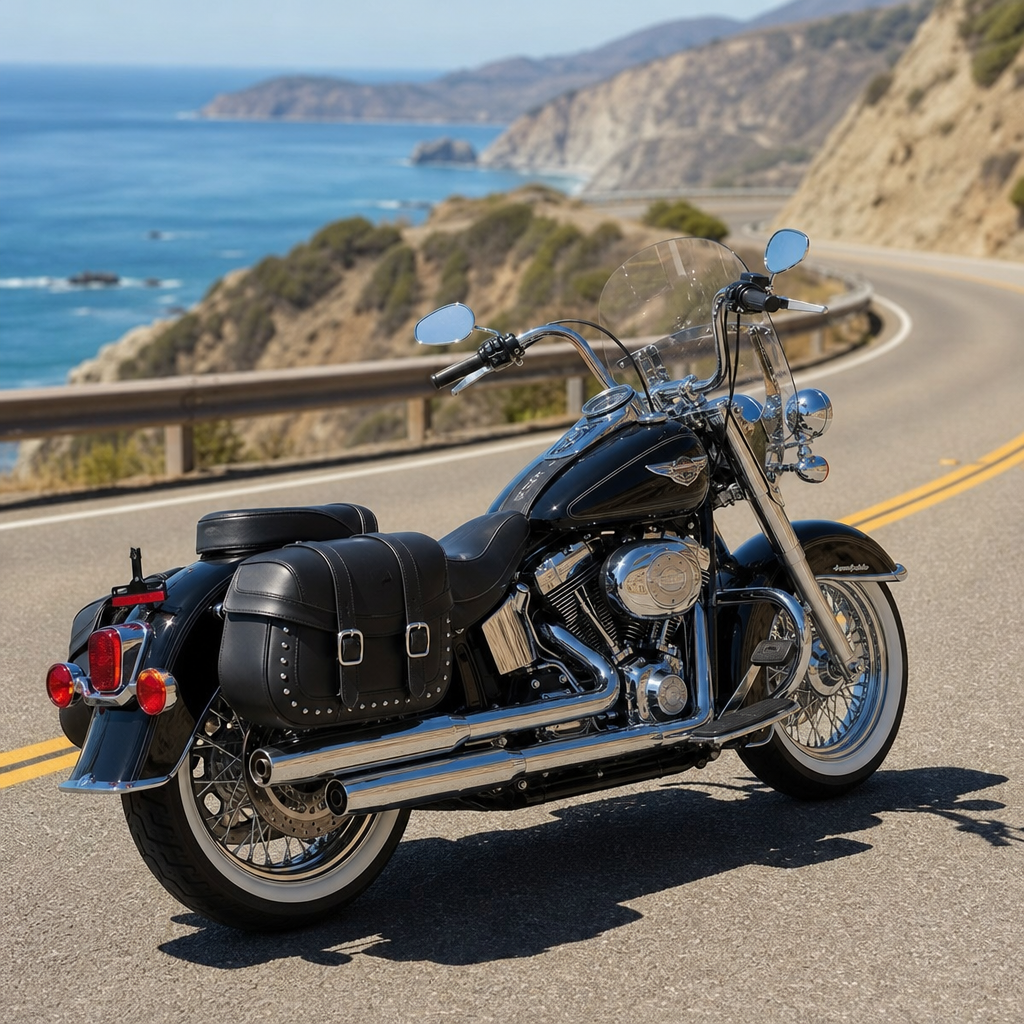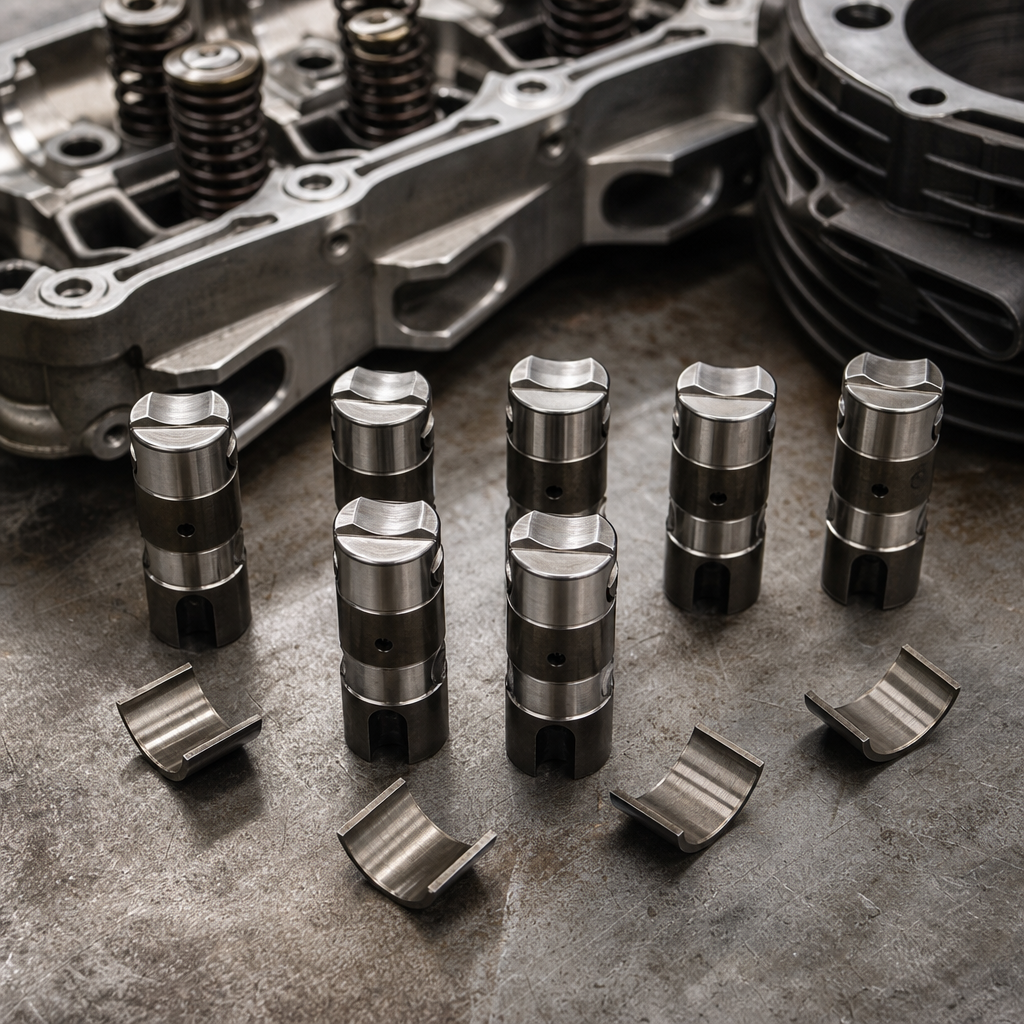
The Milwaukee-Eight lifter cuff recipe for preventing valvetrain failure in 2027 starts with understanding how Harley-Davidson’s modern big twin valvetrain actually works, where it fails, and why a model-specific approach matters more than a one-size-fits-all parts list. In practical terms, a lifter cuff is the guide that keeps each hydraulic roller lifter aligned in its bore so the roller tracks correctly on the cam lobe, while pushrods, rocker arms, valve springs, and cam timing convert that rotation into controlled valve motion. When cuff stability is compromised, or when heat, oiling, spring pressure, and rider usage push the system beyond its margin, the result can be accelerated roller wear, collapsed lifters, damaged cam lobes, metal contamination, and in severe cases complete top-end failure. I have seen Milwaukee-Eight engines come apart with only modest mileage because the owner chased peak lift without addressing geometry, oil quality, and heat, and I have also seen high-mileage touring bikes stay quiet and reliable because the build recipe matched the motorcycle’s ergonomics, weight, gearing, and real riding duty. That is why this topic sits at the center of model-specific ergonomics and performance recipes: the right valvetrain setup is not just about horsepower, but about preserving durability while supporting how a Road Glide, Street Glide, Low Rider ST, Road King Special, or CVO is actually ridden in 2027 conditions.
For Harley-Davidson owners, “recipe” should mean a repeatable combination of parts, measurements, and service practices that delivers a clear outcome. In this case, the outcome is preventing valvetrain failure while improving rideability. Model-specific ergonomics matter because rider posture, wind protection, passenger load, luggage weight, wheelbase, and final-use profile all change engine demand. A fully dressed touring bike spending hours at elevated oil temperatures on interstate runs creates different stress than a lighter performance cruiser used for short aggressive pulls. The same camshaft and lifter package can behave differently between those contexts. Performance matters too, but not in isolation. A reliable torque curve between 2,500 and 4,500 rpm often does more for real-world speed and rider comfort than a peaky setup that loads the valve train unnecessarily. The most effective prevention strategy therefore combines upgraded lifter cuffs, proven hydraulic roller lifters, matched cam profiles, proper spring pressure, correct pushrod adjustment, clean oil, controlled temperatures, and inspection intervals grounded in actual use. When those elements are selected deliberately, the Milwaukee-Eight becomes far less vulnerable to the kind of lifter and cam damage that has generated so much concern among owners and tuners.
Why Milwaukee-Eight Valvetrain Failures Happen
Most Milwaukee-Eight valvetrain failures begin with misalignment, lubrication breakdown, excessive impact loading, or contamination. The roller lifter is the most discussed component because it lives at the interface between the cam lobe and the rest of the valve train. If the lifter roller stops tracking smoothly, skids, or sees abnormal side loading, the bearing can degrade quickly. Once material starts shedding, the failure tends to accelerate because metallic debris circulates through the engine. In tear-downs I have inspected, the common pattern is visible spalling on the roller, witness marks on the cam lobe, and glitter in the oil filter. Those symptoms do not appear out of nowhere. They are usually the end result of stacked small problems: prolonged heat soak, overdue oil changes, inappropriate viscosity for climate and use, aggressive valve spring loads, improper pushrod preload, and parts combinations chosen from internet folklore rather than measured compatibility.
The factory system is not inherently flawed in every application, but it has limited tolerance once output and stress rise. Touring riders often lug engines in high gear, then ask for hard acceleration under heavy load. That creates high cylinder pressure at low and midrange rpm, which can be ideal for street performance but demanding on lifters and springs if the cam and tune are not balanced. Short-trip urban riders create a different problem: repeated heat cycles and moisture contamination without enough steady-state running to normalize oil temperature. In both cases, the valvetrain pays for poor operating conditions first. Add emissions-driven lean spots, elevated head temperatures, and occasional low-octane fuel events, and the margin narrows further. Preventing failure therefore means removing as many stress multipliers as possible before they combine.
The 2027 Lifter Cuff Recipe That Actually Works
A dependable 2027 Milwaukee-Eight lifter cuff recipe has six core elements: rigid anti-rotation lifter cuffs, premium hydraulic roller lifters, a conservative torque-focused camshaft, valve springs matched to actual lift, precise pushrod setup, and disciplined oil and temperature management. For most street-driven engines, the goal is not maximum lift or the latest catalog number. The goal is stable roller tracking, moderate spring pressure, and a broad powerband that suits the motorcycle. S&S Cycle, Feuling Parts, Fuel Moto, Star Racing, and Andrews remain among the most commonly referenced names because they publish combinations with known behavior and broad field history. In practice, proven parts history matters more than marketing claims.
The first upgrade is the cuff itself. Billet lifter guides with tighter control and better material consistency help prevent lifter rotation and reduce alignment errors under load. The second is choosing lifters designed for sustained street duty rather than gambling on mixed-source components. The third is cam selection. A touring bike carrying a rider, passenger, and luggage benefits from early torque and moderate lift, not a high-rpm grind intended for dyno bragging rights. The fourth is spring matching. Excessive seat and open pressure increase contact stress, while insufficient pressure can cause valve float. The fifth is setup accuracy. Pushrod preload must be verified, not guessed, and rocker geometry should be inspected whenever the combination changes. The sixth is maintenance. Even the best hardware loses quickly if oil aerates, overheats, or carries debris.
| Bike type | Primary riding pattern | Recommended valvetrain emphasis | Main failure risk to reduce |
|---|---|---|---|
| Road Glide or Street Glide | Long highway miles, passenger and luggage | Torque cam, stable cuffs, premium lifters, conservative springs | Heat-related lifter wear under sustained load |
| Road King Special | Mixed highway and back-road cruising | Broad midrange, careful preload, strong oil discipline | Roller distress from lugging and inconsistent service |
| Low Rider ST | Aggressive solo riding and short bursts | Fast-response cam, verified geometry, temperature control | Impact loading from repeated hard acceleration |
| CVO Touring models | Heavy premium touring with accessories | Heat management, matched tune, high-quality filter inspection | Oil breakdown and unnoticed debris circulation |
Matching the Recipe to Ergonomics and Real Use
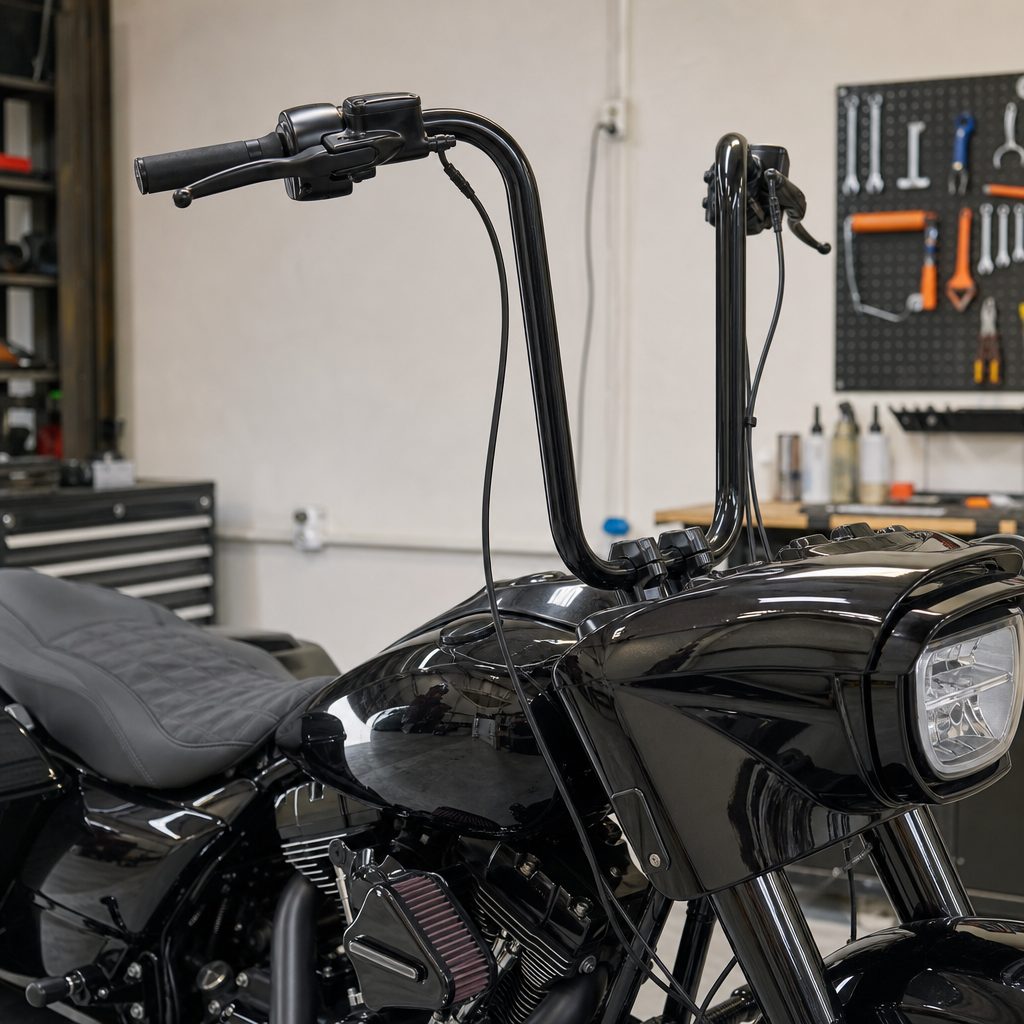
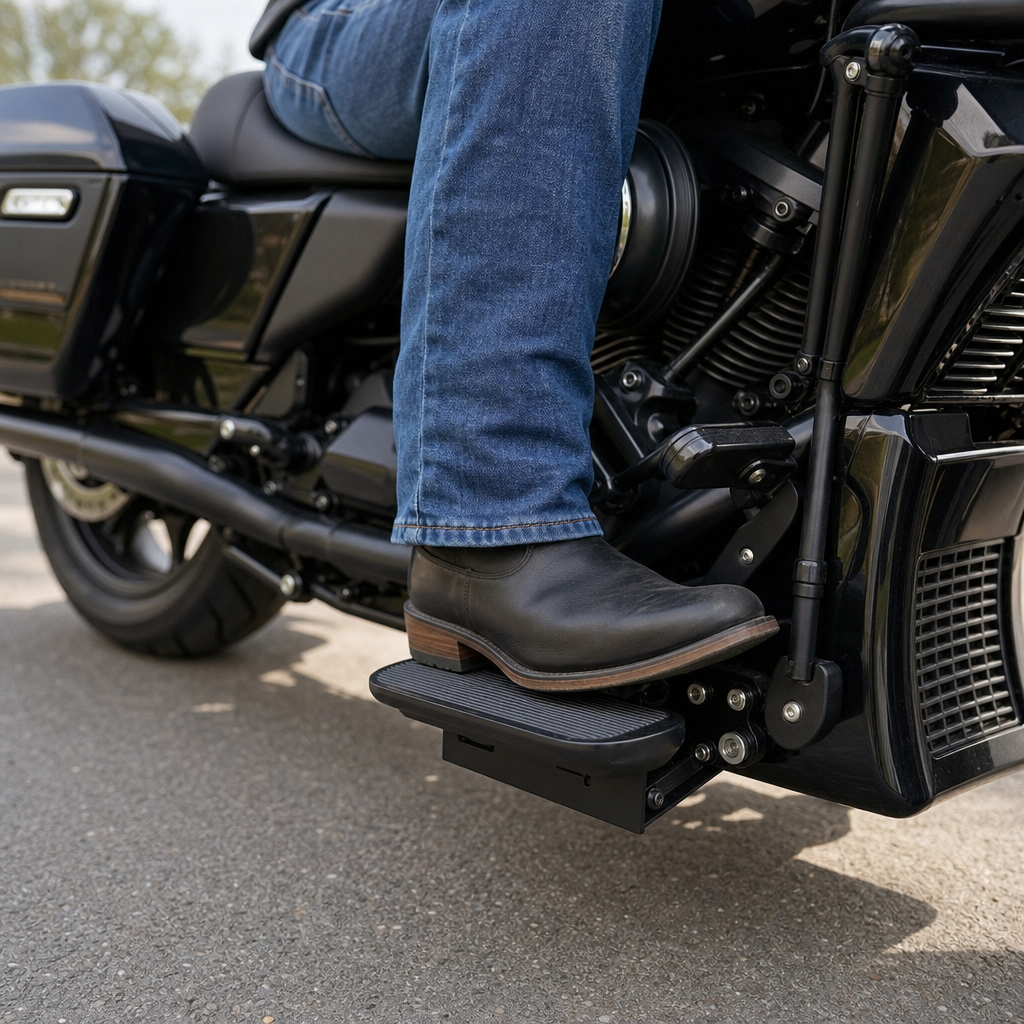
Ergonomics affect performance load more than many owners realize. On a Harley-Davidson touring chassis, bar reach, seat shape, floorboard position, windshield height, and suspension setup change how the rider uses the throttle. A cramped rider tends to roll on abruptly, shift less smoothly, and hold more tension in the wrists, while a balanced posture promotes steadier control. That matters because smooth throttle application reduces shock loading through the driveline and helps the engine stay in the rpm range where the cam and valvetrain are happiest. In repeated road testing, bikes with corrected seating position and calibrated throttle response felt faster in real traffic even when peak dyno numbers were unchanged. A better ergonomic recipe often protects the valvetrain indirectly by reducing abusive usage.
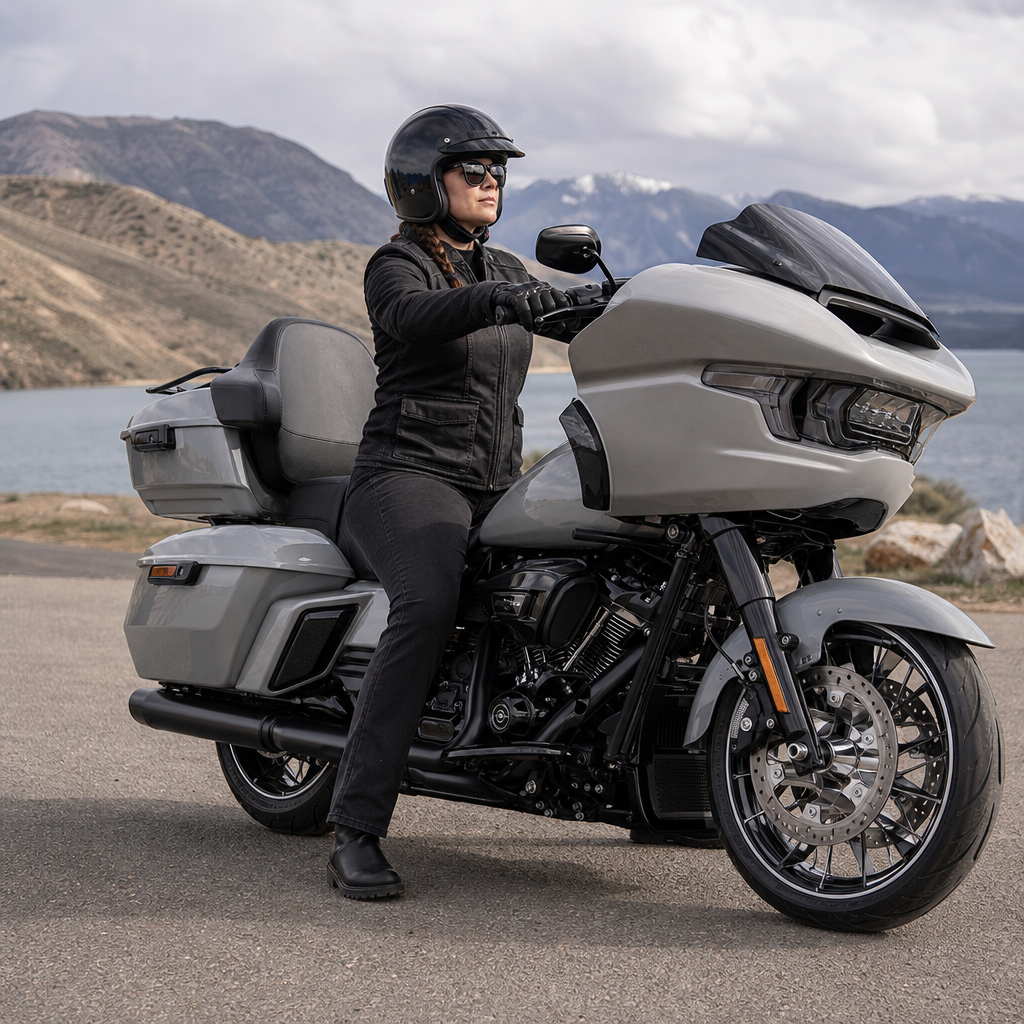
Model-specific tuning should therefore follow the motorcycle’s mission. A Road Glide set up for coast-to-coast travel needs low-end and midrange torque, stable oil temperature, and quiet valve action over thousands of miles. A Low Rider ST built for sport-touring needs crisp response and controlled rev behavior without excessive spring pressure. A Road King Special used for local cruising may prioritize smoothness, cooling strategy, and maintenance access. Riders often ask whether one “best” lifter cuff recipe exists for all Milwaukee-Eight models. The honest answer is no. The best recipe is the one that supports the load profile, rider posture, gearing, tune, and maintenance habits of that specific motorcycle. That is the central idea behind any serious Harley-Davidson performance hub: parts must serve the use case.
Parts Selection, Tuning, and Inspection Standards
Choosing parts by brand alone is not enough. You need a compatible stack. Start with the cam card and verify lift, duration, lobe separation, and recommended spring range. Then confirm lifter travel, pushrod length window, and piston-to-valve clearance if compression or head work has changed. This is standard engine-building discipline, yet many avoid it on bolt-in Milwaukee-Eight upgrades because the aftermarket sells convenience. Convenience is not the same as engineering margin. I treat every valvetrain build as a system because a lifter failure rarely stays isolated. Once the roller or bearing goes, the camshaft, oil pump, and sometimes the bottom end can be affected by debris.
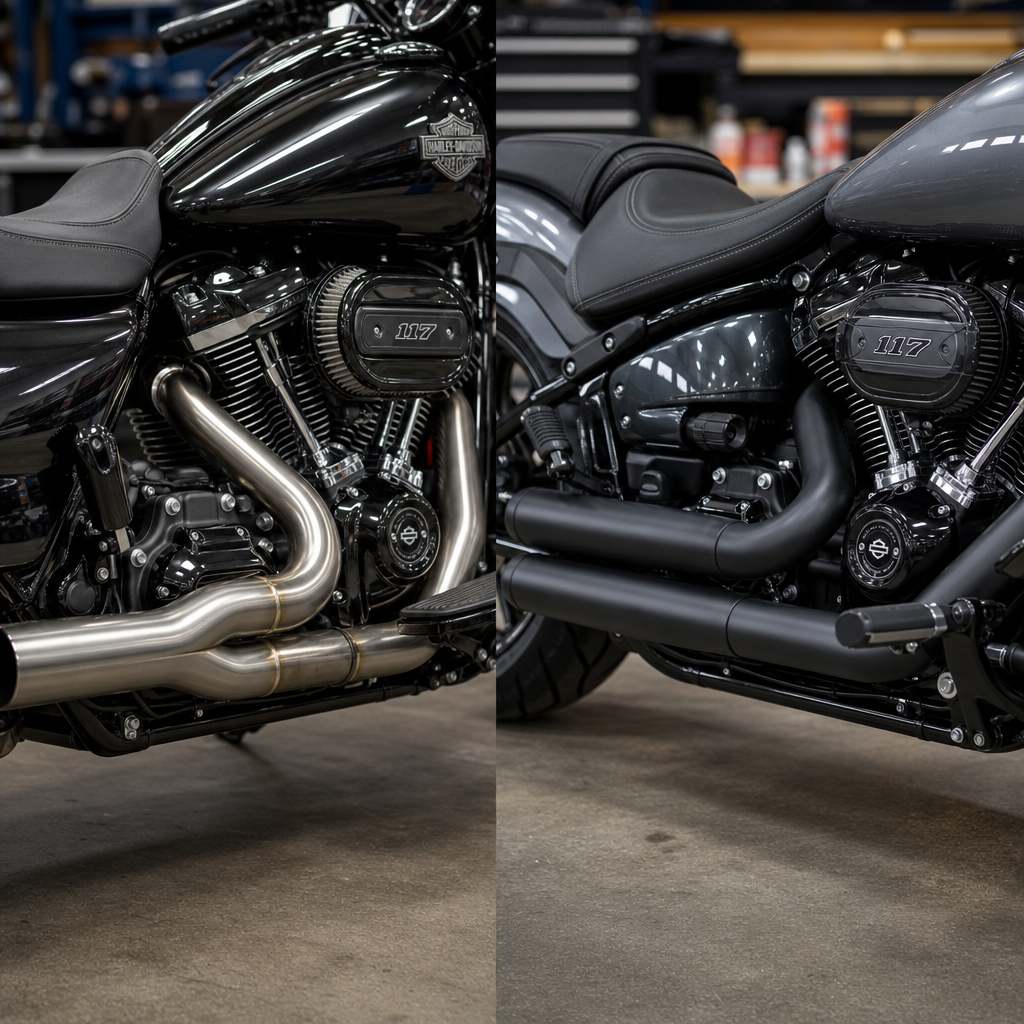
Tuning is equally important. A safe air-fuel ratio, controlled spark advance, and stable idle speed reduce mechanical stress. On these engines, excessive heat is the enemy. A calibration using tools such as Dynojet Power Vision, Screamin’ Eagle Pro Street Tuner where legal and applicable, or a reputable dyno process can smooth torque delivery and remove detonation that hammers the valvetrain. Oil choice also deserves precision. Use a quality motorcycle-specific oil meeting the engine’s requirements, change it on schedule, and inspect the filter media regularly. Cutting open the oil filter is one of the cheapest diagnostic steps available. Fine nonmagnetic glitter, ferrous particles on the drain plug, or a sudden increase in debris tells you to stop riding and investigate before a recoverable issue becomes a catastrophic failure.
Inspection standards for 2027 should be proactive, not reactive. Listen for new top-end ticking, especially if it changes with temperature. Check hot idle oil pressure if your setup allows it. Watch for unstable idle, misfire under load, or metal in the filter after spirited use. During service, verify pushrod adjustment and inspect rocker support wear patterns. If the cam chest is open, replace suspect components rather than reusing borderline parts to save labor. Labor is the expensive part on a Harley-Davidson valvetrain job; reusing a doubtful lifter because it “looks okay” is false economy. The most reliable owners I work with document every part number, torque value, preload setting, and oil analysis interval. That recordkeeping turns maintenance into prevention instead of guesswork.
Common Mistakes That Shorten Milwaukee-Eight Valvetrain Life
The biggest mistake is building for peak numbers instead of duty cycle. Riders read about a cam making excellent dyno power and install it in a 900-pound touring bike that spends its life carrying load below 4,500 rpm. They then add stiff springs and expect stock-like longevity. Another common mistake is mixing valvetrain parts from multiple kits without checking dimensional compatibility. I also see owners ignore heat management while adding displacement, compression, or exhaust flow. More airflow and more cylinder pressure can be beneficial, but they demand a tune and an oiling strategy that keep component temperatures in check. Finally, many people wait for obvious noise before investigating. By the time a bad roller is clearly audible, the engine may already be shedding enough debris to threaten other assemblies.
There is also a human factor. Riders often maintain what they can see and postpone what they cannot. Tires, grips, seats, and audio upgrades happen quickly because the benefit is obvious. Lifter cuffs and oil filter inspections do not feel exciting, yet they preserve the engine that everything else depends on. For a sub-pillar hub covering model-specific ergonomics and performance recipes, that tradeoff is worth stating plainly: comfort upgrades and performance upgrades should be planned together. When the bike fits the rider, the engine is tuned for how the bike is used, and the valvetrain is built with conservative mechanical margins, the result is a Harley-Davidson that feels stronger, lasts longer, and costs less over time.
The Milwaukee-Eight lifter cuff recipe for preventing valvetrain failure in 2027 is straightforward when stripped of myths. Use high-quality anti-rotation cuffs and proven roller lifters. Match the camshaft to the motorcycle’s weight, gearing, and riding mission. Keep spring pressure appropriate to actual lift. Set pushrod preload precisely. Control heat with a sound tune, good oil, and realistic service intervals. Inspect filters and respond early to debris or noise. Most important, treat ergonomics and performance as connected systems, not separate shopping lists. A Road Glide, Road King Special, Street Glide, or Low Rider ST each deserves a recipe built around the rider and the miles ahead.
If you are using this page as your Harley-Davidson hub for model-specific ergonomics and performance recipes, start with your own bike’s real duty cycle: solo or two-up, city or interstate, short hops or all-day touring. Then build a valvetrain package that supports that reality rather than chasing abstract numbers. Done correctly, the Milwaukee-Eight rewards that discipline with strong torque, cleaner operation, and far lower risk of costly top-end failure. Review your current setup, inspect your last oil filter, and make your next upgrade a reliability upgrade first.
Frequently Asked Questions
What is a lifter cuff on a Milwaukee-Eight engine, and why is it so important for preventing valvetrain failure?
On a Milwaukee-Eight engine, the lifter cuff is the component that keeps each hydraulic roller lifter properly oriented in its bore so the roller stays squarely on the cam lobe as the engine runs. That sounds simple, but it is one of the most critical alignment jobs in the entire valvetrain. The roller lifter is designed to follow the cam lobe in a very specific way. If the lifter twists, cocks in the bore, or loses stable guidance, the roller can stop tracking the lobe correctly. Once that happens, loads increase in all the wrong places, and wear can accelerate fast. Instead of smooth rolling contact, you can end up with scuffing, edge loading, bearing failure in the roller, cam damage, metal contamination, and a chain reaction that reaches pushrods, rockers, and valves.
That is why the so-called lifter cuff recipe matters. It is not just about installing a stronger-looking part. It is about building a stable system around lifter control, oiling, geometry, spring pressure, cam profile, and operating temperature. In the Milwaukee-Eight platform, the valvetrain is compact, highly loaded, and sensitive to alignment and component quality. A cuff that holds the lifter more securely and consistently can help maintain roller tracking under real-world conditions such as hot oil, sustained RPM, aggressive cams, and heavier valve spring loads. In practical terms, the cuff is an inexpensive insurance point compared with the cost of repairing a failed cam chest or replacing damaged top-end parts. If the goal is preventing valvetrain failure in 2027 and beyond, the lifter cuff is not a magic standalone fix, but it is one of the foundational pieces of a well-thought-out reliability strategy.
Why is a model-specific Milwaukee-Eight lifter cuff recipe better than using a generic valvetrain parts list?
A generic parts list usually assumes all Milwaukee-Eight combinations fail for the same reasons and respond to the same upgrades. In reality, they do not. The right lifter cuff recipe depends on how the bike is used, what displacement and camshaft it has, what spring pressures are in play, whether it is a touring model or a performance build, how much heat it sees, and whether the owner prioritizes long-distance durability, quiet operation, or maximum power. A stockish touring bike used for highway miles has a very different valvetrain stress profile than a hotter 114 or 117-inch engine with an aftermarket cam, higher lift, more aggressive ramps, and frequent hard acceleration.
That is why a model-specific approach works better. The cuff itself has to match the lifter bore environment and the demands being placed on the lifter. But the recipe extends beyond the cuff. Lifter selection, pushrod stiffness, rocker condition, valve spring pressure, installed height, cam timing, oil quality, and even tuning all influence whether the valvetrain remains stable. For example, a combination with excessive spring pressure may overload otherwise decent parts, while a cam with fast ramps may expose weaknesses in lifter control that a milder profile would never reveal. Likewise, a bike that spends hours heat-soaked in traffic may need special attention to oil control and thermal stability that a cooler-running setup does not.
In short, the best prevention strategy is not to throw the same “upgraded” parts at every engine. It is to evaluate the entire combination and choose a cuff and supporting components that fit that exact application. That is what separates a recipe from a shopping list. A recipe accounts for compatibility, load paths, oiling demands, tolerances, and intended use, which is exactly what reduces the odds of valvetrain trouble over the long term.
What usually causes valvetrain failure in Milwaukee-Eight engines, and how does the right lifter cuff setup help reduce that risk?
Valvetrain failure in a Milwaukee-Eight is rarely caused by one single part acting alone. More often, it is the result of stacking stressors until one weak point gives way. Common contributors include lifter misalignment, poor roller tracking, inadequate or inconsistent lubrication, excessive heat, low-quality lifter internals, cam and spring combinations that are too aggressive for the rest of the system, worn rocker components, improper pushrod setup, and debris contamination. Once one part starts to fail, the rest of the system can deteriorate quickly because the valvetrain operates as a linked mechanical chain. A damaged roller can hurt a cam lobe, contaminated oil can spread metal through the engine, and abnormal lash or motion can increase impact loads up top.
The right lifter cuff setup helps by addressing one of the root mechanical issues: lifter stability and alignment. When the cuff properly controls the lifter body, the roller has a better chance of staying centered and following the intended path on the cam lobe. That reduces side loading, helps distribute forces more predictably, and supports more consistent operation under heat and RPM. A better cuff setup also complements high-quality lifters by giving them a more controlled environment to do their job. Think of it as precision guidance for a part that absolutely depends on precision motion.
Just as important, a correct setup means installation quality and parts compatibility are taken seriously. A premium cuff installed into a neglected system will not save an engine that has mismatched spring pressure, poor tuning, dirty oil, or a failing lifter. But when the cuff is part of a balanced plan that includes proven lifters, appropriate springs, careful cam selection, correct preload, and disciplined maintenance, it can significantly reduce the chance of the kind of instability that leads to expensive failure. It is one of the most effective “control” components in the recipe because it helps prevent motion errors before they turn into damage.
What parts and checks should be included in a strong Milwaukee-Eight lifter cuff recipe for 2027 reliability?
A strong 2027 reliability recipe should start with the idea that the lifter cuff is only one piece of a coordinated valvetrain system. The first priority is choosing a quality lifter cuff designed for the Milwaukee-Eight platform and known for stable fit, proper material quality, and consistent machining. From there, pair it with premium hydraulic roller lifters from a reputable manufacturer rather than assuming factory or bargain units will hold up under every use case. The lifters and cuffs need to work together as a matched control package, especially if the bike has a cam upgrade or sees heavy mileage.
Next, verify camshaft choice and valve spring requirements. One of the most common mistakes is choosing a cam profile with lift and ramp characteristics that demand more from the valvetrain than the rest of the build can reliably support. Confirm that spring pressure, coil bind clearance, retainer clearance, and installed height are all correct. Pushrods should also be evaluated carefully. Stiffer, properly adjusted pushrods can improve valvetrain control, but only if preload is set correctly and the rest of the geometry remains sound. Rocker arms, shafts, tips, and related hardware should be inspected for wear, scoring, looseness, or geometry issues, because top-end instability can feed vibration and shock back down the train.
Oil quality and cleanliness are equally important. Use the correct oil for the engine’s operating conditions, change it on schedule, and inspect for signs of metal or abnormal debris. In a preventive build, many experienced technicians also pay close attention to cam chest condition, oil pump health, and any evidence of abnormal wear patterns on old parts during teardown. If one lifter or cam lobe shows distress, that pattern tells a story and should guide the next round of parts selection. Finally, tuning and operating temperature matter more than many riders realize. A well-tuned engine that avoids unnecessary detonation, excessive heat, and unstable idle behavior is easier on the valvetrain over time. Put together, that is what a real recipe looks like: cuff, lifters, cam, springs, pushrods, rocker system, oil strategy, inspection discipline, and tuning all working toward the same goal.
How can riders tell if their Milwaukee-Eight valvetrain may be developing problems before a major failure happens?
Early warning signs often show up as changes in sound, behavior, or inspection results rather than dramatic symptoms right away. Unusual ticking, clattering, or a new mechanical noise from the cam chest or top end should never be dismissed as “normal Harley noise” without investigation, especially if it appears suddenly or gets worse with heat or RPM. Riders may also notice rougher idle quality, a slight drop in performance, inconsistent throttle response, or a feeling that the engine is no longer as smooth as it used to be. In some cases, the first obvious clue is metal found during an oil change, on a magnetic drain plug, or in the filter media. That is a serious sign because by the time metallic debris is circulating, wear has already begun somewhere in the system.
For anyone serious about prevention, periodic inspection is far more valuable than waiting for a breakdown. Listening for changes, tracking oil condition, checking service intervals, and responding quickly to abnormal noises can catch a problem before it destroys a cam or sends debris through the engine. If the bike already has performance parts, high mileage, or sees demanding use, preventive inspection becomes even more important. During service, a qualified technician