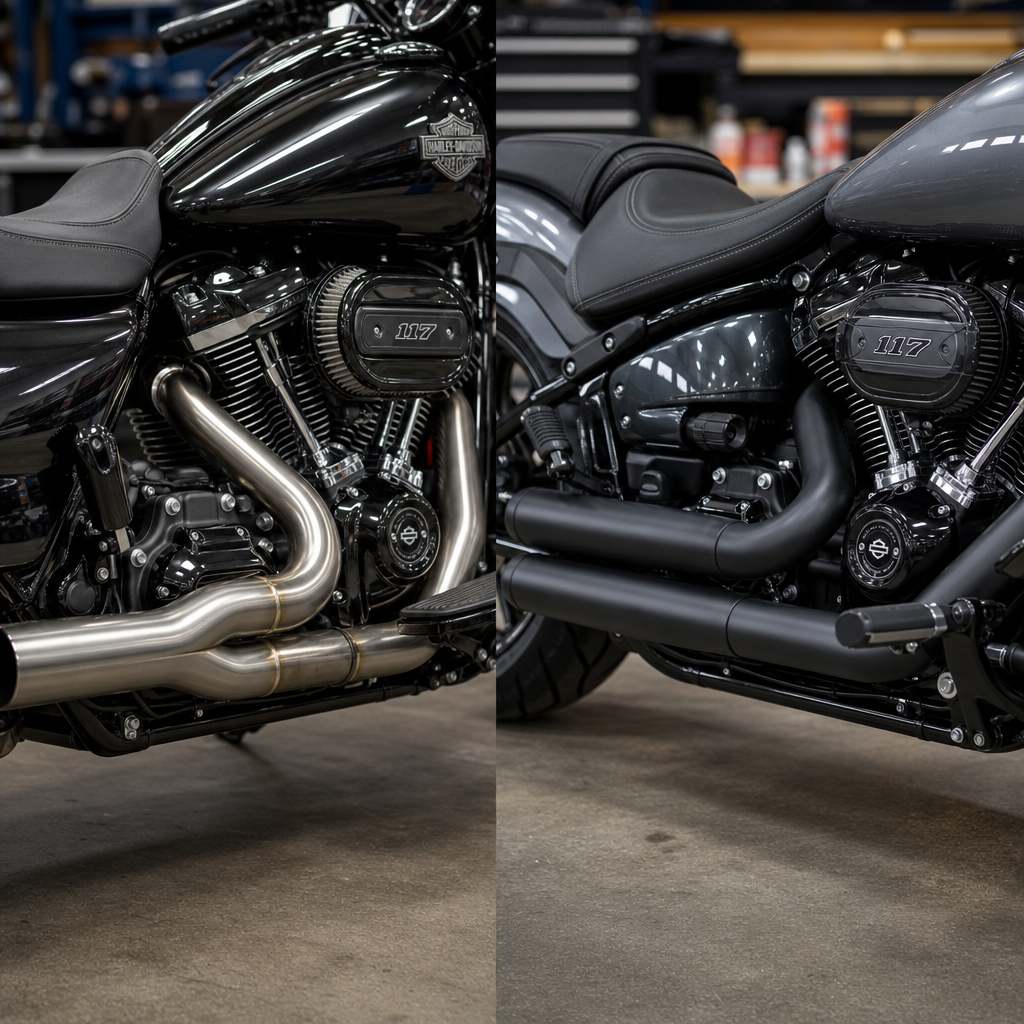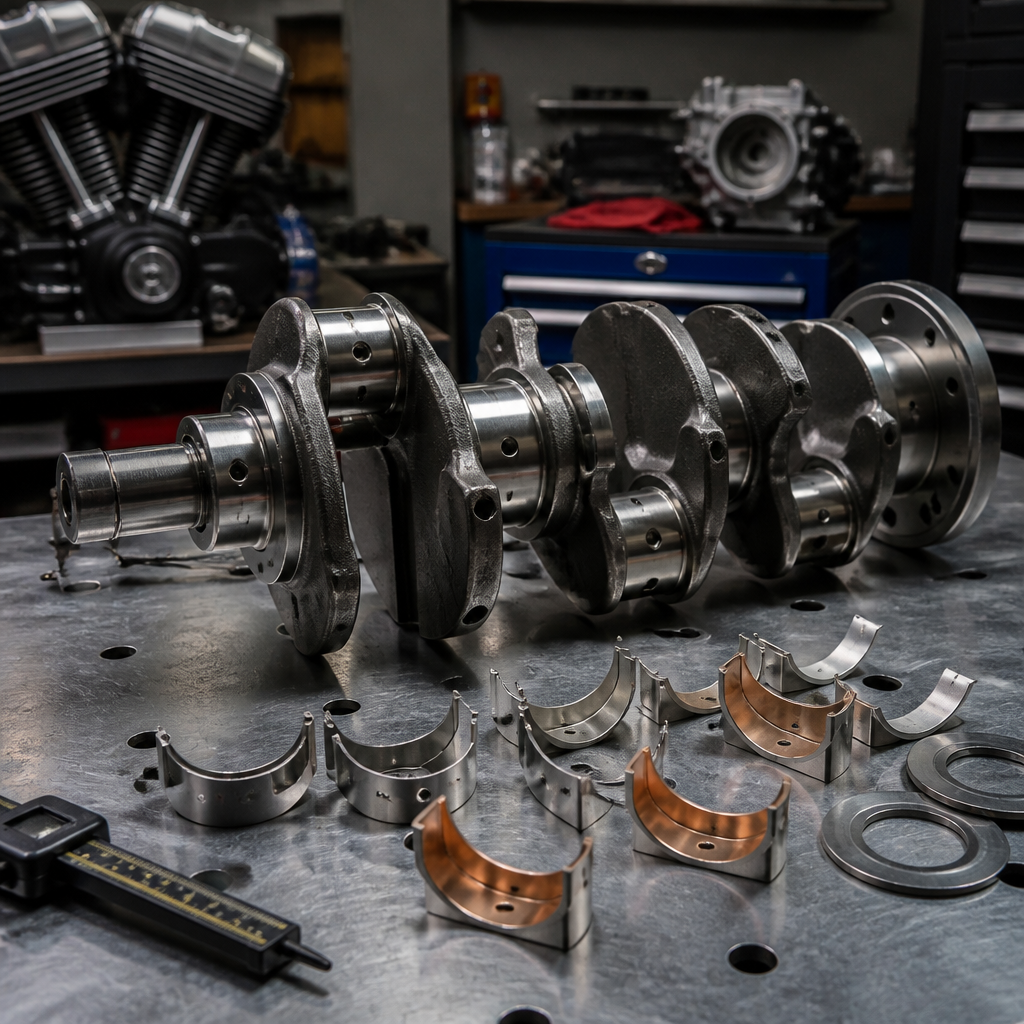
Milwaukee-Eight crankshaft bearing setup determines whether a 2027 performance build feels like a reliable, fast street engine or an expensive lesson in mismatched parts, heat, and vibration. In Harley-Davidson terms, a “bearing recipe” is the complete combination of crankshaft, pinion support, case fit, oiling strategy, flywheel balance, runout target, and intended use case. For Milwaukee-Eight engines, that recipe matters even more because modern touring, Softail, bagger racing, and big-inch builds place much higher loads on the bottom end than stock calibration ever anticipated. I have worked through enough teardown benches and alignment checks to say this plainly: most failed high-output builds do not start with heroic horsepower numbers; they start with small bearing and fitment decisions made too early, without a complete plan.
This hub article covers the core logic behind a Milwaukee-Eight crankshaft bearing recipe for 2027 performance builds while also connecting that discussion to the larger subtopic of model-specific ergonomics and performance recipes. The reason those subjects belong together is simple. A Road Glide ridden two-up on interstate miles needs a different powerband, heat strategy, and vibration threshold than a Low Rider S built for aggressive backroad acceleration or a Street Glide prepared for audio, luggage, and repeated hot-weather traffic use. Ergonomics influence gearing choices, rpm habits, rider comfort, and sustained load. Sustained load influences crankshaft stress, oil temperature, bearing survival, and acceptable clearances. If you separate rider use from crankshaft planning, you build the wrong engine.
For this hub, “2027 performance builds” means current-spec planning for engines being assembled now for model-year 2027 riding expectations: larger displacement, cleaner calibration, better thermal control, stronger charging loads, and more demand for fast but durable street performance. The goal is not to chase a single magic bearing part number. The goal is to define a repeatable recipe framework that supports future sub-articles on touring ergonomics, Softail fitment, cam selection, clutch capacity, oil cooling, suspension balance, and rider triangle changes. If you are planning a Milwaukee-Eight build, start with the bottom end because every later choice depends on it.
What a Milwaukee-Eight crankshaft bearing recipe actually includes
A complete Milwaukee-Eight crankshaft bearing recipe includes six technical decisions. First is bearing architecture: stock-style pressed flywheels with OEM-equivalent support, upgraded left-side and pinion-side bearings, or a full crank assembly engineered around higher cylinder pressure and elevated rpm. Second is case and shaft fit: bearing bore condition, shaft tolerance, and proper installation method matter as much as the bearing brand. Third is runout control. On these engines, crankshaft trueness is not optional; excessive runout destabilizes valve timing, oil control, and long-term bearing life. Fourth is balance factor and flywheel mass, which shape vibration, throttle response, and rider comfort. Fifth is oiling and temperature management, because bearing film strength collapses when heat climbs and viscosity falls. Sixth is application load: rider weight, passenger use, gearing, tire diameter, cam timing, and tune.
Builders sometimes talk about crankshaft bearings as though there is one strongest solution for every engine. In practice, there is only the correct solution for a specific torque curve and duty cycle. A 114 or 117 inch bagger making broad midrange torque at 5,500 rpm has different needs than a 131 inch Street Glide expected to see repeated highway pulls in desert heat, and both differ from a lighter Softail using shorter bursts of acceleration. When I spec a recipe, I begin with target rear-wheel torque, shift rpm, operating temperature, and rider posture. A rider stretched out with floorboards and a low-frequency cruising style tends to hold load longer. That sustained load generates different thermal demand than a more upright rider who cycles on and off the throttle.
The bearing itself is only one component in a system. Even the best Timken-style support or upgraded roller arrangement cannot compensate for poor crankpin assembly, case distortion, contaminated oil, or an imbalanced clutch basket transmitting harmonics through the primary. The recipe mindset prevents isolated upgrades. It forces the owner to ask: what combination keeps oil pressure stable, flywheels true, and vibration acceptable after 20,000 hard miles rather than only during dyno pulls?
How model-specific ergonomics change bottom-end requirements
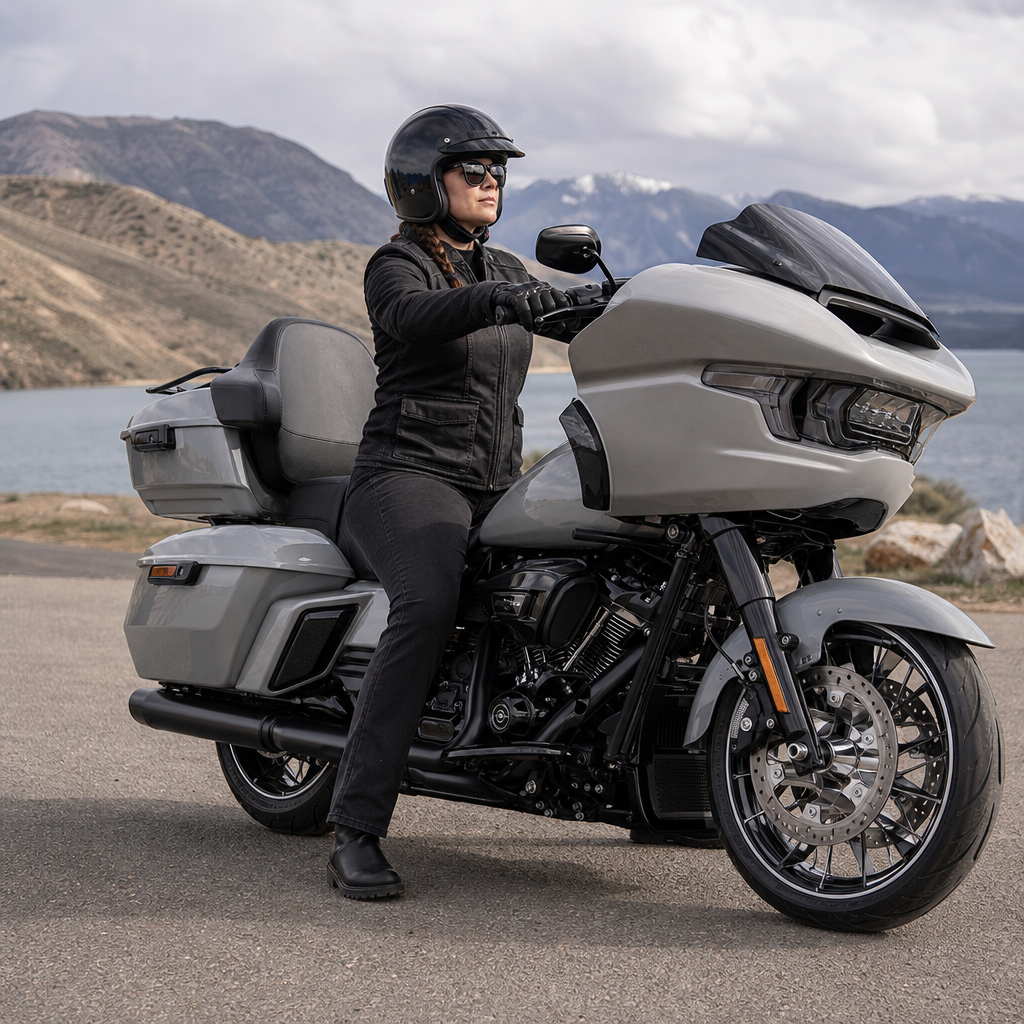
Model-specific ergonomics are not cosmetic. They directly affect how a Milwaukee-Eight engine loads its crankshaft bearings. Touring chassis such as Road Glide and Street Glide place the rider in a seated, long-duration posture with wind management that encourages extended high-speed cruising. Add hard bags, a tour pack, passenger, and audio equipment, and total rolling mass rises sharply. That extra mass means the engine spends more time under steady load, especially in top gear on grades or into headwinds. For those motorcycles, the best bearing recipe favors excellent oil control, conservative runout targets, strong pinion-side support, and a balanced flywheel package that minimizes fatigue-inducing vibration over hours in the saddle.
Softail models change the equation. A Low Rider S, Low Rider ST, Breakout, or Fat Boy typically sees a more varied rpm pattern and shorter periods of continuous high load. Ergonomics place the rider in a more engaged position, often prompting quicker throttle transitions and stronger acceleration bursts. That can justify a lighter-feeling rotating assembly, depending on displacement and intended use. But lighter feel should not be confused with lower stress. A cammed 117 or 128 Softail with sticky tire traction can shock the crankshaft hard during roll-ons and aggressive shifts. In those builds, I want excellent crankpin integrity and verified dynamic balance, not just stronger bearings on paper.
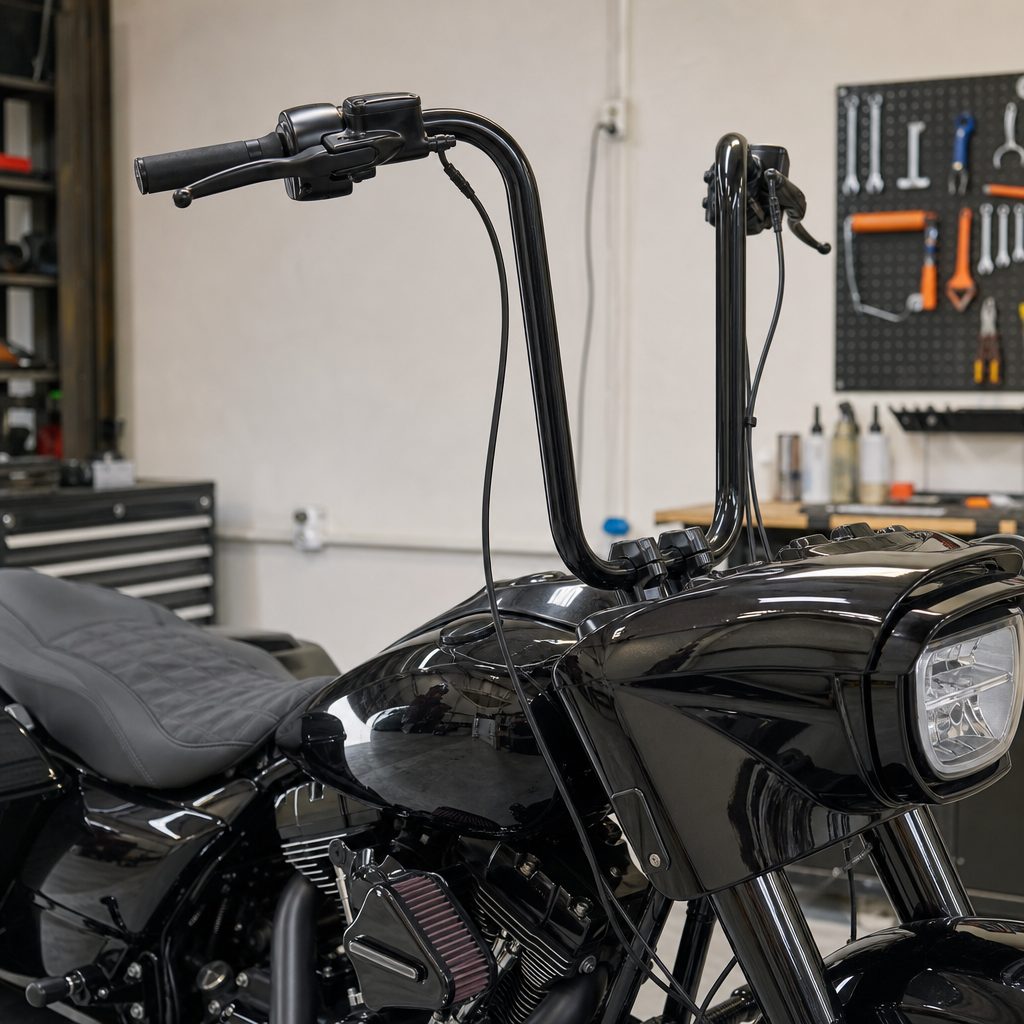
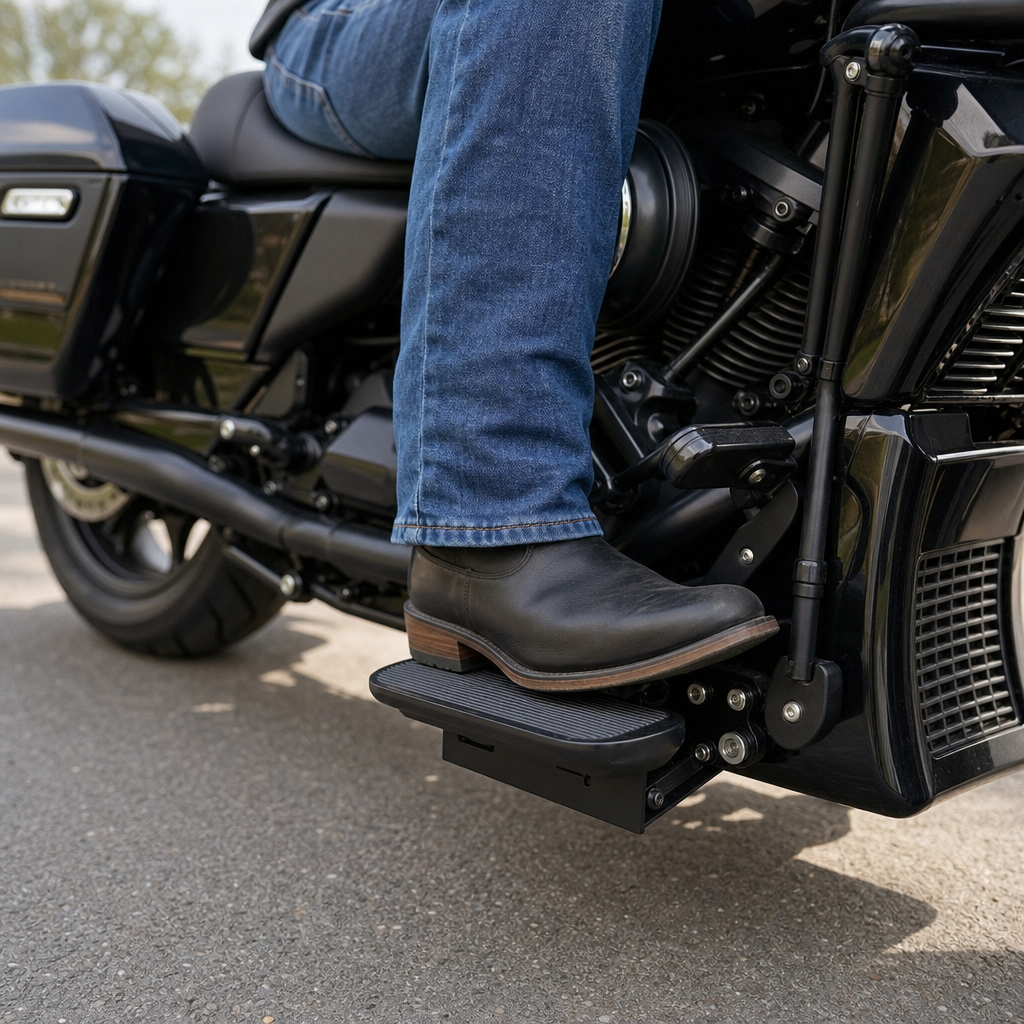
Ergonomic modifications also matter. Taller bars can reduce upper-body fatigue and lead riders to hold speed longer. Mid-controls versus forward controls alter body bracing during acceleration, changing how abruptly throttle is applied. Seat shape affects hip angle and whether a rider naturally cruises at lower rpm in a tall gear, which can increase lugging. Lugging is especially hard on bearings because cylinder pressure spikes while oil film thickness is challenged at low shaft speed. The right recipe therefore supports the way the rider actually rides, not the brochure category of the motorcycle.
| Model/use case | Typical load pattern | Preferred crankshaft bearing recipe focus |
|---|---|---|
| Road Glide long-distance touring | High sustained load, heat, luggage, passenger use | Tight runout control, premium oil cooling, conservative balance, durable pinion support |
| Street Glide performance bagger | Heavy chassis, aggressive roll-ons, frequent highway pulls | Reinforced flywheel assembly, precise case fits, stronger crankpin strategy, thermal headroom |
| Low Rider S or ST canyon and street use | Rapid throttle changes, lighter chassis, shorter hard bursts | Responsive balance, verified truing, strong bearing support, traction-aware tune |
| Fat Boy or Breakout torque build | Low-rpm torque hits, wide rear tire load, style-driven gearing choices | Anti-lugging calibration, robust bottom-end support, careful flywheel stability |
Core bearing and crankshaft choices for 2027 performance builds
For 2027-oriented Milwaukee-Eight performance builds, the default recommendation is not “stock until it breaks.” It is to choose a crankshaft assembly and bearing support package based on displacement and realistic torque. Around the mild street level, a well-inspected stock assembly can survive if runout is corrected, oiling is healthy, rev limits remain sensible, and the tune avoids detonation. Once displacement, compression, and cam timing move into serious territory, upgraded flywheels, improved crankpins, and professionally trued assemblies stop being optional. S&S Cycle, Darkhorse Crankworks, Fuel Moto-supported combinations, and other recognized performance suppliers have established reputations because they address the entire assembly, not one isolated weak point.
Runout deserves a direct answer because owners ask for a number. For serious street performance, the practical target is to keep crank runout as low as the builder can verify consistently, with premium shops aiming far tighter than factory tolerance. Less runout reduces stress on bearings, pinion support, oil pump alignment, and valvetrain stability. It also helps cam chest components live longer. In my experience, customers notice the benefits not as a single dramatic change but as a motorcycle that feels smoother, shifts cleaner under load, and stays quieter over time.
Bearing material and design selection should follow oil temperature and rpm reality. Needle and roller arrangements tolerate radial load well, but they demand correct lubrication and geometry. A bearing upgrade installed into questionable case bores is not an upgrade. Proper heating, pressing technique, shaft finish, and cleanliness are mandatory. So is checking crankcase alignment after any machining. A builder who measures everything with a bore gauge, micrometers, and dial indicators will usually produce a better engine than one who buys the most expensive catalog parts without verification.
Oil is part of the recipe. High-output Milwaukee-Eight builds respond well to stable viscosity under heat, adequate scavenging, and real cooling capacity. Many street bikes benefit from quality synthetic oil matched to ambient conditions, an efficient oil cooler, and calibration that controls exhaust gas temperature. Lean tuning, over-advanced ignition, and chronic low-rpm lugging destroy the safety margin that bearings depend on. If the owner wants reliability, the dyno tune is not a finishing touch; it is bottom-end protection.
Building the complete performance recipe around the rider
The best hub for model-specific ergonomics and performance recipes must answer a practical question: what should be matched together on a real motorcycle? Start with rider dimensions and use. A six-foot-two rider on a Road Glide Limited carrying a passenger and trunk weight needs comfort adjustments, but those adjustments should be coordinated with the engine build. Taller bars, a supportive seat, and floorboard positioning may encourage longer non-stop stretches at 75 mph. That means gearing, oil cooling, clutch clamping force, and crankshaft bearing recipe should all support sustained thermal load. A broad-torque cam with moderate rpm is usually smarter than a peaky setup that asks a heavy touring bike to spin harder than necessary.
Now compare that with a Low Rider ST ridden solo in mixed urban and canyon conditions. The owner may want stronger corner exits, quicker throttle pickup, and less mass feel from the rotating assembly. Here the recipe might combine a well-balanced crankshaft, conservative but responsive cam timing, shorter final-drive thinking, and ergonomics that keep the rider centered rather than hanging off the bars. The result is not only speed. It is a motorcycle that lets the rider use the power without unsettling the chassis or numbing hands through excess vibration.
This is why this page works as a hub. Future articles under this subtopic should branch into seat-to-peg-to-bar fitment, floorboard versus mid-control effects on throttle application, model-specific gearing, bagger cooling packages, 117 versus 131 street reliability, and suspension setup that complements torque delivery. Internal linking between those pieces matters because no performance recipe stands alone. If the crankshaft bearing strategy is correct but the rider constantly lugs the engine due to poor gearing and posture, the build still fails. If the engine is excellent but the ergonomics force wrist pain and unstable body position, the bike cannot be ridden hard enough to justify the investment.
Common mistakes, proven standards, and the smart next step
The most common mistake in Milwaukee-Eight performance builds is choosing parts by headline horsepower instead of by load path. Bearings fail after a chain of causes: marginal crank truing, too much heat, poor tune, contaminated oil, overgearing, or rider use that the build never considered. Another common mistake is assuming every model should receive the same recipe. A touring bike and a Softail can share displacement but still need different flywheel behavior, cooling margin, and vibration priorities. Standards from quality machine work never change: measure every fit, verify crankshaft runout, follow torque procedures, inspect oil pump alignment, and tune for clean combustion rather than bragging-rights dyno spikes.
The takeaway is straightforward. A Milwaukee-Eight crankshaft bearing recipe for 2027 performance builds is a system built around intended use, not a single miracle part. Match the bottom end to the chassis, the ergonomics to the rider, and the tune to the thermal reality of the motorcycle. When those choices line up, the engine lives longer, feels better, and delivers performance you can actually use on the street. Use this hub as the starting point for every Harley-Davidson model-specific ergonomics and performance recipe on your shortlist, then move into the linked subtopics and build from the crankshaft outward.
Frequently Asked Questions
What does a “Milwaukee-Eight crankshaft bearing recipe” actually include in a 2027 performance build?
A proper Milwaukee-Eight crankshaft bearing recipe is not just a part number for one bearing. It is the full strategy for how the rotating assembly will live under the load, heat, rpm, and torque of a 2027 performance build. In practical terms, that recipe includes the crankshaft style and quality, flywheel assembly, crankpin and rod package, pinion-side bearing support, left-side support strategy, crankcase bore condition and fit, oiling approach, balancing method, runout target, piston and cylinder combination, cam profile, compression ratio, exhaust intent, and the way the bike will actually be ridden. If any one of those pieces is out of step with the others, the engine may run, but it will not behave like a well-planned performance package.
On Milwaukee-Eight engines, this matters more than many riders realize because the platform is often pushed into larger displacement, harder launches, hotter operating conditions, and longer sustained highway loads than a stock configuration ever sees. A bagger used for aggressive street riding has very different bearing demands than a touring bike that spends hours under heat soak, and both differ again from a drag-oriented setup that sees repeated shock loads. The “recipe” must match the use case. A streetable 124 or 128-inch build with strong midrange torque needs a support system focused on stability, oil control, and low vibration. A high-output race-influenced combination may accept tighter service intervals in exchange for ultimate load capacity and rpm control.
When builders talk about getting the recipe right, they are usually referring to achieving a balanced system: correct bearing selection, proper crank support, precise case measurements, controlled flywheel runout, realistic balance factor, and enough oil supply to keep the assembly stable under stress. That is why the best Milwaukee-Eight builds are not assembled from random “best” parts. They are built from compatible parts chosen to work together. The result is an engine that starts easier, runs smoother, holds its clearances, tracks straighter at rpm, and stays alive much longer in real-world performance use.
Why is crankshaft bearing setup so critical on a big-inch Milwaukee-Eight performance engine?
Because in a big-inch Milwaukee-Eight, the crankshaft support system is carrying more than rotation. It is managing combustion force, piston speed, flywheel inertia, torsional shock, oil film stability, and vibration control all at once. As displacement and cylinder pressure go up, the loads fed into the crankshaft rise dramatically. If the bearing support is marginal, the crank does not stay where it is supposed to stay. That movement can show up as excess runout, unstable oil control, abnormal heat, accelerated case wear, valvetrain irregularity, and eventually a failure that appears to come from somewhere else but actually started at the bottom end.
One of the biggest mistakes in 2027 performance planning is assuming that power numbers alone define a successful build. In reality, durability is heavily dependent on how well the crankshaft is located and supported under continuous stress. A bike that makes excellent dyno power can still become a poor street engine if the bottom end starts to move around when it gets hot or sees repeated hard pulls. That is especially true in heavier touring and bagger applications where the drivetrain is constantly working against more mass. The bearing setup must resist not only peak load, but repeated real-use load cycles.
This is also why builders pay close attention to runout targets, bearing quality, support plate design, case geometry, and flywheel truing. The crankshaft is the foundation of the engine. If it is not stable, every system above it is trying to compensate. Ignition timing consistency, oil pressure behavior, cam chest durability, and even rider-perceived smoothness are all tied back to how well the crankshaft is supported. In short, the bearing setup is critical because it determines whether the engine remains a precise mechanical assembly under stress or slowly turns into a vibrating collection of expensive compromises.
How do I choose the right crankshaft and bearing combination for street, touring, or race-oriented Milwaukee-Eight use?
The right combination starts with honest intended use. That sounds simple, but it is where many poor builds begin. A fast street bike, a loaded touring bike, and a race-oriented bagger do not ask the same things from the crankshaft and bearing system. For a street performance build, most riders benefit from a combination that prioritizes excellent truing, strong pinion-side support, conservative but effective balancing, and reliable oiling over exotic parts chosen only for bragging rights. Street engines need quick starts, stable idle, manageable vibration, clean hot running, and long-term service life. That means choosing a crank package from a trusted manufacturer, using a support system known to hold alignment, and keeping the overall combination realistic for pump-gas use.
For touring applications, the priority often shifts even further toward sustained-load stability. A heavy bike carrying gear, passenger weight, and long heat-soaked miles places different demands on the bottom end than a lighter performance bike. In that case, the best recipe usually emphasizes crankshaft rigidity, careful balance factor selection, proper case inspection and bore evaluation, and an oiling strategy that remains dependable over extended temperature swings. Touring engines do not just need to survive hard pulls. They need to survive hours of continuous operation without pounding the support system out of alignment.
Race-oriented or competition-influenced builds can justify more specialized choices, but they also require tighter attention to detail. Higher rpm ceilings, harder launches, and aggressive cylinder pressure can demand premium crank assemblies, more robust support strategies, and stricter runout tolerances. However, parts alone do not make the combination correct. The builder must consider piston weight, rod length, stroke, target rpm, fuel type, and service interval expectations. The best way to choose the right recipe is to define the engine’s mission first, then select a crank and bearing system built specifically around that mission rather than trying to retrofit durability after the fact.
What runout, case fit, and oiling details matter most when setting up Milwaukee-Eight crankshaft bearings?
These details matter because they determine whether the bearing system works in theory or in reality. Runout is one of the clearest indicators of bottom-end quality. A performance Milwaukee-Eight crankshaft should be trued to a very tight standard by a builder who understands how that number will hold after assembly and heat cycling, not just how it looks on the bench for a moment. Excess runout can create a chain reaction of problems: inconsistent support loading, increased vibration, unstable gear and chain tracking, stress on the cam chest, and premature wear in components that are blamed unfairly for the root problem. Tight, repeatable runout control is essential in any serious 2027 build.
Case fit is equally important because even a great crank and bearing package cannot perform correctly in a compromised housing. The crankcases must be measured carefully, not assumed to be perfect. Bearing bores, alignment, surface condition, and fit tolerances all influence how well the support system holds the crankshaft under load. If a case has seen prior damage, poor machining, or distortion from earlier failures, simply installing premium parts will not solve the issue. Proper bearing crush, seating, and bore condition are part of the recipe. This is why professional builders inspect and measure first, then machine or correct as needed before final assembly.
Oiling strategy completes the picture. Performance Milwaukee-Eight engines generate more heat and place more stress on the oil film protecting the crankshaft support system. The engine needs sufficient oil volume, pressure stability, scavenging performance, and sensible thermal management. That can involve matching pump selection to the build, confirming clearances throughout the system, and making sure oil delivery supports sustained rpm and temperature rather than only cold-start pressure readings. Good oiling is not about masking a bad mechanical setup. It is about preserving a good one. When runout, case fit, and oiling are addressed together, the bearing system has a real chance to remain stable and reliable under the demands of a high-output engine.
What are the most common mistakes people make with Milwaukee-Eight bearing recipes in 2027 performance builds?
The most common mistake is treating the build like a catalog exercise instead of a system. Riders often buy premium flywheels, oversized cylinders, a hot cam, and upgraded support parts, then assume the engine will be reliable because each part sounds impressive on its own. That is not how bottom-end durability works. The crankshaft bearing recipe has to match displacement, compression, rpm, bike weight, gearing, and riding style. A mismatched combination may idle and dyno fine, but it can become harsh, hot, and unstable once it is exposed to repeated real-world load.
Another frequent mistake is ignoring measurement and machine work. Many problems blamed on bearings are actually caused by poor truing, questionable case geometry, improper fits, or assembly shortcuts. Reusing questionable cases, failing to verify bore conditions, accepting loose runout standards, or assuming all aftermarket components arrive perfectly ready to install can turn an expensive build into a short-lived one. In Milwaukee-Eight performance engines, precision is not optional. It is the difference between a bottom end that stays planted and one that starts chasing tolerance stack-up from the first heat cycle.
A third