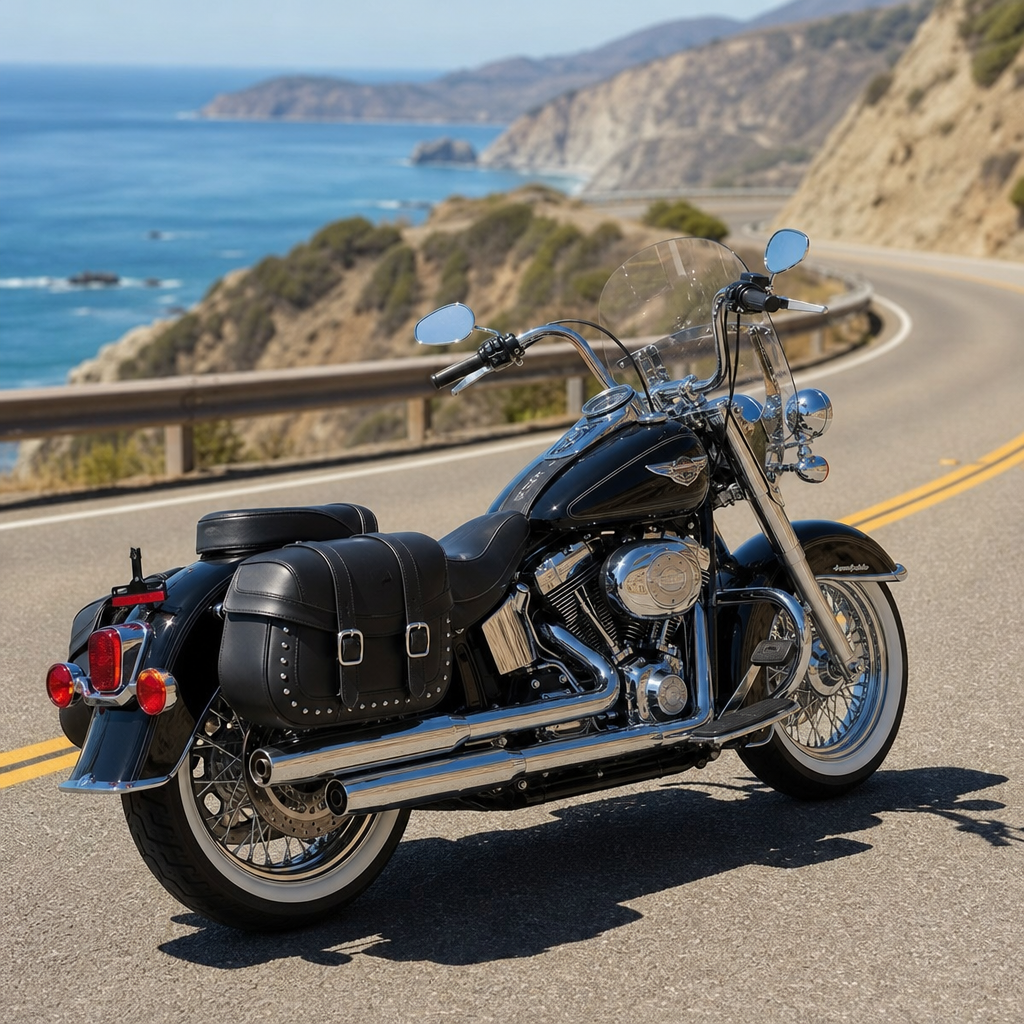
The 2026 Road Glide 3 gives Harley-Davidson riders a distinctive platform: the frame-mounted sharknose fairing and trike chassis deliver long-haul stability, but suspension tuning remains the difference between a machine that merely carries weight and one that tracks cleanly, stays composed over broken pavement, and keeps the rider fresh after a full day in the saddle. When riders search for a 2026 Road Glide 3 emulsion shock fluid recipe tuned for 2027 use, they are usually asking a larger question: what combination of fluid behavior, spring support, damping balance, rider ergonomics, and load planning creates the best real-world setup for this specific trike?
In practical suspension language, a recipe is not just oil viscosity. It is the full working setup: shock type, fluid characteristics, preload target, sag range, rebound and compression strategy, tire pressure relationship, rider position, passenger and cargo assumptions, and the road conditions the machine actually sees. Emulsion shock fluid refers to the damping oil used inside a shock design where oil and gas are not fully separated by an internal floating piston or bladder. In these systems, foaming resistance, viscosity stability, seal compatibility, and heat behavior matter more than a label on the bottle. Tuning for 2027 means setting up the 2026 Road Glide 3 around the conditions many owners are now dealing with: heavier touring loads, hotter summer pavement, rougher secondary roads, and a stronger preference for planted handling without sacrificing comfort.
I have tuned Harley touring suspensions and trike conversions long enough to know that owners often chase the wrong variable first. They swap fluid weight or crank preload before measuring rider sag, checking ride height, or identifying whether the complaint is bottoming, wallow, kickback, or heat fade. The Road Glide 3 amplifies that mistake because its rear-end behavior is affected by trike-specific mass distribution and by the way riders brace themselves in the seat. This hub article is designed to anchor the full topic of model-specific ergonomics and performance recipes for Harley-Davidson, with the Road Glide 3 as the reference point. If you understand the recipe here, you can make smarter decisions on related setup articles covering spring rates, cockpit ergonomics, passenger load strategies, and shock service intervals.
The key takeaway up front is simple: the best 2026 Road Glide 3 emulsion shock fluid recipe for 2027 is a balanced setup, not a magic oil. For most solo touring riders, that means premium shock fluid in the roughly 2.5W to 5W performance range from a known suspension brand, preload set to achieve correct sag, damping calibrated for heat stability, and ergonomics adjusted so the rider is not unintentionally overloading the rear during braking and corner exit. For two-up and cargo-heavy use, the recipe shifts toward stronger spring support and fade-resistant fluid with a high viscosity index, because the trike will punish under-sprung, overheated shocks faster than a lighter two-wheeler.
What the ideal Road Glide 3 shock fluid recipe actually includes
The most useful answer is also the most direct: a Road Glide 3 shock fluid recipe includes four interlocking elements. First is fluid quality, especially viscosity consistency across temperature swings. Second is mechanical support from the spring and preload setting. Third is damping calibration for the rider’s speed, road surface, and payload. Fourth is rider ergonomics, because body position changes how the rear suspension is loaded. If one element is wrong, the trike will still feel wrong.
For emulsion shocks, I prefer fluids from suspension-specific manufacturers such as Maxima, Motorex, Öhlins, Bel-Ray, or Race Tech rather than generic fork oil. The reason is not branding; it is additive package quality and viscosity index. Good shock oil resists shear, controls aeration, and stays more stable after repeated heat cycles. On a loaded Harley trike running summer interstate miles, cheap oil can thin enough to create a floaty rear end after an hour of riding. Riders describe this as the back of the trike “going lazy” or “wallowing” through sweepers.
A practical baseline for 2027 tuning is fluid equivalent to a light-to-medium shock oil, generally where many brands market 2.5W, 3W, or 5W products. The exact number is less important than the cSt rating at 40 degrees Celsius and 100 degrees Celsius, because oil “weights” are not standardized between brands. If you move from one fluid to another, compare technical data sheets, not just the front label. That single habit prevents many tuning mistakes.
Baseline setup ranges for solo, two-up, and cargo-heavy use
Because this article serves as a hub for model-specific ergonomics and performance recipes, the smartest way to think about the Road Glide 3 is by use case. A solo rider who weighs 180 pounds with light luggage needs a very different setup from a couple carrying a trunk full of gear for a week-long tour. The fluid recipe stays within a narrow band; spring support and damping targets change more.
| Use case | Recommended fluid behavior | Preload and sag target | Common symptom if wrong |
|---|---|---|---|
| Solo light touring | High-VI light shock fluid, quick response, strong anti-foam control | Moderate preload, rider sag set in the compliant middle range | Harsh chatter if over-preloaded, wallow if under-damped |
| Solo aggressive back-road riding | Heat-stable fluid with slightly firmer damping character | Higher preload to preserve ride height under throttle and braking | Exit squat and delayed rebound if too soft |
| Two-up weekend touring | Fade-resistant fluid with stable cSt under high temperature | Noticeably increased preload, sag reduced to maintain support | Bottoming and vague steering if spring support is insufficient |
| Two-up with cargo | Premium fluid only; aeration resistance is critical | High preload, often paired with spring upgrade | Heat fade, axle hop feel, and rear oscillation on expansion joints |
In the shop, I treat sag as the first hard checkpoint. If the Road Glide 3 sits too deep in the rear, no fluid change will rescue it. If it sits too tall from excessive preload, the trike will feel sharp over square-edge bumps and can transmit more impact into the rider’s lower back. The right recipe begins with ride height, then fluid and damping refine the behavior.
How ergonomics change suspension performance on the Road Glide 3
Ergonomics are not separate from suspension tuning. On the Road Glide 3, seat shape, floorboard position, handlebar reach, and backrest angle all influence how the rider loads the chassis. A rider who is reaching too far forward tends to brace on the bars and shift weight abruptly during braking. A rider who sits in a pocketed touring saddle with proper lumbar support stays more neutral, which helps the rear shock work consistently.
This matters because trikes do not lean like two-wheel touring models. Impacts and lateral inputs are transmitted differently, and riders often compensate by tightening their posture. When that happens, they misread ergonomic strain as bad damping. I have seen owners install thicker fluid to reduce motion, only to discover the real problem was a seat that tipped the pelvis backward and made every expansion joint feel sharper than it should.
The best 2027-oriented recipe therefore includes a rider triangle check. Confirm that your bars allow relaxed elbows, your seat supports the pelvis without forcing you into the lumbar rise, and your floorboard position lets your knees stay slightly open rather than cramped. Once the rider stops fighting the machine, shock tuning becomes more honest and repeatable.
Choosing fluid by specification, not by marketing label
When riders ask what shock oil weight to run, they usually want a single number. That shortcut works poorly. Suspension fluids vary widely across brands, and a 5W from one manufacturer may be close to a 3W from another in actual viscosity. What matters are published specifications, especially kinematic viscosity, viscosity index, and whether the product is explicitly designed for shocks rather than only forks.
For the 2026 Road Glide 3, fluid with a high viscosity index is especially valuable because the machine often sees prolonged heat soak from ambient temperature, engine heat, road temperature, and sustained load. High-VI oil changes viscosity less as temperature rises, which helps preserve damping consistency. Anti-foam additives are equally important in emulsion shocks because oil and gas interaction is part of the design. Once aeration increases, damping response becomes inconsistent and the rear can feel both harsh and under-controlled at the same time.
If you are comparing products, read the data sheet and look for consistency under temperature and shear. Ask whether the fluid is commonly used in heavy touring or powersports shock service, not just sportbike forks. That gives you a better predictor of real-world Road Glide 3 performance than a weight number alone.
Common handling complaints and the recipe changes that fix them
Most Road Glide 3 owners can identify a symptom faster than a cause. That is normal. The useful diagnostic step is matching the complaint to the likely recipe variable. If the rear bottoms on bridge joints, you are usually dealing with insufficient spring support, too little preload, excessive sag, or fluid fade under load. If the trike feels bouncy after a bump, rebound control is too loose, whether from valving, overheated fluid, or both.
If the ride feels harsh on small chatter but still bottoms on large hits, that combination often points to a setup that is over-preloaded yet under-damped in the deeper stroke. Riders are often surprised by that mix, but it is common on heavy touring machines. If the rear wanders in long sweepers after an hour of riding, suspect heat-related viscosity loss and aeration before assuming a tire problem. If steering effort feels vague with a passenger aboard, the rear may be riding too low, changing chassis attitude and shifting more work to the front contact patch.
The correction sequence I trust is straightforward: verify tire pressures, measure loaded sag, inspect shock condition for leakage or contamination, review spring suitability for actual payload, then choose fluid based on known specifications. Only after those steps do I fine-tune damping. This process saves money because it avoids using oil changes to mask spring or geometry problems.
Service intervals, wear signs, and when to upgrade beyond fluid
Shock fluid is a wear item, but it is not the only one. On a Road Glide 3 used for regular touring, repeated heat cycles degrade damping quality over time even if there is no visible leak. Riders notice this gradually: more bounce after freeway undulations, less composure over patched pavement, and a growing need for extra preload just to keep the machine feeling normal. Those are service clues.
For 2027-ready reliability, inspect shocks at every major service and evaluate performance honestly at seasonal intervals. If the trike has seen heavy two-up mileage, rough roads, or frequent hot-weather use, fluid refresh and shock inspection should move higher on the maintenance list. If the spring is wrong for your load, or the emulsion design simply cannot deliver the control you want, step up to a better shock rather than endlessly experimenting with oil. Premium aftermarket units from established Harley suspension specialists can bring improved valving, stronger springs, and better thermal control.
This is the larger lesson behind every Harley-Davidson ergonomics and performance recipe: model-specific tuning works when the setup reflects how the machine is actually ridden. The 2026 Road Glide 3 responds best to a balanced recipe built around quality shock fluid, accurate sag, realistic payload, and rider ergonomics that reduce unnecessary chassis input. Start with the baseline in this hub, then apply it across your broader Harley-Davidson setup decisions, from seat choice to cargo planning to suspension service. If you want your trike to feel settled, predictable, and comfortable in 2027, measure first, tune second, and document every change.
Frequently Asked Questions
What does a “2026 Road Glide 3 emulsion shock fluid recipe tuned for 2027” actually mean?
In practical terms, most riders are not looking for a secret chemical formula as much as they are looking for a suspension setup strategy that matches how the 2026 Road Glide 3 is really used going into 2027. The phrase “emulsion shock fluid recipe” usually refers to the combined tuning approach behind the rear shocks: fluid viscosity, fluid condition, shock valving behavior, preload setting, rider and passenger weight, cargo load, tire pressure, and riding environment. On a Road Glide 3, that matters because the trike chassis behaves differently from a two-wheel touring model. It carries weight differently, reacts to broken pavement differently, and can feel either planted or busy depending on how well the rear suspension is balanced.
For 2027-oriented tuning, riders are typically trying to modernize the feel of the machine without changing its core character. That means aiming for better low-speed compliance over patched roads, improved resistance to wallow when fully loaded, and more consistent damping on long summer rides where shock temperatures climb. The “recipe” is therefore less about chasing the thickest or thinnest fluid and more about creating a predictable damping curve for real-world touring. A good setup helps the Road Glide 3 track cleanly through sweepers, stay composed over expansion joints, and avoid the harsh, choppy response that can wear a rider out over a full day.
The key point is that fluid choice cannot be separated from the rest of the system. Even the best fluid will not fix a shock with worn seals, tired internals, incorrect preload, or a load profile far outside the stock design range. For most owners, the right approach is to treat the fluid as one component in a complete suspension refresh or tuning plan designed around 2027 priorities: comfort, control, durability, and confidence with rider-specific weight and touring gear.
How do I choose the right emulsion shock fluid viscosity for a 2026 Road Glide 3?
Choosing the right viscosity starts with understanding what you want the shock to do. In an emulsion-style shock, the oil and gas are not physically separated by an internal piston or bladder, so fluid behavior has a major effect on damping feel, consistency, and fade resistance. Thicker fluid generally increases damping force, especially if the valving remains unchanged, which can help a heavily loaded Road Glide 3 feel more controlled. However, if the fluid is too heavy for the rider’s actual load and road conditions, the rear suspension may feel harsh, reluctant to react quickly to sharp impacts, and less compliant on rough secondary roads.
On the other hand, going too light with fluid can produce the opposite problem. The shock may move too freely, allowing excess rebound speed, more chassis motion after bumps, and a less settled feel in long sweepers or during repeated undulations. For a trike platform used for touring, that can make the machine feel busy and underdamped, especially when carrying luggage, passenger weight, or additional accessories. That is why there is no universal “best” viscosity that suits every Road Glide 3 owner. A solo rider on smoother roads may prefer a more responsive, compliant feel, while a rider who frequently travels loaded in hot conditions may prioritize greater damping stability and support.
The most reliable path is to use a high-quality suspension fluid from a reputable brand and select viscosity based on intended load, ambient temperature, and the condition of the existing valving. If the shocks are stock and in good condition, many tuners prefer to stay close to the original damping intent and make only modest viscosity changes rather than dramatic ones. If the shocks are being rebuilt or revalved, the fluid should be chosen as part of that package, not in isolation. In all cases, consistency matters as much as nominal weight. Suspension fluids with strong shear stability, anti-foaming properties, and predictable hot-temperature performance usually deliver better real-world results than simply choosing a heavier number on the label.
Can changing shock fluid alone improve ride quality, or do I need a full suspension tune?
Changing the fluid alone can absolutely improve ride quality, but its effectiveness depends on what is currently wrong with the suspension. If the existing shock fluid is old, heat-cycled, contaminated, or aerated from long use, replacing it with fresh, quality fluid can restore damping consistency and smoothness. Riders often notice that the rear of the trike feels less vague, less bouncy, and better controlled after a proper service. On a 2026 Road Glide 3 that has seen touring miles, temperature swings, and sustained loads, fluid degradation can have a meaningful impact on how the shocks respond over time.
That said, fluid replacement is not a cure-all. If the rear suspension is bottoming, topping out, wallowing, or transmitting sharp hits because the spring rate or preload is wrong for the load, fresh oil will only do so much. The same is true if the internal shock components are worn or if the rider’s expectations exceed what the stock hardware can realistically deliver. A trike used for two-up travel with luggage asks far more from the rear shocks than a lightly loaded solo machine. In those situations, a full suspension tune is the better answer. That may include preload adjustment, inspection of ride height, possible spring changes, a rebuild, revalving, or even an upgrade to higher-quality aftermarket shocks designed for touring loads.
The smartest approach is to diagnose the symptoms before buying parts or fluids. If the Road Glide 3 feels soft and floaty after large bumps, that points toward damping and support issues. If it feels sharp and jarring over broken pavement, the problem may be excessive preload, overly aggressive damping, high tire pressure, or worn shock internals. If it feels acceptable early in the ride but gets less controlled later in the day, thermal fade and fluid breakdown become more likely suspects. In other words, fluid can be a meaningful part of the solution, but the best 2027-style tune comes from treating the whole rear suspension system as one package.
What setup changes usually matter most for Road Glide 3 riders who tour with cargo or a passenger?
For loaded touring, the biggest factors are usually preload, damping control, and shock consistency under heat. The Road Glide 3’s touring mission means it often carries more than just the rider. Add a passenger, luggage, a tour pack, accessories, and summer temperatures, and the suspension has to manage significantly more energy over a long day. In that environment, proper preload is critical because it establishes how much travel is available before the shock compresses too deeply into its stroke. Too little preload under a heavy load can make the rear ride low, feel sloppy, and bottom over larger impacts. Too much preload can reduce comfort and create a skittish, abrupt response over rough pavement.
Damping is the next major factor. Compression damping affects how firmly the suspension resists bump inputs, while rebound damping controls how quickly it returns after compression. On a loaded Road Glide 3, weak rebound control often shows up as repeated bouncing or a floating sensation after dips and undulations. Excessive compression damping, by contrast, can make the rear end feel hard and tiring, especially on uneven roads. This is where the emulsion shock fluid recipe becomes important: the correct fluid and internal tune help maintain stable damping behavior even when the shocks heat up from sustained miles.
Riders should also pay attention to the supporting variables that often get overlooked. Tire pressure has a direct effect on ride harshness and chassis feel. Load placement matters as well; weight carried high or far rearward can change how the trike reacts in corners and over bumps. Even seat choice can alter rider perception of shock performance. For most touring owners, the best results come from setting sag and preload for the actual loaded condition they use most often, then evaluating damping behavior on the kinds of roads they truly ride. That process produces a much more useful setup than tuning around an empty machine that rarely sees real travel weight.
What are the most common mistakes riders make when tuning emulsion shocks on a 2026 Road Glide 3 for 2027 use?
One of the most common mistakes is trying to solve every ride complaint with fluid viscosity alone. Riders may assume that a harsher-than-desired ride means the fluid is too heavy, or that a loose, undercontrolled feel means the fluid is too light. In reality, the issue may be preload, spring support, tire pressure, worn components, or load distribution. Because the Road Glide 3 is a trike with a specific chassis character, symptoms can be misread if tuning decisions are made too quickly. A change that feels better in one condition can become worse when the machine is loaded for travel or ridden on a different road surface.
Another frequent mistake is tuning without a baseline. Riders change fluid, preload, tires, and other settings all at once, then cannot tell which adjustment actually improved or hurt the ride. For a useful 2027 tune, it is far better to work methodically. Record current settings, measure sag if possible, note tire pressures, and evaluate behavior in repeatable conditions. Pay attention to specific symptoms such as bottoming on sharp hits, bouncing after dips, harshness on expansion joints, or instability during long sweepers. Those clues help identify whether the problem is primarily compression, rebound, support, or heat-related