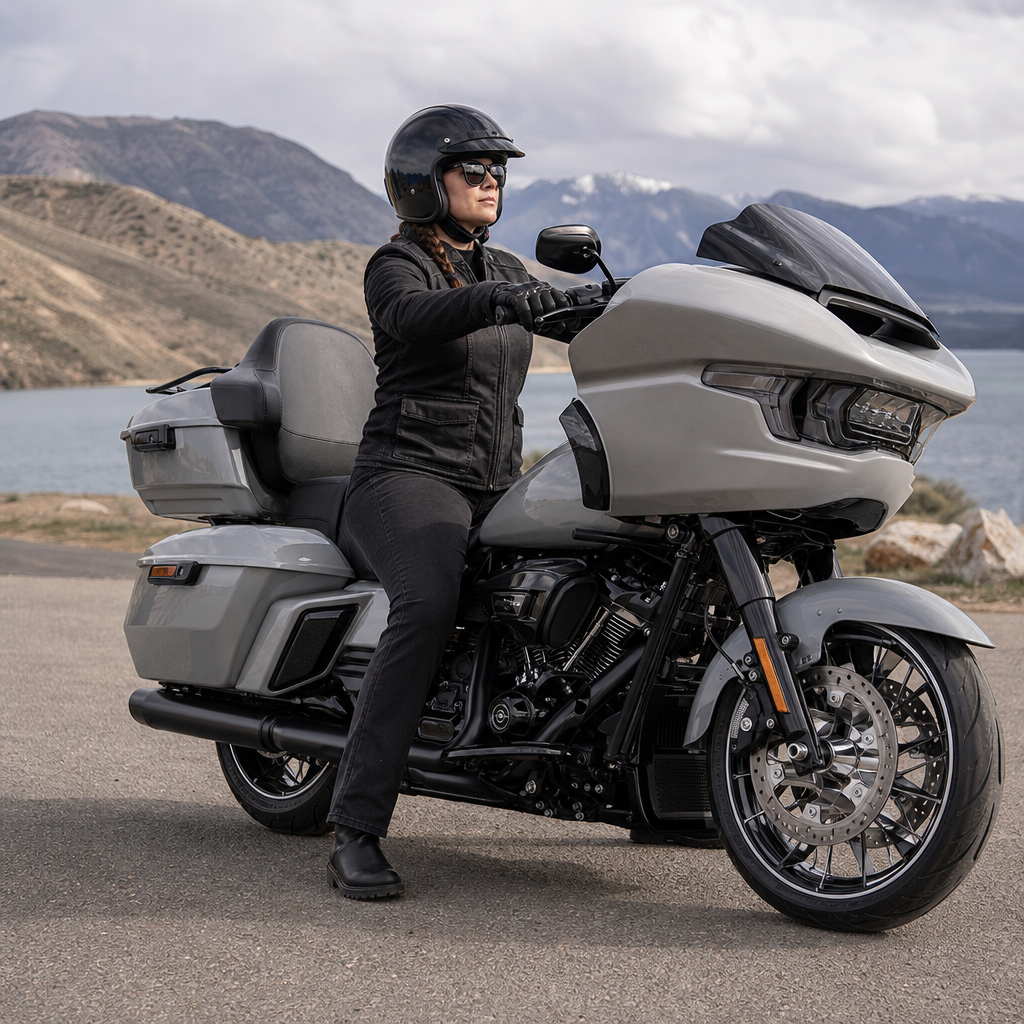
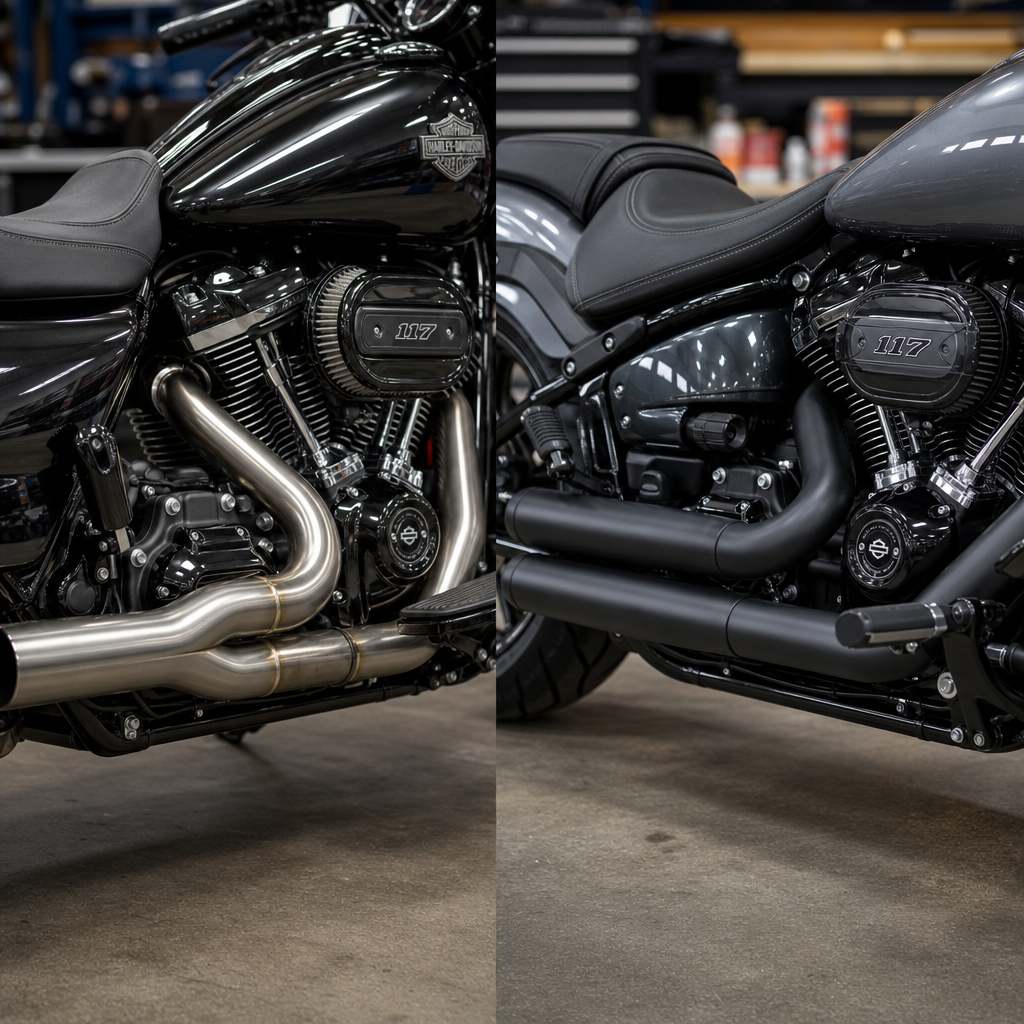
The 2027 Low Rider ST sits at an interesting intersection of cruiser style and performance intent, and nowhere is that tension more obvious than in its rider triangle. Mid-controls on the 2027 Low Rider ST are not just a styling choice or a comfort preference. They are a practical ergonomic change that can improve foot placement for aggressive cornering, increase rider stability during braking, and make body positioning more precise when the pace rises on real roads. For riders building a Harley-Davidson for canyon work, fast backroad touring, or sharper urban riding, mid-controls belong near the top of the modification list.
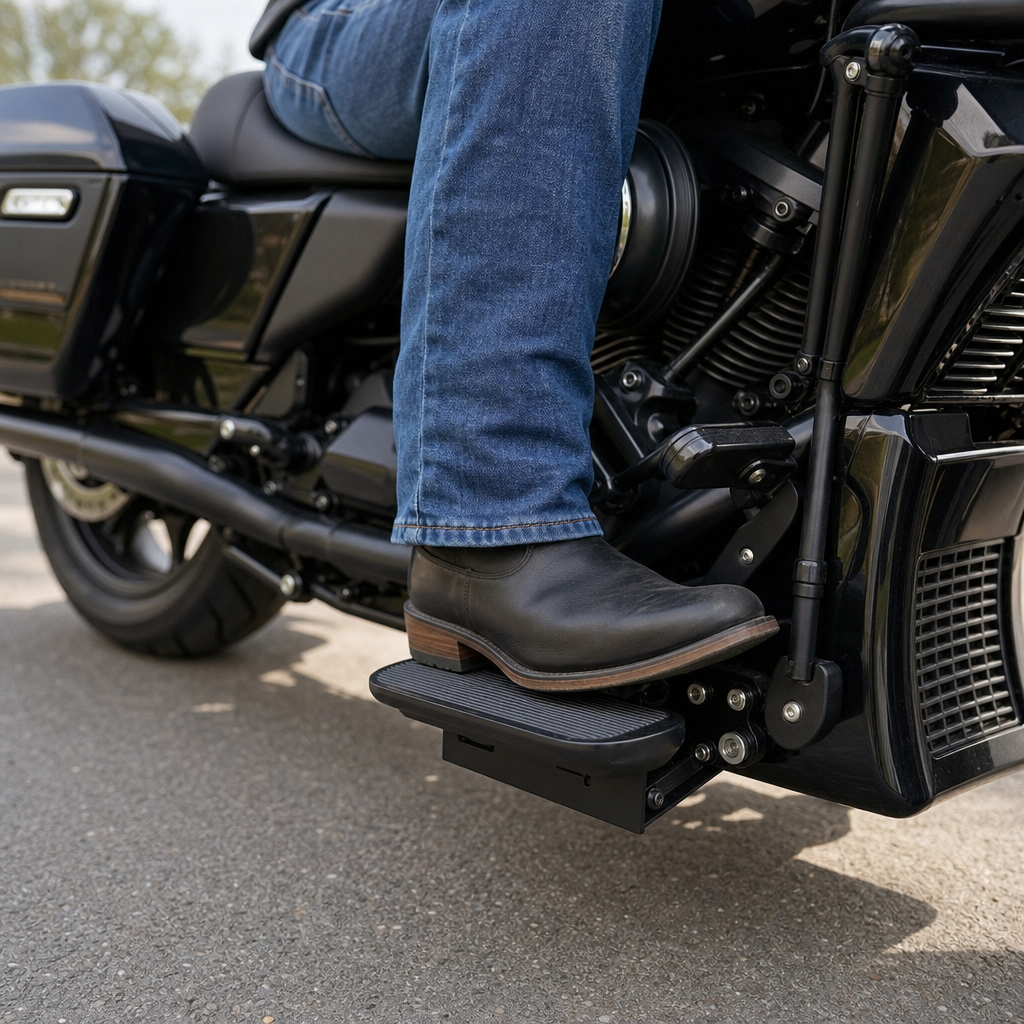
In this context, mid-controls means relocating the foot pegs and control pedals closer to the rider’s hips, usually beneath or slightly behind the knees rather than stretched forward. On the Low Rider ST, that shift changes how the rider loads the seat, grips the tank area, and transfers weight from side to side. I have set up performance-oriented Harleys for riders with very different inseams and riding goals, and the pattern is consistent: once speed and lean angle increase, forward-biased foot placement starts to limit control. Riders often describe the issue as vague confidence, difficulty weighting the inside peg, or feeling disconnected from the chassis mid-corner.
This matters because the Low Rider ST is more capable than many owners expect. With its frame-mounted fairing, strong Milwaukee-Eight torque, and club-style appeal, it encourages a pace that exposes ergonomic weaknesses quickly. A bike can have good suspension, sticky tires, and stronger brakes, but if the rider cannot anchor their lower body, those upgrades never deliver their full value. Model-specific ergonomics and performance recipes exist to solve exactly that problem: pairing the machine’s geometry, controls, suspension, and contact points so the rider can use the bike’s capability consistently, safely, and comfortably over distance.
As a hub topic under Harley-Davidson, this article covers the complete logic behind mid-controls on the 2027 Low Rider ST and places them within the broader recipe for model-specific ergonomics and performance. It explains what changes, who benefits, how to evaluate fit, what supporting parts matter, and where the tradeoffs live. If you are deciding whether to keep stock controls, convert to mids, or build a more aggressive riding position around your Low Rider ST, the goal here is simple: give you a practical framework you can apply before spending money.
Why mid-controls change cornering on the 2027 Low Rider ST
Mid-controls improve aggressive cornering because they put the rider in a stronger mechanical position relative to the chassis. When your feet sit under you instead of in front of you, you can press into the pegs, support your torso under braking, and shift your hips with less effort. On a heavy V-twin, that matters. The Low Rider ST carries weight and torque in a way that rewards smooth inputs. Mid-controls make those inputs easier to deliver.
In practical terms, the first improvement most riders notice is peg weighting. During corner entry, weighting the outside peg can stabilize the bike while your upper body relaxes. At the apex and on exit, the ability to lighten one side and load the other helps you place the bike more accurately. With forward-biased controls, that leverage is reduced because your legs are extended and your hips are less free to move. Your lower body becomes passive, so your arms do more work than they should. That often leads to excess bar input and mid-corner corrections.
The second improvement is braking support. Hard braking on a cruiser with feet forward tends to push the rider into the bars. Mid-controls create a brace point so your core and legs manage deceleration instead of your wrists and shoulders. This reduces fatigue and keeps steering input cleaner as you trail brake toward the turn. Riders coming from naked bikes or sport-tourers usually feel this immediately on the first ride after a conversion.
The third improvement is ground-clearance management. Mid-controls do not automatically increase absolute lean angle, because peg shape, mounting hardware, suspension height, and exhaust routing all matter, but they usually help the rider use available clearance more effectively. Better foot placement means your boots are less likely to interfere early, and you can react faster when hard parts begin to approach the pavement.
How foot placement affects body position, confidence, and control
Foot placement is the foundation of rider posture. On the 2027 Low Rider ST, a more central peg position changes knee angle, hip rotation, and spinal loading. Those biomechanical shifts affect confidence because the rider feels connected rather than perched behind the motorcycle. When riders say a bike feels easier to “ride with the legs,” this is what they mean.
With mid-controls, the knees bend more and the ankles remain in a stronger range of motion. That gives the rider finer pressure control through the pegs. Small weighting changes become possible without dramatic upper-body movement. In a series of linked corners, this reduces the delay between seeing the line and adjusting the bike. It also improves lane-position corrections when road camber, pavement patches, or decreasing-radius turns demand quick adaptation.
Confidence rises because stability rises. A rider who can squeeze the bike with their legs and hold their torso in place no longer hangs on to the handlebars for support. The bars become steering controls, not handholds. That separation is critical on rough pavement, where a death grip can upset the chassis. I see this especially on club-style Harley builds with upgraded suspension. Owners install premium shocks and cartridges, then realize the bike still feels busy because their body position is fighting the chassis. Mid-controls often solve that disconnect.
There is also a safety advantage in emergency maneuvers. Sudden swerves, tightening lines, and firm braking all benefit from a neutral lower-body stance. Even if you never ride aggressively, the same ergonomic principles improve control when traffic or road hazards force immediate action.
Who benefits most from a mid-control conversion
Not every rider needs the same setup, but several groups consistently benefit from mid-controls on the Low Rider ST. First are riders who push pace on backroads. If you regularly approach peg feelers, run quality sport-touring tires, or have already upgraded suspension, mids are a logical next step because they let you use those parts better.
Second are riders of average height who feel stretched with forward controls. A broad rule is that riders in the middle inseam range often gain the most balanced posture from mids, though bar reach and seat shape can change that result. Third are riders transitioning from performance standards, supermotos, sport-tourers, or performance baggers. Their muscle memory expects the feet under the body, so mids shorten adaptation time and increase confidence.
Very tall riders can still prefer mids, but they may need a seat with additional rear pocket room or slightly taller bars to avoid a cramped hip angle. Shorter riders may gain control benefits yet need to check stop-and-go comfort carefully, especially if seat height or suspension travel has also changed. The right answer is never just rider height. It is the relationship among peg location, saddle contour, handlebar sweep, and boot size.
| Rider profile | Likely benefit from mid-controls | Fit concern to evaluate |
|---|---|---|
| Backroad performance rider | Better peg weighting, braking support, corner transitions | Knee bend on long highway days |
| Average-height daily rider | More neutral posture, easier low-speed control | Bar reach after conversion |
| Tall rider | Improved chassis connection and leverage | Hip angle, seat pocket space |
| Former sport or standard rider | Faster adaptation, more familiar body position | Wind management with changed torso angle |
| Long-distance tourer | Less arm loading under braking, better support on rough roads | Need for alternate leg positions on very long rides |
Building the full ergonomics recipe around the Low Rider ST
Mid-controls work best when treated as one ingredient in a complete ergonomics recipe. On this model, the most important companion parts are the seat, bars, suspension, and foot pegs themselves. Change one without considering the others and you can create new problems while solving the original one.
The seat defines hip position. A deep bucket seat can lock the pelvis and limit movement, which undermines the advantage of mids during cornering. A flatter performance seat, by contrast, usually allows easier side-to-side transitions and more effective support under acceleration. Saddlemen, Le Pera, and Harley-Davidson accessory seats all change rider pocket depth and reach differently, so measurements matter more than brand reputation.
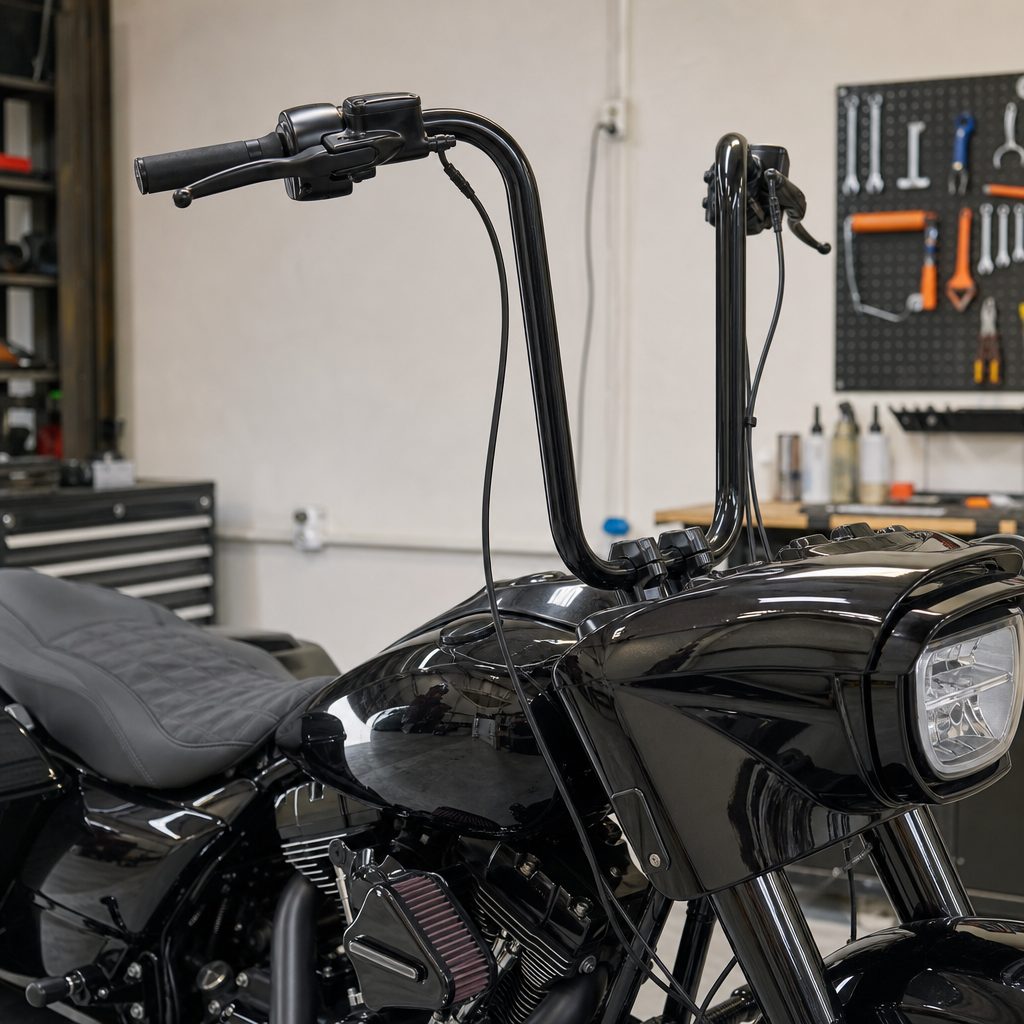
Bars control torso angle and shoulder tension. If mids move your body rearward relative to the pegs, bars that were comfortable before can suddenly feel too far away or too high. On the Low Rider ST, many riders pair mids with moto-style bends or moderate risers that keep elbows bent and wrists neutral. The target is simple: you should be able to hinge at the hips slightly, keep a light grip, and turn lock-to-lock without shoulder strain.
Suspension affects how useful the new stance becomes. Better shocks and fork internals keep geometry more stable under load, which lets the rider exploit improved footing. Names like Öhlins, Fox, Legend Suspensions, and Racetech come up often because damping control matters on a fast, heavy Harley. A mid-control conversion on worn suspension still helps, but the full performance gain appears when spring rate and damping are set for rider weight and pace.
Peg design also matters. Narrow or slippery pegs reduce confidence, while quality serrated pegs improve boot grip in the wet and during repeated weight shifts. The ideal peg is supportive without forcing your foot into one exact position.
Tradeoffs, installation realities, and fit checks before you buy
Mid-controls are not a universal upgrade with zero downside. The main tradeoff is comfort variety. Forward-biased setups allow a stretched leg position that some riders prefer on long highway miles. Mid-controls place more bend in the knees and hips, which can feel athletic and connected on twisty roads but less relaxed on all-day interstate runs. Riders with knee issues should test similar ergonomics before committing.
Installation complexity depends on the kit and the model-year-specific hardware layout. On a modern Harley, controls interact with brake linkage, shift linkage, primary side packaging, exhaust clearance, and in some cases accessory crash protection. A clean conversion should preserve smooth pedal action, full return, and proper fastener torque. This is not a place to improvise around poor parts fit. If a linkage binds or the rear brake pedal angle is wrong, control precision suffers immediately.
Before buying, measure three things on your current setup: seat-to-peg distance, seat-to-bar reach, and the angle of your ankle when your foot rests naturally on the peg. Then compare those numbers to the proposed kit. If a manufacturer cannot provide dimensions, that is a warning sign. Also evaluate boot size. Large boots can crowd brake pedals and shifter levers on tighter control layouts, requiring pedal adjustments or different peg lengths.
After installation, perform a structured fit check. Sit on the bike with eyes closed, place your feet naturally, and note whether you must hunt for the controls. Then test braking support, standing slightly over rough pavement, and repeated left-right transitions at moderate speed. Fine-tune lever height and peg feel before judging the conversion. Small adjustments often determine whether mids feel transformative or merely different.
Where this topic fits in a Harley-Davidson performance hub
As a hub for model-specific ergonomics and performance recipes, the 2027 Low Rider ST mid-control discussion connects directly to several related Harley-Davidson topics. Riders researching this page are usually also evaluating suspension setup, bar and riser fitment, seat shape, fairing wind management, brake upgrades, and tire selection. Those subjects should not be treated separately because each one influences the same outcome: rider control at real-world speed.
For example, a Low Rider ST with quality shocks but poor foot placement will still feel vague in transitions. A bike with ideal peg position but a dished touring seat may still resist body movement. A bar setup that places too much reach into the shoulders can cancel the lower-body advantages of mids. That is why performance recipes work better than isolated modifications. They organize changes around the rider triangle and intended use, whether the goal is commuting, canyon carving, weekend touring, or a balanced all-rounder build.
This hub approach also helps owners avoid the common mistake of copying another rider’s parts list without matching that rider’s body dimensions and roads. What works for a six-foot rider in smooth Arizona sweepers may not suit a five-foot-eight rider on broken Appalachian pavement. The Low Rider ST is highly adaptable, but the best results come from stacking compatible changes in the right order.
Mid-controls on the 2027 Low Rider ST improve foot placement for aggressive cornering because they move the rider into a stronger, more controllable relationship with the motorcycle. They make peg weighting easier, reduce bar loading under braking, support faster body-position changes, and help riders use suspension and tire upgrades more effectively. For many owners, that translates into more confidence, cleaner lines, and less fatigue when the road gets technical.
The key lesson is that ergonomics on a Harley-Davidson are never just about comfort in the showroom. They are a performance system. On the Low Rider ST, mid-controls can be the cornerstone of that system, but they work best when matched with the right seat, bar position, suspension setup, and peg design. Rider height alone does not determine success. Measurement, honest assessment of riding style, and careful fit checking do.
If you are building a Low Rider ST for sharper handling, start with the rider triangle before chasing power parts. Evaluate your current foot placement, identify where control breaks down, and map your next upgrades as a complete recipe rather than a random collection of accessories. That approach will save money, improve confidence, and make every mile on your Harley-Davidson more purposeful.
Frequently Asked Questions
Why do mid-controls matter so much on the 2027 Low Rider ST for aggressive cornering?
Mid-controls matter because they change how the rider connects to the motorcycle at the exact points that influence control most: feet, hips, and core. On the 2027 Low Rider ST, moving the foot position rearward and slightly underneath the rider creates a more centered stance on the bike. That centered stance gives the rider better leverage when initiating a turn, better support when shifting body weight from side to side, and more confidence when cornering at a quicker pace on real roads.
With forward controls, the legs are stretched out, which can feel relaxed on straight highway miles but makes it harder to brace the body during fast transitions or when loading the front end into a corner. Mid-controls let the rider put light pressure into the pegs, stabilize the lower body, and keep the upper body looser on the bars. That is a major advantage in aggressive cornering, because precise steering inputs work best when the handlebars are not being used as a substitute for lower-body support.
They also improve foot placement in a practical way. A rider can keep the balls of the feet in a more performance-oriented position, reducing the chance of dragging boots and making it easier to adjust body position before turn-in. On a bike like the Low Rider ST, which already blends V-twin torque with a chassis intended to be ridden harder than a traditional cruiser, mid-controls help the ergonomics match the motorcycle’s handling potential.
How do mid-controls improve rider stability during braking and corner entry?
Mid-controls improve braking stability by giving the rider a stronger platform to brace against when weight transfers forward. Under hard braking, the body naturally wants to slide toward the tank and bars. If the feet are too far forward, the rider often has to hold themselves up with their arms, which can add unwanted tension at the bars and reduce steering feel. Mid-controls let the rider support more of that load through the legs and core, which keeps the hands calmer and the front-end feedback clearer.
That matters even more at corner entry, where the rider may be trailing off the brakes while beginning to lean the bike. In that phase, small movements and subtle inputs make a big difference. A rider who is anchored by the feet can stay composed and make cleaner transitions from braking to turning. Instead of hanging onto the handlebars, they can stay balanced over the chassis and let the suspension do its job.
On the 2027 Low Rider ST, this translates into a more planted feeling when the pace rises. The rider can squeeze the bike with the legs, control body movement more effectively, and maintain a better relationship with the seat and tank area. The result is not just comfort. It is improved consistency. And consistency is what makes a motorcycle feel predictable and confidence-inspiring on twisty roads.
Will mid-controls make the 2027 Low Rider ST less comfortable for everyday street riding?
Not necessarily. In fact, for many riders, mid-controls improve all-around comfort because they create a more natural seated position. Comfort is not only about stretching out. It is also about how well the rider can support their body over time and how neutral the hips, knees, and lower back feel while riding. Mid-controls often place the legs in a position that reduces the feeling of being pulled forward by wind pressure and makes it easier to absorb bumps through the legs rather than through the spine alone.
For everyday street use, that can be a real benefit. Around town, in traffic, on uneven pavement, and during repeated stops, mid-controls can make the bike feel easier to manage. The rider can stand slightly on the pegs over rough sections, reposition their feet more naturally, and keep better control in low-speed maneuvers. They also tend to make the transition between seated cruising and more active riding much smoother, which fits the Low Rider ST’s dual personality very well.
That said, comfort is rider-specific. Taller riders or those who strongly prefer the stretched-out cruiser posture may need time to adapt or may want to fine-tune seat shape, bar reach, or peg position. But for riders building a Harley that needs to do more than just look good parked outside a coffee shop, mid-controls are often one of the smartest upgrades for both control and real-world ride quality.
Are mid-controls mainly for experienced riders, or can newer riders benefit from them too?
Newer riders can absolutely benefit from mid-controls. While experienced riders may immediately appreciate the gains in cornering precision and braking support, beginners often notice something even more important: the bike feels easier to balance and control. That is because mid-controls place the rider in a more active, centered posture, which usually makes the motorcycle’s responses feel more intuitive.
For a newer rider, being able to plant the feet in a consistent, supportive position can help build confidence. Mid-controls make it easier to brace during deceleration, easier to shift weight naturally in turns, and easier to maintain a stable body position without overgripping the handlebars. Those are core riding habits that pay off at every skill level. Instead of learning around a laid-back posture that can limit leverage, the rider starts from a position that encourages better technique.
Experienced riders, meanwhile, tend to value mid-controls because they unlock more of what the chassis can do. They make body positioning more deliberate, allow quicker transitions in a series of corners, and reduce the disconnect that can happen when a performance-minded rider is paired with cruiser-style ergonomics. So while mid-controls are often discussed in terms of aggressive riding, they are just as valuable as a foundation for smoother, safer, more controlled riding in general.
What should riders consider before switching the 2027 Low Rider ST to mid-controls?
Before making the switch, riders should think about how they actually use the bike, what kind of fit they want, and whether the rest of the rider triangle supports the change. Mid-controls do not exist in isolation. Foot position affects hip angle, seat pressure, knee bend, and reach to the handlebars. If the bars are too far forward or the seat locks the rider too far back, the full benefit of mid-controls may not be realized. The best result usually comes when pegs, seat, and bars work together as one ergonomic system.
Riding style should be the first consideration. If the 2027 Low Rider ST is being built for canyon roads, fast backroad riding, spirited weekend trips, or a more performance-oriented street setup, mid-controls make a lot of sense. They support aggressive cornering, give better lower-body engagement, and help the rider move with the motorcycle rather than simply sit on it. If the bike is used mostly for long, straight highway cruising, the preference may be less clear, though many riders still prefer mids for their control advantages.
It is also smart to consider inseam, flexibility, and boot choice. Riders with limited knee mobility may want to test the position first. Boots with bulky soles can also affect feel and clearance. Finally, quality of the components matters. A properly engineered mid-control setup should offer solid peg placement, positive shifter and brake feel, and no compromise in confidence or durability. When chosen carefully, mid-controls are not just a cosmetic change. They are one of the most meaningful ergonomic upgrades a rider can make to a Low Rider ST intended for real performance on real roads.