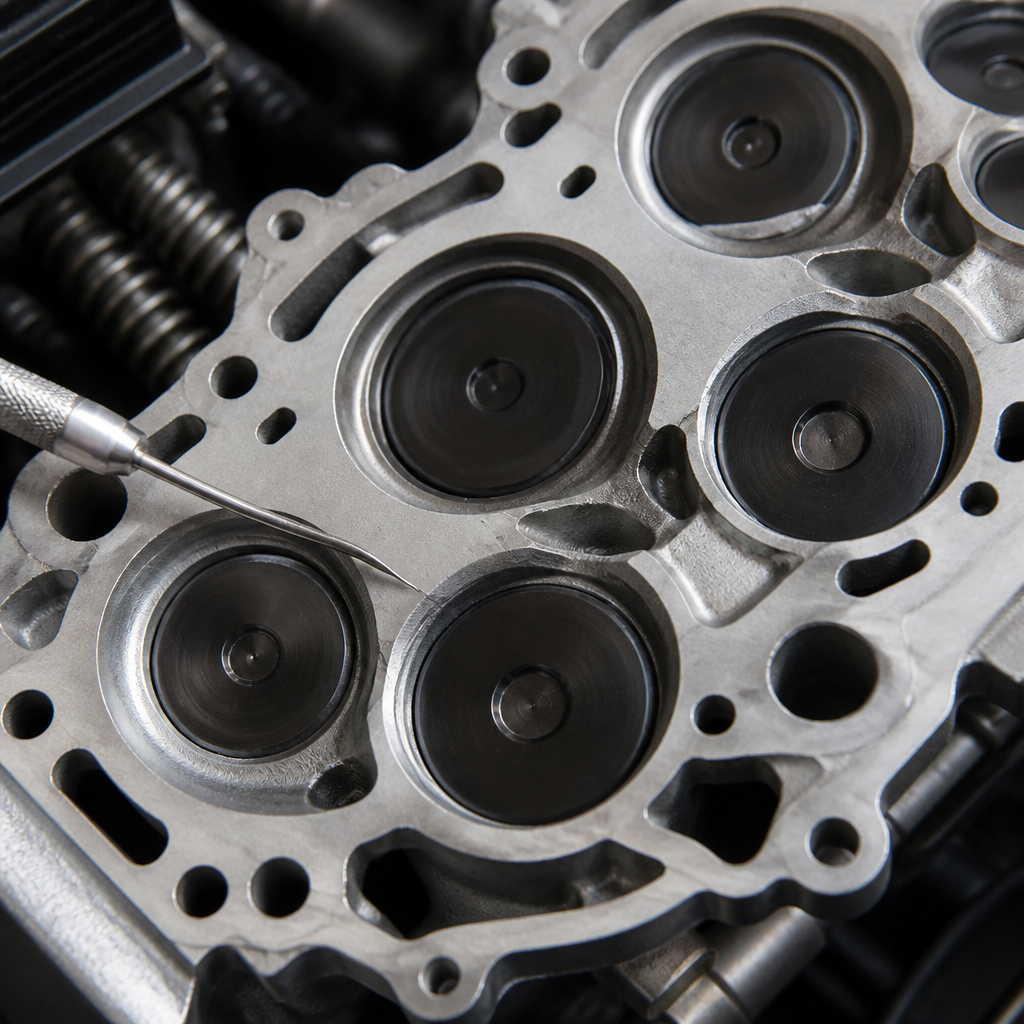
Harley-Davidson owners who plan to keep an M8-powered bike for the long haul need to understand valve seat recession, because it is one of the few cylinder-head wear mechanisms that can quietly shorten engine life while giving only subtle early warning signs. In plain terms, valve seat recession happens when the hardened seat insert in the head wears or sinks deeper as the valve repeatedly closes against it, reducing installed valve height and slowly tightening valve lash geometry. On Milwaukee-Eight engines built from 2020 through 2025, the issue is not a blanket defect, yet it is important enough to monitor because heat, tuning, fuel quality, sustained load, and maintenance habits can push wear rates higher. I have inspected enough touring and Softail top ends to know that most owners notice symptoms late: a harder hot restart, a rough idle that appears after long highway runs, compression imbalance, or unexplained changes in cranking sound. This hub article explains how to monitor M8 valve seat recession for longevity, while also connecting the broader Harley-Davidson technical deep-dives that matter when comparing the M8 with Twin Cam, Evolution, and RevMax engines. If you want a practical baseline, start with periodic leak-down testing, valve train measurement during scheduled service, oil analysis for trend data, and a tuning review that keeps exhaust gas temperatures under control.
The key terms are straightforward. Valve seat recession is the measurable loss of seat material or movement of the seat interface that causes the valve to sit deeper in the head. Valve margin is the thickness at the edge of the valve face; as seat and face wear progress, effective sealing geometry changes. Installed height is the distance that determines spring setup and valvetrain geometry. Leak-down testing measures how well each cylinder seals at top dead center. Together, those ideas tell you whether an engine is aging normally or heading toward costly head work. For Harley owners, this matters because the M8 is now the core big-twin platform, and because the best maintenance strategy is different from what worked on Evo or Twin Cam bikes. The M8 uses four valves per cylinder, improved cooling paths, and different combustion behavior, so diagnosis needs to be specific rather than based on old assumptions. A good monitoring plan protects longevity, preserves performance, and helps you decide when to inspect, recondition, or simply keep riding with confidence.
Why M8 valve seat recession deserves attention from 2020-2025 owners
The Milwaukee-Eight family, including 107, 114, 117, and later 121 variants in street applications, is generally durable when tuned correctly and serviced on schedule. Even so, 2020-2025 engines are often used harder than earlier big twins. Owners run taller gearing at highway speed, add cam kits, carry passenger and luggage weight, and use aggressive calibration files that chase torque while increasing thermal load. Valve seats live in that heat cycle. Every combustion event transfers energy through the valve face into the seat, and the exhaust side sees the greatest stress. If combustion temperatures rise, if mixture control is poor, or if the rider spends long periods at high load with marginal octane, the seat and valve interface can wear faster. That does not mean every modified engine is at risk. It means the wear mechanism is predictable enough that anyone building for longevity should track it deliberately.
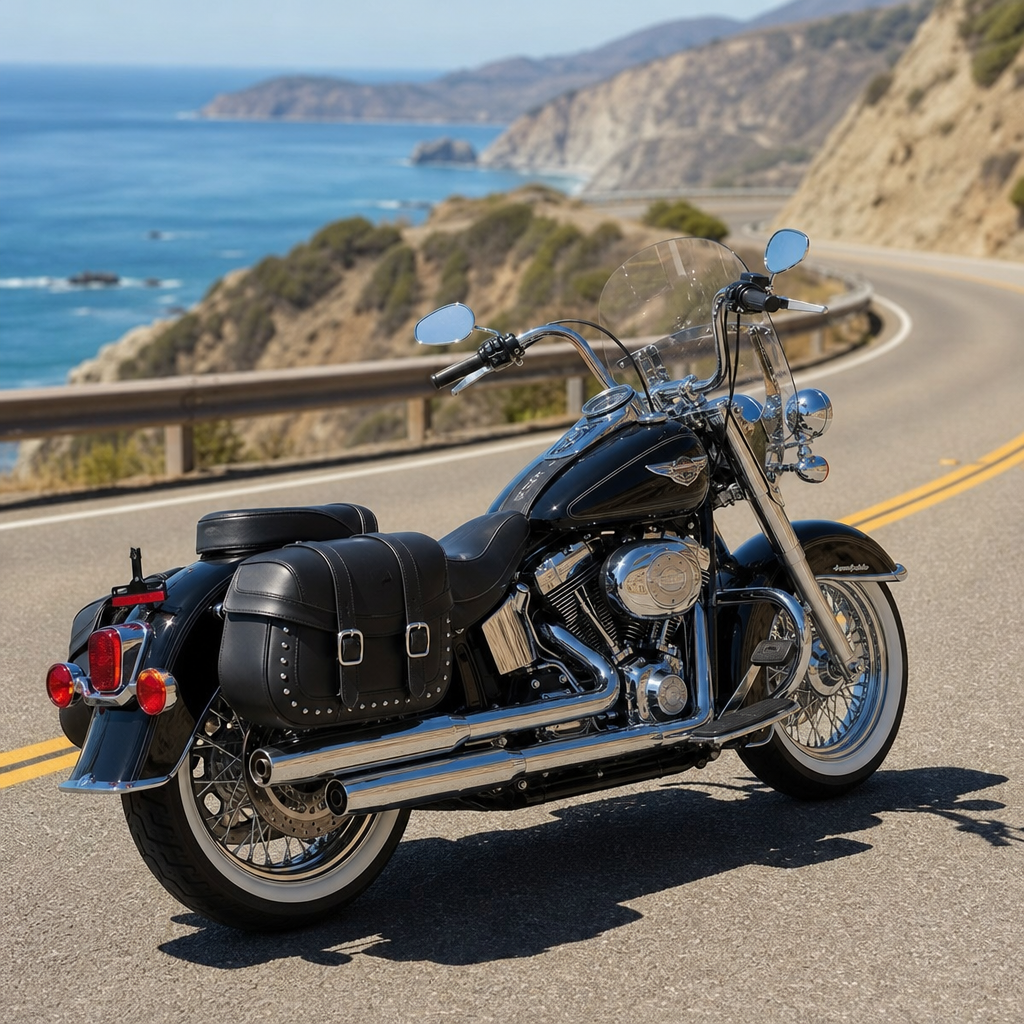
Real-world examples make the pattern easier to see. Stock touring bikes used for interstate travel in hot climates can accumulate many hours at steady load, which raises exhaust valve temperature even without performance parts. A 114-inch Road Glide that spends its life two-up in Arizona heat has a different valve-seat duty cycle than a lightly ridden Heritage in a mild coastal climate. Likewise, an M8 with a free-flow exhaust and poor custom tune may show elevated combustion heat despite making only modest power gains. In my experience, the bikes that age best are not always the least modified; they are the ones with disciplined calibration, clean filtration, stable oil temperature, and regular baseline testing. Monitoring is therefore less about fear and more about identifying deviation before sealing loss becomes severe.
How to detect valve seat recession before major damage occurs
The earliest practical checks are indirect, but they are useful when recorded over time. Start with compression and leak-down numbers on a fully warmed engine, using the same gauge and method each time. Compression alone can mislead because cam timing and cranking speed affect the result, but a cylinder that trends downward while its mate stays stable deserves attention. Leak-down is better. Healthy big-twin street engines often show low single-digit to low double-digit percentages depending on mileage and test procedure. The important factor is consistency. If one cylinder steadily worsens and air is clearly escaping through the exhaust or intake, valve sealing should move to the top of the list. Borescope inspection through the plug hole can sometimes reveal asymmetric valve coloring or seat contact anomalies, though it is not a substitute for teardown measurement.
You should also pay attention to operational changes. Hard hot starts, a cylinder contribution imbalance at idle, popping on deceleration after ruling out exhaust leaks, and reduced manifold vacuum stability can all point toward valve sealing deterioration. Scan data matters as well. If short-term and long-term fuel trims drift in ways that suggest one cylinder is breathing differently, investigate instead of simply adjusting the tune around the symptom. Shops using tools such as Dynojet Power Vision, TechnoResearch, or Harley-Davidson Digital Technician can combine ride data with mechanical testing for a clearer diagnosis. The most definitive check comes during top-end inspection: measure valve stem protrusion, installed height, seat width, contact pattern, spring pressures, and guide clearance. Those dimensions reveal whether seat recession is minimal wear, accelerated wear, or true seat movement requiring machine work.
| Check | What it reveals | Useful interval | Action threshold |
|---|---|---|---|
| Compression test | General cylinder sealing trend | Every 10,000-15,000 miles | One cylinder drops materially from baseline |
| Leak-down test | Leak path through intake, exhaust, or rings | Every 10,000-15,000 miles | Rising percentage with audible valve leakage |
| Borescope inspection | Valve color, deposits, piston crown clues | When symptoms appear | Uneven valve appearance or hot-spot evidence |
| Valve train measurement | Installed height, stem protrusion, seat wear | During cam or top-end service | Dimensions outside specification or uneven by cylinder |
| ECM and dyno review | Heat load, fueling quality, knock margin | After tuning changes | Lean areas, excessive timing, repeated knock correction |
Root causes: heat, calibration, materials, and operating style
Valve seat recession is never caused by a single factor in isolation. The first driver is temperature. Exhaust valves and seats operate in a punishing environment, and the M8’s performance potential means many bikes spend time there. Lean air-fuel ratios under load, excessive spark advance, detonation, poor exhaust scavenging choices, and clogged cooling passages all increase thermal stress. The second driver is mechanical impact. Higher spring pressures, aggressive cam ramps, valve float at elevated rpm, and poor seat concentricity can hammer the interface. The third driver is materials and machining quality. Modern valve seats are designed for unleaded fuel and should be robust, but wear rate still depends on hardness, interference fit, finish, contact width, and guide alignment. A seat that is slightly off-center may seal at first yet load the valve unevenly over thousands of cycles.
Operating style completes the picture. Frequent short trips cause repeated thermal cycling without long stable oil temperature, while repeated full-load acceleration in heavy touring trim raises sustained combustion heat. Lugging the engine in a high gear at low rpm is particularly unhelpful because cylinder pressure rises while airflow and cooling may not be ideal. By contrast, an engine that is warmed properly, tuned conservatively, and kept out of detonation can go a very long time with normal seat wear. This is why a blanket mileage number is not useful. One 40,000-mile engine may show little measurable change, while another needs seat and valve attention sooner because its combination of tune, climate, fuel, and use pattern was harsher.
Building a longevity plan across M8, Twin Cam, Evo, and RevMax
As the hub for Harley-Davidson technical deep-dives, this page should help owners understand how the M8 fits into the bigger mechanical family. The Evolution big twin is simple, durable, and easy to diagnose, but its older breathing and thermal behavior differ significantly from the four-valve M8. Twin Cam engines introduced their own concerns, especially cam chain tensioner wear on earlier versions, and their top-end service logic is familiar to many independent shops. The M8 improved airflow, combustion efficiency, and overall refinement, yet it also rewards more data-driven maintenance because small changes in sealing and calibration can be masked by a smoother-running platform. RevMax, used in Pan America and Sportster S applications, is a separate modern design with liquid cooling, variable valve timing in some configurations, and very different thermal control. That means cross-platform advice must be filtered carefully.
For owners managing a mixed Harley garage, the practical takeaway is simple. Use platform-specific baselines. On an Evo, oil leaks and basic compression behavior often tell the story early. On a Twin Cam, cam chest condition and top-end noise deserve equal attention with cylinder sealing. On an M8, include leak-down, tune review, and valve train geometry checks whenever the top end is opened for cams, lifters, or head work. On a RevMax, rely more heavily on scan data, cooling system integrity, and manufacturer procedures because the architecture is much less forgiving of guesswork. Internal linking within your maintenance records matters too: connect service receipts, dyno sheets, oil analyses, and test results so you can see trends instead of isolated events. The owners who avoid surprise rebuilds are usually the ones who document everything.
Best practices for prevention, repair decisions, and long-term ownership
Preventing excessive valve seat recession starts with combustion control. Use the octane the tune actually requires, not the minimum number you hope will work. Confirm that aftermarket calibrations are built from measured air-fuel data on a reputable dyno, with attention to cylinder-specific behavior where supported. Keep the intake tract sealed, the air filter clean, and exhaust leaks repaired quickly, because false readings and unstable scavenging can push heat in the wrong direction. Follow realistic oil service intervals based on use, not marketing slogans, and watch for rising oil consumption that may indicate guide or ring issues interacting with valve sealing. If you are upgrading cams or heads, insist on documented seat concentricity, proper seat width, spring setup at installed height, and retainer-to-seal clearance. Good machine work is cheaper than repeating top-end labor.
When wear is confirmed, repair scope should match measurements, not assumptions. Light recession with acceptable valve margins and guide clearance may justify a conventional valve job if the seat material and interference fit remain sound. More advanced wear, loose seats, damaged valves, or geometry that is already near limit calls for new seats, new valves, and a full head reconditioning process by a shop that understands Harley big-twin heads specifically. Ask for before-and-after dimensions. Request leak test results from the bench. Make sure spring pressures match the cam and rpm target. After repair, establish a new baseline immediately with compression, leak-down, and tune verification. For owners who want Harley-Davidson longevity from 2020-2025 M8 engines, the message is clear: monitor rather than guess, tune rather than hope, and inspect before a minor seat issue becomes burned valves, lost power, and preventable downtime. Build a record, compare trends, and schedule the next diagnostic check before the riding season starts.
Frequently Asked Questions
What is valve seat recession on a Milwaukee-Eight engine, and why should long-term owners care about it?
Valve seat recession is the gradual wearing-in or sinking of the valve seat insert into the cylinder head as the valve closes against it over thousands of heat cycles and combustion events. In an M8 engine, that matters because the relationship between the valve, seat, guide, stem height, spring installed height, and rocker geometry is carefully set. As the seat recedes, the valve effectively sits deeper in the head, which changes installed valve height and can slowly reduce available valve sealing margin. It is not usually a dramatic overnight failure mode. Instead, it is a slow head-wear process that can quietly shorten service life if it goes unnoticed for too long.
Owners planning to keep a 2020-2025 Milwaukee-Eight for the long haul should care because valve seat recession is one of the few upper-end wear mechanisms that can progress with subtle symptoms. Unlike a broken part that creates immediate noise or catastrophic failure, a receding seat may first show up as minor starting changes, uneven compression, a valve that runs hotter because it is not seating as effectively, or measurements that drift during inspection. Left unchecked, the problem can contribute to valve sealing loss, burnt valves, reduced performance, and eventually the need for cylinder head repair or replacement. The good news is that recession is something a careful owner or competent shop can monitor over time, especially on engines being kept for high mileage rather than traded in early.
Are 2020-2025 M8 engines especially prone to valve seat recession, or is this mainly a longevity issue to watch for over very high mileage?
For most 2020-2025 M8 owners, valve seat recession should be viewed primarily as a long-term durability issue rather than an inevitable near-term defect. These engines are not broadly defined by widespread seat recession in the way that some engines become known for a single chronic flaw. However, any four-stroke engine that sees repeated high heat, heavy load, extended mileage, lean running conditions, poor tuning, inadequate maintenance, or component variation can experience seat and valve wear over time. That makes recession relevant for owners who rack up serious miles, tow emotional expectations of “forever ownership,” or run hotter-than-stock combinations.
The important distinction is between panic and vigilance. There is no reason for every 2020-2025 M8 owner to assume a head problem is developing, but there is every reason to treat cylinder-head condition as part of a long-horizon maintenance mindset. If the bike is stock, properly tuned, not overheated, and maintained consistently, the odds favor a long service life. If the engine has been modified, ridden hard in hot climates, repeatedly heat-soaked in traffic, or operated with calibration issues, seat wear becomes more relevant. In other words, recession is not something to obsess over at low mileage without evidence, but it is absolutely something to monitor if your goal is keeping the engine healthy well past the mileage where casual owners stop paying attention.
What are the early warning signs of valve seat recession in an M8, and why are they easy to miss?
The earliest signs are easy to miss because they tend to overlap with ordinary tuning, fueling, or wear-related complaints. A bike may begin to start a little differently when hot, idle less evenly, show a slight drop in compression on one cylinder, or develop a subtle loss of smoothness and consistency rather than a dramatic new noise. In some cases, exhaust-valve sealing deteriorates first, which can make that valve run hotter and further accelerate the wear cycle. On engines that are otherwise quiet and mechanically healthy, that kind of gradual change can be written off as “normal aging” unless someone is specifically thinking about valve train geometry and seat condition.
Another reason seat recession gets missed is that many owners listen for ticking, knocking, or obvious top-end clatter, but recession does not always announce itself that way. Hydraulic lifters can mask some changes that would be more obvious in a solid-lifter engine. By the time symptoms become undeniable, you may be looking at measurable sealing loss, increased leakage, or visible stem-height change during head service. That is why trend-based monitoring matters more than waiting for a dramatic symptom. Compression testing, leak-down testing, spark plug reading, combustion-chamber inspection during major service, and recording stem or installed-height measurements when the heads are off all give a much better picture than relying on sound alone.
How can an owner or shop monitor an M8 for valve seat recession before it becomes a major cylinder-head problem?
The best approach is to monitor condition over time instead of looking for one magic symptom. Start with a baseline while the engine is healthy. If you own a 2020-2025 M8 for long-term use, it is smart to document compression numbers, leak-down percentages, oil consumption behavior, hot-start characteristics, and any dyno or tuning notes that reflect overall engine health. If the top end is ever opened for cams, springs, head work, or a routine inspection at higher mileage, record valve stem protrusion, installed spring height, valve margin, and guide condition. Those numbers matter because seat recession often shows up as dimensional drift before the engine becomes obviously unhappy.
Shops with Harley experience can also inspect seat contact pattern, valve face condition, and guide wear to determine whether the valve is simply aging normally or whether the seat is moving deeper than expected. Leak-down testing is especially useful because it helps distinguish between ring-related sealing loss and valve-related leakage. Borescope inspection can add context by showing combustion deposits and potential heat patterns, though it is not a substitute for direct measurement. The biggest mistake is waiting until performance drops enough to force a teardown. If you are serious about longevity, treat every major service interval as a chance to compare the engine to its own historical baseline. Trend lines tell the story far better than one isolated test.
What factors increase the risk of valve seat recession in a Milwaukee-Eight, and what can owners do to reduce that risk?
Heat is one of the biggest contributors. Anything that makes valves and seats run hotter for longer can increase long-term wear risk. That includes sustained heavy load, poor airflow in traffic, excessively lean or otherwise unhealthy tuning, detonation, repeated overheating, and some aggressive performance combinations that raise cylinder pressure and exhaust temperature. High mileage itself is not the enemy, but high mileage combined with thermal stress and marginal calibration is where wear mechanisms tend to accelerate. Dirty intake conditions, guide wear, poor sealing, and inconsistent maintenance can also increase the impact because the valve may not meet the seat as cleanly or as evenly over time.
To reduce risk, focus on keeping the engine thermally and mechanically happy. Use a sound tune, avoid detonation, keep the cooling strategy and oiling system in good shape, and do not ignore changes in how the bike starts, idles, or pulls under load. If the engine is modified, make sure the entire combination is matched rather than simply adding parts that increase heat and stress without proper supporting setup. During any top-end work, insist on careful measurement instead of assumptions. A good machine shop can spot seat, guide, and valve issues early and correct them before they become expensive. In practical terms, the owners who get the longest life from M8 heads are usually the ones who combine conservative thermal management, accurate tuning, periodic testing, and disciplined recordkeeping. That is how you turn valve seat recession from a silent threat into a manageable wear item.