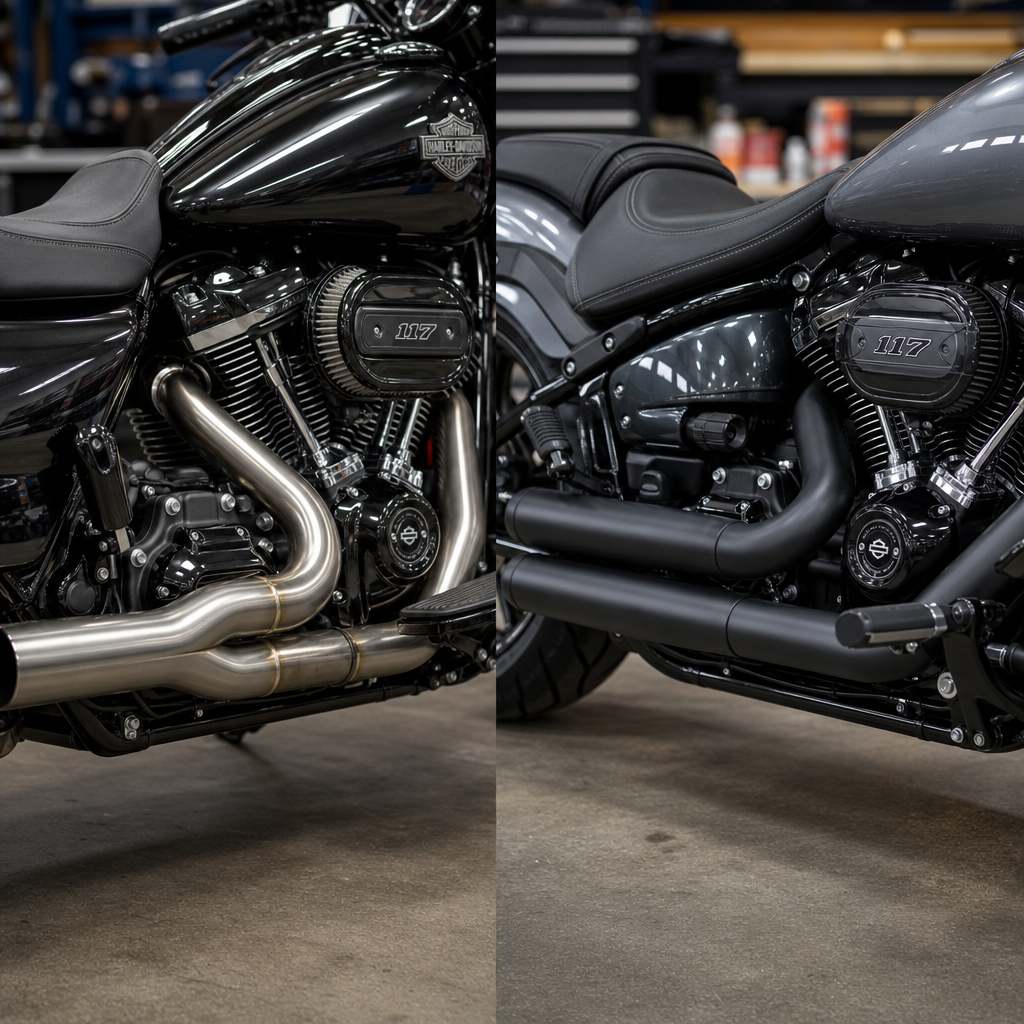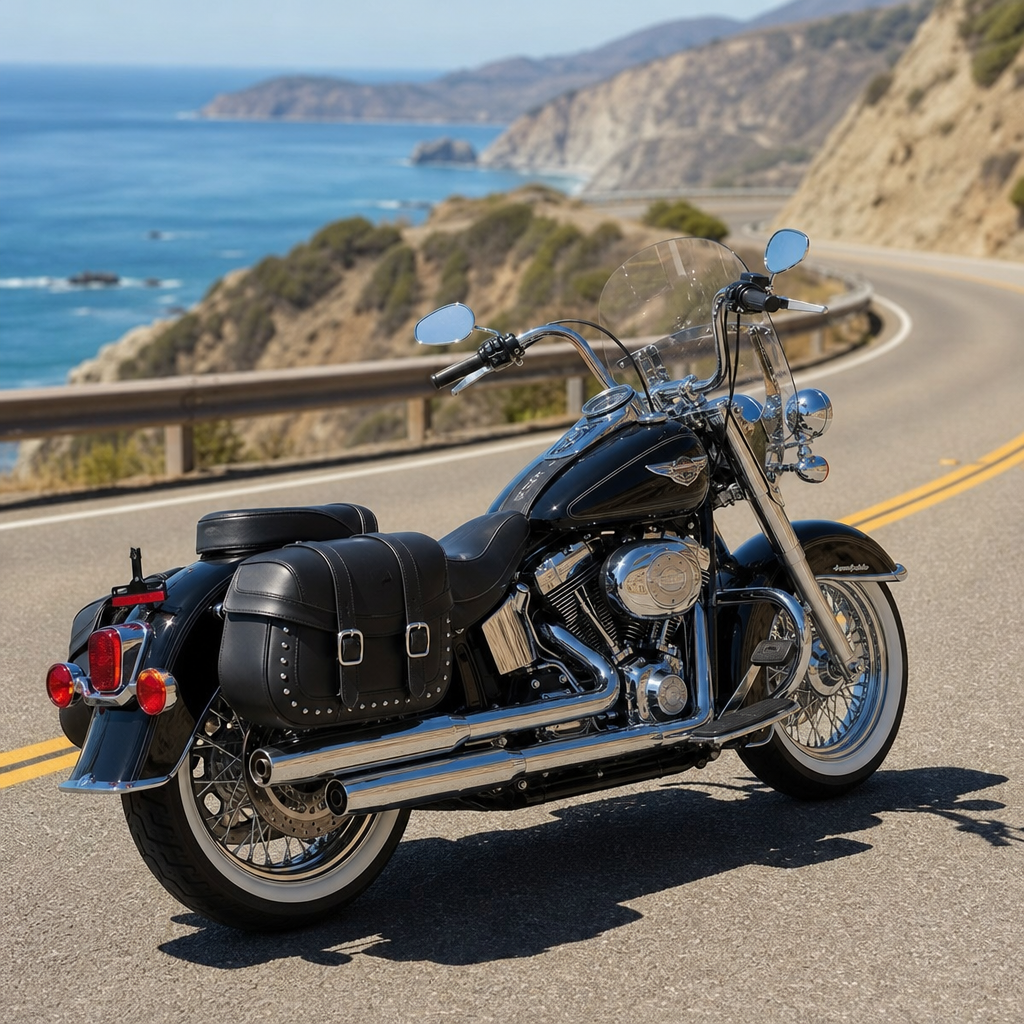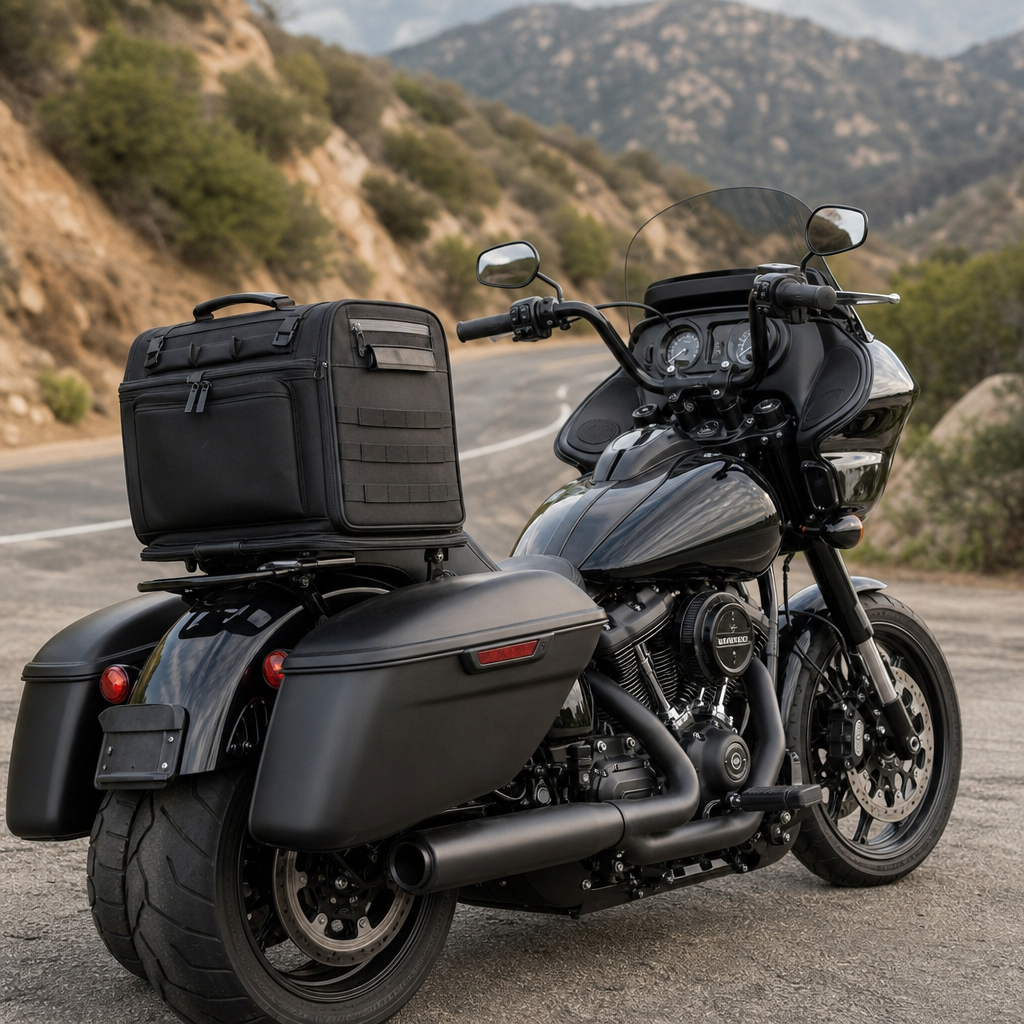
The Harley-Davidson Low Rider ST has become one of the most discussed performance cruisers in the company’s current lineup, and one of the hottest emerging topics is the Low Rider ST top-loading bag conversion tied to 2027 performance mod rumors. Riders want two things that do not always coexist: aggressive handling and useful luggage. In my experience working with club-style and touring-oriented Dyna and Softail builds, luggage design changes how a bike feels almost as much as suspension or bar position. A top-loading bag conversion means replacing or reengineering the stock side-opening hard bags so gear can be accessed from above, usually with revised lids, hinges, latch geometry, sealing surfaces, and sometimes altered bag supports. Performance mod rumors refer to the wave of speculation that Harley-Davidson or the aftermarket may pair future luggage revisions with changes in suspension, cooling management, weight distribution, rider triangle tuning, and touring electronics for the 2027 model cycle.
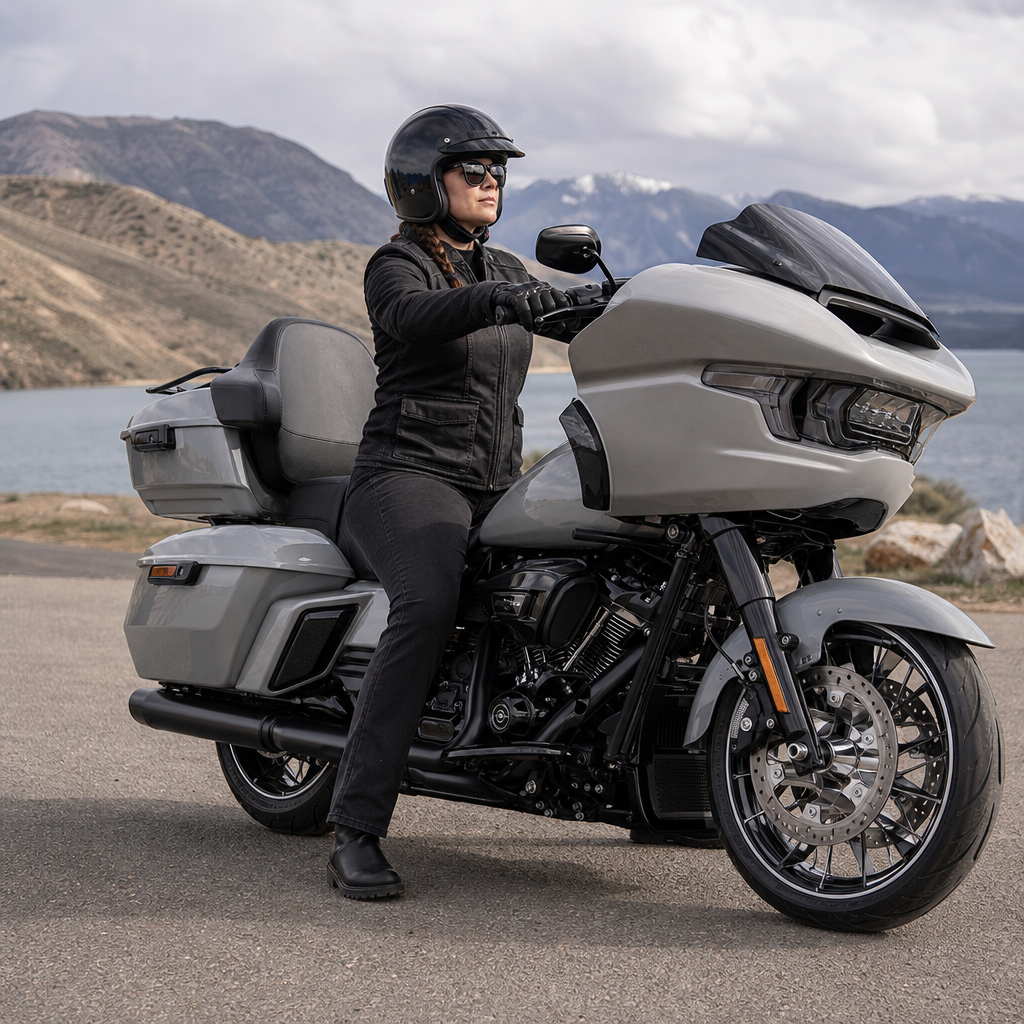
This matters because the Low Rider ST occupies a very specific place in the Harley-Davidson range. It is not a full-dress touring bike, not a stripped cruiser, and not merely a styling exercise. It is a West Coast-influenced performance bagger with the Milwaukee-Eight 117, frame-mounted fairing, mid-mount controls, and compact hard bags that affect daily usability. Riders choosing this model are often the same people comparing lean angle, shock length, seat foam density, and fork cartridge setups before they compare chrome finishes. That makes model-specific ergonomics and performance recipes especially important. A setup that works on a Road Glide can feel completely wrong on a Low Rider ST because of narrower chassis packaging, different seat-to-peg relation, and shorter bag architecture.
As the hub page for model-specific ergonomics and performance recipes, this article maps the current facts, the plausible 2027 rumors, and the modifications that actually change the ownership experience. It also answers the questions buyers and builders keep asking: Will top-loading bags improve daily use, what performance penalty could they introduce, which ergonomic changes work best with the Low Rider ST, and what combination of parts produces a balanced street setup instead of a mismatched parts catalog bike?
Why the Low Rider ST Is So Sensitive to Ergonomics Changes
The Low Rider ST responds dramatically to small fitment changes because its baseline geometry is already a compromise between cruiser posture and aggressive street control. The stock configuration puts the rider in a slightly forward cant with arms reaching to a tall moto-inspired bar, feet on mids, and hips settled into a stepped seat. Compared with a Road Glide, the rider is more integrated into the chassis. Compared with a Low Rider S, the added fairing and bags introduce rear mass and crosswind sensitivity. When I have helped riders dial these bikes in, the biggest complaint is rarely outright power. It is usually one of three issues: wrists carrying too much weight at highway pace, knees feeling tight after an hour, or rear suspension harshness causing constant micro-corrections through the bar.
That sensitivity is why bag design belongs in an ergonomics discussion. A side-opening bag can force awkward packing, shift cargo outward, and make riders place heavier items higher or farther rearward than ideal. A well-executed top-loading bag conversion can improve cargo discipline by keeping weight lower and more centered in practical use, especially when riders stop stuffing loose gear into the outer shell and start using vertical storage organizers. The flip side is that poorly engineered lids or reinforcement plates can add weight above the axle line. On a bike with already compact suspension travel, even a few pounds in the wrong place are noticeable during quick transitions.
The rumored 2027 direction makes sense if Harley-Davidson is watching how owners actually use these bikes. The market has rewarded motorcycles that blend performance image with real weekend travel capability. That creates pressure for luggage that opens cleanly in tight parking spaces, seals better in rain, and supports modular packing. If the factory does not deliver it, the aftermarket almost certainly will.
What a Top-Loading Bag Conversion Usually Includes
A true top-loading bag conversion is more than a different lid. On the Low Rider ST, the stock hard bags are compact and integrated tightly into the rear profile, so the conversion usually requires a package of coordinated parts. Most systems include new lids, weather seals, hinge hardware, latch hardware, limit straps or torsion supports, and reinforcement at the bag rim. Better kits also account for one problem many riders miss: opening arc clearance with passenger backrests, sissy bar uprights, and relocation brackets for turn signals or antenna-style accessories.
Bag conversions tend to fall into three categories. The first uses modified original bags with a cut top section and bonded or riveted reinforcement frame. The second uses complete replacement shells designed from scratch around top-opening access. The third is a hybrid approach, keeping factory outer styling while adding a new inner structure and lid system. The best approach depends on priorities. Modified OEM bags may preserve factory lines and paint matching. Replacement shells can offer more usable volume and better sealing surfaces. Hybrid systems often hit the middle ground but depend heavily on fabrication quality.
On builds I trust, I look for stainless hinge hardware, compressible automotive-grade seals such as EPDM bulb profiles, adjustable latches, and lid structures rigid enough to avoid flutter at highway speed. If a kit uses thin unsupported composite, flex becomes the hidden enemy. Flex leads to leaks, latch wear, and eventually stress cracks around mounting points. Rumors about 2027 factory updates center on stronger hinge geometry, cleaner one-hand latch operation, and more square usable interior space rather than dramatically larger external bags.
Performance Implications: Weight, Aero, and Handling
The most important question is simple: will top-loading bags hurt performance. The answer is not automatically. Performance depends on where mass is added, how cleanly the lids sit in the airflow, and whether riders change packing habits. On the Low Rider ST, a few pounds added high and rearward can slightly slow turn-in and increase rebound demand from the rear shock. But if the new design lets riders store tools, layers, and chargers more compactly and lower, real-world balance can improve.
Wind behavior matters too. The Low Rider ST already uses a frame-mounted fairing, which helps stability compared with fork-mounted setups, but the rear bodywork still influences yaw response in gusts. A flush top-loading lid with tight shut lines should create negligible drag difference. A proud lid, exposed hinge barrel, or poorly fitted aftermarket shell can add turbulence. This is where factory development has an advantage: computational analysis and validation miles. Aftermarket brands can still get it right, but buyers should inspect seal compression, panel alignment, and latch preload rather than relying on product photos.
| Modification area | Potential benefit | Potential downside | Best practice |
|---|---|---|---|
| Top-loading lids | Faster access, easier packing, better rain management | Added lid weight above axle line | Choose reinforced lightweight materials and low-profile hinges |
| Rear suspension upgrade | Controls extra luggage mass, improves ride quality | Can raise seat height and sharpen peg angle | Match spring rate to rider plus cargo weight |
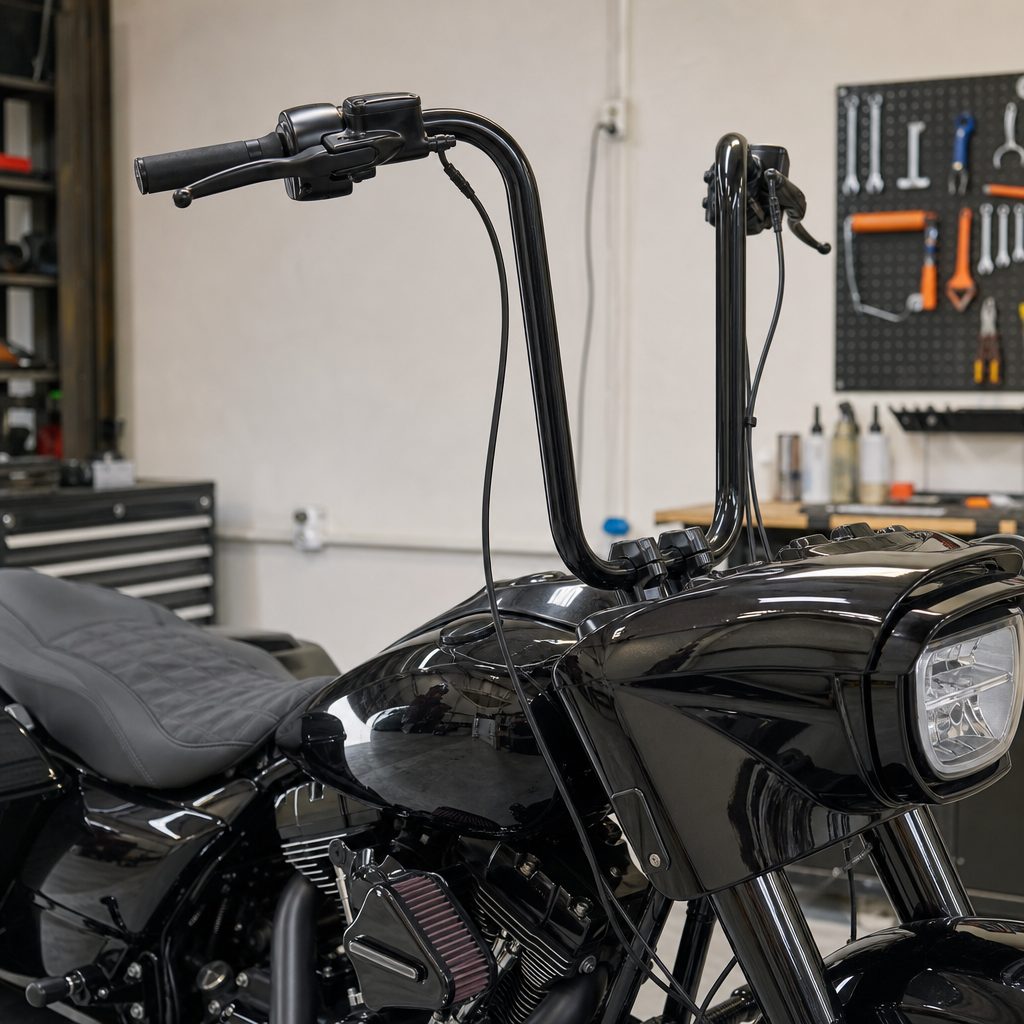
| Taller bars or risers | Reduces forward reach, improves standing leverage | May increase wind exposure and cable complexity | Check wrist angle and fairing clearance lock to lock |
| Seat reshaping | Improves hip support and long-range comfort | Can reduce cornering mobility if heavily bucketed | Use firm supportive foam, not soft foam alone |
For riders building a performance recipe, luggage should be tuned with suspension, not after it. If cargo use is regular, an upgraded rear shock from Öhlins, FOX, Legend Suspensions, or a properly valved Bitubo setup makes far more difference than many cosmetic bolt-ons. Sag and damping are where luggage conversations become real handling conversations.
The Most Credible 2027 Performance Mod Rumors
Rumors spread fast in Harley-Davidson circles, but not all of them deserve equal weight. The most credible 2027 performance mod rumors connected to the Low Rider ST fall into five categories. First is luggage refinement, especially top-loading functionality or a modular bag system with revised latches. Second is suspension improvement, likely through better stock damping or a premium trim package. Third is heat management around the rear cylinder and seat area, an ongoing concern on Milwaukee-Eight bikes in slow traffic. Fourth is infotainment and charging practicality, including cleaner USB-C integration and navigation device support. Fifth is small ergonomic updates such as seat contour revision, bar bend changes, or foot control options.
Why are these believable? Because they align with owner feedback and competitive pressure. Performance-minded Harley buyers have become more sophisticated. They talk about shock stroke, brake feel, and packaging efficiency in the same breath as paint and sound. Harley-Davidson has also shown a willingness to sharpen niche models when market response is strong. The Low Rider ST has strong brand energy, and luggage utility is one of the few consistent areas where riders still ask for more.
Less credible rumors include massive engine displacement jumps, radically larger bags without profile change, or full touring-bike electronics added without weight consequences. Packaging is the limiting factor. The Softail platform can be improved, but it cannot become a Road Glide in disguise. The most likely outcome is evolutionary refinement: better function, cleaner integration, and optional performance-oriented accessories that feel factory-developed even if sold through dealer channels.
Proven Ergonomic Recipes for Different Rider Types
There is no universal best setup for the Low Rider ST. The right recipe depends on inseam, torso length, grip preference, passenger use, and how the bike is ridden. For a solo canyon-and-commute rider, my preferred baseline is a supportive seat with a slightly flatter pocket, moderate riser adjustment rather than extreme height, quality rear shocks in the 13-inch range if fit permits, and compact top-loading bags with internal organizers. This combination preserves body mobility while reducing the constant unpack-and-repack frustration of side-opening luggage.
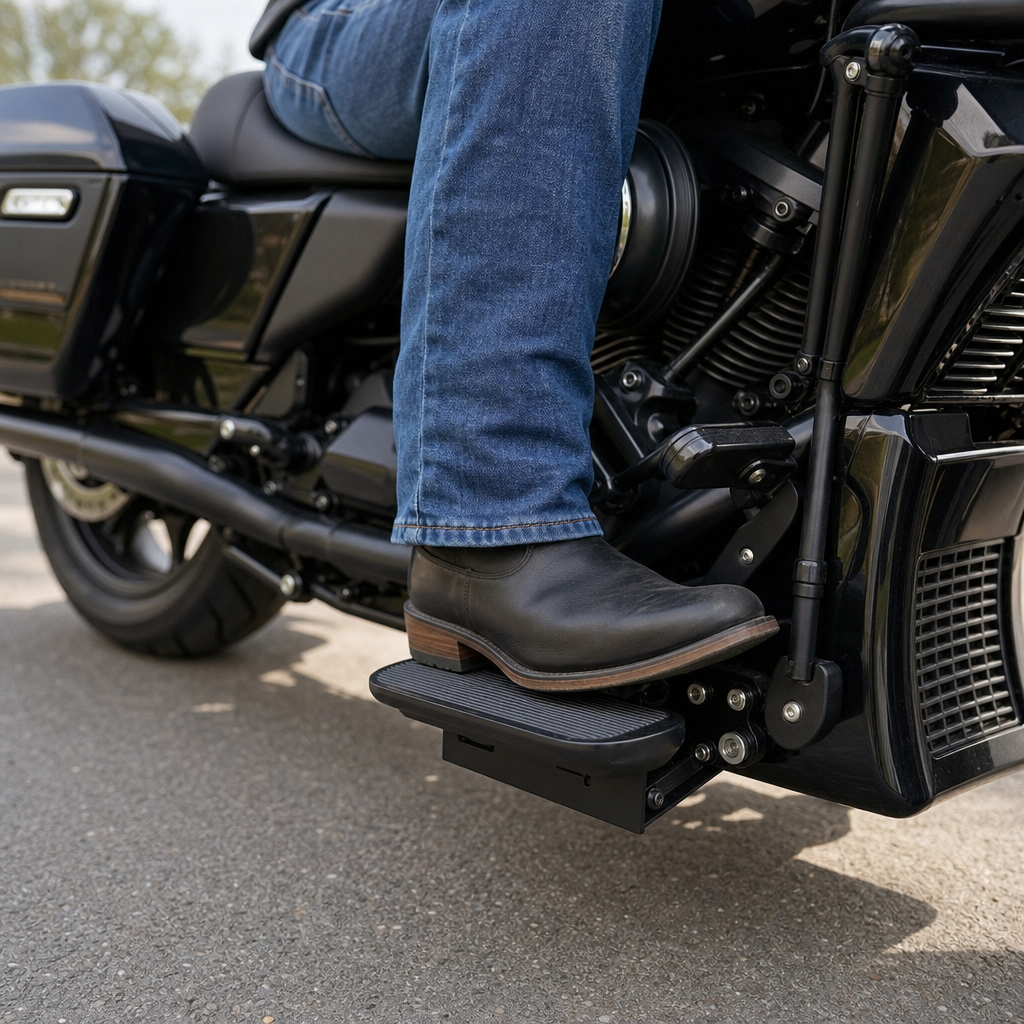
For taller riders, the pressure points usually come from knee bend and hip angle, not bar height alone. Mid controls can feel cramped after ninety minutes. In that case, a seat that gains usable legroom through foam shaping can work better than immediately switching to forward controls, which may dilute cornering control. A handlebar with less rearward sweep can also reduce the tucked elbow posture some riders dislike. If luggage is converted, ensure the lid opening does not conflict with a taller sissy bar used for soft cargo support.
For two-up weekend touring, the recipe changes. Passenger comfort becomes the limiting factor, followed by suspension capacity. A top-loading bag conversion helps here because passengers dislike side-opening bags dumping contents when opened at fuel stops. But luggage convenience cannot compensate for under-sprung rear suspension. Set rider sag correctly for combined load, confirm tire pressures when loaded, and keep the heaviest tools as close to the seat bulkhead as possible.
How This Hub Connects the Broader Harley-Davidson Performance Build Path
This sub-pillar hub exists because Low Rider ST owners rarely stop at one change. A bag conversion often leads to suspension tuning, then seat work, then bar refinement, then brake and tire upgrades. The bike rewards coherent planning. Inside a broader Harley-Davidson content structure, the most useful supporting articles branch into suspension setup guides, seat comparison breakdowns, bar and riser fitment, tire selection for aggressive street use, Milwaukee-Eight heat mitigation, and luggage-mounted accessory wiring. Those topics are not side issues. They are the surrounding system that determines whether a top-loading bag conversion feels like an upgrade or just another expensive part.
The practical rule is to build from contact points outward. Start with seat, bars, pegs, and suspension because they define control. Then address luggage and cargo management because they affect use case and load balance. Finally refine with wind management, lighting, and electronics. Riders who reverse that order often end up compensating for bad fit with accessories. Riders who follow the sequence usually spend less and get a bike that works better everywhere.
The Low Rider ST top-loading bag conversion story is really about building a better performance bagger without losing the model’s sharp character. The 2027 performance mod rumors are credible where they focus on utility, suspension quality, heat control, and refined ergonomics, and far less credible where they promise dramatic transformation without tradeoffs. For owners and shoppers, the important lesson is that luggage design is not cosmetic. It affects packing behavior, daily convenience, rear weight bias, and even perceived handling.
If you use this page as your hub for model-specific ergonomics and performance recipes, keep one principle in view: every change on the Low Rider ST should support the rider triangle and load plan, not fight them. Choose top-loading systems with strong seals, rigid structure, and clean fit. Pair cargo changes with proper suspension setup. Tune the seat and bars to your body before chasing rumor-driven parts. That approach produces a motorcycle that feels faster, calmer, and easier to live with every day.
Next, map your own build in order: fit, suspension, luggage, then refinement. That simple sequence will help you evaluate every new Low Rider ST rumor and every aftermarket release with the same question that matters most: does it improve the ride, or just add parts?
Frequently Asked Questions
What is a Low Rider ST top-loading bag conversion, and why are riders so interested in it?
A Low Rider ST top-loading bag conversion refers to replacing, redesigning, or adapting the motorcycle’s side cases so they open from the top instead of from the side. On a performance-oriented bagger like the Harley-Davidson Low Rider ST, that idea gets attention because it promises a more practical luggage setup without abandoning the bike’s aggressive club-style identity. Riders who actually use their bikes for commuting, day trips, and weekend travel often find that top-loading access is simply easier in the real world. You can reach tools, gloves, rain gear, chargers, or a small laptop bag without everything wanting to spill onto the ground when the lid opens.
The reason the topic has become tied to 2027 performance mod rumors is that the Low Rider ST sits right at the intersection of two rider priorities that do not always naturally align: sharp handling and useful storage. Traditional touring luggage can add convenience, but it can also introduce width, extra weight, and visual bulk that performance-minded owners dislike. A top-loading conversion is seen by many as a possible middle ground. If engineered properly, it could improve day-to-day practicality while preserving the tighter, more athletic character that makes the Low Rider ST so popular in the first place.
There is also a strong customization factor. Harley riders, especially those building club-style or performance-focused Softails, tend to evaluate every component for both function and feel. Bags are not just storage boxes; they affect center of gravity, lane filtering confidence, passenger clearance, and even how quickly a rider can access gear on the roadside. That is why rumors around a top-loading setup generate so much discussion. People are not just asking whether it looks good. They are asking whether it can make the Low Rider ST more usable without making it feel less like a performance machine.
Would a top-loading bag conversion hurt the Low Rider ST’s handling or performance character?
Not necessarily, but it depends entirely on how the conversion is designed, mounted, and loaded. The Low Rider ST earned its reputation because it feels more responsive than a full-dress touring bike, and owners are understandably protective of that character. Any luggage change can affect handling because saddlebags influence weight distribution, aerodynamic drag, and the bike’s overall width. If a top-loading conversion adds excessive weight high up or too far outward from the centerline, riders may notice slower transitions, more sensitivity in crosswinds, or a less planted feel when pushing hard through sweepers.
That said, top-loading itself is not the problem. Poor execution is the problem. A well-designed conversion can keep the bag mass low and close to the bike, use lightweight materials, preserve strong mounting points, and maintain reasonable external dimensions. In some cases, a top-loading layout may actually improve usability enough that riders carry smarter loads and organize weight more effectively. Heavy items like tools, tire repair kits, or compact compressors can be placed low in the bag, while lighter items remain near the top for fast access. That matters because the way the bag is packed often influences handling as much as the bag shape does.
Another consideration is suspension setup. If a rider adds luggage capacity and starts using it regularly, the rear suspension may need preload or damping adjustments to keep the chassis balanced. Performance riders already understand that suspension tuning is not optional when the bike’s mission changes. So the honest answer is this: a top-loading conversion does not automatically ruin performance, but it does demand thoughtful engineering and equally thoughtful setup. On a bike like the Low Rider ST, the best outcome comes from treating luggage as part of the handling package, not as an afterthought.
Are the 2027 performance mod rumors pointing to a factory Harley-Davidson solution or more of an aftermarket trend?
At this stage, most discussion should be treated as informed speculation rather than confirmed product direction. Rumors around 2027 often emerge because the market is clearly signaling what riders want: better integrated utility on performance cruisers. Whether that eventually appears as a factory Harley-Davidson accessory, a model-year refinement, or simply a wave of aftermarket innovation is still uncertain. Historically, Harley-Davidson pays attention when enough owners begin building toward the same solution on their own, especially when that solution supports both style and function.
The aftermarket is usually first to move in these situations. Fabricators, bag manufacturers, bracket makers, and performance shops often test ideas long before a major OEM commits to them. That is particularly true in the club-style and performance bagger space, where rider demand evolves quickly and customization culture drives design trends. If enough Low Rider ST owners start requesting more secure top access, weather sealing, quick-open lids, and slimmer touring-friendly storage, aftermarket companies are likely to continue leading the conversation with kits, conversions, and hybrid bag systems.
A factory solution, if it ever happens, would likely focus on integration, finish quality, weather resistance, and compatibility with the bike’s design language. Harley would want something that looks intentional, not improvised. But even then, the aftermarket would remain important because many riders want different things from their luggage. Some prioritize lane-splitting width, others want maximum capacity, and others care most about keeping the bike’s visual profile aggressive and minimal. So the smarter way to read the 2027 rumors is not as a guaranteed announcement, but as evidence that the market increasingly sees top-loading luggage as a logical next step in performance-oriented Harley builds.
What should riders look for if they are considering a top-loading bag conversion for a Low Rider ST?
The first thing to evaluate is mounting integrity. On a bike that may be ridden hard, loaded for travel, or exposed to rough pavement, the bag system cannot be flimsy. Riders should look for strong bracket design, quality hardware, secure latch mechanisms, and bag construction that resists flex under vibration and load. A conversion may look great in photos, but if the lids rattle, the mounts shift, or the hinges feel weak, it is not a serious performance-oriented solution. The best systems feel like part of the motorcycle rather than an accessory hanging off the rear substructure.
Second, pay close attention to bag dimensions and opening geometry. A true top-loading advantage comes from easy access without requiring a lot of side clearance. That matters in garages, parking lots, and tight roadside stops. Riders should ask whether the lid can open fully with a passenger backrest, luggage strapped across the seat, or other common touring add-ons in place. They should also consider whether the internal shape supports realistic packing. Narrow openings or awkward internal contours can make a top-loader less useful than it appears on paper.
Weather resistance is another major factor. Since these bags are expected to carry electronics, layers, tools, and personal items, seal design matters. A bag that opens from the top should still resist water intrusion around the lid edge, latch points, and hinge area. In real use, this is one of the biggest separators between premium luggage and style-first luggage. Riders should also check whether the system preserves exhaust clearance, passenger comfort, and visibility of lighting or turn signals where applicable.
Finally, consider how the conversion fits the bike’s intended mission. If the Low Rider ST is mostly a canyon runner with occasional overnights, compact top-loaders may be ideal. If it is being pushed toward mini-touring duty, capacity and organization become more important. The best choice is rarely the biggest or most expensive option. It is the one that supports how the motorcycle is actually ridden while keeping the Low Rider ST’s performance personality intact.
Is a top-loading bag conversion worth waiting for, or should Low Rider ST owners stick with current luggage options?
That depends on how a rider uses the bike today and how much inconvenience they are willing to tolerate in exchange for waiting on a potentially better solution. If the current saddlebags already meet day-to-day needs and the motorcycle is primarily used for shorter performance rides, there may be no urgent reason to change anything. Many riders adapt to side-opening luggage with packing cubes, internal pouches, or carefully organized loadouts. In those cases, waiting for the market to mature could be the smartest move, especially if rumored 2027-style solutions inspire better designs, stronger mounts, or cleaner fitment.
On the other hand, if a rider regularly travels, commutes, carries gear, or gets frustrated every time the bag is opened on an incline or in a crowded parking spot, then a top-loading conversion may be worth serious consideration as soon as a credible option becomes available. Convenience has real value. A luggage setup that encourages you to use the bike more often and with less hassle is not a cosmetic upgrade; it changes ownership experience. For a machine like the Low Rider ST, that matters because it expands the bike’s versatility without necessarily moving the rider into a full touring platform.
The key is to avoid chasing rumors blindly. Owners should focus on proven build quality, realistic capacity, and how the conversion affects riding dynamics. If a well-developed kit emerges before any official 2027 changes, it could absolutely be worth installing. If available options still look experimental or compromise the bike’s balance and lines, sticking with current luggage and refining packing strategy may be the better call. In practical terms, the best decision is not based on hype. It is based on whether the solution improves access, security, durability, and ride feel enough to justify changing a bike that is already one of Harley