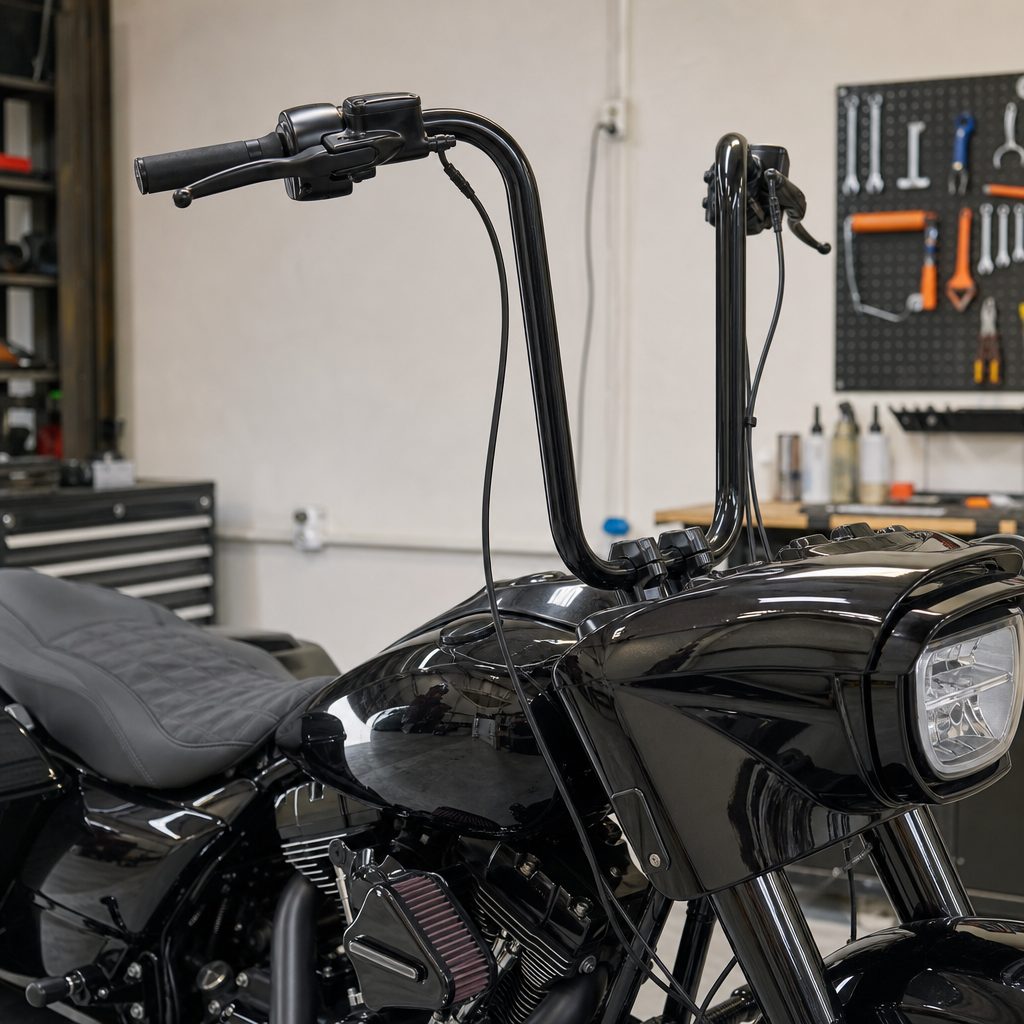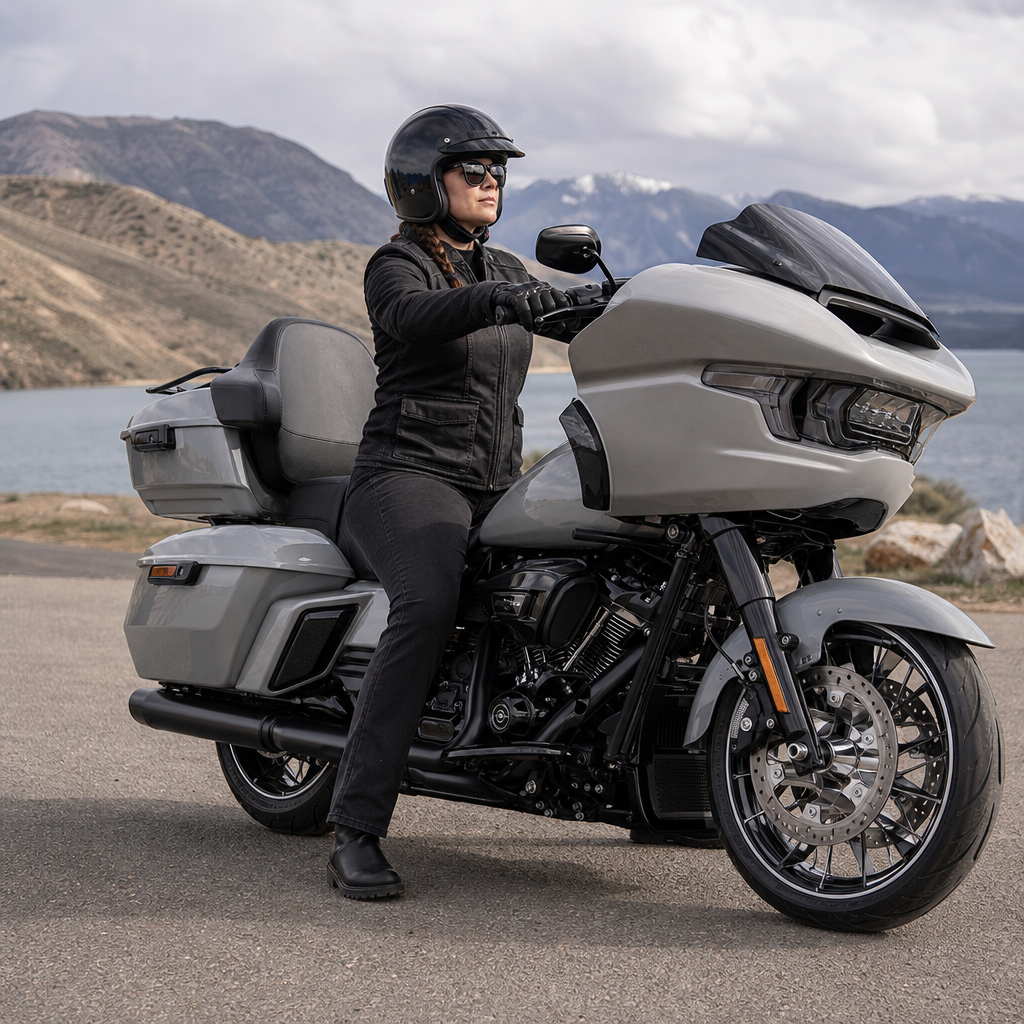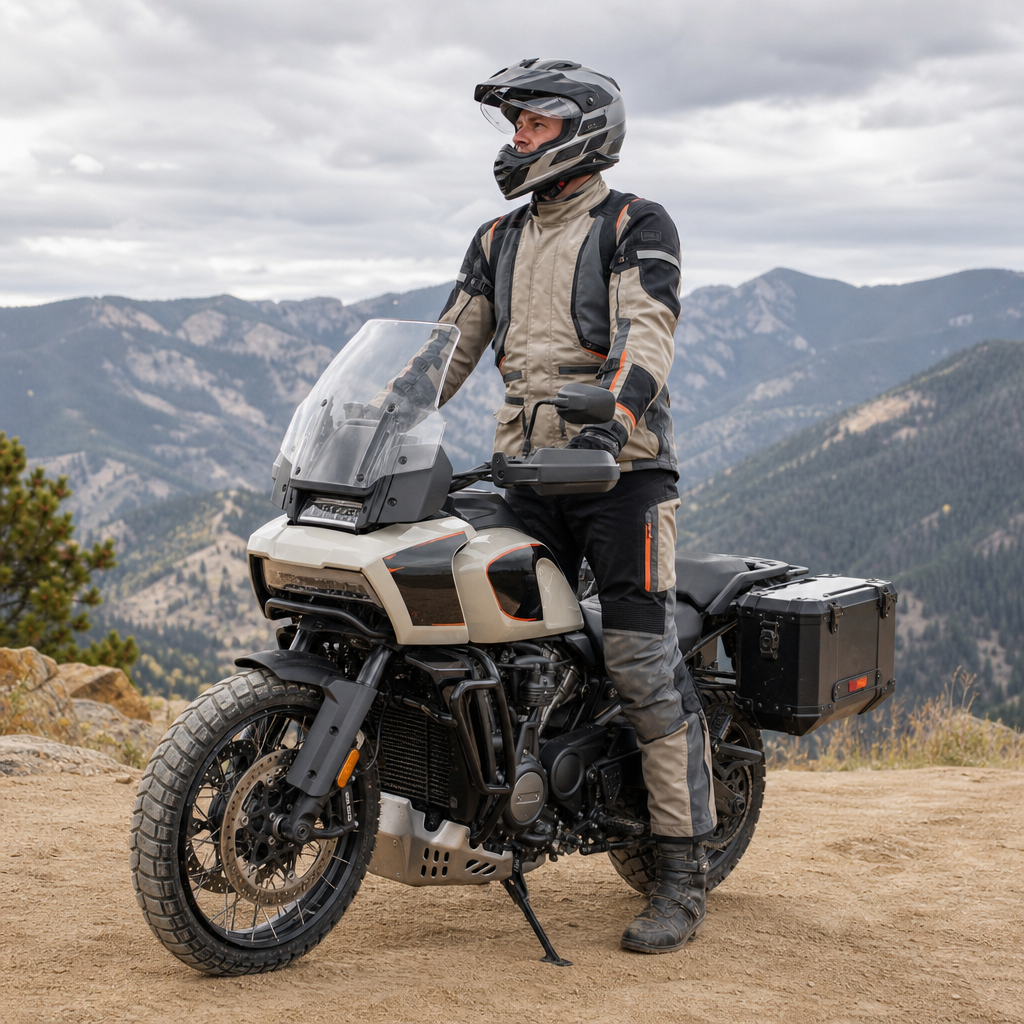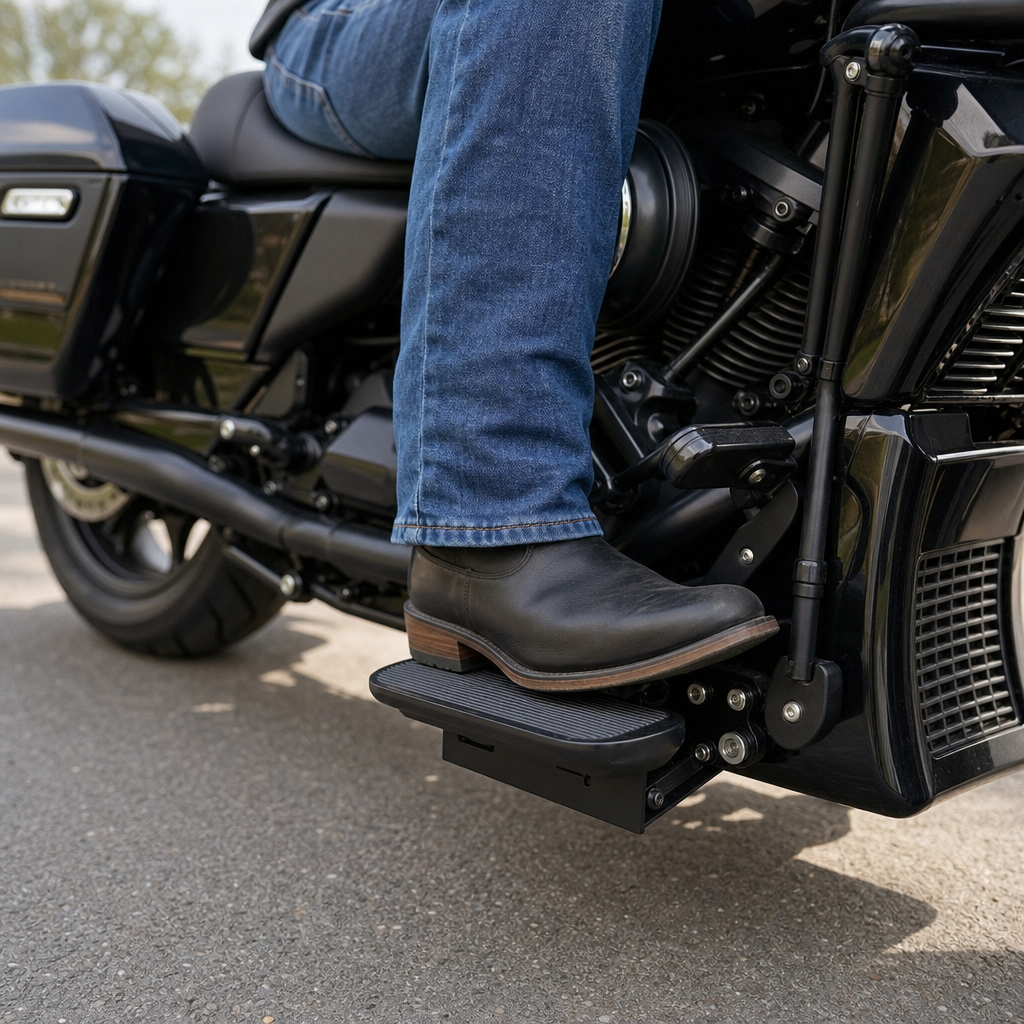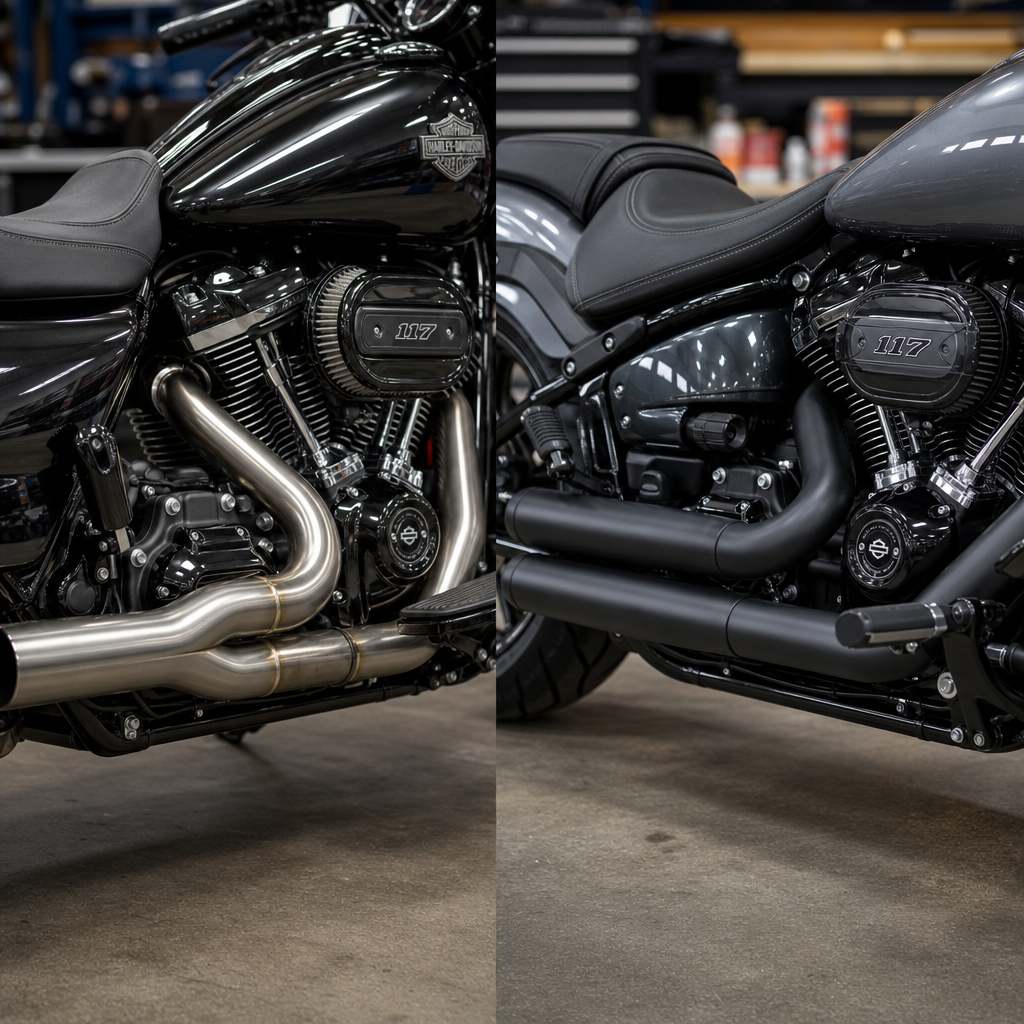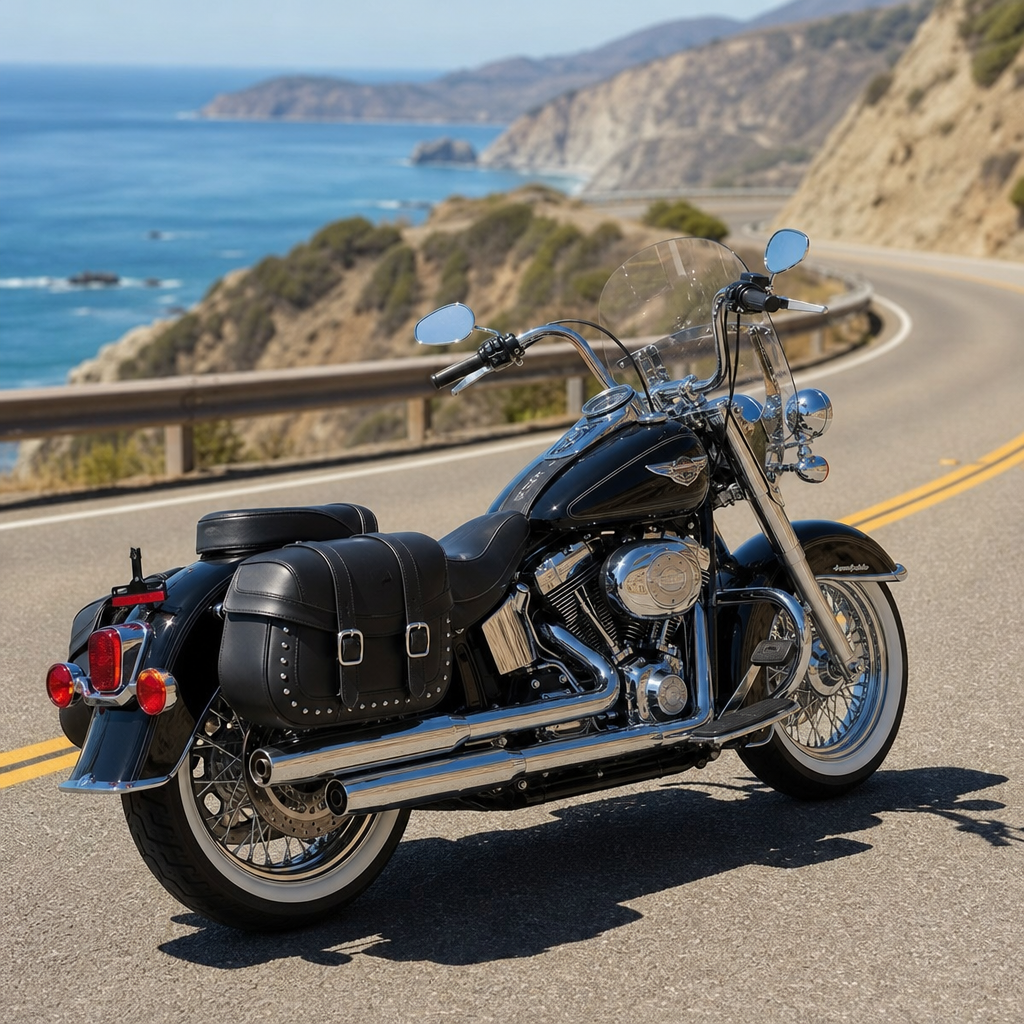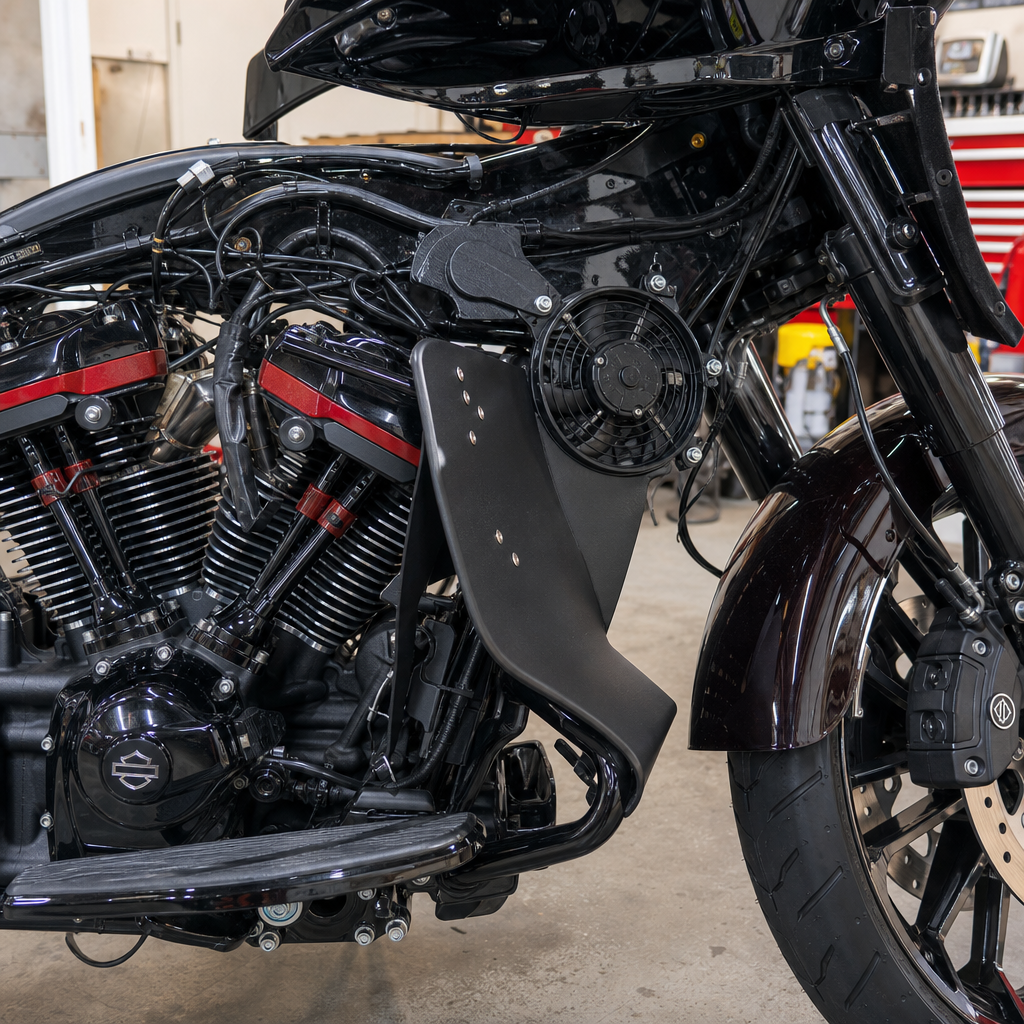
The Harley-Davidson CVO 121 VVT engine delivers exceptional torque, strong roll-on power, and a broader operating range than earlier Milwaukee-Eight variants, but its heat output also shapes the ownership experience in traffic, hot climates, and low-speed touring. Heat management on this platform is not a cosmetic issue. It directly affects rider comfort, perceived engine harshness, passenger tolerance, and the consistency of performance when oil temperature climbs. In practical workshop terms, “aftermarket fan and deflector recipes” means tested combinations of cooling aids, airflow management parts, calibration choices, and riding-position adjustments tailored to specific motorcycles using the 121 cubic inch Variable Valve Timing engine.
This topic matters because the CVO 121 VVT appears across premium Harley-Davidson touring and performance bagger applications where owners expect both luxury and relentless power. Many riders discover that the stock machine is acceptable on open roads yet noticeably hotter around the right thigh, inner calves, and seat area during summer commuting or parade-speed movement. I have seen the difference firsthand after fitting fans, side deflectors, and seat-spacing changes on several CVO touring bikes: the engine does not become cold, but the rider environment becomes far more manageable. That distinction is important. Air-cooled and oil-cooled V-twins always radiate heat; the goal is not elimination, but redirection, extraction, and control.
As a hub for model-specific ergonomics and performance recipes, this guide connects the core variables riders need to balance: thermal comfort, component compatibility, charging-system load, acoustic expectations, legroom, and maintenance access. It also frames heat solutions by use case rather than by parts catalog alone. A rider in Phoenix sitting through urban stoplights needs a different recipe than a rider in coastal Oregon who mainly tours at highway speeds. The best setup depends on climate, riding pattern, body size, passenger presence, and tolerance for fan noise, added wiring, or visible deflectors. Understanding those tradeoffs prevents wasted money and poor installations.
Before choosing parts, define the heat sources correctly. On the CVO 121 VVT, rider discomfort usually comes from three paths: radiant heat from the heads and exhaust, convective heat trapped behind fairings or lowers, and conductive warmth transferred through the seat and side covers after prolonged idling. The VVT system improves performance flexibility, but it does not exempt the engine from the thermal realities of a large-displacement V-twin making substantial torque. Smart recipes work because they address airflow direction, not just raw air volume. A weak fan in the wrong place is less effective than a well-placed deflector that opens an escape path for hot air.
Why the CVO 121 VVT Feels Hotter Than Expected
The CVO 121 VVT engine pairs high displacement with premium touring bodywork, and that combination creates unique thermal behavior. Compared with simpler exposed-engine cruisers, fully dressed Harley-Davidson models can trap more heat around the rear cylinder, transmission tunnel, and seat base. Add catalytic converters, low-speed parade operation, and ambient temperatures above 85 degrees Fahrenheit, and the rider begins to feel concentrated heat pulses on one side rather than general warmth everywhere. This is why owners often describe the problem as “cooking my right leg” instead of saying the whole bike runs hot.
Variable valve timing changes how the engine breathes across the rev range, improving power and drivability, but the rider’s comfort still depends on how heat exits the chassis. Oil cooling strategy, catalyst placement, exhaust routing, floorboard position, and lower fairing shape all influence where that heat lands. In service work, I have found that two bikes with nearly identical engine temperature readings can feel dramatically different to their riders simply because one pushes hot air outward while the other funnels it up toward the seat and thighs. Comfort is an airflow outcome, not just a temperature number.
Factory systems already attempt to reduce idle heat through calibration and airflow design, yet aftermarket upgrades can improve the result because they target rider contact zones more aggressively. The most successful modifications do not fight physics. They either pull hot air away from the rear cylinder and oil cooler area with active fans, or they redirect the stream with hard deflectors, winglets, or filler panels. Sometimes the biggest gain comes from combining both. That is why recipe-based planning works better than single-part shopping.
Aftermarket Fan Recipes That Actually Work
An aftermarket fan setup for the CVO 121 VVT generally means one of three approaches: oil cooler fan assistance, rear-cylinder extraction fans, or fairing-lower mounted circulation systems. Oil cooler fans help when the motorcycle already has an efficient cooler core but lacks airflow at idle. Rear-cylinder extraction fans target the zone most riders complain about, especially on touring frames where heat pools under the seat edge. Lower-mounted circulation fans are less common, but they can reduce stagnant air behind leg shields when tuned carefully.
The first proven recipe is the traffic-focused touring setup: thermostatically controlled oil cooler fan, side wind deflectors, and a high-flow air cleaner that preserves stock-friendly fueling. This works well for riders who spend significant time below 35 mph. The fan keeps oil cooling active at standstill, while deflectors move the resulting hot stream away from the cockpit. The second recipe is the comfort-priority setup: rear heat extraction fan, under-seat insulation barrier, and adjustable fairing side wings. This combination is especially effective for shorter riders whose thighs sit closer to the tank and rear head area. The third recipe is the balanced performance setup: fan-assisted cooler, tuned exhaust with reduced catalyst restriction where legal, and dyno-verified calibration. This reduces the total heat burden instead of merely redirecting it, but it requires careful compliance with local emissions rules.
Choose fans with sealed bearings, weather-rated connectors, and automatic activation tied to oil or head temperature. Manual toggle systems look simple, but riders forget to use them consistently, and poor switching can overload weak accessory circuits. SPAL-style fan designs are often favored in the powersports and automotive world because they offer dependable airflow relative to size. Mounting also matters. A fan that vibrates against brackets, interferes with crash bars, or blocks service access becomes a nuisance quickly. On Harley-Davidson touring bikes, clean bracket geometry and fused relay control are non-negotiable.
Deflector Recipes for Rider Comfort and Ergonomics
Deflectors solve a different problem than fans. They do not lower engine temperature dramatically on their own. Instead, they change where the hot air goes, which is often the difference between a bike that feels tolerable and one that feels punishing in summer traffic. For the CVO 121 VVT, the most useful deflectors are mid-frame side panels, fairing side wings, lower-leg wind directors, and seat-gap fillers that prevent heat from curling upward.
On road tests, I have consistently seen the best comfort gains when lower fairing airflow and seat-edge management are treated together. Riders often install fork-mounted wind deflectors expecting relief, but the real improvement came only after adding side fillers that stopped the chimney effect around the rear cylinder. Taller riders usually benefit from wider lower deflectors because their knees sit farther into the engine’s heat plume. Shorter riders often prefer compact side wings and a seat recipe that creates a bit more air space above the frame backbone.
| Recipe | Best For | Main Parts | Tradeoffs |
|---|---|---|---|
| Urban Heat Control | Stop-and-go commuters | Oil cooler fan, mid-frame deflectors, seat barrier | More wiring, audible fan noise |
| Touring Comfort | Two-up highway riders with occasional traffic | Fairing side wings, lower deflectors, under-seat insulation | Less benefit at long idle without a fan |
| Performance Touring | Aggressive riders in warm climates | Fan-assisted cooler, tuned exhaust, careful calibration | Higher cost, legal compliance concerns |
| Short-Rider Relief | Riders close to the tank and side covers | Compact wings, rear-cylinder extraction fan, seat spacing | Requires fitment testing by inseam |
The key ergonomic principle is simple: redirect heat without creating buffeting. Oversized deflectors can push turbulence onto the helmet or outer shoulders. Good designs vent hot air outward and slightly downward while preserving stable cockpit pressure. That is why model-specific parts generally outperform universal plastic add-ons. Fit and angle matter as much as size.
Matching Heat Recipes to Harley-Davidson Models and Riding Use
Because this is a hub page for model-specific ergonomics and performance recipes, the most useful way to organize heat management is by motorcycle type. On CVO Road Glide models, the sharknose fairing and lower bodywork create different pressure zones than on Street Glide-based bikes. Road Glide owners often report heat collecting lower and wider, while Street Glide riders may feel more direct thigh exposure depending on leg position and lower-fairing setup. CVO Pan America owners, where applicable in broader Harley-Davidson heat discussions, face a different equation entirely because liquid cooling and ADV ergonomics change both source and airflow paths.
For large touring bikes used primarily for interstate travel, prioritize deflectors first, then add a fan if traffic and construction delays are common. At 65 mph, natural airflow usually overwhelms the need for active fan assistance, but poor heat routing can still make the seat and inner leg area uncomfortable. For urban riders, install the fan early because airflow is the missing ingredient at idle. For performance bagger riders who tune intake and exhaust systems, heat management must be planned alongside calibration. A lean-running or poorly mapped setup can increase thermal stress and negate gains from airflow parts.
Passenger use changes the recipe too. A solo rider may tolerate some seat-edge warmth that a passenger will immediately reject because rear seating traps more rising heat. On two-up touring builds, under-seat insulation and rear-side deflection become more valuable than they seem on paper. This is also where luggage and trunk airflow interactions matter. Added rear bodywork can alter how hot air exits around the saddle area.
Installation Standards, Electrical Load, and Common Mistakes
The best parts fail when installed carelessly. Every fan added to a CVO 121 VVT should be evaluated for current draw, fuse protection, relay quality, and wire routing near exhaust components. Use abrasion-resistant loom, proper grounding points, and serviceable connectors such as Delphi or Deutsch-style weatherproof plugs. Scotch-lock taps and loose frame grounds cause intermittent faults that are hard to diagnose later. If a fan cycles unpredictably, the issue is usually wiring or trigger logic, not the fan itself.
Bracket placement should preserve oil cooler efficiency, steering clearance, and crash-bar movement. Deflectors must clear full-lock steering and should not contact painted surfaces once vibration begins. Heat shielding around the seat pan needs to resist oil contamination and weather exposure; cheap adhesive foil often peels after one hot season. Better solutions use multi-layer insulation mats rated for automotive engine-bay temperatures.
The most common mistake is solving the wrong problem. Riders feel heat at the seat and assume the engine is overheating, when data from a Digital Technician session or aftermarket gauge shows normal operating temperature. In those cases, redirecting air is more effective than adding cooling capacity. The second common mistake is stacking parts randomly. A fan can blow against a poorly designed deflector and send even more hot air toward the rider. Always think in terms of air entry, hot-zone extraction, and exit path.
How to Build a Reliable Long-Term Heat Management Strategy
A reliable strategy starts with measurement. Note ambient temperature, ride duration, traffic conditions, and exactly where heat becomes objectionable. Then make one change at a time when possible. Baseline the bike in stock form, add deflectors or a fan, and ride the same route again. This process sounds slow, but it prevents expensive guesswork and helps identify whether your issue is oil temperature, catalyst radiation, seat transfer, or trapped cockpit air.
Long-term ownership also means maintaining the rest of the motorcycle properly. Correct oil level, clean cooler fins, healthy charging output, accurate idle speed, and intact exhaust shields all influence heat behavior. Even rider gear matters. Heavy denim and unvented boots can make a manageable bike feel miserable in summer, while technical riding pants often reduce perceived heat significantly. The best Harley-Davidson heat recipe is always a system, never a single magic part.
Use this hub as the starting point for deeper model-specific guides on Road Glide, Street Glide, and other Harley-Davidson applications. Build your recipe around your climate, your body position, and your actual riding conditions, then choose quality fans and deflectors that work together. Done correctly, CVO 121 VVT heat management preserves comfort without sacrificing the muscular character that makes the engine special. Review your current setup, identify the hot zone you feel most, and make the next upgrade with a clear plan.
Frequently Asked Questions
1. Why does the CVO 121 VVT feel hotter than some earlier Milwaukee-Eight engines, especially in traffic?
The CVO 121 VVT is built to make strong torque across a broad rev range, and that performance comes with a real thermal load. Compared with smaller-displacement Milwaukee-Eight combinations, the 121 cubic-inch package is moving more air and fuel, generating more combustion energy, and asking more from the exhaust and oiling systems when the bike is ridden slowly in warm conditions. Add variable valve timing to the equation, and you have an engine that is designed to optimize performance across different operating ranges, but still has to shed a substantial amount of heat when airflow is limited.
In steady highway riding, the platform typically feels more controlled because moving air carries heat away from the heads, cylinders, oil cooler area, and exhaust components. In stop-and-go traffic, parade speeds, long lights, and congested urban riding, that natural cooling effect drops sharply. The rider then notices heat soaking into the inner thighs, seat area, floorboard zone, and lower fairing space. Passenger comfort can also change quickly because rear-cylinder and exhaust-side heat tends to accumulate where the body stays close to the bike with very little airflow.
It is also important to separate actual overheating from perceived heat intensity. Many owners are not dealing with a dangerous engine condition so much as an uncomfortable heat plume that is being redirected toward the rider. That distinction matters because aftermarket heat-management recipes usually aim at two different goals: lowering component temperature where possible, and changing where the heat goes. Fans, deflectors, side fillers, and airflow guides are often most effective when viewed as airflow-management tools rather than miracle cures. On the CVO 121 VVT, the right combination can make the bike feel dramatically more tolerable in traffic even if the engine still produces the same basic amount of heat.
2. What does an aftermarket fan actually do on a CVO 121 VVT, and when is it most useful?
An aftermarket fan helps most when the motorcycle is not getting enough natural airflow. At speed, ram air is doing the bulk of the cooling work. At idle, in traffic, during slow touring through towns, or while creeping through event parking areas, that airflow drops off and heat begins to stack up around the heads, cylinders, exhaust crossover area, and oil system. A properly designed fan setup works by forcing air through critical hot zones when the bike would otherwise be relying on stagnant air and radiant heat dissipation alone.
On the CVO 121 VVT platform, fans are usually discussed in connection with oil cooler airflow, rear-cylinder heat evacuation, lower fairing pressure zones, or under-tank hot-air extraction depending on the exact bike configuration and the aftermarket system chosen. The best systems are engineered to move meaningful air volume, survive vibration and weather exposure, and mount in a way that does not create service headaches or interfere with stock components. A weak fan with poor shrouding may make more noise than difference. A good fan kit, by contrast, can reduce heat soak after repeated stop cycles and help stabilize temperature creep in the kind of riding conditions that owners complain about most.
That said, a fan should be treated as part of a package, not the whole solution. If the bike has trapped hot air behind lowers, around the seat area, or around the rider’s legs, a fan alone may cool one zone while leaving the comfort issue largely unchanged. This is why experienced builders often pair a fan with deflectors, side fillers, or targeted airflow redirection pieces. The practical workshop view is simple: use a fan where airflow is inadequate, then use deflectors to make sure the heated air does not simply get pushed into the rider or passenger.
3. Are heat deflectors worth installing, and how do they differ from fans in real-world results?
Yes, heat deflectors are often worth installing, and in some cases they provide a more noticeable comfort improvement than a fan. The reason is straightforward: riders experience heat based not only on engine temperature, but on where the heat exits and how it contacts the body. Deflectors do not usually “cool” the engine in the same direct sense as a forced-air fan. Instead, they alter airflow paths so that heat is pushed away from the rider’s inner legs, knees, seat area, and passenger space.
On the CVO 121 VVT, this matters because the engine and exhaust package can create concentrated hot zones at low speed. A well-designed deflector can break up those hot pockets and redirect rising heat outboard or downward, reducing the oven effect that can build around the cockpit and saddle area. This becomes especially valuable in hot climates, during summer touring, or for riders who spend a lot of time below highway speeds. Passengers often notice these changes quickly because their seating position gives them less ability to move away from heat accumulation areas.
The difference in real-world results is that fans tend to help with thermal control under low-airflow conditions, while deflectors tend to help with comfort and heat direction all the time. The smartest approach is usually to identify the complaint before buying parts. If the bike feels acceptable once it is moving but becomes miserable in traffic, a fan may deserve priority. If the rider is mainly complaining about heat blasting the legs or cooking the seat area even when the engine seems to run normally, deflectors may deliver the bigger benefit. On many CVO 121 VVT builds, the best recipe combines both because cooling efficiency and rider heat exposure are related but not identical problems.
4. What is the best aftermarket fan and deflector recipe for low-speed touring and hot-weather traffic use?
The best recipe is the one that matches how the bike is ridden, but for low-speed touring and hot-weather traffic, the most effective setups usually follow a layered strategy. First, improve forced airflow where the motorcycle is weakest at low speed. That generally means a quality fan solution aimed at the oil cooler or another proven heat-concentration zone, ideally with proper shrouding and a dependable control strategy. Thermostatic activation or a clean manual override arrangement can both work, provided wiring quality and mounting integrity are up to touring standards.
Second, install heat deflectors that address the rider-contact zones, not just the engine bay. The most successful combinations tend to include pieces that move hot air away from the inner thigh area and reduce the tendency for rear-cylinder and exhaust heat to pool under the seat and around the passenger’s lower legs. On baggers and touring configurations, many owners also benefit from side fillers or lower-area airflow management pieces that reduce recirculation behind the fairing and tank area. The goal is not to trap heat, but to control its escape path so it leaves the bike in a less punishing direction.
Third, keep expectations realistic and tune the recipe as a system. Exhaust layout, tuning quality, idle habits, ambient temperature, rider inseam, seating position, lower-fairing configuration, and luggage all influence the result. A bike with a free-flowing exhaust and a well-sorted calibration may respond differently than one with a more heat-retentive exhaust path or inconsistent fueling behavior. In workshop practice, the strongest recipe for this use case is usually: a proven fan kit, targeted leg and seat-area deflectors, clean oil-cooler airflow, no sloppy wiring, and a test ride cycle that includes idle time, repeated stop-and-go operation, and slow-town touring. That kind of recipe gives the rider the highest odds of reducing both engine heat buildup and the sensation of being roasted in traffic.
5. Can aftermarket heat-management parts affect performance, reliability, or serviceability on the CVO 121 VVT?
They can, which is why part selection and installation quality matter. Good aftermarket heat-management parts can improve consistency in hot conditions by reducing heat soak and helping the engine stay in a more stable operating window during low-speed use. That can translate into a smoother feel after repeated stops, less perceived harshness when oil temperature rises, and better rider confidence on long summer rides. However, poor-quality parts or poorly planned installations can create new problems, including obstructed airflow, electrical issues, rattles, difficult maintenance access, or even heat being redirected into another unwanted area.
Electrical load is one consideration with fan systems. A properly designed kit should account for current draw, wire gauge, fuse protection, connector quality, and weather resistance. Touring motorcycles see vibration, heat cycles, water exposure, and long operating hours, so a fan kit needs to be built and installed like a permanent machine component, not a temporary accessory. If the fan placement blocks service points, crowds hoses, or complicates access to stock hardware, the owner may pay for that inconvenience every time the bike is maintained.
Deflectors also need careful evaluation. A well-shaped deflector can improve comfort with minimal downside, but a badly placed one can create turbulence, trap heat where it should escape, or interfere with trim and bodywork fitment. The best advice is to prioritize parts with a track record on the specific CVO 121 VVT touring platform, install them cleanly, and evaluate results based on repeatable riding conditions. In practical terms, reliable heat management is not about adding the most parts. It is about selecting components that work together, preserve serviceability, and solve the real complaint—whether that is oil-temperature creep, rider leg burn,