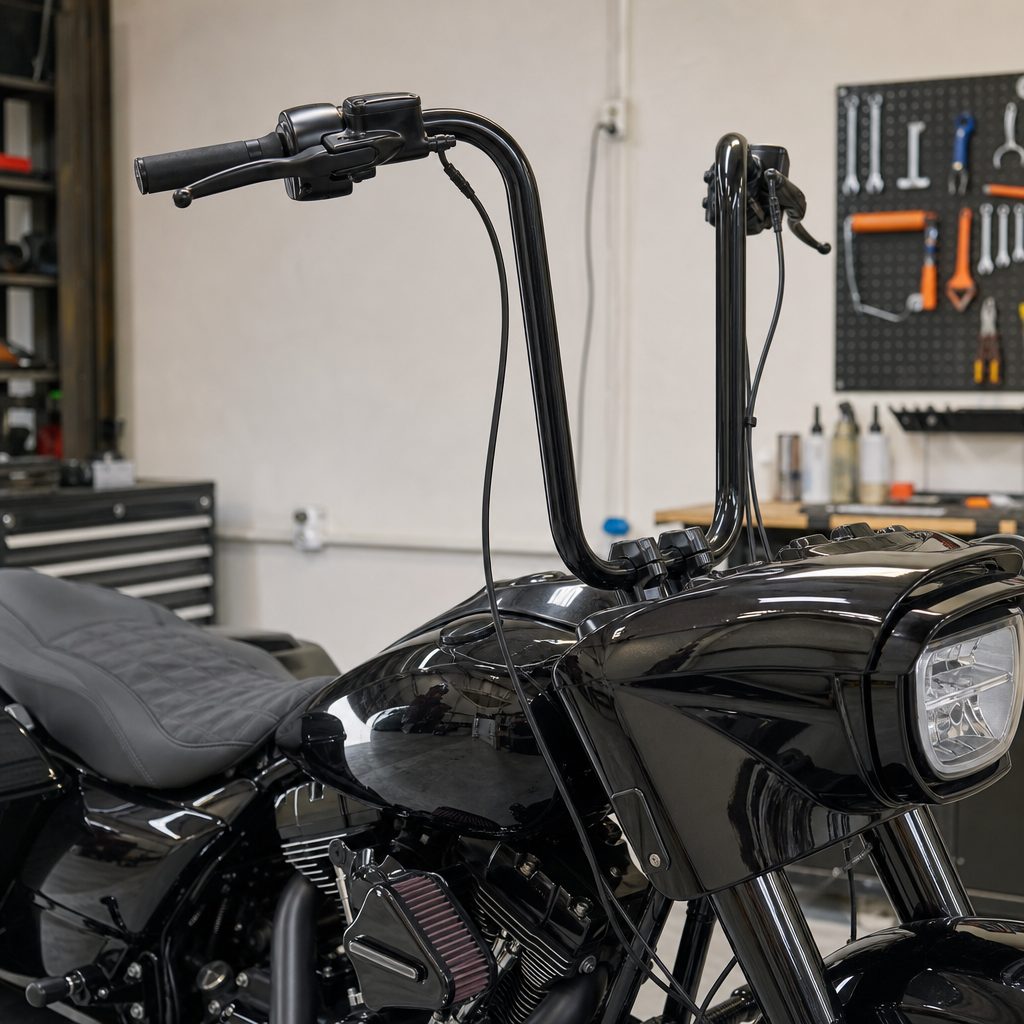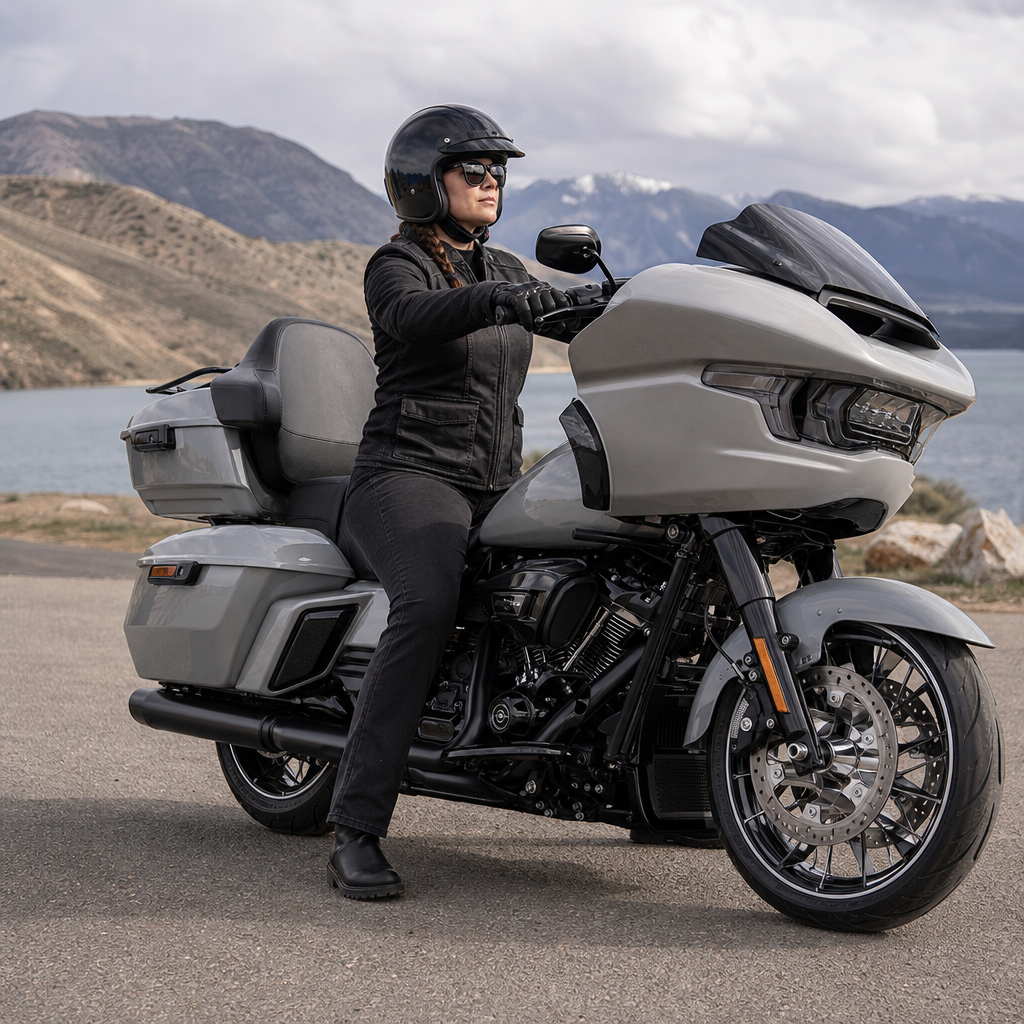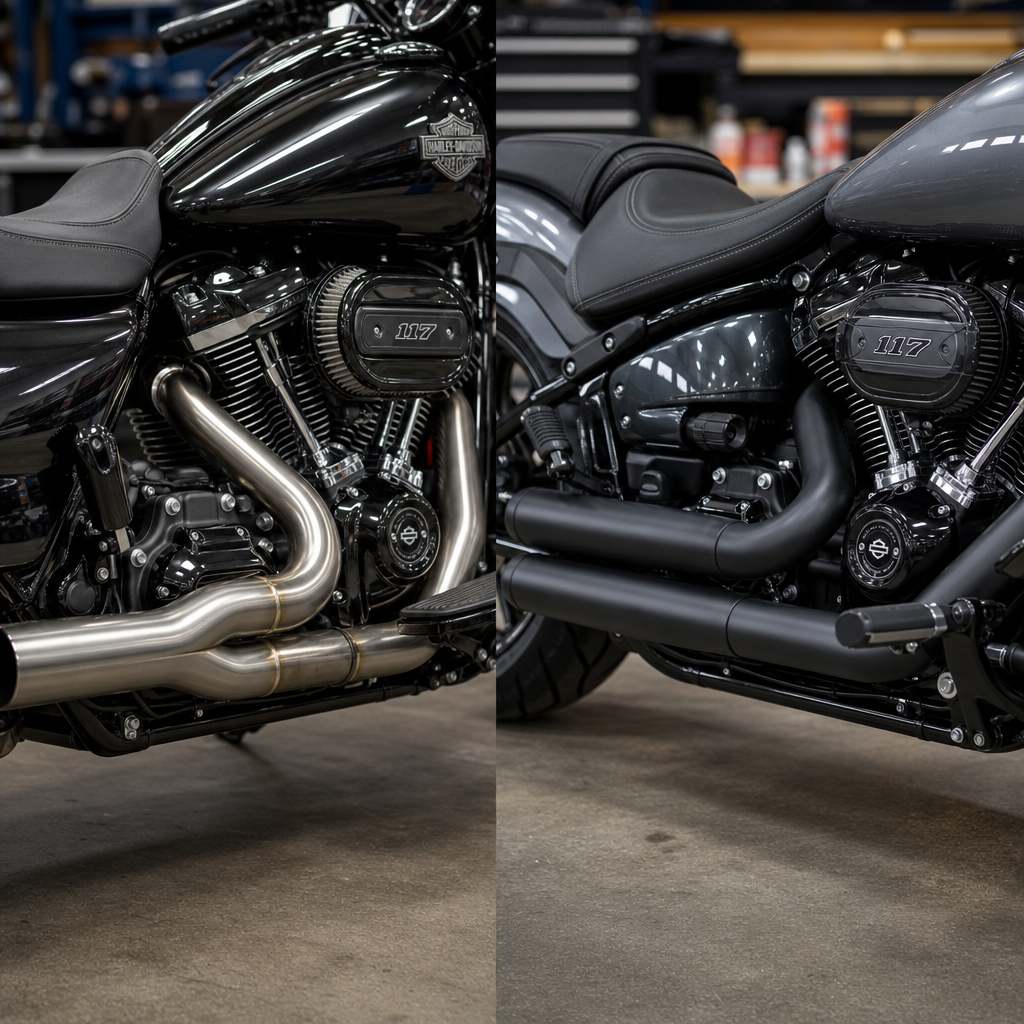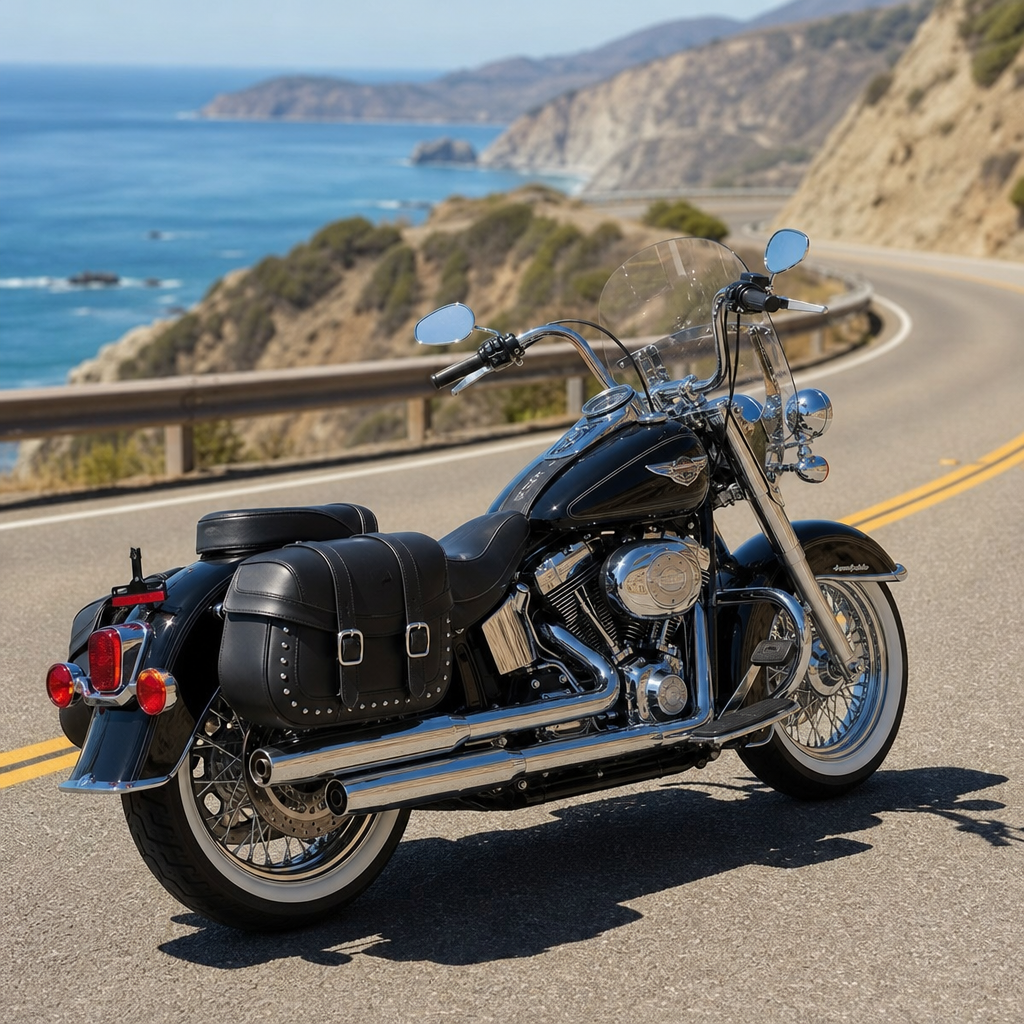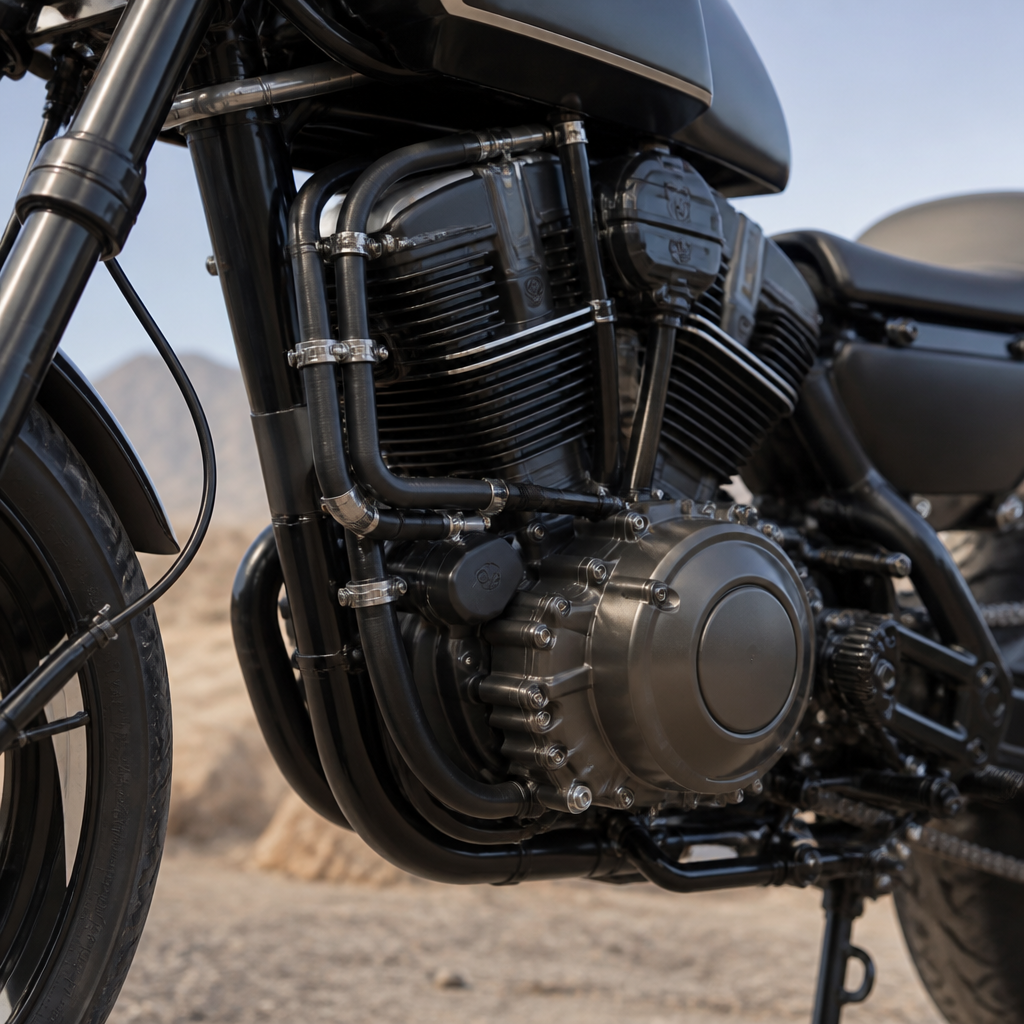
Liquid-cooled heads are set to define the next phase of Harley-Davidson’s Revolution Max expansion in 2027 because they solve the central challenge of modern V-twin design: how to keep the character riders want while meeting tighter demands for power, emissions control, durability, and rideability. In Harley-Davidson terms, a liquid-cooled head is a cylinder head with coolant passages around the hottest combustion areas, especially the exhaust valve seats and spark plug region, while the lower engine can remain more traditionally finned and oil-managed. That architecture matters because head temperature governs knock resistance, combustion stability, valve life, and how aggressively engineers can tune compression, ignition timing, and fueling. Having worked on performance twins and tracked how Harley has repositioned its powertrain lineup since the debut of the Pan America 1250 and Sportster S, I see liquid-cooled heads not as a styling compromise, but as a practical enabler of the company’s future V-twin performance and mechanics strategy.
This hub article covers that strategy broadly because V-twin performance is not one isolated metric. It is the interaction of bore and stroke, valve timing, cooling capacity, reciprocating mass, crankshaft layout, intake geometry, exhaust scavenging, gearing, and calibration. Harley-Davidson now sells or has recently sold multiple engine philosophies at once: air-cooled Milwaukee-Eight variants, partially liquid-cooled touring applications, and the fully modern Revolution Max family. Riders comparing these engines often ask the same questions. Why are liquid-cooled heads becoming more common? What do they change in torque delivery, service intervals, reliability, and rider heat? Where does variable valve timing fit? Can Harley preserve brand identity while moving further from traditional pushrod architecture? The short answer is yes, but only if the company expands the Revolution Max platform carefully.
For 2027, the likely path is not the replacement of every Harley V-twin with one engine family. It is a more segmented expansion in which liquid-cooled head technology underpins higher-output street, adventure, sport-cruiser, and possibly touring applications, while classic large-displacement pushrod models continue for customers who prioritize feel, sound, and visual familiarity over absolute efficiency. Understanding that split is essential for anyone following Harley-Davidson, shopping the brand, or planning aftermarket upgrades, because the future of V-twin mechanics will depend less on nostalgia and more on thermal management and modular engineering.
Why liquid-cooled heads are becoming the center of Harley V-twin performance
The key reason is heat concentration. In any high-output four-stroke engine, the combustion chamber roof, exhaust valve bridge, and spark plug area absorb intense thermal loads. Air cooling and oil cooling can remove a surprising amount of heat, but they struggle when compression rises, emissions standards tighten, and customers expect strong power in stop-and-go traffic, high ambient temperatures, and sustained highway use. Liquid cooling in the heads attacks the hottest zones directly. That lets engineers run more precise combustion phasing, reduce detonation risk, maintain tighter piston-to-cylinder and valve-seat tolerances, and preserve performance when the engine is stressed.
Harley-Davidson already proved this logic with Twin-Cooled touring models and then moved further with the Revolution Max. The Revolution Max 1250 uses dual overhead camshafts, four valves per cylinder, a 60-degree V-angle, variable valve timing, and integrated liquid cooling across the engine. The result is an engine with output far beyond a traditional large-displacement cruiser twin of similar size, while still delivering meaningful low- and midrange torque. The mechanics behind that result are straightforward: better breathing, more precise valve control, and tighter thermal management allow a more aggressive state of tune without sacrificing everyday manners.
By 2027, liquid-cooled heads are likely to become the bridge technology that allows Harley to extend those benefits into more segments without forcing every model into the same visual or ergonomic template. In practice, that could mean engines that retain prominent finning, exposed V-twin shape, and long-wheelbase cruiser packaging, but use targeted coolant circuits in the heads to support emissions compliance and higher specific output. Indian, BMW, Ducati, KTM, and even Porsche-influenced V-twin programs have already shown that modern buyers accept visible radiators when the payoff is measurable performance and reduced heat soak.
How Revolution Max changes the rules for V-twin mechanics
The Revolution Max family matters because it is not simply a stronger replacement for older Harley engines. It uses a different engineering logic. Instead of a pushrod valvetrain with two valves per cylinder and a separate frame carrying the engine, Revolution Max makes the engine a stressed member. That reduces weight, increases chassis rigidity, and changes how mass is centralized. DOHC cylinder heads also support larger total valve area and more stable high-rpm valve motion than a long pushrod system. Variable valve timing broadens the usable powerband by advancing or retarding intake and exhaust cam timing according to load and speed.
These features transform how a Harley V-twin can be tuned. A traditional long-stroke pushrod engine usually makes its case through immediate low-rpm torque, simple maintenance, and a distinct exhaust cadence. A Revolution Max engine can still produce strong torque, but it also revs higher, breathes more efficiently, and maintains output farther into the upper rev range. That changes gearing choices, traction-control calibration, and rider expectations. On the road, the practical difference is that the bike feels less like it signs off early and more like it keeps building speed cleanly through the midrange.
From a mechanics perspective, liquid-cooled heads support this behavior by stabilizing combustion chamber temperature. Stable temperature means the ECU can hold closer to ideal ignition timing instead of pulling timing to protect the engine. It also means catalytic converter performance can be managed more predictably because exhaust gas temperature swings are easier to control. In emissions testing and real-world riding alike, those are major advantages, and they will matter even more in 2027 as certification pressure increases globally.
What 2027 expansion could look like across Harley-Davidson segments
The most plausible 2027 scenario is a broader Revolution Max family with displacement and state-of-tune variations rather than a single flagship engine dropped into unrelated motorcycles. Harley has already demonstrated this modular thinking with the 975 and 1250 versions. Expanding further could involve a mid-displacement touring-oriented variant tuned for stronger low-end torque, a cruiser-specific calibration with softer initial throttle and heavier flywheel effect, and a more performance-focused trim for sport-oriented street models. Liquid-cooled heads would be foundational because they allow one basic architecture to support several identities.
A street bagger application is often discussed by riders, but packaging is complex. Touring motorcycles need generous alternator capacity, low-speed heat management, passenger comfort, and long-service durability under heavy load. A fully modern V-twin with liquid-cooled heads can deliver those attributes, but only if Harley pairs it with careful radiator placement, ducting, and shielding. The company learned useful lessons from Twin-Cooled models, where hidden radiators in the lowers reduced visual disruption but added complexity. A 2027 touring derivative of Revolution Max would likely use more overt cooling hardware if it produced clear gains in weight, power, and compliance.
| Potential 2027 application | Likely engine direction | Main mechanical priority | Why liquid-cooled heads matter |
|---|---|---|---|
| Sport cruiser | 1250 or larger, high-output tune | Acceleration and throttle response | Controls knock under high compression and heat |
| Adventure touring | 1250 evolution with broader torque map | Load carrying and all-climate reliability | Stabilizes performance in slow off-road and hot-weather use |
| Performance standard | 975 to 1200 class, lighter package | Rev range and agility | Supports sustained rpm and emissions compliance |
| Touring crossover | Larger-displacement derivative | Heat management and long-distance durability | Reduces hot spots near exhaust valve areas |
Not every segment will move at the same pace. Softail and heavyweight touring customers still buy with their eyes and ears first, and the Milwaukee-Eight remains commercially important. Yet Harley has room to position Revolution Max expansion as additive rather than disruptive. That would let the company grow younger and more performance-minded audiences without abandoning traditional buyers.
Performance gains riders should realistically expect
Liquid-cooled heads alone do not guarantee dramatic horsepower increases, but they unlock the conditions needed for meaningful gains. Expect improvements in three areas: consistency, efficiency, and safe tuning headroom. Consistency means the engine produces similar response after an hour in traffic as it does on a cool morning. Efficiency means more complete combustion and less need for conservative calibration. Tuning headroom means engineers can raise compression, optimize spark advance, or use more aggressive cam phasing without crossing thermal limits.
For riders, the most noticeable result is often not peak dyno numbers. It is broader usable torque and cleaner behavior. Engines with stronger thermal control tend to surge less, run fewer enrichment strategies for self-protection, and recover better from repeated hard acceleration. On premium motorcycles, that translates into a more polished feel. It also benefits the aftermarket. Builders working with intake, exhaust, and ECU tuning packages usually gain more predictable results when cylinder head temperatures are stable. That is one reason modern water-managed twins often show better repeatability on dyno sessions than older air-cooled engines.
There are tradeoffs. Cooling systems add hoses, pumps, radiators, sensors, and packaging constraints. A leak point or failed pump is another thing that can go wrong, even if modern systems are generally durable. Radiators also affect styling and crash protection requirements. Still, when the goal is expansion into more demanding categories, the performance advantages outweigh the complexity. Harley is unlikely to reverse course on that point.
Reliability, maintenance, and the ownership questions buyers ask first
The most common concern I hear is whether liquid-cooled heads make a Harley harder to own. The honest answer is somewhat, but not in a way that should deter informed buyers. Maintenance shifts rather than explodes. Coolant condition, hose integrity, water pump health, and fan operation become part of the ownership picture. At the same time, better temperature control can extend valve-seat life, reduce oil stress, and support tighter manufacturing tolerances that improve long-term consistency.
Revolution Max engines also bring different service expectations because DOHC layouts, chain-driven cams, and variable valve timing systems are more mechanically dense than classic pushrod twins. That does not make them fragile. It means service procedures require different tools, training, and access. Dealers and independent shops that understand modern diagnostics, ride-by-wire systems, and ECU adaptation are already comfortable with this environment. For buyers, the real issue is choosing a shop with current platform experience, not assuming complexity equals unreliability.
Heat at the rider interface should improve too. Liquid-cooled heads do not eliminate all felt heat, especially on a large-displacement V-twin in summer traffic, but they help move the worst thermal peaks away from critical engine surfaces. Combined with cylinder deactivation strategies, fan logic, and smarter catalyst placement, Harley can make future bikes more comfortable in urban use. That matters because customer complaints about heat are often less about measured engine temperature and more about when, where, and how that heat reaches the rider.
Why this hub matters for Harley-Davidson enthusiasts and future buyers
V-twin performance and mechanics are now the lens through which the entire Harley-Davidson range should be understood. The old shorthand of air-cooled equals authentic and liquid-cooled equals generic no longer explains the market. Today, engine architecture shapes everything from frame design to emissions survivability to aftermarket potential. Liquid-cooled heads are central because they give Harley a way to modernize combustion where it counts most without necessarily discarding every visual and tactile cue that made the brand successful.
As 2027 approaches, expect the next phase of Revolution Max expansion to be selective, modular, and purpose-built. Harley-Davidson will likely keep multiple V-twin philosophies in parallel, but its growth categories will depend on tighter thermal control, broader powerbands, and more adaptable engine platforms. For riders, that means better performance, improved comfort, and more choice in how a Harley delivers its character. Use this hub as your starting point for deeper articles on cam timing, cooling strategy, torque delivery, aftermarket tuning, and model-specific engine comparisons, because understanding the mechanics now will make every future Harley buying decision sharper.
Frequently Asked Questions
What does “liquid-cooled heads” actually mean on a Harley-Davidson V-twin, and why is it important for the Revolution Max platform in 2027?
On a Harley-Davidson V-twin, “liquid-cooled heads” refers to a design where coolant is routed through passages in the cylinder heads, specifically around the hottest combustion zones such as the exhaust valve seats, combustion chamber roof, and spark plug area. Those are the parts of the engine that face the greatest thermal stress during hard acceleration, sustained highway speeds, hot-weather riding, stop-and-go traffic, and emissions-critical operating conditions. In this layout, the upper end gets precise temperature control, while the lower engine can still preserve much of the traditional mechanical architecture and visual identity riders associate with a Harley V-twin.
That matters because the central engineering challenge for a modern performance-oriented V-twin is no longer just making power. It is making strong, repeatable power while also satisfying stricter emissions targets, controlling heat, improving durability, reducing combustion instability, and maintaining a broad, usable torque curve. Liquid-cooled heads directly address that challenge by stabilizing combustion temperatures where it matters most. Once temperatures become more predictable, engineers can tune ignition timing more aggressively, improve knock resistance, tighten combustion efficiency, and better protect valves, seats, and head gasket surfaces over the long term.
For the Revolution Max platform in 2027, this technology is especially relevant because the engine family is expected to support broader model expansion and potentially more varied use cases. A platform meant to serve different motorcycles, rider expectations, and regulatory environments needs thermal flexibility. Liquid-cooled heads provide that flexibility without forcing the brand to abandon the V-twin character that remains central to Harley-Davidson’s identity. In practical terms, riders can expect better consistency in performance, more confidence in hot conditions, improved refinement, and a stronger foundation for future displacement, tuning, and model variations built around Revolution Max.
How do liquid-cooled heads help Harley-Davidson balance traditional V-twin character with modern emissions, performance, and reliability demands?
The reason liquid-cooled heads are so effective is that they allow engineers to target cooling where the engine needs it most, instead of treating the entire powertrain the same way. On a large-displacement V-twin, the hottest and most emissions-sensitive areas are concentrated in the cylinder heads. That is where combustion happens, where exhaust heat spikes, and where detonation risk can increase under load. By removing heat precisely from those areas, Harley-Davidson can preserve the lower-end feel, torque-rich personality, and packaging advantages of a V-twin while gaining the thermal control required for modern engine calibration.
From an emissions standpoint, stable head temperatures help combustion remain more predictable. Predictable combustion is crucial for cleaner burn characteristics, reduced knock tendency, and more effective catalyst management. Engines that run too hot in localized areas can force conservative tuning, richer fueling under some conditions, or timing compromises that hurt both performance and compliance. Liquid-cooled heads give calibration engineers more room to optimize spark, fueling, and valve timing strategies while keeping engine temperatures in the safe, repeatable zone.
From a performance standpoint, the payoff is broader than peak horsepower. Riders are more likely to notice smoother response, better consistency after the engine is fully heat-soaked, and stronger performance when riding two-up, carrying luggage, climbing grades, or operating in summer traffic. Reliability benefits are equally important. Lower peak temperatures around exhaust valves and combustion chambers reduce stress on metal surfaces, seals, and valve train components. Over time, that can support better durability and more stable long-term performance.
What makes this particularly valuable for Harley-Davidson is that it helps the company preserve emotional traits riders still care about: strong midrange torque, V-twin pulse, compact power delivery, and a recognizable riding feel. In other words, liquid-cooled heads are not about removing character. They are about protecting that character from the compromises imposed by modern regulatory and thermal realities.
Why are liquid-cooled heads likely to play such a big role in the next phase of Revolution Max expansion in 2027?
They are likely to become a major part of the 2027 story because they give Harley-Davidson a scalable technical solution for platform growth. Revolution Max is not just a single engine; it is a modular family strategy. As that family expands, the company needs an engine architecture capable of being tuned and packaged for different motorcycle categories while still meeting increasingly demanding standards around heat management, refinement, and emissions. Liquid-cooled heads make that strategy far more practical because they widen the safe operating window of the engine.
That wider operating window matters when a manufacturer wants one basic engine concept to serve multiple missions. A powertrain used in sport-oriented, touring-oriented, adventure-oriented, or crossover models can encounter very different duty cycles. Some applications prioritize sustained high-load operation, some emphasize urban usability, and others demand long-term comfort under varying environmental conditions. Head cooling helps normalize those differences by controlling the temperatures that most strongly affect combustion quality and component stress.
There is also a product-planning advantage. If Harley-Davidson wants to increase output, alter displacement, reshape torque delivery, or support stricter future regulations without completely redesigning the platform, liquid-cooled heads provide a more future-ready foundation. They allow engineers to push capability further before running into thermal limitations. That means more freedom in creating variants that feel distinct from one another while still sharing core architecture, which is exactly what an expanding engine platform needs.
In business terms, this kind of targeted cooling can help the brand extend the useful life of its engine family. In rider terms, it can translate into motorcycles that feel more polished, more versatile, and more capable in real-world conditions. That combination is why liquid-cooled heads are widely expected to define the next step of Revolution Max expansion rather than being treated as a minor technical footnote.
What real-world benefits might riders notice if Harley-Davidson expands the use of liquid-cooled heads on future Revolution Max models?
Most riders will experience the benefits not as a single dramatic change, but as a collection of improvements that make the motorcycle feel stronger, smoother, and more consistent. One of the biggest advantages is thermal stability. When an engine’s hottest areas are better controlled, it is less likely to feel strained in traffic, during hot-weather commuting, or after long periods of aggressive riding. That can improve rider confidence because the motorcycle behaves more predictably instead of feeling like it is losing sharpness as temperatures rise.
Another noticeable benefit is more consistent power delivery. Engines affected by excess heat can require protective tuning strategies that reduce performance or blunt throttle response under certain conditions. With liquid-cooled heads, the engine management system has a better chance of maintaining intended spark timing and combustion quality even when the bike is worked hard. For riders, that can mean stronger roll-on response, smoother low-speed manners, and less sense of the engine going soft after repeated acceleration or extended idling.
Comfort may improve as well, especially on bikes where radiant and convective heat around the rider is a real concern. While no high-output V-twin becomes “cool” in an absolute sense, targeted head cooling can reduce the concentration of extreme heat at the top end of the engine. Depending on the model and surrounding bodywork, that may help manage perceived heat around the legs and seat area, particularly in stop-and-go conditions.
Long-term ownership benefits are also significant. Better head temperature control can support valve durability, reduce stress on head-related sealing surfaces, and improve the stability of combustion-related components over time. Riders who log high mileage or ride in harsh climates may especially appreciate the durability and consistency this brings. So while the phrase “liquid-cooled heads” can sound technical, the real-world outcome is simple: a more capable V-twin that performs more like riders expect, more of the time.
Will liquid-cooled heads change the sound, feel, or identity of Harley-Davidson’s V-twin motorcycles?
They can influence the riding experience, but they do not automatically erase the core identity of a Harley-Davidson V-twin. A motorcycle’s sound and feel come from several factors working together: engine configuration, firing intervals, crankshaft behavior, intake and exhaust tuning, engine mounting, balance strategy, gearing, and overall calibration. Cooling method is only one part of that equation. Liquid-cooled heads primarily change how the hottest combustion areas are managed, not whether the engine can still deliver a torque-rich, pulse-driven V-twin experience.
In fact, more precise cooling can help preserve character by allowing engineers to tune the engine closer to its ideal behavior across a wider range of conditions. Without that thermal control, modern engines are often forced into compromises that can actually make them feel less engaging, such as softened timing, reduced repeatability, or intrusive protection strategies when heat builds. In that sense, liquid-cooled heads may support character rather than suppress it, because they help the engine maintain its intended personality under real-world stress.
There may still be some differences riders notice. Better combustion control can bring smoother operation, cleaner throttle transitions, and a more refined response at low speed or under sustained load. Some purists may interpret that refinement as a departure from older, rougher mechanical behavior, but refinement is not the same as blandness. On a modern platform like Revolution Max, the goal is not to imitate the compromises of