Heated grips and seat integration on Harley-Davidson touring, cruiser, and adventure models becomes far easier to plan when you understand how the 2026 H-D accessory bus distributes power, communicates with smart components, and limits common wiring mistakes that used to plague custom ergonomic upgrades. In this guide, I will treat the accessory bus as the backbone for model-specific ergonomics and performance recipes: repeatable combinations of grips, seats, controls, software settings, and electrical accessories matched to a rider’s height, climate, mileage, and bike platform. That framing matters because comfort parts do not work in isolation. A heated seat can improve cold-weather endurance, but if the charging system margin is tight, the wrong gloves are used, or the hand control layout forces awkward wrist extension, the result is disappointing. Riders searching for heated grips and seat integration usually want three answers immediately: what the accessory bus is, which Harley-Davidson models benefit most, and how to build a reliable setup without overloading circuits or compromising factory diagnostics. The 2026 H-D accessory bus is best understood as a managed electrical and communication layer that lets approved accessories draw power, report status, and in some cases be recognized by the motorcycle’s existing control architecture. That reduces spliced wiring, simplifies troubleshooting, and supports cleaner installations. For a Harley-Davidson sub-pillar focused on ergonomics and performance recipes, this hub connects fitment logic, electrical planning, and real riding outcomes across model families.
What the 2026 H-D Accessory Bus Changes for Heated Comfort Upgrades
On earlier builds, adding heated grips and a heated seat often meant stacking relay harnesses, hunting for switched power, and deciding whether to trigger accessories from ignition, CAN-compatible modules, or independent controllers. I have installed those systems on Road Glides and Softails, and the recurring problems were predictable: voltage drop from long runs, connector corrosion under side covers, and owner confusion when aftermarket heat controllers conflicted with glove-friendly switch use. A managed accessory bus changes that workflow. The key improvement is centralized integration. Power delivery is no longer treated as a generic 12-volt tap; it is allocated through designed connection points with expected current capacity, approved connector styles, and bike-aware logic. When the motorcycle can identify accessory state, it can support cleaner shutoff behavior, lower parasitic draw risk, and more straightforward service diagnostics.
For riders, that translates into practical benefits. Heated grips can ramp more consistently because they are fed through a stable path sized for the load. Heated seats can be integrated without a second, visually intrusive controller mounted on the tank or dash. Dealers and experienced independent shops gain another advantage: fewer ad hoc wiring decisions. Instead of reinventing a harness strategy for each bike, they can build repeatable recipes by model, rider profile, and climate. That is especially important on premium Harley-Davidson models where owners expect factory-like appearance and minimal impact on resale value.
The most important limitation is that integration does not eliminate electrical math. If a rider also adds auxiliary lighting, a premium audio amplifier, GPS charging, and heated passenger gear, total system demand still matters. The accessory bus simplifies management, but it does not create infinite overhead. A proper recipe therefore starts with stator output, idle charging behavior, and realistic use cases, not just accessory catalogs.
Model-Specific Ergonomics and Performance Recipes: How This Hub Organizes the Topic
Model-specific ergonomics and performance recipes are structured combinations rather than random parts lists. In practice, I build them around five variables: rider triangle, thermal exposure, electrical capacity, switchgear usability, and intended mileage. The rider triangle is the relationship among seat height, bar reach, and foot control position. Thermal exposure covers windscreen effectiveness, handguard presence, fairing protection, and ambient temperature range. Electrical capacity includes not only system output but how much of that output remains after ignition, EFI, lighting, infotainment, and charging needs are met. Switchgear usability matters because heat settings that are difficult to adjust with winter gloves tend to go unused. Intended mileage is the force multiplier: a setup tolerable for 45-minute commuting may become unacceptable at 500 miles per day.
This hub serves the Harley-Davidson topic by grouping articles around platforms. Touring models such as Road Glide, Street Glide, Road King, and Ultra variants need one recipe logic. Softail models like Heritage Classic, Low Rider ST, Breakout, and Fat Boy need another because packaging, battery access, and ergonomics differ. Pan America models introduce ADV requirements including standing posture, off-road glove bulk, variable weather, and luggage power demands. Sportster S and Nightster families bring their own constraints, particularly compact packaging and more aggressive default ergonomics. Across each family, heated grips and seat integration can be optimized, but the best configuration depends on where the rider sits, how the motorcycle protects the torso and hands, and what else is powered during a ride.
Think of this page as the decision framework. Individual supporting articles can drill into Road Glide winter touring setups, Pan America cold-weather commuting kits, or Low Rider ST two-up comfort conversions. Here, the goal is to give you the governing principles that make those narrower builds work.
Best-Fit Recipes by Harley-Davidson Platform
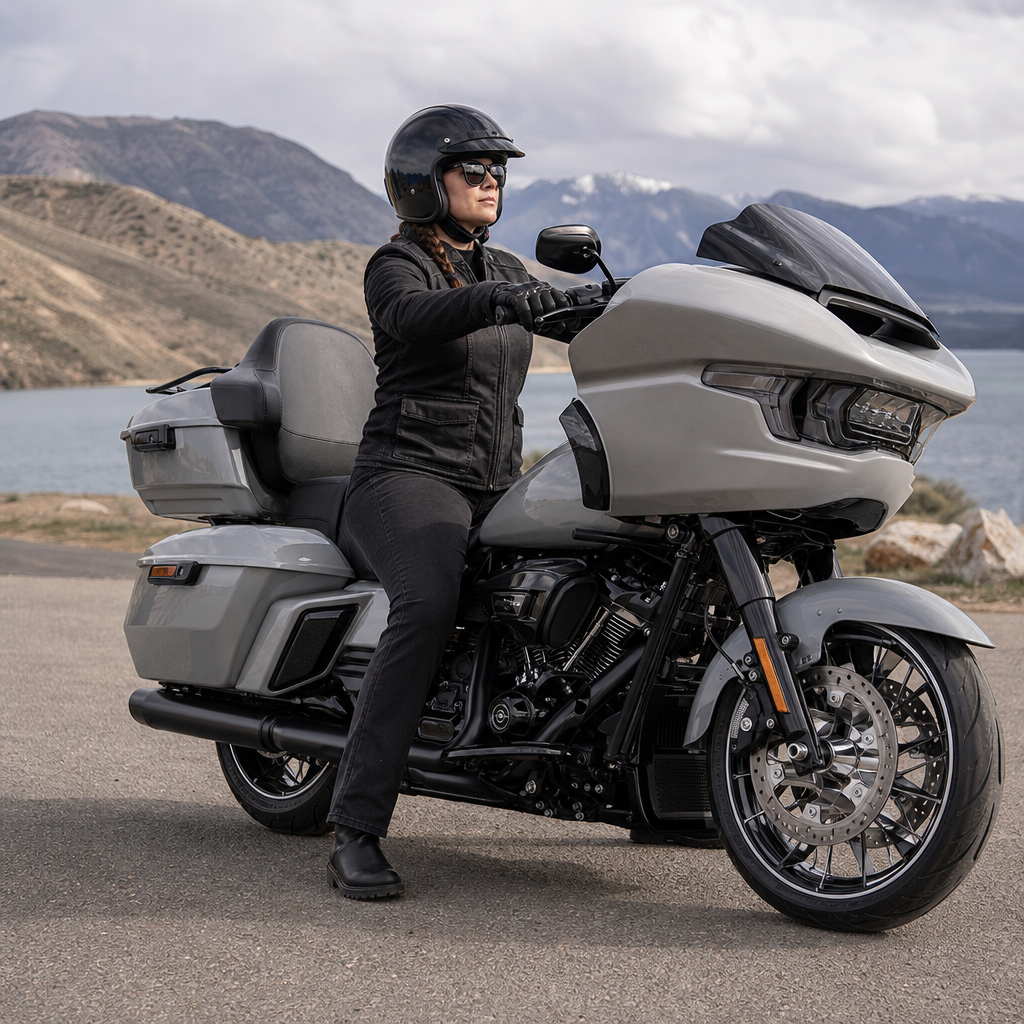
The strongest results come from matching heated comfort upgrades to the bike’s architecture. A batwing or sharknose touring machine usually supports the cleanest integrated solution because fairings hide wiring, rider mileage is high, and owners already value weather management. On a 2026 Road Glide, for example, heated grips paired with a stepped touring seat and mid-height windscreen can reduce cold-soak fatigue dramatically on 35 to 50 degree rides. The fairing lowers hand wind exposure, meaning grip heat works efficiently rather than fighting direct airflow. Add a seat with separate rider and passenger zones and the bike becomes a credible four-season machine in many states.
Softails need a different approach. A Heritage Classic benefits from heated grips and a lower-profile heated seat, but available under-seat space and visual cleanliness matter more than on a full dresser. Riders often want the upgrade to disappear aesthetically. In those cases, the accessory bus is valuable because it avoids the homemade look that exposed inline fuses and universal controllers create. On a Low Rider ST, the recipe often prioritizes hand comfort over seat heat because the rider posture places more weight on the hips and lower back, making foam shape and bar rotation as important as thermal output. A flatter seat with denser support foam may outperform a softer heated saddle for riders doing 250-mile sport-touring days.
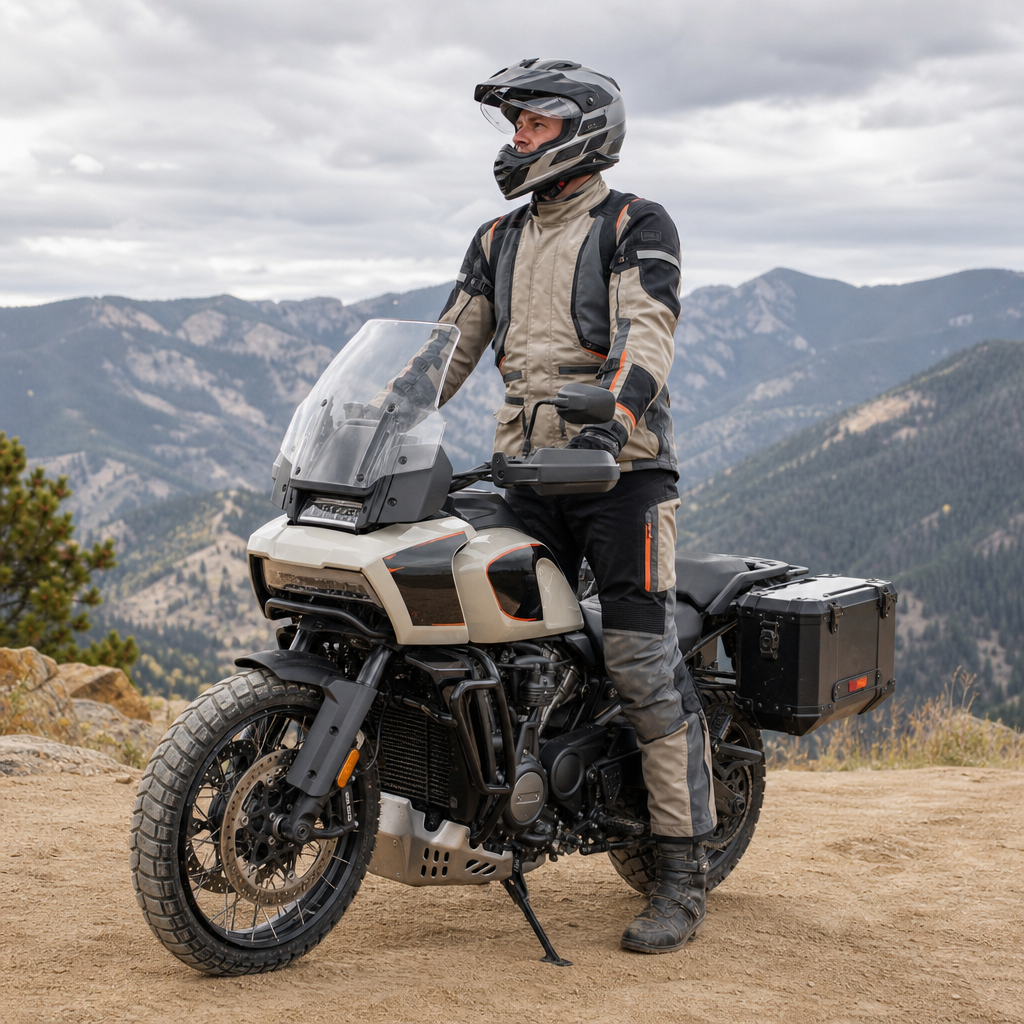
Pan America recipes are the most nuanced. Heated grips are close to essential for cold-weather ADV use, but seat heat becomes a tradeoff if the owner spends substantial time standing off-road. In that use case, a quickly adjustable low-profile heated seat is preferable to a broad touring saddle that interferes with body movement. Because many Pan America riders also power phones, comms, auxiliary lights, and occasionally inflators, electrical budgeting must be conservative.
| Model family | Primary ergonomic issue | Best heated upgrade priority | Recipe note |
|---|---|---|---|
| Touring | Long-mile fatigue and weather exposure | Grips plus dual-zone seat | Use fairing protection to maximize heat efficiency |
| Softail | Compact packaging and style sensitivity | Grips first, seat second | Preserve clean visual lines and verify under-seat clearance |
| Pan America | Variable posture and accessory load | Grips first, slim heated seat if needed | Prioritize standing mobility and charging margin |
| Sportster S/Nightster | Aggressive ergonomics and limited space | Compact grips, selective seat upgrade | Focus on fit, bar angle, and realistic winter range |
Electrical Planning, Load Management, and Installation Standards
If you want a heated grips and seat integration project to last, treat electrical planning as seriously as seat foam selection. Start with the motorcycle’s charging output and the expected draw of each accessory at full power. Heated grips commonly consume around 30 to 45 watts per pair, while heated seats often range from roughly 20 watts for a rider-only low setting to 70 watts or more for dual-zone, high-output designs. Add phone charging, fog lamps, audio upgrades, and passenger gear, and the total can rise quickly. The safe method is to calculate worst-case simultaneous demand, then compare that number against available charging surplus at the engine speeds where the bike actually spends time. Idle output is often less forgiving than cruising output.
Use OEM-grade connectors, sealed terminals, abrasion protection, and documented routing points. On Harleys, steering head movement, tank lift points, seat pan contact, and rear fender vibration are common failure zones. I prefer cloth harness tape only where the factory uses it and split braided sleeve where serviceability matters. Grommets and strain relief are not optional on a premium installation. The same standard applies to software configuration and diagnostics. If the 2026 accessory bus supports accessory recognition or fault logging, use that capability instead of bypassing it with generic switched leads. You gain cleaner service records and faster troubleshooting if a circuit fault appears later.
There are also thermal considerations. A seat heater can mask poor seat design for a few weeks, but it cannot correct pressure-point geometry. Likewise, hot grips cannot compensate for a bar bend that forces ulnar deviation. The best installations combine heat with ergonomic correction: grip diameter appropriate to hand size, lever reach adjusted for gloved braking, seat contour matched to inseam and pelvic rotation, and wind management tuned to reduce hand chill. Electrical integration is the enabler, not the whole solution.
Comfort Tuning Beyond Heat: Bars, Seats, Controls, and Wind Protection
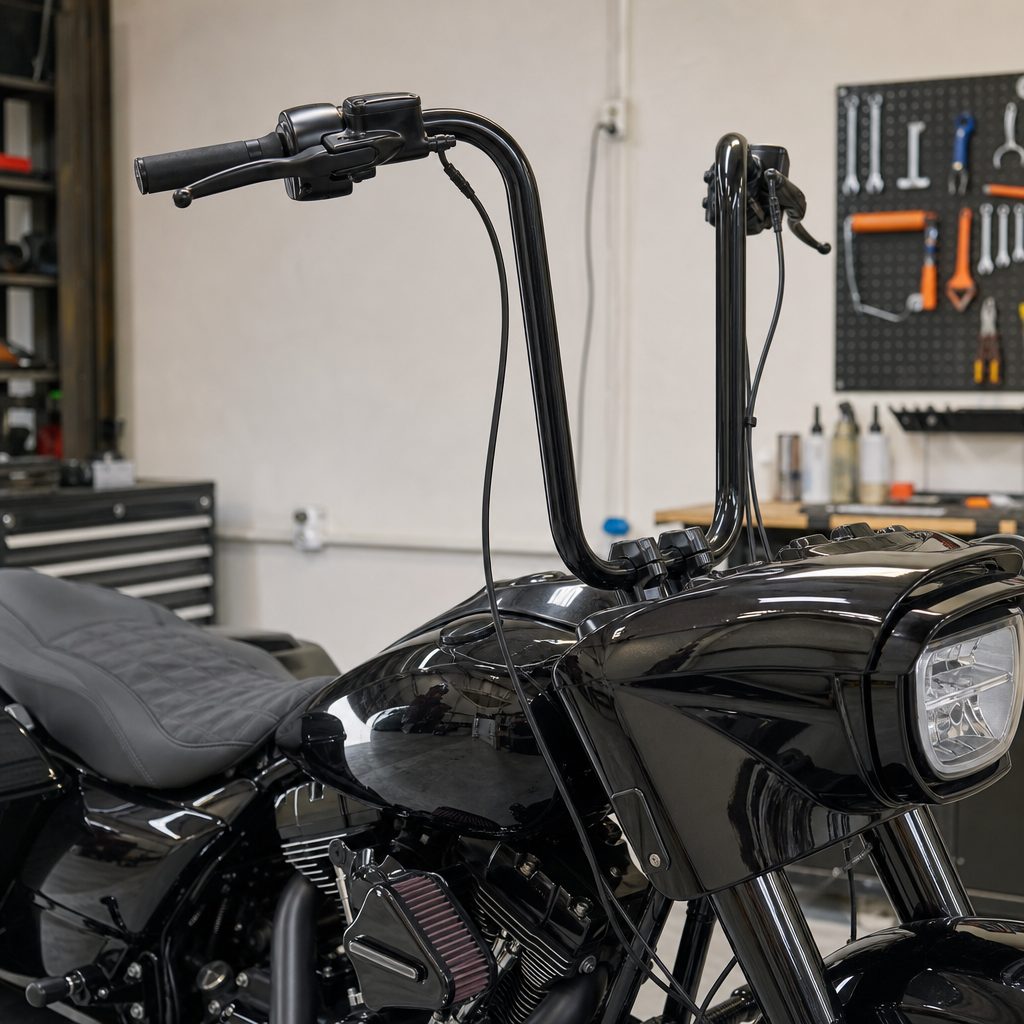
Heated accessories work best when the motorcycle’s contact points are already correct. On touring Harleys, the seat should support the sit bones without forcing the rider into the tank, while the bars should allow a neutral wrist angle with elbows slightly bent. If the rider has to reach, grip heat often makes numb hands feel better temporarily while the underlying shoulder and neck strain worsens. I see this often on bikes fitted with attractive but poorly chosen ape or moto-style bars. The proper recipe begins with posture, then adds heat.
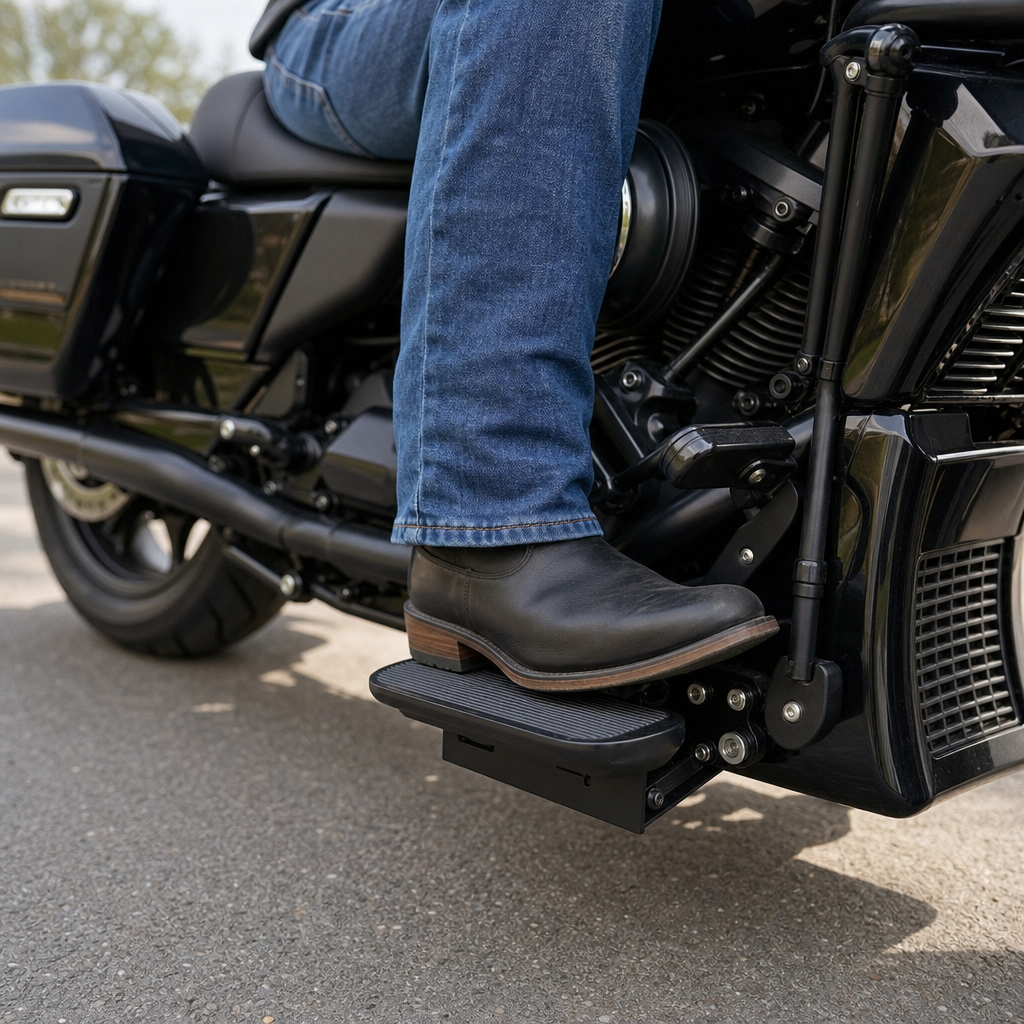
Seat integration deserves special attention because many Harley-Davidson owners confuse softness with comfort. Over distance, unsupported foam compresses and creates hot spots. A better heated seat uses layered foam densities and controlled contouring so the heating element complements, rather than dominates, the saddle design. On Road King and Street Glide builds intended for 400-mile days, I generally favor moderate bucket support with enough fore-aft room to shift position. For shorter riders on Heritage Classic or Nightster models, a lower heated seat may improve confidence at stops, but lowering should not excessively close knee angle or increase tailbone load.
Wind protection changes the value proposition of heated grips and seat heat more than most riders expect. A windshield that reduces turbulent air around the gloves can make a medium grip setting feel like a high one. Hand deflectors on Pan America or touring lowers on baggers often deliver a larger real-world comfort gain than an extra wattage increase. That is why the best performance recipes link thermal accessories to screens, lowers, handguards, and even glove choice. Thin insulated gloves often transmit grip heat better than bulky waterproof gloves, while a heated seat is more noticeable when the rider’s core is shielded from direct windblast.
Common Mistakes, Diagnostic Clues, and When to Choose Simpler Setups
The most common mistake is buying every comfort accessory at once without defining the actual pain point. If your hands go numb after 30 minutes, the cause may be grip diameter, glove seam pressure, bar sweep, or vibration frequency rather than temperature alone. If your lower back aches, a heated seat might feel luxurious for ten minutes while the real fix is moving the bars rearward or changing foot control position. A good recipe solves the cause first. Heat is an enhancer, not a cure-all.
Another mistake is ignoring charging behavior in stop-and-go use. Riders who commute in urban traffic often assume a system that performs perfectly on weekend highway rides will behave identically downtown in winter rain with every accessory active. That is not always true. Watch for dimming at idle, repeated low-voltage warnings, or accessories that cycle unpredictably. Those are clues that demand exceeds available output at low rpm or that a connector has excessive resistance. Infrared temperature checks at connectors and voltage-drop testing under load are more useful than visual inspection alone.
Simpler setups are sometimes the smarter choice. A Softail used mainly for one-hour rides in cool weather may need only integrated heated grips, a better windscreen, and improved gloves. A full heated seat may add cost, wiring complexity, and bulk without meaningful benefit. Conversely, a two-up Ultra doing shoulder-season interstate travel almost always benefits from both grips and a dual-zone seat because passenger comfort directly affects trip range and safety. The right answer depends on use case, not catalog completeness.
Heated grips and seat integration using the 2026 H-D accessory bus is ultimately about building Harley-Davidson motorcycles that fit the rider, the climate, and the mission with factory-level reliability. The central lesson from years of fitting touring bikes, Softails, and ADV machines is simple: comfort upgrades perform best when they are planned as systems. Start with rider triangle and wind management, confirm electrical capacity, then select bus-compatible heated accessories that match how the bike is actually ridden. Touring models usually justify the fullest integration, Softails reward cleaner and more selective recipes, and Pan America builds demand the most careful balance between thermal comfort and accessory load. Across every platform, the accessory bus reduces wiring guesswork, improves serviceability, and makes repeatable model-specific ergonomics and performance recipes possible.
Use this hub as your starting map for the broader Harley-Davidson subtopic. From here, the next step is to identify your exact model family, average ride distance, climate range, and passenger needs, then build the smallest complete package that solves the real problem. Done well, integrated heat extends the riding season, reduces fatigue, and preserves the clean look owners expect from a premium Harley-Davidson. Review your current setup, note where discomfort begins, and use that data to choose your next recipe with confidence.
Frequently Asked Questions
What is the 2026 H-D accessory bus, and why does it matter for heated grips and seat integration?
The 2026 H-D accessory bus is best understood as a centralized electrical and communication backbone for compatible Harley-Davidson accessories. Instead of treating every heated component like a standalone add-on that needs its own relay, fuse tap, switch lead, and custom grounding strategy, the accessory bus gives you a cleaner, more organized way to power and manage parts such as heated grips, heated seats, and other smart ergonomic upgrades. That matters because comfort accessories are no longer just simple resistance heaters. Many modern components can report status, respond to bike settings, and work within factory logic for startup behavior, voltage protection, and rider controls.
For heated grips and seat integration specifically, the accessory bus reduces the kind of wiring errors that used to be common in custom installations. Traditional setups often created problems like overloaded circuits, inconsistent heat output, battery drain after shutdown, or messy harness routing under the tank and seat. With the bus architecture, accessory power is distributed in a more controlled way, and compatible components are able to communicate through the proper channels rather than relying on improvised trigger wires. In practical terms, that means easier planning, more predictable operation, and a better chance that the finished installation behaves like a factory-engineered system rather than a collection of unrelated parts.
It also matters because it changes how riders should think about upgrades. On 2026-compatible touring, cruiser, and adventure models, heated grips and seats are not just comfort items you bolt on at the end of a build. They can be planned as part of a complete ergonomic recipe that includes control layout, software settings, rider mode preferences, and electrical load strategy. If you understand the accessory bus early in the project, you can choose parts that cooperate with the motorcycle’s architecture and avoid building yourself into a corner later.
How does the accessory bus simplify installation compared with older Harley-Davidson wiring methods?
Older installation methods often required builders to create their own electrical logic. Heated grips might be tied into switched power from one circuit, a heated seat might be fed from another accessory lead, and the final system depended heavily on the installer’s ability to calculate current draw, protect the circuit, and hide the wiring cleanly. That approach worked, but it also introduced a lot of variability. Two bikes with the same accessories could behave differently depending on harness quality, connection points, relay selection, and how carefully the installer routed and sealed everything.
The 2026 H-D accessory bus simplifies that process by giving compatible accessories a more structured connection path. Power distribution is handled in a way that is designed around the motorcycle’s existing electrical management, and communication between the bike and smart components can happen without the installer inventing custom workarounds. This reduces the number of manual splices, add-on fuse blocks, and uncertain trigger sources. It also makes troubleshooting more straightforward because you are working within an organized system instead of chasing voltage through a one-off custom harness.
Another major advantage is packaging. Harley touring, cruiser, and adventure models all have different constraints around tanks, fairings, side covers, seat pans, and frame clearances. With bus-based integration, the harness strategy is usually cleaner and more model-specific, which means less crowding under the seat and less risk of pinched wires or heat damage. For riders and shops alike, this translates into faster installs, cleaner results, fewer electrical gremlins, and a much better foundation for future accessory expansion.
Can heated grips and a heated seat be used together safely on 2026 Harley-Davidson touring, cruiser, and adventure models?
Yes, in most cases heated grips and a heated seat can be used together safely, but the key is that “safe” depends on using compatible components, respecting the bike’s electrical limits, and planning around the accessory bus rather than assuming every model has the same capacity. The advantage of the 2026 system is that it is built to distribute power more intelligently than older ad hoc wiring methods. That makes combination setups much more realistic, especially for riders who spend long hours in cold weather and want both hand and core comfort. However, it does not mean electrical limits disappear. You still need to consider total accessory demand alongside lighting, charging, audio, navigation, and any other installed equipment.
On a practical level, touring models will often provide the easiest path for simultaneous heated accessory use because they are commonly configured for long-distance comfort and may have more room and system support for additional equipment. Cruiser models may have tighter packaging and more variation depending on trim and factory options. Adventure models are often already designed with travel and all-weather riding in mind, but they may also carry other electrical loads that need to be accounted for. The accessory bus helps coordinate these devices, but model-specific fitment and power management still matter.
The smartest approach is to treat the grips and seat as a matched system rather than two independent purchases. Verify that each component is designed for the 2026 H-D accessory bus environment, confirm fitment for your exact model, and review whether the installation requires any software configuration or dealer-level setup. When done correctly, the result is a stable, reliable system that delivers consistent heat without the flickering performance, nuisance shutdowns, or battery concerns that were more common with older custom-wired combinations.
What should riders watch out for when choosing heated grips and seats for the 2026 H-D accessory bus?
The first thing to watch is compatibility. Not every heated accessory that physically fits a handlebar or seat mounting point will necessarily integrate properly with the 2026 bus architecture. Some parts may fit mechanically but still require older-style direct wiring, which can defeat many of the advantages the accessory bus is supposed to provide. Riders should look for components specifically identified as compatible with the 2026 Harley-Davidson platform and, ideally, matched to the exact touring, cruiser, or adventure model they are building.
The second issue is control strategy. Some heated accessories are designed to communicate with the bike’s existing switchgear, display menus, or stored rider settings, while others rely on standalone controllers. There is nothing automatically wrong with a standalone controller, but mixing control philosophies can create a less elegant user experience. If your goal is a clean factory-style cockpit with fewer extra switches and more integrated operation, then bus-native components are the better choice. This is especially important for riders who want repeatable comfort setups that can be paired with software settings, ride modes, or seasonal ergonomics packages.
You should also pay attention to current draw, seat construction, and intended use case. A low-profile seat built for style may not deliver the same heating coverage or comfort as a touring-focused seat designed for long cold-weather days. Likewise, grip diameter, texture, and material can affect how warm the grips feel and how much control confidence you retain with gloves on. The best setup is not always the hottest one; it is the one that matches your riding posture, glove choice, trip length, and climate. In short, choose accessories as part of a complete ergonomic plan, not as isolated parts.
Do heated grip and seat upgrades require software configuration or dealer setup on 2026 Harley-Davidson models?
In many cases, yes, some level of software recognition, configuration, or dealer-assisted setup may be involved, especially when the accessories are designed to communicate through the 2026 H-D accessory bus. That does not necessarily mean the installation is difficult, but it does mean modern heated accessories should be approached as integrated electronic components rather than simple two-wire devices. The motorcycle may need to recognize the new accessory, enable certain control functions, or apply operating logic that governs when and how the accessory receives power.
This is actually a benefit when handled correctly. Software-aware integration can allow the system to manage startup sequencing, protect battery voltage, store user preferences, and present a more polished interface through the bike’s controls or display. Instead of manually turning separate heaters on and off every ride, riders may be able to use more centralized controls and maintain consistent comfort settings. That level of integration is one of the biggest reasons the 2026 accessory bus is such a meaningful upgrade for ergonomic planning.
The practical takeaway is to confirm the installation path before buying parts. Some accessory packages may be true plug-and-play from a hardware standpoint but still benefit from software initialization. Others may require a dealer or qualified shop to complete setup so all features work as intended. If your article readers are planning a touring, cruiser, or adventure build, the best advice is simple: verify mechanical fitment, electrical compatibility, and software requirements together. That three-part check is what turns heated grips and seat integration from a wiring project into a reliable, repeatable comfort system.