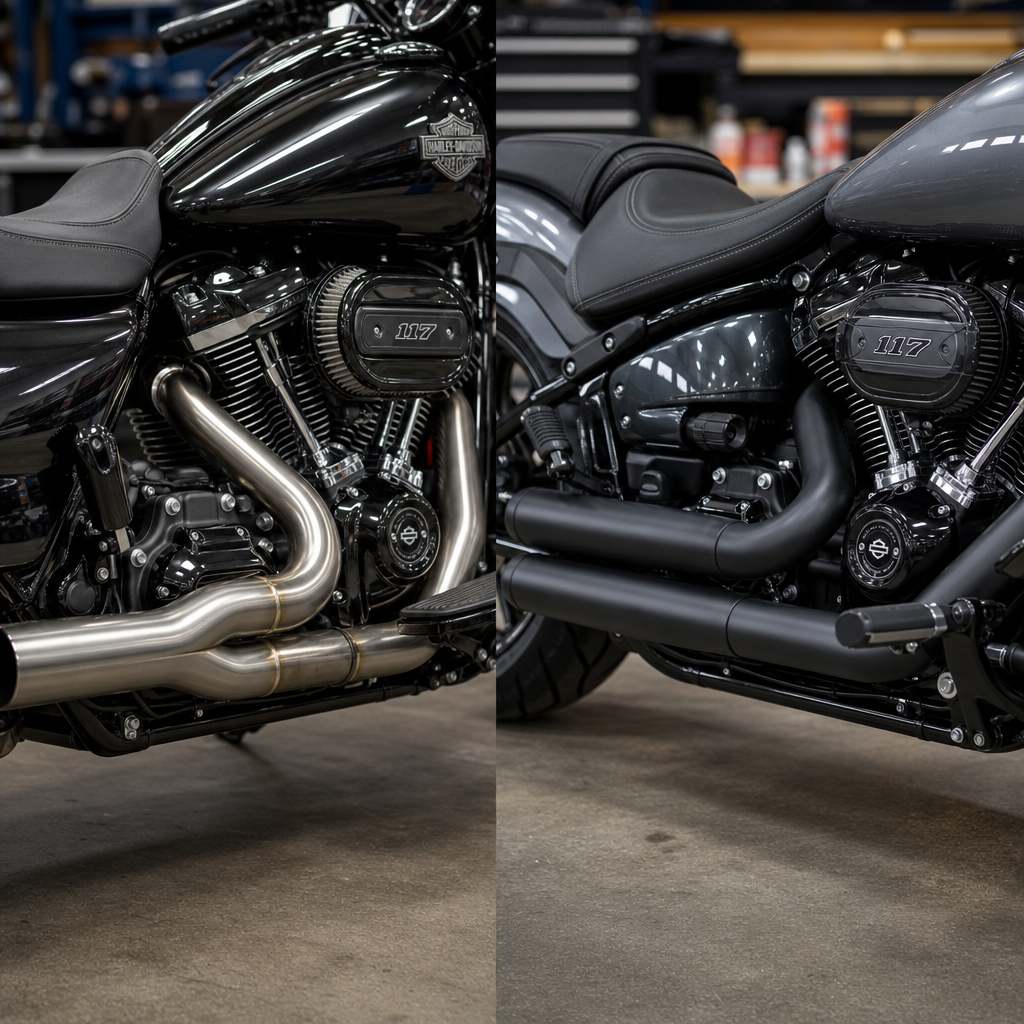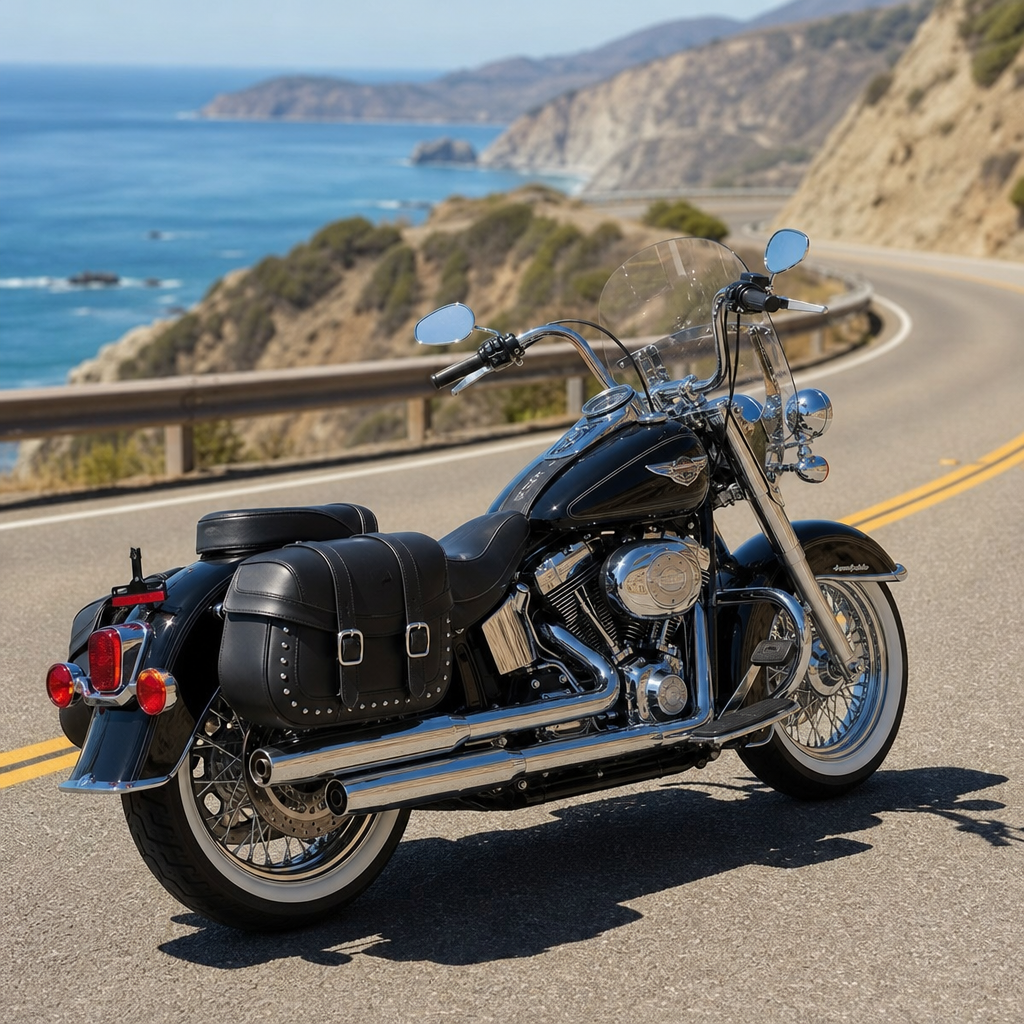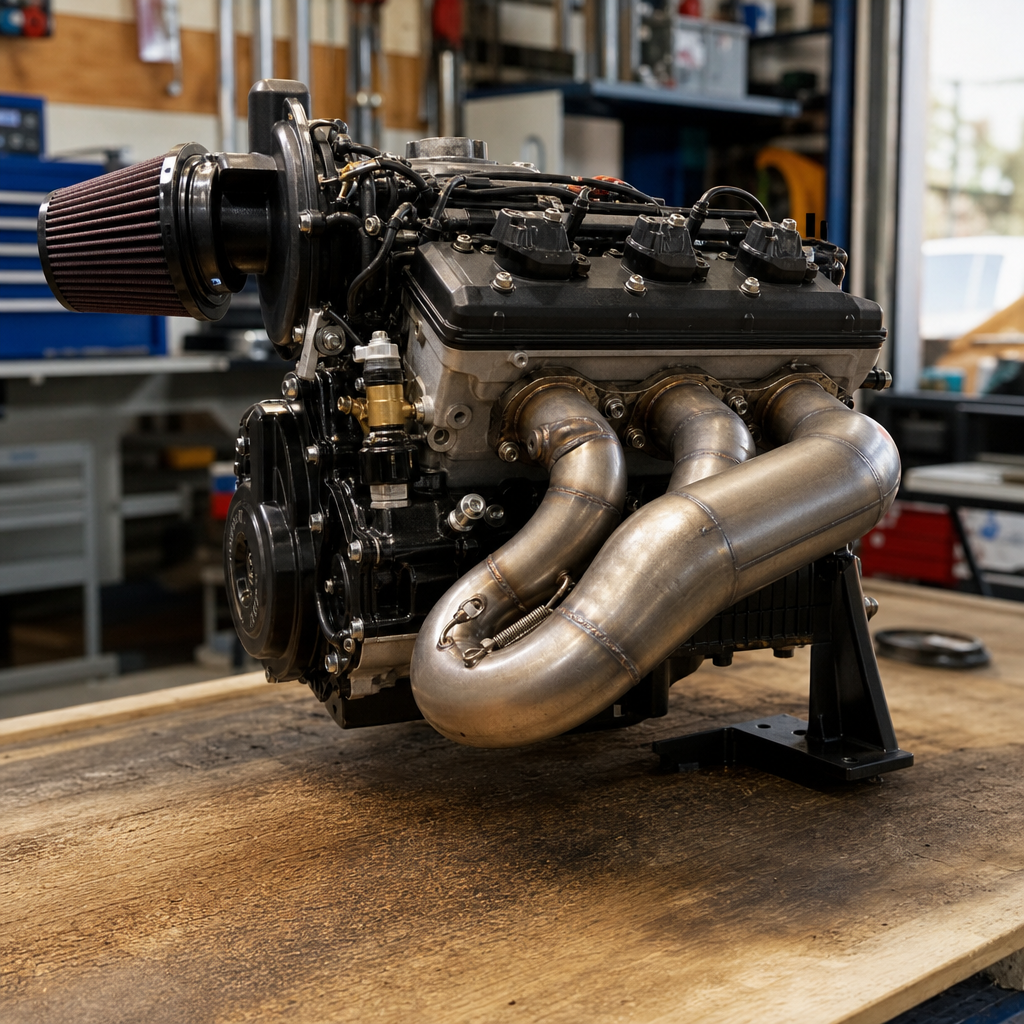
The 2-into-1 shorty exhaust recipe for the 2026 121 HO motor is not a random parts list. It is a model-specific performance strategy built to increase usable torque, sharpen throttle response, and preserve rider comfort across real Harley-Davidson touring and performance-cruiser applications. In this sub-pillar hub, “recipe” means a repeatable combination of exhaust design, fuel calibration, intake flow, heat management, rider fit, and use-case tuning. “Model-specific ergonomics” means matching those choices to frame layout, floorboard or mid-control position, saddle height, bar reach, passenger needs, and the way a particular rider actually loads the chassis. That matters because the same pipe can feel brilliant on a Road Glide ridden solo and disappointing on a Street Glide with luggage, a tall shield, and two-up weight. I have seen that difference repeatedly on dynos and on road tests: peak numbers attract attention, but broad torque between 2,500 and 4,500 rpm determines whether the bike feels effortless leaving lights, climbing grades, or rolling on past traffic.
The 2026 121 HO motor raises the stakes because high-output Milwaukee-Eight variants move more air and react strongly to exhaust wave timing. A shorty 2-into-1 can absolutely produce the hard midrange hit riders want, but only if collector size, primary length, baffle design, and calibration are chosen as a system. Otherwise, owners get the common complaints: flat spots around 3,000 rpm, excessive heat near the right leg, drone at highway speed, or torque that arrives too high in the rev range for heavy baggers. This hub article explains the core recipe, the ergonomic decisions that make it livable, and the practical branch paths for different Harley-Davidson models. It is designed to anchor deeper supporting articles on fitment, tuning, suspension balance, and rider-position changes while giving one clear answer upfront: if your goal is maximum street torque from a 2026 121 HO, the best shorty 2-into-1 setup is one tuned for scavenging and rideability, not just sound or top-end bragging rights.
What a 2-into-1 shorty exhaust does on the 2026 121 HO motor
A 2-into-1 exhaust merges both cylinders into a shared collector so exhaust pulses help pull the next charge out of the combustion chamber. On a Harley-Davidson V-twin, that scavenging effect is often worth more on the street than a loud dual system that only looks aggressive. The shorty version places the collector and muffler in a compact package, usually reducing weight and improving cornering clearance compared with long touring pipes. On the 121 HO motor, the payoff is strongest when the pipe emphasizes exhaust gas velocity instead of oversized tubing. In plain terms, a slightly smaller, well-shaped path keeps the pulses energetic, which strengthens low and midrange cylinder evacuation. That is why many riders describe a good 2-into-1 as making the bike feel like it picked up displacement even when peak horsepower changes modestly.
The trap is assuming all shorty systems behave the same. They do not. Header diameter, step timing, merge angle, collector volume, and baffle architecture change the torque curve dramatically. In my experience, the strongest street combinations on high-output baggers and cruisers usually avoid giant open-core mufflers. They use stepped headers or carefully chosen primary sizing, then pair that with a louvered, perforated, or chambered baffle that controls reversion without choking the engine. The result is not magic; it is pressure-wave management. When riders ask why one premium exhaust feels stronger than another with similar dyno sheets, the answer is often area under the curve and how the tune supports the exhaust’s pressure signature at part throttle, not the single highest number printed at wide-open throttle.
The max-torque recipe: pipe dimensions, collector behavior, and baffle choice
For a street-focused 2026 121 HO motor, the most reliable max-torque recipe starts with primary tubes that are not excessively large, typically in the 1.75-inch range with a step to 1.875 inches or similar depending on brand architecture. That step helps maintain velocity near the port while giving the larger motor enough area farther downstream. A true merge collector outperforms a crude junction because it directs pulse energy instead of letting it collide chaotically. Short collector length can work if the merge is well formed and the muffler core is matched to displacement. Riders chasing torque should prefer a muffler and baffle combination known for midrange over one marketed only for volume. On dyno sessions, I consistently see better roll-on numbers from pipes that sacrifice a little peak output to gain 8 to 15 lb-ft across the range where baggers are actually ridden.
Cam timing and compression matter too, but the exhaust recipe is still the foundation. A 121 HO with stock internals and a proper 2-into-1 shorty often responds best to a high-flow intake, 5.5 to 6.5-inch style muffler body depending on manufacturer, and a baffle that adds enough resistance to smooth the torque curve. Very short megaphones can make the bike exciting above 4,500 rpm yet feel hollow below that point. If your riding includes city traffic, mountain roads, passenger weight, or touring loads, that trade is usually wrong. The winning recipe is the one that produces immediate drive at small throttle openings, because that is where rider satisfaction lives. A broad torque band also reduces the need for constant downshifts, which improves comfort and makes the machine easier to place mid-corner.
| Recipe Element | Best Choice for Street Torque | Why It Works on 121 HO |
|---|---|---|
| Header sizing | Moderate diameter, often stepped | Maintains velocity, limits low-rpm softness |
| Collector type | True merge collector | Improves scavenging and pulse management |
| Muffler length | Compact but not ultra-short | Balances packaging, noise control, and torque |
| Baffle style | Torque-oriented perforated or chambered design | Reduces reversion and supports midrange |
| Tuning method | Dyno-verified ECU calibration | Matches fueling and spark to exhaust behavior |
Fueling, tuning, and intake: where most torque gains are finished
No 2-into-1 shorty exhaust reaches its potential on the 2026 121 HO motor without correct calibration. Once the pipe changes scavenging, volumetric efficiency changes with it, and the stock fuel and spark tables are no longer ideal. That is why serious builds use a tuning platform such as Screamin’ Eagle Pro Street Tuner where applicable, Dynojet Power Vision, or other model-compatible systems supported by an experienced Harley-Davidson calibrator. The goal is not simply adding fuel everywhere. Good tuning sets air-fuel ratio targets by load and rpm, trims transient fueling for crisp response, and adjusts spark advance to exploit improved cylinder filling without creating knock or excessive heat. Closed-loop behavior, decel fuel cut, and idle control can also affect how refined the bike feels after the exhaust swap.
Intake selection should be equally deliberate. A high-flow air cleaner with stable filtration and an internal shape that promotes smooth entry into the throttle body usually supports the best torque results. Over-oiled filters, poorly sealed backing plates, and turbulent entry paths can undermine gains or create maintenance headaches. In back-to-back testing, the strongest street packages are the ones where the intake and exhaust are matched for balanced flow rather than simply choosing the largest advertised components. Riders often expect the exhaust alone to solve everything, but throttle response, starting quality, and heat perception improve most when the entire induction and combustion package is tuned together. If you want a dependable recipe, budget for dyno time and data review, not just shiny hardware. That is where strong parts become a coherent system.
Ergonomics and fitment: how rider position changes perceived performance
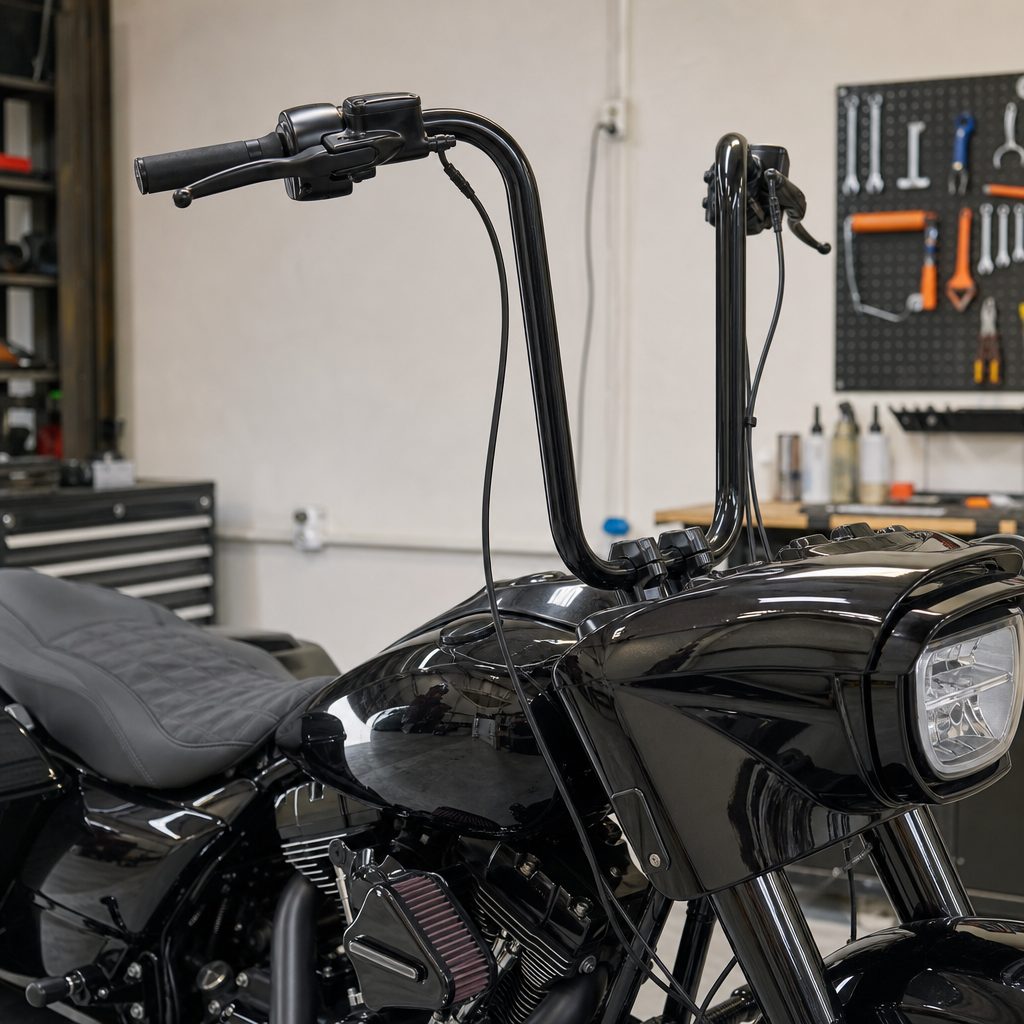
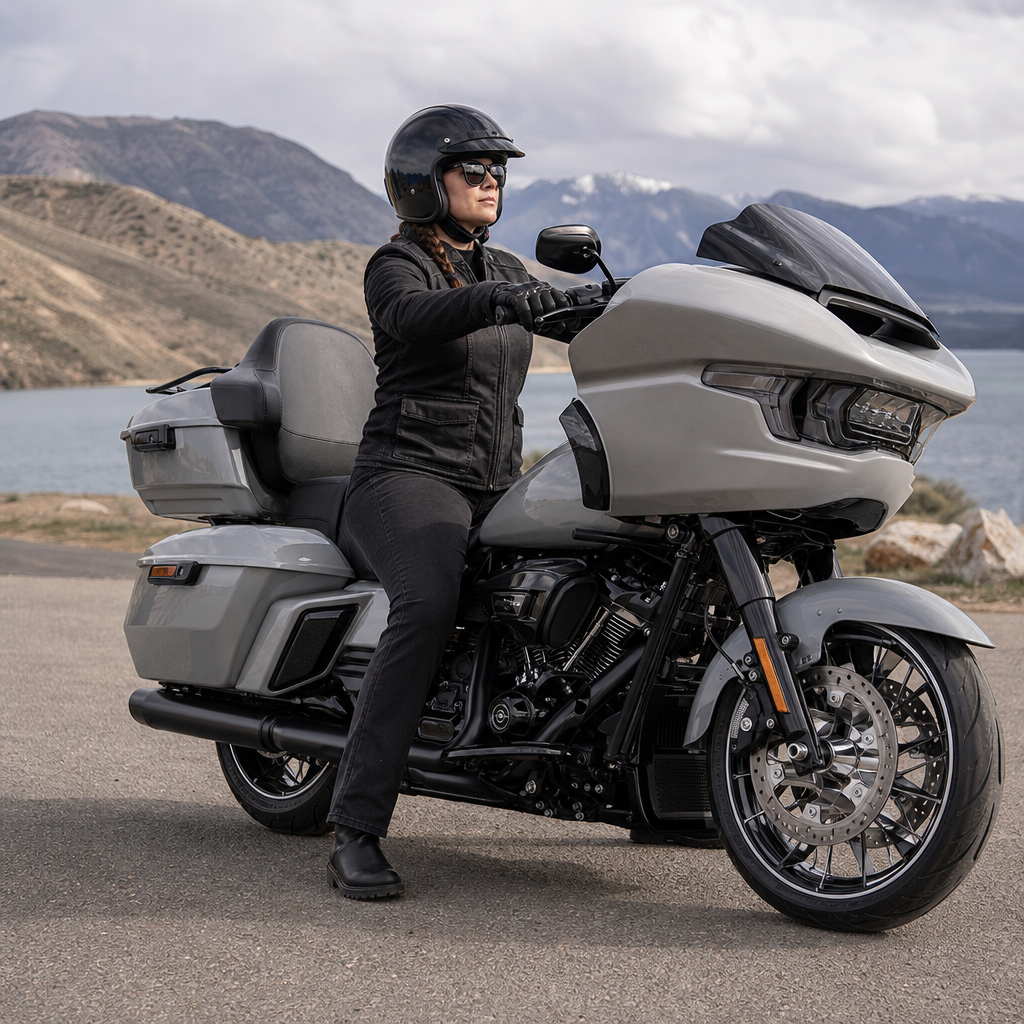
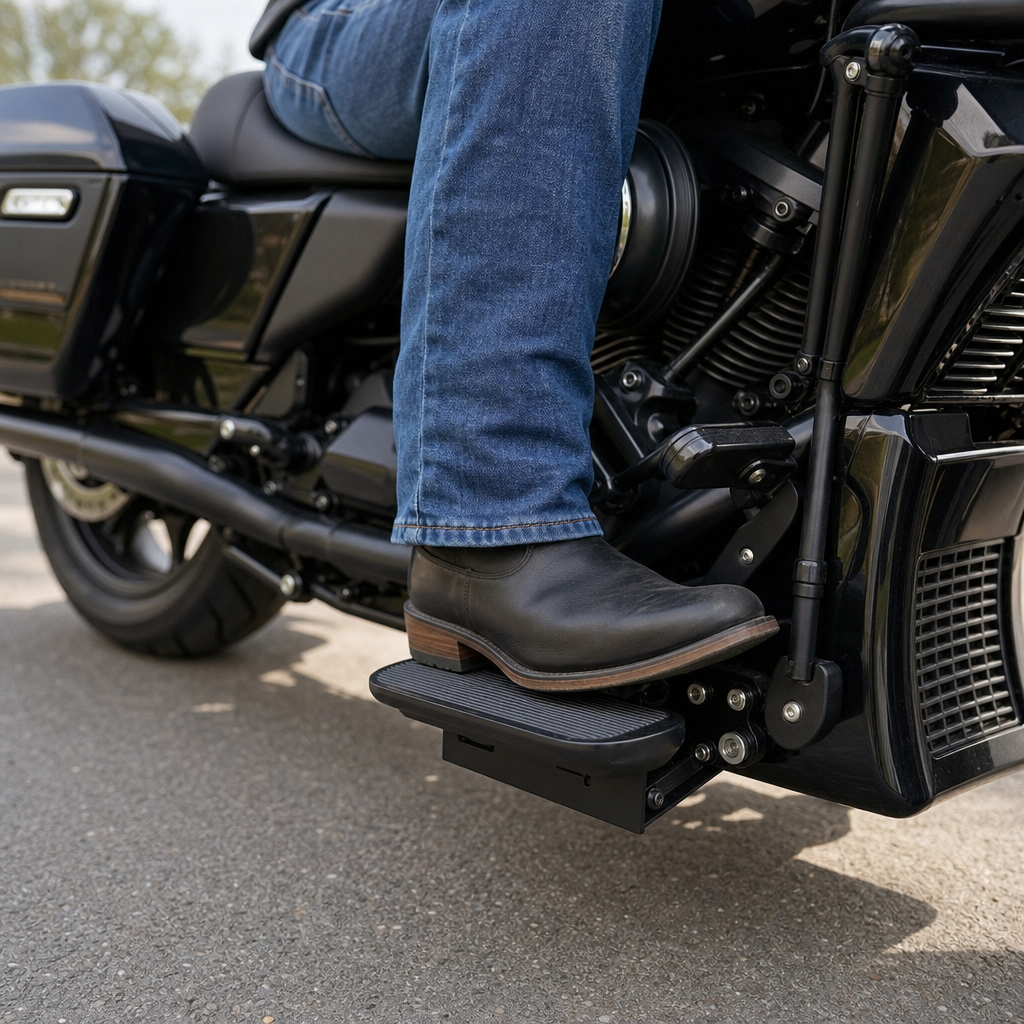
Performance on a Harley-Davidson is experienced through the rider triangle, not only through a graph. Bar reach, seat pocket depth, foot control position, and windshield pressure all change how a torque increase feels and whether it can be used confidently. A shorty 2-into-1 often shifts heat and sound closer to the rider, so model-specific ergonomics matter immediately. On Road Glide and Street Glide platforms, floorboard location and lower fairing airflow can trap right-side heat if the pipe routing hugs the side cover too tightly. On Low Rider ST or Sport Glide style layouts, passenger peg clearance and saddlebag spacing can influence both comfort and exhaust angle. I have worked with riders who thought an exhaust “killed torque” when the real problem was a cramped hip angle that made them roll off early under acceleration.
This hub covers the wider family of model-specific ergonomics and performance recipes because exhaust choices should never be isolated from contact points. A rider with a 30-inch inseam may need a different seat and board position to keep knees relaxed during hard roll-ons, while a taller rider may exploit the same torque curve better with a reach seat and bar riser change that improves leverage. Suspension setup enters the equation too. If rear preload is too soft, the bike squats, steering slows, and the improved midrange from a shorty pipe can feel unruly instead of planted. The best recipe therefore links exhaust, tune, seat, controls, and suspension baseline. That systems approach is what separates a fast-feeling Harley-Davidson from one that merely sounds modified.
Best applications by Harley-Davidson model and riding style
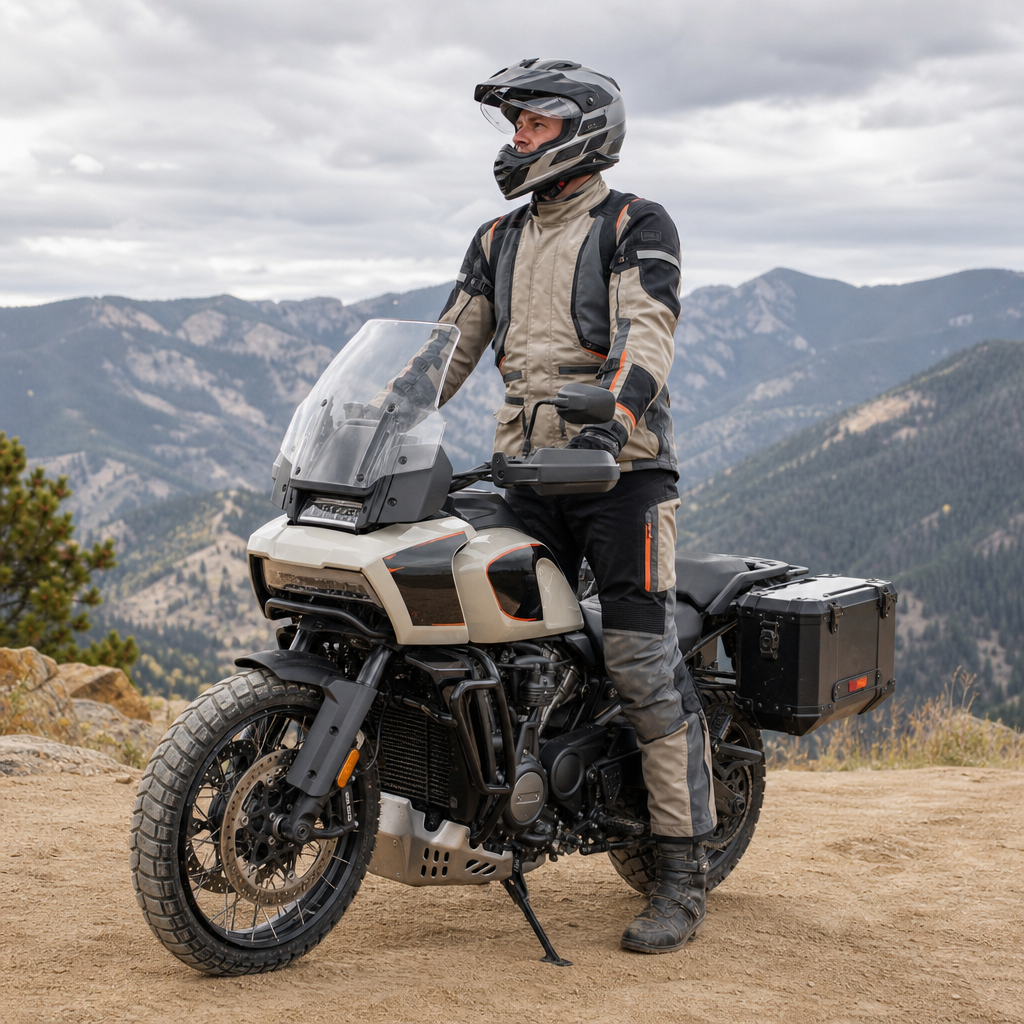
Not every Harley-Davidson responds identically to the same 2-into-1 shorty exhaust recipe, even with the 2026 121 HO motor as the focus. Touring baggers generally benefit most from torque-biased configurations because vehicle mass, wheelbase, luggage capacity, and passenger use reward broad midrange. A Road Glide used for long highway days typically wants manageable sound levels, strong roll-on from 70 mph, and minimal drone behind a fixed fairing. A Street Glide often sees mixed urban and highway use, so riders appreciate snappy throttle response and compact packaging that preserves lean angle. Performance-cruiser platforms, including models with mids and shorter wheelbases, can accept a slightly more aggressive collector and baffle choice because the chassis invites higher-rpm use and lighter overall weight makes top-end gains more noticeable.
Riding style should direct the final recipe. Two-up touring riders should prioritize smooth fueling, lower-frequency exhaust tone, and heat shielding that protects the passenger calf and right bag area. Canyon riders may accept more sound and a shorter muffler if lean clearance improves and the torque curve remains dense from corner exit revs. Commuters should value quiet cold starts, minimal surging, and practical service access for oil changes and rear axle work. This is why a hub page matters: “best exhaust for a Harley-Davidson” is too broad to be useful. The right answer depends on chassis, load, rider size, route type, and tolerance for sound and heat. Once those variables are defined, the 2-into-1 shorty recipe becomes far more predictable, and the 121 HO motor rewards that precision with immediate, satisfying thrust.
Common mistakes, tradeoffs, and how to avoid expensive disappointment
The most common mistake is buying for noise first and torque second. Extremely short mufflers, giant header diameters, and open baffles can make a 121 HO feel impressive on a quick blip yet weaker in the exact rpm band used on the street. Another mistake is copying a race-oriented setup onto a fully dressed bagger with stock gearing and frequent passenger duty. The hardware may be high quality, but the recipe is wrong for the mission. Fitment shortcuts also cause trouble. Poor collector clearance near floorboards, melted soft luggage, oxygen sensor wire strain, and inaccessible service points turn a good concept into daily frustration. Always verify compatibility with your exact Harley-Davidson model, suspension ride height, and any aftermarket bags, crash bars, or forward-control kits.
There are tradeoffs, and honest tuning shops should say so clearly. A shorty 2-into-1 usually increases exhaust presence near the rider compared with longer systems. Some designs concentrate heat near the right leg. Others improve torque but produce more decel crackle if the calibration is left too lean or aggressive on fuel cut. Emissions compliance, inspection rules, warranty implications, and local noise enforcement must also be considered before purchase. The good news is that most downsides can be managed with informed choices: correct heat shields, smart baffle selection, disciplined tuning, and realistic expectations. If your goal is maximum torque from the 2026 121 HO motor, stay disciplined. Choose a proven 2-into-1 shorty, tune it properly, match it to your ergonomics, and use this Harley-Davidson hub to plan the next supporting upgrades with confidence.
Frequently Asked Questions
What does “2-into-1 shorty exhaust recipe” actually mean for the 2026 121 HO motor?
For the 2026 121 HO motor, a 2-into-1 shorty exhaust recipe is not just a muffler choice or a generic “performance pipe” recommendation. It is a complete, repeatable setup strategy designed around how this specific engine makes power and how the motorcycle is actually ridden. The “2-into-1” part refers to a header design that merges both cylinders into a single collector, which is typically used to improve exhaust scavenging, strengthen midrange torque, and create a more direct, responsive feel when rolling into the throttle. The “shorty” part refers to a more compact muffler or canister section, which changes packaging, weight distribution, sound character, and often the way the exhaust behaves in the low-to-mid rpm range.
What makes it a recipe is the fact that the exhaust has to be matched with the rest of the system. On a 2026 121 HO combination, that means selecting the right header diameter, collector design, baffle strategy, and muffler length, then pairing those parts with an intake that supports the target airflow, fuel calibration that keeps the air-fuel and ignition curves stable, and heat management that preserves comfort on long rides. It also means taking into account model-specific ergonomics. A setup that feels excellent on one touring chassis may create heel, floorboard, bag, or passenger-clearance issues on another. In other words, the recipe is about getting peak usable torque without sacrificing rideability, comfort, or fitment.
That is why the best 2-into-1 shorty setups for the 121 HO are chosen according to real use. A rider focused on back-road acceleration, quick roll-ons, and lighter performance-cruiser behavior may want a different collector bias and muffler character than a rider doing two-up touring with luggage and sustained highway miles. The goal is not to build the loudest or shortest exhaust possible. The goal is to build a balanced package that makes the 121 HO feel stronger everywhere you use it, especially in the rpm range where torque matters most.
Why is a 2-into-1 shorty exhaust often recommended for maximum torque instead of a longer or dual-exit system?
A well-designed 2-into-1 system is often recommended for torque because it can improve cylinder evacuation and encourage stronger scavenging through the collector. On a big-inch V-twin like the 2026 121 HO motor, that matters because torque is heavily influenced by how efficiently the engine moves air in and out during the rpm range most riders use on the street. When the exhaust pulses from each cylinder are managed correctly, the collector can help pull spent gases out more effectively, which improves cylinder fill on the next intake event. The result is usually better throttle response, stronger roll-on power, and a more connected feel between rider input and rear-wheel acceleration.
The shorty portion of the design adds another layer. A short muffler can reduce weight, tighten packaging, and often deliver a more aggressive response character, but it has to be engineered carefully. If the system is too open or poorly balanced, it can shift the powerband in the wrong direction, create excessive harshness, or make tuning more difficult. That is why the recipe matters more than the label. A shorty 2-into-1 only works as a torque solution when the collector dimensions, stepped header strategy, internal core design, and fuel mapping are chosen to complement the 121 HO’s airflow and displacement.
Compared with many dual systems, a strong 2-into-1 tends to do a better job of building broad, practical midrange performance. Dual exhausts can absolutely work and may appeal for style or sound reasons, but they do not always deliver the same scavenging advantages as a properly tuned merged collector. Compared with some longer systems, a shorty can trade a bit of refinement for sharper response and a more performance-focused power delivery, but on the right bike, with the right tune, that trade is exactly what riders want. For most real-world Harley touring and performance-cruiser riders, the reason this configuration keeps getting recommended is simple: it delivers torque where the motorcycle spends most of its life, not just at one peak number on a dyno graph.
What supporting parts and tuning changes are required to make a 2-into-1 shorty exhaust work correctly on a 121 HO build?
The exhaust alone is only one part of the equation. To make a 2-into-1 shorty exhaust work correctly on a 2026 121 HO motor, you need a supporting combination that includes intake flow, fuel calibration, and careful verification of operating temperatures and ride behavior. A freer-flowing exhaust changes how the engine breathes, which means the calibration must be updated to match the new airflow characteristics. That typically involves revising volumetric efficiency tables or equivalent airflow models, target air-fuel ratios, transient fueling, and often ignition timing in the key torque-producing areas of the map. On a high-output engine, guessing is expensive. A proper tune is what turns a pile of parts into a torque package.
The intake side matters just as much. If the engine is expected to move more air out, it also needs a clean and appropriately sized path for air to come in. That does not automatically mean the biggest intake available. It means using an intake that supports the intended rpm range and throttle response goals without introducing turbulence, poor filtration, or rider-leg interference. On a torque-focused street build, balance is usually better than chasing maximum airflow at all costs. The best setups produce strong velocity, stable fueling, and consistent behavior in traffic, hot weather, and highway use.
Heat management is another major requirement. A shorty system can alter where heat is concentrated around the rider, passenger, side cover, bags, and rear brake area. That is why many well-thought-out recipes include quality heat shields, ceramic coating or similar thermal treatments, and smart routing choices that limit discomfort during stop-and-go riding. It is also important to verify idle quality, decel behavior, cold-start manners, and cruise smoothness after installation. A setup that dynos well but surges, pops excessively, cooks the rider, or creates bag clearance problems is not a successful recipe. The right answer is a complete package: exhaust, intake, tune, heat control, and final fitment checks built around how the 121 HO-equipped bike is truly used.
How does model-specific ergonomics affect the best shorty exhaust recipe for Harley touring and performance-cruiser applications?
Model-specific ergonomics can completely change which 2-into-1 shorty exhaust recipe is actually “best,” even when the engine is the same 2026 121 HO motor. That is because the motorcycle is not just an engine and a dyno sheet. It is a physical platform with floorboards or mids, saddlebag dimensions, passenger accommodations, suspension travel, lean-angle priorities, and rider contact points that all influence whether a given exhaust works in the real world. A pipe that produces excellent torque may still be the wrong choice if it crowds the rider’s heel, reduces cornering clearance, heats the passenger’s leg, interferes with bag lids, or creates awkward fitment around service points.
On a touring model, rider comfort and distance use are often just as important as throttle response. That means the recipe may prioritize a shorty design that maintains strong midrange while keeping sound levels reasonable at cruise, controlling radiated heat, and preserving luggage and passenger function. On a performance-cruiser application, the priorities may shift toward ground clearance, lighter feel, sharper transient response, and a more aggressive sound and power character. Same engine, different mission. That is exactly why “model-specific ergonomics” belongs in the recipe discussion and not in a separate styling conversation.
There is also the issue of body position and how the rider interacts with the bike under load. Some riders need more legroom, some run different floorboard positions, and some are highly sensitive to where exhaust pulses and heat hit them in traffic. A torque-focused setup should enhance confidence, not create fatigue. The best approach is to choose a system that complements the chassis and the rider’s fit, then tune around that package. When ergonomics are considered from the beginning, the result is a 121 HO setup that feels stronger, more natural, and easier to ride hard for longer periods. That is a much better outcome than choosing an exhaust only because it looked good on a different model online.
Will a 2-into-1 shorty exhaust make the bike louder at the expense of comfort, or can it still be street-friendly and enjoyable on long rides?
A 2-into-1 shorty exhaust can absolutely be street-friendly and comfortable on long rides, but only if the design is chosen intelligently. The common assumption is that “shorty” always means excessively loud, boomy, and fatiguing. In reality, sound quality depends on much more than muffler length alone. Collector design, perforated core dimensions, packing material, outlet diameter, and baffle strategy all influence whether the exhaust has a crisp, performance-oriented tone or an unpleasant drone that wears the rider out. The best torque-focused shorty systems are engineered to deliver strong pulse energy and sharp response without turning every highway mile into an endurance test