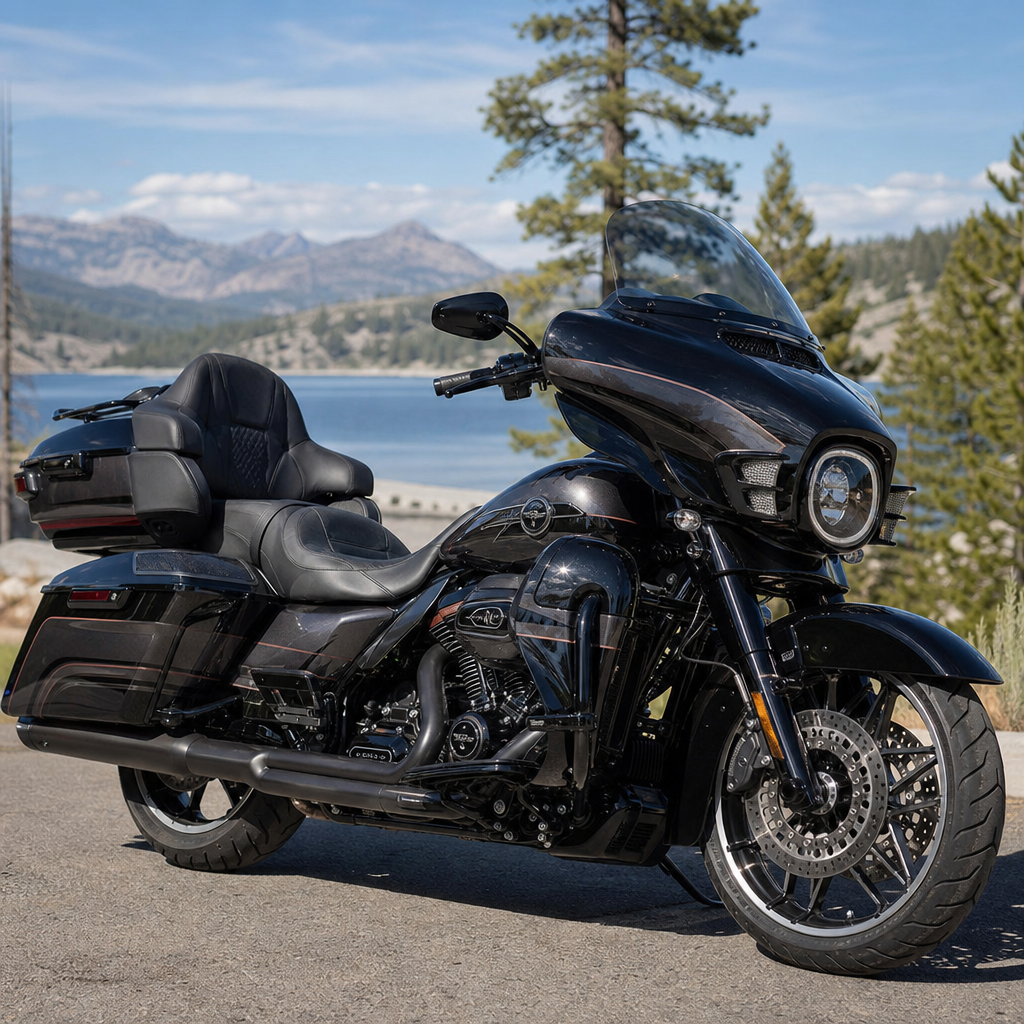
The CVO Street Glide 3 Limited Comfort setup is not a generic accessories conversation; it is a model-specific ergonomics and performance recipe built around the unique geometry, weight distribution, and touring mission of Harley-Davidson’s three-wheeled flagship. In this Carbide Collection accessory review, the goal is to explain how comfort parts, control changes, wind management, and load-carrying upgrades work together on the CVO Street Glide 3, and why riders should evaluate them as a system rather than as isolated add-ons. “Limited comfort” in this context means preserving the premium custom finish and aggressive stance of the machine while reducing fatigue across long days, stop-and-go traffic, and varying weather. “Recipe” means a tested combination of parts chosen for a specific riding outcome, such as shorter-reach confidence, all-day back support, improved passenger accommodation, or reduced hand and shoulder strain.
That distinction matters because the CVO Street Glide 3 is not just a heavier Street Glide. It uses a trike chassis, a large-displacement Milwaukee-Eight VVT 121 powertrain, premium paint and trim, and touring-focused electronics, but the rider triangle still determines whether the motorcycle feels effortless or exhausting after two hours. I have worked with touring and trike fitment long enough to see a repeated pattern: owners often spend heavily on cosmetic accessories first, then discover that seat contour, handlebar sweep, floorboard placement, and wind buffering influence enjoyment far more than billet covers or decorative trim. On a premium Harley-Davidson, especially one wearing the Carbide Collection aesthetic, the right comfort package should look integrated, protect resale value, and solve a measurable issue.
This hub article covers the major fit and performance comfort recipes for the CVO Street Glide 3 and connects the decisions riders usually make in stages: seat, bars, grips, pegs or boards, windshield, luggage support, and passenger ergonomics. It also addresses tradeoffs. A lower seat can improve confidence at stops but tighten knee angle. Taller wind protection can reduce chest pressure but increase helmet turbulence if shape and height are wrong. Softer contact points can reduce hot spots but may reduce the firm support some riders prefer during aggressive corner transitions. The purpose here is to give CVO Street Glide 3 owners a practical framework for choosing Carbide Collection-compatible accessories with fewer mistakes, better fit, and more consistent long-distance comfort.
Why the CVO Street Glide 3 demands model-specific ergonomics
The CVO Street Glide 3 demands a model-specific approach because trike ergonomics are governed by different forces than two-wheel baggers. At parking-lot speed, there is no need to balance the machine, but steering effort is higher because the front end must be turned rather than leaned into direction changes. On crowned roads, riders also feel more direct feedback through the bars and seat. That means wrist angle, grip diameter, seat pocket position, and back support become more important, not less. If a rider is overreaching even slightly, the added steering inputs of a trike can amplify shoulder and upper-back fatigue within the first hour.
Another key factor is chassis attitude under load. Touring riders often add a passenger, trunk cargo, a full tank, and highway accessories. On the Street Glide 3 platform, those variables change how the rider settles into the saddle and how air moves around the fairing. A setup that feels acceptable on a short solo ride can become tiring on a fully loaded weekend trip. That is why a serious accessory review must look beyond catalog compatibility and toward riding posture, weight transfer, and pressure points. Harley-Davidson’s accessory ecosystem is broad, but the best results come from pairing parts that complement the machine’s baseline geometry and suspension behavior rather than fighting them.
The Carbide Collection design language and why it matters
The Carbide Collection matters because premium CVO buyers usually want functional upgrades that do not visually dilute the motorcycle. On Harley-Davidson models, integrated design is part of ownership value. Carbide-themed accessories typically emphasize darker finishes, machined contrast surfaces, and a performance-touring appearance that matches contemporary CVO styling better than bright chrome-heavy pieces. For the CVO Street Glide 3, that means grips, floorboards, brake pedal pads, shifter components where applicable, mirrors, and trim should create a unified cockpit rather than a patchwork of aftermarket experiments.
There is also a practical reason to stay visually consistent. When accessories match the OEM language, riders are more likely to keep them long term, and that encourages a more disciplined fit strategy. I routinely advise owners to decide on one visual direction before buying comfort parts because replacing a perfectly functional seat or control set simply to correct an appearance mismatch is wasted money. The best Carbide Collection comfort build does not treat style as superficial; it uses style to narrow the field toward parts that feel factory-correct, wear well, and maintain the CVO’s premium finish standard.
The core comfort recipe: seat, lumbar support, and rider position
If one upgrade determines whether a CVO Street Glide 3 becomes an all-day machine, it is the seat. The seat controls pelvic rotation, tailbone pressure, knee bend, reach to the bars, and how consistently the rider can use the back muscles instead of hanging on with the arms. On trikes, where steering effort is more active at low and moderate speeds, a supportive seat is even more important because it stabilizes the rider during input changes. A well-shaped saddle pocket reduces sliding, keeps the spine neutral, and creates a repeatable relationship with bars and boards.
In practical terms, riders generally benefit from choosing among three seat outcomes. First, a reduced-reach seat moves the rider forward and sometimes slightly down, helping shorter riders relax the shoulders and bend the elbows. Second, a tall or extended-reach seat opens knee angle and gives long-legged riders space to sit “in” the motorcycle rather than perched on it. Third, a touring seat with integrated lumbar support is ideal for long miles, especially when paired with a rider backrest. Harley-Davidson touring seats and high-quality aftermarket options from Saddlemen, Mustang, and Le Pera all approach these goals differently. Saddlemen often uses firmer support and distinct contouring; Mustang is widely respected for broad touring comfort; Harley-Davidson seats usually offer the cleanest trim integration and easiest confidence on fitment and finish.
A rider backrest is one of the highest-value comfort accessories for the CVO Street Glide 3. It reduces lower-back fatigue, limits the tendency to slump into the bars, and helps riders maintain a neutral core on longer trips. The limitation is that some riders find fixed-position backrests intrusive during frequent on-and-off city use. That is why adjustability matters. Fore-aft and height adjustment allow the rider to support the lumbar area without pushing the torso too far forward. When owners say a backrest “didn’t work,” the issue is often not the concept but the placement.
Handlebars, grips, and steering-effort management
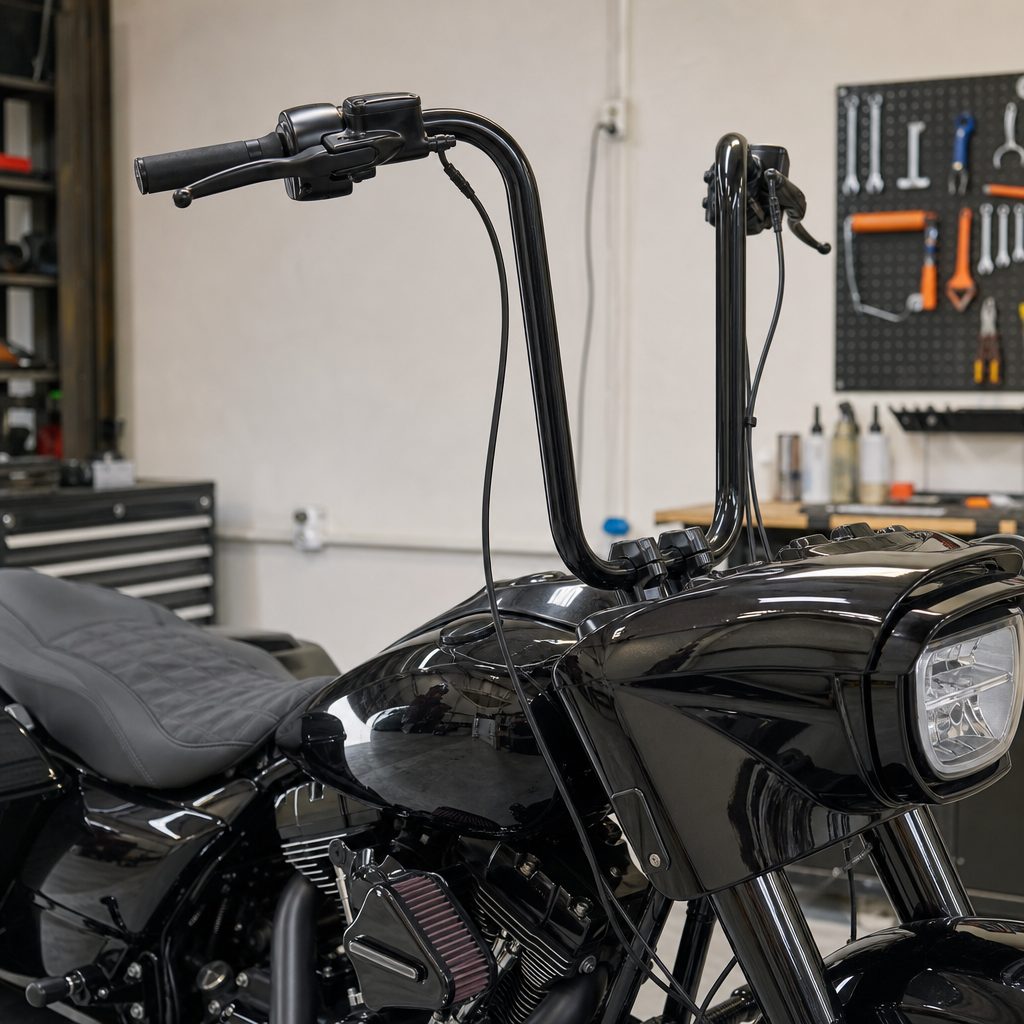
After the seat, handlebars and grips are the next major variables in trike comfort. The correct bar setup puts the hands at a natural width, keeps elbows softly bent, and aligns the wrists so the rider is not rolling the hands inward to reach the grips. On the CVO Street Glide 3, even a small reduction in reach or a better sweep angle can dramatically improve low-speed steering comfort. Riders who come from two-wheel touring bikes often underestimate this because the trike’s steering inputs are more physical, particularly during U-turns, parking maneuvers, and long days on roads with heavy camber.
Grip choice also matters more than many people expect. Larger-diameter or vibration-damping grips can reduce hand numbness, especially for riders wearing thinner gloves in warm weather. The tradeoff is that excessively large grips may strain riders with smaller hands or reduce throttle precision. Premium Harley-Davidson accessory grips and well-made aftermarket options from Kuryakyn or Avon often solve different problems: one may prioritize matching finish and tactile quality, another may focus on palm support or softer rubber compounds. For many CVO owners, the ideal solution is a grip that preserves clean Carbide styling while subtly enlarging contact area and improving traction in rain.
| Comfort goal | Primary accessory | What it fixes | Common tradeoff |
|---|---|---|---|
| Shorter reach | Reduced-reach seat and bars with more pullback | Shoulder tension, locked elbows, overreaching | Tighter knee angle |
| Long-distance back support | Touring seat with adjustable rider backrest | Lower-back fatigue, slouching | Less freedom of movement |
| Less hand numbness | Ergonomic grips and wrist-neutral bar angle | Pressure points, tingling fingers | May feel bulky for small hands |
| Better wind comfort | Taller or reshaped windshield | Chest pressure, helmet buffeting | Possible added visual bulk |
Floorboards, brake controls, and lower-body comfort
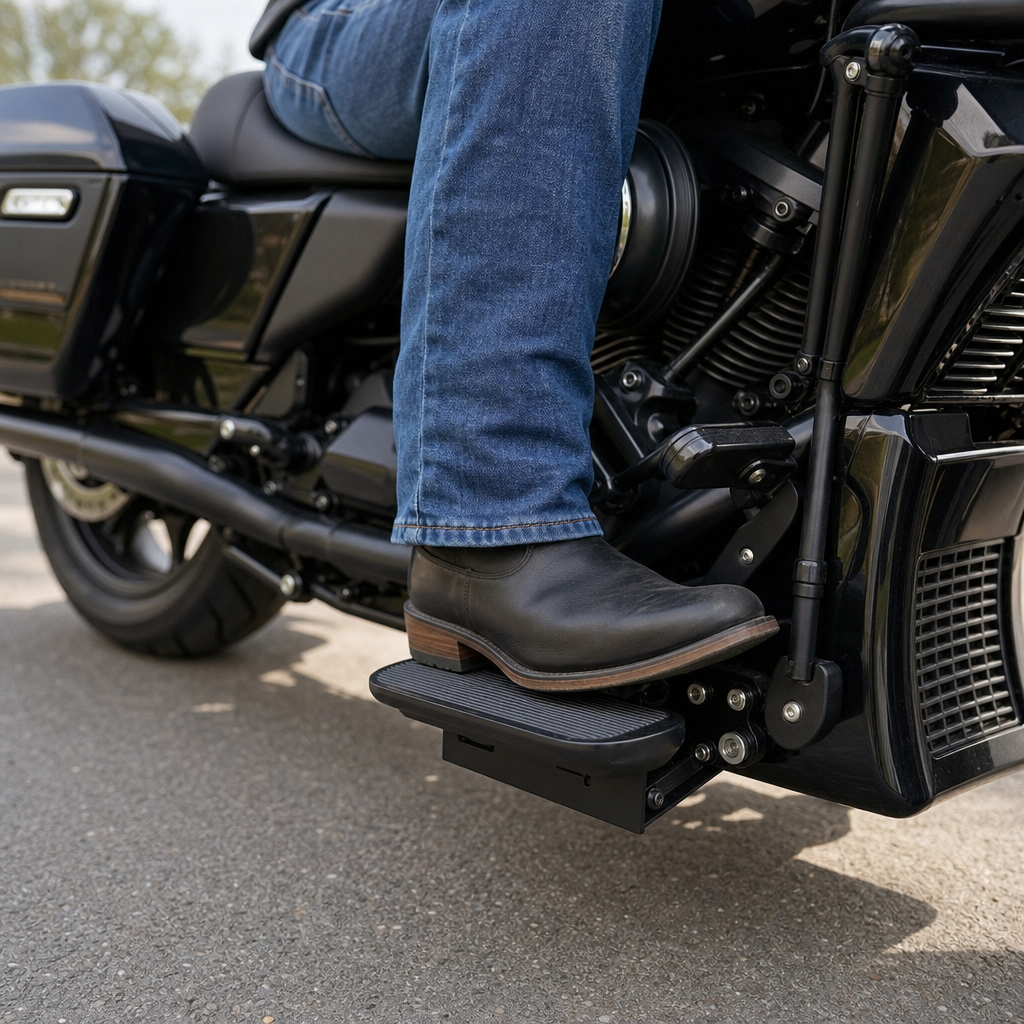
Lower-body comfort on the CVO Street Glide 3 starts with floorboard real estate and foot placement options. Because a trike allows frequent posture changes without the balancing demands of a two-wheeler at stops, the ability to shift foot position across the boards has real value over distance. Riders with hip stiffness or knee issues usually prefer broad boards with secure traction and a brake pedal pad that meets the foot naturally rather than requiring ankle overextension. Carbide-style board inserts and pedal pads can improve both function and appearance if they maintain grip in wet conditions.
For riders building a true comfort recipe, the question is not simply whether the boards look good. It is whether they allow neutral ankle alignment and easy transitions between cruising posture and active braking. On some setups, the seat moves the rider far enough forward or rearward that the stock brake pedal no longer feels ideally placed. A small change in pedal shape or pad thickness can make the rear brake easier to modulate and reduce fatigue in the shin and ankle. This is a subtle upgrade, but experienced touring riders notice it immediately on longer days.
Wind management, fairing airflow, and highway endurance
Wind management is where many premium touring builds are won or lost. The CVO Street Glide 3 already benefits from batwing-style fairing protection, but windshield height and profile still determine whether airflow hits the rider smoothly or creates helmet shake and shoulder strain. The correct windshield lets the rider look comfortably over the top edge while sending the main blast above the helmet or smoothing it around the shoulders. In practice, one-inch differences matter. So does torso length. Two riders of the same height can need different screens because inseam and seated posture vary.
When reviewing comfort accessories, I always separate “wind pressure” from “buffeting.” Wind pressure is the force on the chest and arms; buffeting is turbulent, irregular air striking the helmet and upper body. A taller windshield usually reduces pressure, but it does not automatically reduce buffeting. Shape, recurve design, venting, and rider position all matter. That is why riders often get better results from a carefully designed medium-height screen than from the tallest option available. Brands such as Klock Werks and Memphis Shades have built strong reputations by tuning contour rather than simply adding height. On a CVO Street Glide 3, that choice affects fatigue, noise, and cold-weather comfort more than almost any decorative accessory ever will.
Passenger comfort, luggage support, and touring practicality
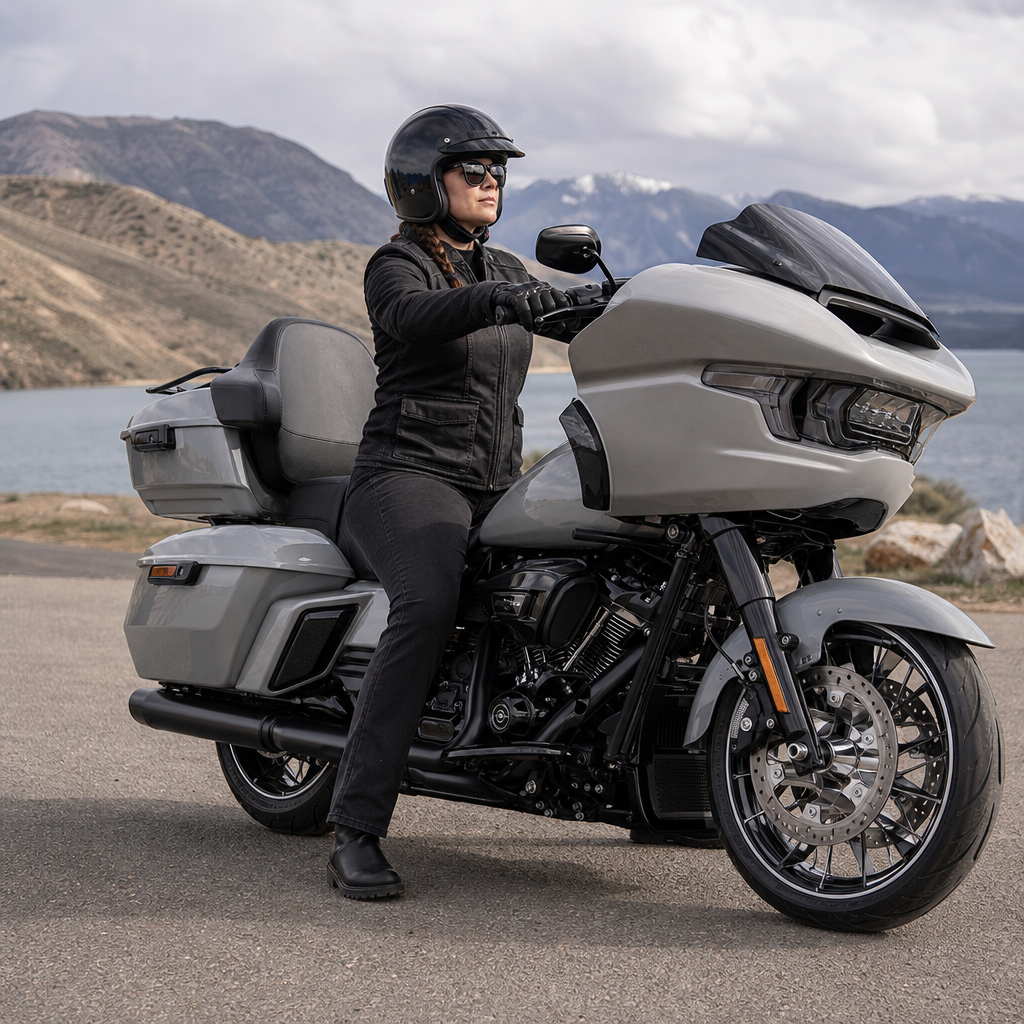
The CVO Street Glide 3 is a serious touring platform, so passenger comfort cannot be treated as secondary. Passenger complaints usually come from three areas: seat pressure, weak lower-back support, and wind exposure. A passenger backrest or trunk pad with the right contour can transform confidence and relaxation, especially on long interstate stretches. Armrests may seem excessive until a passenger spends several hours aboard; then they become a meaningful comfort and stability upgrade. The goal is not to turn the rear area into a recliner. It is to create secure support that reduces bracing and helps the passenger move with the machine naturally.
Luggage support also influences comfort more than riders expect. Poorly secured cargo shifts weight and can crowd the passenger or push the rider forward. Purpose-built organizers, trunk liners, and rack systems prevent that. For a model-specific comfort recipe, touring practicality means preserving easy access to essentials, keeping rain gear and hydration within reach, and avoiding stacked luggage that interferes with sightlines or body position. Harley-Davidson’s integrated luggage options usually score well on fit and finish, while premium touring brands often offer superior organization. The right answer depends on whether the owner prioritizes factory appearance, modular storage, or maximum capacity.
How to build the right comfort recipe for your riding style
The best comfort recipe starts with an honest diagnosis. Identify the first body part that becomes uncomfortable, when it happens, and under what conditions. If the pain begins in the lower back after forty-five minutes, start with the seat and lumbar support. If hands go numb in city riding, evaluate grip diameter, bar angle, and glove thickness before buying unrelated parts. If fatigue appears only at highway speed, focus on wind management. This step-by-step method prevents the common mistake of installing multiple expensive accessories at once and then not knowing which change helped or hurt.
For most CVO Street Glide 3 owners, the best sequence is seat first, then bars and grips, then windshield, then lower-body controls, then passenger and luggage upgrades. Test one major change at a time over at least two ride types: local mixed-speed roads and a sustained highway run. Keep notes. This is how professional fitment work should be approached, and it consistently saves money. If you are building a Carbide Collection package, decide early which visible components need finish consistency, then prioritize the comfort parts that also support that visual goal. The result is a motorcycle that feels tailored rather than accessorized.
The key takeaway from this Carbide Collection accessory review is simple: limited comfort on the CVO Street Glide 3 is achieved through coordinated ergonomics, not random parts. A premium seat, properly positioned bars, supportive grips, stable lower-body controls, effective wind management, and passenger-ready touring accessories all contribute to the final experience. The model’s trike dynamics make rider fit especially important, and the best upgrades are the ones that solve a specific fatigue point while preserving the integrated custom look expected from a CVO Harley-Davidson.
As the hub for model-specific ergonomics and performance recipes, this guide should help you evaluate every related upgrade with more precision. Use it to narrow your next seat choice, compare windshield profiles, plan a shorter-reach or long-distance touring setup, and identify which Carbide-styled components genuinely improve comfort. Start with the part of the motorcycle your body feels most, make one informed change at a time, and build a CVO Street Glide 3 that looks cohesive, rides longer, and fits you exactly.
Frequently Asked Questions
Why is comfort on the CVO Street Glide 3 Limited best approached as a complete system instead of a list of separate accessories?
The CVO Street Glide 3 Limited responds differently to comfort upgrades than a two-wheeled touring bike because its chassis layout, steering effort, rider posture, and luggage-carrying role create a very specific ergonomic environment. On this three-wheeled platform, comfort is shaped by the interaction between seat support, bar reach, foot positioning, wind protection, and cargo balance. If one part is changed without considering the others, the result can be underwhelming or even counterproductive. For example, a new seat may improve pressure distribution, but if the rider still has to reach too far for the bars or brace against excessive wind at highway speed, the overall experience will not feel significantly better.
That is why the Carbide Collection approach makes sense in this review context. It is not about adding premium parts for appearance alone. It is about creating a coordinated riding position that reduces fatigue over long distances while preserving confident control of a large, fully dressed trike. Limited Comfort upgrades should be evaluated by how they work together: a seat can change hip angle, which changes arm reach; a windshield can reduce torso strain, which affects how much pressure the rider places on the lower back; a luggage or backrest addition can improve touring practicality, but it also changes how weight is organized and how relaxed the rider can remain over a full day on the road. On the CVO Street Glide 3 Limited, the best results come from treating ergonomics, airflow, control access, and carrying capacity as one integrated package.
Which comfort-focused Carbide Collection upgrades make the biggest difference for rider ergonomics on the CVO Street Glide 3 Limited?
The biggest ergonomic improvements usually come from the components that directly affect the rider’s three main contact points: the seat, the handlebars and controls, and the floorboard or foot position. On the CVO Street Glide 3 Limited, the seat is especially important because riders often spend long hours in the saddle, and the trike format encourages extended touring rather than short, aggressive riding sessions. A well-designed comfort seat can improve pelvic support, reduce hot spots, and better manage body weight over distance. It can also subtly alter seating height and fore-aft position, which influences confidence at stops and the natural reach to the bars.
Handlebar and control changes are equally important because trike steering input is different from countersteering a traditional motorcycle. Riders need leverage, but they also need a relaxed shoulder and wrist position. If the bars are too far away, too high, or rotated incorrectly, the rider will feel it in the neck, shoulders, and lower back very quickly. Comfort-oriented control revisions can improve steering confidence in traffic, during low-speed maneuvering, and across long highway miles. Floorboards and related foot-position changes matter because they affect knee bend, hip rotation, and lower-body support. On a heavyweight touring trike, that support is part of how a rider stabilizes the body without excessive upper-body tension. When these upgrades are chosen together, the CVO Street Glide 3 Limited feels less like a machine the rider must manage and more like one that naturally fits the rider’s body and touring style.
How does wind management affect comfort and performance on the CVO Street Glide 3 Limited?
Wind management is one of the most overlooked comfort categories, but on the CVO Street Glide 3 Limited it has a major effect on both fatigue and control. Because this model is designed for real touring mileage, sustained wind exposure matters far more than it might on short rides around town. Poor airflow can create helmet buffeting, shoulder strain, chest pressure, and rider fatigue that builds hour after hour. Even if a seat and handlebar setup are excellent, unmanaged wind can force the rider into a tense posture, making those other upgrades feel less effective than they actually are.
A well-matched windshield or wind-deflection solution helps create cleaner airflow around the rider and passenger area. The goal is not simply to block wind entirely, but to shape it so that pressure is reduced without creating turbulent air at head level. On a touring trike, this can improve highway comfort, reduce the need to grip the bars tightly, and make communication, audio clarity, and general concentration better over long distances. Wind management also contributes to perceived performance. When the rider is not fighting airflow, steering inputs feel calmer, body tension decreases, and the machine feels more composed at speed. In a Carbide Collection review focused on Limited Comfort, wind protection should be considered a core part of the comfort recipe, not an optional finishing touch.
Do load-carrying and storage upgrades really influence comfort on a touring trike like the CVO Street Glide 3 Limited?
Yes, absolutely. On a serious touring platform, storage and load-carrying upgrades are directly tied to comfort because they affect organization, weight placement, passenger convenience, and how much physical stress the rider carries throughout a trip. The CVO Street Glide 3 Limited is built for travel, which means riders are often carrying extra gear, personal items, weather layers, electronics, and trip essentials. If luggage capacity is poorly organized or overloaded in the wrong places, it can make the whole touring experience more tiring, even if it does not immediately appear to be an ergonomics problem.
Better storage solutions reduce the need to overpack certain compartments, shift items around constantly, or ride with awkwardly placed cargo that interferes with access or passenger comfort. They also support smarter trip planning by giving the rider a practical way to separate frequently used items from heavier or less-needed gear. On a trike, this matters because comfort is not only about the body’s contact with the machine; it is also about how easily the machine supports the touring mission. A well-thought-out load setup can make mounting and dismounting easier, improve passenger confidence, reduce frustration during fuel or rest stops, and help the rider maintain a more relaxed mental state over a long day. In other words, storage upgrades are not separate from comfort on the CVO Street Glide 3 Limited; they are part of what makes the bike feel truly tour-ready.
How should riders decide whether a Carbide Collection comfort upgrade is worth it for their specific CVO Street Glide 3 Limited setup?
The best way to evaluate a comfort upgrade is to start with the rider’s real-world use case rather than the catalog description. Riders should ask where discomfort appears first and under what conditions. Is the issue lower-back fatigue after an hour, shoulder tension in traffic, helmet buffeting on the interstate, cramped leg position, or difficulty carrying gear for multi-day rides? On the CVO Street Glide 3 Limited, these symptoms are often connected, so the right upgrade may not be the most obvious one. A rider who thinks they need a new seat may actually be compensating for poor wind management or incorrect bar reach. Likewise, a rider focused on storage may really need a better organization and weight-management solution rather than simply more capacity.
It also helps to think in terms of outcomes instead of parts. The question is not just whether a component looks premium or carries the Carbide Collection branding; it is whether it improves the total riding experience on this model-specific platform. A worthwhile upgrade should reduce fatigue, improve control confidence, support the touring mission, and feel appropriate to the CVO Street Glide 3 Limited’s size, geometry, and long-distance purpose. The most successful builds usually come from riders who prioritize compatibility and balance over chasing isolated features. When a comfort part solves a real ergonomic problem and works in harmony with the rest of the setup, that is when it delivers true value. On this trike, comfort is measurable not by marketing claims, but by how much easier and more enjoyable the miles become.