The 2027 CVO Road Glide ST carbon fiber fender recipe is not just a parts list; it is a model-specific approach to reducing weight without upsetting the balance, ergonomics, or high-speed stability that define Harley-Davidson’s most performance-oriented bagger. In this context, a “recipe” means a tested combination of materials, fasteners, fitment checks, torque values, and rider setup decisions that work together on one exact platform. On a CVO Road Glide ST, that specificity matters because small changes at the front wheel affect steering effort, fork response, brake feel, fender clearance, and even rider confidence in crosswinds. Riders searching for 2027 weight savings usually want a simple answer: does a carbon fiber fender make a measurable difference? Yes, but only when it is matched to the bike’s suspension travel, wheel and tire dimensions, brake cooling needs, and the rider’s intended use, whether canyon miles, long highway days, or track-style coaching events.
I have worked through enough Harley front-end builds to know that the lightest option is not automatically the best one. A front fender sits in a sensitive location: high enough to influence the bike’s pitch response, close enough to the wheel to demand exact alignment, and visible enough that finish quality matters. On the CVO Road Glide ST, riders also expect factory-level fit and paint-adjacent finish, not race-bike compromises. That is why this hub article treats the carbon fiber fender as part of a broader ergonomics and performance system. Weight savings matter because reducing unsprung and forward-biased mass can improve front suspension compliance, steering precision, and brake control. Ergonomics matter because a bike that turns quicker may also ask for changes in bar reach, seat support, lever angle, and rider loading technique. Performance recipes only work when every change supports the bike’s real-world behavior.
This page serves as the central guide for model-specific ergonomics and performance recipes under the Harley-Davidson topic, using the 2027 CVO Road Glide ST carbon fiber fender upgrade as the anchor example. It covers what to buy, what to measure, what to expect, and where riders usually make expensive mistakes. It also points naturally toward related subtopics such as suspension tuning, wheel and tire selection, brake rotor clearance, rider triangle optimization, and touring stability setup. If you want one practical takeaway before diving deeper, it is this: the best weight-saving fender recipe preserves OE-like clearances, trims meaningful mass from the nose of the bike, and is installed as part of a repeatable setup process rather than as a cosmetic add-on.
Why the front fender matters on the CVO Road Glide ST
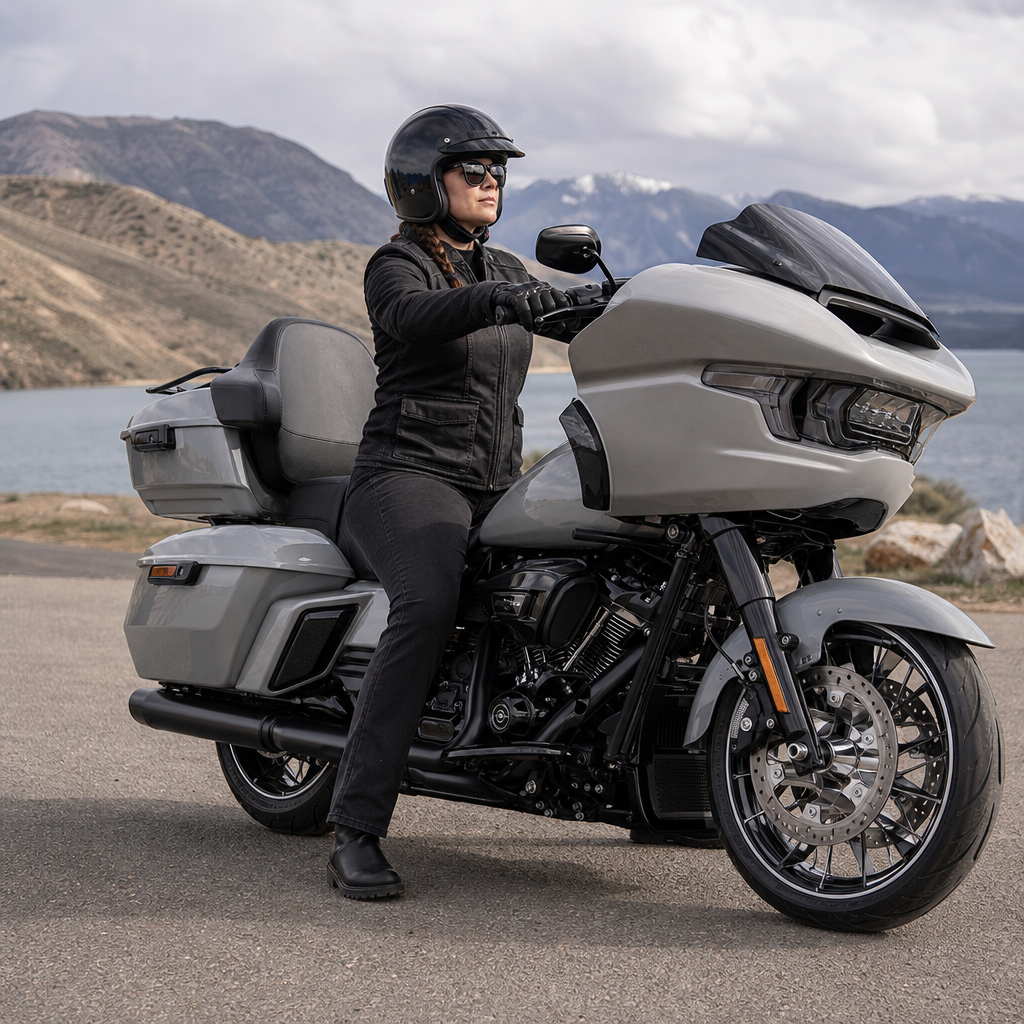
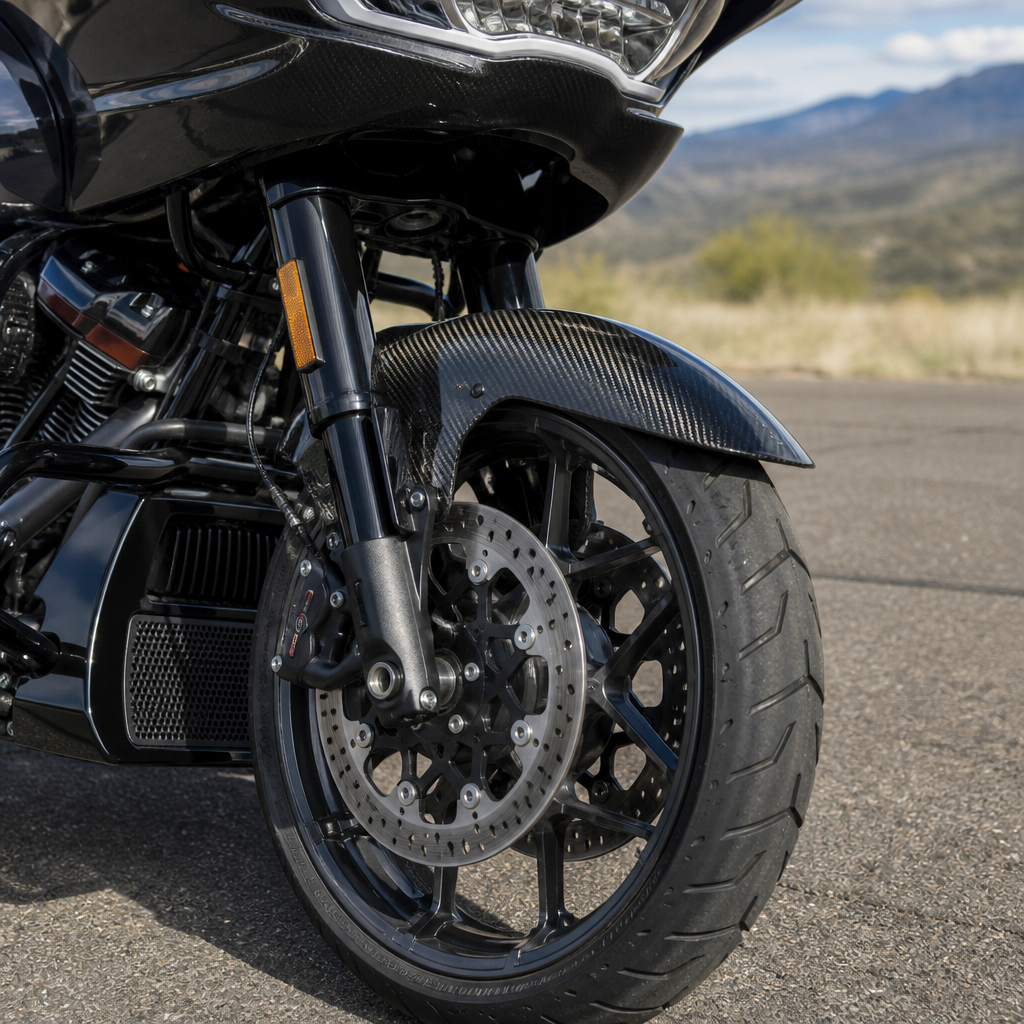
The front fender on a performance bagger does more than block road spray. It contributes to airflow around the tire, protects radiators or oil coolers from debris, supports the visual line of the front end, and adds mass directly to an area riders can feel through the bars. On the CVO Road Glide ST, that feedback is amplified because the chassis encourages aggressive corner entry and harder braking than a traditional touring Harley. Replace a steel or heavy composite fender with a well-made carbon fiber unit and the most noticeable change is often not dramatic acceleration but cleaner steering response over broken pavement. Less mass near the front wheel helps the fork react faster to sharp-edged bumps, which can improve tire contact and reduce the slight delayed feeling some riders report on rough sweepers.
Most front fender swaps save less weight than internet claims suggest, so realistic expectations are essential. Depending on construction, mounting hardware, and finish, a carbon fiber front fender may save roughly 1.5 to 3.5 pounds compared with a stock assembly. That sounds modest until you consider location. Weight removed from the front end, especially around unsprung or semi-unsprung components, tends to deliver a sharper perceived gain than the same number on a saddlebag guard or luggage rack. The effect is similar to why riders notice lighter brake rotors or forged wheels quickly. The CVO Road Glide ST responds best when that savings is part of a coordinated front-end package that includes suspension settings and rider control setup.
The core 2027 weight-savings recipe
A strong recipe starts with exact compatibility. Before ordering a carbon fiber fender, verify wheel diameter, tire section width, fork leg spacing, lower fork slider shape, brake line routing, and full-compression clearance. Harley-Davidson touring fitment can look interchangeable across years while hiding small bracket or spacing differences that create rubbing under compression. The safest route is to choose a fender specifically advertised for the 2027 CVO Road Glide ST, or for the exact touring platform and wheel specification confirmed by the manufacturer. Reputable suppliers usually provide resin system details, weave pattern, UV-stable clear coat information, and whether the part is vacuum infused, hand laid, or prepreg cured in an autoclave. In practice, higher-end prepreg or well-controlled vacuum-infused pieces deliver more consistent thickness and cleaner mounting surfaces.
The complete recipe also includes hardware and process. Use corrosion-resistant fasteners of the correct length, nylon or bonded washers where recommended, and medium-strength threadlocker only if the manufacturer specifies it. Carbon fiber can be strong in tension and stiffness yet vulnerable to crushing from overtightened point loads. I treat every mounting hole as a stress concentration zone. That means checking edge finish, using proper washer spread, and tightening with an inch-pound torque wrench when the supplier gives a number. After installation, compress the fork fully with tie-downs or a controlled shop method to verify tire-to-fender clearance at the closest point, including any tread growth considerations at speed. Then check brake line movement lock to lock, because a beautifully fitted fender can still create a hidden interference point during full steering sweep.
| Recipe Element | Best Practice | Why It Matters |
|---|---|---|
| Fender material | Prepreg or vacuum-infused carbon fiber with UV clear coat | Better consistency, lower risk of waviness, longer finish life |
| Fitment confirmation | Match exact 2027 CVO Road Glide ST wheel, tire, and fork specs | Prevents rubbing, misalignment, and brake line interference |
| Hardware | Correct-length stainless fasteners with load-spreading washers | Reduces crushing and cracking around mounting holes |
| Torque procedure | Use supplier values and tighten incrementally in sequence | Keeps stress even across the panel |
| Clearance check | Verify lock-to-lock steering and full fork compression | Confirms safe real-world operation |
| Related setup | Recheck sag, rebound, lever angle, and bar input feel | Converts weight savings into usable control improvements |
Carbon fiber construction, durability, and finish quality
Not all carbon fiber parts are equal, and CVO owners usually care as much about finish as weight. A quality fender should have uniform weave alignment, no dry spots, no print-through around tight curves, and a clear coat with enough UV resistance to survive outdoor exposure. The most common failure points on low-cost fenders are cracking near bolt holes, edge chipping from road debris, and yellowing or haze in the clear coat. Those issues are often caused by poor resin control, thin laminate around mounting tabs, or inadequate post-cure. For a road bike that sees miles rather than shows, durability matters more than the last few ounces. A slightly heavier carbon fiber part with stronger local reinforcement at the mounts is usually the smarter buy.
There is also a tradeoff between stiffness and vibration behavior. Carbon fiber is excellent at holding shape, but if a fender is made too thin in pursuit of headline weight savings, it can flutter, resonate, or contact nearby components under real fork movement. I look for manufacturers that state where reinforcements are added, especially near mounting bosses and bridge sections. Good makers often combine cosmetic outer plies with structural inner layups tuned for the part’s shape. Ask whether the hardware seats on bonded inserts, built-up laminate pads, or plain drilled laminate. Inserts and reinforced pads generally hold torque better over time. For riders who want painted carbon or color-matched accents, surface prep is equally important; clear-coated weave that looks flawless on day one may reveal sanding distortion later if the substrate was uneven from the start.
Ergonomics: why a lighter nose changes rider feel
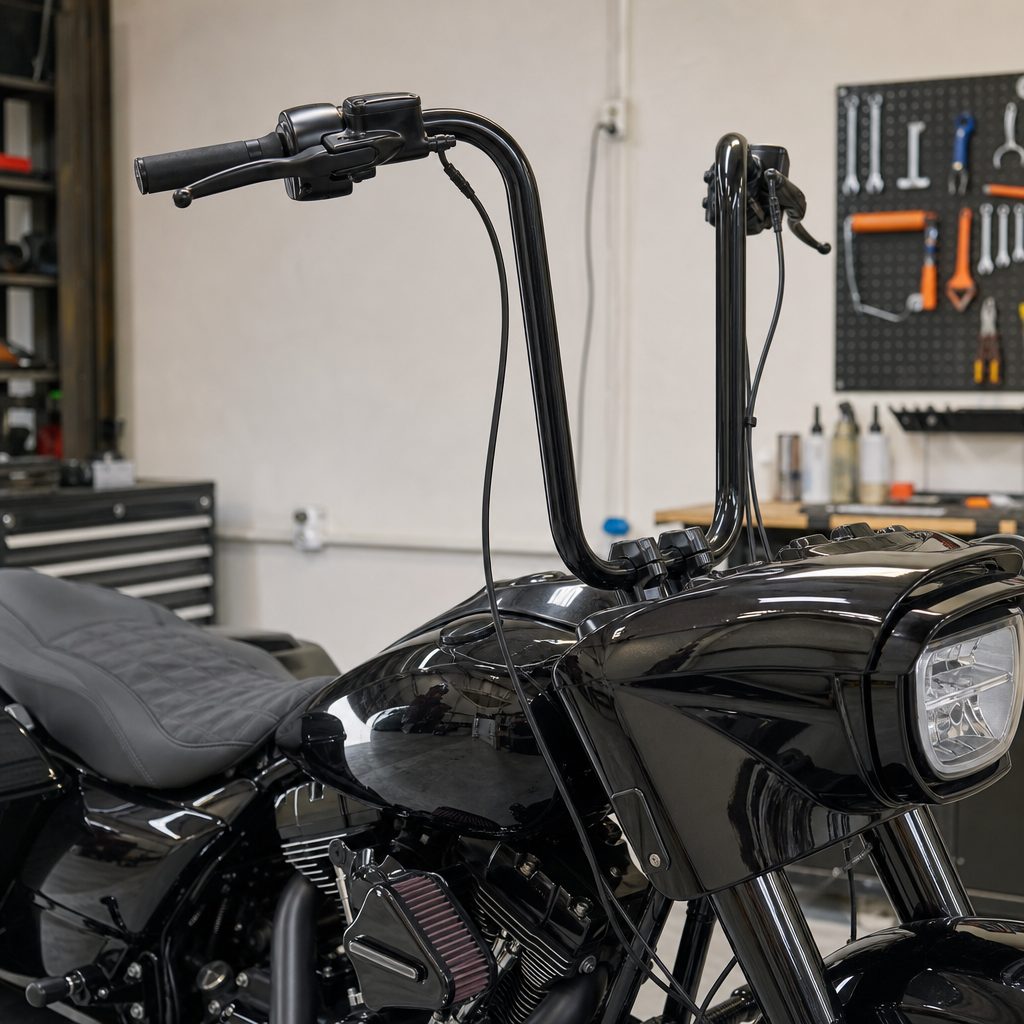
Model-specific ergonomics and performance recipes matter because motorcycles are rider-machine systems, not isolated parts. A lighter front fender changes how the CVO Road Glide ST initiates turns and responds to midcorner corrections, which means the rider may unconsciously adjust grip pressure, elbow bend, and body position. On this bike, many riders pair front-end weight reduction with small ergonomic refinements: rotating the bars slightly rearward for a more neutral wrist angle, setting brake lever reach to reduce overextension during hard stops, and confirming seat support that keeps the pelvis stable under braking. Those changes sound minor, but they help the rider use the sharper front-end response instead of fighting it.
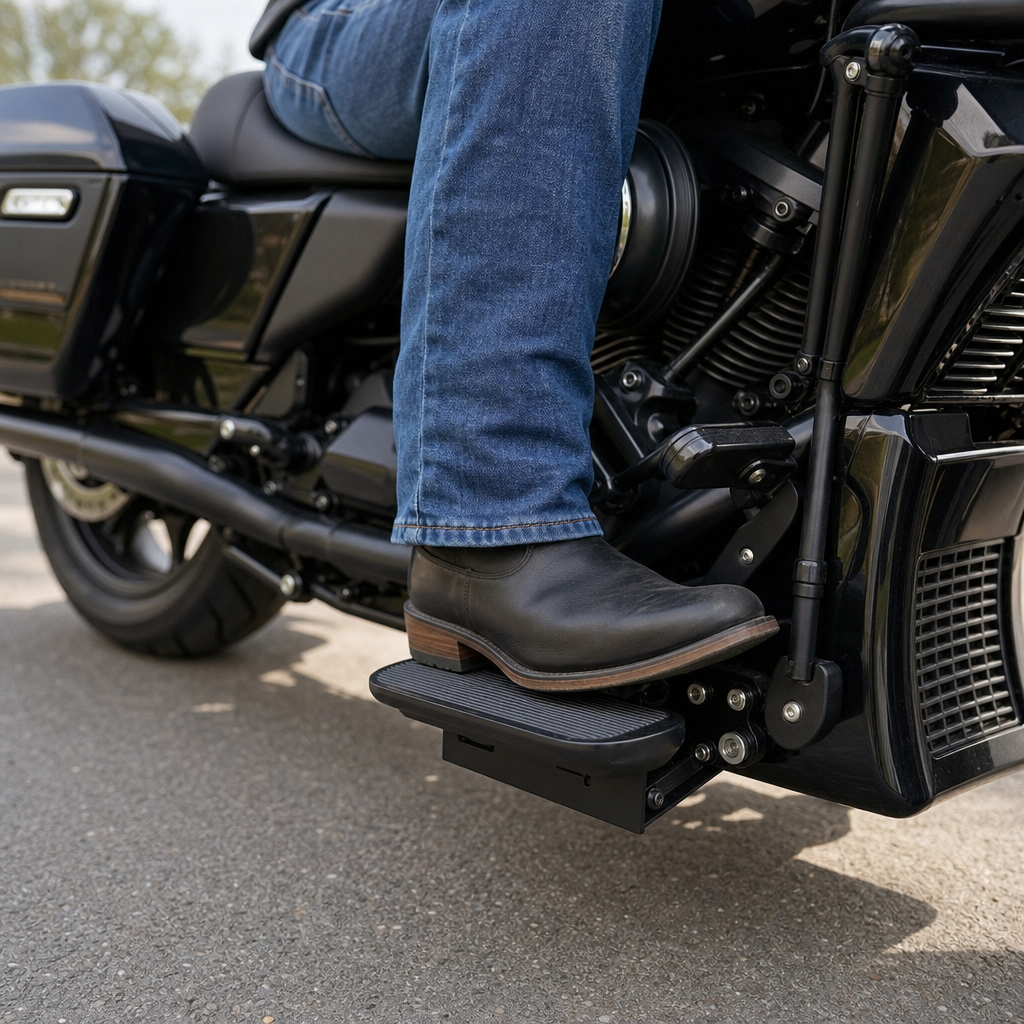
In plain terms, if the bike steers a little easier after the fender swap, death-gripping the bars becomes more obvious and more harmful. I often advise riders to reassess the entire rider triangle after any front-end weight change. Check whether your shoulders stay relaxed at highway speed, whether you can load the pegs evenly in sweepers, and whether your hands are pushing rather than guiding the bars. For taller riders, a quicker front feel may highlight the need for bar risers or a seat that opens hip angle without moving weight too far rearward. For shorter riders, better lever reach and boot placement can unlock control gains that the hardware alone cannot provide. This is exactly why a hub page on Harley-Davidson recipes should connect component changes to rider fit, not treat them as separate topics.
Supporting modifications that make the recipe work
A carbon fiber fender delivers the best results when matched with supporting changes. The first is suspension calibration. After reducing front-end mass, revisit rider sag and damping, especially rebound. A fork that was marginally overdamped before may feel harsher once the lighter assembly responds more quickly to road input. If the CVO Road Glide ST uses adjustable components, make one change at a time and document clicks or turns from baseline. Second, inspect tire profile and pressure. A lighter, sharper front end can expose worn cupping or pressure habits that previously felt acceptable. Third, confirm brake system condition. Pad taper, rotor runout, or soft lever feel can mask the precision you are trying to gain from the weight-saving recipe.
Other worthwhile pairings include forged wheels, lightweight rotors from respected brands, and careful brake line routing when changing front-end components. However, restraint matters. Stacking too many changes at once makes troubleshooting difficult and can create a bike that feels nervous on long interstate runs. Touring Harleys still need composure in crosswinds, under luggage load, and on imperfect pavement. The best recipe for most riders is incremental: install the fender, verify clearances, test ride, adjust suspension, then decide whether additional front-end or ergonomic modifications are justified. This sequence protects ride quality and budget while building a setup you can actually evaluate. It also creates useful internal pathways to related subtopic articles on suspension tuning, brake upgrades, wheel selection, and rider fit for the Road Glide family.
Common mistakes, realistic gains, and how to evaluate results
The biggest mistake is buying by appearance alone. A glossy weave and low listed weight do not guarantee proper geometry, hole placement, or structural quality. The second mistake is assuming any weight removed from the front will transform the bike. On a large-displacement bagger, the fender is one contributor, not a miracle cure. Expect subtler but worthwhile gains: slightly lighter steering effort, cleaner fork reaction over sharp bumps, easier transitions, and a more refined feel during hard braking. Riders who combine the fender with precise setup work usually report the biggest benefit in confidence rather than in stopwatch numbers. Confidence is not vague; it shows up as smoother line choice, less bar correction, and less fatigue over a long ride.
Evaluate the change methodically. Weigh the stock and replacement assemblies with all hardware on the same scale. Note tire pressures, suspension settings, and route conditions before the first test ride. Use the same roads if possible: one highway section, one rough secondary road, and one set of repeatable corners. Pay attention to initial turn-in, midcorner stability, brake dive feel, and whether the bike tracks more cleanly over patched pavement. After 100 to 200 miles, retorque according to the manufacturer’s guidance and inspect the mounting holes and finish for stress marks. If the bike feels twitchier, do not blame the carbon part first; check sag, tire wear, windshield buffeting effects on rider input, and luggage loading. The best performance recipe is always verified by controlled observation, not by expectation.
The 2027 CVO Road Glide ST carbon fiber fender recipe works because it treats weight savings as part of a complete Harley-Davidson setup strategy. The front fender is a small component with outsized influence on steering feel, fork response, and rider perception, especially on a performance-focused bagger. The right part saves meaningful mass in a sensitive location, but the real gain comes from disciplined fitment checks, careful torque practice, full-clearance verification, and follow-up suspension and ergonomic adjustments. That is the difference between a cosmetic modification and a true model-specific performance recipe.
As the hub for Model-Specific Ergonomics and Performance Recipes, this page should guide your next steps clearly. Start with the fundamentals: confirm exact fitment for the 2027 CVO Road Glide ST, choose a carbon fiber fender with proven construction quality, install it with proper hardware and measured torque, then reassess sag, controls, and rider position. From there, continue into related Harley-Davidson subtopics such as Road Glide ST suspension tuning, bar and seat ergonomics, wheel and tire matching, and brake setup optimization. Build the bike one verified improvement at a time, and you will get the weight savings you want without sacrificing the stability and confidence that make the CVO Road Glide ST worth refining.
Frequently Asked Questions
What does “carbon fiber fender recipe” actually mean on a 2027 CVO Road Glide ST?
On a 2027 CVO Road Glide ST, a carbon fiber fender recipe is much more than choosing a lighter front or rear fender and bolting it on. It refers to a complete, model-specific combination of parts, hardware, fitment checks, installation procedures, torque settings, and rider setup choices that have been tested to work together on this exact platform. That matters because the CVO Road Glide ST is a high-performance bagger with very specific geometry, braking loads, suspension behavior, steering feel, and aerodynamic characteristics. Even a small change in weight distribution or fender fitment can influence fork response, tire clearance, brake line routing, or stability at speed.
A proper recipe typically includes the carbon fiber fender itself, the correct mounting points and spacers, compatible fasteners, thread treatment where needed, verified clearances under compression, and inspection steps for fork travel and wheel alignment. It also considers whether the bike is running stock suspension, a lowered setup, oversized rotors, custom wheels, or different tire profiles. In other words, the recipe is the system, not just the component. The goal is to reduce weight while preserving the planted, confidence-inspiring feel that makes the CVO Road Glide ST special in the first place.
How much weight can a carbon fiber fender realistically save, and does it make a noticeable difference?
The raw number depends on which fender is being replaced, the construction of the original part, and whether the replacement uses true structural carbon fiber or simply a cosmetic carbon overlay. In realistic terms, a quality carbon fiber fender can save a modest but meaningful amount of weight compared with a stock steel or heavier composite unit. That may not sound dramatic on a large touring motorcycle, but location matters just as much as total pounds. Weight removed from the front end, especially around unsprung or near-unsprung areas, can have a more noticeable effect than the same amount removed from a less sensitive part of the bike.
On a performance-focused machine like the CVO Road Glide ST, riders may notice slightly quicker steering response, a lighter feel during transitions, and improved fork compliance over sharp inputs when the overall setup is done correctly. The gains are usually subtle rather than transformative, but they are real when combined with a broader weight-savings strategy. That is why the term recipe is so useful here. A carbon fiber fender by itself is one ingredient. When paired with proper hardware, careful fitment, correct torque, and a suspension setup that matches the rider’s weight and riding style, the result is more cohesive and more noticeable than the fender alone would suggest.
Why is model-specific fitment so important for the CVO Road Glide ST instead of using a generic carbon fiber fender?
Model-specific fitment is critical because the CVO Road Glide ST is engineered around tight tolerances and a very particular relationship between the fork legs, front wheel, tire profile, brake components, and fender mounting points. A generic or loosely compatible carbon fiber fender may line up poorly, sit too close to the tire, interfere with brake lines, or create uneven stress at the mounting tabs. Carbon fiber is strong when designed and loaded properly, but it does not respond well to being forced into position to compensate for a bad mold or inconsistent bracket spacing.
Fitment also affects stability and durability. If the fender does not track evenly over the tire or if one side carries more mounting load than the other, vibration and repeated fork movement can lead to cracks, fastener loosening, or contact under hard braking and full suspension compression. On a premium performance bagger, that is not a cosmetic issue. It is a safety and reliability issue. A true 2027 CVO Road Glide ST recipe accounts for the exact fork spacing, tire size, wheel and rotor package, and expected suspension travel. It is designed to deliver weight savings without compromising the balance, ergonomics, or high-speed composure riders expect from this platform.
What installation checks matter most when adding a carbon fiber fender to preserve handling and reliability?
The most important checks start before the fender is fully tightened. First, verify that the mounting surfaces are clean, flat, and free of burrs or coating buildup that could preload the carbon part. Next, test-fit the fender with all hardware loosely installed to confirm symmetrical spacing around the tire and equal alignment at the fork mounts. You want to make sure the fender is not being twisted into place. A quality installation also includes checking brake line clearance, crossover routing if applicable, and full fork travel clearance with the suspension compressed enough to simulate real-world movement.
Torque discipline is equally important. Over-tightening can crush or stress carbon fiber mounting areas, while under-tightening can allow movement that leads to wear or cracking over time. Use the correct fasteners, washers, and spacers specified for the application, and follow proven torque values for the exact mounting points involved. Threadlocker should only be used where recommended, in the appropriate type and amount. After installation, spin the wheel, compress the suspension, inspect side-to-side spacing, and recheck all clearances. Then perform a short test ride and retorque after the initial heat cycle and vibration exposure. That methodical process is what separates a reliable weight-saving upgrade from an expensive fitment mistake.
Can a carbon fiber fender reduce weight without hurting comfort, ergonomics, or high-speed stability on a CVO Road Glide ST?
Yes, but only when the upgrade is approached as part of a balanced system rather than a style-driven swap. The CVO Road Glide ST has a distinct personality: aggressive for a bagger, but still expected to be composed on the highway, comfortable over distance, and predictable at speed. A properly selected and installed carbon fiber fender does not inherently damage those traits. In fact, when the weight reduction is modest, well-placed, and supported by correct fitment, it can complement the bike’s performance focus without changing its touring competence.
The key is avoiding unintended side effects. If the new fender changes clearance, vibrates excessively, alters airflow around the front end in a negative way, or pushes the rider into making poor suspension compromises, then the result can feel worse despite being lighter. That is why a real recipe includes rider setup decisions such as preload, damping review, tire pressure confirmation, and compatibility with any existing performance modifications. On this platform, the best outcome is not simply the lightest possible part. It is the lightest proven configuration that maintains stability, keeps ergonomics and ride quality intact, and supports the bike’s intended use at everything from city speeds to sustained highway pace.