The Harley-Davidson Pan America 1250 rewards riders who treat setup like a recipe, not a random list of parts. A handguard upgrade looks simple, yet on this motorcycle it touches rider ergonomics, wind management, lever protection, steering feel, and crash survivability. When riders search for a Pan America 1250 handguard recipe for 2026 off-road use, they usually want one clear answer: which parts improve control without creating new problems. The short answer is this: choose a rigid aluminum backbone guard matched to the Pan America’s bar shape, cable routing, and TFT clearance, then pair it with lever positioning, grip choice, and impact-tested mounting hardware.
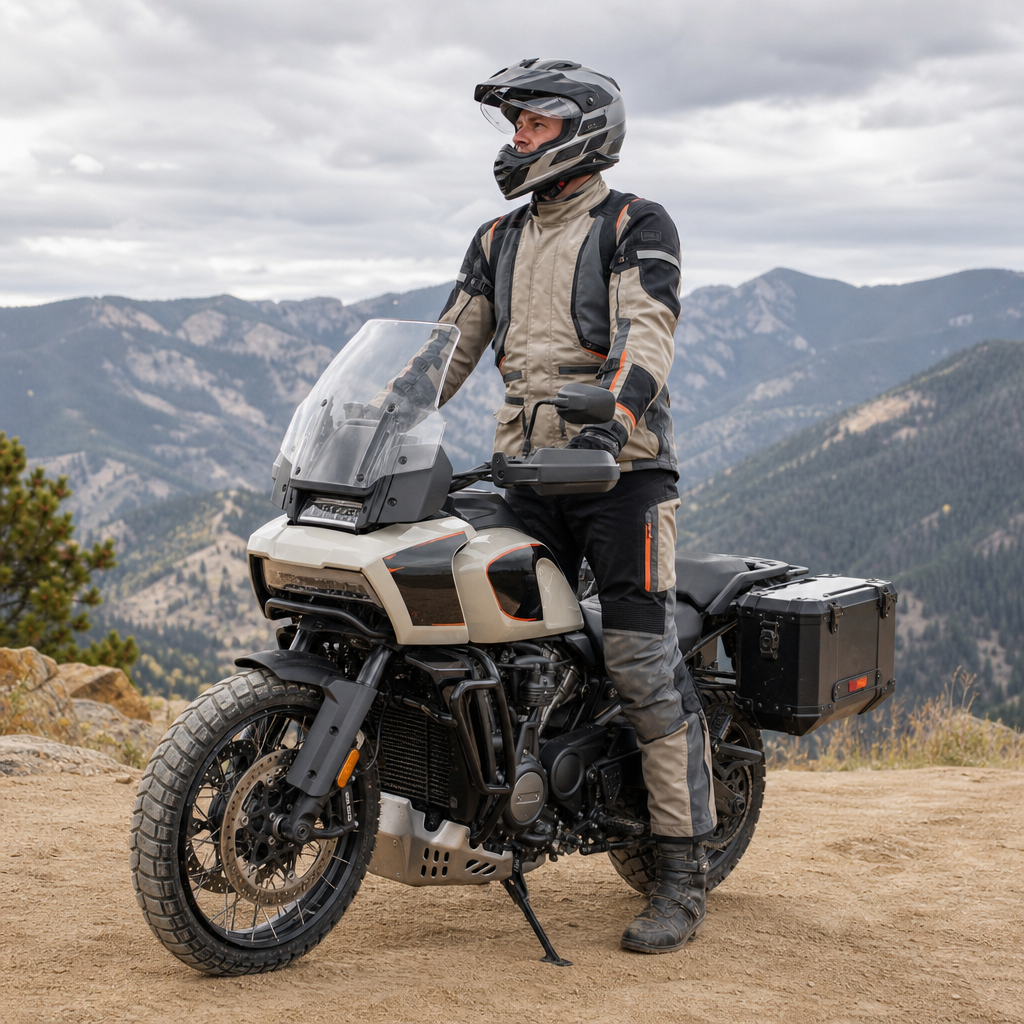
This matters because the Pan America 1250 and Pan America 1250 Special are heavy adventure motorcycles with real off-pavement capability. Wet weight sits around the mid-500-pound range depending on trim and accessories, so even a low-speed tip-over can snap a clutch lever, rotate a perch, or crush your hand between brush and bars. Handguards are not decorative on a bike like this. They are part of the control system. In my own workshop, the best results have always come from treating them as the first layer in a broader ergonomics and performance recipe: handguards, controls, standing posture, tire choice, skid protection, and luggage clearance all need to work together.
For this Harley-Davidson sub-pillar hub on model-specific ergonomics and performance recipes, the handguard is the gateway mod because it reveals how the Pan America responds to thoughtful setup. Bar-mounted protection affects comfort on cold highway miles, confidence in rocky climbs, and repair costs after a drop. It also influences how future upgrades fit, especially taller risers, heated grips, and steering dampers. If you want a 2026-ready off-road setup, start here and build outward with a plan rather than buying parts one by one.
What a Pan America 1250 handguard recipe includes
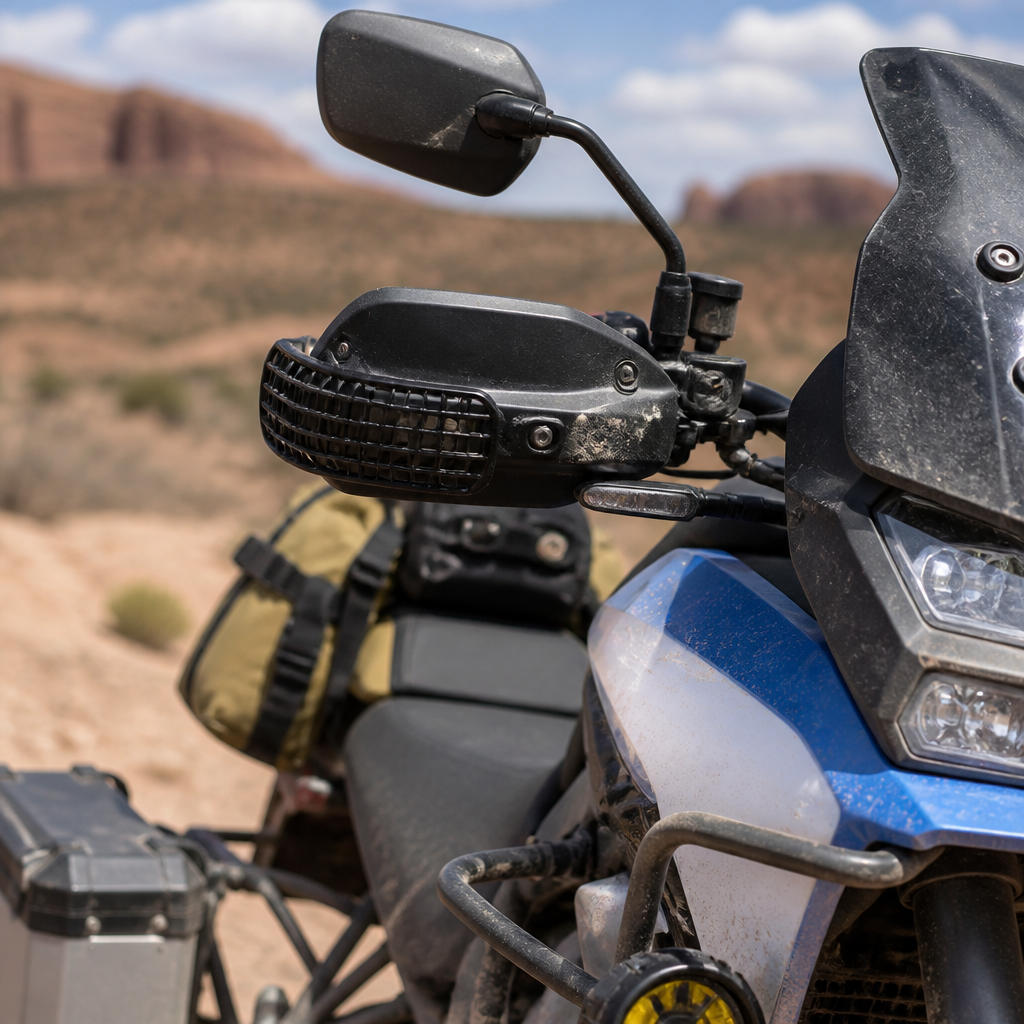
A proper Pan America 1250 handguard recipe includes five elements: the guard itself, the mounting architecture, lever and perch alignment, cable and hose management, and compatibility with other cockpit accessories. The guard should use a full-wrap aluminum backbone for off-road riding. Plastic deflectors alone block wind and roost, but they do not reliably protect levers in a crash. On a large ADV bike, that distinction matters immediately. I have seen bikes finish multi-day rides because a wraparound backbone took the hit instead of the brake master cylinder.
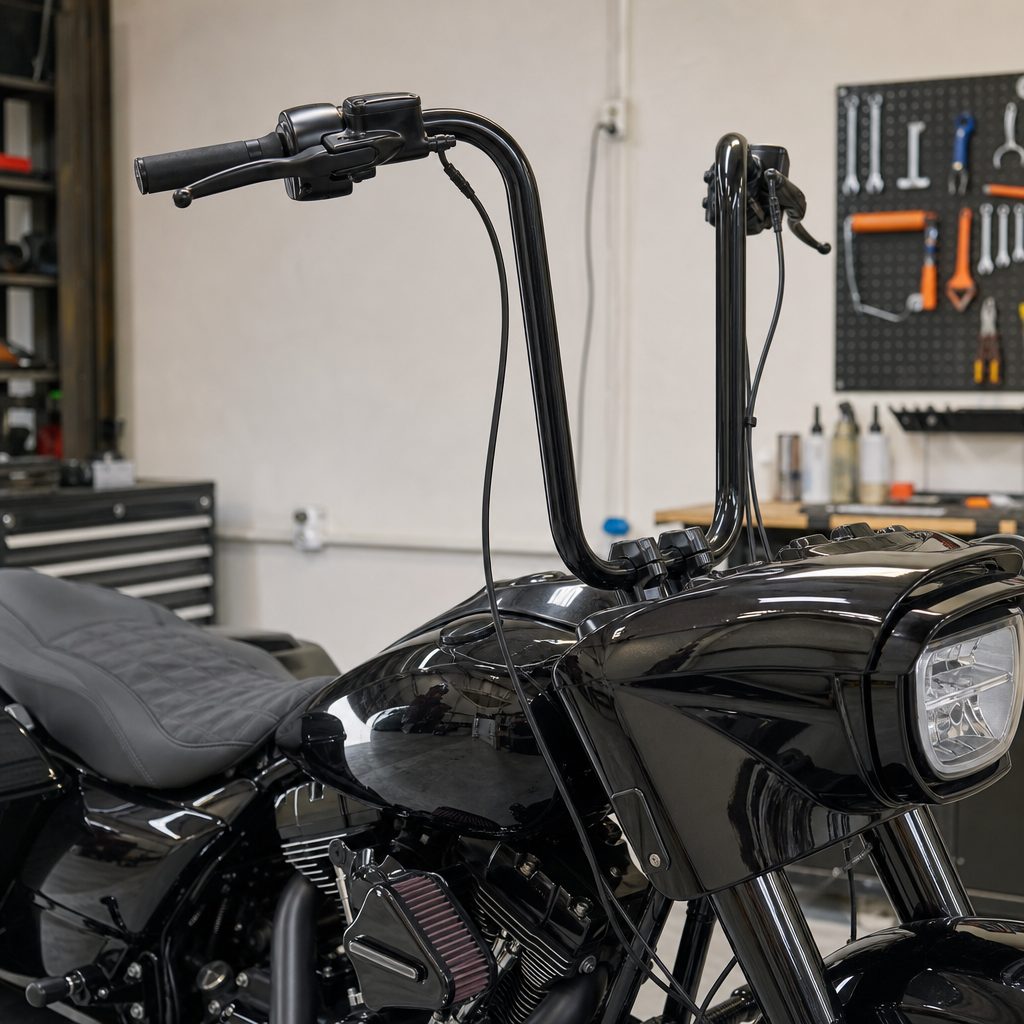
The mount matters just as much as the shield. The Pan America’s tapered handlebar, switchgear packaging, and factory control layout leave less room than many universal kits assume. Good kits from brands such as Barkbusters, Acerbis, SW-Motech, and Wunderlich usually solve this with bike-specific clamps or offset hardware. Bad fits create bar-end interference, throttle drag, or contact with the TFT screen at full lock. The recipe works only when the guard clears every component through the complete steering arc with suspension loaded, not just on a center stand in the garage.
Lever alignment is the part riders skip. Once the guards are fitted, set clutch and brake perches so your wrists stay neutral while seated and standing. On the Pan America, many stock setups are acceptable on road but too high for aggressive standing. Rotating the controls slightly downward, then trimming guard angle to match, reduces forearm fatigue and improves one-finger braking on descents. That small change often feels bigger than the accessory itself.
Why handguards are the first essential 2026 off-road mod
Handguards are the first essential 2026 off-road mod because they protect the rider and preserve the ride. Off-road drops rarely happen at cinematic speed. More often, the bike stalls on a loose uphill, the front tucks in sand, or a boot slips in a rut. In those ordinary incidents, the bars hit first. Without a rigid guard, a broken lever can end the day. With one, you usually pick up the bike, inspect the perch, and keep moving.
They also improve control in motion. Brush deflection is not a minor benefit when riding narrow forest tracks. A branch striking exposed knuckles can force an involuntary grip change exactly when precision is needed. Better guards create a clean envelope around your hands and controls. On colder rides, they reduce wind chill, which helps maintain dexterity. Riders often think of heated grips as the winter solution, but heated grips work far better when handguards keep moving air off the fingers.
For 2026, this upgrade remains especially relevant because aftermarket ecosystems around the Pan America are mature enough to offer proven combinations rather than early-generation experiments. Owners now have enough field data from BDR routes, rally events, and long-distance travel to know which guard shapes clear factory screens, which mounts tolerate repeated falls, and which kits work with heated grips or aftermarket bars. That accumulated experience turns a simple product category into a reliable recipe.
Choosing the right handguard system for Pan America use
The best handguard system for a Pan America 1250 used off road is a full-wrap aluminum design with replaceable plastic shields and bike-specific mounts. Full-wrap means the aluminum bar anchors near the control perch and again at the bar end, creating a structural loop. This design resists compression in a fall and spreads impact energy better than a single-point plastic deflector. Replaceable plastics matter because cosmetic damage is common; you should be able to swap a shield without replacing the backbone.
Material quality is easy to overlook. Look for heat-treated aluminum, high-grade fasteners, and expansion inserts or bar-end hardware designed for the Harley bar’s internal dimensions. Some riders prefer open-ended setups with threaded inserts, while others retain heavier OEM bar-end arrangements if the kit allows. The right answer depends on whether you prioritize impact strength, vibration damping, or heated grip compatibility. In practice, I favor systems with robust inner clamps and simple replacement parts over exotic designs that are hard to service on a trip.
| Feature | Why it matters on the Pan America 1250 | Best off-road choice |
|---|---|---|
| Backbone type | Determines lever and hand protection in a drop | Full-wrap aluminum |
| Mount style | Affects clearance around TFT, hoses, and switchgear | Bike-specific clamp kit |
| Shield design | Controls wind and debris coverage | Replaceable large plastic deflector |
| Bar-end hardware | Influences throttle freedom and impact strength | Threaded or engineered expansion insert |
| Serviceability | Matters after crashes or long travel | Common fasteners and spare plastics |
Brand choice should follow fitment proof, not forum hype. Barkbusters is widely respected in ADV circles because its bike-specific kits are usually precise and durable. Acerbis offers strong off-road heritage and broad parts availability. SW-Motech and Wunderlich often appeal to riders balancing protection with touring polish. For a true recipe, though, the label matters less than confirmed compatibility with your exact Pan America trim, bar setup, and heated equipment.
Fitment issues riders must solve before buying
The biggest Pan America handguard fitment issues are throttle tube clearance, brake hose routing, clutch line space, TFT screen proximity, and windshield interaction at full steering lock. Universal guards can technically bolt on, yet still create subtle hazards. The most serious is throttle binding. If the guard or bar-end spacer presses on the throttle tube, the grip may not snap closed cleanly. Every install must be checked with the bars centered and turned fully left and right.
Brake and clutch clearance are next. The front brake master cylinder on modern ADV bikes is bulky, and the Pan America is no exception. Some inner clamps need rotation or spacing to avoid hydraulic line stress. If a line is deflected unnaturally just to make the guard fit, the recipe is wrong. The same applies to switch housings and wiring looms. A clean setup should look intentional, with no cable rubbing through its insulation over time.
Screen and windscreen contact become more likely when riders add risers or aftermarket bars. I have had otherwise excellent handguard kits become unusable after a riser install changed the steering arc enough to tap the TFT bezel. That is why a hub article about ergonomics recipes has to emphasize sequencing. Decide early whether your 2026 build includes risers, tall screens, or navigation towers. Buy handguards that support that direction, or be prepared to revise the cockpit twice.
Building the complete ergonomics and performance recipe
Handguards deliver the best result when combined with the other Pan America ergonomics and performance upgrades that off-road riders actually feel. First is lever setup. Adjustable short levers can improve clearance inside guards and make one- or two-finger operation easier with gloves. Set free play and engagement according to Harley-Davidson service specifications, then test standing and seated positions on the same ride.
Second is bar position. Mild risers can help taller riders stand straighter, but too much rise slows steering input and complicates hose routing. The Pan America already has a commanding cockpit, so most riders need less rise than expected. If you add risers, confirm that the handguards still protect rather than becoming the first point of contact with the screen or fairing.
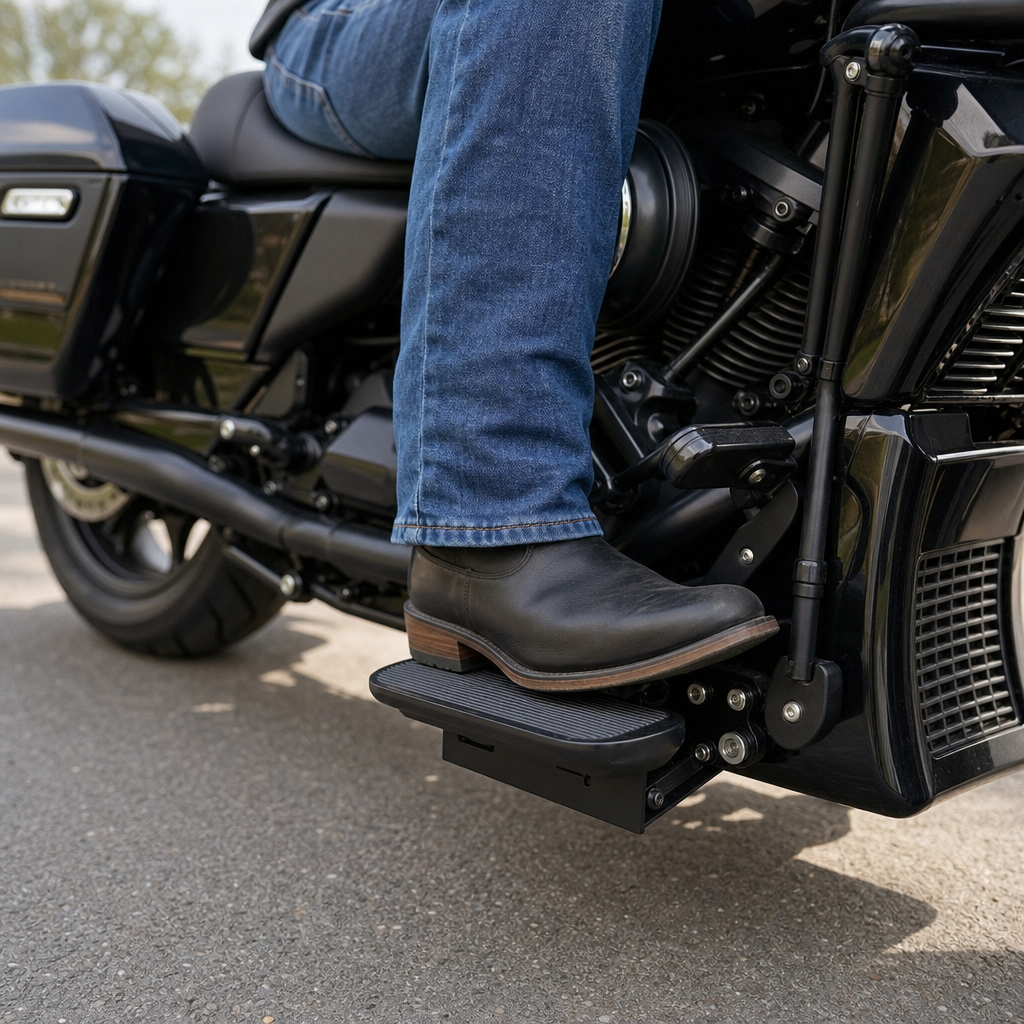
Third is grip and peg synergy. Softer rally-style grips reduce palm fatigue, while wider off-road footpegs stabilize the lower body so the hands carry less weight. This is where performance and ergonomics become the same thing. A rider balanced on good pegs with neutral wrists can steer a big ADV bike more lightly, saving energy over a long day.
Finally, pair the handguard recipe with protective mods that address the Pan America’s real exposure points: skid plate, radiator protection, and crash bars chosen carefully to avoid excess bulk. More armor is not always better. The cleanest off-road builds preserve ground clearance and keep weight low while protecting controls and critical engine cases first.
Installation, testing, and maintenance for reliable results
Correct installation is what turns a box of parts into a dependable off-road mod. Use the manufacturer torque values, medium-strength threadlocker where specified, and a deliberate tightening sequence that centers the backbone without side-loading the clamps. Before final torque, sit on the bike and set lever angle, then rotate the guards to protect the knuckles without blocking access to switches. Check full lock in both directions with the suspension compressed if possible, because static garage clearance can be misleading.
After installation, test in three stages. First, do a static control check: throttle return, lever travel, horn and indicator access, and screen clearance. Second, do a short pavement ride to feel for vibration, wind coverage, and any brake hose tug. Third, do a low-speed off-road session that includes standing, tight turns, and uneven terrain. That is usually when hidden fitment problems show up.
Maintenance is straightforward but important. Re-torque fasteners after the first ride and after any drop. Inspect the aluminum backbone for bends, the plastics for cracking, and the bar-end mount for rotation. Replace sacrificial plastics when they become too battered to deflect wind effectively. On bikes used year-round, remove mud buildup and check for corrosion around mixed-metal hardware. A handguard system is low drama if maintained, but neglected mounts loosen and eventually fail when needed most.
How this hub connects the broader Harley-Davidson recipe library
This Pan America 1250 handguard recipe sits at the center of a wider Harley-Davidson guide set on model-specific ergonomics and performance recipes. From here, riders should branch into cockpit fit, standing posture, adventure tire selection, crash protection strategy, luggage balance, and suspension setup. Those topics are interconnected. Handguards influence lever position; lever position affects standing comfort; standing comfort affects how confidently the rider can use suspension travel and traction off road.
That hub structure matters because the Pan America is unusually sensitive to combined changes. Add heavy luggage, and steering feel changes. Add aggressive tires, and front-end feedback changes again. Add risers and a taller seat, and your weight distribution at the bars changes enough to alter what handguard shape feels best. Treating every mod as isolated leads to expensive trial and error. Treating them as recipes produces a motorcycle that feels coherent.
If your goal for 2026 is a Pan America that survives falls, fits your body, and stays comfortable from highway transit to rocky two-track, start with a proven handguard system and build methodically from there. Choose full-wrap protection, verify exact fitment, set your controls around real standing posture, and recheck the system after the first rough ride. Then continue through the rest of the Harley-Davidson sub-pillar guides and assemble a package that works as one machine, not a pile of accessories.
Frequently Asked Questions
What is the best handguard setup for a 2026 Harley-Davidson Pan America 1250 used mainly off-road?
The best setup is usually a full-wrap handguard system built around a rigid aluminum backbone, paired with durable replaceable plastic shields and a bike-specific mounting kit that preserves lever clearance and steering range. That recipe works because the Pan America 1250 is a heavy, capable adventure bike that sees real impacts in tip-overs, brush strikes, and low-speed trail crashes. A simple wind-deflector-only guard may look clean and help with cold air on pavement, but it does not provide the same lever protection when the bike goes down in rocks, ruts, or uneven terrain.
For 2026 off-road use, riders should prioritize impact resistance first, then ergonomics, then weather coverage. In practice, that means choosing a handguard with a stout aluminum bar anchored securely at both the handlebar end and the inner clamp area. The outer end protects the lever zone from direct hits, while the inner mount stabilizes the system under twisting loads. The plastic shield matters too, because it manages roost, branches, mud, and windblast, but the metal backbone is what prevents a broken front brake or clutch lever from ending a ride.
The strongest recommendation is to avoid mixing unrelated parts just because they are available. On the Pan America 1250, random combinations can create fitment issues around the master cylinders, switchgear, screen position, and bar sweep. A proper “recipe” uses components designed to work together: aluminum backbone, matched shield, correct expansion or threaded bar-end hardware, and clamps that clear the controls without forcing awkward lever angles. That combination improves control and confidence without introducing steering interference or annoying cockpit compromises.
Why are handguards such an important off-road mod on the Pan America 1250 compared with lighter adventure bikes?
They matter more on the Pan America 1250 because this motorcycle combines substantial size, strong performance, and real off-road intent. That means when it falls over, the forces involved are often greater than what you see on a smaller dual-sport or lightweight ADV machine. A minor drop that barely scuffs a lighter bike can put serious pressure on the Pan America’s bars, levers, and controls. If the handguards are weak, poorly mounted, or purely cosmetic, they may fold, crack, or transfer impact in the wrong direction. A quality off-road handguard system helps absorb and redirect that energy before expensive or ride-ending damage occurs.
There is also a control factor. Off-road riding on a larger adventure bike demands a relaxed but secure grip, especially when standing, weighting the pegs, and steering with body position over loose surfaces. Handguards help create a more protected control area by reducing brush intrusion and shielding your hands from roost, debris, and wind fatigue. That makes a noticeable difference on long days where small distractions add up. You stay less tense, and less tension usually means better throttle, brake, and clutch inputs.
Another reason they are critical is the Pan America’s role as a travel bike. Many owners are not riding ten minutes from home; they are covering distance, crossing states, or heading deep into backcountry routes. In that context, lever protection becomes more than convenience. A damaged front brake lever or bent clutch lever can turn a manageable tip-over into a logistics problem. Reliable handguards are one of those modifications that seem basic until the moment they save the ride.
What fitment problems should riders watch for when installing handguards on a Pan America 1250?
The biggest fitment issues usually involve lever clearance, brake line routing, switchgear space, and full-lock steering interference. On the Pan America 1250, the cockpit area is busy enough that a universal kit can create trouble if the bends and mounting points are not compatible with the bike’s handlebar shape and control layout. Riders often focus on whether the guard physically bolts on, but the more important question is whether it still allows the brake and clutch levers to move freely through their full range without touching the backbone or shield under normal use or in a minor flex event.
Steering lock is another major checkpoint. After installation, the bars need to turn from stop to stop without the guards contacting the tank area, screen brackets, fairing edges, or other front-end components. This is especially important if the bike has risers, an aftermarket bar, a GPS mount, a steering damper setup, or taller windscreen hardware. Even a small contact point can become a real annoyance off-road, where tight turns, recovery maneuvers, and full-lock inputs happen often.
Clamp position matters too. Inner mounts need to sit in a location that does not crush wiring, crowd the perches, or force the rider to rotate controls into an unnatural ergonomic position. The right setup lets you keep a comfortable standing posture with sensible lever angles while maintaining strong handguard alignment. A good installation should feel intentional, not improvised. If the rider has to compromise brake lever reach, clutch comfort, or switch access just to make the guards fit, the setup is not correct yet. On this bike, clean fitment is part of performance, not just appearance.
Do full-wrap aluminum handguards affect ergonomics, wind protection, or steering feel on the Pan America 1250?
Yes, and that is exactly why choosing the right setup matters. A full-wrap aluminum handguard changes more than crash protection. It can alter how much room your hands have around the grips and levers, how wind reaches your fingers at highway speed, and how the cockpit feels when transitioning between seated and standing riding. The goal is to improve those areas without creating crowding or a numb, overbuilt feel at the bars.
Ergonomically, the best systems preserve natural wrist alignment and leave enough space for gloved hands during aggressive off-road movement. Riders need to be able to stand, shift weight forward, and operate the clutch and front brake smoothly without knuckles contacting the guard frame. If the backbone bend is wrong or the guard sits too close, it can make the controls feel cramped. That is why bike-specific geometry is so valuable. It keeps protection where it belongs while leaving your hands free to move.
Wind management is a bonus many riders notice immediately. A larger shield reduces fatigue in cold, wet, or high-speed conditions and makes the bike more comfortable on mixed-use rides. However, bigger is not always better. An oversized shield can add bulk, catch more brush, or interfere with visibility of switches and mirrors depending on the cockpit setup. Steering feel can also change slightly, mostly because any hardware added to the bars influences the overall sensation at the controls. A quality handguard system should feel solid, not floppy or vague, and it should not introduce odd flex, buzz, or lock-to-lock awkwardness. When properly selected and installed, the effect is usually positive: more confidence, more protection, and no meaningful downside in real-world off-road riding.
Should riders install handguards alone, or combine them with other off-road protection mods for the best 2026 setup?
Handguards are most effective when treated as one part of a complete protection strategy rather than a stand-alone fix. On the Pan America 1250, they work best alongside sensible off-road upgrades such as crash bars, a sturdy skid plate, radiator protection, and carefully chosen footpegs and tires. The idea is not to bolt on everything available. It is to build a balanced system where each part supports the bike’s actual off-road role. Handguards protect your control points, but if the bike’s underbody, cooling components, or engine cases remain exposed, you still have major vulnerabilities.
That is why the “recipe” approach is so useful. Start with the controls and contact points: handguards for lever and hand safety, footpegs for stable standing control, and tires suited to your terrain. Then address impact zones with a skid plate and crash protection that do not create maintenance headaches or excessive weight. This order matters because control and survivability are what keep the bike rideable after an incident. Cosmetic or convenience upgrades can come later.
For most riders planning serious 2026 off-road use, handguards should be near the top of the list because they are relatively affordable, highly practical, and immediately beneficial. But the best result comes when they are chosen to complement the entire setup. A Pan America 1250 built for dirt should feel cohesive: protected controls, comfortable standing ergonomics, unobstructed steering, and durable hardware that can take a hit. That is the difference between a random mod list and a true off-road recipe that actually works.