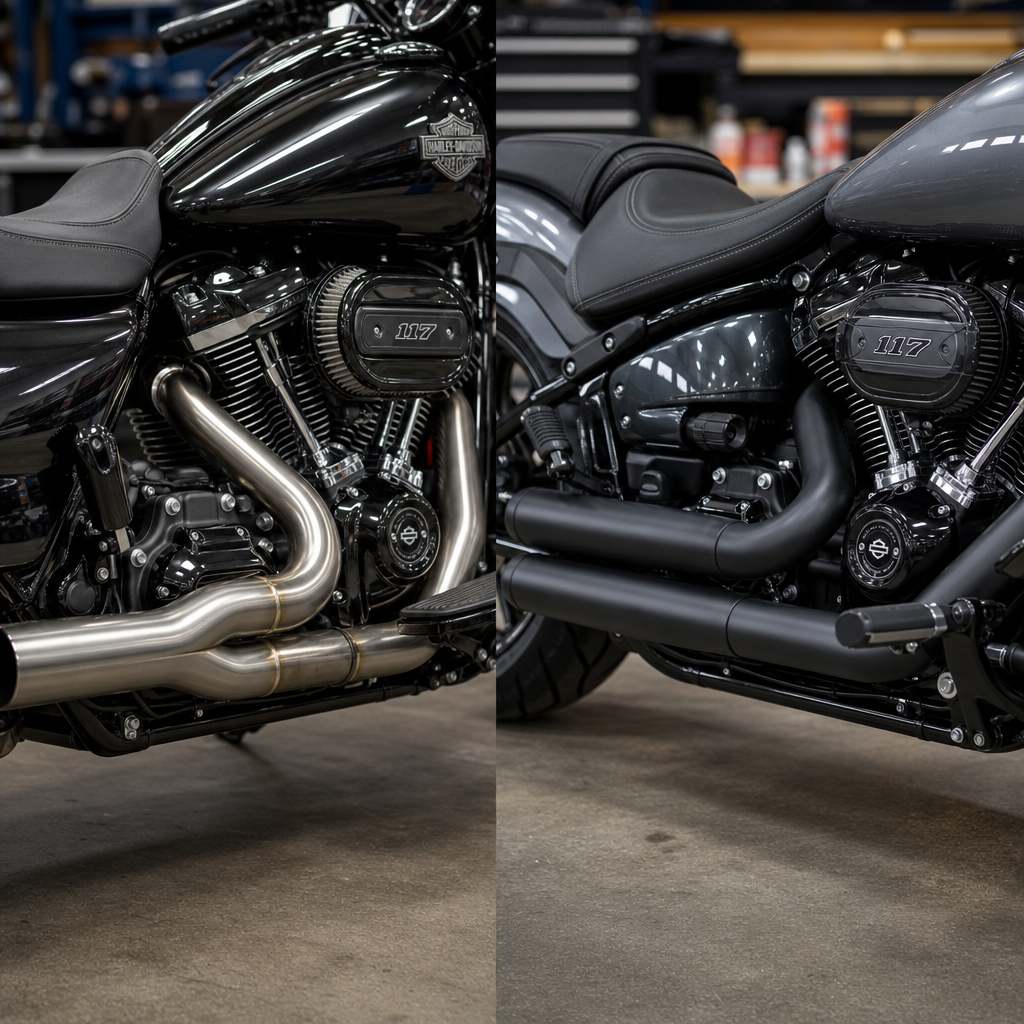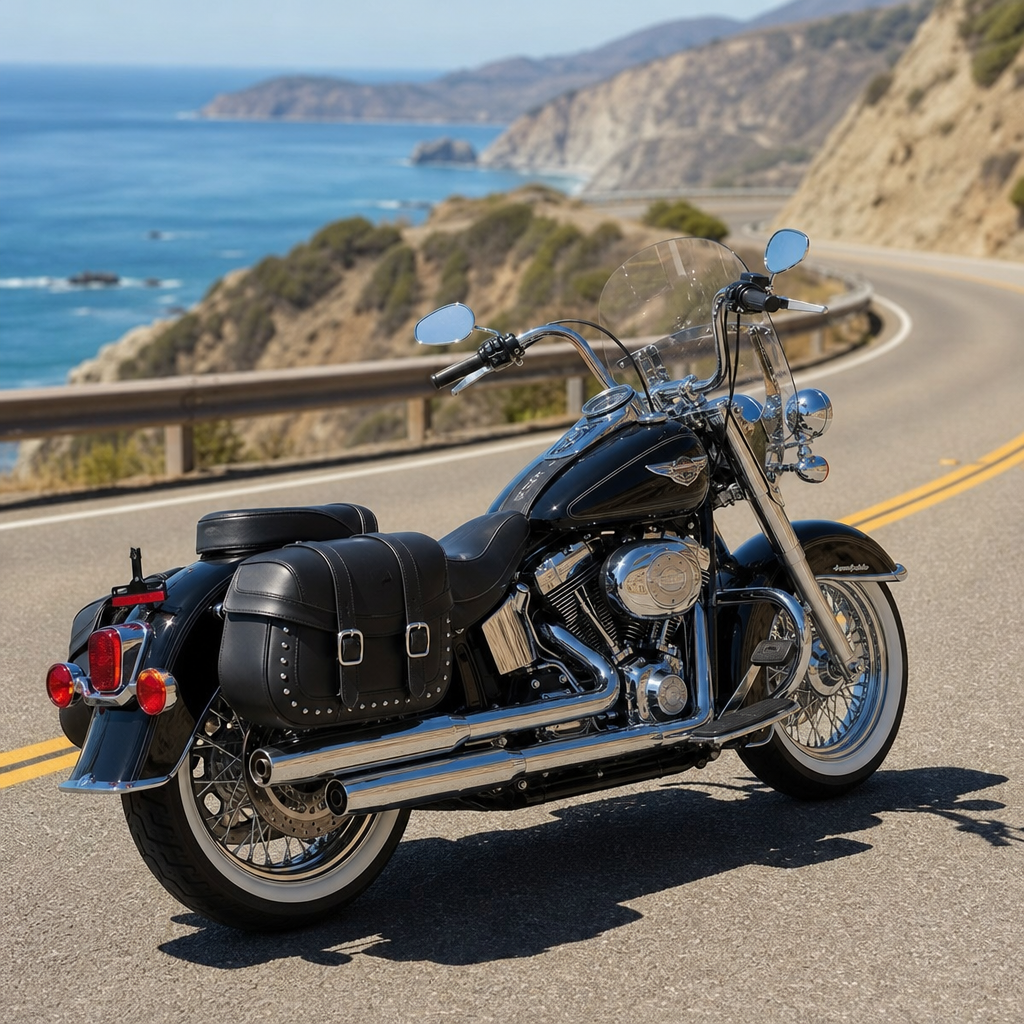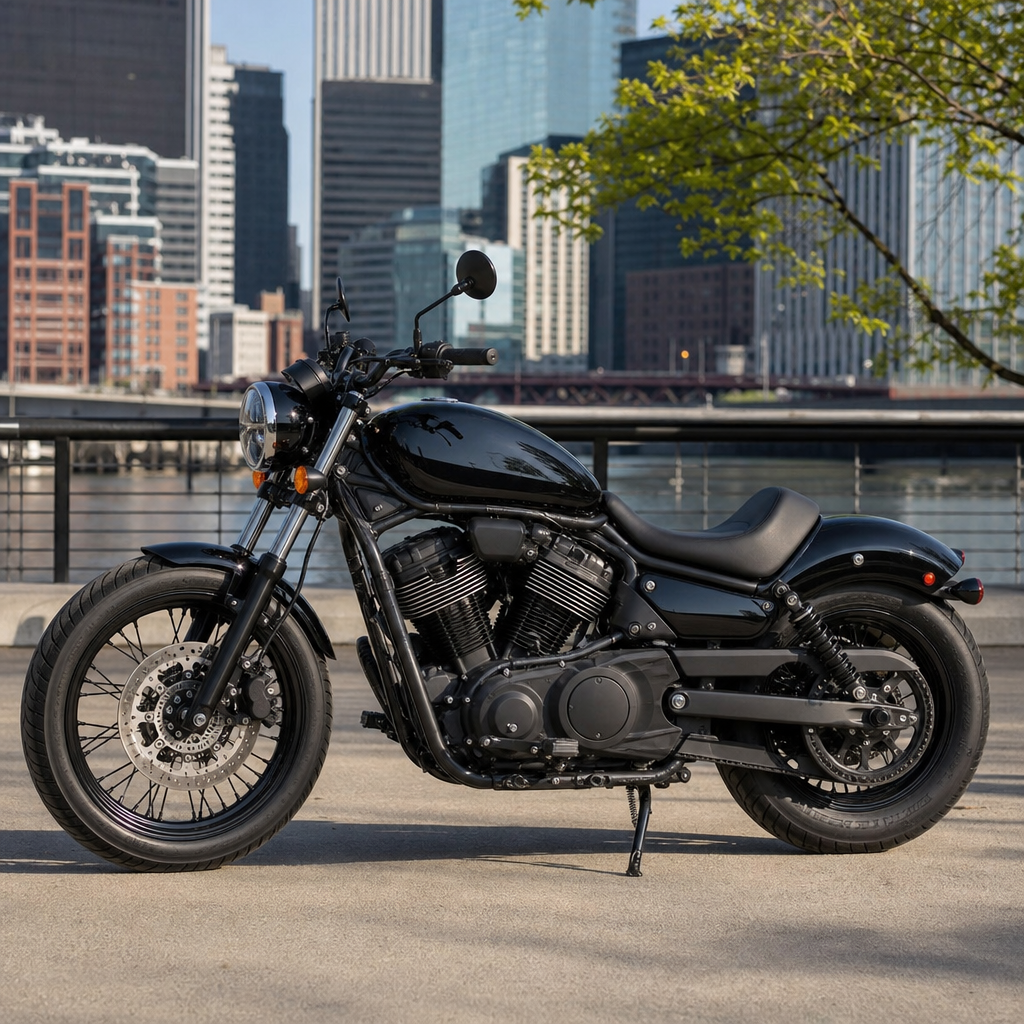
The 2027 Model D ergonomics conversation starts with a simple question riders ask every time a new approachable cruiser is rumored: will it feel easy, balanced, and comfortable for real people on real roads? In Harley-Davidson terms, ergonomics means the relationship among seat height, reach to the bars, foot-control placement, suspension movement, weight distribution, vibration isolation, and wind management. Performance “recipes” means the repeatable combinations of setup choices that shape how the motorcycle fits a rider and behaves over distance, from commuting to weekend touring. This hub article maps those comfort metrics in a practical way so riders can predict fit before full factory data arrives.
That matters because cruiser buyers do not judge a motorcycle by horsepower alone. They judge whether they can flat-foot at a stop, whether their lower back tightens after forty minutes, whether slow-speed steering feels cooperative, and whether passenger space is usable instead of symbolic. In my experience fitting riders to Harley-Davidson platforms, comfort problems usually come from small dimensional mismatches rather than dramatic flaws. A handlebar that sits 25 millimeters too far forward, a seat pocket that rotates the pelvis rearward, or floorboards that force excessive knee bend can turn a promising machine into one that gets parked. Predicting ergonomics early helps riders shortlist smarter, budget for modifications, and avoid buying by spec-sheet excitement alone.
The likely role of a 2027 Model D as an approachable cruiser also gives us clues. “Approachable” in this context usually means manageable seat height, friendly low-speed manners, moderate steering effort, compliant suspension, and a control layout that does not intimidate newer or returning riders. “Cruiser” implies a lower center of gravity feel, relaxed leg position, broad torque delivery, and an upright or slightly rearward torso angle rather than the more active stance of a standard or performance bagger. Because Harley-Davidson has repeatedly balanced heritage styling with modern rideability, the best forecast comes from examining current Softail ergonomics logic, rider-triangle norms, and the adjustment patterns owners actually use after purchase.
As a hub for model-specific ergonomics and performance recipes, this page does more than speculate. It defines the measurements that will matter, explains how to interpret them, and connects likely 2027 Model D outcomes to the tuning decisions riders make every day. If you understand these fundamentals, every deeper article in the subtopic becomes easier to use: seat guides, handlebar fit breakdowns, suspension setup explainers, passenger comfort evaluations, and long-distance riding recipes all build from the framework established here.
Core comfort metrics likely to define the 2027 Model D
The most important comfort metrics on an approachable cruiser are seat height under load, seat-to-peg distance, horizontal reach to grip center, bar rise and pullback, steering lock feel, wheelbase influence on stability, suspension travel, and vibration character at common cruising speeds. Published seat height by itself often misleads riders because a narrow front seat section can offset a taller number, while a wide saddle can make a low number feel taller at the ground. For that reason, the metric that matters most at stops is effective stand-over confidence: how securely a rider can support the bike with one or both feet on uneven pavement.
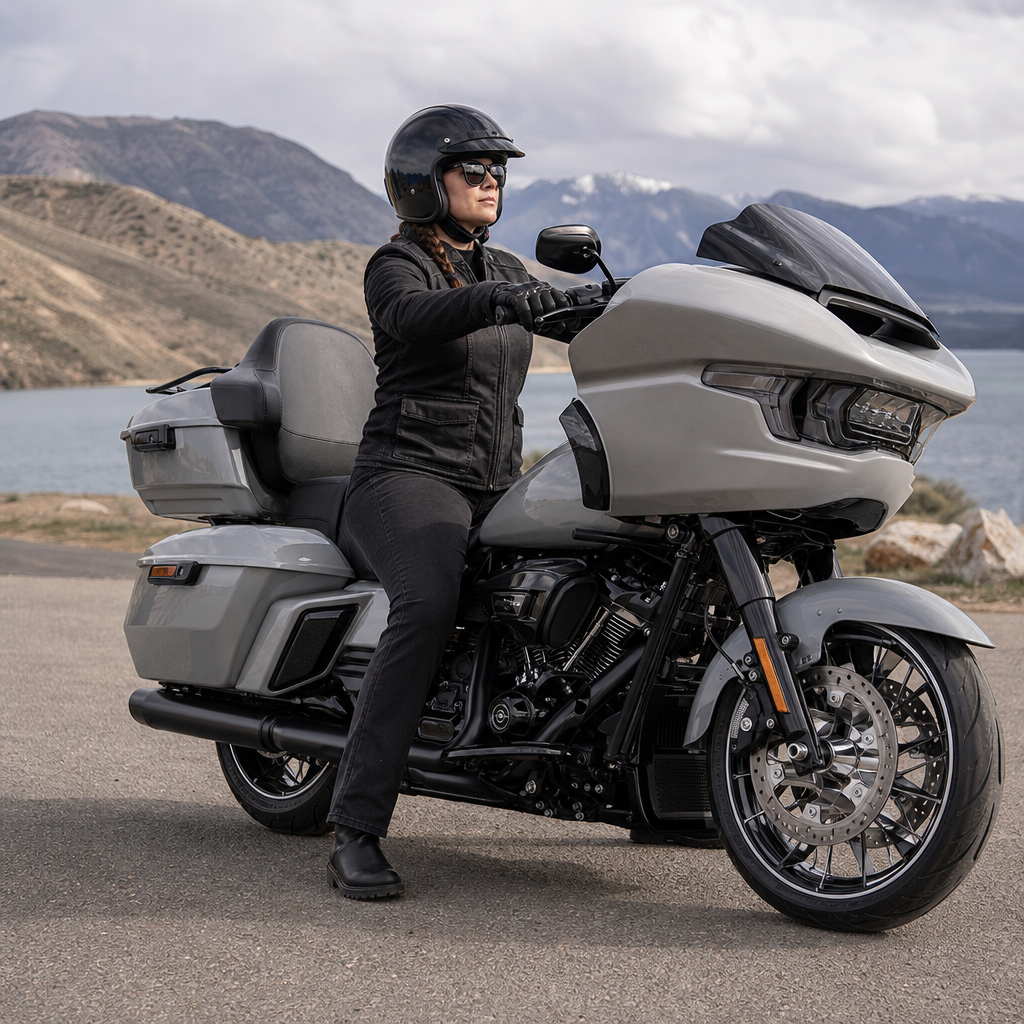
Next comes the rider triangle. On most cruiser platforms, a comfortable all-around triangle places the hips slightly lower than the knees without forcing the knees excessively upward, and keeps the shoulders relaxed with a soft bend in the elbows. If the 2027 Model D targets accessibility, expect a neutral-forward compromise rather than aggressive forward controls. Mid-mount or modest forward foot placement paired with moderate bar pullback would make sense, especially for riders between roughly 5’6″ and 6’0″. That range is where mainstream ergonomic packaging succeeds or fails in dealer showrooms.
Suspension will be equally important. Many cruisers feel comfortable during a ten-minute demo because of plush initial stroke, then reveal limitations when repeated sharp impacts push through a shallow travel range. A truly comfortable approachable cruiser needs enough rear-wheel travel and damping control to prevent spine-loading over expansion joints. Harley-Davidson has improved this area on recent models by using more disciplined chassis tuning, and any successful Model D prediction should include at least modest compliance gains instead of relying only on soft foam and low seat height to fake comfort.
Predicted rider triangle and fit ranges
Based on Harley-Davidson packaging patterns, a successful Model D would probably land near the ergonomic middle of the brand’s cruiser family rather than at either extreme. That means a loaded seat height likely in the high 26-inch to low 27-inch range, a reach to the bars that avoids long shoulder extension, and foot controls positioned to keep hip angle open without sacrificing low-speed control. Riders under 5’5″ usually need a narrow saddle nose and predictable balance more than an ultra-low seat. Riders over 6’1″ usually need legroom and bar reach relief more than lower foam. If the Model D is intended as broadly approachable, it should leave room in both directions with common accessory changes.
One lesson I have seen repeatedly in Harley-Davidson fit sessions is that riders often misidentify the source of discomfort. A person may blame the seat when the true issue is too much reach, causing pelvic rotation and pressure at the tailbone. Another rider may blame bars when the limiting factor is cramped knees from floorboard placement. That is why fit range predictions should focus on interaction, not single numbers. On an approachable cruiser, the ideal is a seated posture that lets the rider hinge slightly at the hips, keep wrists nearly neutral, and absorb road shock with the legs instead of taking every impact through the lower back.
| Comfort metric | Predicted Model D target | Why it matters | Best remedy if off-target |
|---|---|---|---|
| Loaded seat height | 26.8 to 27.4 inches | Improves stop confidence without extreme knee bend | Seat reshaping before suspension lowering |
| Grip reach | Moderate pullback, slight elbow bend | Reduces shoulder tension and wrist extension | Bar swap or riser adjustment |
| Seat-to-peg distance | Balanced for 30 to 32 inch inseam | Controls knee comfort and hip openness | Control relocation or seat height change |
| Rear suspension travel | Enough for urban impacts and two-up use | Limits lower-back fatigue on broken pavement | Spring rate and damping upgrade |
| Wind exposure | Chest-level clean air at city speed | Affects neck fatigue and highway comfort | Quick-detach screen tuned by rider height |
Seat, bars, controls, and the real comfort equation
The seat is the center of the comfort equation because it fixes pelvic position, determines how much riders slide into the tank, and influences reach everywhere else. A good cruiser seat supports the ischial tuberosities, uses density layering instead of marshmallow softness, and provides a pocket shape that stabilizes acceleration without locking the rider in one posture. Harley-Davidson accessory catalogs have long reflected this reality. Reach seats, tallboy seats, and touring saddles exist because one stock shape cannot satisfy every torso and inseam combination. For the 2027 Model D, expect the stock seat to prioritize immediate confidence and broad showroom appeal, which usually means acceptable support for many riders but not ideal long-range support for all-day use.
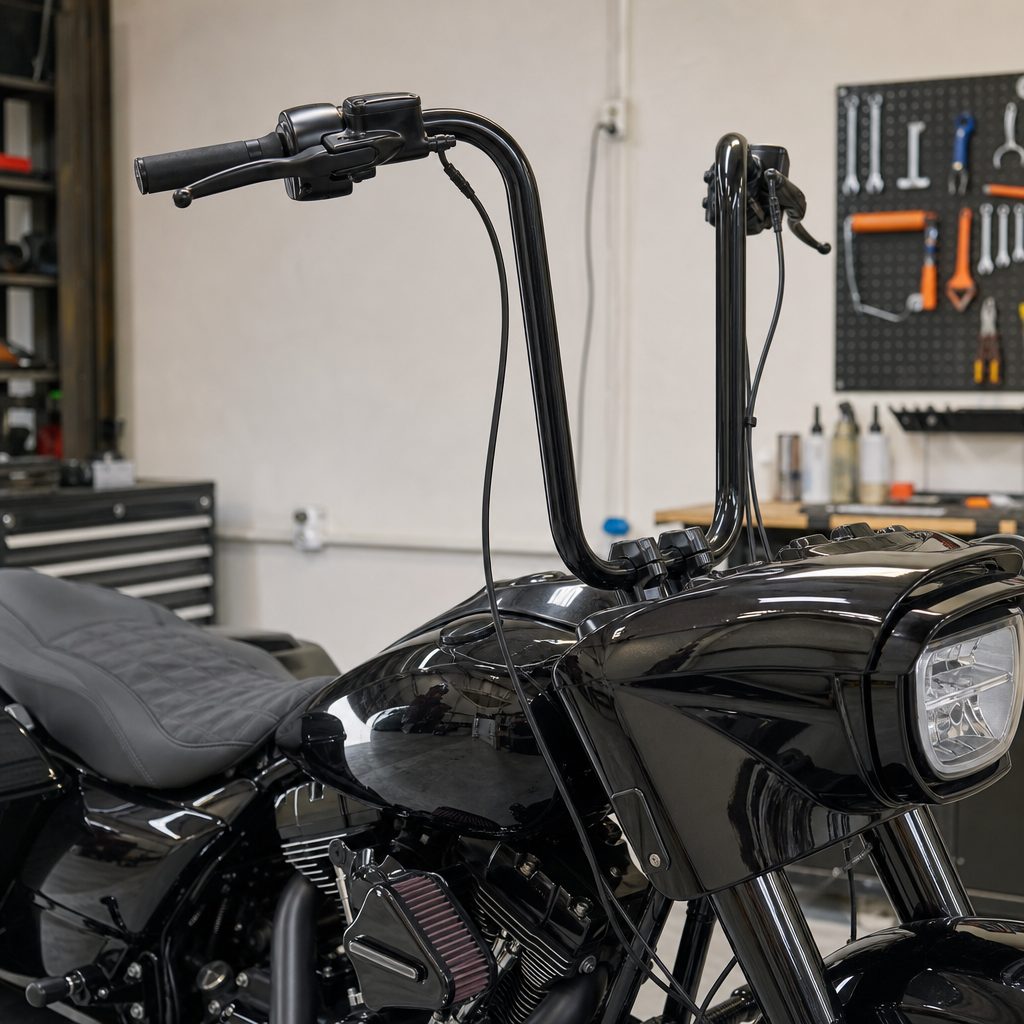
Handlebars come next. On approachable cruisers, the best bar shape minimizes ulnar deviation at the wrist and avoids forcing the scapulae forward. A bar can look classic and still be wrong for comfort if the sweep angle places the hands outward without enough pullback. When riders report numb palms, aching between the shoulder blades, or neck tension after highway miles, bar geometry is often the hidden cause. If the Model D follows current market expectations, accessory mini-ape, pullback, and reduced-reach options will become key ergonomics recipes because small bar changes can transform the motorcycle without changing its basic character.
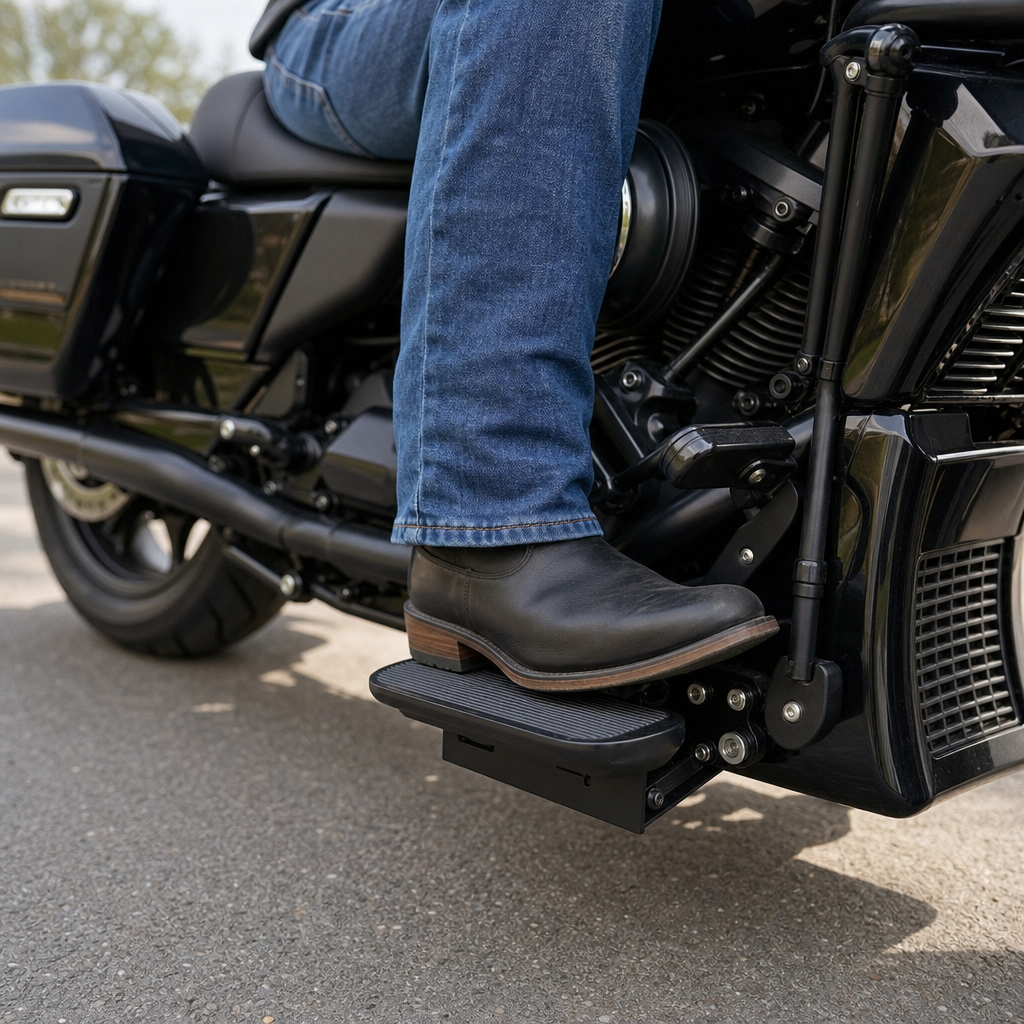
Foot controls complete the triangle. Forward controls may feel relaxed in a parking lot, but they reduce the rider’s ability to rise slightly off the seat over sharp bumps and can overload the sacrum on rough roads. Mid controls improve control authority and body support, though some cruiser buyers perceive them as less relaxed. The most versatile setup for an approachable cruiser is usually a moderate forward position or a platform with dual options. If Harley-Davidson wants the Model D to work for commuting, scenic rides, and first-time cruiser ownership, flexibility here would be a major ergonomic win.
Performance recipes that shape comfort, not just speed
On cruisers, performance and comfort are tightly linked. The wrong suspension preload, tire pressure, or windshield height can make an otherwise strong motorcycle feel heavy, harsh, or tiring. That is why I use the term performance recipe: a set of coordinated setup choices matched to a riding goal. For the 2027 Model D, three likely recipes will matter most. The urban confidence recipe would pair factory geometry with correctly set sag, responsive throttle mapping, and a seat that narrows at the front for easy stops. The backroad balance recipe would prioritize firmer damping, slightly more supportive foam, and bars that improve leverage without increasing shoulder strain. The light-touring comfort recipe would combine a mid-height screen, upgraded rear suspension, and passenger-aware preload settings.
Suspension setup is the most undervalued comfort upgrade on Harley-Davidson cruisers. Riders often spend on exhaust and cosmetic parts before measuring rider sag or matching spring rate to actual load. Yet a rear shock that rides too deep in the stroke changes steering, shortens available bump absorption, and creates the familiar cruiser complaint of “it beats me up on bad pavement.” The 2027 Model D will only earn approachable status if its stock suspension can tolerate a wide range of rider weights. Even then, owners near the top or bottom of the range should expect preload adjustment or aftermarket tuning to be one of the highest-value changes.
Tires also belong in the ergonomics discussion. Profile, carcass stiffness, and inflation pressure alter steering effort and impact harshness. A cruiser with visually substantial tires can still ride lightly if the chassis and pressures are well matched. Overinflation for solo riding is common after dealer prep and can make a bike feel busier than it should. Underinflation, on the other hand, blunts steering and increases heat. Any serious Model D comfort evaluation should include cold-pressure checks against load, road type, and owner’s manual guidance.
Predicted strengths, tradeoffs, and owner decision points
If Harley-Davidson executes the Model D as an approachable cruiser, its likely strengths will be stoplight confidence, intuitive low-speed balance, relaxed torque delivery, and broad accessory adaptability. Those traits matter because many buyers want one motorcycle that can handle weekday errands, evening rides, and occasional highway stretches without demanding advanced technique. The likely tradeoffs are equally predictable: lower seat packaging can reduce rear travel, style-driven bar choices may not suit every shoulder width, and passenger accommodations may be adequate rather than generous in stock form. None of these issues are deal breakers, but they should be part of an honest forecast.
For buyers, the key decision points will be inseam, torso length, intended mileage, and whether riding is mostly solo or two-up. A shorter rider should prioritize narrow seat front, predictable clutch uptake, and manageable bar reach over simple seat-lowering. A taller rider should check knee angle, ability to shift position, and whether the bars create a rounded upper back. Two-up riders should pay special attention to spring rate, passenger pad length, and footpeg placement. In dealer environments, I have seen many riders choose the right motorcycle but the wrong stock configuration. The fix is usually straightforward if comfort metrics are understood early.
As the hub page for Harley-Davidson model-specific ergonomics and performance recipes, this article should be your baseline before diving into narrower guides on seats, bars, controls, suspension tuning, wind protection, and passenger comfort. The main takeaway is simple: the 2027 Model D ergonomics picture can be predicted with useful accuracy by reading the rider triangle, not just the marketing story. Comfort comes from coordinated dimensions and setup choices, and the approachable cruiser that wins in the real world is the one that lets more riders feel natural within the first mile and better after the hundredth. Use this framework when comparing trims, planning accessories, or preparing a test ride, and you will make a far better Harley-Davidson decision.
Frequently Asked Questions
What comfort metrics matter most when predicting the ergonomics of the 2027 Model D?
When riders talk about cruiser comfort, they are usually describing a group of connected measurements rather than one single number. For the 2027 Model D, the most important predicted ergonomics metrics would likely include seat height, saddle shape, handlebar reach, foot-control position, knee bend, hip angle, suspension travel, vibration isolation, steering effort at low speed, and wind exposure at highway pace. On an approachable cruiser, these factors work together to determine whether the bike feels welcoming within the first few minutes and still feels supportive after an hour or more on mixed roads.
Seat height is usually the first specification people look for because it strongly affects confidence at stops. A low seat can make the motorcycle feel manageable and balanced, especially for newer riders or shorter inseams. But seat height alone does not define comfort. The width of the saddle where the rider’s legs pass around it can change the effective reach to the ground just as much as the official measurement. A wide, heavily padded seat may look comfortable on paper yet feel taller in practice, while a narrower front section can improve footing without forcing the suspension too low.
Reach to the bars is another major predictor. If the bars are too far away, the rider ends up locking the elbows, rounding the shoulders, and carrying too much upper-body tension. If the bars are too close, steering can feel cramped and awkward. The most comfortable setup on an approachable cruiser usually places the rider in a neutral posture with a slight bend at the elbows, relaxed shoulders, and wrists that stay close to straight. Foot controls complete that triangle. Mid-controls generally improve balance and body support over bumps, while forward controls create a classic cruiser stretch but can reduce the rider’s ability to absorb impacts with the legs.
Just as important are the comfort metrics riders do not always mention first: suspension compliance, vibration control, and wind management. A seat can feel plush in the showroom, yet if the rear suspension runs out of travel over broken pavement, the overall ride will feel harsh. Likewise, a relaxed riding position can become tiring if engine pulses, bar buzz, or helmet wind pressure build over time. That is why any serious prediction of Model D ergonomics has to go beyond basic geometry and look at the full comfort system the motorcycle creates on real roads.
Will the 2027 Model D likely feel easy and balanced for everyday riders, not just experienced cruiser owners?
If the Model D is truly aimed at the approachable cruiser category, then its ergonomics will almost certainly be judged by how natural it feels at everyday speeds and in ordinary riding situations. That means parking lot turns, stop-and-go traffic, short commutes, weekend back-road loops, and moderate highway miles matter more than extreme lean-angle numbers or highly specialized performance setups. A well-executed approachable cruiser should feel predictable from the moment the rider lifts it off the side stand, and that feeling usually comes from thoughtful weight distribution, low-speed steering geometry, a manageable seat height, and a rider triangle that does not demand adaptation.
Balance is not only about total weight. Many cruisers can be reasonably heavy on the spec sheet yet feel lighter because they carry their mass low and central. For the 2027 Model D, a successful ergonomic prediction would point toward a low center of gravity, smooth clutch engagement, moderate steering effort, and foot placement that lets the rider stabilize the bike naturally at a stop. Riders often describe this as a bike that “shrinks underneath them.” That impression comes when the machine responds calmly to small rider inputs rather than asking for constant correction or exaggerated muscle effort.
The biggest challenge for an approachable cruiser is making the bike feel easy without making it feel vague. A beginner-friendly or broad-audience motorcycle still needs enough support in the bars, seat, and controls to keep the rider connected. If the bars are too wide, too narrow, too high, or too pulled back, the bike may feel awkward in turns even if it is comfortable in a straight line. If the foot controls are set too far forward, riders may struggle to brace themselves during braking or rough pavement. So the most likely recipe for everyday usability would be a neutral-to-relaxed posture that preserves control authority while reducing strain.
In practical terms, if Harley-Davidson positions the Model D for broad appeal, riders should expect ergonomics designed around confidence first: easy starts and stops, stable low-speed handling, an accommodating reach profile, and comfort that does not depend on being tall, strong, or highly experienced. That is the real meaning of “approachable” in cruiser terms. It is not about making the machine bland. It is about making it intuitive.
How do seat height, handlebar reach, and foot-control placement work together to shape long-ride comfort?
These three elements form the core ergonomic triangle of any motorcycle, and on a cruiser they are even more influential because the riding position is part of the bike’s identity. For the 2027 Model D, the relationship among seat height, bar reach, and foot-control placement will likely determine whether riders describe it as relaxed, cramped, stretched out, or unexpectedly versatile. Long-ride comfort depends less on any single dimension and more on how naturally those dimensions support the body over time.
Seat height influences much more than confidence at stops. It sets the baseline for hip angle, knee bend, and the rider’s line of sight relative to the bars and wind. A lower seat often supports the classic cruiser feel, but if it is too low relative to the foot controls, the rider’s knees may come up too sharply, creating fatigue in the hips and lower back. If the seat is low and the controls are very far forward, the opposite can happen: the rider may feel overly stretched, with too much weight settling into the tailbone because the legs cannot help share the load. That is why the seat’s shape, firmness, and position matter just as much as the raw number.
Handlebar reach determines whether the upper body remains relaxed or gradually becomes tense. Ideal reach usually allows the rider to keep a soft bend in the elbows and a neutral wrist angle while sitting naturally against the seat. If the bars are too far away, the rider starts supporting body weight through the hands, which can lead to wrist pressure, shoulder tightness, and neck fatigue. If the bars are too close, steering inputs may feel compressed and the torso may feel folded backward in an unnatural way. The best cruiser setups create a calm chest-open posture rather than an arm-stretching or elbows-in compromise.
Foot-control placement ties the lower body into the equation. Mid-controls tend to improve leverage, comfort over bumps, and rider mobility because the legs can absorb impacts and help stabilize the body. Forward controls provide a roomier cruiser stance and can feel excellent for some body types on smooth roads, but they usually reduce how much the rider can lift off the seat over sharp hits. For the Model D, the most rider-friendly solution may be a moderate forward or neutral placement that keeps the cruiser character while avoiding an exaggerated stretch. In long-distance terms, the best ergonomic triangle is one that lets the rider change posture slightly during the ride instead of locking the body into one position.
What kind of suspension, vibration control, and wind management setup would make the Model D more comfortable on real roads?
Real-road comfort is where many promising cruiser ergonomics packages succeed or fail. A motorcycle can look perfect in still photos and showroom walkarounds, yet feel tiring once pavement imperfections, engine pulses, and highway wind are added to the equation. For the 2027 Model D, a genuinely comfortable setup would likely combine compliant suspension tuning, well-managed vibration pathways, and enough wind control to reduce fatigue without stripping away the open-air cruiser experience.
Suspension comfort starts with usable travel and effective damping, not just soft springs. An approachable cruiser often benefits from initial plushness that takes the edge off expansion joints and rough urban pavement, but it also needs enough support to avoid wallowing, bottoming, or repeated bounce after larger impacts. If the rear shocks are too short or too lightly damped in pursuit of a low silhouette, riders may feel sharp impacts directly through the seat. A better comfort recipe usually includes progressive support, careful rebound control, and seat foam designed to work with the suspension rather than trying to compensate for it.
Vibration control is equally important because cruisers often invite lower-rpm, torque-rich riding where engine character is very noticeable. The goal is not to eliminate all mechanical feel. Most riders still want some pulse and personality. The target is to prevent unwanted buzz from building at the grips, pegs, and seat during steady cruising. That can be achieved through engine mounting strategy, bar-end weighting, peg isolation, saddle materials, and calibration that avoids droning resonance in common road-speed ranges. On a bike marketed as approachable, controlled vibration is especially important because new or casual riders tend to interpret persistent buzz as harshness or poor refinement.
Wind management on a cruiser is often misunderstood. Full wind protection is not always necessary, but unmanaged airflow can become one of the largest sources of fatigue. If the rider is sitting upright with wide shoulders exposed, chest pressure rises quickly at highway speed. Helmet buffeting can also turn a comfortable seating position into an exhausting one. For the Model D, good comfort prediction would include subtle aerodynamic shaping around the headlight, tank, bars, and rider torso, with accessory