CVO 121 VVT cam phaser phasing tuning is one of the most effective ways to reshape how a modern Harley-Davidson responds off idle, through the midrange, and under real road load. On Milwaukee-Eight VVT touring models equipped with the 121 cubic inch engine, the cam phaser controls intake cam timing dynamically, allowing the same engine to behave like a mild torque motor at low rpm and a freer-breathing performance build at higher rpm. For riders chasing stronger launches, easier two-up roll-ons, and less need to downshift, understanding phasing strategy matters more than chasing peak dyno numbers.
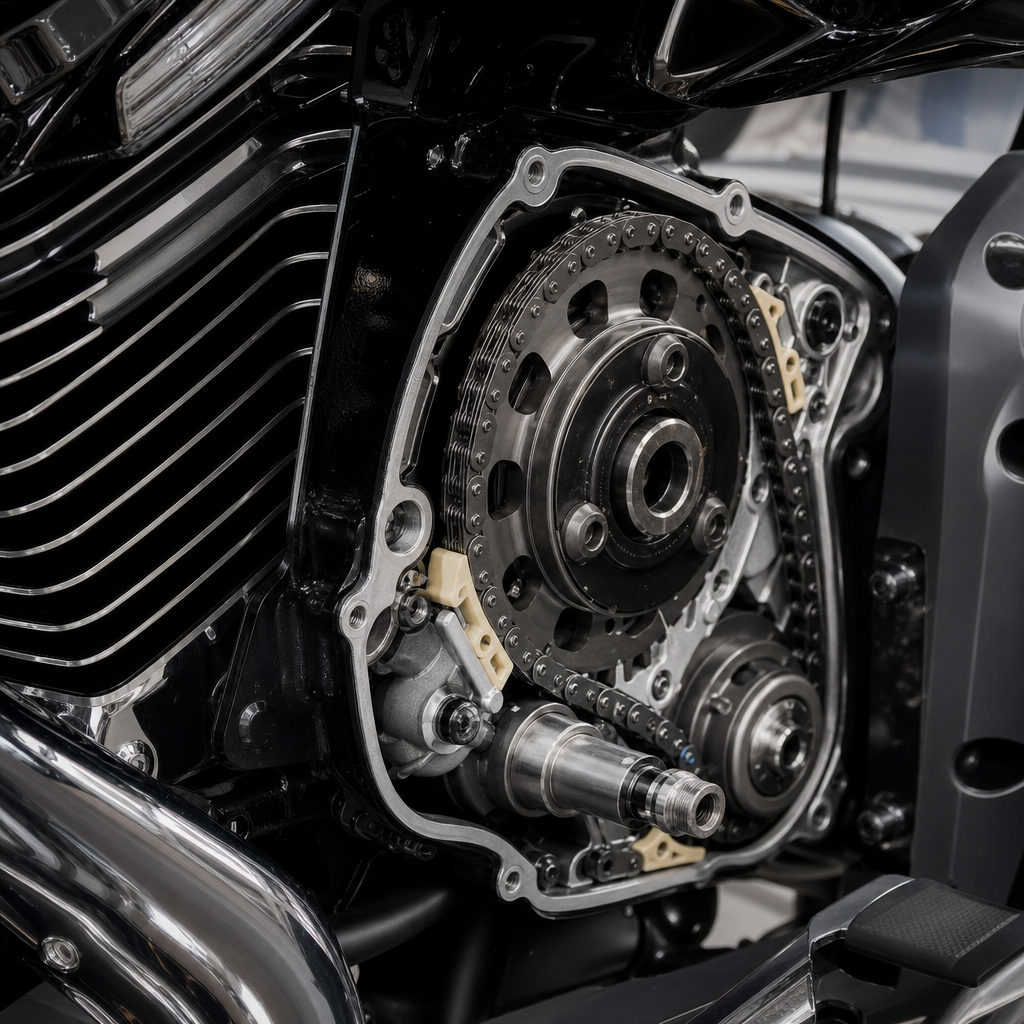
In practical terms, cam phasing is the controlled advance or retard of cam timing relative to the crankshaft. Variable valve timing uses oil pressure, phaser hardware, and ECU logic to move the cam across a calibrated range based on rpm, throttle, load, temperature, and knock margin. On the CVO 121, tuning that movement changes cylinder filling, dynamic compression, exhaust dilution, and combustion stability. Those changes directly affect low-end grunt, which riders feel as immediate torque between roughly 1,800 and 3,500 rpm, especially in taller gears and with passenger or luggage weight.
This topic matters because the CVO 121 sits at the crossroads of comfort, premium touring, and serious factory performance. Owners do not just want a big number on a printout; they want a machine that leaves cleanly from a stop, pulls hard onto highways, and stays smooth in traffic or heat. I have tuned enough big-inch Harley combinations to know that riders usually describe success the same way: less clutch slip leaving lights, stronger sixth-gear passing, and a broader, calmer torque curve. Cam phaser strategy is often the hidden reason one bike feels muscular while another feels lazy below 3,000 rpm.
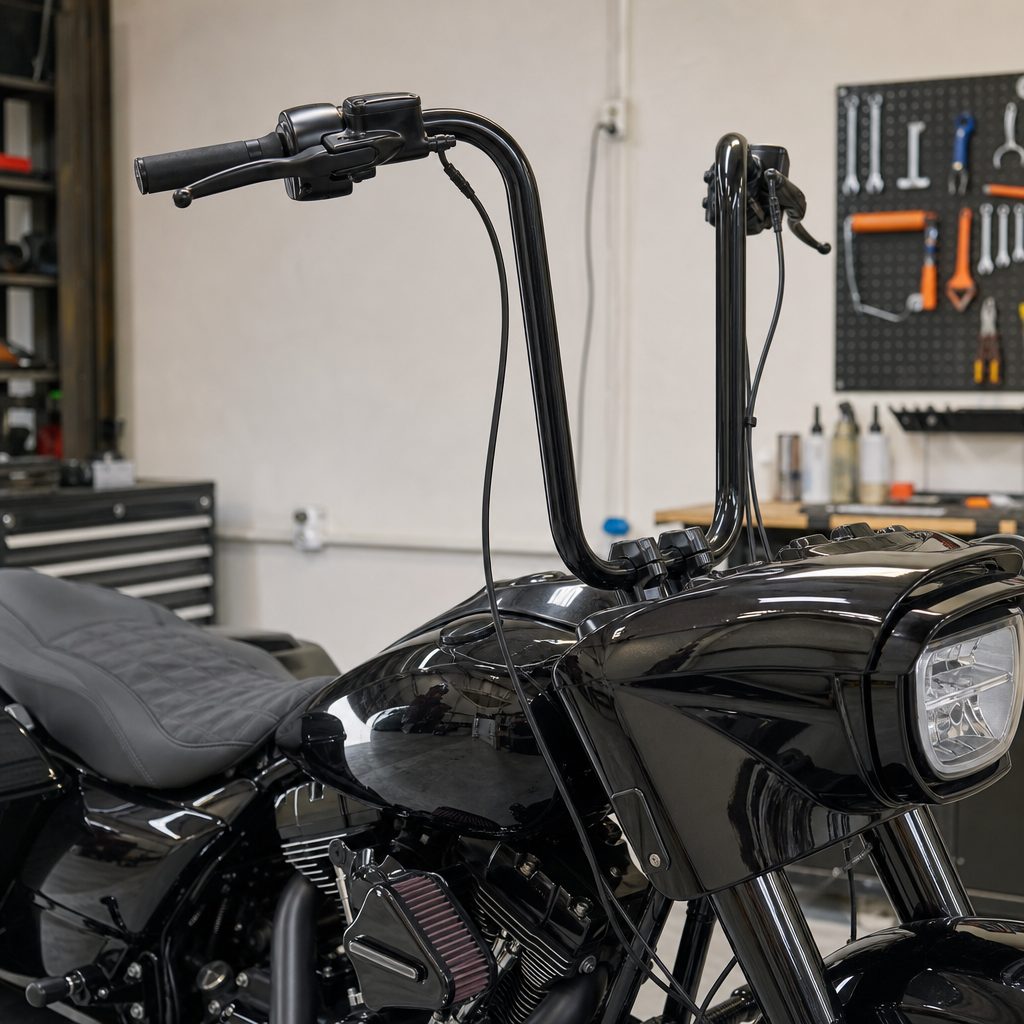
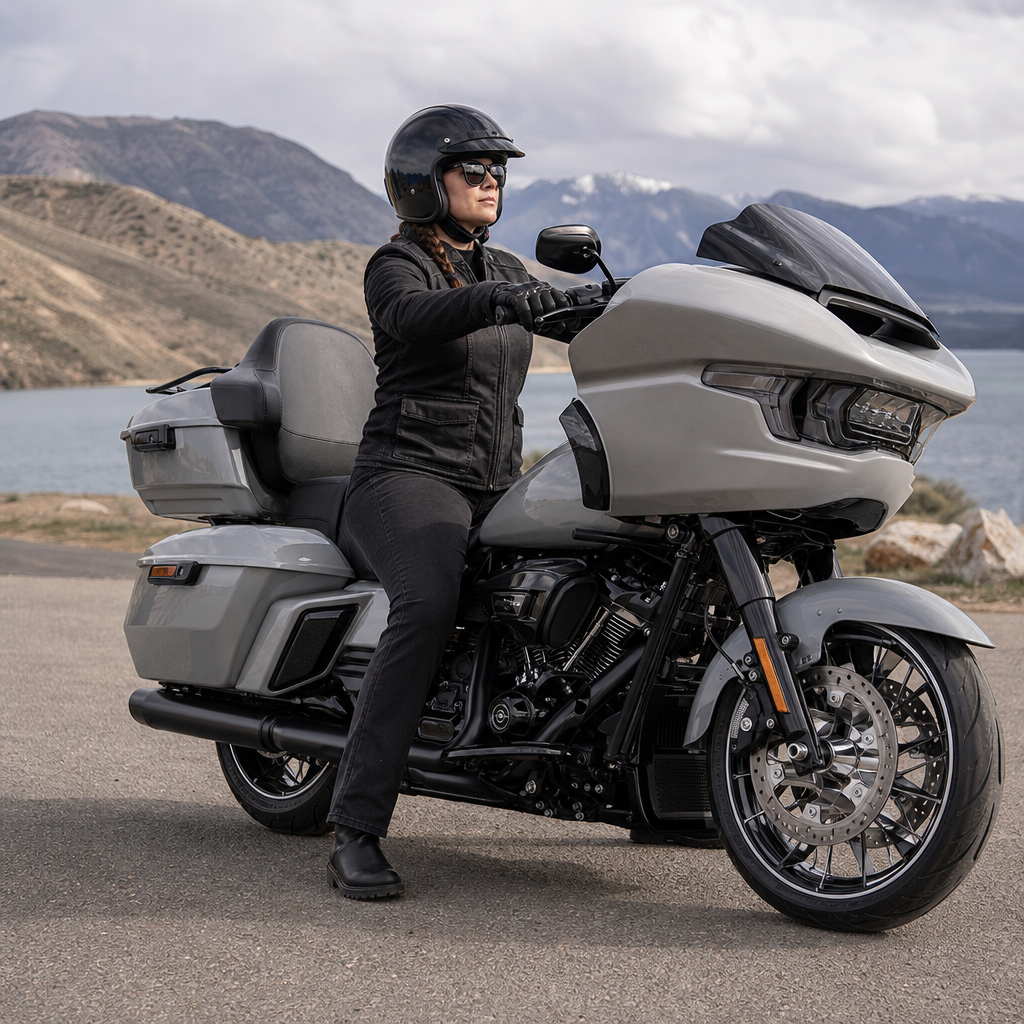
As the hub for model-specific ergonomics and performance recipes, this guide connects rider fit and engine behavior instead of treating them separately. Ergonomics influence how a rider perceives torque delivery, clutch take-up, vibration, and throttle sensitivity. A short rider with forward hip rotation, a tall rider reaching to the bars, and a two-up touring owner all load the drivetrain differently during starts and roll-ons. That is why the best CVO 121 VVT cam phaser phasing tuning recipe is never only about spark and airflow. It must match the rider, the bike’s gearing and weight, and the typical riding environment.
How the CVO 121 VVT system builds or loses low-end torque
Low-end grunt on the CVO 121 comes from efficient cylinder filling at low rpm, stable combustion, and a torque curve that rises early without detonation or heat soak. Advancing the intake cam generally closes the intake valve earlier in the rpm range where piston speed is lower, which increases effective compression and improves response. Retarding the cam tends to favor higher-rpm breathing by reducing low-speed trapping efficiency while extending the window where airflow can keep building. The VVT system lets the engine move between those states instead of being locked into one compromise.
On a heavy touring Harley-Davidson, the difference is obvious in the seat. Too much retard at low rpm can make the bike feel soft when rolling on from 2,000 rpm in third or fourth gear. Too much advance too early can spike cylinder pressure, increase knock sensitivity, and produce a harsh, short-breathing feel that falls over quickly. The best phasing map usually creates a torque plateau rather than a torque peak. That means assertive advance in the lower band, then a smooth taper toward a more neutral or slightly retarded position as rpm and airflow demand increase.
Factory calibrations must satisfy emissions, noise, fuel quality variation, catalyst protection, and global durability targets. That leaves room for optimization when intake, exhaust, calibration access, and local fuel quality allow. Tuners working with Screamin’ Eagle tools, ThunderMax, or other professional platforms look at desired cam angle versus actual angle, manifold pressure, throttle area, volumetric efficiency trends, spark advance, knock correction, and exhaust gas behavior. The cam table never works alone. If air-fuel ratio, ride-by-wire torque management, or spark decay are misaligned, phasing changes can mask problems rather than solve them.
One important point for riders shopping performance recipes is that low-end grunt is not the same as abruptness. A bike can feel jumpy because of throttle mapping while still making mediocre torque. Real grunt shows up as cleaner acceleration under load without excessive rpm. On a correctly tuned CVO 121, you should be able to short-shift around town, feed in throttle from low rpm, and feel the engine take the load without shuddering. That character is built through coordinated phaser angle, fueling, spark, and throttle control, not by a single aggressive table value.
Phasing recipes for different riders, loads, and ergonomic setups
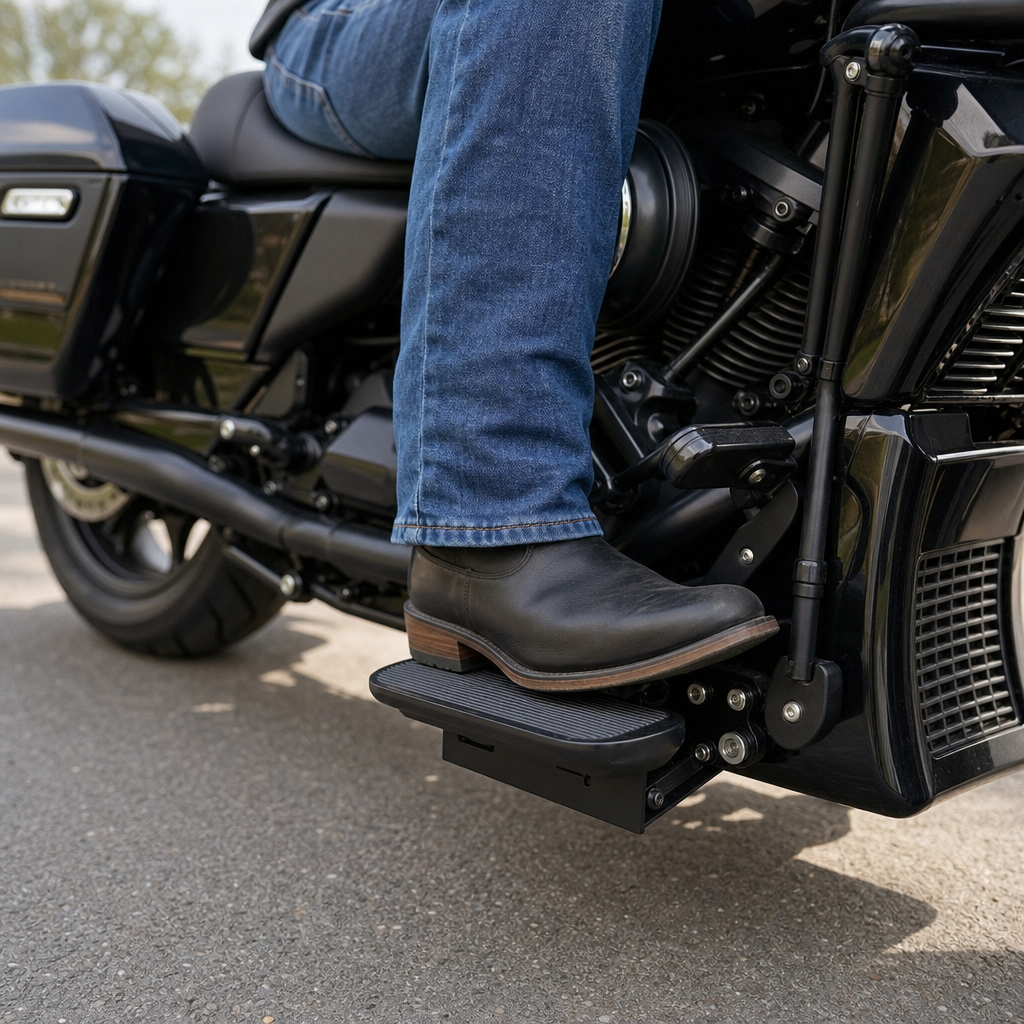
Model-specific ergonomics and performance recipes are useful because the same engine tune can feel different on different bodies and use cases. A rider with a more upright seat-to-bar relationship often applies throttle more progressively and notices driveline smoothness more than snap. A rider stretched farther to the bars may prefer stronger initial torque so the bike moves with less wrist input. Add passenger weight, a tour pack, highway pegs, or floorboard position changes, and the launch and roll-on demands change again. That is why tuning decisions should start with rider posture, clutch habits, and real cargo load.
For solo street touring, the strongest low-end recipe usually targets fast torque rise from 1,800 to 3,000 rpm while keeping transition smooth as the phaser moves toward midrange settings. Two-up touring often benefits from slightly more conservative early cam advance combined with very clean fueling and measured spark, because the extra mass raises load and heat quickly. Aggressive canyon or backroad riders may accept a touch less basement torque in exchange for a broader pull above 4,000 rpm. There is no universal best map, but there are repeatable patterns that work well for each scenario.
| Use case | Typical rider goal | Phasing tendency | Supporting tune priorities |
|---|---|---|---|
| Solo city and highway | Quick response, easy short-shifting | More low-rpm advance, gradual taper | Clean transient fueling, moderate spark, smooth throttle mapping |
| Two-up touring | Strong roll-ons without heat or knock | Balanced advance with conservative load cells | Stable AFR, knock control headroom, clutch-friendly launch behavior |
| Backroad performance | Broad midrange and upper pull | Less aggressive early advance, later taper | Midrange VE accuracy, firmer torque management, sharper throttle |
| Hot climate commuting | Predictable torque and lower thermal stress | Moderate advance in high-load low-rpm zones | Heat management, conservative spark, precise idle and part-throttle fueling |
Ergonomics also affect the meaning of “usable torque.” If floorboards, seat shape, or bar reach cause the rider to brace during throttle application, a sudden hit can feel tiring even if the dyno looks impressive. In workshop practice, I have seen riders choose the slightly flatter torque map because the bike became easier to manage in parking lots, uphill starts, and wet conditions. That is a valid performance decision. The best recipe supports control, not just acceleration. For a touring Harley-Davidson, confidence at low speed is part of performance.
This hub approach matters because owners often modify seats, bars, suspension sag, and luggage setup before addressing calibration. Those changes should inform the tune. If the bike now carries more rear weight or positions the rider farther back, low-rpm load behavior changes. Linking these decisions across related Harley-Davidson articles helps owners build a coherent package instead of chasing isolated parts.
Hardware combinations that change the ideal phaser map
CVO 121 VVT cam phaser phasing tuning depends heavily on the air path and exhaust path. A high-flow intake, freer exhaust, and less restrictive catalyst arrangement can shift where the engine wants cam advance because the pressure relationships around the valves change. On mostly stock hardware, the engine often rewards assertive low-rpm advance and careful midrange blending. Once airflow improves, especially above 3,500 rpm, the ideal taper point may move and the engine may want less advance at certain load sites to avoid choking the top of the torque curve.
Camshaft selection is critical. Not every aftermarket cam profile behaves kindly with the stock VVT strategy, and some combinations narrow the useful phaser window. A cam with later intake closing and more duration may need the phaser to work harder down low to regain trapping efficiency, but that same strategy can raise cylinder pressure quickly. Lift, lobe separation angle, overlap, and installed centerlines all interact with the phaser. Reputable cam suppliers provide intended VVT operating ranges for a reason. Ignoring them can produce unstable idle, hot running, or torque oscillation at part throttle.
Compression ratio, deck height, and fuel quality also set hard limits. More squeeze can sharpen low-end response, but it reduces detonation margin when you add aggressive low-rpm advance and heavy touring loads. Riders using 91 octane in hot regions need more caution than riders with dependable 93 octane access. Oil quality and temperature matter too because the phaser is hydraulically actuated; slow or inconsistent movement can distort the difference between commanded and actual cam angle. When a bike shows erratic response, I check mechanical health and oil behavior before blaming the calibration.
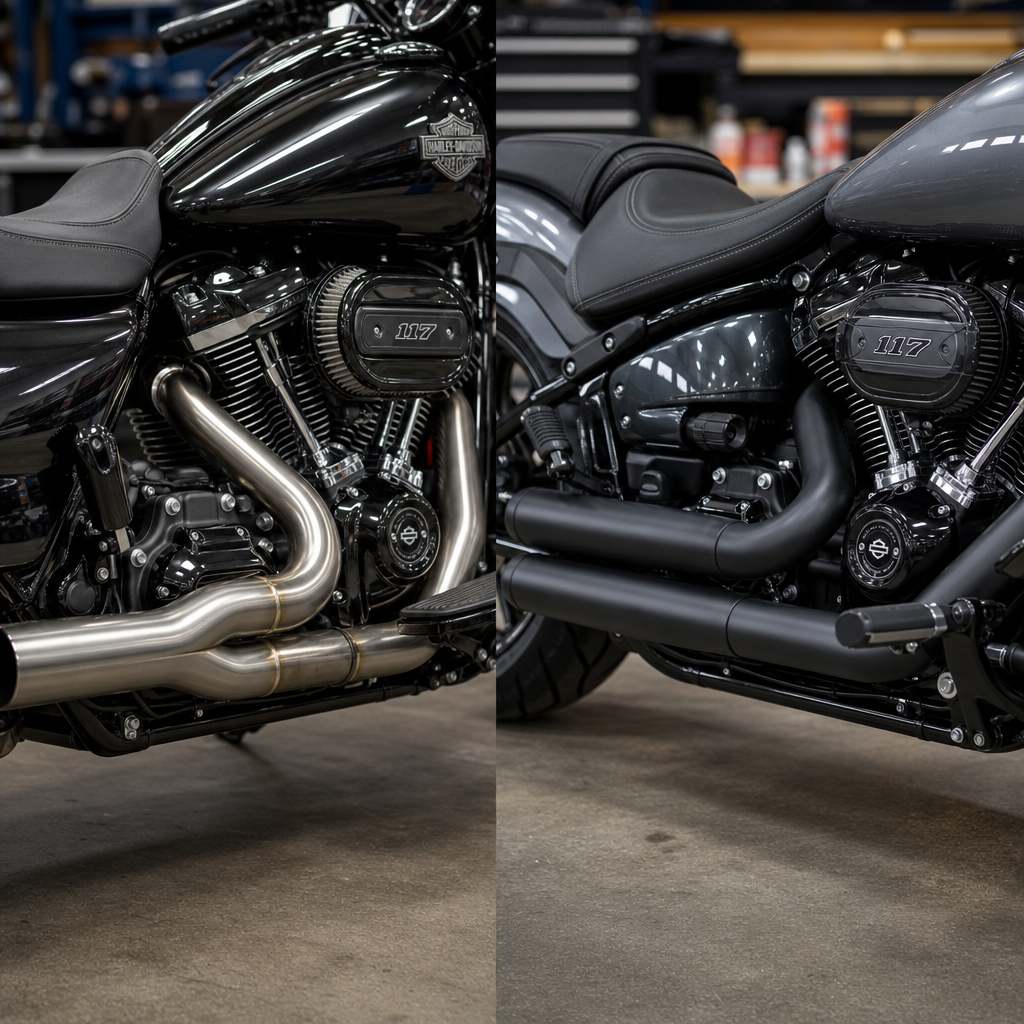
Exhaust design deserves special attention on Harley-Davidson touring models. Header diameter, collector style, and muffler backpressure can either help scavenge low and midrange cylinders or undermine them. A pipe that looks impressive at wide open throttle may soften the exact 2,200 to 3,200 rpm range a touring rider uses most. In those cases, tuners may overcompensate with cam advance, adding pressure and heat without fully recovering feel. The smarter solution is matching parts to the desired use case, then calibrating the phaser to that combination.
How a professional tuner calibrates phasing for usable grunt
Professional calibration starts with baseline data, not guesses. The process usually includes reading stock maps, verifying no diagnostic trouble codes, checking oil condition, confirming throttle and cam control operation, and running controlled dyno pulls alongside loaded steady-state cells. The tuner looks for where torque rises, where knock correction appears, and where actual cam angle lags command. On a CVO 121, the best low-end result often comes from smoothing the entire transition band rather than chasing the single highest torque number at 2,500 rpm.
Fueling is addressed first because unstable air-fuel ratios can mislead every other decision. Then spark is aligned to the new cylinder filling behavior. Only after those foundations are stable does targeted cam phasing optimization produce repeatable results. A good tuner will compare brake torque changes at small phaser increments across the same rpm and load points. That is slower than blanket adjustments, but it reveals where the engine genuinely responds and where a change only increases sensitivity or heat. The result is a map that feels natural on the road, not just correct in one dyno sweep.
Validation should include real-world testing: uphill roll-ons, sixth-gear passing, hot restart behavior, slow traffic, and two-up load if that is how the owner rides. Many bikes that look fine on a cool dyno room become noisy or lazy on a summer road test. That is why durable low-end tuning respects catalyst temperature, knock activity, and oil temperature trends. If the engine must pull timing constantly to survive the map, the tune is not maximizing grunt; it is borrowing it briefly. Durable torque is the goal.
Common mistakes, limitations, and what owners should expect
The most common mistake is treating the phaser like a magic fix for mismatched parts or poor rideability mapping. If throttle translation is abrupt, decel fuel strategy is messy, or clutch engagement habits are inconsistent, changing cam angle alone will not create a polished bike. Another mistake is copying a “proven” map from a different build. Two CVO 121 motorcycles with different pipes, fuel, rider loads, or software revisions can want very different low-rpm cam behavior. Calibration should be specific, not borrowed blindly.
Owners should also expect tradeoffs. The strongest low-end map may reduce some top-end excitement. The smoothest two-up map may not feel as sharp in solo sport riding. Emissions legality, warranty considerations, and local inspection rules may limit what can be changed. And there is a ceiling imposed by the hardware itself. The VVT system broadens the engine’s capability, but it cannot turn an unsuitable exhaust or a poor cam choice into an ideal torque package.
For most riders, the best outcome is not dramatic; it is transformative in daily use. The bike pulls earlier, needs fewer downshifts, runs cleaner through common road speeds, and feels better matched to the rider’s posture and load. That is exactly why this Harley-Davidson sub-pillar matters. When ergonomics and performance recipes are developed together, the CVO 121 becomes easier to ride quickly and easier to ride well. Review your current setup, define how you actually use the bike, and work with a tuner who can build a phasing strategy around that reality.
Frequently Asked Questions
What does cam phaser phasing tuning actually change on a CVO 121 VVT engine?
Cam phaser phasing tuning changes when the intake cam opens and closes relative to crankshaft position across the rpm and load range. On the CVO 121 VVT Milwaukee-Eight, that means the engine management system can advance or retard intake cam timing dynamically instead of being locked into one compromise cam event. In practical terms, advancing the intake cam at lower rpm tends to build cylinder pressure earlier, which improves throttle response, launch feel, and the kind of low-end grunt riders notice pulling away from a stop or rolling back into the throttle in a taller gear. Retarding the cam timing at higher rpm can help the engine breathe more efficiently as airflow demand rises, supporting stronger top-end pull without making the bike feel lazy down low.
The real advantage is that phasing tuning reshapes the torque curve rather than just chasing a peak dyno number. A well-calibrated setup can make the motorcycle feel more responsive in the exact places touring riders use most: off idle, during two-up acceleration, climbing grades, and passing without repeated downshifts. Because the cam phaser is load-sensitive, the tuning can also be tailored to real-world riding conditions instead of only wide-open-throttle runs. That is why VVT tuning on a 121 is such a powerful tool: it gives tuners the ability to make the same engine act smoother, stronger, and more immediate where it matters most.
How does phasing tuning help maximize low-end grunt without hurting rideability?
Maximizing low-end grunt is usually about improving effective cylinder fill and combustion efficiency in the lower rpm range where heavy touring bikes spend a lot of time. With VVT phasing, the intake cam can be positioned to favor earlier torque production under light-to-moderate rpm and meaningful road load. That helps the bike build power sooner, making launches feel stronger and reducing the soft, delayed sensation some riders notice when the calibration is more emissions-driven or top-end-biased. The result is often a motorcycle that feels easier to ride in traffic, more confident leaving corners, and less dependent on high rpm to get moving.
Rideability is preserved by avoiding excessive cam advance where it does not belong. Too much low-rpm advance can create unwanted side effects such as increased sensitivity to fuel quality, roughness, excessive heat, or a torque spike that feels abrupt instead of controllable. Good tuning smooths the transition between low-rpm torque-focused phasing and the airflow needs of the midrange and upper rpm band. The best maps do not just make the bike hit harder; they make the torque arrive in a clean, predictable way. That is especially important on a large-displacement touring Harley, where controllable roll-on power matters more than a dramatic but narrow bump in output.
Is cam phaser tuning more important than a traditional fuel and spark tune on a CVO 121 VVT?
It is best to think of cam phaser tuning as a third major pillar alongside fuel and ignition timing rather than a replacement for either one. Fueling controls air-fuel ratio, spark timing controls combustion timing, and cam phasing controls the airflow characteristics and dynamic cylinder filling that both of those systems depend on. On a VVT-equipped 121, cam phasing can produce dramatic changes in torque character, but those gains only become fully useful when fuel and spark are calibrated to match the new airflow and pressure conditions. If the phasing is optimized but fueling is off or spark is overly conservative, the bike may still leave performance and ride quality on the table.
In many cases, the biggest improvement comes from the relationship among all three. For example, a tuner may increase low-rpm cam advance to improve grunt, then adjust spark timing to support the new pressure curve while making sure the fueling remains stable under heat and load. That integrated approach is what delivers stronger launches, better midrange authority, and cleaner throttle behavior. So while cam phaser tuning is often the standout feature on the CVO 121 VVT platform, it should always be treated as part of a complete calibration strategy rather than an isolated change.
What riding improvements should you expect after dialing in VVT cam phaser tuning for low-end performance?
The most noticeable change is usually in how quickly the engine responds to small and moderate throttle inputs. Instead of needing more rpm or a downshift to wake the bike up, a properly tuned CVO 121 VVT will feel more eager and more muscular right off the bottom. Riders often describe it as a stronger push when leaving a stop, cleaner roll-on acceleration in the 2,000 to 3,500 rpm range, and better authority when carrying a passenger, luggage, or both. On a heavy touring platform, that added immediacy makes the motorcycle feel lighter and more effortless in everyday use.
Midrange behavior also tends to improve because the torque curve becomes fuller instead of peaky. That means fewer dead spots, less hesitation under load, and more confidence when passing or climbing long grades. A good phasing strategy can also make the bike smoother by reducing the mismatch between what the throttle hand asks for and when the engine actually delivers it. Importantly, the best results are not always the loudest or most dramatic on a dyno sheet. They are felt in real road situations: easier two-up roll-ons, better drivability in warm weather, less gear hunting, and a broader, more useful powerband that suits touring riders who want strong performance without sacrificing refinement.
What should riders watch out for when tuning the CVO 121 VVT cam phaser for more low-end torque?
The biggest concern is overdoing the low-rpm cam advance in pursuit of a torque number. More advance is not automatically better. If phasing is pushed too aggressively, cylinder pressure can rise in ways that increase knock sensitivity, generate excess heat, or force the tuner to pull back ignition timing so much that the net gain becomes smaller than expected. On a street-driven Harley that sees hot weather, varying fuel quality, long highway pulls, and heavy loads, the tune needs enough margin to remain stable in the real world. What feels strong in a short dyno session may not be ideal after an hour in traffic or on a summer touring day.
Riders should also be cautious about generic maps that are not matched to their exact combination of intake, exhaust, fuel quality, altitude, and intended use. VVT tuning is highly interactive, and changes in one area of the calibration can affect drivability elsewhere. The goal is not just to create the highest possible torque spike at one rpm point, but to build a broad, repeatable, heat-tolerant torque curve with smooth transitions. Working with a tuner who understands Milwaukee-Eight VVT behavior under actual road load is critical. The best calibration will balance launch strength, roll-on response, thermal control, knock resistance, and top-end breathing so the bike feels better everywhere, not just in one narrow slice of the rev range.