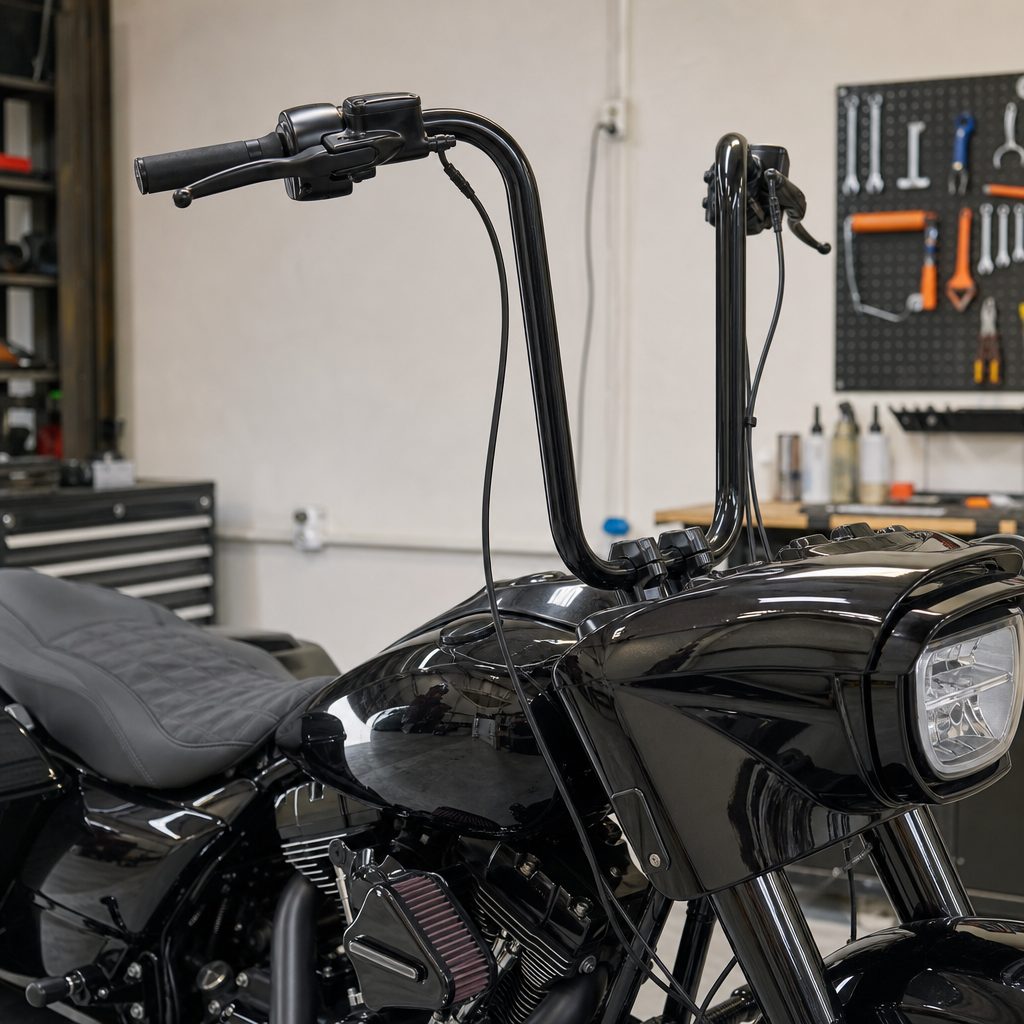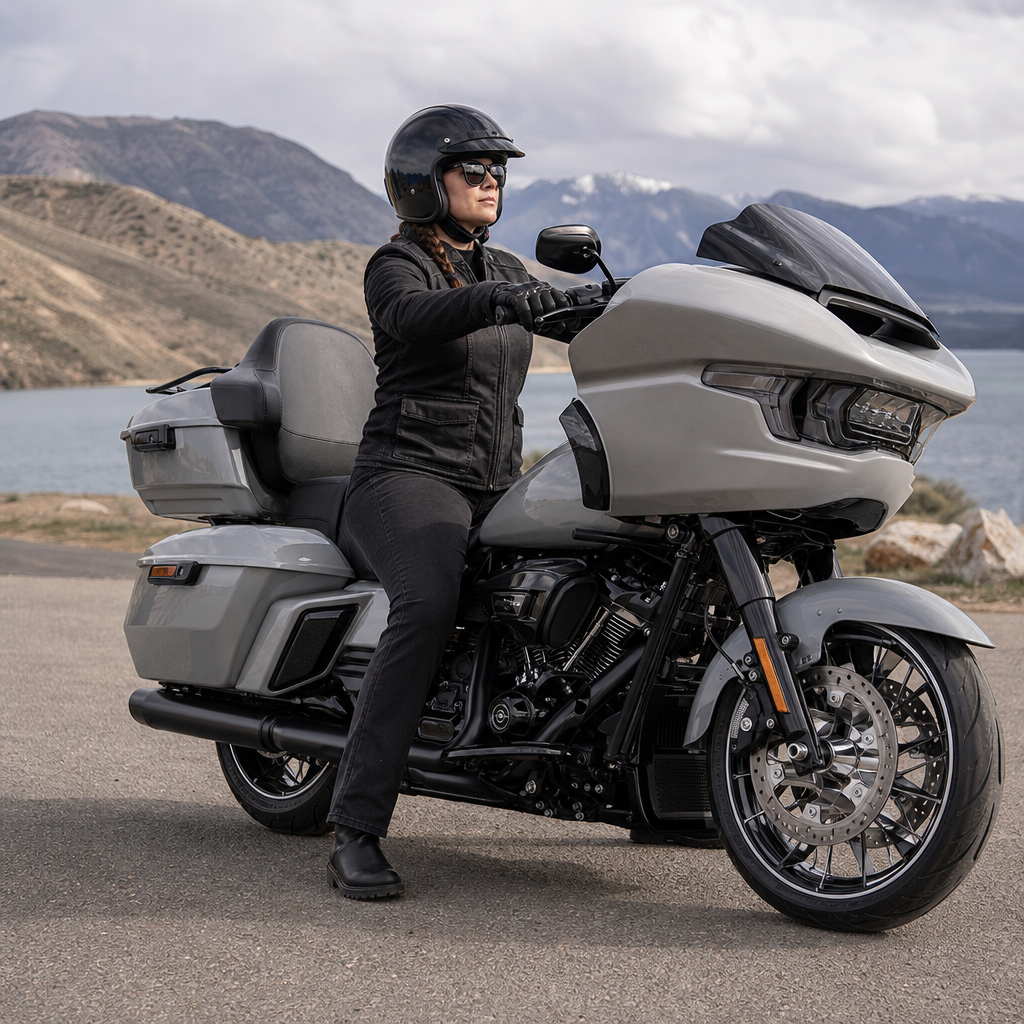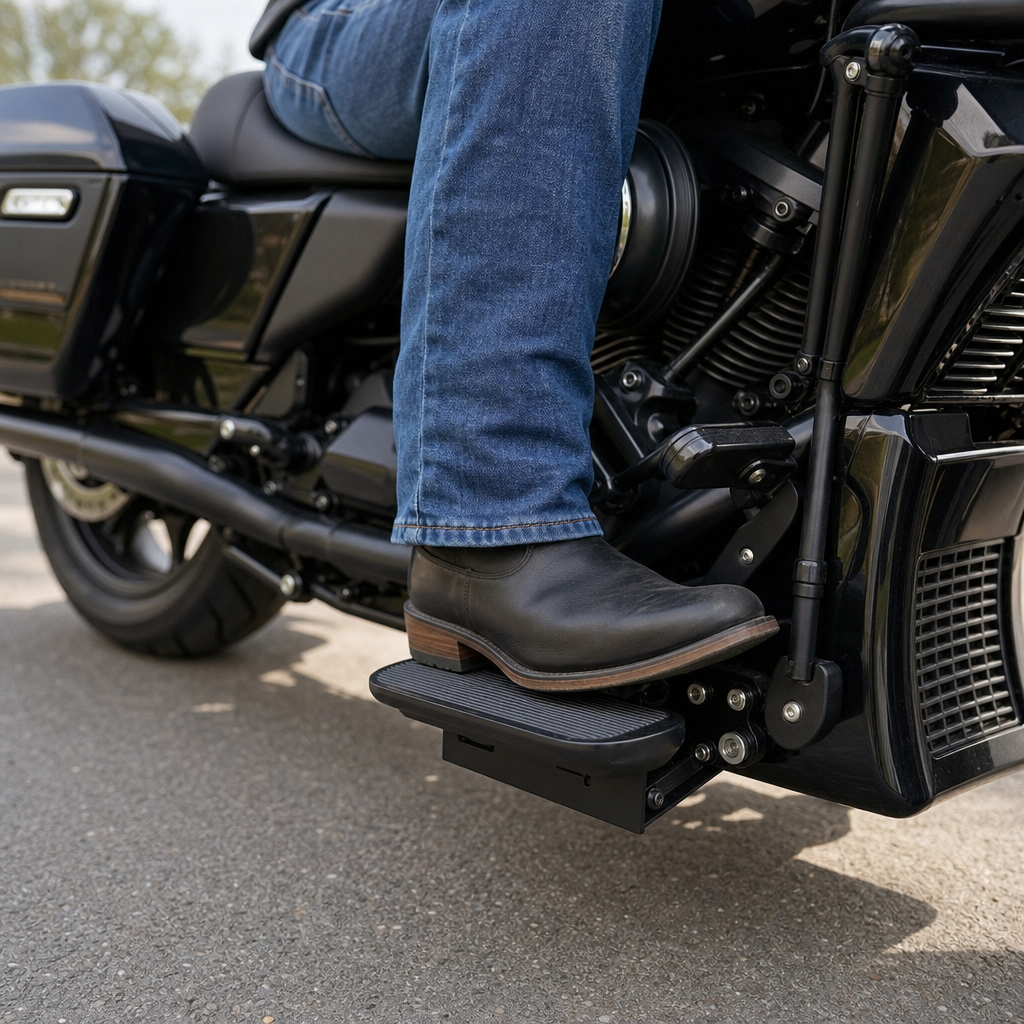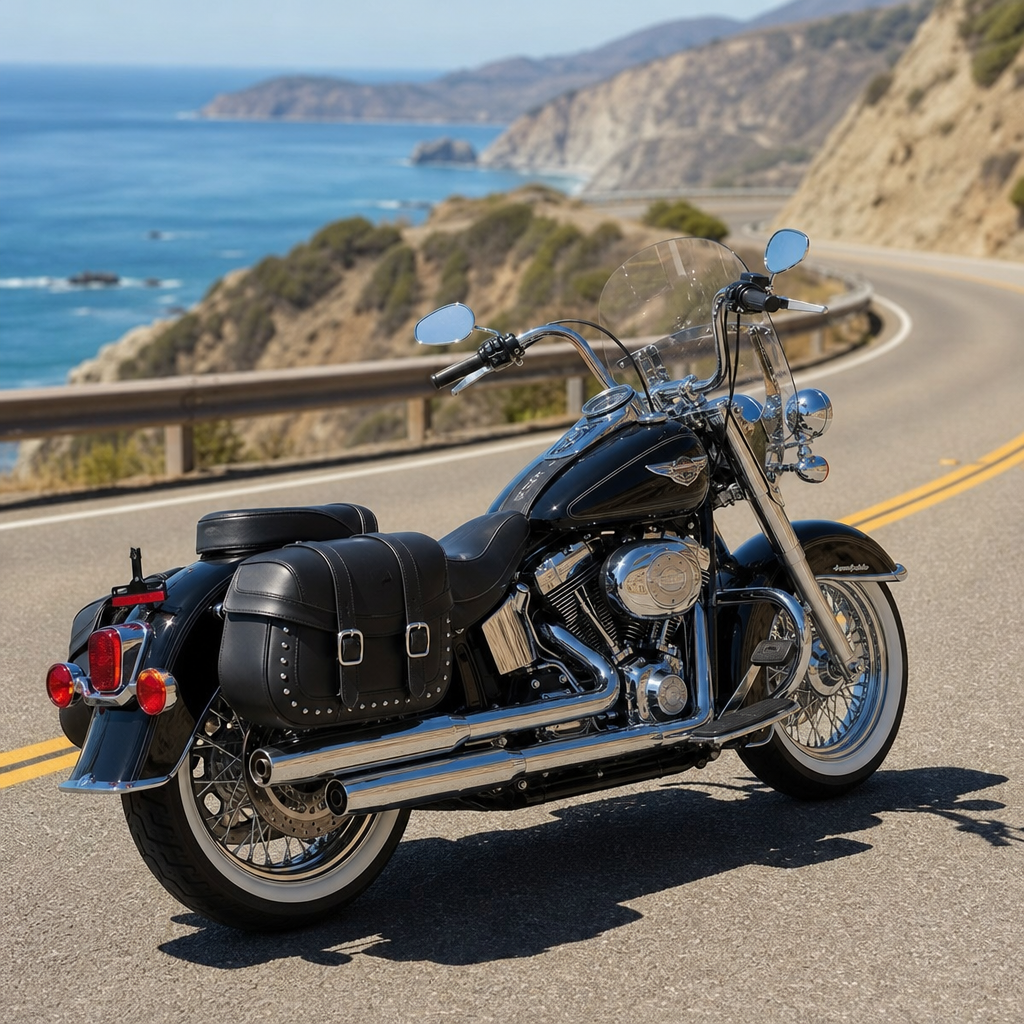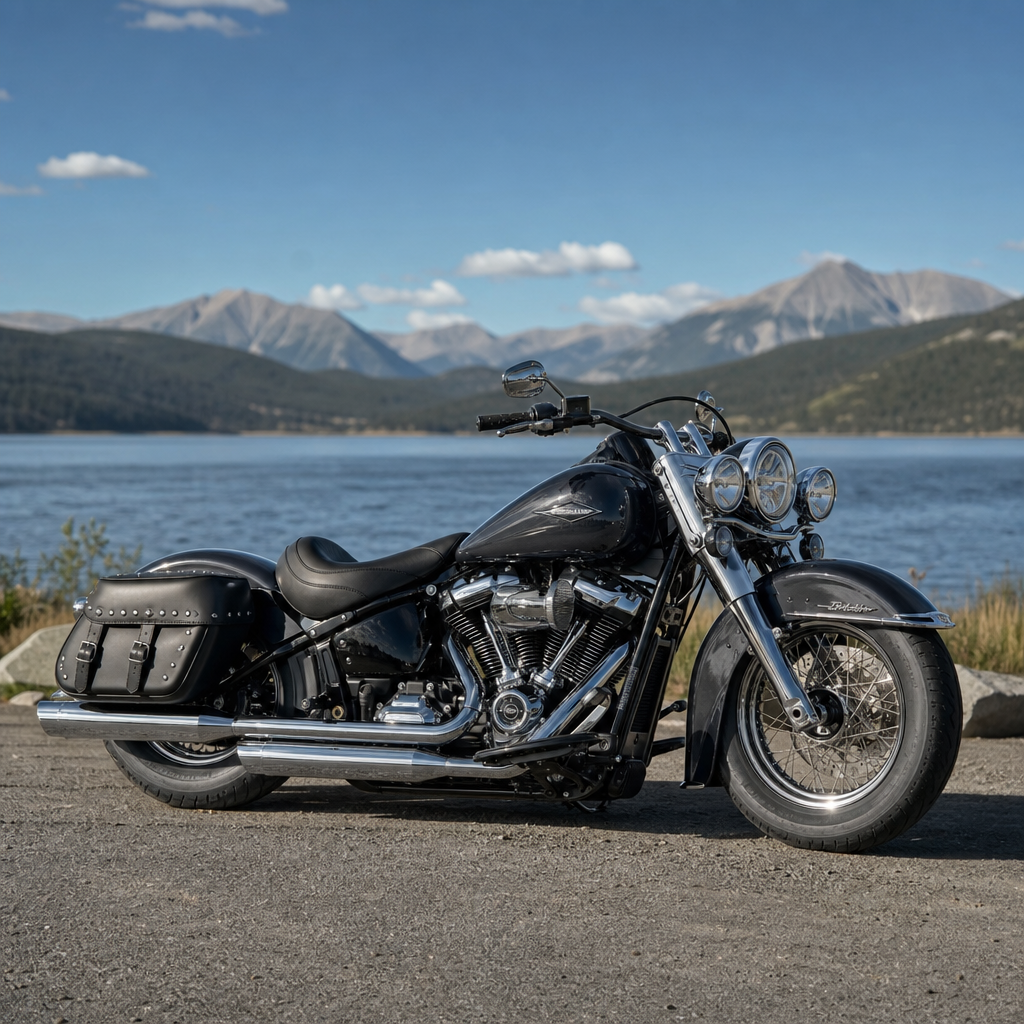
The 2026 Softail Heritage Air Ride Mod is one of the most requested upgrades among riders who want the classic Harley-Davidson touring silhouette to sit lower, look longer, and park with a true slammed stance without giving up practical road manners. In this context, an air ride system replaces or supplements the stock rear suspension with an adjustable air shock setup that can raise the bike for riding and lower it dramatically when stopped. On a Heritage model, that matters because the platform blends vintage styling, detachable touring hardware, and Softail chassis geometry, so any change in ride height affects ergonomics, handling, belt alignment, fender clearance, passenger comfort, and load capacity all at once.
I have set up Softail baggers and Heritage models for riders ranging from shorter inseams seeking better confidence at stops to experienced custom builders chasing a show-bike profile that still works on real roads. The lesson is consistent: the slammed look is easy to imitate, but achieving it safely requires a model-specific recipe. For the 2026 Heritage, that recipe starts with understanding how seat height, rear sag, shock stroke, wheel travel, and tire-to-fender clearance interact. It also means thinking beyond the rear suspension. A lower rear changes steering attitude, front-end feel, cornering clearance, and how the bike responds under braking with luggage or a passenger.
This hub article covers the complete decision framework for a 2026 Softail Heritage air ride conversion. It defines the core terms, explains the parts that matter, shows where owners make costly mistakes, and outlines the most reliable setup paths for solo cruising, two-up touring, and aggressive stance-focused builds. It also serves as the central guide for model-specific ergonomics and performance recipes within the Harley-Davidson category, so the goal is not just to explain one modification but to connect appearance, comfort, safety, and function into one practical upgrade plan.
What an Air Ride System Changes on a 2026 Softail Heritage
An air ride setup on a Softail Heritage changes static ride height, dynamic suspension behavior, and rider ergonomics. Static ride height is the parked or baseline height of the motorcycle. Dynamic behavior is how the suspension compresses, rebounds, and supports weight when you accelerate, brake, corner, or hit rough pavement. Ergonomics includes your reach to the ground, knee angle, hip angle, and how securely you can control the bike at low speed. On the 2026 Heritage, those factors are especially important because the bike’s floorboards, valanced fenders, and touring accessories make clearance management tighter than on a stripped cruiser.
The biggest misconception is that air ride is only about going low. In reality, the best systems give you two distinct modes: a ride height with enough travel to absorb bumps and preserve chassis stability, and a show height that dramatically lowers the rear end when parked or rolling slowly into an event. If you try to ride at the absolute lowest setting, you invite bottoming, poor damping control, harsh impacts, and contact between the tire and fender or wiring under compression. A safe slammed Heritage is therefore not the lowest bike possible. It is the lowest bike that still maintains proper travel, alignment, and predictable control at its intended operating height.
For owners comparing this mod to lowering links or short fixed shocks, air ride offers adjustability that fixed hardware cannot. You can compensate for a passenger, saddlebags, seasonal gear, or road conditions. That flexibility is the reason many Heritage riders choose it over static lowering. However, it also adds complexity: compressor placement, airline routing, moisture management, electrical load, pressure monitoring, and maintenance discipline all matter. A quality installation feels intentional and factory-like. A poor one looks clean in photos but develops leaks, erratic ride height, blown fuses, or unsafe tire contact within a season.
Model-Specific Ergonomics Recipe: Seat Height, Reach, and Confidence
The right slammed setup starts with the rider, not the parts catalog. On a 2026 Softail Heritage, inseam length alone does not tell the full story. Boot sole thickness, hip mobility, handlebar pullback, seat pocket width, and floorboard position all influence whether a rider feels planted at stops. I measure three things before recommending an air ride recipe: current one-foot and two-foot reach at a stop, knee bend while seated, and bar reach when the bike is held upright off the jiffy stand. Those observations reveal whether lowering will improve control or simply trade one ergonomic problem for another.
For shorter riders, the best outcome often comes from combining moderate rear lowering with a seat reshaping strategy rather than chasing the absolute minimum ride height. Narrowing the front of the saddle can reduce effective stand-over distance more than dropping the bike another fraction of an inch. On the Heritage, this matters because wide touring-style seats can splay the legs outward, making the bike feel taller than the spec sheet suggests. A well-contoured seat plus an air ride at practical ride height can create more real confidence than a heavily slammed setup that forces awkward posture once underway.
Taller riders need a different recipe. A low parked stance may still be desirable, but ride height must preserve knee room and keep the bars from feeling too high relative to the seat. If the rear is lowered substantially without considering seat shape and front-end balance, a tall rider can feel folded, with excessive hip rotation and reduced leverage through corners. In those cases, I usually pair the air system with a seat that adds support in the pocket and verify that floorboard clearance remains acceptable during normal lean. The goal is simple: the bike should look long and low when parked, but feel natural and neutral when ridden at speed.
Performance Recipe: Ride Height, Geometry, and Clearance
Every 2026 Softail Heritage air ride build lives or dies by geometry. Lowering the rear changes rake attitude and trail feel indirectly by altering chassis pitch. Even modest reductions in ride height can slow steering response, reduce suspension travel, and increase the chance of floorboard or exhaust contact. That is why a model-specific performance recipe always includes target ride height numbers, loaded sag checks, and a realistic use case. A rider who cruises flat city streets solo can tolerate a lower operating height than a rider who tours with a passenger, cargo, and mixed pavement.
The safe baseline is to establish a true ride height separate from show height. At ride height, the shock should have enough remaining compression travel to absorb mid-corner bumps without bottoming. The rear tire needs verified clearance to the fender, inner support structure, wiring, and any relocated components. Belt tension must be checked at the suspension position where the front pulley, swingarm pivot, and rear axle are closest to alignment, because that is where the belt runs tightest. Many owners skip this and end up with belts that are either over-tight at compression or too loose in normal use, both of which shorten component life.
Front-end balance also matters. If the rear sits too low relative to the front during operation, the bike can feel lazy entering turns and unsettled during quick line changes. Some builders correct this with front spring or damper tuning rather than extreme front-end lowering, which preserves travel. On a Heritage, preserving front compliance is important because the bike often sees mixed use, including patched asphalt and expansion joints. A slammed appearance should not come at the cost of a front end that crashes through bumps or a rear end that blows through stroke. The best builds are calibrated, not merely lowered.
| Use Case | Recommended Ride Strategy | Main Ergonomic Goal | Main Safety Priority |
|---|---|---|---|
| Solo city cruising | Moderate ride height, aggressive parked drop | Easier flat-foot reach | Preserve bump travel over rough streets |
| Two-up weekend touring | Higher operating pressure and conservative lowering | Stable passenger support | Avoid bottoming and tire-to-fender contact |
| Show-focused local riding | Very low parked stance, carefully limited ride use at low height | Maximum visual impact | Strict clearance verification and speed discipline |
| Daily mixed-road use | Balanced ride height with repeatable presets | Comfort and confidence | Consistent geometry and predictable handling |
Parts Selection: Shock, Compressor, Controls, and Supporting Hardware
Not all air ride kits for Harley-Davidson Softail models are equal, and the Heritage rewards careful component selection. The rear shock is the heart of the system. Its stroke length, damping quality, bushing design, and load rating determine whether the bike rides like a machine or a compromise. I strongly favor systems from established manufacturers with known support, documented fitment, and rebuild options. Brands with a long track record in V-twin suspension typically provide better mounting hardware, pressure guidance, and replacement parts than generic imported kits sold mainly on appearance.
The compressor and control system matter just as much. A compact onboard compressor allows fast height changes, but only if it is mounted where heat, vibration, and moisture are controlled. Relays, fused power feeds, and weather-resistant connectors are mandatory. A simple momentary up-and-down switch can work, but riders who use the bike in different load conditions benefit from repeatable presets or at least a clearly visible pressure gauge. Without a reliable reference point, many owners ride too low after adjusting for appearance in a parking lot and forget to return the system to a safe operating pressure before getting back on the road.
Supporting hardware is where good builds become durable builds. That includes airline quality, abrasion sleeves, grommets at pass-through points, P-clamps for secure routing, and heat shielding near exhaust components. The 2026 Heritage has styling elements and accessory options that can crowd space around the rear fender and under-seat area, so routing needs to account for full suspension movement. I also recommend checking whether detachable hardware, saddlebag supports, or custom lighting creates new pinch points. An air line that survives static inspection but rubs at full compression will eventually fail. Reliability comes from planning movement, not just placement.
Installation and Safety Checks That Prevent Expensive Mistakes
Professional installation is valuable because the most serious air ride failures are usually setup errors, not defective parts. On the Heritage, the installation sequence should include baseline measurements before disassembly, torque verification to factory specifications, swingarm travel checks with the spring unloaded if possible, and a full compression mock-up to confirm clearances. I have seen builds that looked perfect on the lift but contacted the wiring harness under the fender when the suspension compressed over a dip with a passenger aboard. That kind of mistake is preventable only when the bike is checked through its actual travel arc.
Electrical integrity is another common weak point. Compressors draw meaningful current, and poor grounds or undersized wiring create intermittent faults that are hard to diagnose. The correct approach uses the appropriate fuse size, a relay where required, secure battery connections, and wire routing protected from chafe and heat. If the system includes a pressure sensor, controller, or handlebar switchgear, every connector should be weather sealed. Harley owners often ride in rain, wash their bikes carefully, and store them for periods, so corrosion resistance matters more than it does on fair-weather-only show machines.
After installation, the safety checklist should cover leak testing, hot and cold pressure behavior, belt tension through suspension travel, rear wheel alignment, tire clearance, side stand angle, brake line freedom, and loaded test rides. The side stand point is often overlooked. If the bike sits dramatically lower when aired out, the lean angle on the stand changes, which can make parking less stable on uneven surfaces. Finally, the owner needs a simple operating rule: air up to the defined ride setting before normal riding, especially before carrying a passenger or luggage. The best system in the world cannot protect a rider who treats show height as highway height.
Ownership, Maintenance, and Hub Guidance for Future Heritage Setup Articles
A 2026 Softail Heritage air ride mod stays safe only if the owner treats it as a suspension system, not a one-time cosmetic accessory. That means checking pressure consistency, listening for compressor cycle changes that suggest a leak, inspecting air lines during routine service, and rechecking fasteners after the first several heat cycles and miles. I advise riders to include the system in every pre-ride walkaround: verify the bike has reached ride height, confirm nothing is rubbing near the fender, and pay attention to any change in ride harshness or steering response. Small shifts in feel usually appear before major failures.
As the hub for model-specific ergonomics and performance recipes under Harley-Davidson, this page should guide the next decisions. If your priority is shorter-rider confidence, the next setup topic is seat shaping and bar reach on the Heritage. If your priority is touring, focus on passenger load management, saddlebag weight distribution, and operating pressure ranges. If your goal is a cleaner custom stance, study wheel-and-tire clearance, fender support modifications, and front-to-rear visual balance before buying parts. Each of those subtopics builds on the same principle: aesthetics only work long term when they are engineered around real use.
The main takeaway is clear. A slammed Heritage can be safe, comfortable, and genuinely useful when the build is based on geometry, ergonomics, and disciplined installation rather than on lowest-possible ride height. Choose quality components, define a real ride height, verify all clearances under load, and match the setup to how you actually use the motorcycle. Do that, and the 2026 Softail Heritage Air Ride Mod delivers the stance riders want without sacrificing the control and confidence they need. Use this hub as your starting point, then map your next Heritage upgrade around the rider, the load, and the road.
Frequently Asked Questions
What does an air ride mod actually do on a 2026 Softail Heritage, and why is it so popular for the “slammed” look?
An air ride mod changes the rear suspension from a fixed-height setup to an adjustable system that uses air pressure to control ride height. On a 2026 Softail Heritage, that means the bike can sit at a practical height while you are riding, then drop down dramatically when parked to create the long, low “slammed” stance many riders want. The visual effect is a big part of the appeal. Lowering the rear makes the bike look stretched, more custom, and closer to the classic show-bike silhouette that works especially well with the Heritage’s nostalgic styling, full fenders, and substantial touring profile.
What makes this upgrade so attractive is that it is not just about appearance. A traditional hard-lowered suspension often forces a permanent compromise in ride quality, cornering clearance, and usability. Air ride offers adjustability instead of a fixed drop. You can raise the bike to improve suspension travel, reduce harsh bottoming, and maintain better road manners when you are actually riding. Then, when you reach your destination, you can air it down for maximum visual impact. For many Heritage owners, that balance between style and practicality is exactly why the mod is in such high demand.
On a bike like the Heritage, details matter. Floorboards, passenger comfort, saddlebag alignment, rear fender clearance, and overall geometry all play into whether a slammed bike is enjoyable or just frustrating. A properly selected and installed air ride system lets you customize the stance without permanently turning the motorcycle into a parking-lot-only build. That is why the best setups are designed around safe ride height, smooth operation, and predictable behavior under real-world conditions rather than just the lowest possible parked position.
Is an air ride Softail Heritage safe to ride, or does lowering the bike create handling problems?
It can be very safe to ride if the system is designed correctly, installed properly, and used within sensible limits. The key point is that a slammed parked height is not the same thing as a safe riding height. A quality air ride setup allows the motorcycle to be raised to an appropriate pressure and suspension position before moving. That helps preserve enough travel for bumps, protects the rear fender and tire from contact, and maintains more stable chassis geometry. Problems usually happen when riders try to operate the bike too low, use poor-quality components, or ignore fitment and clearance issues.
Handling changes are real, and they should be understood before the mod is installed. Lowering the rear too far while riding can reduce suspension travel, alter swingarm angle, affect belt tension behavior through suspension movement, and decrease cornering clearance. On a Heritage, that may mean floorboards touch down sooner, rough roads feel sharper, and passenger loads become more demanding on the setup. None of that automatically makes air ride unsafe, but it does mean the bike should be tuned for real riding conditions rather than just appearance. The safest builds maintain a clearly defined ride-height range and are tested with the rider’s weight, luggage, and any passenger load in mind.
Reliability also matters to safety. A well-built system should include high-quality air lines, secure fittings, a dependable compressor if the setup is on-board, proper wiring protection, and mounting points that can handle vibration and repeated use. Many experienced builders also recommend incorporating safeguards such as pressure monitoring, bump-stop awareness, and thoughtful routing that keeps lines away from heat and moving parts. In short, air ride can be safe on a 2026 Softail Heritage, but only when the goal is a complete, rideable suspension package rather than a cosmetic shortcut.
How low can you safely slam a 2026 Softail Heritage without causing clearance or suspension issues?
The honest answer is that there is no single universal number because safe lowering depends on the specific air shock design, wheel and tire size, fender shape, saddlebag setup, rider weight, passenger use, and how the bike is expected to be ridden. A Heritage can often be dropped impressively low at rest, but the true safety question is not how low it looks parked. It is how much usable suspension travel and tire-to-fender clearance remain at riding pressure and under compression. That is the measurement that determines whether the bike will behave well on actual roads.
To set a safe range, builders typically check several things: static ride height, loaded ride height with the rider on the bike, full compression clearance, belt and pulley alignment through suspension travel, and cornering clearance at the floorboards and other low points. On a Heritage, this is especially important because the bike’s styling encourages a low rear stance, but the platform still needs enough movement to absorb bumps without repeatedly bottoming out. If the rear tire can contact the fender, wiring, or under-seat components during compression, the setup is too aggressive for safe use. The same applies if the bike rides so low that every dip in the road causes harsh impacts or chassis instability.
The best approach is to think in terms of two separate heights: a show height and a ride height. The show height can be much lower because the bike is stationary or moving only minimally. The ride height should be the lowest setting that still preserves control, comfort, and mechanical clearance. That distinction is what allows riders to achieve the slammed look responsibly. Instead of chasing the absolute lowest possible drop, focus on a setup that gives you dramatic visual effect when parked and dependable travel when rolling. That is where the sweet spot usually is on a Heritage.
What should you look for in an air ride kit for a 2026 Softail Heritage?
Fitment should be the first priority. The kit should be specifically intended for the Softail platform and ideally for the 2026 Heritage configuration, with attention paid to mounting dimensions, shock length, load capacity, and the space available around the rear suspension area. A generic kit may seem appealing on price, but poor fitment often leads to compromised geometry, awkward airline routing, or preventable clearance problems. A good kit should feel engineered for the motorcycle rather than adapted to it.
Component quality is equally important. Look for durable air shocks, strong brackets, quality fittings, abrasion-resistant air lines, and a compressor and manifold system that can handle repeated cycling if you want on-board adjustment. Electrical components should be weather-resistant and built for motorcycle vibration. If the system includes switches or wireless controls, they should be intuitive and reliable, not gimmicky. You should also pay attention to how the kit manages minimum and maximum travel, because the best systems are designed to operate consistently across a useful range instead of only excelling at the lowest visual setting.
Support and documentation matter more than many riders expect. A quality manufacturer should provide clear installation instructions, recommended pressure ranges, and guidance on setup for solo, two-up, and loaded riding. It also helps if replacement parts and technical support are readily available. Since the Heritage is often used for cruising and light touring, a worthwhile kit should support that use case rather than forcing the owner to treat the bike like a fragile display piece. In practical terms, the right air ride kit is one that gives you the slammed look, preserves rideability, and comes from a brand with enough engineering and after-sale support to back up its claims.
Can you install a Heritage air ride system yourself, or is professional installation the better option?
A skilled home mechanic can install some air ride systems, but professional installation is often the better option if you want the bike to perform safely and consistently. This is not just a bolt-on cosmetic accessory. The job can involve suspension removal, precise mounting, airline routing, electrical wiring, compressor placement, switch installation, leak testing, and careful verification of clearances throughout the suspension’s full range of motion. Even when the hardware physically fits, the setup still has to be dialed in so the bike raises, lowers, and rides the way it should.
The biggest advantage of professional installation is experience with the details that separate a clean build from a troublesome one. An experienced installer will know how to prevent airlines from rubbing through, how to protect wiring from heat and moisture, how to avoid pinch points, and how to confirm that the rear tire, fender, and related components remain safe under compression. They can also help set an appropriate baseline ride pressure and identify whether additional changes, such as modified bump stops or related fitment adjustments, are necessary for your specific bike and riding style.
That said, a do-it-yourself installation is possible if you are comfortable working on suspension and electrical systems, have the proper tools, and are disciplined about following the manufacturer’s instructions. If you go that route, take your time and test everything thoroughly before riding. Verify there are no leaks, confirm consistent pressure changes, and inspect the bike both unloaded and with the rider aboard. Most importantly, never assume that because the bike can lower all the way down, it should be ridden that way. Whether you install it yourself or hire a professional, the goal is the same: a Heritage that looks slammed when you want it to, but still rides safely and predictably when it matters.