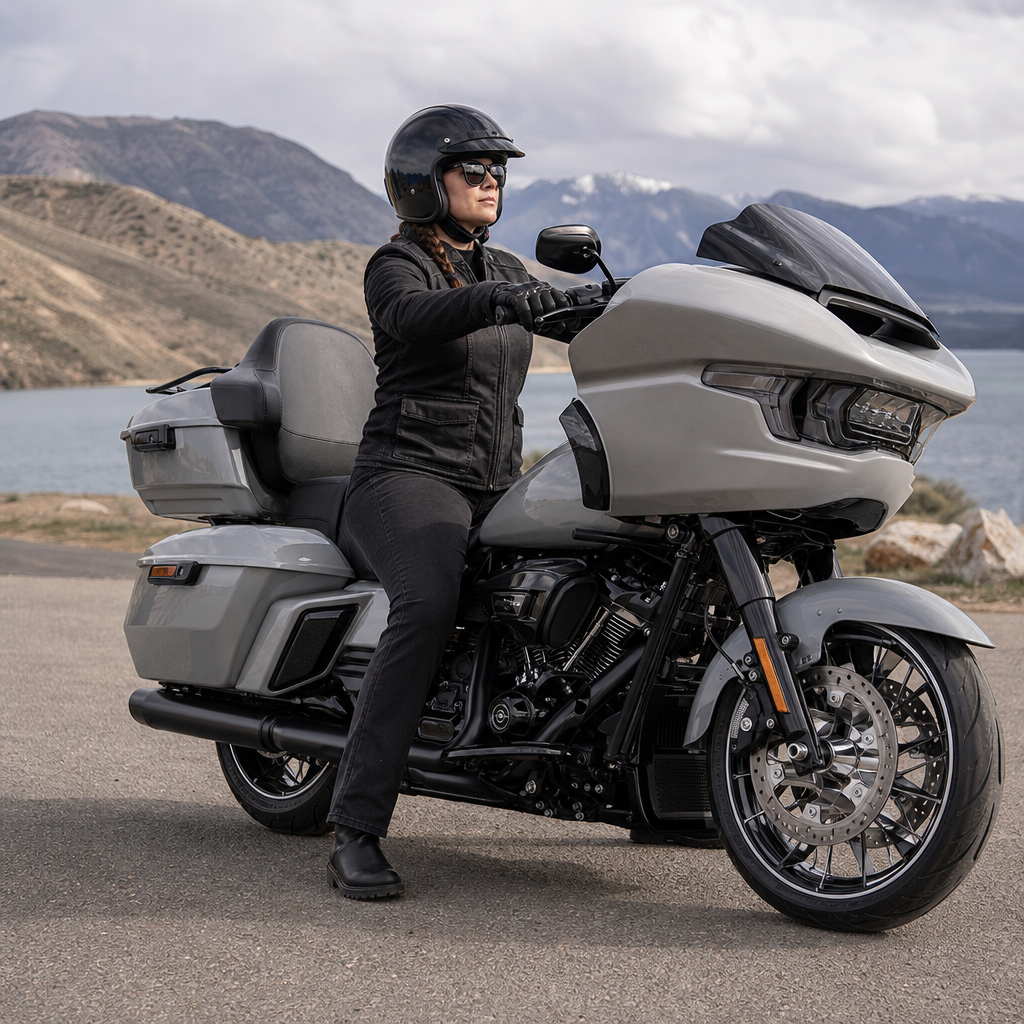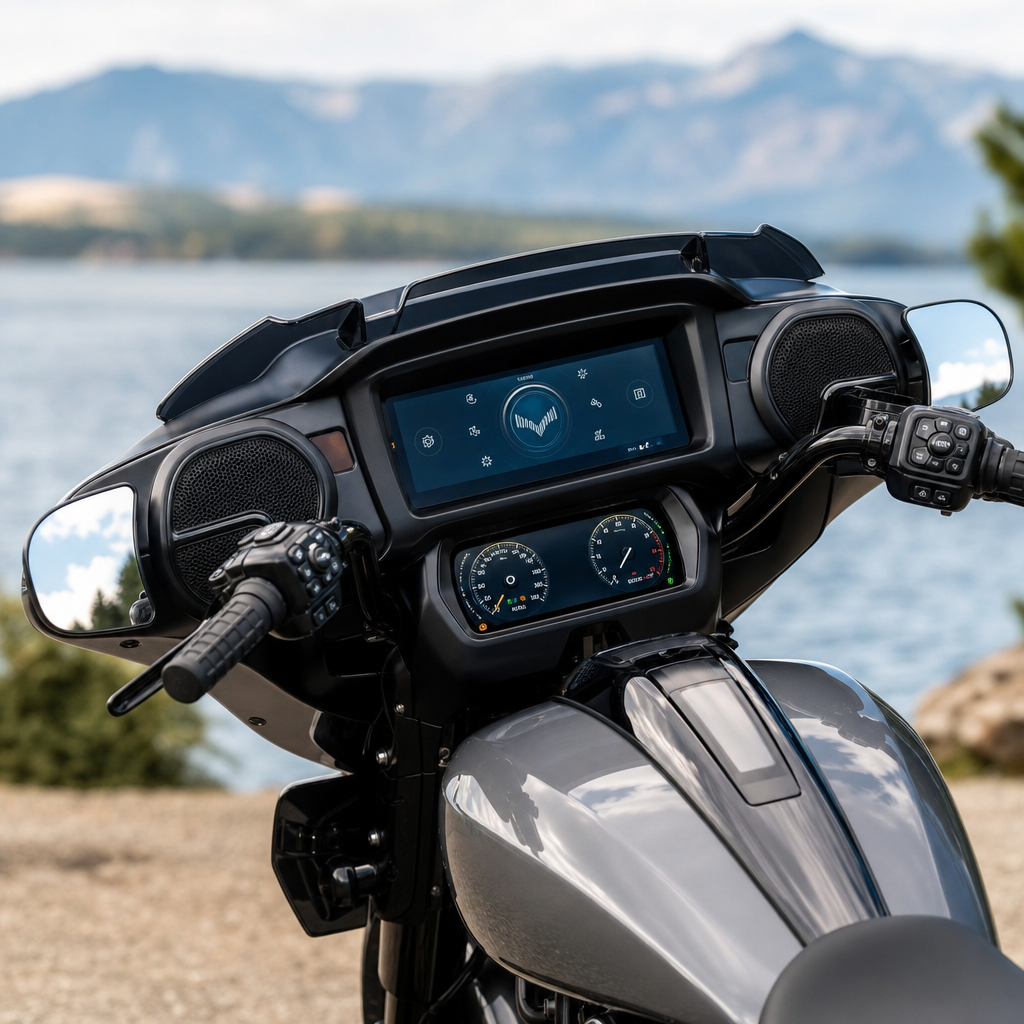
The 2026 Street Glide Limited gives touring riders a rare combination of long-haul comfort, modern electronics, and enough fairing real estate to build a serious sound system without turning the bike into a science project. This audio recipe focuses on integrating the Skyline operating system with Rockford Fosgate components in a way that respects the motorcycle’s ergonomics, charging capacity, weather exposure, and rider workflow. In this context, a recipe means a repeatable parts-and-tuning blueprint: source unit behavior, amplifier layout, speaker selection, wiring strategy, and final calibration. I use that term intentionally because the best Harley-Davidson audio upgrades are not random collections of premium parts. They are systems designed around seat position, wind noise, gloved controls, heat, luggage use, passenger comfort, and the way a bagger is actually ridden at highway speed.
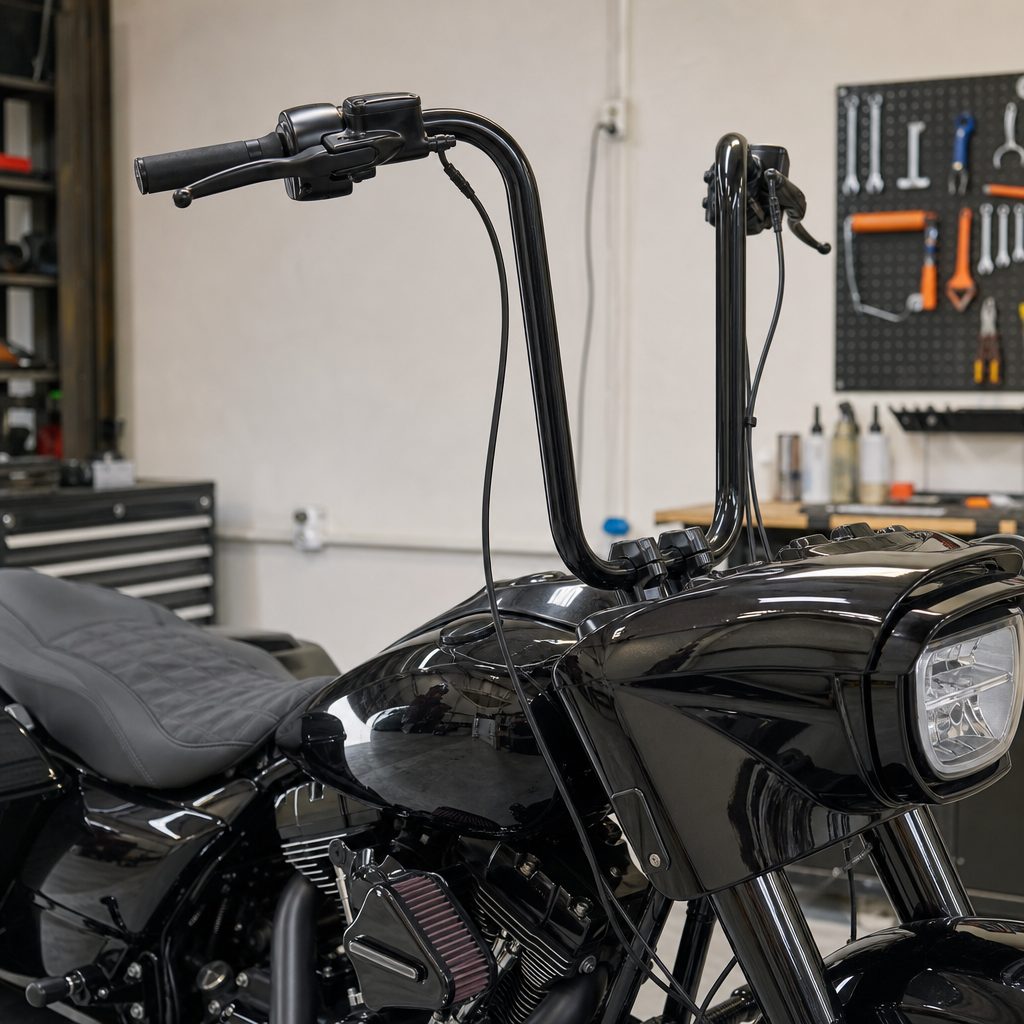
That model-specific approach matters because the Street Glide Limited is not simply a generic touring bike with speakers added. Its fairing shape, bar reach, saddle height, lower bodywork, luggage configuration, and infotainment architecture all influence what sounds good and what remains usable after ten hours on the road. I have seen expensive installs fail because the builder chased peak wattage instead of preserving handlebar clearance, serviceability, and clean integration with factory controls. The Skyline OS changes the equation by centralizing audio control, signal management, and interface behavior, while Rockford components bring predictable power handling, marine-grade durability, and tuning headroom. When those pieces are matched correctly, the result is louder output, clearer vocals at speed, lower distortion, and a cockpit that still feels like a Harley-Davidson rather than an aftermarket demo bike. This article serves as the hub for model-specific ergonomics and performance recipes, showing how to choose, package, and tune an audio system that works on the 2026 Street Glide Limited.
Why the 2026 Street Glide Limited Demands a Model-Specific Audio Recipe
The first principle is simple: motorcycle audio lives or dies by environmental noise and rider position. On a Street Glide Limited, the rider sits in a semi-upright posture behind a batwing-style fairing, with wind management that helps but does not eliminate broadband noise above roughly 45 mph. Helmet type, windshield height, and torso length change the acoustic picture dramatically. A system that sounds balanced in a garage can become midrange-starved and harsh on the interstate. That is why a model-specific audio recipe starts with ergonomics before it ever gets to watts or speaker diameter.
The second principle is electrical realism. Touring Harleys can support strong audio systems, but only if current draw, amplifier efficiency, battery health, and charging behavior are treated as design constraints. Skyline OS integration helps here because it streamlines signal routing and minimizes the patchwork of converters and controllers that often create noise, latency, or battery drain. Rockford amplifiers are popular in this application because their compact chassis, conformal-coated circuit boards, and stable output under vibration suit motorcycle duty. In practice, that means fewer surprises when the system is exposed to summer heat, rain, and sustained highway vibration.
As a hub topic, model-specific ergonomics and performance recipes should answer the practical questions owners ask before buying anything: What fits without cutting? Where should amplifiers live? How many channels are useful on a bagger? What tuning targets actually work at speed? Can the passenger still use the trunk and backrest comfortably? Those questions are not side notes. They determine whether the upgrade improves the bike or compromises it.
Core Integration Strategy: Skyline OS as the Control Layer, Rockford as the Output Layer
The most effective way to think about this build is as a layered system. Skyline OS functions as the control and processing layer. It handles interface logic, source management, user interaction, and the audio settings environment the rider uses day to day. Rockford becomes the output layer: amplifiers, speakers, and in some builds signal accessories designed to convert processed information into usable acoustic output on the road. That separation matters because it keeps troubleshooting clean. If a source issue appears, you look at software, signal routing, and configuration. If output is weak or distorted, you inspect gain structure, speaker loading, crossover points, and mounting integrity.
On the 2026 Street Glide Limited, clean integration means preserving factory usability. Track changes, volume changes, prompts, and navigation audio must remain intuitive with gloves on. Latency must be low enough that prompts feel native. Source switching should not require multiple menus at speed. In my experience, the best Skyline setup is the one the rider forgets about after the first week because every command feels obvious. That requires careful configuration at installation, especially if multiple sources are involved, such as Bluetooth streaming, navigation, stored media, and intercom audio.
Rockford equipment complements that goal when channel allocation is planned correctly. Two-channel systems can work for riders focused on front-stage clarity, but most Street Glide Limited owners benefit from at least a four-channel layout, with dedicated power for fairing speakers and optional rear-fill or lower-fairing drivers. More channels are not automatically better. On a motorcycle, every added component increases heat, wiring complexity, and potential service issues. The right recipe uses only the channels that produce a clear audible improvement in the rider’s actual seating position.
Ergonomics First: Speaker Placement, Rider Triangle, and Passenger Considerations
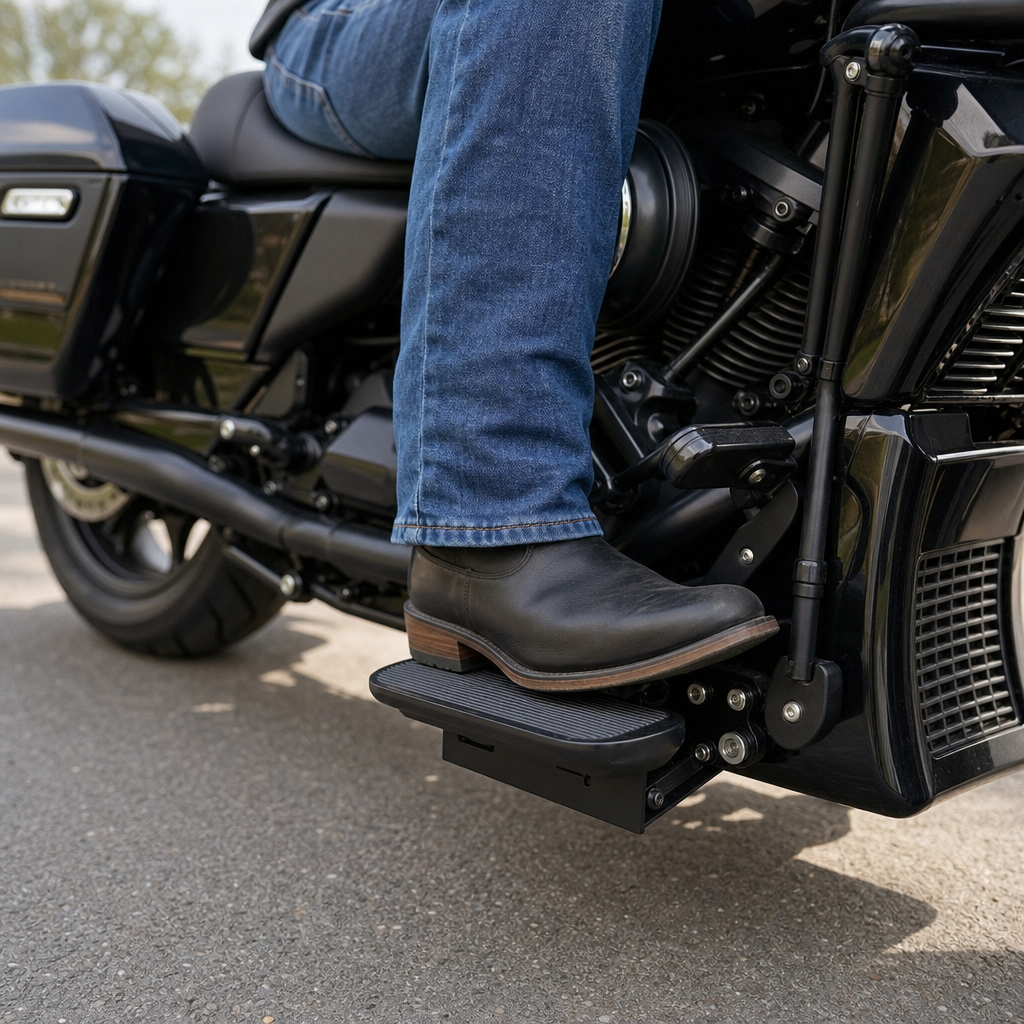
Ergonomics in audio installation means the system supports the rider triangle rather than fighting it. The rider triangle is the relationship among seat, bars, and floorboards. On the Street Glide Limited, that geometry determines how the torso meets the wind and how directly the ears receive front-stage output. Fairing speakers should be aimed and sealed to maximize vocal intelligibility for the rider, not just raw loudness from outside the bike. That often means prioritizing midbass control and upper-mid presence over exaggerated low-end that disappears once road speed rises.
Passenger ergonomics matter too. Many touring owners ride two-up, and rear seating changes acoustic priorities. A passenger’s torso and helmet can absorb or reflect sound, altering the perceived balance from the saddle. If rear speakers are added, they should support the front stage rather than smear it. Excess rear-fill can make lyrics less distinct and cause the rider to raise volume unnecessarily, increasing distortion and fatigue. I generally tune rear channels lower and cross them higher than many owners expect, because the goal is spatial support, not a rolling party barge.
Physical placement also affects serviceability. Amplifiers tucked into inaccessible cavities may look clean on day one, but they complicate battery access, fuse inspection, and future troubleshooting. A durable recipe leaves room for maintenance, protects connectors from water paths, and avoids routing near heat sources that can soften insulation over time. Good packaging is part of performance.
Recommended Build Tiers for the 2026 Street Glide Limited
The right recipe depends on riding style, budget, and how much output is needed at speed. Riders who spend most of their time below 60 mph need a different system from riders crossing western interstates with full-face helmets and tall bars. The table below summarizes practical build tiers I recommend most often for this Harley-Davidson platform.
| Build Tier | Typical Configuration | Best Use Case | Main Tradeoff |
|---|---|---|---|
| Stage 1 | Skyline OS integration, 4-channel Rockford amp, upgraded fairing speakers | Solo touring, clean front-stage clarity, minimal weight increase | Limited low-frequency output at highway speed |
| Stage 2 | Skyline OS, 4- or 6-channel Rockford amplification, fairing plus lower speakers | Frequent highway riding, stronger midbass, better projection | More wiring complexity and current draw |
| Stage 3 | Skyline OS, multi-amp Rockford system, front and rear zones with detailed tuning | Two-up touring, high-speed listening, show-quality integration | Highest cost, tuning time, and packaging demands |
For most owners, Stage 2 is the sweet spot. It delivers the audible jump riders expect without pushing the bike into diminishing returns. Stage 1 is ideal for riders who value simplicity and want a system that sounds dramatically better than stock with minimal installation burden. Stage 3 makes sense when the motorcycle is used as a full touring platform and the owner is committed to careful tuning, premium mounting hardware, and realistic charging management.
Power, Wiring, and Reliability: Building for Heat, Weather, and Charging Limits
Reliable motorcycle audio depends more on power delivery than many riders realize. Voltage sag reduces output, raises distortion, and can trigger amplifier protection when the bike is idling in traffic with lights, fans, and charging load all competing. The cure is not simply a bigger fuse. It is proper wire gauge, solid grounds, short power runs where possible, weather-resistant fuse holders, and amplifier mounting that allows heat to dissipate. Rockford’s compact marine-friendly designs help, but no amplifier can overcome poor wiring practice.
On the Street Glide Limited, I prefer a direct battery connection with high-quality OFC power cable sized for the total current demand, not the minimum acceptable draw. Grounding should return cleanly to battery or approved chassis points with verified continuity. Signal cables need separation from high-current power runs to reduce induced noise. Loom protection, strain relief, and sealed connectors are not cosmetic extras. They are what keeps a bike from developing intermittent faults after a season of vibration and rain.
Charging headroom should be evaluated honestly. If the owner idles for long stretches, runs heated gear, auxiliary lighting, and a high-output audio system simultaneously, battery reserve becomes part of the recipe. This is where many poor installs disappoint riders. They sound strong on a bench charger, then flatten at a gas stop. A balanced Street Glide Limited audio build accepts the bike’s electrical reality and tunes within it.
Tuning the System: Crossovers, Gain Structure, EQ, and Highway Listening
Tuning is where Skyline OS and Rockford hardware either become a coherent system or a loud mistake. Correct gain structure comes first. Amplifier gains are not volume knobs; they match input sensitivity to source voltage. Set gains too high and the system clips early, making cymbals brittle and vocals splashy. Set them too low and the rider chases output with excessive source volume, raising noise. I always establish a clean reference level, then build from there with measured adjustments.
Crossovers should reflect motorcycle acoustics. Fairing speakers typically perform best when protected from deep bass they cannot reproduce cleanly in open-air conditions. High-pass filtering preserves headroom and lowers distortion. Lower speakers or larger drivers can carry more midbass, but they still need sensible crossover points to avoid muddying the vocal range. Equalization should target intelligibility first, then tonal balance. On-road tuning matters more than garage tuning because wind and engine noise mask frequencies unevenly. A slight upper-mid lift that seems aggressive indoors may become exactly right at 70 mph.
Time alignment can help if the platform supports it, but it should not be treated as magic. On a motorcycle, rider movement and helmet acoustics limit how surgical imaging can become. The real win is stable, centered vocal presence and consistent tonal balance over a reasonable listening range. I recommend tuning with the rider in normal posture, typical windshield fitted, and preferred helmet on hand. That is the environment that counts.
How This Hub Connects to the Wider Harley-Davidson Recipe Library
This Street Glide Limited audio recipe sits inside a broader Harley-Davidson framework: model-specific ergonomics and performance recipes. The same planning logic used here applies to bars, seats, suspension, floorboards, rider backrests, windshields, and braking feel. Every successful Harley-Davidson upgrade respects the relationship between the motorcycle’s geometry and the way the owner actually rides. Audio simply makes that relationship easier to hear.
As this hub expands, related articles should branch into fairing speaker selection, lower-fairing enclosure strategies, amplifier placement by model year, charging system limits, seat and bar combinations that affect wind noise, and tuning methods for different helmet types. That internal structure matters because owners rarely modify one system in isolation. A bar change can shift torso angle and alter wind exposure. A taller windshield can improve low-frequency perception. Passenger backrest changes can affect rear speaker usefulness. The best Harley-Davidson build guides connect those dots instead of treating each part as independent.
If you are planning a 2026 Street Glide Limited system, start with the recipe, not the catalog. Define your riding speed, solo or two-up use, luggage needs, electrical accessories, and sound goals. Then match Skyline OS integration and Rockford hardware to those facts. Done correctly, the payoff is substantial: clearer music at speed, less listening fatigue, factory-like control, and an installation that supports the motorcycle’s touring mission instead of distracting from it. Use this hub as the starting point, then build the rest of your Harley-Davidson setup around the same rule—fit the bike to the rider, and fit the technology to the bike.
Frequently Asked Questions
What does an effective 2026 Street Glide Limited audio recipe look like when integrating the Skyline OS with Rockford Fosgate components?
An effective recipe starts with the idea that the 2026 Street Glide Limited is not just a platform for adding louder speakers, but a fully integrated touring motorcycle with specific limits and advantages. The best Skyline OS and Rockford Fosgate setup is repeatable, serviceable, weather-conscious, and tuned for real riding conditions rather than parking-lot demos. In practical terms, that means choosing components that fit the fairing and bag-lid environment cleanly, selecting amplifier power that the charging system can realistically support, and configuring the Skyline operating system so the rider can access core audio functions quickly with gloves on and minimal distraction.
Most successful builds follow a simple structure: a Skyline OS-compatible source and control path, a clean digital or low-noise signal chain, a Rockford Fosgate amplifier matched to the final speaker count, and speakers chosen specifically for wind-noise-heavy motorcycle use. On a Street Glide Limited, that often means starting with fairing speakers as the primary soundstage, then adding rear fill or bag-lid speakers only if the rider truly needs more output at highway speed. The recipe becomes stronger when every part is selected to work together rather than mixed randomly based on wattage claims.
The integration side matters just as much as the hardware. Skyline OS should be set up to preserve a stable signal level, predictable source switching, and intuitive access to EQ, fader, and volume presets. Rockford components perform best when gain structure is set correctly from the source forward. That means avoiding clipped source output, using the proper preamp voltage if available, setting amplifier gains with discipline, and applying crossover points that protect the speakers while keeping vocals clear in the 60 to 80 mph range where touring bikes live most of the time.
The recipe should also respect the ergonomics of the bike. A great install on this platform keeps storage usable, leaves service access intact, does not overcrowd the fairing cavity, and avoids creating heat, vibration, or wiring problems that show up six months later. In short, the right recipe is not just a parts list. It is a balanced system design that treats Skyline OS as the command center and Rockford Fosgate gear as the amplification and speaker foundation, all tailored to the Street Glide Limited’s touring mission.
How do you match Skyline OS settings with Rockford Fosgate amps and speakers for the best sound quality on a touring motorcycle?
The key is to think in stages. Skyline OS handles the user experience, source management, and in many cases the early part of signal shaping. Rockford Fosgate equipment handles the heavy lifting of amplification and acoustic output. To get the two working together, you want the operating system configured for clean, consistent output first, and only then should you fine-tune the amplifier gains, crossover settings, and speaker balance. This prevents the common mistake of using amplifier gain to compensate for poor source setup, which usually adds noise and reduces headroom.
Start by setting Skyline OS source volumes and output parameters so that your loudest intended playback level is strong but not distorted. If the system offers EQ presets, loudness processing, speed-sensitive volume, or sound enhancement features, treat them carefully. For motorcycle audio, too much processing can make the system sound impressive at a stop but fatiguing or harsh on the road. Many riders get better long-distance results from a mild EQ curve that emphasizes vocal clarity and upper-mid presence without making cymbals and sibilance abrasive inside a helmet.
Next, set up the Rockford amplifier based on the speakers actually installed. Fairing speakers usually benefit from a high-pass filter to keep damaging low frequencies out of smaller drivers. Bag-lid or larger rear speakers may be crossed slightly lower if the enclosure and speaker model support it. If there is a subwoofer in the build, crossover overlap becomes even more important, because too much overlap muddies vocals and wastes amplifier power. Rockford gear generally responds very well when tuned conservatively and with attention to real-world riding noise rather than theoretical full-range playback.
Finally, test on the road, not just in the garage. A touring bike changes dramatically once wind, engine vibration, road surface, and helmet acoustics enter the picture. Skyline OS should make it easy to store or access usable presets for solo riding, two-up touring, or lower-speed urban use. That flexibility is one of the biggest advantages of building around an OS-driven interface. When the digital front end and the amplifier stage are matched correctly, the result is a system that sounds controlled, loud, and intelligible instead of simply aggressive.
Do you need to worry about charging system capacity and battery health when adding a Skyline OS and Rockford audio system to a 2026 Street Glide Limited?
Yes, absolutely. One of the most important parts of a smart audio recipe on any touring Harley is electrical budgeting. The Street Glide Limited offers a capable platform, but that does not mean electrical capacity is unlimited. Audio upgrades have to share charging output with the motorcycle’s core systems, lighting, rider comfort electronics, infotainment functions, and any accessories the owner may already be running. A recipe that ignores current draw may work briefly, but it can create low-voltage behavior, battery stress, amplifier shutdown, or inconsistent system performance during long rides and hot-weather operation.
The right approach is to estimate real-world amplifier current demand rather than relying only on peak marketing numbers. Rockford Fosgate amplifiers can be very efficient depending on the model, but power is still power, and sustained high-volume use at highway speeds adds up. Skyline OS itself is not usually the major power consumer, but it becomes part of a larger system that must remain stable under load. This is why experienced builders prioritize efficient amplifier topology, proper wire gauge, solid grounding, fused distribution, and routing that minimizes voltage drop from the battery to the amplifier location.
Battery health matters too. If the bike already has an aging battery, adding a more demanding audio system can expose weaknesses immediately. Voltage sag affects not only audio output but overall system reliability. Before installing major components, it is wise to verify charging performance, inspect battery condition, and confirm that all main power and ground connections are clean and secure. On a touring bike, especially one used for repeated stop-and-go riding or accessory-heavy travel, this baseline check is not optional if you want dependable results.
A well-designed recipe does not simply ask, “Can this fit?” It asks, “Can this run cleanly for hours?” That is the standard that matters on a Street Glide Limited. When Skyline OS and Rockford components are chosen with electrical realism in mind, the system will hold voltage better, sound better at volume, and place less stress on the motorcycle over time. That is the difference between a professional touring setup and a build that looks good on paper but struggles in actual use.
How do you protect a Skyline OS and Rockford Fosgate installation from weather, vibration, and long-distance touring wear?
Protection is a core part of the recipe because motorcycles live in an environment that is much harsher than cars. Even a well-faired touring bike exposes audio equipment to moisture, temperature swings, dust, UV exposure, and constant vibration. The Street Glide Limited offers better mounting opportunities than many motorcycles, but it still requires installation discipline. The best Skyline OS and Rockford integration is designed from the beginning to survive repeated miles, not just to function after the first test ride.
Weather protection begins with component selection and mounting location. Use motorcycle-appropriate or marine-influenced hardware where possible, especially for speakers and any exposed wiring transitions. Connectors should be secure, insulated, and routed to prevent water pooling. Amplifiers should be mounted where airflow is adequate but direct splash risk is minimized. Fairing interiors, saddlebag-adjacent zones, and custom amp racks can all work well if they are planned carefully. Any pass-through points should be grommeted and sealed properly so that chafing and water intrusion do not become long-term failures.
Vibration control is just as important. Touring bikes generate constant motion, and audio systems that are loosely mounted will eventually develop rattles, connector issues, or broken fasteners. Rockford components should be mounted with hardware appropriate for the substrate, and supporting panels should be reinforced where needed. Wiring must be strain-relieved, bundled neatly, and kept away from steering movement, pinch points, sharp edges, and high-heat zones. Skyline OS hardware, controllers, or interface modules should be installed so they remain accessible for updates or service without requiring half the bike to be disassembled.
Long-distance wear also includes human factors. Riders need systems that stay consistent through changing conditions. That means maintaining usable controls, avoiding overly complex switching schemes, and building in serviceability. Fuses should be reachable, tuning documentation should be saved, and cable labeling is worth the extra effort. A durable install is not only protected from the elements; it is organized so future troubleshooting does not become a nightmare. That practical mindset is what turns a custom audio build into a real touring solution.
What tuning and installation mistakes should riders avoid when building a repeatable Skyline OS and Rockford audio setup on a 2026 Street Glide Limited?
The biggest mistake is building for peak loudness instead of usable performance. Many motorcycle audio systems end up sounding harsh, thin, or unstable because the owner ch