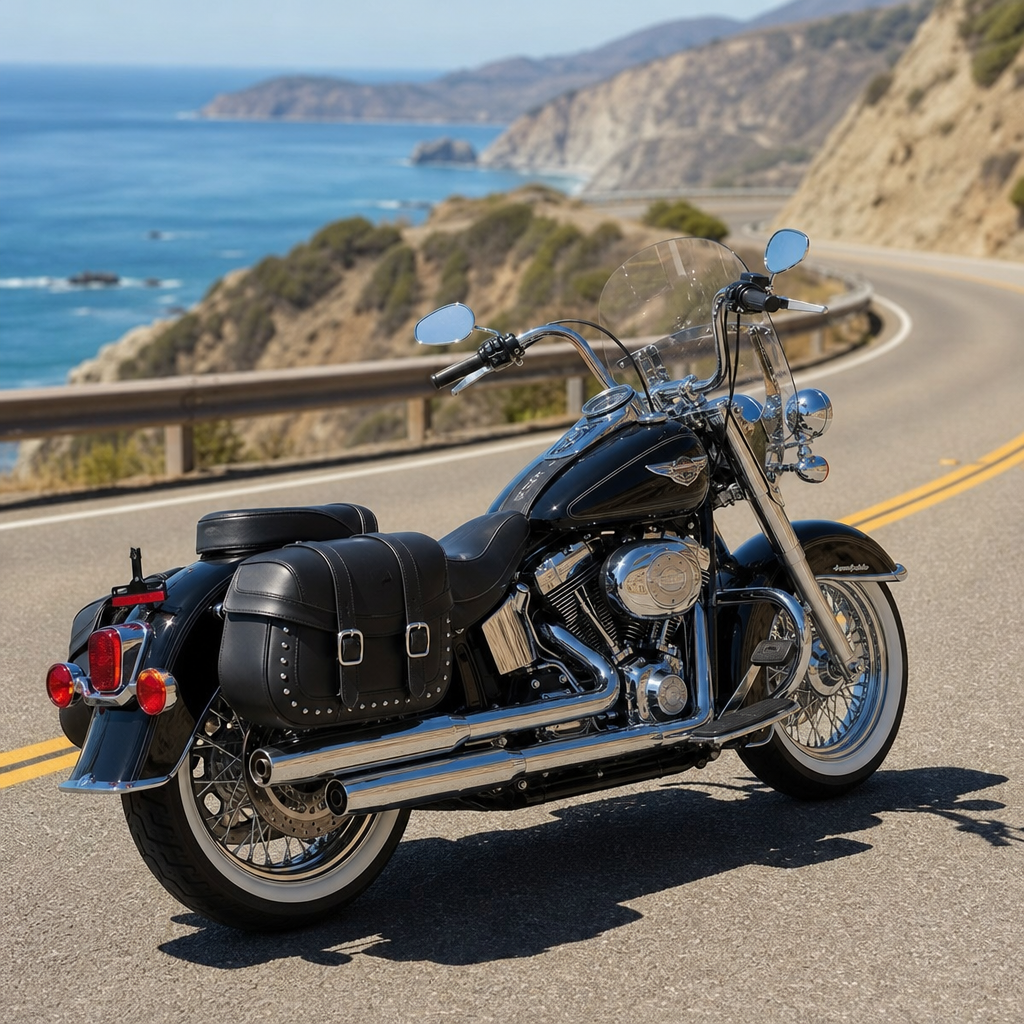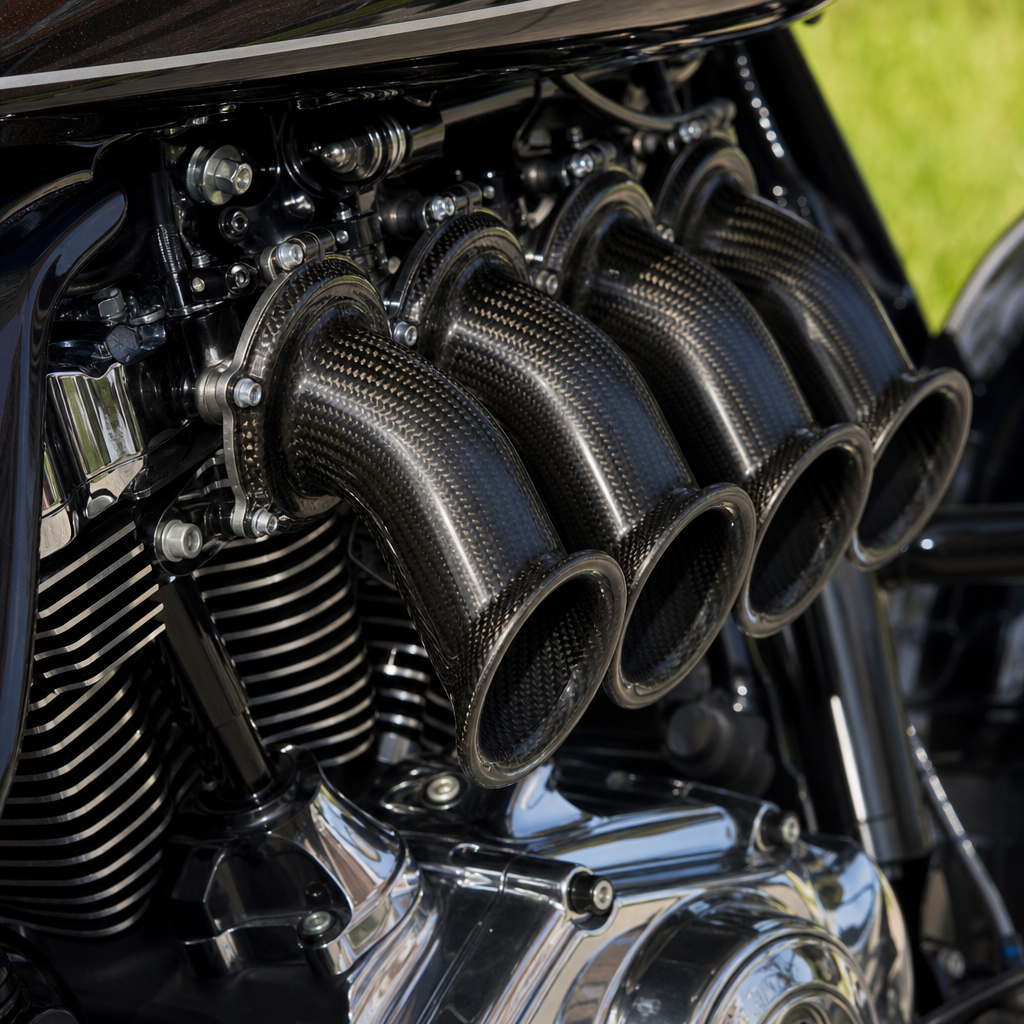
The CVO 121 HO Carbon Fiber Intake Velocity Stacks recipe for 2027 performance starts with one principle: every Harley-Davidson responds best when ergonomics and airflow are tuned together, not in isolation. In this sub-pillar hub, “recipe” means a repeatable combination of parts, fitment checks, calibration choices, and rider-position changes that produce a defined result on a specific model. “Velocity stacks” are shaped intake inlets that manage how air enters the throttle body, affecting torque curve, throttle response, and peak horsepower. On a CVO 121 High Output platform, especially when paired with a carbon fiber intake assembly, stack length and bellmouth design can shift the bike’s character more than many owners expect. I have seen builds gain cleaner midrange and sharper roll-on simply because the intake tract matched the cam timing, exhaust scavenging, and rider use case. That matters in 2027 because current Harley-Davidson owners want results that survive real street miles, emissions-aware tuning constraints, and longer touring days. The best setup is not the loudest or the most expensive. It is the one that balances engine breathing, heat management, body position, control reach, and ECU calibration so the motorcycle feels faster, smoother, and easier to ride every day.
What the CVO 121 HO carbon fiber intake velocity stacks recipe actually includes
A proper CVO 121 HO carbon fiber intake velocity stacks recipe is more than an intake swap. It is a model-specific package built around the Milwaukee-Eight 121 High Output engine’s airflow demand, throttle body diameter, injector behavior, and target rpm band. On most recent CVO touring models, that means evaluating the stock air cleaner backing plate, filter surface area, runner entry shape, and whether the stack sits in clean airflow without shrouding from the cover. Carbon fiber matters because it combines stiffness, low weight, and heat resistance. Compared with heavier metal covers that absorb and radiate engine heat, a quality carbon fiber intake can reduce heat soak around the intake tract, helping charge density consistency in stop-and-go riding. The gain is not magic, but consistency matters when tuning transient throttle and part-throttle fueling.
In practice, the recipe usually includes five layers. First is the intake hardware itself: carbon fiber cover or housing, backing plate, filter element, and one or two velocity stacks depending on design. Second is exhaust pairing, because intake flow without compatible scavenging often flattens the curve rather than improving it. Third is calibration through a tool such as Dynojet Power Vision, Screamin’ Eagle Pro Street Tuner where compliant, or ThunderMax in applications that support it. Fourth is ergonomics: seat height, bar reach, floorboard position, and lever angle, all of which determine how effectively the rider uses the new power. Fifth is validation through dyno charts, wideband data, and real road testing. If one of those layers is skipped, owners often report a bike that posts a good peak number but feels worse in daily use.
The reason this page serves as a hub for model-specific ergonomics and performance recipes is simple: a Road Glide CVO, Street Glide CVO, and performance bagger conversion can share the same engine family while demanding different stack lengths, bar setups, and tuning priorities. A touring rider chasing hot-weather rideability on 91-octane fuel needs a different answer than a rider building a weekend canyon machine with a 2-into-1 exhaust and aggressive cam. The hub approach keeps the core framework consistent while pointing toward bike-specific articles on seating triangle changes, suspension balance, intake comparison testing, and dyno-backed combinations. For Harley-Davidson owners, the useful question is never “What is the best part?” It is “What is the best matched recipe for this motorcycle, this rider, and this kind of riding?”
How velocity stacks change airflow, torque, and ride feel on a Harley-Davidson 121 HO
Velocity stacks improve intake efficiency by smoothing the transition between open air and the throttle body. The flared bellmouth reduces turbulence and boundary layer separation at the inlet, which helps the engine draw air with less restriction. On a Harley-Davidson Milwaukee-Eight 121 HO, that can translate into quicker cylinder filling, especially when stack dimensions complement intake valve events and piston speed. Short stacks generally favor higher-rpm airflow and can support stronger peak horsepower. Longer stacks usually reinforce airspeed and pressure-wave timing at lower and midrange rpm, often giving a heavier touring bike a more useful roll-on character from 2,500 to 4,500 rpm. Riders feel this as easier passing power in top gear, less need to downshift, and smoother throttle pickup out of corners.
There are limits. A velocity stack cannot fix a poor tune, mismatched exhaust, or a restrictive filter element. It also works within the packaging constraints of the air cleaner cover. I have tested attractive aftermarket covers that looked fast but sat too close to the stack entry, disrupting the clean bellmouth effect the design required. In those cases, the dyno sometimes showed no measurable gain, and throttle response could even soften. Good manufacturers publish internal clearance dimensions, stack diameter, and recommended throttle body compatibility. Serious buyers should look for data, not styling claims.
The table below summarizes how riders should think about common recipe choices on a CVO 121 HO platform.
| Recipe element | Typical effect | Best use case | Main tradeoff |
|---|---|---|---|
| Longer velocity stack | Stronger midrange torque and smoother part-throttle response | Touring, two-up riding, loaded baggers | May limit top-end power compared with shorter stacks |
| Shorter velocity stack | Improved high-rpm airflow and stronger peak horsepower | Performance bagger, aggressive solo riding | Can soften low-rpm feel on a heavy bike |
| Carbon fiber intake housing | Lower weight and reduced heat soak near intake tract | Hot climates, stop-and-go traffic, premium custom builds | Higher cost than basic alloy systems |
| High-flow filter with sealed backing plate | Better airflow consistency and filtration when properly maintained | Street bikes that need reliable daily use | Some filters require frequent cleaning to maintain performance |
| ECU calibration with dyno validation | Correct fueling, ignition, throttle strategy, and safe air-fuel ratios | Any intake or exhaust upgrade | Added tuning cost and dependence on tuner quality |
Building the full 2027 performance recipe: intake, exhaust, tune, and thermal control
For 2027 performance, the most effective CVO 121 HO recipe starts with a goal statement. If the rider wants broad torque, daily reliability, and cooler operation in traffic, I usually begin with a sealed high-flow carbon fiber intake using a medium-to-long stack, a quality 2-into-1 exhaust with proven scavenging, and a conservative dyno tune optimized for local fuel quality. If the rider wants maximum horsepower for spirited solo riding, I bias toward a shorter stack, freer exhaust, and more aggressive spark strategy while still respecting knock thresholds and exhaust gas temperature. In both cases, thermal control is part of the recipe, not an afterthought. Harley-Davidson touring bikes trap heat around the rider, and hotter intake air reduces density. Managing that system-wide matters.
That means checking injector duty cycle, manifold pressure behavior, intake air temperature trends, and rear-cylinder heat strategy during tuning. On modern Harley-Davidson builds, tuners often review front and rear cylinder trims separately because heat distribution is uneven, especially in slow traffic. A good tune is not just wide-open-throttle fueling. It addresses cruise cells, decel behavior, throttle progression, cold start, and transient enrichment. I have seen owners spend thousands on premium hardware only to ride away with jerky low-speed manners because nobody refined the 5 to 20 percent throttle area where touring bikes live most of the time.
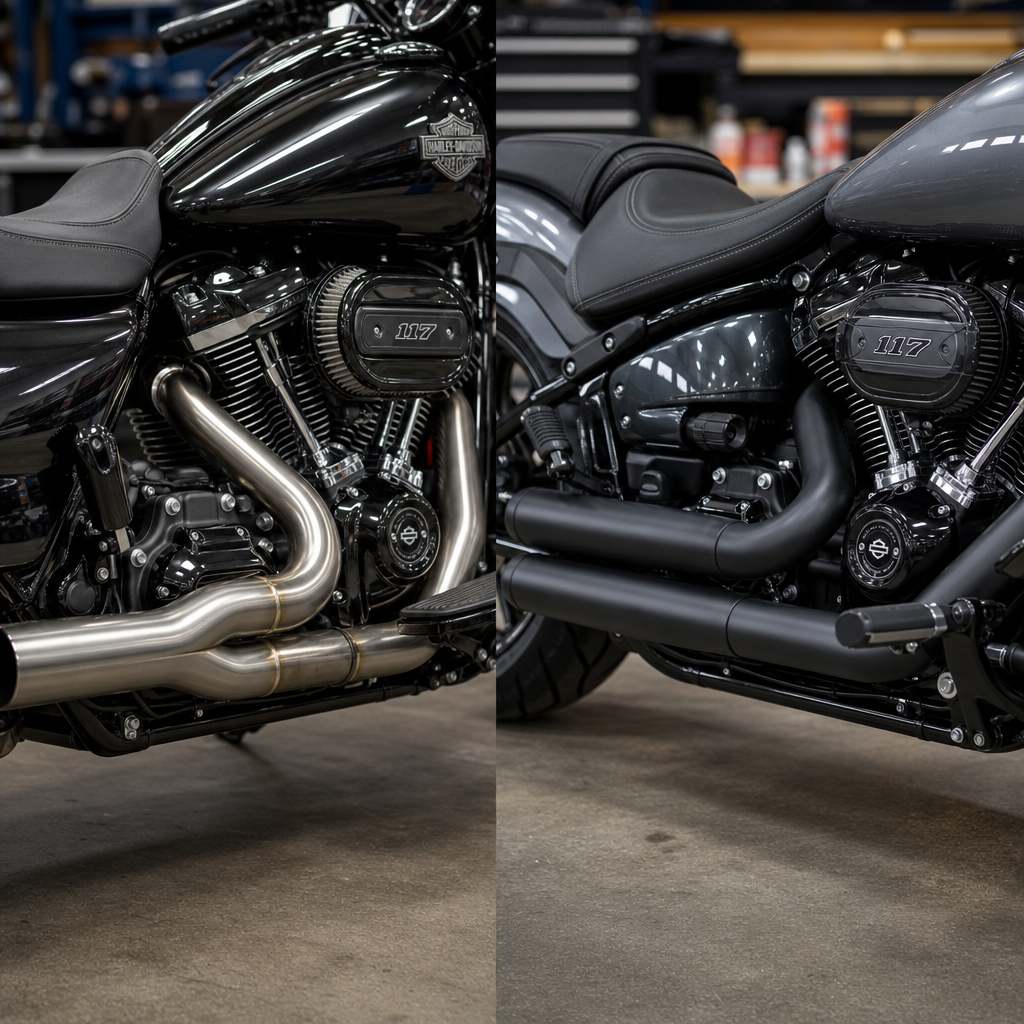
Exhaust choice deserves similar care. A large-displacement 121 HO can lose response with a pipe that is too biased toward peak flow and not enough toward scavenging in the usable street range. Well-developed 2-into-1 systems from established names such as S&S, D&D, Trask, and Bassani often produce the most coherent street recipe because collector design and head-pipe dimensions support cylinder evacuation across a broad band. Dual systems can still work, especially for riders prioritizing appearance and classic bagger lines, but they need more scrutiny on torque delivery. The correct answer depends on the motorcycle’s weight, gearing, and riding speed profile.
Fuel quality and environment also shape the 2027 recipe. A bike ridden at sea level in summer heat on 91-octane pump gas needs more safety margin than a similar build using cooler air and better fuel. Humidity, altitude, and traffic conditions all influence the final result. That is why canned tunes should be treated as starting points. Real performance comes from verifying air-fuel ratio, spark advance, and knock behavior under the exact conditions the bike will see.
Why ergonomics belongs in every Harley-Davidson performance recipe
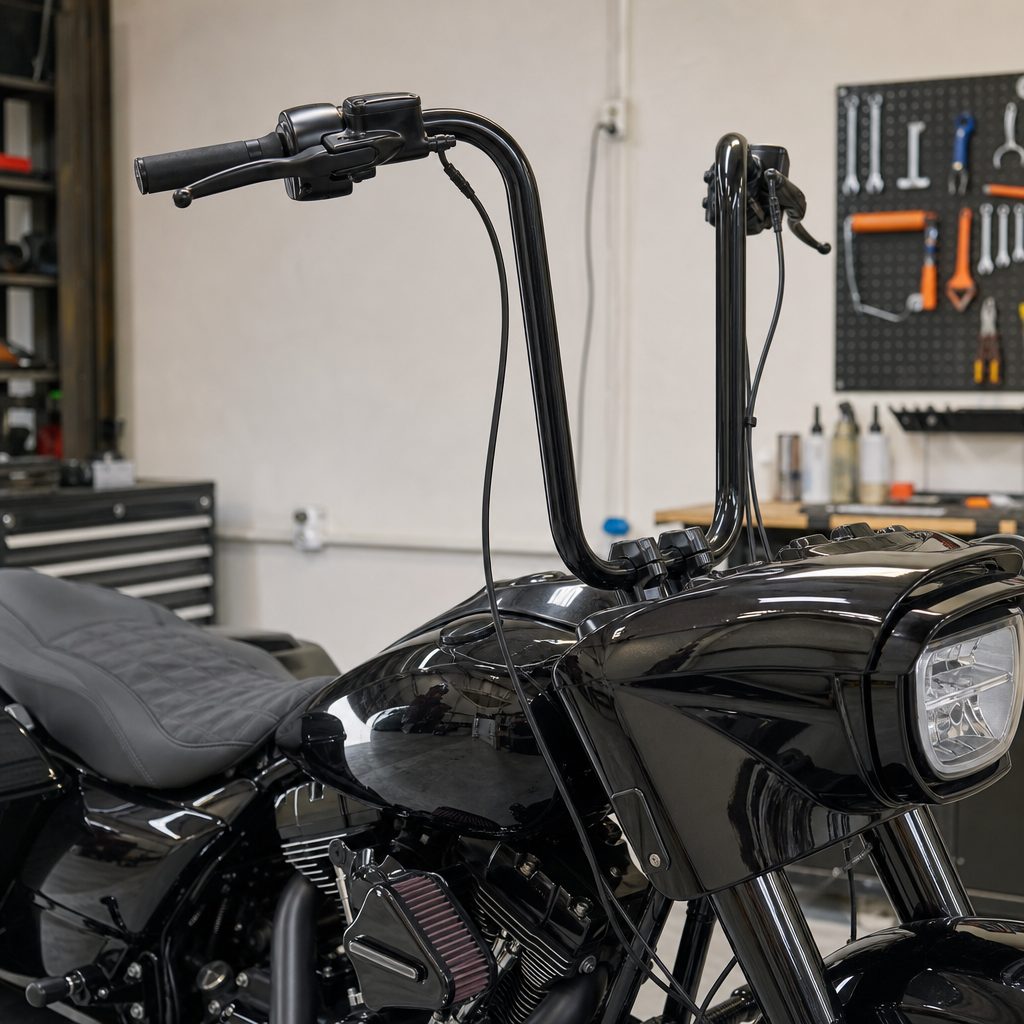
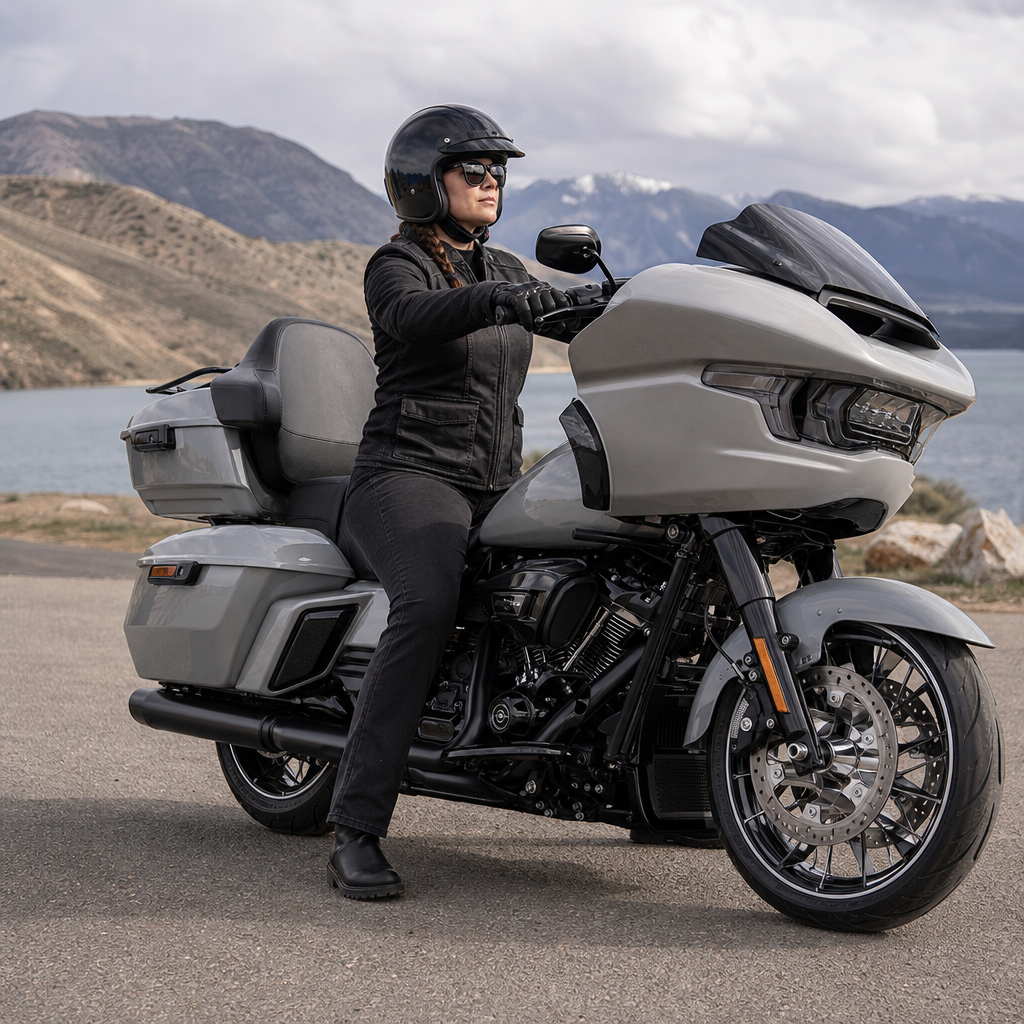
Model-specific ergonomics and performance recipes belong together because the rider is part of the system. On a Harley-Davidson CVO, small changes in seat shape, handlebar pullback, floorboard position, and control angle can make a faster engine easier to exploit. When riders are stretched too far forward, they brace against the bars during acceleration, which adds steering input and reduces fine throttle control. When the seat pocket locks the pelvis too far back, shorter riders may struggle to modulate rear brake pressure or shift cleanly during hard roll-ons. These are not comfort-only problems. They directly affect confidence and repeatability.
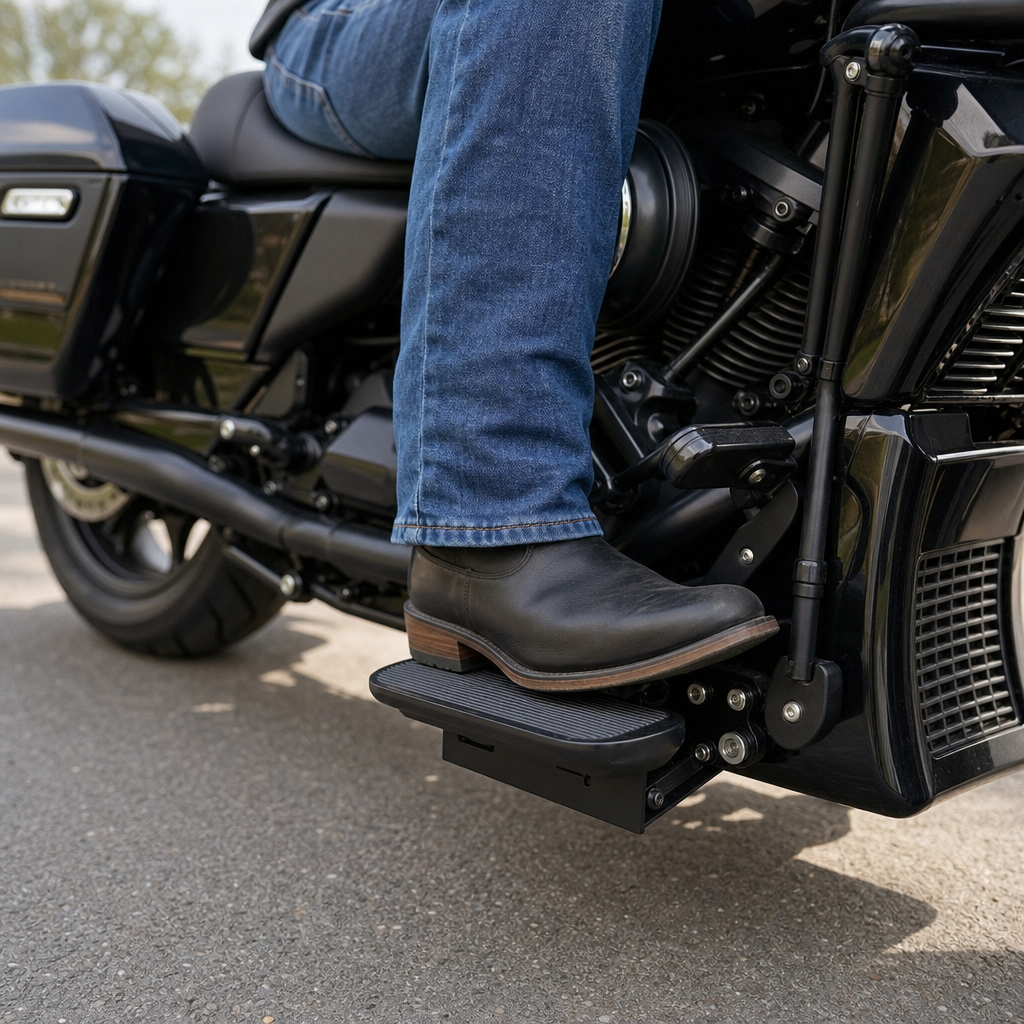
I evaluate ergonomics using three practical checkpoints: neutral wrist angle at cruise, relaxed elbow bend under acceleration, and easy boot access to both shifter and brake without lifting off the board. For long-distance Harley-Davidson owners, I also check hip angle and lumbar support because fatigue changes how a rider uses the motorcycle after two hours. A bike that feels perfect for ten minutes around town may become vague and tiring on a 300-mile day. Once fatigue sets in, riders roll the throttle less smoothly and often perceive the tune as abrupt when the real issue is body positioning.
This is why the hub structure matters. A CVO 121 HO intake article should connect logically to articles on seat fit, handlebar geometry, suspension sag, and lever setup. For example, installing a taller seat can open knee angle and improve comfort for a six-foot rider, but it also changes reach to the bars and wind exposure behind the fairing. That may require a different bar bend and even a different tune strategy if the rider now spends more time at higher cruising speeds. Good recipes account for these interactions rather than treating each upgrade as an isolated purchase.
How to evaluate parts, dyno claims, and fitment before buying
Harley-Davidson owners shopping for carbon fiber intake velocity stacks should verify four things before spending money: measured airflow benefit, physical fitment, tuning support, and serviceability. Start with fitment because many premium CVO parts are model-year and throttle-body specific. Check whether the kit is designed for cable or electronic throttle requirements, whether it clears leg position on floorboard-equipped models, and whether the cover interferes with fairing lowers or engine guards at full steering lock. These details matter more than catalog photos.
Next, examine dyno claims critically. Ask whether the comparison was made on the same motorcycle, same day, same correction factor, and same tune strategy. A six-horsepower claim from an intake alone can be real, but only if the baseline was already optimized and the test controlled. If the brand cannot provide before-and-after charts with torque and air-fuel data, treat the marketing carefully. Peak gains should never distract from the shape of the curve. On heavy Harley-Davidson touring models, two or three extra foot-pounds from 2,800 to 4,200 rpm usually matter more than a headline peak number at the top.
Finally, think about maintenance. Carbon fiber parts should have quality clear coat, stable mounting points, and proper sealing surfaces. Filters need access for cleaning without damaging the stack or distorting the backing plate seal. If a system looks beautiful but turns routine service into a chore, many owners postpone maintenance and lose the very performance they paid for. The best 2027 recipe is durable, tunable, and easy to live with. Use this hub as the starting point, then move to the model-specific Harley-Davidson guides that match your bike, your body, and your performance target. Build the recipe as a system, verify it with data, and choose upgrades that make the motorcycle faster where you actually ride.
Frequently Asked Questions
What does “CVO 121 HO Carbon Fiber Intake Velocity Stacks recipe” actually mean for 2027 performance tuning?
In this context, a “recipe” is not just a parts list. It is a repeatable tuning strategy built around the Milwaukee-Eight 121 High Output platform, where the carbon fiber intake assembly and the velocity stacks are selected, installed, checked for fitment, and calibrated as part of one coordinated system. The goal is to produce a defined riding result, such as stronger low-end response, broader midrange torque, cleaner roll-on acceleration, or a more stable power curve at higher rpm. For 2027 performance planning, that matters because riders are no longer looking at intake upgrades as isolated bolt-ons. They want predictable outcomes that match how the bike is actually ridden.
Velocity stacks influence how air is shaped and accelerated as it enters the throttle body. Their inlet profile, taper, length, and internal finish can all affect cylinder fill, intake signal quality, and where the engine feels strongest in the rev range. Carbon fiber, meanwhile, is often chosen because it can combine light weight, structural rigidity, and thermal advantages compared with heavier metal assemblies. But even a premium intake only delivers its full benefit when it is paired with proper calibration, a compatible exhaust strategy, and rider ergonomics that allow the engine’s new power character to be used effectively.
That is why the article frames the setup as a recipe. A complete recipe includes the intake body, stack geometry, filter design, sealing integrity, throttle body compatibility, fuel and spark mapping, idle and part-throttle behavior checks, and practical rider-fit changes such as reach to the bars, seating position, and foot control relationship. When those elements are tuned together, the result is not just a dyno number. It is a bike that feels sharper, more controlled, and more intentional in real-world riding.
How do velocity stacks change the performance of a CVO 121 HO compared with a standard intake setup?
Velocity stacks improve airflow entry into the throttle body by reducing turbulence and helping the intake charge transition more smoothly into the engine. On a CVO 121 HO, that can translate into quicker throttle response, more efficient cylinder filling, and a noticeable shift in where the engine makes its strongest torque. A standard intake may be adequate for general operation, but a well-designed stack system is shaped specifically to improve how the engine breathes under load, especially when paired with supporting calibration.
The key detail is that stack design affects the torque curve, not just peak horsepower. Shorter stacks often favor higher-rpm breathing, while longer stacks generally support stronger low- and midrange response. The exact result depends on the throttle body, cam timing, head flow, exhaust combination, and tune. On a large-displacement V-twin like the 121 HO, many riders care most about strong roll-on power from everyday cruising speeds, not just top-end gains. That is why selecting the right velocity stack profile is more important than choosing the most aggressive-looking intake on the shelf.
Another benefit is consistency in air delivery. A better-managed inlet tract can produce cleaner fueling behavior, especially during transitions from light throttle to moderate acceleration. That can help the motorcycle feel smoother and more immediate, rather than abrupt or lazy. If the intake system is sealed correctly, the filter element is appropriate for the engine’s demand, and the ECU is recalibrated for the new airflow characteristics, velocity stacks can make the engine feel more refined as well as more powerful. In practical terms, the rider notices a stronger connection between wrist input and rear-wheel response.
Why does rider ergonomics matter when building an airflow-focused performance recipe for the 2027 CVO 121 HO?
Ergonomics matter because usable performance is not created by airflow alone. If the rider’s seat, bars, foot controls, and upper-body position are working against the motorcycle, even a well-tuned intake and stack setup will be harder to exploit. On a powerful touring-based Harley-Davidson platform, rider position influences throttle precision, how easily the rider can brace during acceleration, and how confidently the bike can be managed through roll-ons, corner exits, and passing maneuvers. In other words, the engine may be making better power, but the rider still needs a stable, repeatable posture to apply it effectively.
For example, if the handlebars are too far away or too high, the rider may unconsciously pull on the bars during acceleration, which can reduce steering precision and make throttle control less smooth. If the seat locks the rider too far back, they may struggle to stay connected to the bike during stronger midrange hits. If floorboard or peg placement crowds the hips, lower-body bracing becomes less effective, especially on aggressive roll-ons. These issues may seem separate from intake tuning, but they directly affect how the bike’s improved torque and throttle response are experienced on the road.
That is why a serious 2027 performance recipe treats ergonomics as part of the tuning package. A slight change in bar position, seat shape, grip angle, or foot placement can make the engine feel more manageable and more impressive because the rider can access the improved powerband with less effort and more control. When airflow and ergonomics are tuned together, the result is a bike that not only makes stronger numbers but also delivers that performance in a way that feels natural, repeatable, and confidence-building over long miles.
What fitment checks and calibration steps should be included before calling the intake velocity stack setup complete?
Fitment checks are essential because even a high-end carbon fiber intake and velocity stack package can underperform if the installation is slightly off. Start with physical clearance around the tank, fairing components, leg area, and any adjacent covers or wiring. Confirm that the intake backing plate seals correctly to the throttle body or manifold interface, that the mounting hardware is torqued properly, and that there are no alignment issues that could introduce air leaks. The filter element should sit securely and evenly, with no warping, gaps, or pressure points that could compromise filtration or airflow consistency.
Next, verify that the throttle body and stack dimensions are actually matched to the engine’s intended use. Bigger is not automatically better. An oversized setup can reduce air velocity and hurt response in the rpm range where the bike spends most of its time. Also inspect breather routing, sensor placement, and any integrated support brackets. If the system changes the intake path significantly, ensure there is no interference with service access, rider knee position, or normal suspension movement. A proper recipe is practical as well as high-performing.
Calibration is the second half of the job. Once airflow changes, the ECU must be tuned to reflect the new volumetric efficiency characteristics. That usually means adjusting fuel delivery, spark timing, throttle behavior where applicable, idle quality, decel behavior, and part-throttle transitions. The best approach is to confirm results on a dyno and then validate them in real riding conditions. A tune that looks clean at full throttle but surges, hesitates, or runs hot in traffic is not complete. Final validation should include cold start behavior, hot restart behavior, cruising smoothness, roll-on response in the midrange, and consistency under sustained load. Only after those checks are passed should the setup be considered a finished recipe rather than a partially installed modification.
What kind of real-world results should riders expect from a properly built 2027 performance recipe on the CVO 121 HO?
Riders should expect the most meaningful gains to show up in responsiveness, torque delivery, and overall riding character rather than in a single headline horsepower figure. A well-sorted carbon fiber intake velocity stack recipe can make the CVO 121 HO feel more eager off the throttle, stronger through the middle of the rev range, and cleaner when transitioning from cruise to acceleration. Those are the kinds of improvements that are obvious during passing, highway merges, two-up riding, loaded touring, and spirited back-road use.
Depending on the rest of the combination, there may also be measurable horsepower and torque gains on the dyno, but the more important outcome is the shape of the curve. Broad, usable torque is often more valuable on this platform than chasing a narrow top-end peak. If the intake, exhaust, and tune are selected intelligently, the motorcycle should feel more composed and more immediate, with less hesitation and better drive where riders actually spend their time. That is especially important for a large-displacement Harley-Davidson, where effortless acceleration is part of the experience.
Riders should also expect that the best results come from balance. A premium intake alone will not transform the bike if calibration is neglected or ergonomics are ignored. But when the stack design, carbon fiber intake assembly, filter capacity, tune strategy, and rider position are all aligned, the CVO 121 HO can deliver a noticeably more polished performance package for 2027 use. The finished result should feel intentional: stronger airflow, smarter tuning, better rider control, and a motorcycle that responds like every part was chosen to serve the same goal.