Shopping for a used Harley-Davidson Softail Slim often starts with a simple question: should you save money on an older Twin Cam bike, or spend roughly four thousand dollars more for a 2018-and-newer model built on the Milwaukee-Eight platform and redesigned Softail frame? For most buyers who actually ride their motorcycles beyond short bar-hopping loops, the 2018+ Softail Slim is worth the extra money because the chassis, engine mounting, suspension layout, braking package, and long-term ownership experience are meaningfully better, not just cosmetically updated. This guide explains why, while also serving as a hub for used Harley-Davidson buyer guides covering model years 1990 through 2030, so you can place the Softail Slim in the broader context of Harley touring, Dyna, Softail, Sportster, and bagger shopping.
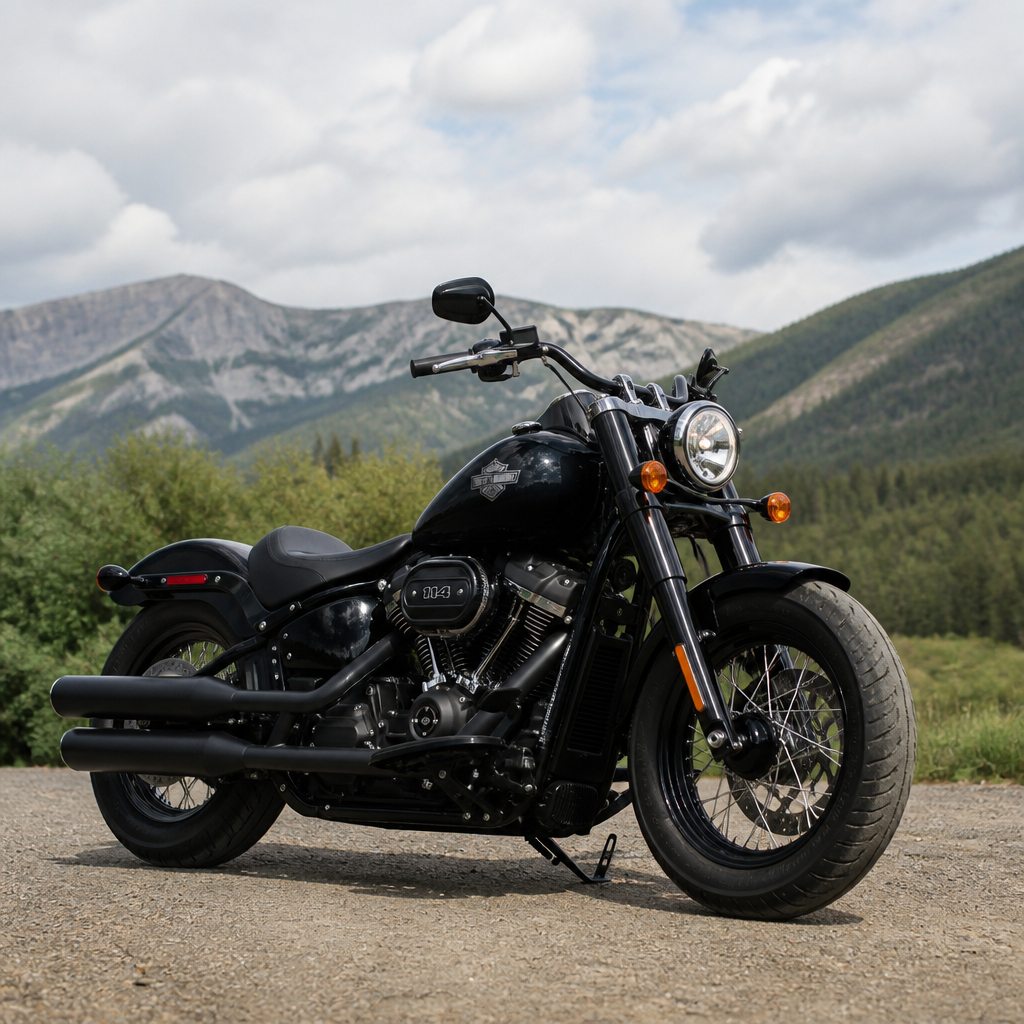
In Harley terms, the “M8” refers to the Milwaukee-Eight engine family introduced for Touring models in 2017 and for the reengineered Softail line in 2018. The “M8 frame” shorthand matters because the 2018 Softail Slim was not simply given a new engine; it received an all-new chassis that replaced the previous hidden-twin-shock Softail architecture with a stiffer frame and a single rear monoshock under the seat. Harley also retired the separate Dyna line by giving several new Softails more capable handling targets. As a result, the 2018+ Softail Slim rides like a substantially more modern motorcycle while preserving the low-slung bobber look that made the Slim popular in the first place.
Why does this matter in the used market? Because the Softail Slim attracts buyers who want classic Harley styling without the bulk of a Road King or Street Glide, and those buyers often cross-shop on monthly payment or total cash outlay alone. In practice, a cheaper pre-2018 Softail Slim can become the more expensive ownership choice if you end up chasing better suspension, improved braking feel, more comfortable ergonomics, and a smoother powertrain through aftermarket parts. I have watched buyers spend thousands trying to make older Softails do what the redesigned 2018+ bikes already do from the factory. The extra upfront cost frequently buys fewer compromises, better resale stability, and a bike you will keep longer.
This article covers what changed in 2018, how those changes affect real-world riding, what to inspect on any used Softail Slim, which buyers should still consider an older Twin Cam Softail, and how this model fits into a complete Harley-Davidson used buyer guide strategy for 1990–2030. If you want one direct answer before diving deeper, here it is: buy the 2018+ Softail Slim if your budget allows, because the frame and platform improvements are the real value, and the engine is only part of the upgrade.
What changed in 2018: more than an engine swap
The biggest mistake used buyers make is treating the 2018 Softail Slim as a minor refresh. It was a full-platform redesign. Harley-Davidson claimed a significantly stiffer frame, reduced weight versus prior chassis designs, and better suspension control through the new monoshock rear layout. Whether or not a buyer memorizes the factory percentages, the seat-of-the-pants difference is obvious within the first mile. The bike tracks more cleanly through uneven corners, reacts less dramatically to mid-corner bumps, and feels more coherent as one package instead of a charming style exercise with vintage limitations.
The Milwaukee-Eight 107 in the standard 2018 Softail Slim also changed the ride character. Compared with the High Output Twin Cam 103 in earlier Slim models, the M8 delivers broader torque, less mechanical harshness, and better heat management in normal use. It still feels like a Harley V-twin, but it no longer asks the rider to excuse so much vibration and driveline crudity as “character.” The dual counterbalancer setup in Softail applications matters at idle and especially above city speeds. On longer rides, less buzzing through the bars and floorboards translates directly into less fatigue.
Braking and control improvements are easy to overlook during a short test ride, yet they shape ownership satisfaction. The 2018+ bike benefits from modernized geometry, improved fork performance, and stronger overall chassis behavior under braking. No, the Softail Slim is not a sport cruiser, and its floorboard clearance still sets limits, but it is more composed entering turns and easier to correct when the road surface gets patchy. Riders moving from older Harleys usually notice they can carry a modestly quicker pace with less effort. Newer riders notice something simpler: the motorcycle feels less intimidating.
Why the M8 Softail frame is worth the extra money on the road
If you spend four thousand dollars more, you should feel four thousand dollars more in benefit. On the 2018+ Softail Slim, you do. The value comes from the frame and suspension first, then from the engine and electronics. Older Softail Slims can look nearly as good parked. They do not ride nearly as well over rough pavement, freeway expansion joints, or fast backroad sweepers. The old hidden-shock Softail concept prioritized appearance, and owners paid for that look with limited rear wheel control. The newer monoshock setup finally gives the Softail Slim a rear suspension that behaves like it belongs on a modern motorcycle.
Real-world example: on a broken secondary road with patched asphalt and frost heaves, a pre-2018 Softail often kicks sharply through the seat, then unsettles the chassis as the rear suspension runs out of composure. The 2018+ bike still tells you the road is poor, but it recovers faster and stays more planted. That means better confidence with a passenger, safer braking while leaned lightly into a bend, and less cumulative soreness after an hour or two. This is the kind of improvement that rarely shows up in classified photos but becomes obvious after a week of ownership.
The frame stiffness also improves steering precision. Older Softails can feel slightly vague when you ask for quick line changes or hit an unexpected dip mid-corner. The M8-era Softail holds a line more faithfully. Riders upgrading from Dyna models often expect to give up handling for Softail styling; on 2018+ bikes, that tradeoff is much smaller than it used to be. In fact, Harley’s 2018 Softail redesign intentionally absorbed some of the dynamic role once played by the Dyna line. That matters in the used market because a Softail Slim is no longer just the pretty choice; it is often the smarter riding choice.
Ownership costs, reliability, and what your extra $4k really buys
Used motorcycle budgets often focus too narrowly on purchase price. A better approach is total acquisition cost over two to three years: initial price, catch-up maintenance, common upgrades, insurance, tires, battery, and resale. In that framework, the 2018+ Softail Slim makes financial sense more often than buyers assume. The platform starts from a higher baseline, so it usually needs fewer corrective modifications. On older bikes, I routinely see new owners budgeting for rear shocks, fork work, better seats, brake upgrades, engine mounts or driveline-related fixes, and heat or fueling adjustments. On the newer bike, many owners simply service it and ride.
The Milwaukee-Eight platform has proven broadly solid when maintained correctly. Standard used-bike concerns still apply: verify service records, inspect for oil leaks, check charging-system health, confirm recalls or technical campaigns were addressed, and look for evidence of careless tuning. A poorly mapped aftermarket exhaust can make any fuel-injected Harley run badly. But the M8 itself is not a reason to hesitate. Harley’s electronic fuel injection, CAN-bus architecture, and ABS availability on many examples make daily use easier than on older generations, especially for riders who want a reliable starter-and-go machine rather than a tinkering project.
Resale matters too. The market generally rewards platform shifts that are genuinely better, and 2018 was one of those years for Softails. That does not guarantee profit, but it does reduce the risk of buying a bike that feels outdated immediately after purchase. If you pay more now for a desirable color, clean title, stock-or-sensibly-modified condition, and documented service, you are buying market liquidity later. In plain language, it is easier to resell a good 2018+ Softail Slim than a heavily modified older one with a stack of parts receipts and a promise that it “runs perfect.”
| Buying factor | Pre-2018 Softail Slim | 2018+ Softail Slim |
|---|---|---|
| Chassis design | Older hidden-shock Softail layout, style-focused | Redesigned stiffer frame with under-seat monoshock |
| Engine character | Twin Cam 103, more vibration and older feel | Milwaukee-Eight 107, smoother and broader torque |
| Ride quality | Harsher over broken pavement, less control | Better bump absorption and composure |
| Typical upgrade pressure | Higher; suspension and comfort mods common | Lower; more usable in stock form |
| Used value outlook | Cheaper entry, narrower buyer pool | Higher entry, stronger long-term appeal |
Inspection checklist for any used 2018+ Softail Slim
Start with the basics: VIN match, title status, service history, tire date codes, brake pad thickness, fluid condition, and signs of crash damage. Then inspect Softail-specific wear points. Look closely at the wheels for curb or pothole impacts, check fork tubes for pitting or seal leakage, and examine the rear shock area for corrosion or signs the bike has been overloaded. On a test ride, the bike should track straight with a light grip on the bars. If it pulls, weaves, or clunks over bumps, investigate steering-head bearings, wheel alignment, or bent components.
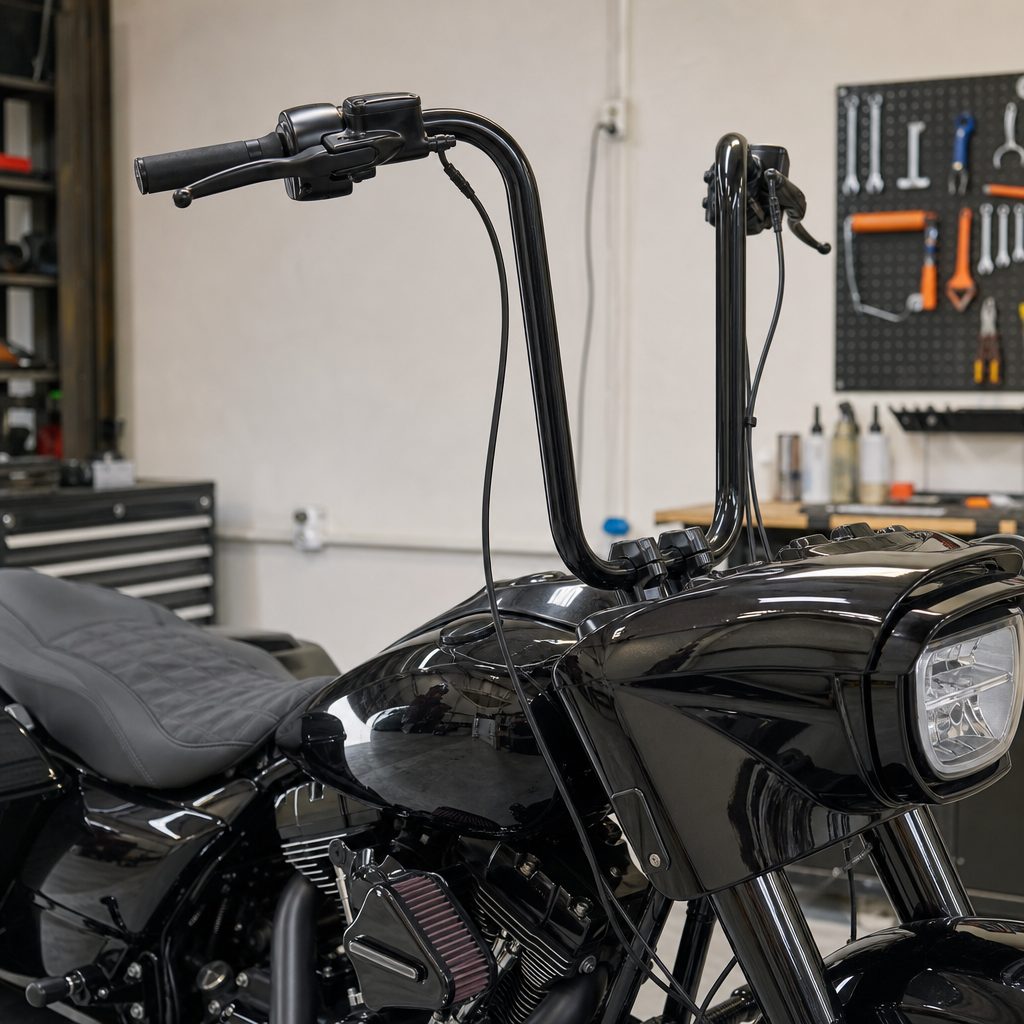
Next, evaluate modification quality. Harley buyers love accessories, but accessories are not automatically value. A quality Stage I setup using a reputable tune from tools such as Screamin’ Eagle calibration, Dynojet Power Vision, or a professionally documented dyno session can be a plus. Random slip-ons paired with an unknown tuner are a minus. Watch for chopped wiring, cheap LED conversions, relocated turn signals that interfere with bags or passengers, and mini-ape installations that overstretch cables. Poor accessory work creates electrical faults that are tedious and expensive to unwind.
Finally, judge how the bike was used. A lightly ridden garage queen is not always the best buy if its fluids are old, battery is weak, and tires are original despite low mileage. Conversely, a bike with 18,000 well-documented miles may be healthier than a 3,000-mile ornament. Ask specific questions: When were the brake fluid and primary fluid changed? Has the drive belt been inspected? Are there dealer invoices? Has the bike ever had ABS faults or check-engine codes? Serious sellers answer directly. Evasive answers usually save you from a bad deal by telling you to walk away.
Who should still consider an older Softail Slim
The 2018+ recommendation is strong, but not universal. An older Softail Slim can still make sense for the right buyer. If you strongly prefer the Twin Cam feel, want the absolute lowest purchase price, ride mostly short local trips, and enjoy upgrading suspension and comfort parts yourself, the previous-generation bike can be a satisfying project. It also appeals to riders who prefer simpler used-market pricing and are less concerned with all-day refinement. Some buyers simply love the more old-school pulse and do not mind paying the “character tax” in comfort and handling.
Condition is the great equalizer. A pristine, stock, impeccably maintained late Twin Cam Softail Slim at a compelling price can beat a neglected 2018+ bike every time. I would rather own the better-kept motorcycle than the theoretically better platform with poor maintenance, mystery tuning, and deferred repairs. The problem is that many older Softails have already been modified multiple times, often by owners with different goals. Undoing those choices can erase the apparent savings quickly. If you buy older, buy the cleanest, least-messed-with example you can find.
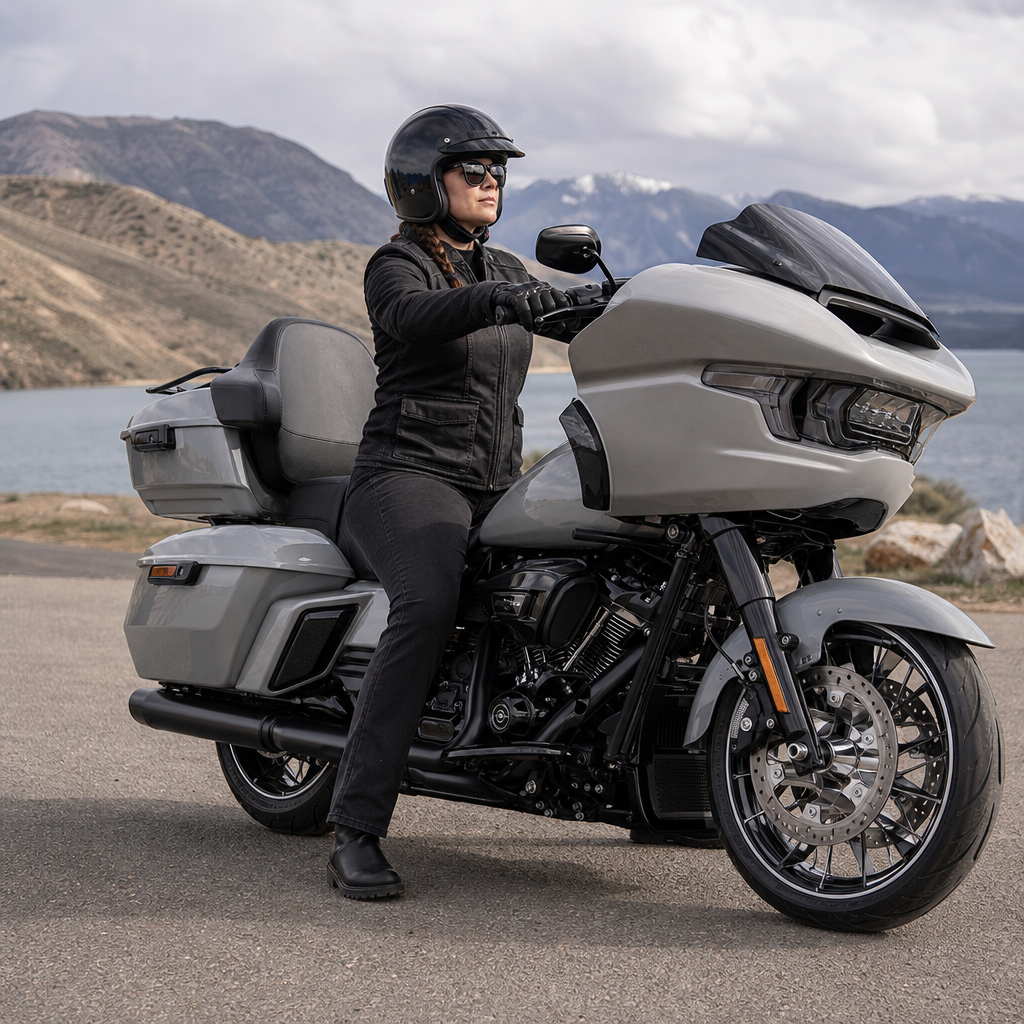
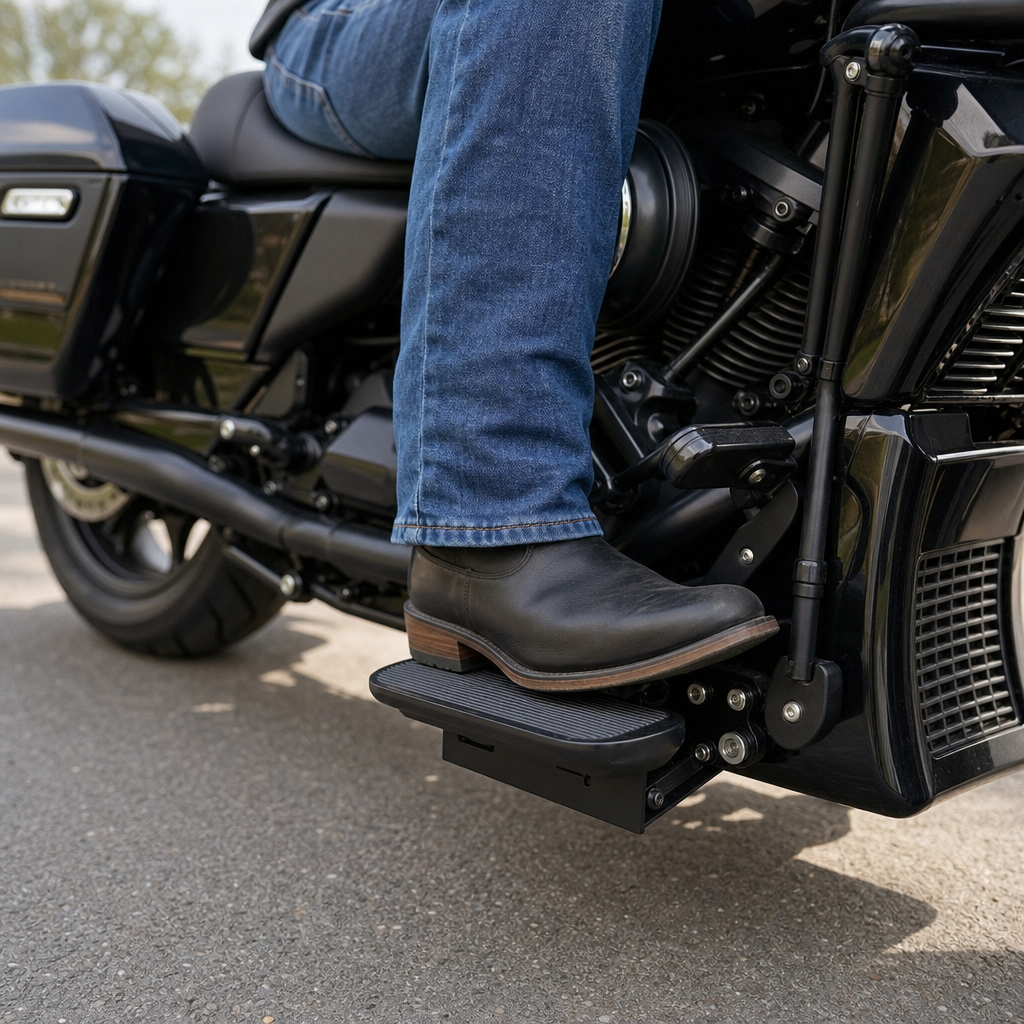
There is also a fit question. The Softail Slim remains a low cruiser with floorboards, a relaxed riding position, and limited cornering clearance compared with more athletic standards or performance cruisers. If your real use case is aggressive backroad riding, two-up touring, or long interstate travel, the right answer may be a Low Rider S, Heritage Classic, Road King, or Street Glide instead. That is why this page serves as a hub: a good Harley-Davidson used buyer guide helps you avoid buying the wrong bike brilliantly.
Using this page as your Harley-Davidson used buyer guide hub for 1990–2030
To shop Harley-Davidson used bikes intelligently across 1990–2030, break the market into eras. The Evo era is valued for simplicity and mechanical honesty. The Twin Cam years require attention to known model-specific issues and to how heavily a bike has been modified. The Rushmore-era Touring bikes marked a major improvement in comfort and touring functionality. The Milwaukee-Eight era brought a broad modernization in smoothness, power delivery, and chassis sophistication, especially obvious in the 2018 Softail redesign. That timeline helps you compare any listing against what changed in that generation.
From here, buyers should explore dedicated guides for used Sportster models, Dyna models, Twin Cam Softails, Milwaukee-Eight Softails, Road King generations, Street Glide and Road Glide comparisons, and Electra Glide or Ultra touring values. A complete Harley-Davidson used buyer guide library should also cover title issues, aftermarket tuning risk, suspension upgrade value, and how mileage affects pricing differently on cruisers versus touring bikes. Within that broader map, the Softail Slim occupies an important middle ground: lighter and simpler than a bagger, more style-led than a Low Rider, but now modern enough in 2018+ form to be a serious everyday motorcycle.
If you are narrowing your search today, the practical advice is straightforward. Set your baseline around a clean 2018+ Softail Slim with ABS if possible, stock intake and exhaust or a documented professional tune, complete service records, and no evidence of crash repair. Compare that bike against cheaper older examples only after estimating the cost of making them equally comfortable, stable, and reliable. Most shoppers find the math moves quickly toward the newer platform. Spend the extra money once, buy the better frame, and start from a motorcycle that already delivers the ride quality Harley should have given the Softail Slim all along.
The best used Harley-Davidson purchase is the one that matches your riding, your maintenance tolerance, and your budget over the full ownership cycle, not just the day you hand over cash. In the specific case of the Softail Slim, the 2018+ Milwaukee-Eight platform deserves its price premium because the redesign solved the old bike’s biggest weakness: the chassis. You get a stiffer frame, better rear suspension behavior, smoother power delivery, improved real-world comfort, and stronger long-term desirability in one move. Those benefits show up every time the pavement gets rough, every time a corner tightens unexpectedly, and every time you choose to ride farther than planned.
That does not make every older Softail Slim a bad buy, and it does not excuse a neglected newer one. Condition, service history, and modification quality still matter more than badges on a side cover. But when two solid candidates are on the table and the newer bike costs about four thousand dollars more, the smarter purchase is usually the 2018+ model. It is the one most riders keep longer, regret less, and spend less time trying to fix with aftermarket parts.
Use this page as your starting point for Harley-Davidson used buyer guides from 1990 to 2030, then drill into the model-specific comparisons that fit how you actually ride. If the Softail Slim is your style, prioritize the M8-frame generation, inspect carefully, and buy the cleanest example you can afford. Your back, your confidence, and your resale value will all thank you.
Frequently Asked Questions
Is the 2018+ Softail Slim really worth paying about $4,000 more than an older Twin Cam version?
For most buyers, yes. The biggest reason is that the 2018-and-newer Softail Slim is not just a mild engine update or a cosmetic refresh. It sits on Harley-Davidson’s completely redesigned Softail chassis and uses the Milwaukee-Eight powertrain as a stressed member, which changes how the bike feels in almost every riding situation. Compared with the older Twin Cam Softail platform, the newer frame is noticeably stiffer, more precise, and more confidence-inspiring when the road gets rough, when you need to brake hard, or when you are spending hours in the saddle instead of just cruising a few miles to a local hangout.
The extra money usually buys you a motorcycle that feels more modern in ways that matter every time you ride it. You get better composure over broken pavement, less of the vague and wallowy feel that older Softails can develop, a more refined suspension layout, and stronger overall braking performance. The Milwaukee-Eight also brings a smoother, more responsive riding experience with better heat management and less of the old-school mechanical harshness many riders accepted as “normal” on previous generations.
That matters even more in the used market because a better platform tends to stay satisfying longer. A cheaper older bike can look like the bargain on day one, but many owners end up spending money trying to improve suspension, braking, comfort, and ride quality while still never fully reaching the baseline capability of the 2018+ chassis. If you are the kind of rider who takes day trips, rides on mixed-quality roads, carries a passenger occasionally, or just wants a Harley that feels better sorted from the factory, the newer Softail Slim usually justifies the higher purchase price very quickly.
What makes the redesigned 2018+ Softail frame such a big improvement over the older Softail chassis?
The frame is the heart of the argument. Harley’s 2018 Softail redesign was a major engineering shift, not a styling exercise. The older Twin Cam Softail platform delivered the rigid-look aesthetic many people loved, but the riding experience often reflected the compromises built into that design. The 2018+ frame is lighter, stiffer, and engineered to work more effectively with the new mono-shock rear suspension and the Milwaukee-Eight drivetrain. The result is a bike that feels more planted, more predictable, and much less reluctant when the pavement gets bumpy or the road starts to curve.
On an older Softail, riders commonly notice a less precise feel through sweepers, more abrupt reaction to mid-corner bumps, and a chassis that can feel busy or unsettled when pace picks up. The 2018+ Softail Slim is not suddenly a sport bike, but it is substantially calmer and more coherent. Steering feels more accurate, line-holding improves, and the whole motorcycle communicates better through the bars, seat, and pegs. That gives riders more confidence, especially those who actually cover distance instead of only riding in perfectly smooth, low-speed conditions.
Another major benefit is how the redesigned chassis supports the rest of the motorcycle as a system. The suspension works from a better foundation, the engine integration is more refined, and rider fatigue tends to be lower because the bike is not constantly transmitting the same level of secondary motion and chassis drama. In practical terms, this means you feel less beaten up after an hour or two, and the bike feels more expensive and more finished every time you ride it. That is exactly why many experienced Harley owners see the M8 Softail frame as the real reason to step up, with the engine being an important bonus rather than the only selling point.
How much better is the Milwaukee-Eight engine than the Twin Cam in a used Softail Slim?
The Milwaukee-Eight is better in ways that are easy to appreciate even if you are not focused on horsepower numbers. It generally offers stronger torque delivery, smoother operation, better throttle response, and a more refined overall character. On a used Softail Slim, that translates into easier low-speed manners, more relaxed passing power, and less of the vibration and mechanical coarseness that some riders tolerated on the older Twin Cam bikes because there simply was not a better stock alternative at the time.
One of the most noticeable differences is how the M8 pulls. It has a broad, usable torque curve that works extremely well in real-world riding, whether you are rolling away from a stop, climbing through a backroad section, or cruising on the highway. It feels less strained and more modern. The counterbalancing and engine mounting strategy also contribute to a smoother feel without stripping away the Harley character buyers expect. You still get pulse and presence, but not as much fatigue-inducing shake and buzz.
The Milwaukee-Eight also tends to be friendlier as a long-term ownership proposition for many riders because it starts from a stronger baseline. Stock-for-stock, many owners feel less urgency to “fix” the bike with intake, exhaust, tuning, compensator work, or other common modifications that often became part of the ownership story on older Twin Cam machines. That does not mean every Twin Cam is a problem or that every M8 is perfect, but if your goal is to buy used and ride often with minimal drama, the M8 platform usually feels like a generation newer because it is. That difference matters most when you are buying one motorcycle to live with for years, not just admire in the garage.
Are the suspension and brakes on the 2018+ Softail Slim noticeably better for real riding?
Yes, and this is one of the most important reasons serious riders prefer the 2018+ bike. The older Softail layout was always a compromise, particularly in rear suspension behavior and general composure over uneven roads. The hidden mono-shock setup on the redesigned Softail platform works better in practice, and the front end is better matched to the rest of the chassis. The result is a ride that is less harsh, less jarring, and more controlled over patched asphalt, expansion joints, and mid-corner imperfections.
That improvement shows up in comfort, but also in control. A better-sorted suspension keeps the tires in more consistent contact with the pavement, which improves stability and confidence. You feel it when cornering, when braking over rough surfaces, and when riding for more than a quick loop around town. The 2018+ Slim still keeps the low, simple, bobber-inspired personality people buy it for, but it no longer asks you to accept the same level of dynamic compromise just to get that look.
The braking package is also part of the value equation. Newer Softails generally offer stronger, more predictable braking feel than their older counterparts, and ABS availability is a meaningful advantage in the used market. Even if braking hardware differences do not sound exciting on paper, they matter every single time traffic changes unexpectedly or road conditions deteriorate. Better brakes, better chassis behavior under deceleration, and better suspension recovery make the newer bike easier to ride smoothly and safely. For riders who actually spend time in traffic, on country roads, or on unfamiliar routes, that alone can make the extra money feel well spent.
What should I look for when buying a used 2018+ Softail Slim to make sure I am getting the value I am paying for?
Start by confirming that you are buying the bike for the reasons that make the platform worthwhile. The value in a 2018+ Softail Slim is in its better frame, suspension behavior, engine refinement, and overall riding experience, so condition matters more than shiny accessories. A clean, mechanically sound, mostly stock or sensibly upgraded example is usually a better buy than a heavily customized bike with unclear service history. Ask for maintenance records, check whether factory service intervals were followed, and look closely at tires, brake pad life, fluid condition, belt condition, battery health, and signs of crash repair or neglect.
Pay special attention to modifications. Harley buyers often add bars, seats, exhausts, tuners, intakes, and suspension parts. None of that is automatically bad, but you want to know whether the work was done professionally and whether tuning matches the engine setup. Poorly chosen or poorly installed parts can undermine the very refinement that makes the M8 Softail attractive in the first place. If the bike has an exhaust and intake, ask what tune was used and who performed it. If the seller cannot clearly explain the setup, proceed carefully.
During a test ride, focus on how the bike tracks, brakes, shifts, idles, and responds to bumps. It should feel solid, composed, and notably more polished than an older Softail. Look for straight-line stability, smooth clutch take-up, even throttle response, and no strange clunks, wobble, or excessive heat-related complaints beyond what is typical for an air-cooled Harley. Also compare insurance, registration, and financing if those apply, because the real-world ownership cost gap may be smaller than the purchase price gap suggests. When you find a well-kept 2018+ Softail Slim, the higher upfront cost usually buys a motorcycle you will be happier to own, happier to ride, and less likely to outgrow or immediately try to “fix.”