The 1995 Road King sits at a useful crossroads in Harley-Davidson history: old enough to deliver the full carbureted touring experience, modern enough to serve as a practical used buyer target in 2026, and important enough to anchor a serious guide to Harley-Davidson used buyer guides from 1990 through 2031. In my experience inspecting aging touring bikes, few models generate more confident first impressions and more expensive second discoveries than a clean-looking mid-1990s Road King. That is exactly why this model deserves hub-page treatment.
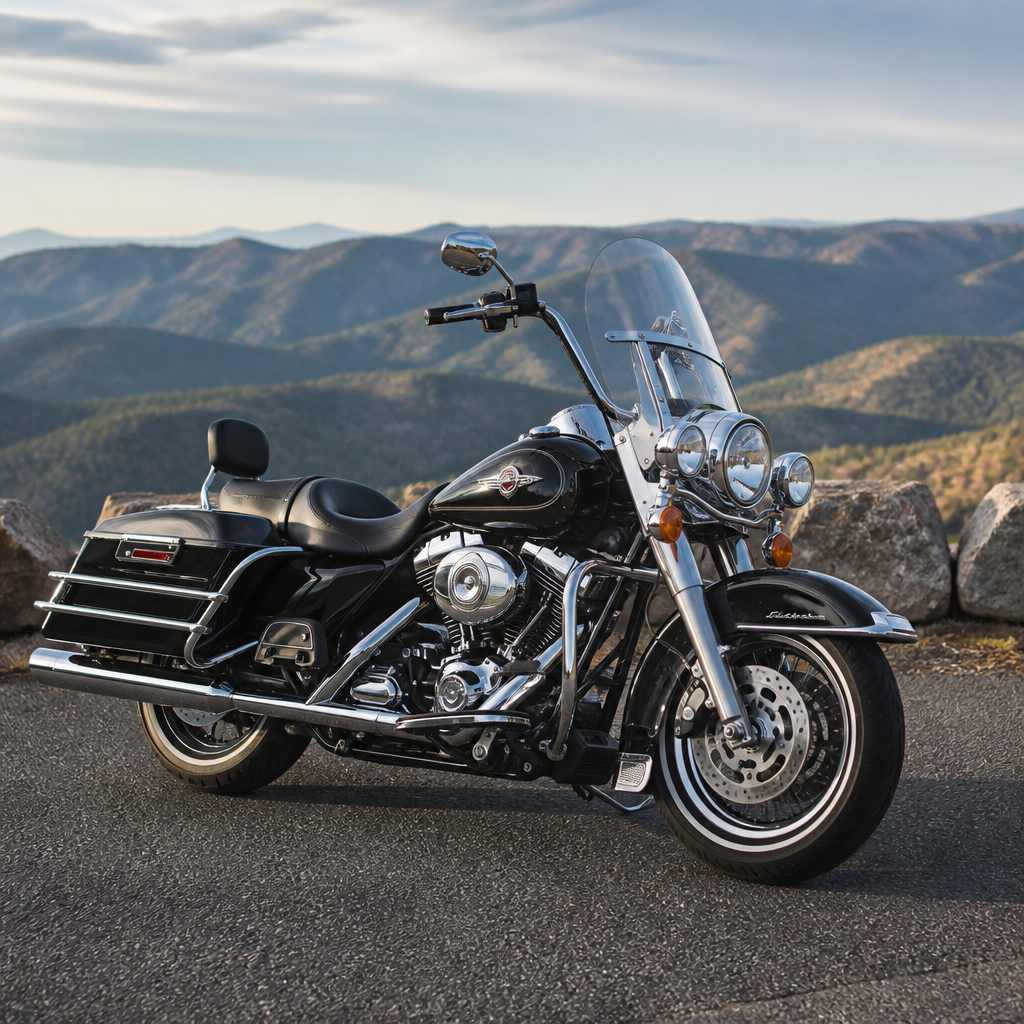
A 1995 Road King is an FLHR built on the Evo-era touring platform, powered by the 80 cubic inch Evolution V-twin, fed by a carburetor, and dressed with detachable touring cues that helped define the modern Harley bagger silhouette. “Carbureted” means fuel delivery is handled mechanically through jets, passages, float level, and intake vacuum rather than electronically through injectors and engine mapping. “Used buyer guide” means more than a price range. It is a structured way to evaluate originality, maintenance history, mechanical condition, known failure points, model-year quirks, and ownership costs before money changes hands. For Harley-Davidson buyers, that approach matters because values vary wildly based on service quality and modifications.
This article works as the central reference for used Harley-Davidson shopping across 1990 to 2031 because the questions repeat even when the engines, frames, and electronics change. Is the bike stock enough to trust? Are modifications reversible? Which years are durable, and which are transitional? What does a fair inspection look like in 2026, when many carbureted bikes are now thirty years old, while newer touring and Softail models have ride modes, CAN bus wiring, and linked electronic systems? The 1995 Road King answers those questions in a clear, mechanical way. It is simple by modern standards, but age now creates its own complexity.
For buyers entering the Harley-Davidson market, the 1995 Road King also teaches the larger used-buying framework for 1990–2031 models. Early 1990s bikes reward mechanical sympathy and originality. Late 1990s and early 2000s Twin Cam models demand cam-chain tensioner awareness. Mid-2000s touring bikes add more refinement but also charging-system and heat-management concerns. Milwaukee-Eight models from 2017 onward usually bring stronger braking, smoother engines, and better rider aids, yet their inspection process increasingly depends on scan tools, software updates, and evidence of competent dealer or independent service. The decades differ, but the discipline is the same: inspect, verify, test, and price risk correctly.
Why the 1995 Road King still matters in the Harley-Davidson used market
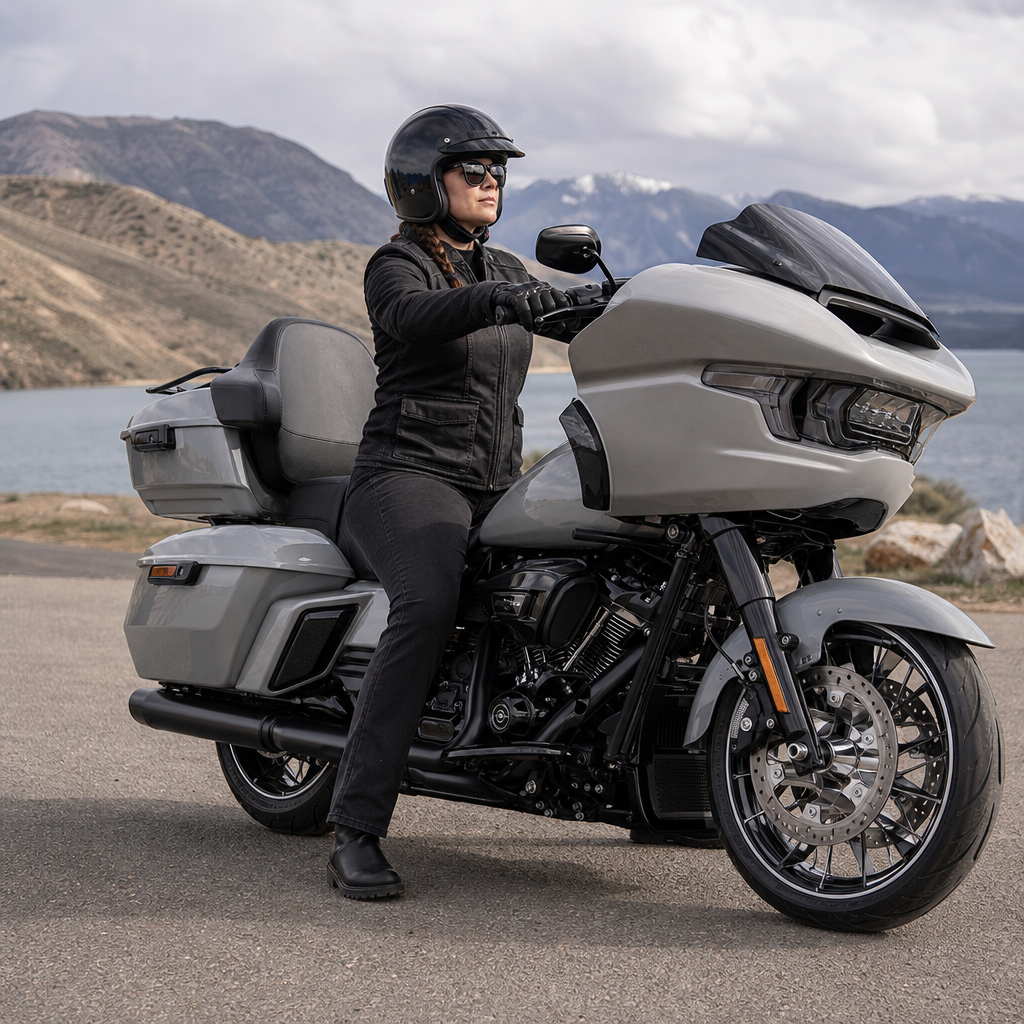
The Road King name carries unusual weight because it blends nostalgia and daily usability better than many collectible Harleys. The 1995 model is especially significant because it sits near the end of the Evolution touring period before the 1999 shift to Twin Cam touring power. Buyers who want a classic Harley-Davidson used bike often mean this exact formula: steel fenders, large floorboards, hard bags, windshield, cable controls, and a motor that can be understood with hand tools and patience. In plain terms, the 1995 Road King remains desirable because it feels old-school without being archaic.
In the broader 1990–2031 used buyer guide landscape, this matters because every Harley generation is judged against a baseline. For many riders, the Evo Road King is that baseline for durability, character, and serviceability. The Evolution engine earned its reputation by correcting many reliability weaknesses associated with earlier Harley eras. Properly maintained Evo top ends often go substantial mileage before needing serious work, and parts support remains strong through Harley-Davidson, Drag Specialties, S&S, CV Performance, James Gaskets, and independent restoration specialists. That ecosystem lowers ownership risk in a way many niche classic motorcycles cannot match.
There is also a pricing reason. A 1995 Road King can look like a bargain next to newer touring bikes, but buyers should understand what they are trading. Lower purchase price often means deferred suspension work, aged rubber, old fuel lines, tired wheel bearings, and charging components near retirement. I have seen multiple “garage-kept” examples with beautiful paint and dangerously old Dunlop tires dated more than a decade earlier. Cosmetic preservation is not mechanical preservation. For a Harley-Davidson buyer comparing eras, that lesson carries directly into every used guide from 1990 through 2031.
What to inspect before buying a 1995 Road King in 2026
Start with cold-start behavior. A seller who has already warmed the bike may be hiding carburetion issues, weak compression, or oil smoke. A healthy 1995 Road King should start predictably with correct choke use, settle into a stable idle after warm-up, and transition cleanly off idle. Stumbling, hanging idle, coughing through the intake, or visible fuel seepage from the carburetor suggests intake leaks, stale setup, worn accelerator pump parts, float problems, or poor tuning. Most 1995 Road Kings use the Keihin CV carburetor, which is generally excellent, but age hardens diaphragms and O-rings.
Then inspect the engine and drivetrain systematically. Check rocker boxes, pushrod tube seals, base gaskets, primary cover, transmission case, and final drive area for fresh leaks versus old residue. Evolution engines often mark territory lightly, but active leaks still matter because they usually point to neglected seal replacement or crankcase pressure issues. Listen for top-end noise, primary clatter beyond normal Harley mechanical sound, and charging-system irregularity at idle and 2,500 rpm. Use a multimeter if the seller allows it; around 13.8 to 14.5 volts while running is a healthy reference range, though exact readings vary with battery condition and accessory load.
Chassis inspection matters just as much. Touring bikes hide wear under mass. Check steering head bearings for notchiness, fork seals for seepage, rear shocks for damping loss, swingarm play, brake rotor thickness, pad life, and wheel trueness. On a test ride, the bike should track straight, stop without pulsing, and avoid wallowing through sweepers. Many buyers blame old Harley chassis design when the real issue is thirty-year-old suspension. If the bike still wears original-style air-assisted rear shocks, inspect air fittings and confirm they hold pressure.
| Inspection Area | What Good Looks Like | Common 1995 Problem | 2026 Buyer Impact |
|---|---|---|---|
| Keihin CV carburetor | Clean cold start, stable idle, crisp throttle response | Vacuum leaks, worn diaphragm, stale jets, gummy passages | Usually fixable, but use as price leverage |
| Charging system | Consistent battery voltage while running | Weak stator, regulator failure, old battery connections | Can strand rider; test before purchase |
| Suspension | Controlled rebound, no fork oil seepage, stable ride | Tired fork springs, leaking seals, dead rear shocks | Major effect on safety and comfort |
| Brakes | Straight stops, clean fluid, usable pad and rotor thickness | Old hoses, sticky calipers, aged fluid | Immediate maintenance item if neglected |
| Wiring | Neat harness routing, functional lights and switches | Accessory splices, corroded grounds, brittle connectors | Electrical gremlins consume time quickly |
Originality, modifications, and paperwork across 1990–2031 Harley buying
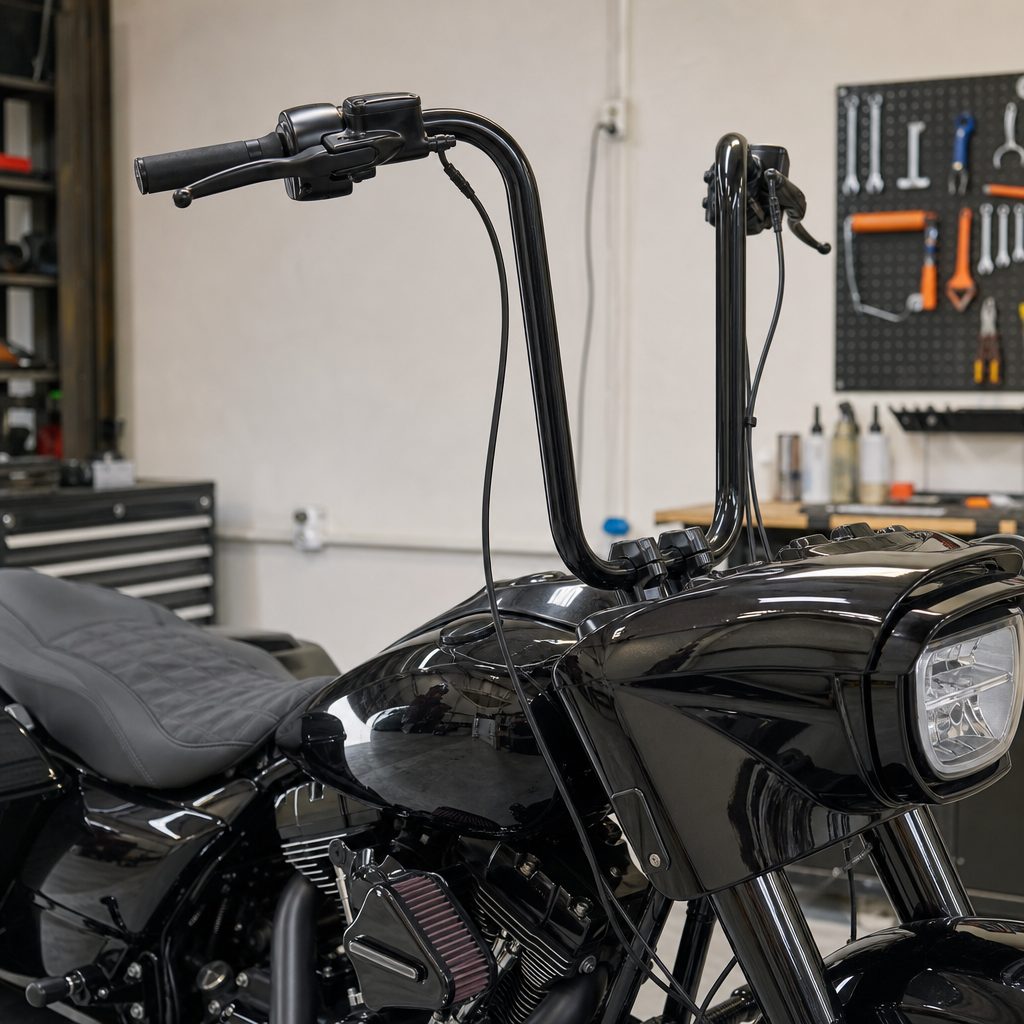
Originality affects value differently depending on the era. On a 1995 Road King, mild period-correct upgrades can help if documented. A properly installed EV27 cam, quality exhaust, CV carb tuning parts, stainless brake lines, or Progressive suspension components may improve the ownership experience. But heavily modified bikes create uncertainty. Ape hangers with extended wiring, mystery ignition modules, shaved mounts, nonstandard wheels, and home-made carb tuning almost always increase inspection time and post-purchase cost. For hub-level Harley-Davidson buyer guidance, this is the rule: buy the most honestly assembled bike, not the loudest one.
Paperwork tells you whether a seller understands the machine. Ask for service receipts, factory manual references, parts invoices, title clarity, VIN consistency, and any records of top-end work, charging-system replacement, tire dates, brake service, and cam or ignition changes. On newer Harley-Davidson models from the 2000s through 2031, this same habit expands to dealer printouts, recall completion, software campaign history, ABS service records, and key fob counts. Documentation reduces uncertainty across all years, but it is especially important on transitional models where factory updates changed reliability outcomes.
This is also where this 1995 Road King article supports the wider “Used Buyer Guides: 1990–2031” hub. A serious subtopic structure should branch by engine family and platform: Evolution touring, early Twin Cam touring, revised Twin Cam with hydraulic cam-chain tensioners, Rushmore touring, Milwaukee-Eight touring, Evolution Sportster, rubber-mount Sportster, Dyna, Twin Cam Softail, M8 Softail, Street, V-Rod, Pan America, and CVO variants. Buyers search by year, engine, and use case. The hub should connect those paths clearly, because someone considering a 1995 Road King is often also comparing a 1998 Evo, a 2002 Twin Cam, or a 2017 Milwaukee-Eight Road King.
Ownership costs and maintenance realities in 2026
The biggest mistake buyers make in 2026 is budgeting only for acquisition. A fairly priced 1995 Road King still needs a commissioning budget unless the seller can prove recent service. Plan for fluids, tires, battery, brake inspection, fuel system refresh, intake seals, fork service, and likely some charging-system attention. Even if everything seems functional, age alone justifies replacing fuel lines, vacuum hoses, and critical rubber. Ethanol-blended fuel has not been kind to old seals and stored carburetors.
Annual ownership cost depends on mileage, storage, and how much work you can do yourself. For a rider who performs basic service at home, routine maintenance is manageable because the Evo touring platform remains straightforward. For an owner relying entirely on shop labor, costs climb quickly, especially if electrical diagnosis or carb tuning is needed. Independent Harley specialists often provide better value than dealerships for these older models, though the best shops are booked far in advance. That reality applies across many Harley-Davidson used bikes from 1990 to 2031: labor cost can outweigh parts cost.
There are also practical limits. A 1995 Road King can absolutely handle modern road use, but it does not offer contemporary braking feel, thermal management, infotainment, cruise integration, traction-aware electronics, or the higher output of later touring machines. Riders moving backward from a Milwaukee-Eight bike will notice weaker stock brakes, less chassis precision, more driveline texture, and more owner involvement. For many people, that involvement is the point. For others, it becomes fatigue. A good buyer guide should say that plainly.
How the 1995 Road King compares with later Harley-Davidson generations
Compared with 1990–1998 Evolution Harleys, the 1995 Road King is one of the safest bets because it combines mature Evo reliability with established parts support. Compared with 1999–2006 Twin Cam touring bikes, it avoids the most famous spring-loaded cam-chain tensioner concern, though it gives up some stock power and refinement. Compared with 2007–2016 touring models, it feels simpler but significantly older in brakes, frame behavior, six-speed cruising, and electronics. Compared with 2017–2031 Milwaukee-Eight touring models, it is slower, less precise, and less feature-rich, yet easier to understand mechanically and often cheaper to buy outright.
That comparison framework matters for the entire Harley-Davidson used buyer guide series. No single model is “best” without context. The best used Harley is the one whose mechanical complexity, purchase price, intended mileage, and rider expectations actually match. A carbureted Road King suits a rider who values analog touring, can tolerate periodic tinkering, and wants a machine with visual permanence. A late-model Road King suits someone who wants long-distance comfort with fewer compromises. The role of a hub article is to make those decision paths obvious.
Best buyer profile and final verdict for this hub topic
The ideal 1995 Road King buyer in 2026 is not chasing the cheapest Harley-Davidson touring bike. The ideal buyer wants a known mechanical baseline, appreciates the Evolution engine, and understands that old motorcycles reward preventive maintenance more than reactive repairs. The best examples are stock or lightly upgraded, well documented, regularly ridden, and free from improvised wiring or cosmetic restoration hiding neglected fundamentals. If you find one with clean title history, recent tire and brake service, charging-system proof, and a carburetor that starts and runs correctly from cold, you are looking at one of the most satisfying entries in classic Harley touring.
As the hub for Harley-Davidson used buyer guides from 1990 through 2031, this page establishes the central rule for every follow-up article: buy on condition, documentation, and platform knowledge, not emotion alone. The 1995 Road King remains a legend because it delivers authentic Harley character with a durable engine and strong aftermarket support. Its 2026 reality is equally clear: age now drives the risk profile. Inspect carefully, budget honestly, and use this guide as your starting point before moving into model-specific pages across the broader Harley-Davidson lineup. If you are shopping the era, build your shortlist, compare by generation, and verify every claim in person before you buy.
Frequently Asked Questions
Is a 1995 Harley-Davidson Road King still a smart bike to buy in 2026?
Yes, but only if the buyer understands exactly what kind of motorcycle the 1995 Road King is. This is not just an old touring Harley with nostalgic appeal. It sits in a very practical middle ground: old enough to offer the authentic Evolution-era carbureted feel many riders specifically want, yet modern enough to remain usable, repairable, and supported by a broad aftermarket in 2026. That combination is why it continues to attract buyers who want real mechanical character without stepping all the way back into a much more vintage ownership experience.
The key issue is that a clean appearance can be misleading. Mid-1990s touring Harleys often make excellent first impressions because they were built to look substantial, and many have spent years being polished, accessorized, and lightly ridden. The expensive surprises usually show up later in the form of deferred maintenance, aging rubber, charging system problems, intake leaks, oil seepage, worn suspension, old tires that still look decent, and brake components that are far beyond their ideal service life. In other words, a pretty bike is not automatically a sorted bike.
For the right buyer, though, the 1995 Road King can still be a smart purchase. It offers relaxed ergonomics, straightforward mechanical access, strong parts availability, and an ownership experience that rewards riders who appreciate analog machines. If you are willing to budget for catch-up maintenance immediately after purchase, inspect carefully, and avoid paying premium money for cosmetic condition alone, it can be one of the more satisfying used Harley touring buys in 2026. If you want turnkey reliability with minimal tinkering, however, a later fuel-injected touring model may be the more realistic choice.
What are the most common maintenance and inspection issues on a 1995 Road King in 2026?
The biggest mistake buyers make is looking only for dramatic failures and missing the slow, age-related deterioration that defines ownership of a 1995 Road King today. By 2026, every original rubber component, seal, hose, bushing, mount, and many electrical connectors deserve suspicion based on age alone. Even a low-mile bike can have more problems than a higher-mile bike if it sat for long periods. Storage often preserves paint better than it preserves fuel systems, seals, and brake hydraulics.
Start with the fuel and intake system. The carburetor may need cleaning, rebuilding, or proper tuning, especially if the bike has been sitting or was modified carelessly. Look for signs of intake manifold leaks, brittle vacuum lines, and hard starting behavior. Check whether the bike idles steadily when warm and whether throttle response is crisp or hesitant. Carbureted bikes can run well for years, but neglected examples often mask problems until they are under load.
Next, inspect the charging and electrical system. Stators, regulators, batteries, grounds, and wiring repairs deserve close attention. Weak charging can produce intermittent symptoms that owners blame on the battery alone. On a bike this old, crude accessory wiring is common, especially around lights, audio add-ons, and charging leads. Poor wiring work can become both a reliability problem and a fire risk.
Oil leaks and seepage are also common inspection points. Not every damp surface is a crisis on an older Harley, but buyers should learn the difference between normal sweating and active leakage that points to more meaningful repairs. Check primary, transmission, rocker areas, pushrod tubes, and around gaskets that may have hardened with age. Also inspect the final drive belt and pulleys for wear, damage, or misalignment issues.
Chassis condition matters just as much as engine condition. Fork seals, rear shocks, steering head bearings, wheel bearings, tires, and brakes can easily turn a “good deal” into an expensive rehab project. Tires in particular are often overlooked because they may have plenty of tread while being dangerously old. Brake hoses, calipers, and master cylinders should also be evaluated closely, because time degrades them even when mileage does not. A proper pre-purchase inspection on a 1995 Road King is less about chasing one famous flaw and more about measuring how much age-related reconditioning the bike needs right now.
How reliable is the carbureted Evolution-powered Road King compared with later Harley touring models?
The 1995 Road King can be very reliable, but its reliability is different in character from that of later touring Harleys. The Evolution engine has a strong reputation for durability, mechanical simplicity, and honest serviceability. Many experienced Harley owners still consider it one of the brand’s most trustworthy big twin platforms when it is maintained properly. It is less electronically complex than later bikes, easier to diagnose in many situations, and generally more transparent about what it needs.
That said, age changes the conversation. In 1995, the Road King’s simplicity was a clear advantage. In 2026, simplicity still helps, but you are now dealing with a 31-year-old motorcycle. Reliability is no longer determined by engine design alone. It is determined by decades of maintenance habits, storage conditions, modifications, and whether previous owners fixed problems properly or postponed them. A later Twin Cam or Milwaukee-Eight touring model may have more systems to manage, but if it is 10 to 20 years newer, it may still be the more dependable daily machine simply because fewer age-related components are at the end of their life cycle.
The carburetor is a good example. Enthusiasts love the direct feel and mechanical adjustability, and a properly sorted carb setup works beautifully. But carburetors are less tolerant of long storage, stale fuel, and neglected tuning than modern fuel injection. Cold starts, altitude changes, and seasonal consistency all require more owner involvement. For some riders, that is part of the charm. For others, it becomes a maintenance burden.
So the honest answer is this: a well-maintained 1995 Road King can absolutely be reliable enough for regular use, weekend touring, and enthusiast ownership. But it should be judged as an older specialty touring bike, not as a direct substitute for a much newer touring Harley. Buyers who understand that distinction tend to be happiest with them.
What should a serious buyer check before purchasing a 1995 Road King?
A serious buyer should approach this bike with the mindset of an inspector, not just a shopper. Start with paperwork and identity. Confirm the VIN, title status, and engine/frame consistency, and ask for maintenance records, parts receipts, and any documentation for engine, carburetor, charging system, or transmission work. A well-documented bike is usually worth more than a shinier bike with no history, because records reveal whether the owner understood what aging Harleys actually require.
Then evaluate the bike cold, before it has been pre-warmed. Cold starting tells you a lot. Listen for abnormal top-end noise, smoke that lingers longer than expected, unstable idle behavior, and signs that the bike only runs correctly after extra owner rituals. During the walkaround, inspect for crash damage, mismatched paint, bent controls, frame concerns, and low-quality accessories or wiring. Touring Harleys often collect add-ons over decades, and not all of them were installed well.
Mechanically, inspect fuel delivery, carburetor response, clutch engagement, transmission shifting, and primary behavior. On the road, the bike should track straight, brake predictably, and accelerate without hesitation, coughing, or flat spots. The chassis should feel planted rather than vague or wallowy. If it weaves, clunks, or feels vague in the front end, budget for steering head, suspension, wheel, or tire work.
Also pay close attention to consumables and service age. Ask when the tires, brake fluid, fork oil, battery, drive belt, fuel lines, and intake seals were last replaced. These answers often reveal whether the bike was truly maintained or merely kept running. Finally, price the motorcycle as a package, not as a purchase number alone. A 1995 Road King that needs tires, brakes, suspension refresh, charging diagnosis, carb work, and seal replacement may quickly exceed the cost of buying a more expensive but healthier example. A pre-purchase inspection by a Harley-savvy independent shop is money extremely well spent.
What kind of ownership experience should riders realistically expect from a 1995 Road King in 2026?
Owners should expect a rewarding but hands-on relationship. The 1995 Road King delivers something many newer motorcycles do not: a slower, more mechanical, more involved touring experience. It has visual presence, strong road manners for its era, and the unmistakable personality of a carbureted Harley tourer. Riders who value feel, sound, and old-school mechanical honesty often find that this bike gives them exactly what they were hoping for.
But realistic expectations matter. In 2026, ownership is not just about enjoying the ride. It is about managing the realities of age. Even a good example will need ongoing inspection and periodic refurbishment in ways a newer bike might not. You may spend time adjusting, diagnosing, and replacing parts that have simply reached the end of their useful life. That does not mean the motorcycle is bad. It means the motorcycle is old, and old machines reward engaged owners.
Financially, the smart owner budgets for an initial baseline service rather than assuming the