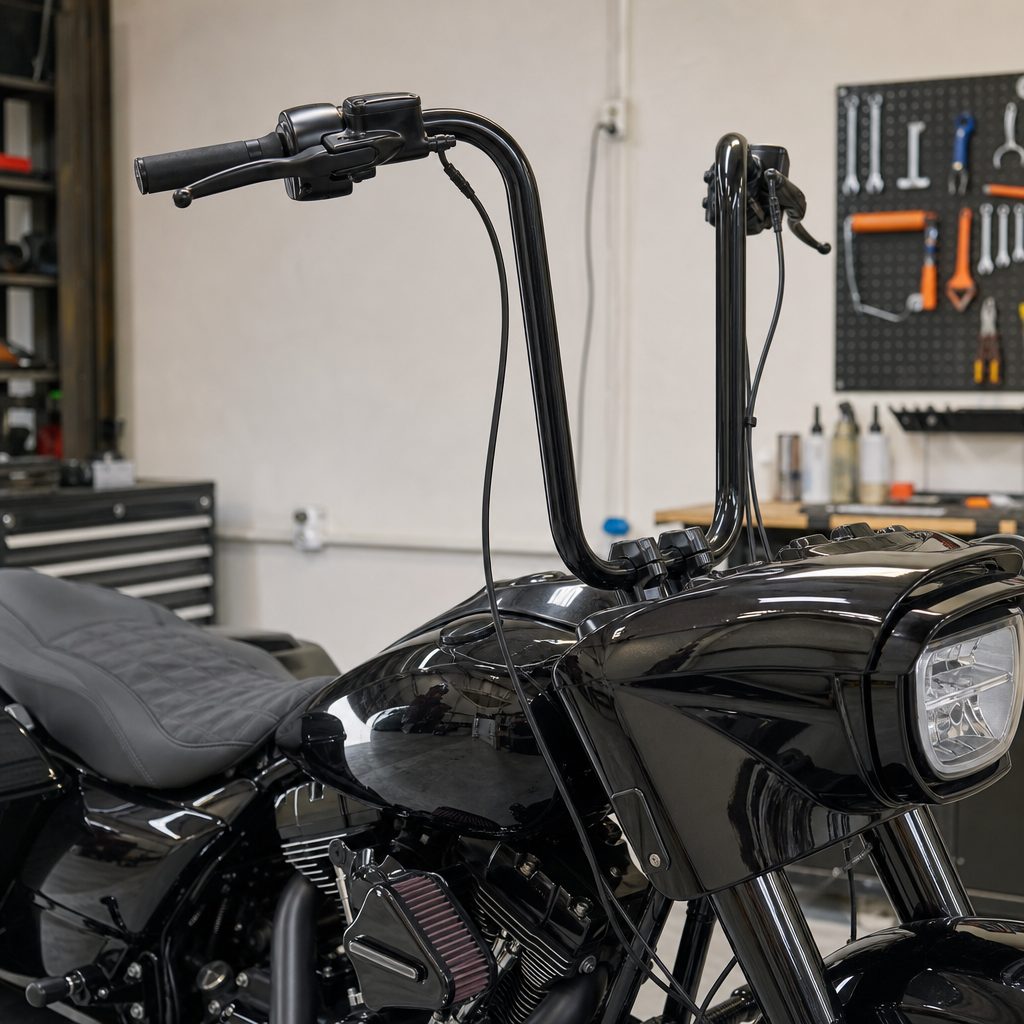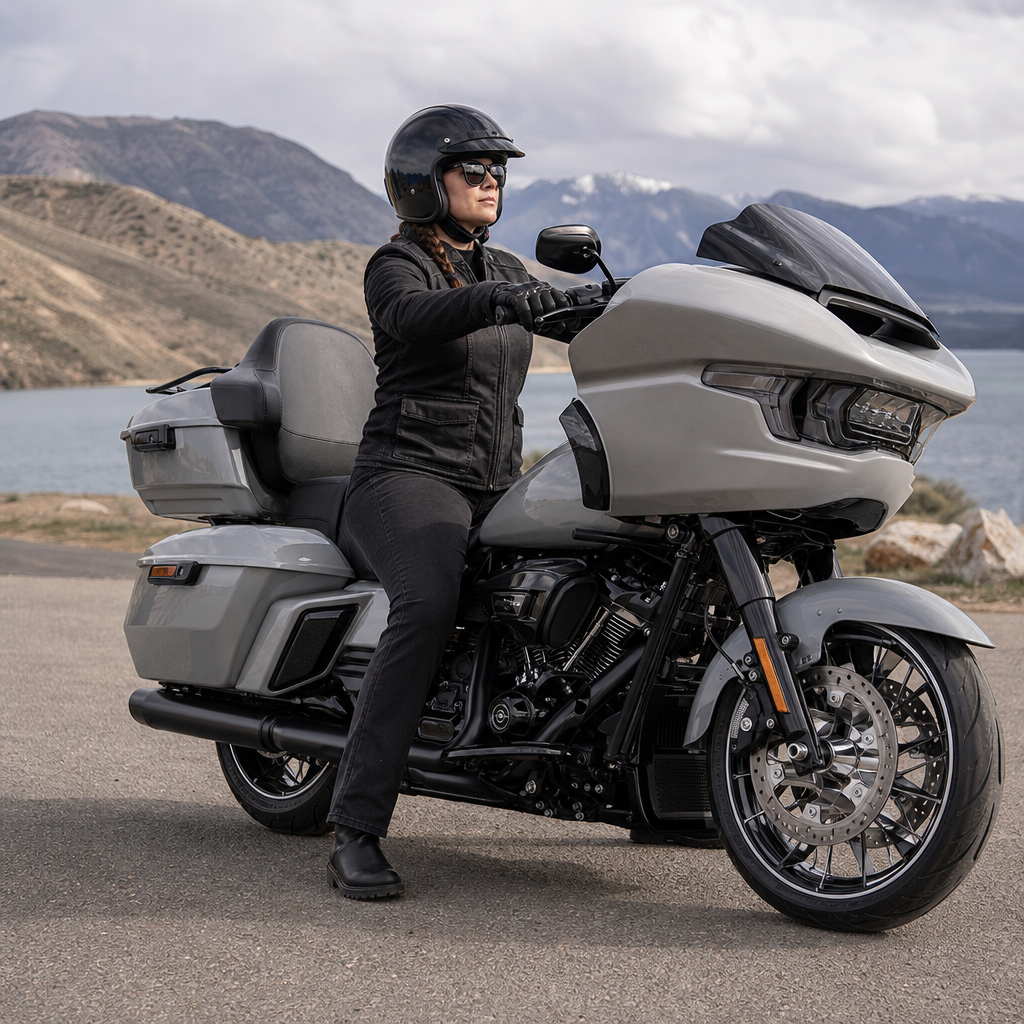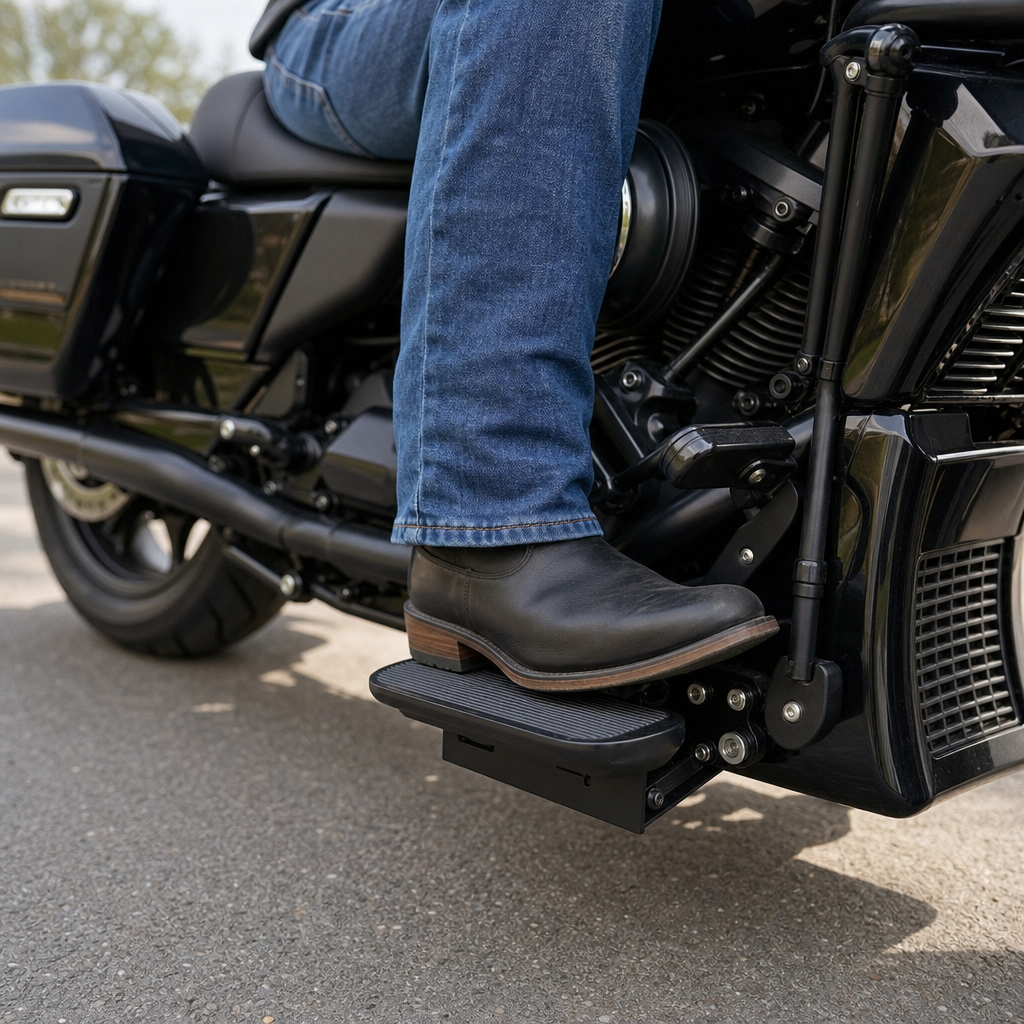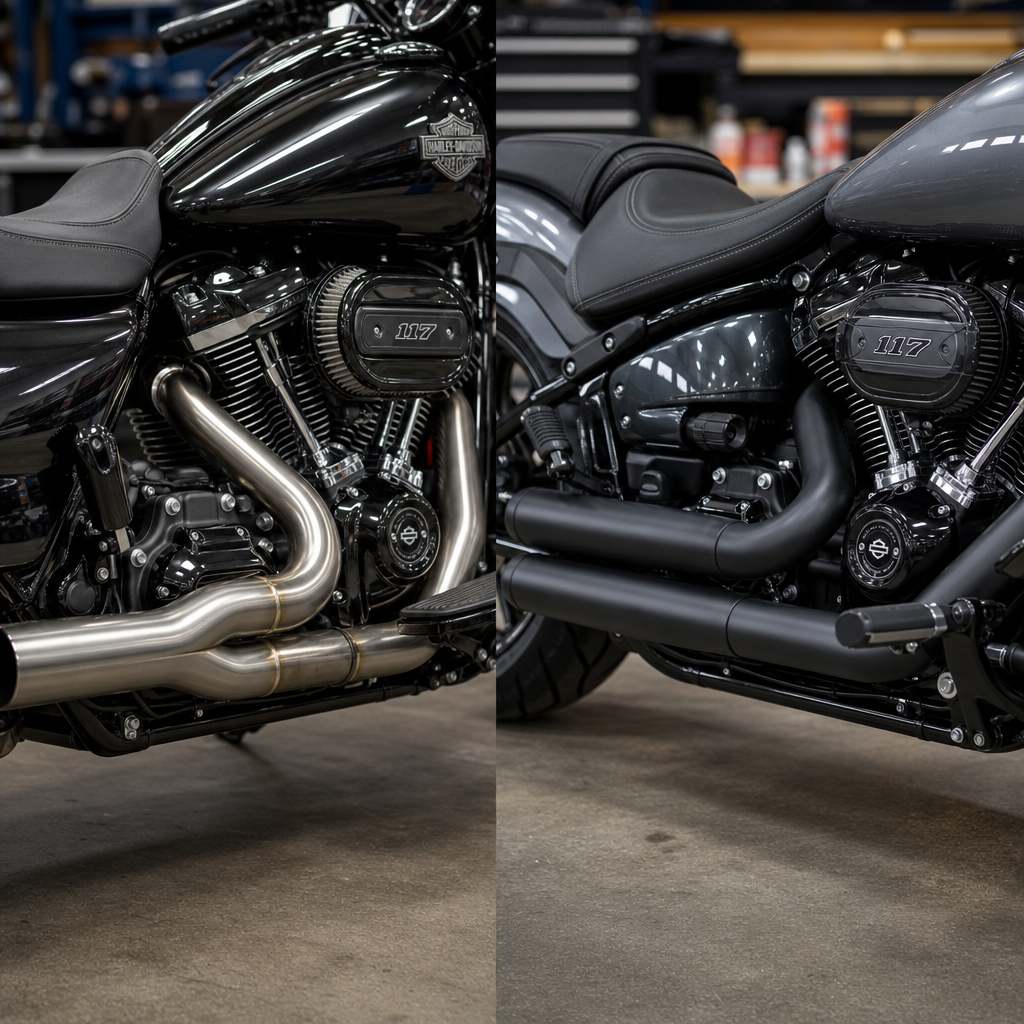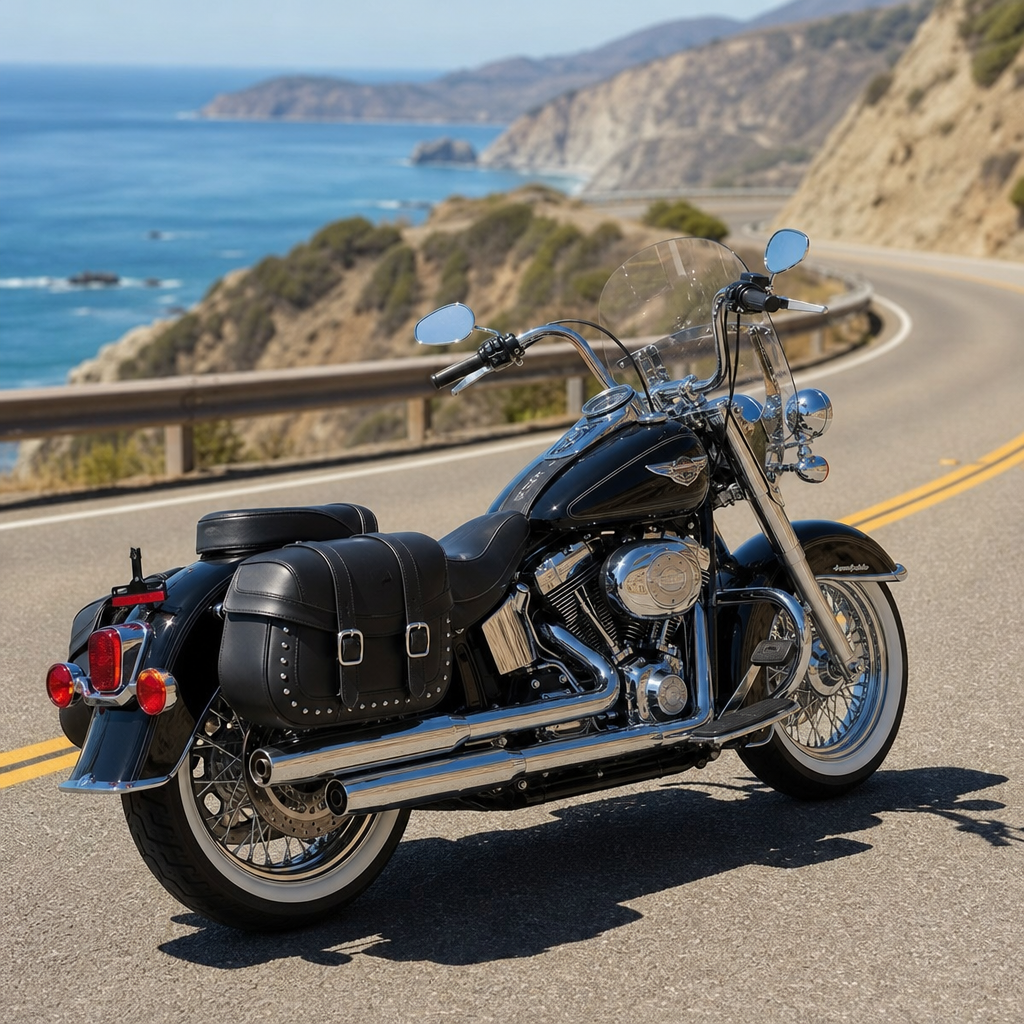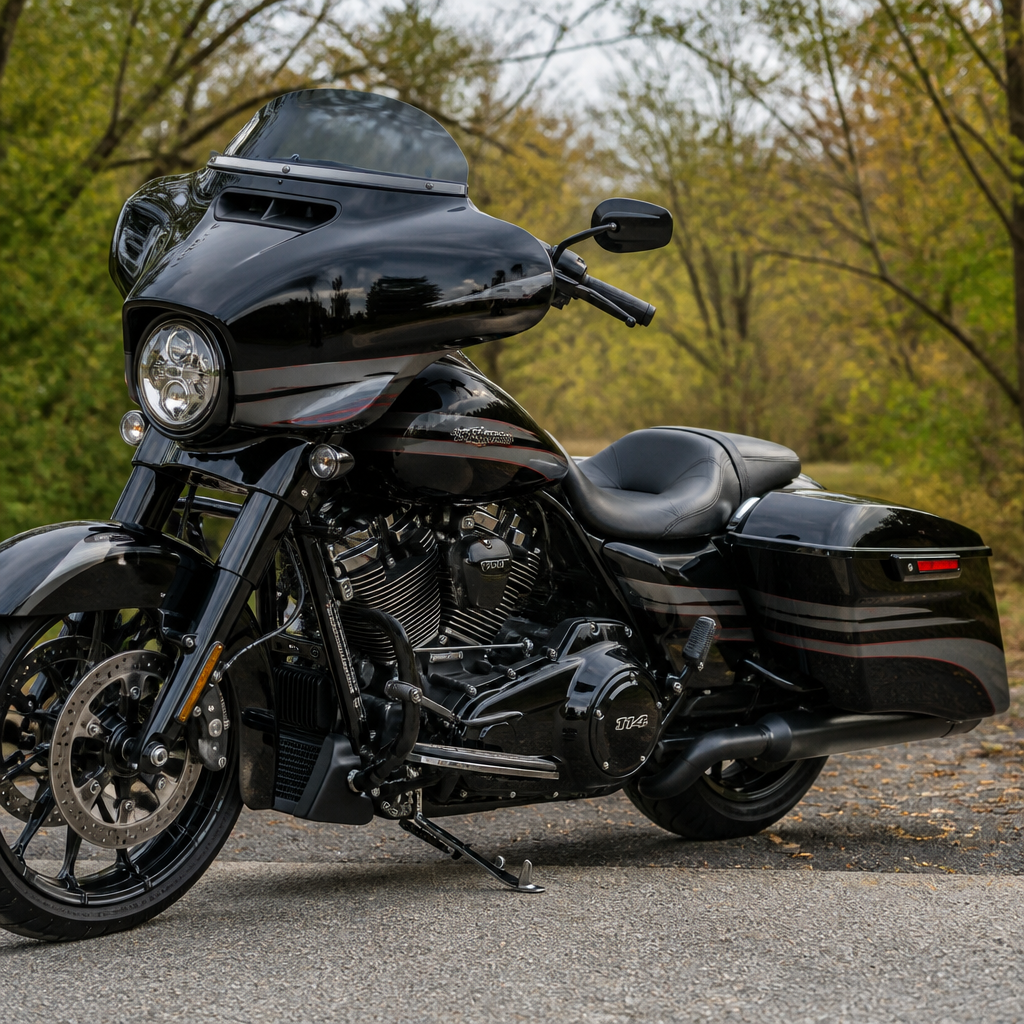
Buying a used 2017 CVO Street Glide means evaluating one of Harley-Davidson’s most desirable touring models while paying close attention to the first-year Milwaukee-Eight 114 engine and its known sealing issues. This buyer guide serves as the hub for Used Buyer Guides: 1990–2036 under the broader Harley-Davidson topic, so the goal is broader than checking one motorcycle. It is to show how to inspect a premium touring bike systematically, how to judge age-related risk across model generations, and how to decide whether a seller’s asking price matches the machine’s real condition.
The 2017 CVO Street Glide sits at an important mechanical transition point. CVO stands for Custom Vehicle Operations, Harley-Davidson’s factory custom line, and Street Glide refers to the batwing-faired touring platform with hard saddlebags and a slammed visual stance. In 2017, the CVO Street Glide used the Screamin’ Eagle Milwaukee-Eight 114, often shortened to M8 114, which was new to the touring line and replaced the Twin Cam architecture. First-generation in this context matters because early production versions of any redesigned engine often reveal small weaknesses in seals, gaskets, fastener torque procedures, and heat-management details before later revisions refine them.
For buyers, the phrase first-gen seals usually points to rocker box, pushrod tube, primary, oil pan, cam chest, transmission-side, and related oil-control sealing surfaces that may seep, mist, or weep rather than catastrophically fail. A leak and a seep are not the same. A seep leaves a film and attracts dust. A leak creates drops, residue trails, or accumulation on lower cases, the frame crossmember, or the underside of the transmission. Knowing that difference prevents overreacting to harmless grime while still identifying repair costs that affect negotiation. On a premium used bagger, details matter because cosmetic expectations are high and labor on touring models adds up quickly.
I have inspected enough Milwaukee-Eight touring bikes to know that sellers often describe them as flawless because they start easily, idle smoothly, and show low mileage. Those factors help, but they do not replace close inspection. A 7,000-mile bike can have more problems than a 35,000-mile bike if it spent long periods sitting, saw poor wash practices, or received cosmetic modifications that disturbed wiring, body fit, or oil lines. The best used-buyer process combines records review, visual inspection, cold-start observation, road-test behavior, and a realistic estimate of what deferred maintenance will cost during the first year of ownership.
Why the 2017 CVO Street Glide deserves special attention
The 2017 model matters because it combines a high-end touring chassis with the first model year of the Milwaukee-Eight in CVO 114 form. Harley-Davidson’s M8 brought four valves per cylinder, dual spark plugs, improved intake and exhaust flow, and a single internal counterbalancer on touring applications. It generally delivered better throttle response and smoother cruising than the outgoing Twin Cam 110 CVO bikes. However, first-year examples can show minor seal-related complaints that later service experience addressed through updated parts, better install practices, or simple owner awareness.
That does not mean the 2017 CVO Street Glide is a bad buy. In fact, many are excellent long-distance motorcycles with strong resale appeal, premium paint, upgraded audio, and impressive real-world torque. It means buyers should inspect with discipline. A clean title, complete key set, original Boom! Box infotainment operation, and documented fluid services are baseline expectations. Because this is a CVO, missing details such as absent owner’s pouch items, swapped bars with pinched wiring, or bargain suspension parts matter more than they would on a standard Street Glide Special.
When this article functions as a hub for Used Buyer Guides: 1990–2036, the 2017 CVO Street Glide also illustrates a bigger principle across Harley-Davidson generations. Evolution-era bikes rewarded checks for charging systems and intake seals. Twin Cam bikes added cam chain tensioner, compensator, and heat concerns depending on year. Milwaukee-Eight buyers gained a stronger stock platform but still need to inspect oil sealing, software updates, hydraulic clutch feel, and heat exposure around rear-cylinder areas. Every era has signature checkpoints, and a strong used-buyer guide always ties model-specific faults to the underlying engineering change that created them.
How to inspect first-generation Milwaukee-Eight seals
Inspect the motorcycle cold and clean, ideally before the seller starts it. Bring a flashlight, inspection mirror, nitrile gloves, and a paper towel. Begin at the rocker covers and upper cylinder heads. Look for oily dust, dark staining below bolt heads, or fresh wipe marks that suggest the bike was cleaned immediately before viewing. Then move to pushrod tubes, cylinder base areas, and the seam where the cam chest cover meets the case. On Milwaukee-Eight touring bikes, light road grime is common, but concentrated wetness at a seam deserves follow-up.
Next, inspect the oil pan and lower case edges. A pan gasket issue may present as residue spread by airflow rather than a single obvious drip point. Check the front and rear of the pan, then the crossmember beneath. Move to the primary cover, derby area, and transmission case. Distinguish engine oil from primary or transmission fluid by location, color, and smell. During a road test, engine oil can mist backward and create misleading patterns, so static inspection before riding is important.
After the visual check, start the bike from cold. A healthy M8 114 should settle quickly without excessive valvetrain clatter. Let it idle long enough to build heat, then recheck the same seal areas. Some seeps appear only after expansion. Finally, ride the bike, then inspect again. Pay attention to fresh residue near the right side lower engine surfaces and around the oil cooler line connections if equipped.
| Inspection point | What to look for | Why it matters |
|---|---|---|
| Rocker covers | Dust stuck to oily film, fresh wipe marks | Common place for minor seepage to begin |
| Pushrod tubes | Wet lower collars or streaks on cylinders | Can indicate disturbed seals after prior service |
| Cam chest and oil pan seams | Residue spread along gasket edges | Small leaks can become recurring labor costs |
| Primary and transmission areas | Different fluid patterns on left and lower rear | Separates engine concerns from driveline issues |
| After test ride | Fresh droplets, mist, or burned-oil smell | Confirms whether seepage becomes active when hot |
If you find seepage, ask direct questions: when was it first noticed, what repair was performed, which gasket or seal was replaced, and who did the work? Dealer invoices are ideal because they show part numbers and mileage. A seller who says all Harley engines leak is giving you a negotiating opportunity, not a technical explanation. Many Milwaukee-Eight bikes remain dry for years when maintained properly and not repeatedly disassembled for accessory installation.
Service history, modifications, and signs of honest ownership
Records tell you whether the bike was loved or merely polished. For a 2017 CVO Street Glide, look for scheduled engine, primary, and transmission fluid changes; brake fluid service; tire dates; battery replacement history; and any recall or service campaign completion. Harley-Davidson dealers can often verify completed campaign work by VIN. A consistent paper trail matters because touring bikes accumulate accessories, and each accessory installation creates chances for stripped fasteners, wiring damage, and body-panel misalignment.
Modifications are not automatically bad. High-quality parts from S&S, Fuel Moto, Öhlins, Klock Werks, Rinehart, or Harley’s own catalog can improve the bike. The question is whether the supporting setup was done correctly. An intake and exhaust tune should have documentation showing the calibration method, such as Screamin’ Eagle Pro Street Tuner, Dynojet Power Vision, or dealer-installed map updates where legal. A bike with loud slip-ons and no documented calibration may run acceptably on a short ride yet still show heat, decel popping, or long-term fueling compromises.
Honest ownership also appears in small details: matching fasteners, unbroken saddlebag latches, even tire wear, no corrosion in switch housings, and no moisture behind gauge or infotainment lenses. Check the underside of floorboards, bag guards, and mufflers for scrape evidence. A premium paint finish can distract from crash damage, so sight down the fork, fairing, and saddlebags to confirm alignment. On CVO models, replacement paintwork is expensive, and color-match quality strongly affects value.
Pricing, negotiation, and how this guide fits 1990–2036 Harley buyer research
Used pricing depends on mileage, condition, region, season, and originality. In most markets, a 2017 CVO Street Glide commands more than a standard Street Glide Special because of the 114 engine, CVO trim, paint, audio, and exclusivity. However, CVO does not cancel depreciation. If the bike needs tires, a battery, fluid service, infotainment troubleshooting, and seal work, those costs should come directly off the asking price. Use NADA Guides, Cycle Trader listings, completed local sales, and dealer asking prices as references, but adjust for actual condition rather than brochure prestige.
As the hub for Used Buyer Guides: 1990–2036, this article supports a practical framework you can apply across Harley-Davidson generations. Start with platform era, identify that era’s known mechanical checkpoints, inspect for evidence of proper service, and then price the bike as a package rather than as a dream purchase. For 1990s Evolution models, age, rubber, charging health, and carburetion condition dominate. For Twin Cam years, cam support components, driveline wear, and heat management become central. For Milwaukee-Eight models through the 2020s and into future used inventory, buyers should prioritize software status, oil sealing, electronics integration, and whether modifications were tuned and documented correctly.
The advantage of this method is that it keeps you objective. A used Harley should be judged by evidence, not by chrome, noise, or seller confidence. On a 2017 CVO Street Glide, the first-gen seal inspection is the headline issue because it is specific, known, and financially relevant. But the winning purchase is the bike that combines dry mechanicals, complete records, clean cosmetics, and sensible ownership history. If you are shopping this model or researching the wider 1990–2036 used Harley landscape, use this page as your starting point, compare each candidate against era-specific checkpoints, and buy the motorcycle that proves its condition on inspection.
Frequently Asked Questions
What should I inspect first on a used 2017 CVO Street Glide with the Milwaukee-Eight 114?
Start with the engine because the 2017 model year was the first year of the Milwaukee-Eight 114 in CVO touring trim, and first-year engines always deserve extra scrutiny. On this bike, that means looking closely for evidence of oil seepage or repaired leaks around the rocker boxes, pushrod tube areas, primary side, oil pan region, and especially places where heat cycles and age can expose gasket or seal weaknesses. A clean engine is not automatically a healthy engine, because a freshly detailed motorcycle can hide active seepage, so inspect the lower fins, bolt heads, case seams, and underside with a flashlight. If you see oily dust buildup rather than fresh wet oil, that can indicate an older leak that may have been tolerated rather than fixed. If you see fresh residue after a test ride, that matters more.
Beyond seals, inspect the motorcycle as a premium touring platform, not just as an engine. Look for crash damage on the bar ends, mirrors, saddlebag corners, floorboards, engine guards, and lower fairing. Check that the infotainment, speakers, lighting, heated grips if equipped, security system, and key fobs work correctly, because CVO parts are expensive and electrical neglect can turn a prestige bike into a budget trap. Examine the paint and trim carefully as well. CVO finishes, custom details, and factory accessories add value only if they are original, functional, and undamaged. The goal is to judge the whole machine systematically: mechanical condition, cosmetic originality, service history, and whether the bike has been maintained like a flagship Harley rather than merely stored and polished.
Are the first-generation Milwaukee-Eight 114 seal issues serious enough to avoid a 2017 CVO Street Glide?
No, not automatically. The smarter approach is not to avoid the model, but to separate manageable age-and-maintenance issues from signs of chronic neglect or poor repair work. The 2017 CVO Street Glide remains one of the most desirable modern Harley touring models, and many have been ridden, serviced, and updated properly. What gives buyers pause is that first-year engines can reveal minor sealing weaknesses sooner than later, more sorted production years. That does not mean every example is defective. It means you should evaluate any leak in context: where it is, how severe it is, whether it is active, and whether the seller has records showing dealer or specialist attention.
A light seep at an upper area with documented repair history is very different from a motorcycle with oil spread across the cases, burnt residue near hot surfaces, and vague explanations from the seller. Ask directly whether rocker box gaskets, top-end seals, or related components have ever been replaced. If the seller says the bike “all Harleys do that,” treat that as a warning sign rather than a reassuring answer. On the other hand, if the owner can show invoices, mileage at repair, and who performed the work, that usually lowers risk. In buyer-guide terms, this is exactly how you should think across generations: known weak spots are acceptable when they are well understood, honestly disclosed, and already corrected. They become expensive only when hidden, ignored, or repeatedly misdiagnosed.
How can I tell whether oil seepage on a 2017 CVO Street Glide is minor, normal aging, or a sign of a bigger problem?
The key is to distinguish staining from active leakage. Minor seepage often appears as a light film collecting dust around a gasket line or seam over a long period. That can happen on older, heat-cycled V-twins and may not indicate an urgent mechanical failure. A bigger problem usually shows up as fresh, wet oil, drips forming after operation, residue tracking downward across multiple surfaces, or burnt oil smell after the engine reaches temperature. Always inspect the motorcycle both cold and hot. A cold engine can hide leaks that only appear once oil pressure rises and parts expand with heat. After a proper test ride, park the bike and recheck the rocker box areas, case seams, and lower engine surfaces.
Also pay attention to secondary clues. Low oil level, messy undercarriage, oily fasteners, or evidence of frequent wipe-downs around known leak points can all suggest an ongoing issue. Ask if the owner tops up oil between services and how often. Review maintenance records for repeated gasket replacement or unresolved return visits. If the leak is accompanied by smoke from oil contacting hot exhaust surfaces, visible contamination around the air cleaner area, or rough running that suggests broader top-end concerns, step back and price the bike accordingly or move on. The best used example is not always the one with zero cosmetic evidence of oil; it is the one where the condition, repair history, and seller’s explanation all line up clearly and honestly.
What records, service history, and ownership details matter most when buying this specific CVO model?
For a used 2017 CVO Street Glide, paperwork matters almost as much as the motorcycle itself. You want service records showing regular fluid changes, scheduled maintenance, battery replacement when needed, brake service, tire age and replacement dates, and any seal or gasket repairs related to the Milwaukee-Eight 114. Dealer invoices are ideal, but reputable independent Harley specialists are also fine if the documentation is clear. Confirm mileage consistency across title history, service receipts, inspection reports, and any listing screenshots you may have saved. A premium touring bike with missing history is more concerning than an ordinary model with missing history because CVO ownership carries higher expectations and higher repair costs.
Ownership style matters too. Ask how the motorcycle was used: long-distance touring, local fair-weather rides, long periods of storage, or frequent customization. Storage itself is not bad, but prolonged inactivity can create its own issues, including stale fluids, battery strain, dry seals, corrosion in connectors, and neglected tires that look new but are old. Verify whether the bike still has original CVO components such as exhaust, intake, seat, wheels, paint-matched parts, and electronics. Modifications are not necessarily negative, but poor tuning, cut wiring, or missing factory parts can hurt both reliability and resale. For a buyer-guide mindset that applies across model generations, the rule is simple: complete records, stable ownership, and professional repairs reduce risk far more effectively than low mileage alone.
How should I value a used 2017 CVO Street Glide if it has minor seal seepage or evidence of prior repair?
Value it based on condition, documentation, and quality of repair rather than reacting emotionally to the existence of a known issue. A 2017 CVO Street Glide is a premium bike with enduring appeal, so minor seepage by itself does not automatically make it a bad purchase. What matters is whether the problem is active, whether it has been professionally addressed, and whether the asking price reflects the remaining risk. If the bike has documented repairs by a Harley dealer or respected specialist and presents cleanly otherwise, that may actually be preferable to a supposedly untouched example with unknown future needs. First-year issues that have already been corrected can be less risky than original components waiting to age out.
Use any visible seepage or incomplete records as leverage, but be realistic. You are not just negotiating over a gasket; you are negotiating over inspection uncertainty, possible labor costs, and the inconvenience of future teardown if the issue worsens. Get an estimate from a dealer or independent shop before committing if the leak source is unclear. Then compare that number to the seller’s price flexibility, the bike’s mileage, tire and brake condition, service status, cosmetic originality, and local market demand for CVO touring models. The best purchase is not always the cheapest one. In many cases, paying more for a well-kept, documented motorcycle with sorted first-gen issues is the better long-term decision than chasing the lowest-priced bike and inheriting all of its deferred maintenance.