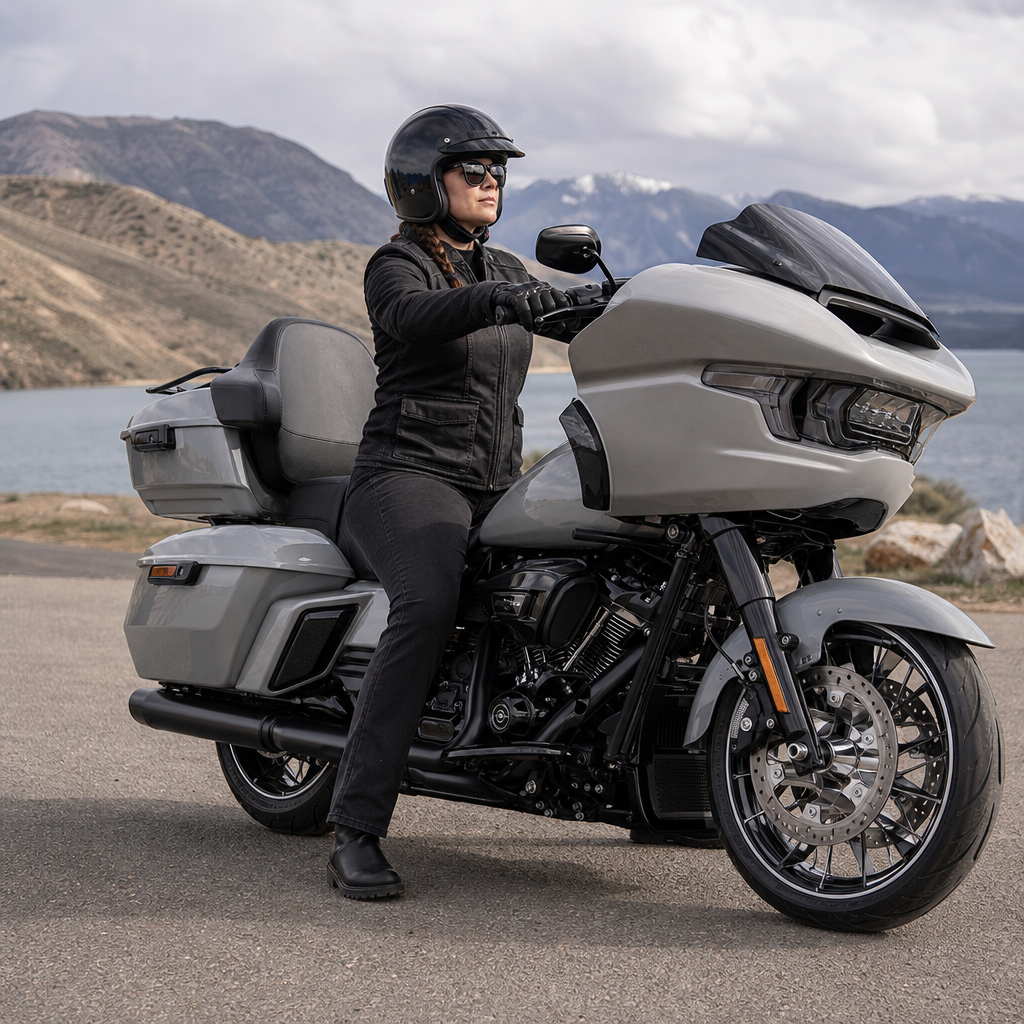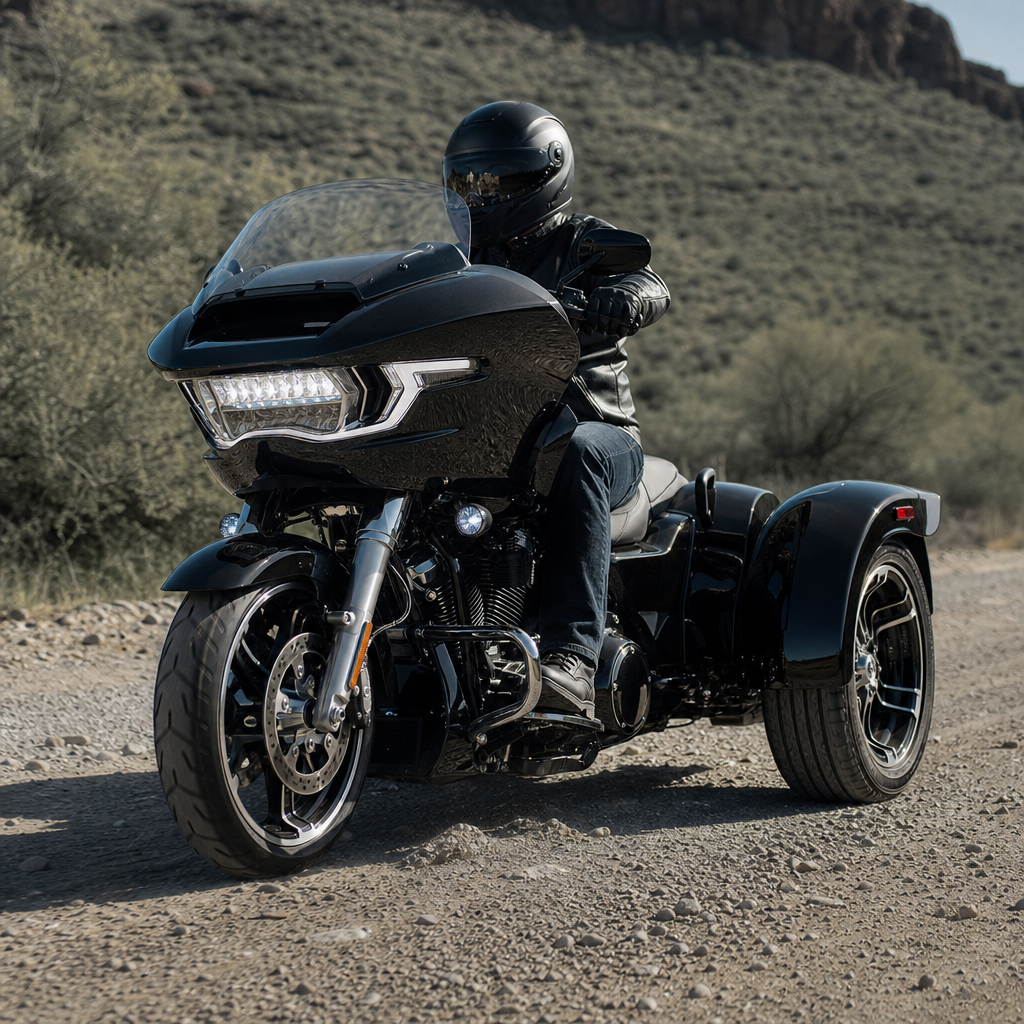
The 2026 Road Glide 3 gives trike riders touring range, frame-mounted sharknose styling, and the stability many owners want, but poor roads can still punish the spine, passenger, and chassis if the rear suspension is not tuned for real-world pavement. Air ride for the 2026 Road Glide 3 is the practical solution riders ask about when they want a more “floating” ride without giving up control, cargo capacity, or the confident stance that defines Harley-Davidson’s three-wheel touring platform.
In this context, air ride means a rear suspension system that uses pressurized air, usually through air-over-shock assemblies with a compressor, lines, fittings, and electronic controls, to change spring support and ride height. Floating ride does not mean soft and vague. It means reducing the harsh vertical impacts caused by potholes, bridge joints, frost heaves, broken chipseal, and uneven expansion seams while keeping the trike planted in corners, predictable under braking, and level with a passenger or luggage onboard. On a machine like the Road Glide 3, where rear axle behavior, seat height, suspension travel, and total load all influence comfort, the setup matters as much as the parts.
I have worked with touring Harleys and trike conversions long enough to know that many owners first chase comfort with a seat, then tires, then tire pressure, and only later realize the rear suspension is the main lever. That is especially true for riders dealing with aging pavement in the Midwest, patched interstates in the Northeast, or sun-baked, corrugated secondary roads in the Southwest. Model-specific ergonomics and performance recipes exist because there is no universal “best” setting. A solo rider at 170 pounds with an upright posture needs a different approach than a couple carrying a tour pack full of gear for a seven-day trip. This hub article explains how to think about air ride on the 2026 Road Glide 3, what to expect, and how to build a setup that feels calm instead of jarring.
It also serves as the central guide for model-specific ergonomics and performance recipes within the broader Harley-Davidson category. Riders usually ask the same core questions: Will air ride really smooth rough roads? How much adjustability do I need? Does lowering help or hurt? What settings work for solo, two-up, and loaded touring? Which supporting changes improve the result? The right answers depend on geometry, damping, load management, and rider position, not marketing claims. When those elements are tuned together, the Road Glide 3 can feel notably more composed on bad roads while preserving touring confidence and rear-end support.
Why the 2026 Road Glide 3 Responds So Strongly to Air Ride Changes
The Road Glide 3 is not simply a two-wheel touring bike with an extra axle. Its trike chassis changes the way road imperfections are transmitted to the rider. Because the rear has a wide track and does not lean into irregularities, it can react more abruptly to offset bumps, diagonal ridges, and one-sided pothole edges. A standard suspension setup that feels acceptable on smooth pavement may become busy and sharp when both rear wheels strike repeated impacts. That is why air ride upgrades often produce a larger comfort improvement on a touring trike than riders expect.
Another factor is load variability. Touring trikes are used for weekend cruises, two-up day rides, and fully loaded travel. With coil-only suspension, preload choices can be a compromise unless you stop and manually adjust hardware. Air systems make that process faster and more precise. You can add support for a passenger, restore proper ride height when luggage is packed, and then reduce pressure when riding solo. That ability to maintain the correct suspension position is what creates the floating sensation people describe. The trike is no longer riding too low in the stroke and crashing through sharp inputs, or sitting too high and skipping across small chatter.
Comfort is also tied to ergonomics. On the Road Glide 3, seat shape, back support, floorboard position, and handlebar reach determine how much impact energy reaches the rider’s lower back and shoulders. If your hips are locked and your arms are overextended, even a premium air system will not fully hide rough pavement. The best model-specific recipe treats suspension as the foundation, then aligns posture so the body can absorb motion naturally. Riders who make both changes usually report less fatigue at the end of a 300-mile day, not just a softer impression in the first ten miles.
The Core Air Ride Components That Matter Most
A proper air ride system for the 2026 Road Glide 3 typically includes air shocks or air-over-damper units, a compressor, an air manifold or direct-valve control path, pressure lines, fittings, a wiring harness, and either analog or digital controls. The shock body and damping design matter more than the compressor brand. Air pressure changes ride support, but damping controls the speed of compression and rebound. If damping is weak, the trike may feel plush for one bump and then bounce, wallow, or oscillate. If damping is too firm, the system can still feel harsh even with ideal pressure.
Quality systems usually separate the functions clearly: air manages spring rate progression and static ride position, while internal valving manages motion. That is why established suspension companies remain relevant even when many kits appear similar online. Brands serving Harley touring applications often tune valving around heavier bikes, passenger loads, and long-distance duty cycles. Look for corrosion-resistant hardware, abrasion-protected air lines, weather-sealed electrical connectors, and mounting solutions that do not complicate service access. Touring trikes live in rain, road grime, and heat soak, so durability is not optional.
Control strategy also influences usability. Some riders want simple up-and-down functionality to compensate for cargo. Others want on-the-fly adjustment from the cockpit and repeatable target pressures. For a sub-pillar hub on model-specific recipes, the key point is this: more adjustability only helps if the baseline tune is right. I would rather see a Road Glide 3 with a well-valved system and limited buttons than a flashy setup with poor damping and inconsistent pressure behavior.
Choosing the Right Recipe for Solo, Two-Up, and Loaded Touring
The best air ride setup depends on your dominant use case, because the Road Glide 3 behaves differently at each load level. Riders should build from a primary recipe, then save secondary settings for occasional conditions. Start by identifying your body weight, passenger frequency, average luggage load, and road quality. Then choose ride height and pressure targets that keep the suspension centered in its usable travel rather than slammed low for appearance.
| Use case | Primary goal | Recommended setup focus | Common mistake |
|---|---|---|---|
| Solo commuting and day rides | Small-bump compliance and reduced chatter | Moderate ride height, lighter pressure, balanced rebound control | Running too much pressure for appearance or fear of bottoming |
| Two-up touring | Maintain support with passenger comfort | Higher baseline pressure, stronger damping, check level stance | Adding pressure only, without accounting for rebound behavior |
| Loaded cross-country travel | Stability under cargo, heat, and long miles | Consistent ride height, durable compressor, conservative settings | Setting the trike low and sacrificing travel on broken highways |
| Show stance with occasional riding | Visual impact at parking speeds | Separate parked height from riding height | Trying to cruise rough roads at display height |
For solo riders, the floating feel usually comes from backing away from excessive pressure and letting the rear suspension begin movement sooner over minor imperfections. For two-up use, the trick is preserving that compliance while preventing the rear from sitting too deep in the stroke. On loaded tours, a slightly firmer setup often feels better over a full day because it protects travel reserve and keeps chassis motions controlled through sweepers, braking zones, and patched interstate sections.
These recipes become more effective when paired with repeatable pressure notes. I advise riders to keep a simple log in their phone: solo local, solo highway, two-up light gear, two-up full luggage. Include ambient temperature, because air pressure changes with heat. The goal is not chasing an exact number forever. The goal is building a quick reference that returns the trike to a known-good feel.
Ride Height, Travel, and the Myth That Lower Always Rides Better
One of the most persistent misconceptions in Harley touring suspension is that lowering automatically improves comfort by reducing the distance between rider and road. On the Road Glide 3, that logic fails quickly on poor pavement. If you lower the trike too much in riding trim, you reduce available compression travel. That means the rear suspension reaches the firmer portion of its stroke earlier, or bottoms against big hits, sending more impact into the seat. What looks sleek at a stop can feel brittle at 65 mph over bridge transitions.
The correct approach is to distinguish between show height and running height. Air ride can give you both, but they should not be the same setting. A floating ride comes from preserving enough travel for the suspension to absorb sharp edges before the chassis is forced upward. This is especially important on a trike because repeated rear-wheel impacts can stack quickly on uneven surfaces. Riders who insist on a very low running position often end up increasing pressure to avoid bottoming, which defeats the original comfort goal.
Ground clearance matters too. Touring routes include driveway crowns, fuel-station aprons, speed humps, and imperfect road repairs. A Road Glide 3 set too low may scrape more often, unsettling the chassis and increasing stress on components. In practical terms, the best ride quality usually comes from a modest drop for fit and style, not an extreme drop that sacrifices function.
Damping, Tire Pressure, and Seats: The Supporting Changes That Complete the Package
Suspension never works in isolation. If you want the 2026 Road Glide 3 to glide over poor roads, the supporting recipe must include tire pressure discipline, seat evaluation, and a realistic view of handlebar and floorboard ergonomics. Tire pressure is often the cheapest improvement. Riders frequently run pressures based on habit instead of actual load. Overinflated rear tires can make the trike feel sharp and skittish across expansion joints. Underinflated tires add heat and imprecision. Follow Harley-Davidson guidance and tire manufacturer load recommendations, then fine-tune within safe limits for your real use case.
The seat is the second major factor. A good touring seat redistributes pressure across the sit bones and supports the pelvis so the lower back is not taking every hit directly. Some aftermarket seats add foam density but create a locked-in bucket that restricts natural movement. Others feel softer in the showroom and worse after three hours. On trikes, I usually favor seats that balance broad support with enough contour to keep the rider stable under braking, especially when the rear suspension is moving more freely after an air ride upgrade.
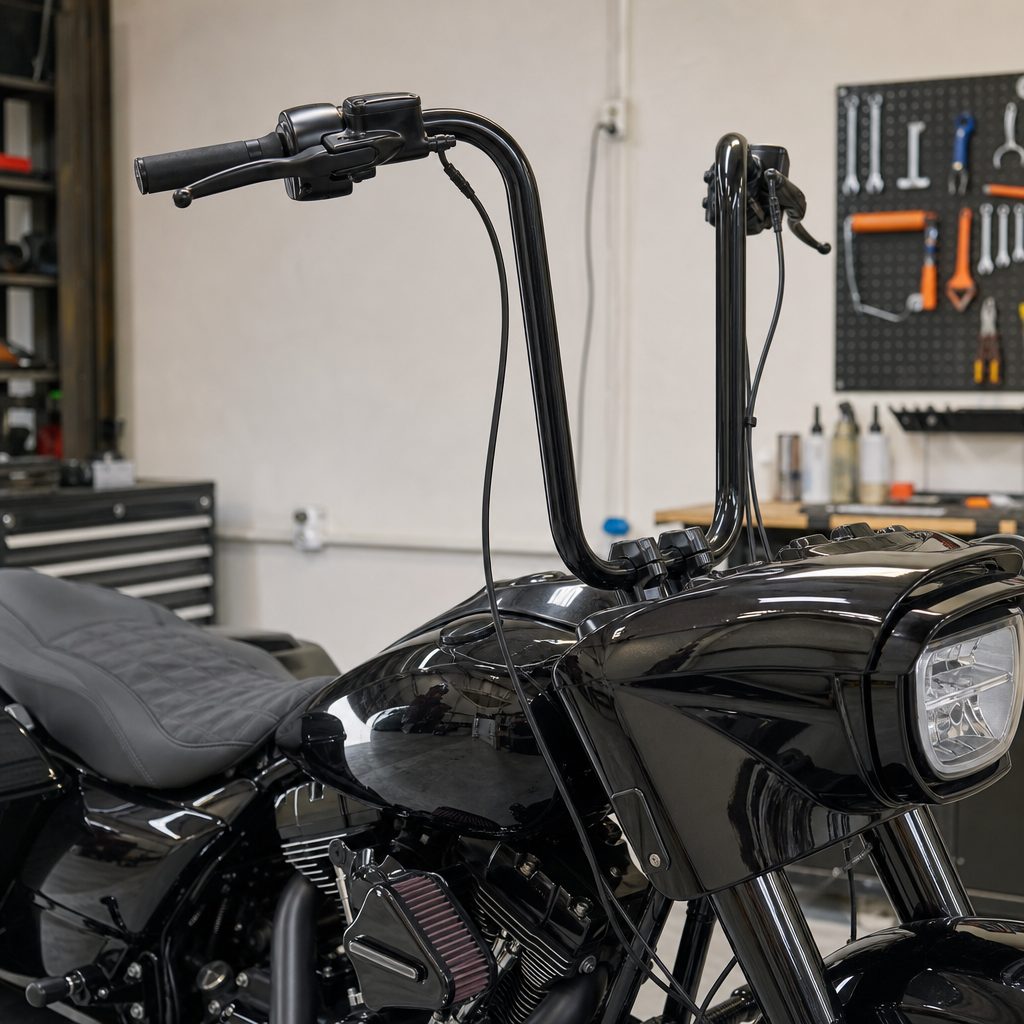
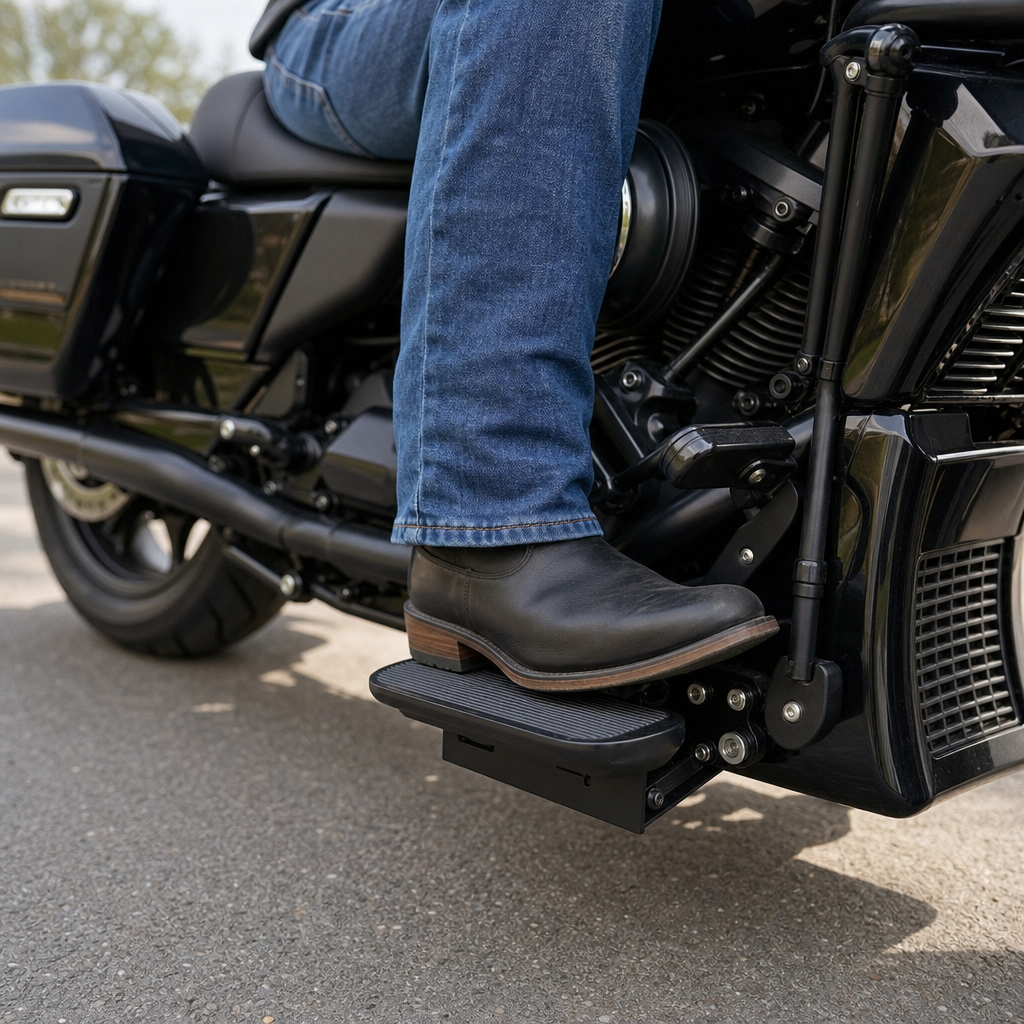
Handlebar reach and rider posture matter because a floating rear can still feel harsh if the rider is bracing against the grips. If the bars are too far away, shoulders tense and every impact runs through the arms. If the floorboard relationship crowds the hips, the spine stays compressed. This is why model-specific ergonomics and performance recipes belong together. The comfort gains from air ride are magnified when the rider sits in neutral alignment with relaxed elbows and an unlocked pelvis.
Installation, Reliability, and What Owners Should Watch Long Term
Installation quality determines whether air ride becomes a favorite upgrade or a maintenance annoyance. On the Road Glide 3, line routing must avoid exhaust heat, pinch points, and moving suspension components. Electrical connections should be fused correctly and protected from moisture. Compressors need secure mounting and vibration isolation. After installation, test for leaks with soapy water at fittings and confirm the system holds pressure consistently overnight. Small leaks are common in poorly assembled kits and quickly erode confidence.
Long-term reliability comes down to realistic expectations and preventive checks. Air systems add complexity compared with fixed shocks, so owners should inspect fittings, mounting hardware, and wiring during routine service intervals. If the trike is stored for long periods, cycle the system periodically and keep the battery healthy. In wet climates or coastal regions, corrosion resistance is a major purchasing criterion. Stainless hardware, sealed connectors, and quality airline materials pay for themselves over time.
It is also worth noting that not every rider needs a full compressor-based package. Some owners are well served by manually adjustable air shocks if their load pattern is predictable. Others want instant changes from solo to passenger mode and should invest in onboard controls. The right choice depends on how often conditions change and how much convenience matters to you.
How This Hub Connects the Best Harley-Davidson Comfort and Performance Recipes
This page is the hub for riders researching model-specific ergonomics and performance recipes across Harley-Davidson touring applications, with the 2026 Road Glide 3 as the focus. From here, the most useful next steps are deeper guides on pressure-setting methods, seat pairing strategies, two-up tuning, cargo management, tire pressure adjustment, and comparisons between air ride and premium coil-over touring shocks. Those related topics matter because comfort is cumulative. The floating ride people want is rarely produced by one part alone; it comes from a coordinated setup that respects chassis dynamics and rider fit.
If you remember one principle, make it this: use air ride to maintain proper ride height and usable travel, not merely to lower the trike. When the 2026 Road Glide 3 is set up that way, rough roads feel less punishing, passenger confidence improves, and long-distance fatigue drops. Start with your real load pattern, choose a quality system with credible damping, log your settings, and support the suspension with correct tires, seat, and posture. Do that, and the Road Glide 3 can deliver the calm, controlled, almost floating ride that makes a full day in the saddle feel shorter than the miles suggest.
Frequently Asked Questions
1. How does air ride help a 2026 Road Glide 3 feel more “floating” on rough roads?
Air ride improves comfort on the 2026 Road Glide 3 by giving the rear suspension a much wider and more useful range of adjustability than a basic fixed-rate setup. On a trike, rough pavement, bridge joints, patched asphalt, and expansion cracks can create sharp vertical impacts that travel directly into the seat, lower back, passenger area, and rear chassis. An air suspension system helps absorb those hits more progressively, which is why riders often describe the result as a smoother, more “floating” ride rather than a harsh, choppy one.
The key difference is tunability. With air ride, the suspension can be adjusted to better match rider weight, passenger weight, luggage load, and road conditions. That matters on a touring trike because the same machine may be ridden solo one day and fully loaded the next. Instead of being stuck with one compromise setting, the rider can add or reduce air pressure to maintain proper ride height and improve compliance. When adjusted correctly, the suspension is better able to take the edge off repetitive road shock while still supporting the bike in corners, during braking, and under acceleration.
On poor roads, that translates into less bottoming, less jarring rebound, and less of the “spine-punch” sensation that many trike riders complain about. It can also help keep the rear tires more consistently planted by reducing how abruptly the chassis reacts to broken pavement. The result is not a soft, wallowy feeling if the system is set up properly. The goal is controlled comfort: smoother impact absorption, better support under load, and a more refined touring experience that suits the Road Glide 3’s long-distance mission.
2. Is air ride on a 2026 Road Glide 3 only about comfort, or does it also improve handling and control?
Air ride is absolutely about comfort, but on a 2026 Road Glide 3 it can also play a major role in handling consistency, stability, and rider confidence. Many people assume suspension upgrades are only about making the ride softer, but the best air ride systems do more than cushion bumps. They help the trike stay in the proper operating range of its suspension travel, which is critical for control on imperfect pavement.
When the rear suspension is too stiff, the trike can feel skittish or harsh over broken roads because the chassis is not using its travel effectively. When it is too soft, it may squat excessively, feel less composed under load, or react poorly to dips and uneven surfaces. Air ride helps solve that by allowing the rider to dial in a ride height and support level appropriate to actual use. A solo rider can run a different setup than a two-up touring pair carrying a full trunk and travel gear. That means the trike is less likely to feel under-sprung on one ride and over-sprung on the next.
On a three-wheel touring platform like the Road Glide 3, this matters because stability is one of the bike’s defining strengths. A well-tuned air ride system helps preserve that stable, confident stance while reducing the punishment of poor roads. It can improve chassis composure over heaves and ripples, reduce the tendency for the rear to react abruptly to sharp impacts, and help keep the trike feeling settled during long highway days. In other words, a quality system should not force you to choose between comfort and control. It should give you more of both, provided it is designed specifically for the Road Glide 3 and tuned correctly.
3. Can air ride still support passengers and cargo on long touring trips without sacrificing comfort?
Yes, and that is one of the biggest reasons Road Glide 3 owners look at air ride in the first place. Touring trikes are often used in constantly changing load conditions. You might ride solo around town during the week, then load the bike with a passenger, luggage, and travel essentials for a weekend trip. A suspension setup that feels acceptable with one rider can quickly become overwhelmed when additional weight is added. Air ride addresses that issue by making it easier to maintain proper support and ride height without giving up the smoother feel riders want on rough pavement.
With the correct air pressure and shock design, the suspension can be adjusted to compensate for varying loads while still preserving bump absorption. That is especially important on the 2026 Road Glide 3 because the machine is built for serious touring range, and many owners expect it to carry gear comfortably over long distances. If the rear suspension sags too much under load, comfort usually gets worse, not better. Ground clearance can be affected, suspension travel can be reduced, and impacts may become more severe because the system has less room to work. Air ride helps avoid that by restoring the chassis to a more appropriate operating position.
For passengers, this can make a major difference in real-world comfort. A properly supported rear suspension reduces the harshness that often gets transmitted directly into the passenger seat over rough roads. It also helps the trike feel more level and composed, which can reduce fatigue over a full day of riding. The important point is that comfort and load-carrying ability are not opposites when the system is designed well. A quality air ride setup should allow the Road Glide 3 to remain capable, planted, and comfortable whether it is lightly loaded or fully packed for travel.
4. What should riders look for when choosing an air ride system for the 2026 Road Glide 3?
Riders should first look for a system engineered specifically for Harley-Davidson touring trike applications rather than a generic suspension kit. Fitment, travel characteristics, load support, and ride quality all depend on having components matched to the Road Glide 3’s chassis, weight distribution, and real-world touring use. The best setups are built with a clear understanding that trike riders want improved comfort on poor roads without losing the stable, confident feel that makes the platform appealing.
Shock quality is one of the most important factors. Not all air ride systems perform the same, and the difference often comes down to damping control as much as air adjustability. A system that only changes height or pressure without offering well-managed compression and rebound behavior may not deliver the refined ride owners expect. Riders should look for durable components, predictable adjustability, and a reputation for smooth performance under varying loads. Build quality matters because touring machines see highway miles, weather exposure, and repeated suspension cycling.
Ease of adjustment is another major consideration. Some riders want on-the-fly control or convenient onboard adjustment, while others are comfortable with a simpler setup they can tune before a ride. The right choice depends on how often the load changes and how the trike is used. It is also wise to consider installation quality, available support, and whether the brand understands the needs of Harley touring owners. A good air ride system should enhance comfort, preserve usable travel, maintain a proper stance, and provide confidence that the trike will handle rough roads, passengers, and cargo without drama.
Finally, riders should think beyond the initial “soft ride” promise and focus on the complete riding experience. The ideal setup is one that improves impact absorption, keeps the chassis controlled, supports touring loads, and delivers long-term reliability. For a 2026 Road Glide 3 owner, that combination is what turns air ride from a luxury idea into a practical suspension upgrade.
5. Will air ride make the 2026 Road Glide 3 too soft, unstable, or less like a Harley touring trike?
No—at least not if the system is high quality and properly tuned. This is one of the most common concerns riders have, especially those who value the Road Glide 3 for its solid, planted feel and confident road manners. A well-designed air ride system is not meant to turn the trike into a vague, overly soft machine. The purpose is to improve compliance over bad pavement while preserving support, ride height, and chassis control.
The misconception comes from equating comfort with looseness. In reality, poor suspension can feel both harsh and uncontrolled at the same time. If the rear end is not reacting properly to broken roads, the rider may feel sharp impacts, bouncing, or abrupt chassis motions. Air ride, when matched with proper damping, is intended to calm those reactions. It should reduce the violence of the hit without making the trike feel disconnected from the road. The best setups maintain a composed rear end, support the machine under touring loads, and let the suspension move more intelligently through its travel.
For Harley-Davidson riders, preserving character matters. The Road Glide 3 has a distinct identity: stable, substantial, and built for distance. A good air suspension upgrade should complement that identity rather than erase it. You still want the confident stance, predictable behavior, and road-commanding feel of a three-wheel touring Harley. What changes is the level of punishment delivered by rough pavement. Instead of every bad section of road being a reminder of rear suspension limitations, the trike becomes more forgiving, more composed, and better suited to real-world touring conditions.
In short, properly set up air ride should not make the 2026 Road Glide 3 feel mushy or unstable. It should make it feel more refined. That is why so many riders pursuing a “floating” ride are not actually looking for softness alone—they are looking for controlled comfort, better adaptability,