The 2027 Road King Special rumors have reignited a familiar question among Harley-Davidson riders: will H-D bring back the classic silhouette while keeping the touring performance, electronics, and engine refinements modern buyers now expect? The question matters because the Road King Special sits at the intersection of heritage design and current engineering, and few motorcycles carry that tension more visibly. Riders who love the clean fork-mounted nacelle-free front end, hard bags, and slammed touring stance often want timeless visual identity without giving up braking confidence, heat management, or long-distance comfort. That makes this model an ideal lens for a broader technical conversation about Harley-Davidson powertrains and chassis direction.
In dealer conversations, owner forums, and the workshop, the same themes come up repeatedly. People want to know whether the next Road King Special will lean harder into classic proportions, whether the Milwaukee-Eight platform still has room to evolve, and how it compares with the Twin Cam, Evolution, and RevMax families that define distinct eras of Harley-Davidson engineering. Those engines are not interchangeable chapters. They represent different solutions to vibration control, valve actuation, cooling strategy, emissions compliance, power delivery, service complexity, and packaging. If you are evaluating the 2027 Road King Special rumors seriously, you need to understand those technical deep-dives rather than treating the bike as a styling exercise alone.
From my experience around touring Harleys, appearance drives showroom attention, but architecture determines owner satisfaction after ten thousand miles. The Road King Special has traditionally appealed to riders who want the fundamentals of the Touring chassis without the full visual mass of a batwing or sharknose fairing. Rumors of a return to a more classic silhouette usually imply details such as fuller valanced fenders, a more traditionally balanced ride height, revised nacelle or lamp treatment, cleaner side-cover lines, or wheel choices that echo earlier FL models. Yet any design shift has to coexist with modern constraints: catalytic converter placement, intake routing, rider triangle expectations, and the packaging needs of current electrical systems.
This is why the 2027 Road King Special discussion belongs inside a larger Harley-Davidson technical hub. The Milwaukee-Eight remains the most probable foundation for any near-term touring model, but understanding the public reaction requires context from the Twin Cam and Evo periods, when visual identity and mechanical character were tightly linked. The RevMax platform adds another dimension entirely, showing how far Harley-Davidson can move toward high-output, liquid-cooled performance when the mission changes. By comparing M8, Twin Cam, Evo, and RevMax clearly, we can separate realistic product signals from wishful thinking and identify what H-D is actually likely to change.
Why the Classic Road King Shape Still Matters
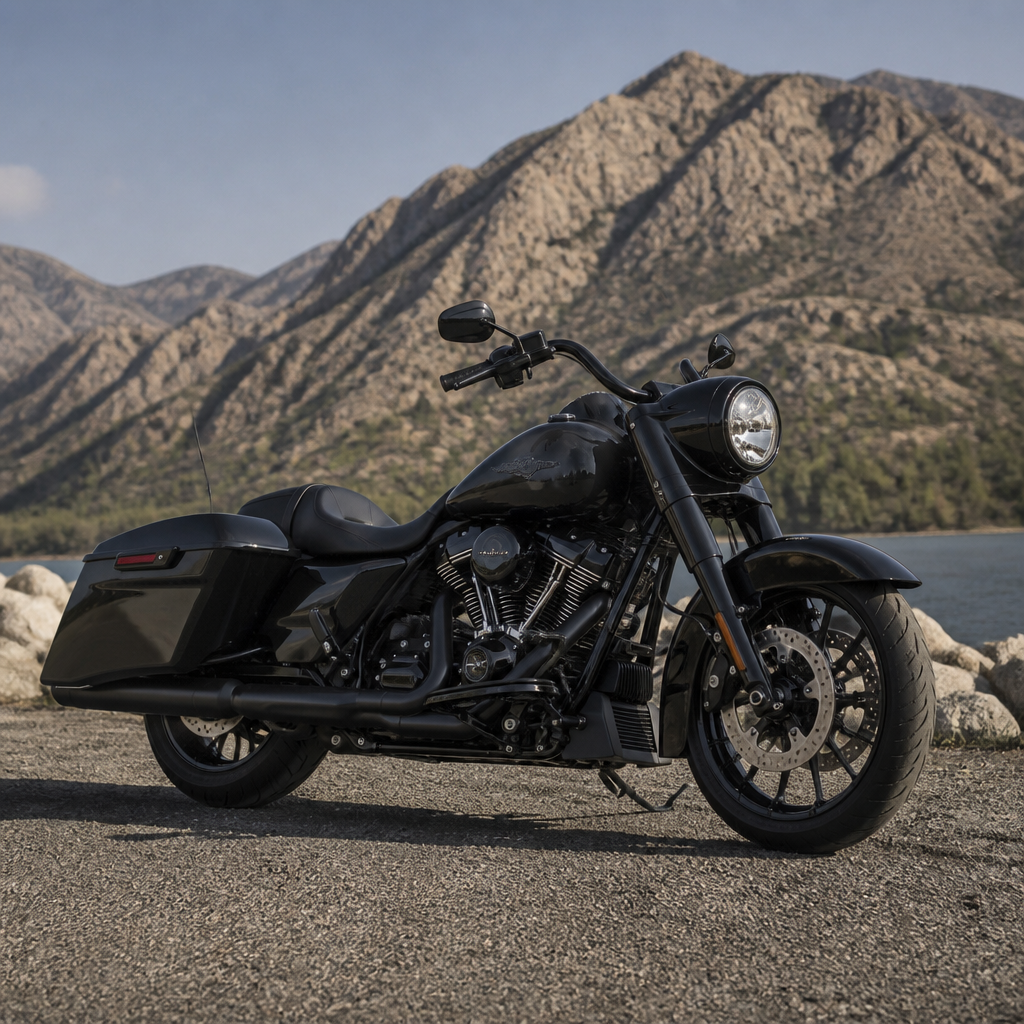
The phrase classic silhouette means more than nostalgia. On a Road King, it usually refers to the visual balance created by a prominent front fender, exposed fork area, large headlamp arrangement, upright touring proportions, and saddlebags that look integrated rather than oversized. Earlier FL models established this profile, and the Road King carried it forward by offering touring capability in a cleaner package than an Electra Glide. The Special variant then shifted the formula toward blacked-out finishes, larger wheels, lower visual stance, and a more aggressive custom look. That worked commercially, but it also moved the bike away from what many traditional Harley touring riders think a Road King should look like.
When riders ask whether H-D will bring back the classic silhouette, they are really asking whether the company sees value in restoring more of that traditional FL visual language. Harley-Davidson has done this before in limited ways. Across Softail and Touring families, the brand has repeatedly mixed modern underpinnings with retro cues because heritage remains one of its strongest competitive advantages. Indian, BMW, Triumph, and even Honda all sell motorcycles with deliberate historical references. Harley-Davidson knows its own archive is one of its most durable assets, especially when the mechanical package underneath can meet current reliability and emissions requirements.
There is also a practical argument for a more classic Road King Special. Many long-distance riders prefer a 19-inch or 18-inch front wheel over a larger custom-style wheel because tire selection, steering response, and ride compliance often improve. A less visually slammed setup can add cornering clearance and suspension travel, two areas where style-led specials sometimes compromise function. If Harley-Davidson were to revise the Road King Special for 2027, the smartest move would not be a full retreat from its darker custom identity. It would be a selective return to classic proportions while retaining the stronger brakes, infotainment alternatives, LED lighting, and engine calibration advances that riders now take for granted.
Milwaukee-Eight: The Most Likely 2027 Foundation
The Milwaukee-Eight, introduced for 2017 Touring models, is the engine family most relevant to any 2027 Road King Special rumors. Its name comes from the eight valves across two cylinders, and that detail alone marks a major departure from Twin Cam architecture. Four-valve heads improved airflow, combustion efficiency, and emissions performance while helping produce stronger torque through the low and midrange where touring riders spend most of their time. Counterbalancing strategy varies by application, but in Touring trim the M8 is mounted to preserve enough pulse to feel like a Harley without the coarser mechanical texture many Twin Cam owners remember.
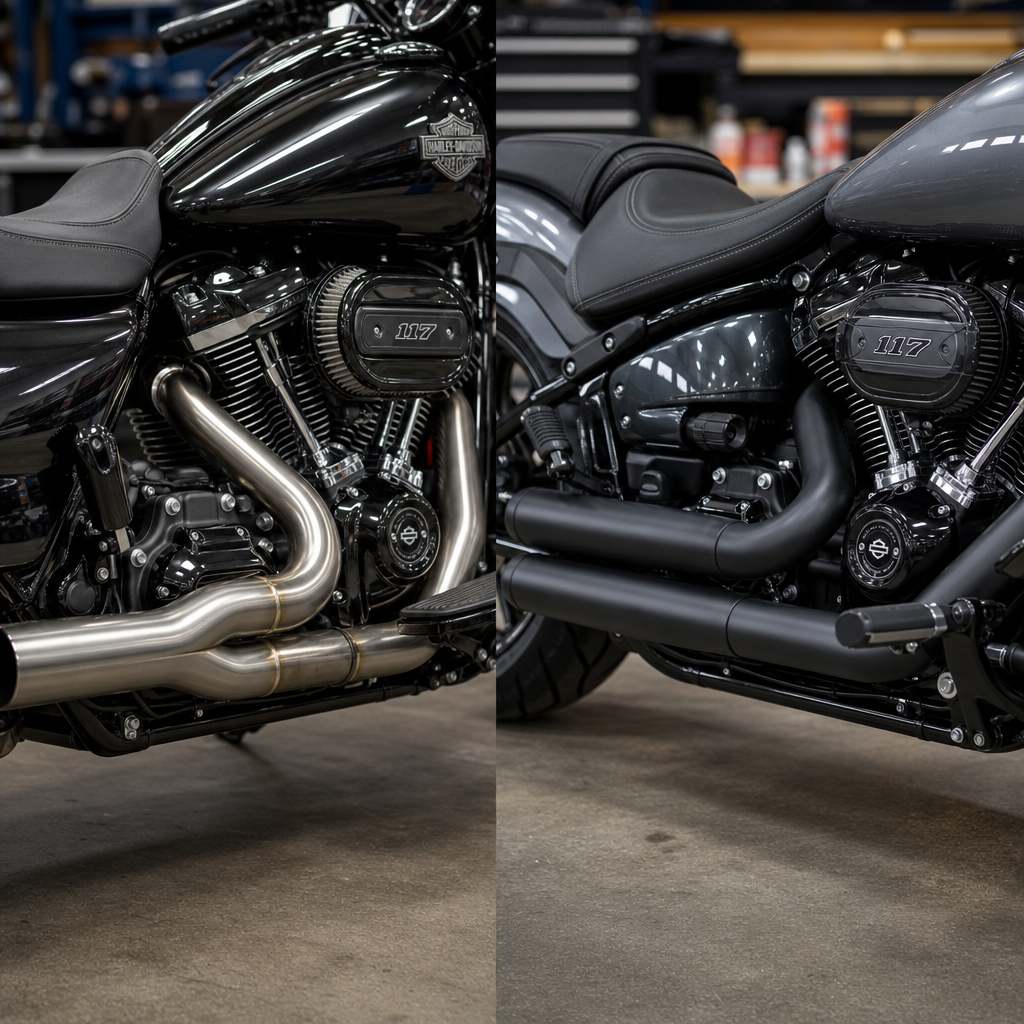
In workshop terms, the M8 solved several real owner complaints. It generally starts cleaner, idles with better composure, and sheds some of the intake and exhaust breathing limitations that tuners routinely fought on older motors. Oil management, charging output, and cooling assistance also moved forward. On many touring models, Harley-Davidson used oil cooling and, in some versions, precision liquid cooling around the exhaust valve areas to manage heat more effectively. For riders who spend hours in traffic or hot climates, that matters more than spec-sheet debates. Heat at the right thigh and rear cylinder has been one of the most discussed comfort issues on big Harleys for years.
If Harley-Davidson updates the Road King Special for 2027, expect refinement rather than reinvention. The company could revise cam timing, intake tract tuning, catalytic efficiency, ride modes, or calibration mapping before it would replace the underlying touring engine platform. The 114 and 117 variants already offer enough torque for the mission. More useful would be gains in throttle smoothness, lower perceived heat, quieter mechanical operation, and better integration with traction control, cornering ABS, and vehicle hold features that have become increasingly common in premium touring motorcycles. A classic silhouette can return visually while the engineering remains unmistakably modern underneath.
Twin Cam: Why Riders Still Compare Everything to It
The Twin Cam era remains the emotional benchmark for many Harley-Davidson owners, especially those who bought Touring models from the late 1990s through the 2016 model year. Introduced in 1999, the Twin Cam replaced the Evolution big twin with dual chain-driven cams and more displacement potential. In the real world, that meant stronger aftermarket support, bigger torque gains from common upgrades, and a distinctly mechanical feel that many riders still describe as raw in a good way. On the Road King line, Twin Cam bikes helped define the modern bagger era before the term became a mainstream marketing category.
That said, Twin Cam engines were never perfect. Cam chain tensioner wear became one of the best-known issues on earlier versions, and any honest technical deep-dive must acknowledge it. Owners who ignored inspection intervals sometimes paid for avoidable repairs. Later hydraulic tensioner revisions improved the picture substantially, but the issue shaped the reputation of the platform. Heat, vibration character, and breathing limitations also varied by year and setup. A properly maintained Twin Cam touring bike can still be a superb long-distance machine, but it typically requires more owner awareness than an M8 to stay at its best.
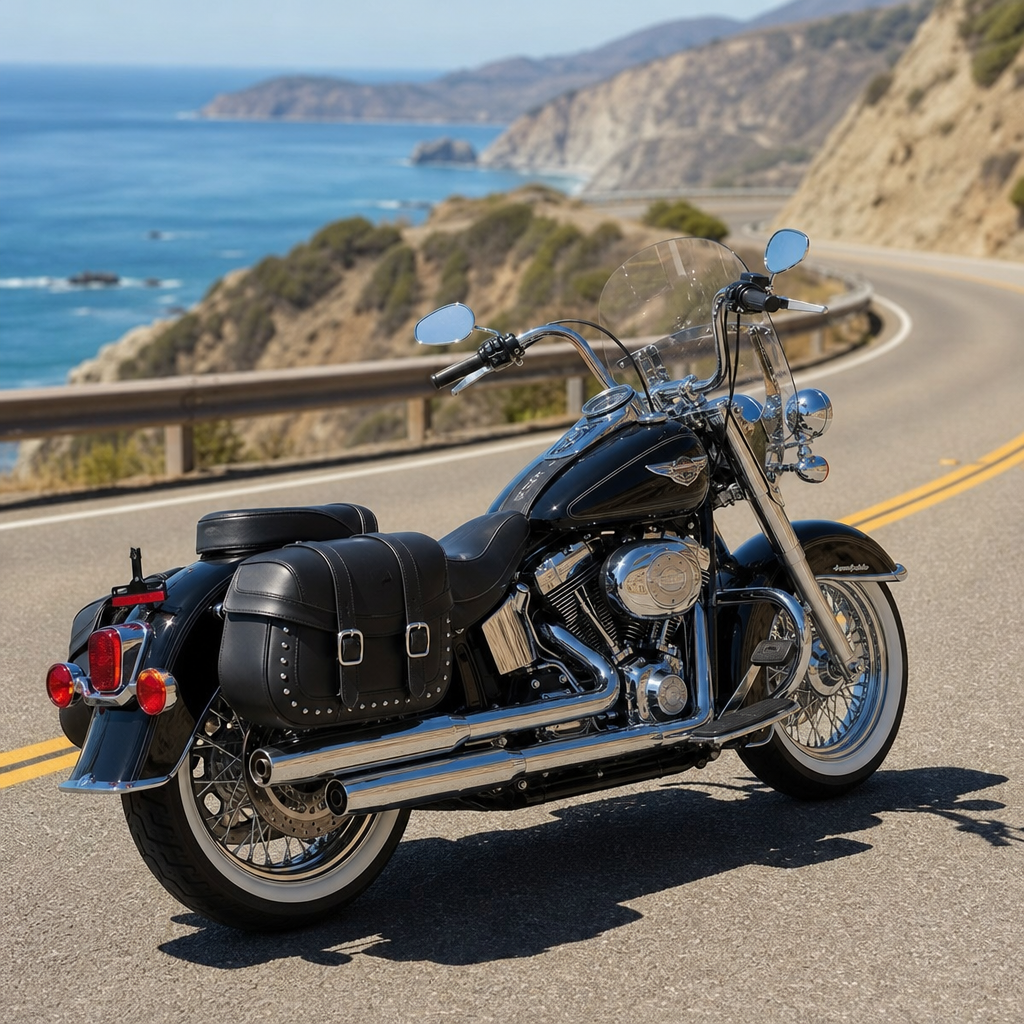
Riders compare new Road King rumors to Twin Cam models because those bikes hit a styling sweet spot. Many had enough chrome or visual openness to look traditionally Harley, yet they already felt modern enough for real highway use. If Harley-Davidson brings back more classic silhouette cues in 2027, the visual target many enthusiasts have in mind is often a Twin Cam-era Road King rather than a museum-piece FL. The company understands this distinction. It does not need to copy the past exactly; it needs to capture the stance, wheel-and-fender relationship, and simplicity that made those bikes immediately recognizable from a distance.
Evolution Big Twin: The Mechanical Baseline for Simplicity
The Evolution, or Evo, big twin remains central to Harley-Davidson history because it reestablished credibility for durability and everyday usability. Introduced in the 1980s, the Evo brought aluminum heads and cylinders, better sealing, and a cleaner foundation than the Shovelhead it replaced. Many experienced technicians still view the Evolution as the baseline for understandable Harley mechanicals: accessible, characterful, and comparatively simple to diagnose. It did not make huge power by modern standards, but that was never the point. The Evo earned trust through consistency, a trait that shaped owner expectations for every big twin that followed.
For Road King Special rumors, the Evo matters mostly as a design reference rather than a technical template. The classic silhouette many riders are asking for comes partly from the visual language of Evo-era FL models: substantial fenders, balanced wheel sizes, visible engine presence, and fewer bodywork distractions. Harley-Davidson can recreate that look far more easily than it can revive Evo-style engineering. Modern emissions, noise standards, and customer expectations for performance make a true return impossible. But design is different from architecture. You can evoke Evo-era elegance while using an M8 platform, modern CAN-bus electronics, and current brake packages.
The other lesson from the Evolution period is that simplicity sells when it feels intentional. Riders often accept fewer features if the core package looks right and performs predictably. That may influence any 2027 Road King Special revision. Harley-Davidson could preserve the model’s appeal by keeping the cockpit uncluttered, resisting excessive visual bulk, and focusing on tactile improvements such as switchgear quality, seat support, suspension control, and cleaner cable management. Those decisions sound minor on paper, but they are exactly the details that make a motorcycle feel honest instead of overdesigned.
RevMax: What It Tells Us About Harley-Davidson’s Future
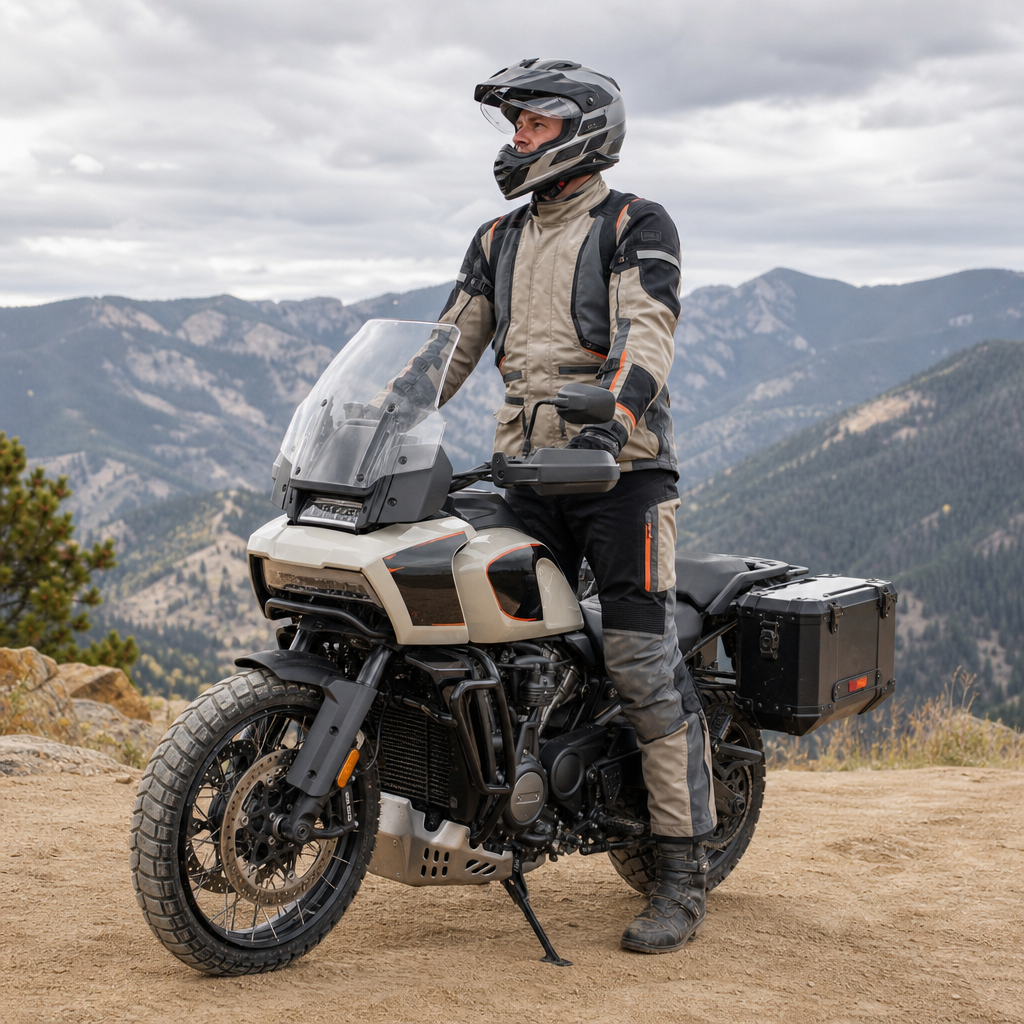
The RevMax platform, seen in models such as the Pan America and Sportster S, is not a likely candidate for the Road King Special. It is a liquid-cooled, high-revving, overhead-cam engine family designed as a stressed member for a very different kind of motorcycle. Still, it belongs in any Harley-Davidson technical hub because it shows what the company can do when heritage styling is not the primary constraint. RevMax emphasizes specific output, broad electronic integration, compact packaging, and performance efficiency. It proves Harley-Davidson is capable of engineering well beyond the traditional air-cooled big-twin formula.
That matters because 2027 rumors should be filtered through platform logic. Harley-Davidson will not install RevMax in a Road King Special simply to chase novelty. The touring customer expects a different cadence, center of gravity feel, service identity, and visual engine presence. Yet some RevMax-era thinking can migrate across product lines. Better ride-mode calibration, stronger diagnostic integration, lean-sensitive safety systems, and more sophisticated thermal management are all transferable ideas. When riders ask for a classic silhouette, they are not rejecting progress. Most are asking for advanced engineering hidden inside a motorcycle that still looks unmistakably like a Harley-Davidson touring bike.
| Engine family | Core layout | Best-known strength | Main tradeoff | 2027 Road King relevance |
|---|---|---|---|---|
| Evolution | Air-cooled pushrod V-twin | Simplicity and durability | Lower power, older emissions profile | Visual inspiration only |
| Twin Cam | Air-cooled pushrod V-twin with dual cams | Character and tuning culture | Tensioner history, more heat and vibration | Styling benchmark and owner comparison point |
| Milwaukee-Eight | Air/oil-cooled or partly liquid-assisted pushrod V-twin, four-valve heads | Torque, refinement, modern compliance | Less raw feel for some traditionalists | Most likely production platform |
| RevMax | Liquid-cooled DOHC V-twin | High performance and electronics integration | Different character and packaging | Technology influence, not likely engine choice |
What to Watch for in 2027 Road King Special Rumors
The most credible 2027 Road King Special rumors will revolve around styling revisions, feature packaging, and incremental M8 upgrades rather than a radical platform change. Watch for signs such as new wheel options, altered fender profiles, revised saddlebags, updated suspension valving, and expanded rider-assistance electronics. Factory parts catalogs often hint at direction before full model launches do, and supplier movement around lighting, braking components, and display hardware can be just as revealing as teaser photography. In my experience, the strongest rumors are the ones that fit existing manufacturing logic, not the ones that demand a complete engineering reset.
For Harley-Davidson, the opportunity is clear. A 2027 Road King Special that restores more classic silhouette cues could satisfy heritage-focused riders while preserving the proven strengths of the current touring platform. The key is restraint. Bring back the visual confidence of a traditional FL, keep the Milwaukee-Eight’s torque and compliance advantages, and apply lessons learned from Twin Cam loyalty, Evo simplicity, and RevMax-era electronics discipline. If that balance is achieved, the result would not just be another styling refresh. It would be a sharper statement about where Harley-Davidson touring motorcycles can go next.
For shoppers and enthusiasts, the takeaway is simple: judge the rumors through both design and engineering. Ask what silhouette changes are plausible, what the M8 still does better than earlier big twins, and which modern features genuinely improve ownership. This Harley-Davidson technical hub will help you do that across every related deep-dive on M8, Twin Cam, Evo, and RevMax. Follow those model-specific analyses before making assumptions, and you will be far better prepared to separate internet noise from the motorcycles Harley-Davidson is actually likely to build.
Frequently Asked Questions
What do the 2027 Road King Special rumors actually suggest about a return to the classic silhouette?
The core rumor is not that Harley-Davidson would completely reinvent the Road King Special, but that it may lean harder into the bike’s traditional visual identity while preserving the performance and technology expected in a modern touring machine. When riders talk about the “classic silhouette,” they usually mean the unmistakable Road King profile: a clean front end without a batwing fairing, a strong visual line from tank to saddlebags, a low and purposeful stance, and styling that feels rooted in big American V-twin touring history. In that sense, the rumors point less toward a retro throwback and more toward a refinement of proportions, trim, and bodywork that makes the bike look more timeless again.
That distinction matters. Harley-Davidson has spent years balancing nostalgia with platform updates, emissions compliance, rider aids, and the need to stay competitive in the premium touring segment. If the 2027 Road King Special does move closer to a more classic silhouette, it would likely happen through details such as cleaner side profiles, revised nacelle and lighting integration, more cohesive bag and fender lines, and perhaps a stronger emphasis on the slammed touring look that has always separated the Special from the standard Road King formula. In other words, the rumor is believable precisely because it fits Harley-Davidson’s usual approach: evolve the design language enough to satisfy long-time riders without abandoning the mechanical and electronic upgrades modern buyers now consider non-negotiable.
Would bringing back a more classic look mean sacrificing modern touring performance or technology?
Probably not, and that is the most important point for serious buyers. A motorcycle’s silhouette and its engineering package are related, but they are not the same thing. Harley-Davidson can absolutely preserve the Road King Special’s stripped, heritage-forward appearance while still equipping it with current braking systems, rider safety electronics, infotainment connectivity options, improved suspension calibration, and a refined Milwaukee-Eight touring powertrain. In fact, that combination is exactly what makes the Road King Special so compelling in rumor cycles: it is one of the few baggers that can still look elemental while benefiting from years of mechanical progress beneath the surface.
From a product-planning standpoint, Harley-Davidson would have little reason to step backward in areas riders now expect to be strong. Touring buyers care about real-world stability, highway comfort, luggage practicality, throttle response, heat management, and confidence under changing road conditions. So even if the 2027 model adopts more traditional design cues, it would still likely be judged on practical standards such as how well it handles long-distance miles, how refined the engine feels at cruising speed, how predictable the braking performance is, and whether the bike offers a smart suite of rider aids. A return to visual simplicity, if it happens, would almost certainly be intended as an aesthetic move rather than a reduction in touring capability.
Why is the Road King Special such a focal point in the debate between Harley heritage and modern design?
The Road King Special sits in a uniquely sensitive position in Harley-Davidson’s lineup because it naturally exposes the brand’s biggest design tension. Unlike fully faired touring models, the Road King family leaves more of the motorcycle visible. That means every line, proportion, wheel choice, lighting element, saddlebag shape, and trim decision has a larger effect on the final impression. Riders can immediately see whether the bike feels classic, contemporary, over-styled, understated, aggressive, or confused. The Road King Special does not have the visual cover of a large front fairing to mask those decisions, which is why enthusiasts often treat it as a litmus test for Harley’s design direction.
It also matters because the Special badge changes the expectation. Buyers do not just want a nostalgic touring bike; they want a darker, lower, more assertive interpretation of that formula. That makes the bike more than a history piece. It has to honor the Road King’s iconic identity while also delivering the sharper attitude and road presence that Special models are known for. If Harley-Davidson can pull that off for 2027, the model would appeal to two different audiences at once: traditionalists who want the clean, recognizable bagger silhouette and modern riders who still expect current chassis refinement, stronger power delivery, and up-to-date fit and finish. That balancing act is exactly why every rumor around this bike gets so much attention.
What specific design elements would riders likely want Harley-Davidson to preserve or revive on a 2027 Road King Special?
Most riders asking for a more classic silhouette are not necessarily asking Harley-Davidson to build a museum piece. They are usually talking about preserving the visual fundamentals that make a Road King Special instantly identifiable. That includes the uncluttered front profile, the strong relationship between tank, seat, rear fender, and hard bags, and the low, stretched touring posture that gives the bike presence even when parked. Enthusiasts also tend to value restrained bodywork, clean lighting integration, and components that look substantial rather than overly sculpted or trend-driven. The ideal outcome for many fans would be a motorcycle that looks simple at first glance but reveals sophistication in the fit, finish, and proportions.
There is also strong interest in preserving the model’s darker, more aggressive Special identity. That means blacked-out finishes, purposeful wheel designs, trimmed-back brightwork, and a stance that feels muscular without becoming exaggerated. Riders often want a bike that recalls older Harley touring silhouettes but does not seem visually stuck in the past. In practical terms, that could mean subtle modernization rather than dramatic styling departures: improved LED lighting that does not look out of place, saddlebag shapes that remain sleek and functional, and front-end details that keep the Road King’s open, elemental character intact. If the rumors prove true, success would likely depend on Harley’s ability to make the bike feel more authentically Road King rather than simply more retro.
How seriously should buyers take these 2027 Road King Special rumors right now?
With cautious interest. Harley-Davidson rumor cycles are often fueled by rider wish lists, dealership chatter, patent activity, styling trends, and educated guesses based on the company’s recent product strategy. That means some rumors are directionally useful even when the exact details turn out to be wrong. In this case, the idea of Harley emphasizing a more classic Road King Special silhouette is plausible because it aligns with the brand’s broader challenge: keeping core touring models emotionally connected to heritage while staying mechanically current and commercially relevant. That makes the rumor worth watching, but not worth treating as confirmed product information until Harley-Davidson releases official details.
For prospective buyers, the smartest approach is to focus on what the rumor reveals about market demand. It shows that riders still deeply value the Road King Special as a bridge between old-school style and modern touring substance. If you are considering waiting for a 2027 model, pay attention to signs such as test mule sightings, parts catalog leaks, regulatory filings, and Harley’s own messaging around heritage design and touring evolution. Those indicators tend to be more meaningful than generic speculation. Until then, the rumor should be seen less as a promise of a specific redesign and more as evidence that the Road King Special remains one of the most emotionally important motorcycles in Harley-Davidson’s lineup.