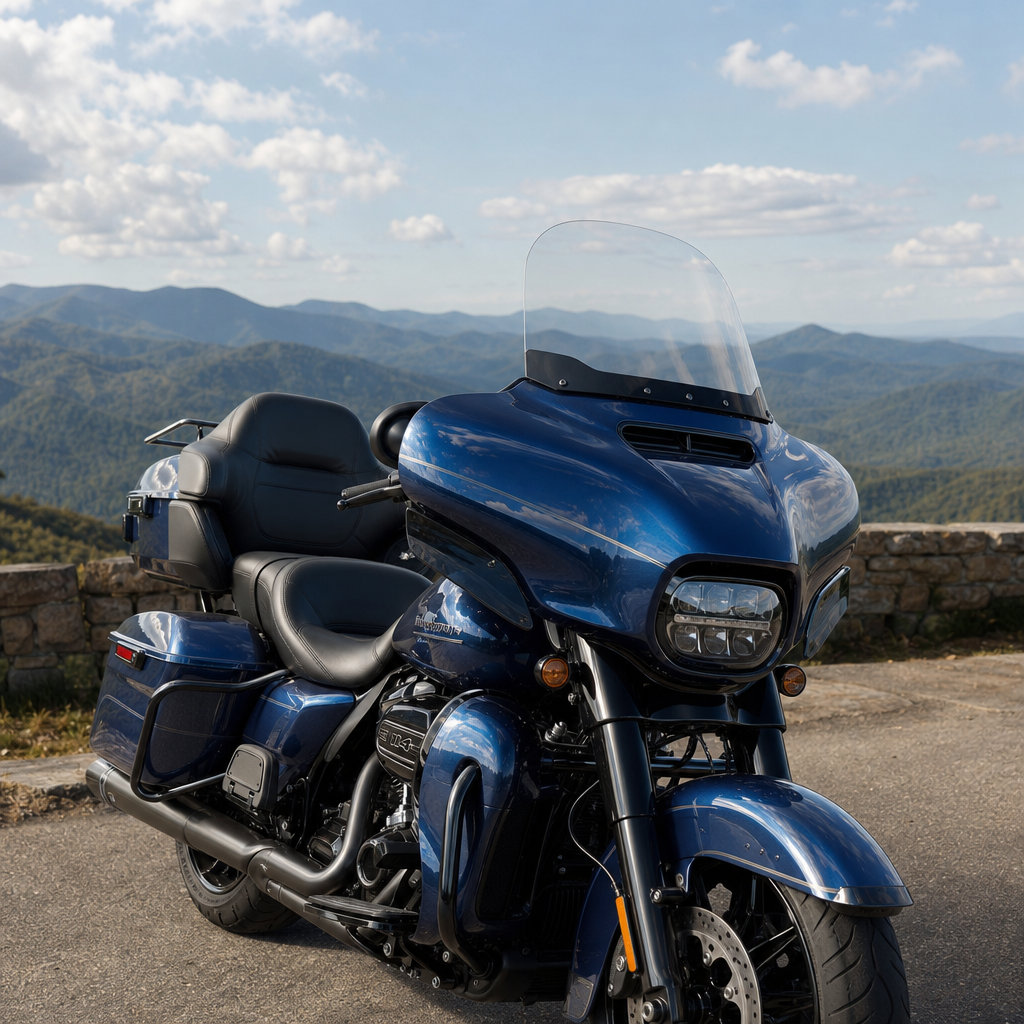
The 2026 Street Glide Limited taller windshield recipe is about matching screen height, width, venting, seat position, and rider posture so airflow clears the helmet instead of hammering it. Buffeting is not just wind noise. It is the low-frequency turbulence created when air detaches from the windshield edge, rolls into vortices, and collapses around the rider’s head and shoulders. On Harley-Davidson touring models, especially full-fairing bikes ridden at highway speeds, small geometry changes can transform comfort, hearing fatigue, passenger stability, and cold-weather range. I have set up dozens of baggers for long interstate days, and the pattern is consistent: riders often buy the tallest windshield available, then wonder why the shake gets worse. Height alone rarely fixes the problem.
This sub-pillar hub on model-specific ergonomics and performance recipes uses the 2026 Street Glide Limited as a practical case study while pointing toward the broader Harley-Davidson tuning process. A recipe, in this context, means a repeatable combination of parts, measurements, and test steps that solves a specific rider complaint. Ergonomics covers rider triangle, eye line, reach, and body position. Performance covers the aerodynamic behavior that affects stability, endurance, and confidence. Because Harley fitment varies by fairing, fork geometry, seat pan, bar rise, and rider dimensions, the right answer is always model-specific. The goal here is simple: reduce buffeting without creating optical distortion, rain visibility issues, or excessive negative pressure behind the shield.
For most riders, the target is clean airflow that reaches roughly one to two inches above the top of the helmet when seated in a natural posture at 65 to 75 mph. That target matters because looking through a windshield in rain, at dusk, or on bug-heavy summer rides is a compromise. Looking too far over the screen puts the helmet back into turbulent flow. Looking too far through it can distort road texture and glare. The sweet spot depends on inseam, torso length, seat height, and whether the rider sits upright or with a slight forward lean. Passenger comfort matters too, because turbulence shed off the rider can hit the passenger harder than wind off the fairing itself.
As a hub page for Harley-Davidson ergonomics and performance recipes, this article also frames the questions riders usually ask before buying parts. What causes buffeting on a Street Glide Limited? How tall should the windshield be? Does a recurve lip help? Are fork wind deflectors worth adding? Can a different seat solve the problem faster than a new screen? The short answers are yes, measurement matters more than catalog height, a recurve can help by increasing effective lift without excessive height, lower-air management is often essential, and seat changes frequently alter airflow enough to require a different windshield. Once you understand those relationships, you can build a setup that works on real roads instead of in showroom theory.
Why Buffeting Happens on the 2026 Street Glide Limited
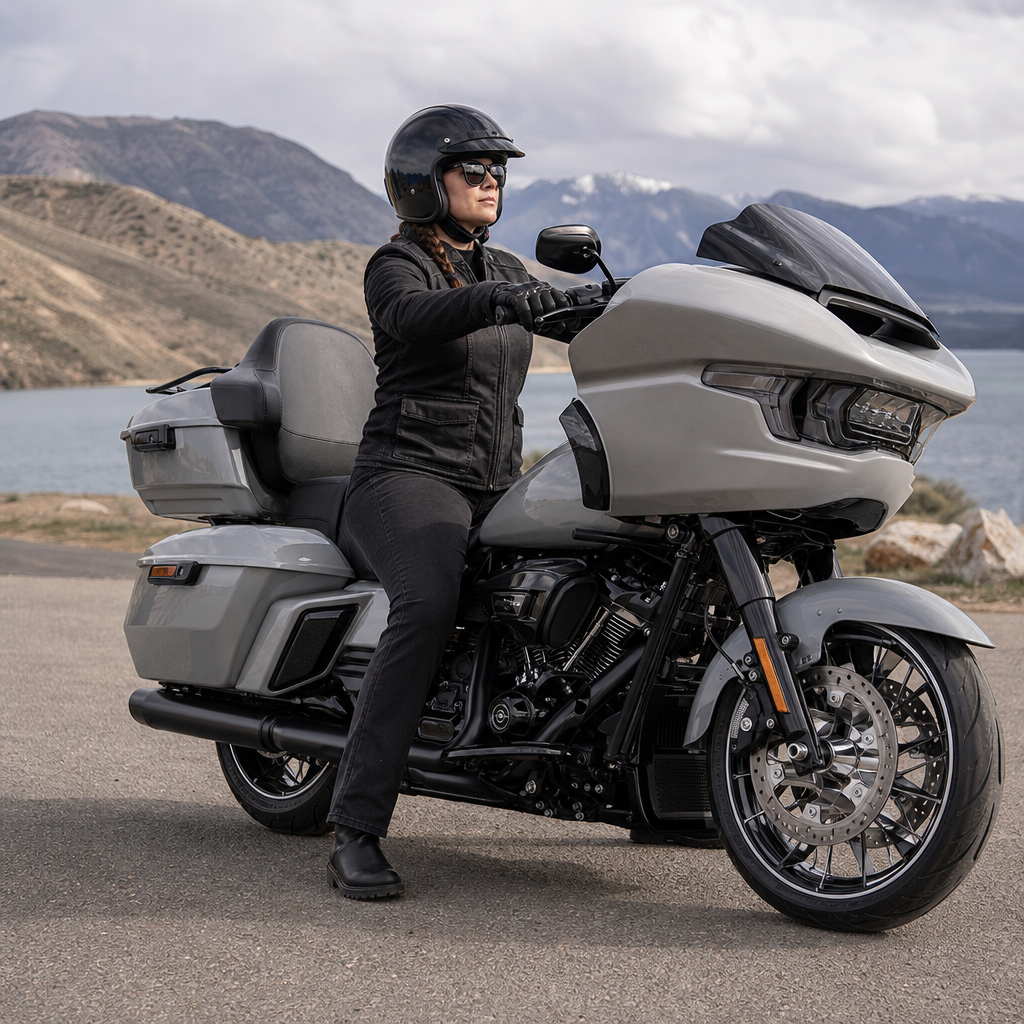
Buffeting on a batwing-style touring fairing usually comes from two airflow zones colliding. The first is the stream moving over the windshield. The second is the air coming up from below and around the fairing, tank, crash bar area, and fork legs. When these streams meet near the rider’s helmet, they produce alternating pressure pulses. Riders describe it as head shake, drumming, or being slapped from multiple directions. On the 2026 Street Glide Limited, the fairing shape, highway speed envelope, broad front profile, and rider seating position make this interaction especially sensitive to windshield contour and lower-body wind management.
The biggest mistake I see is treating buffeting as a single-variable issue. In practice, five variables interact: windshield height, windshield width, top-edge shape, venting strategy, and rider position. Change the seat by half an inch and the whole system changes. Add taller bars and the rider’s torso rotates, changing helmet height relative to the screen. Install a trunk backrest for two-up travel and the passenger’s airflow changes again. This is why riders can read conflicting reviews of the same windshield model. Both reviews may be accurate, because one rider sits deep in the bike and the other sits high and close to the screen.
There is also a speed component. A windshield that feels calm at 50 mph can become chaotic at 78 mph because the boundary layer separates differently as dynamic pressure rises. Crosswinds amplify the issue. So do modular helmets with peaks, tall jacket collars, and wide shoulder armor. If you want a reliable fix, test on the same highway stretch, in similar wind conditions, with the same helmet and luggage load. Good setup work is controlled comparison, not random swapping.
The Core Windshield Recipe: Height, Width, and Shape
The baseline recipe starts with rider eye line. Park the bike on level ground, sit in your normal boots, and have a helper measure from the top edge of the fairing mounting point to a point level with the rider’s mouth, nose, and eyes. On most touring Harleys, the ideal touring windshield places the top edge somewhere between mouth level and the base of the nose when viewed from the saddle. That usually allows the rider to look comfortably over the screen while the airflow arcs above the helmet. For taller riders or those using a low-profile seat, this often means a windshield one to three inches taller than stock, not the tallest option in the catalog.
Width matters almost as much as height. If the top edge is high enough but the shield narrows too quickly, air curls off the sides and hits the helmet near the ears. That creates the classic booming sensation many riders blame on the helmet. A slightly wider upper profile can calm shoulder and ear-level turbulence. However, excessive width can increase steering sensitivity in gusts and may place more distorted material in the rider’s peripheral view. On the Street Glide Limited, a moderate-width touring screen often works better than an ultra-wide design unless the rider is very broad shouldered or rides year-round in cold weather.
Shape is the real differentiator. A recurve or flip at the top edge effectively extends the aerodynamic height of the windshield without requiring a physically taller slab of material. That matters because a tall flat screen can create a larger low-pressure pocket behind it, pulling turbulent air upward from below. A well-designed recurve can project flow higher while preserving visibility over the top. In my experience, this is the best first upgrade for riders who are close to a good setup and need just a little more lift. It is less effective when the real problem is air entering from the lowers and fork area.
| Rider setup | Typical symptom | Most effective first change | Why it works |
|---|---|---|---|
| Average height, stock seat, stock bars | Helmet shake at 65 to 75 mph | +2 inch recurve windshield | Raises airflow without forcing the rider to look through the screen |
| Tall rider, low seat | Clean chest air but noisy helmet | +3 inch shield with wider shoulders | Adds height and side coverage where the helmet sits in side curl |
| Short rider, tall accessory shield | Backpressure and distorted rain vision | Drop one size and add vented design | Reduces vacuum behind the screen and restores sightline over the top |
| Two-up touring with trunk | Passenger buffeting | Moderate height shield plus lower deflectors | Stabilizes rider airflow and reduces turbulence spilling rearward |
Lower Air Management: The Missing Half of the Fix
Many riders spend heavily on windshields and ignore the lower half of the bike, where some of the worst turbulence begins. Air rising around the fork legs, through the gap behind the fairing, and along the tank can shoot straight into the rider’s torso and chin bar. On Harley touring models, fork wind deflectors, fairing side deflectors, and properly fitted lowers can reduce that upward blast dramatically. This is especially important in cooler climates, where dense air makes pressure pulses feel sharper and louder.
The reason lower deflectors work is straightforward. They redirect incoming air away from the cavity behind the fairing, reducing the pressure difference between the front and rear of the windshield. Less pressure difference means less violent backfill. Riders often describe the result as the bike becoming quieter, but the more accurate description is steadier pressure around the helmet. You still feel wind. You just stop feeling chaotic bursts. On the Street Glide Limited, this complements a taller windshield better than continuing to stack windshield height alone.
For riders who tour in mixed weather, this part of the recipe has another benefit: less fatigue in the hands, knees, and core. Wind hitting below the chest makes riders brace unconsciously, which adds shoulder tension and neck strain. A calmer lower pocket reduces that effort. That is why an ergonomics recipe and a performance recipe are really the same thing on long-distance Harleys.
Seat, Bars, and Posture: Ergonomics Change Aerodynamics
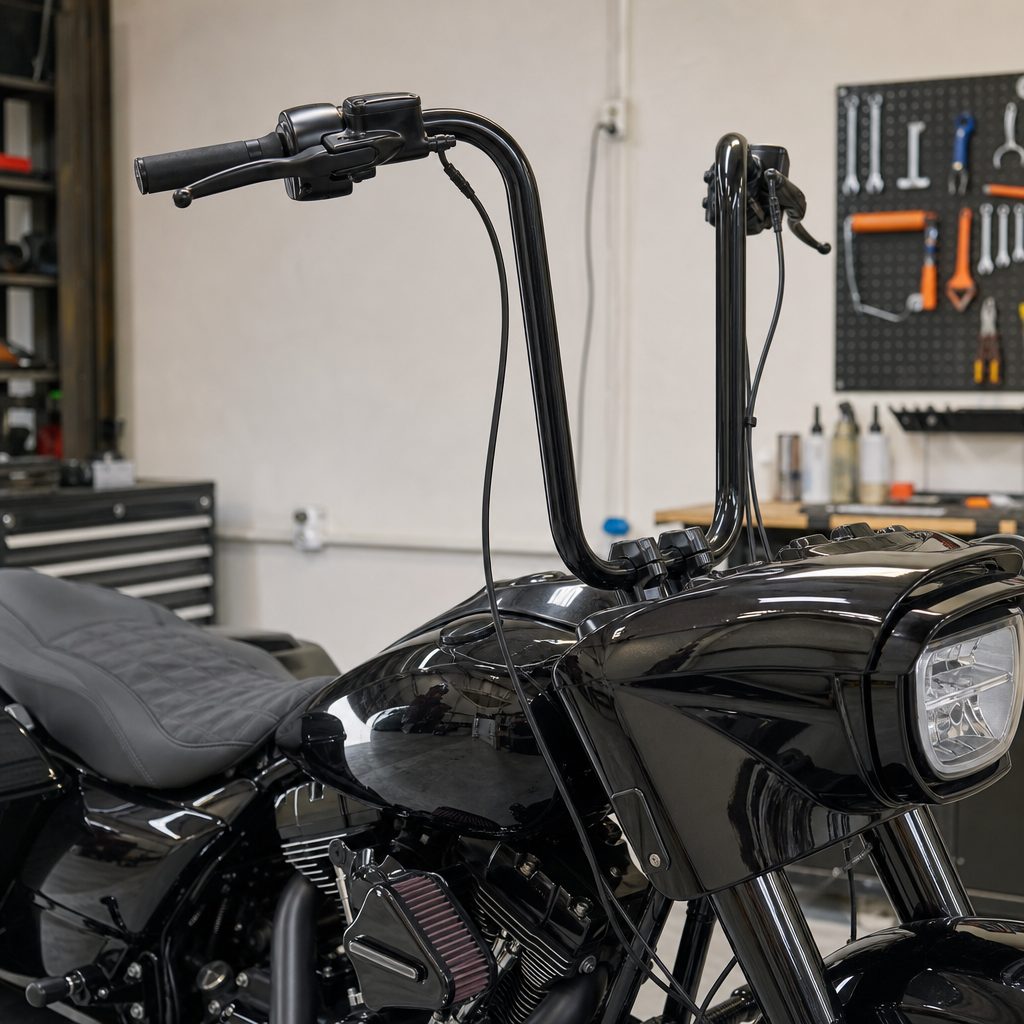
A windshield cannot be chosen correctly until the rider triangle is settled. Seat height changes where the helmet sits. Seat shape changes pelvic rotation, which changes spine angle and head position. Bar rise and pullback change how far the rider leans into the wind. On a 2026 Street Glide Limited, moving from a dished touring seat to a taller, flatter saddle can lift the eye line by an inch or more. That is enough to turn a previously perfect windshield into a noisy one. I always advise riders to finalize seat and bar changes before ordering the final windshield.
Posture also determines whether the rider’s body becomes part of the fairing system. An upright torso presents a larger chest wall to the oncoming flow. A slight forward lean can tuck the helmet into smoother air on some setups. Slouching usually makes everything worse by lowering the head into the turbulent mixing zone while increasing strain on the lower back. The practical takeaway is to test windshields while riding in your natural long-distance posture, not while artificially stretching or hunching to “see what happens.” Your touring setup should work when you are relaxed after four hours, not only when you are experimenting for five minutes.
Passenger posture matters too. A passenger seated high relative to the rider may sit directly in the disturbed wake. If you routinely ride two-up, test with your regular passenger, trunk, and luggage. A setup that feels calm solo can become loud and unstable with added rear weight and a second helmet in the airflow stream.
Materials, Optical Quality, and Real-World Testing
Not all windshields of the same size behave the same. Material stiffness affects vibration. Edge finish affects how air sheds from the screen. Optical clarity matters because many riders inevitably look through at least part of the shield in rain, fog, or when cresting hills. Hard-coated polycarbonate generally offers stronger impact resistance than acrylic, while quality acrylic often delivers excellent optical clarity and scratch behavior when maintained properly. The best choice depends on your riding conditions, cleaning habits, and tolerance for minor abrasion over time.
Brand design differences matter as well. Companies such as Klock Werks, Freedom Shields, Clearview Shields, and Memphis Shades use distinct contours, venting approaches, and thicknesses. A vented shield can reduce low-pressure suction behind the windshield, but vent placement and size determine whether it smooths airflow or simply redirects it. There is no universal winner. The right test is whether the shield produces stable flow on your bike, with your body position, at your touring speed.
Use a disciplined process. Start with a baseline ride, ideally on a calm day, at 55, 65, and 75 mph. Note helmet noise, chin pressure, shoulder turbulence, passenger feedback, and whether crosswinds worsen the effect. Change one variable at a time. If you install both a new seat and a new windshield on the same day, you will not know which solved or caused the issue. This step-by-step method is the foundation for every Harley-Davidson ergonomics recipe in this hub because repeatable tuning beats guesswork every time.
How This Hub Connects to Other Harley-Davidson Fitment Recipes
The taller windshield recipe belongs inside a broader system of model-specific Harley-Davidson fitment guides. Riders searching for wind management are often dealing with adjacent issues: helmet noise from ape-hanger posture, wrist pain from excessive reach, lower-back fatigue from seat pocket depth, or passenger complaints caused by trunk and backrest geometry. A strong sub-pillar hub connects those problems instead of isolating them. That means linking windshield setup to seat selection, handlebar fitment, highway peg placement, suspension sag, and touring load distribution.
For example, if a rider adds rear preload for two-up travel, the chassis attitude can change slightly, altering how the bike meets the wind and how the rider sits relative to the fairing. If a rider installs taller bars, the elbows rise and the torso opens, exposing more shoulder area to side turbulence. If a rider switches from a half helmet to a full-face touring helmet, perceived buffeting may drop even if airflow is unchanged because the shell shape and neck roll manage pressure differently. These are not side notes. They are core interactions, and every serious Harley-Davidson ergonomics guide should address them directly.
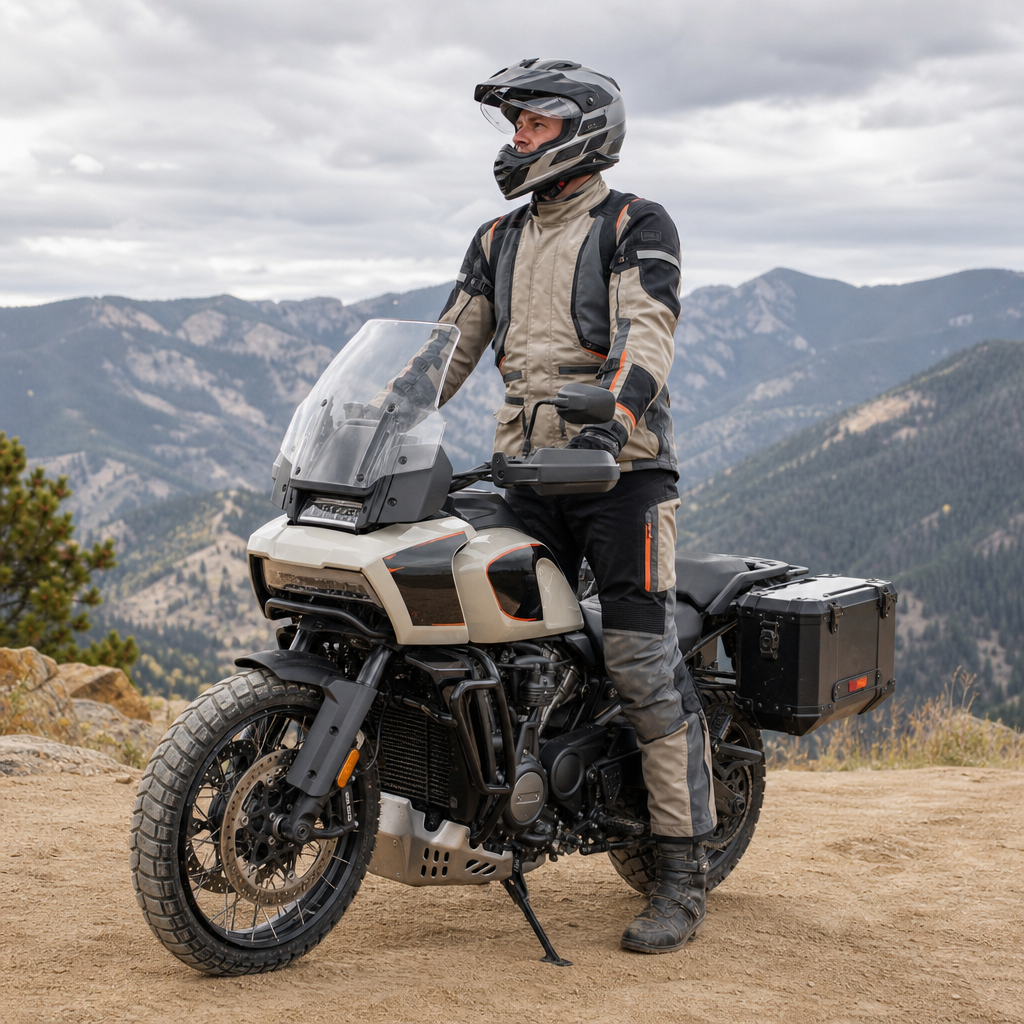
This is why the 2026 Street Glide Limited taller windshield recipe works best as a hub entry point. It shows riders how to diagnose a complaint, measure the bike to the body, choose parts by function, and test changes methodically. Those same principles apply across Road Glide, Ultra Limited, Street Glide, and other touring-platform fitment articles in this subtopic.
The best 2026 Street Glide Limited taller windshield setup reduces buffeting by treating airflow as a complete rider-bike system, not a single accessory purchase. Start with eye-line measurement. Choose a windshield that adds enough height to lift the airflow above the helmet, usually with a recurve rather than extreme overall height. Add lower air management so pressure behind the fairing stays controlled. Finalize seat and bar position before making the last windshield decision. Then test one change at a time at real highway speeds.
The payoff is substantial: less helmet shake, lower fatigue, better passenger comfort, improved cold-weather range, and more confidence on long interstate rides. That is the practical value of model-specific ergonomics and performance recipes for Harley-Davidson touring bikes. They replace trial-and-error spending with a structured method that respects how fairing design, rider dimensions, and posture interact. If you are building out your touring fit, use this hub as the starting point, then move to the related seat, bar, lower-deflector, and two-up setup guides to complete the package.
Frequently Asked Questions
What actually causes buffeting on a 2026 Street Glide Limited, and why doesn’t a taller windshield always fix it?
Buffeting is more than simple wind noise. It is the repeated low-frequency pressure pulse that happens when airflow separates from the top or sides of the windshield, forms rolling vortices, and then collapses around the rider’s helmet, neck, and shoulders. On a 2026 Street Glide Limited, that matters because the fairing, windshield shape, rider height, seat position, and helmet all interact at highway speed. A taller windshield can help move the main airflow higher, but height alone does not guarantee clean air. If the screen is too tall, too narrow, poorly vented, or mismatched to your seating position, the airflow can still detach and tumble directly into your upper body.
That is why the best “recipe” is a combination of height, width, venting, and rider ergonomics rather than a single oversized screen. The goal is to create a smooth stream of air that clears the helmet or at least hits it in a stable, non-turbulent way. In many cases, riders assume they need the tallest windshield available, when the real solution may be a slightly different height combined with better width at the shoulders or a vent that equalizes pressure behind the screen. Small geometry changes on a full-fairing Harley touring bike can produce a surprisingly big difference in comfort, especially at 65 to 80 mph where buffeting becomes most obvious.
How do I choose the right taller windshield height for reducing buffeting on a Street Glide Limited?
The right height is usually determined by where the top edge of the windshield sits in relation to your eye line when you are in your normal riding posture. For most riders, the sweet spot is a windshield that allows them to look comfortably over the top while still sending the airflow just above the helmet. If the screen is too short, the air stream often strikes the face shield or forehead area, which can create both noise and head shake. If the screen is too tall, you may be forced to look through it in rain, fog, bugs, or low light, which is less desirable for safety and visibility.
A practical way to think about it is that windshield height must be matched to your seated height, not just your overall body height. Inseam, torso length, seat foam height, backrest position, and how upright or leaned back you sit all change where your head sits in the airflow. A rider on a lower or more scooped seat may need less windshield than a rider using a taller touring saddle. Even a posture change of an inch or two can move your helmet into or out of the turbulent zone.
For a 2026 Street Glide Limited setup, many riders get the best results by starting with a screen that is tall enough to raise the slipstream above eye level while preserving a clear view over the top edge by a few inches. Then test at true highway speeds, not just around town. Buffeting often reveals itself only under sustained speed and with crosswinds or passing trucks. If you still feel hammering around the helmet after going taller, that usually means the issue is not just height. Width, upper flip shape, venting, and your seat position likely need to be addressed as part of the recipe.
Why do windshield width and venting matter so much when trying to reduce helmet turbulence?
Width and venting are critical because buffeting often attacks from more than one direction. A windshield that is tall enough but too narrow may lift the airflow over the centerline while leaving dirty air to curl around the outer edges and strike your shoulders and the sides of your helmet. That side turbulence is a common cause of booming noise, visor shake, and the feeling that your head is being pushed around even when frontal wind pressure seems reduced. On a batwing or frame-mounted touring fairing, the side profile of the windshield can strongly influence how air wraps around the cockpit.
Venting matters because pressure builds on the front of the windshield while lower pressure forms behind it. Without enough pressure equalization, the airflow can detach more violently at the top edge and create the vortex pattern riders feel as buffeting. A well-designed vent allows some air to flow behind the screen, reducing the pressure difference and helping the air stay more stable as it leaves the windshield. In plain terms, the vent can calm the pocket behind the screen rather than letting it become a vacuum that pulls turbulent air into your face and helmet area.
For the 2026 Street Glide Limited taller windshield recipe, width and venting should be considered alongside height, not after the fact. Riders who are broad-shouldered, use wider handlebars, or sit more upright often benefit from a screen with better lateral coverage. Riders who have already gone taller but still feel thumping at the helmet may find that a vented design works better than simply adding more inches. The ideal setup creates a controlled, predictable air pocket instead of just blocking wind in one area and redirecting chaos somewhere else.
How do seat position and rider posture affect windshield performance on a Harley touring bike?
Seat position and posture can completely change how a windshield performs because they determine where your head and shoulders sit relative to the airflow coming off the shield. Two riders on the same 2026 Street Glide Limited can have very different results with the exact same windshield if one sits deeper in the saddle and slightly reclined while the other sits taller and more upright. Even moving forward or backward an inch changes the angle at which the air reaches your helmet.
This is one reason windshield testing can feel inconsistent until the bike’s ergonomics are settled. If you switch to a taller seat, add a rider backrest, change bars, or alter foot position in a way that changes your spine angle, the turbulent zone may move with you. A windshield that felt perfect before may suddenly create head shake because your helmet is now sitting right where the detached airflow collapses. Likewise, a rider who slouches at speed may unknowingly drop into a quieter pocket, while sitting fully upright puts their helmet back into the rough air.
The best approach is to evaluate buffeting with your real touring posture, not an artificial test position. Sit the way you normally ride for long highway miles, with the luggage, passenger setup, and seat configuration you actually use. If possible, test by slightly changing your posture while riding in a controlled environment: sit taller, lean back, or move your head up and down a small amount. If the buffeting changes dramatically, that is strong evidence that the windshield and your seating geometry are close but not yet optimized. In that case, a small change in seat height, seating pocket, or windshield height may solve the issue more effectively than a major parts swap.
What is the most effective step-by-step “recipe” for dialing in a taller windshield and reducing buffeting on the 2026 Street Glide Limited?
The most effective process starts with understanding that you are tuning airflow, not just installing a bigger part. First, identify your baseline. Note where the wind currently hits: forehead, visor, crown of the helmet, shoulders, or chest. Also pay attention to when it happens most, such as at 55 mph, 75 mph, in crosswinds, or when passing trucks. These clues help determine whether the problem is top-edge turbulence, side curl, or a pressure imbalance behind the windshield.
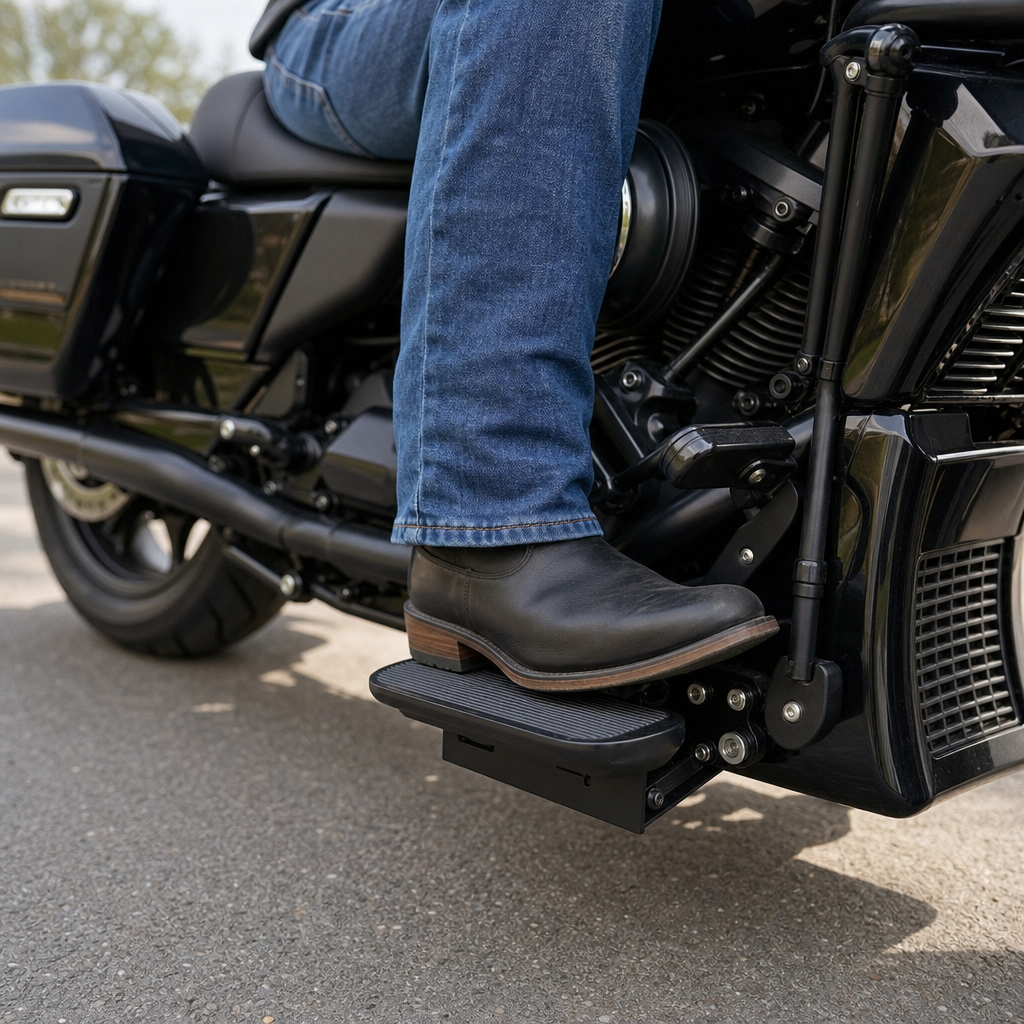
Second, lock in your riding position before buying parts. Confirm the seat you plan to keep, whether you use a rider backrest, your preferred preload or suspension setup, and your normal highway posture. Once your ergonomics are stable, choose windshield height based on seated eye level rather than marketing categories alone. For most riders, looking over the top remains the preferred target, with the airflow ideally passing just above the helmet.
Third, evaluate width and venting at the same time as height. If your shoulders and helmet sides are getting hammered, a wider profile may be more important than adding another inch of height. If the air feels unstable or drum-like around your head despite decent frontal protection, a vented windshield may smooth the pressure behind the screen and reduce the turbulence cycle causing buffeting. This is often where the biggest comfort gains happen on Harley-Davidson touring models.
Fourth, test in real conditions. A windshield that feels fine at city speeds may fail at interstate speed. Ride on open highway, include some truck traffic if safe, and test with the helmet you actually wear on trips. Helmet shell shape, visor sealing, and vent design can amplify or reduce the sensation of buffeting. If a slight crouch or a slight sit-up dramatically changes comfort, you are close to the correct setup and likely need only a small geometry adjustment.
Finally, make one change at a time. Do not swap windshield, seat, bars, and suspension all at once if your goal is to isolate the cause. The best taller windshield recipe for a 2026 Street Glide Limited is usually a balanced combination: proper height for your seated eye line, enough width to protect the shoulders, venting to stabilize the air pocket, and a riding posture that keeps your helmet out of the collapse zone of detached airflow. When those elements work together, the result is not just less wind, but cleaner, calmer air that reduces fatigue and makes long-distance touring far more comfortable.