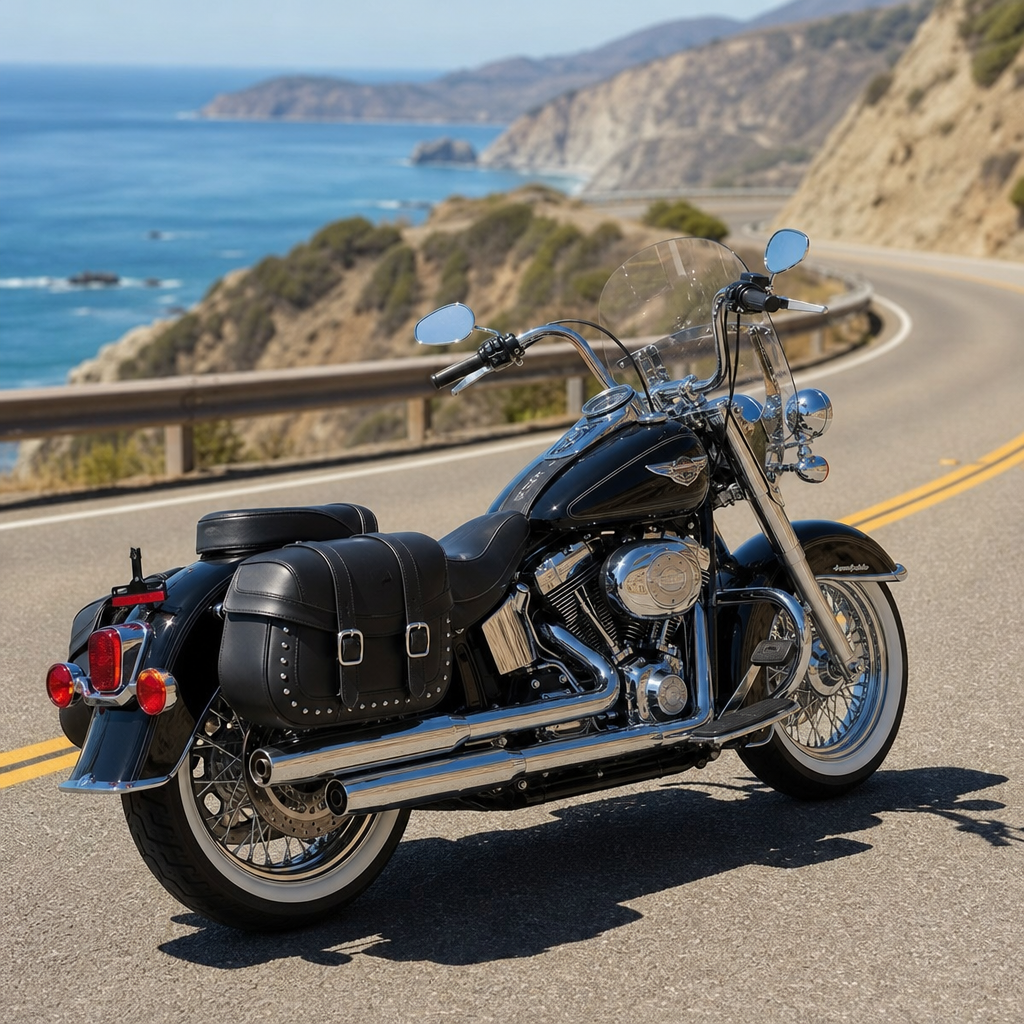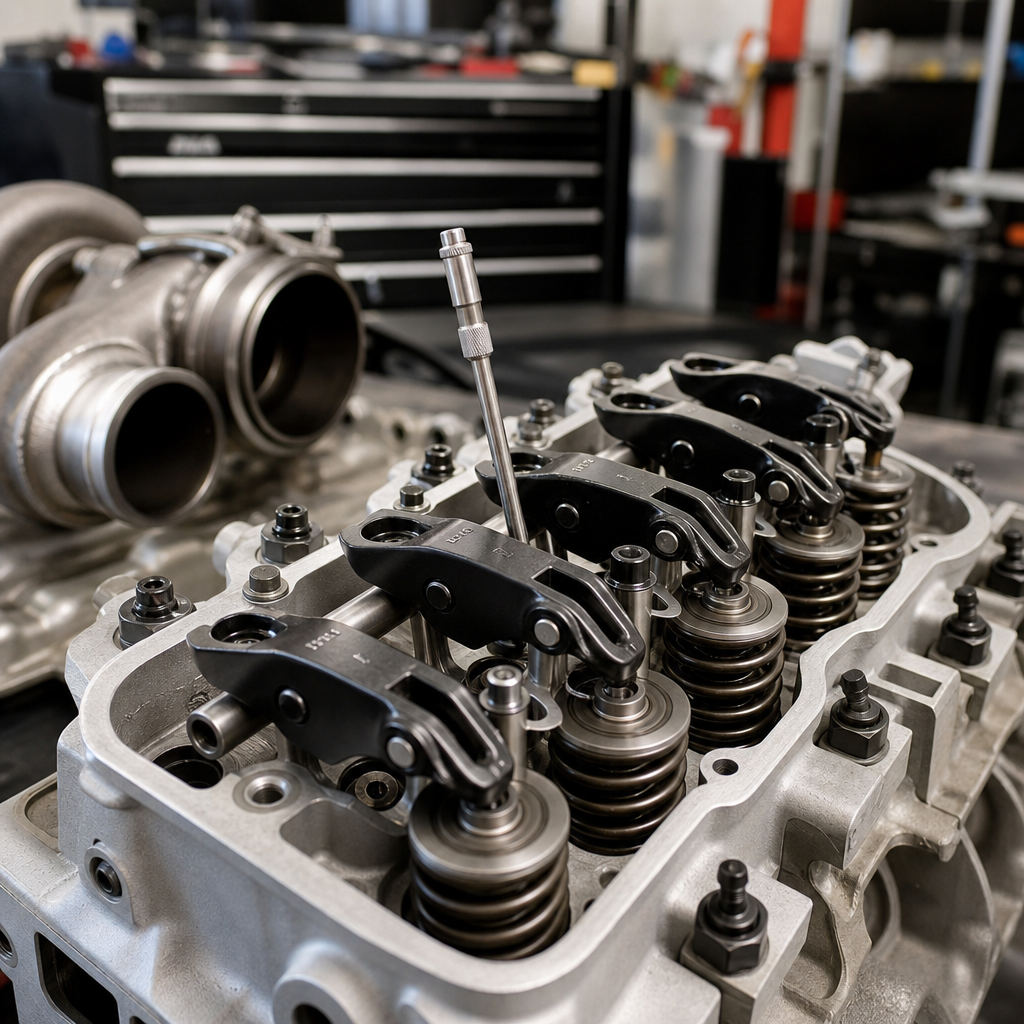
Stage II adjustable pushrod service on a 2027 Harley-Davidson is the practical shortcut many riders and technicians use to upgrade cam timing, restore hydraulic lifter preload, and avoid unnecessary top-end disassembly. In Harley terms, a pushrod transfers motion from the camshaft and lifter to the rocker arm, while “adjustable” means its effective length can be changed after installation to set correct preload. The “Stage II” label usually indicates a camshaft upgrade package built around stronger midrange or top-end power, and it often changes valvetrain geometry enough that stock nonadjustable pushrods become inconvenient. I have done this work on Milwaukee-Eight touring and cruiser models in busy service bays, and the appeal is always the same: cut, remove, and replace the original pushrods through the pushrod tubes instead of pulling rocker boxes. For 2027 model owners, that recipe matters because labor rates keep rising, packaging is tighter on some models, and riders increasingly expect both performance gains and clean serviceability from one parts choice.
This hub article covers model-specific ergonomics and performance recipes within the Harley-Davidson category, using the Stage II adjustable pushrod recipe as the anchor topic. “Ergonomics” here means how rider fit, reach, vibration, heat management, and control effort change with a given build. “Performance recipe” means a repeatable combination of parts, measurements, and setup steps that reliably produces a known outcome. For a 2027 machine, especially in the Milwaukee-Eight family, pushrod selection is not an isolated decision. It affects install time, valve-train stability, future cam access, noise levels, and even how confidently a rider can spec the next upgrades. A good hub page must answer the immediate service question, explain why the adjustment method works, and connect that choice to riding position, power delivery, and maintenance planning across touring, bagger, cruiser, and trike applications.
What the Stage II adjustable pushrod recipe includes
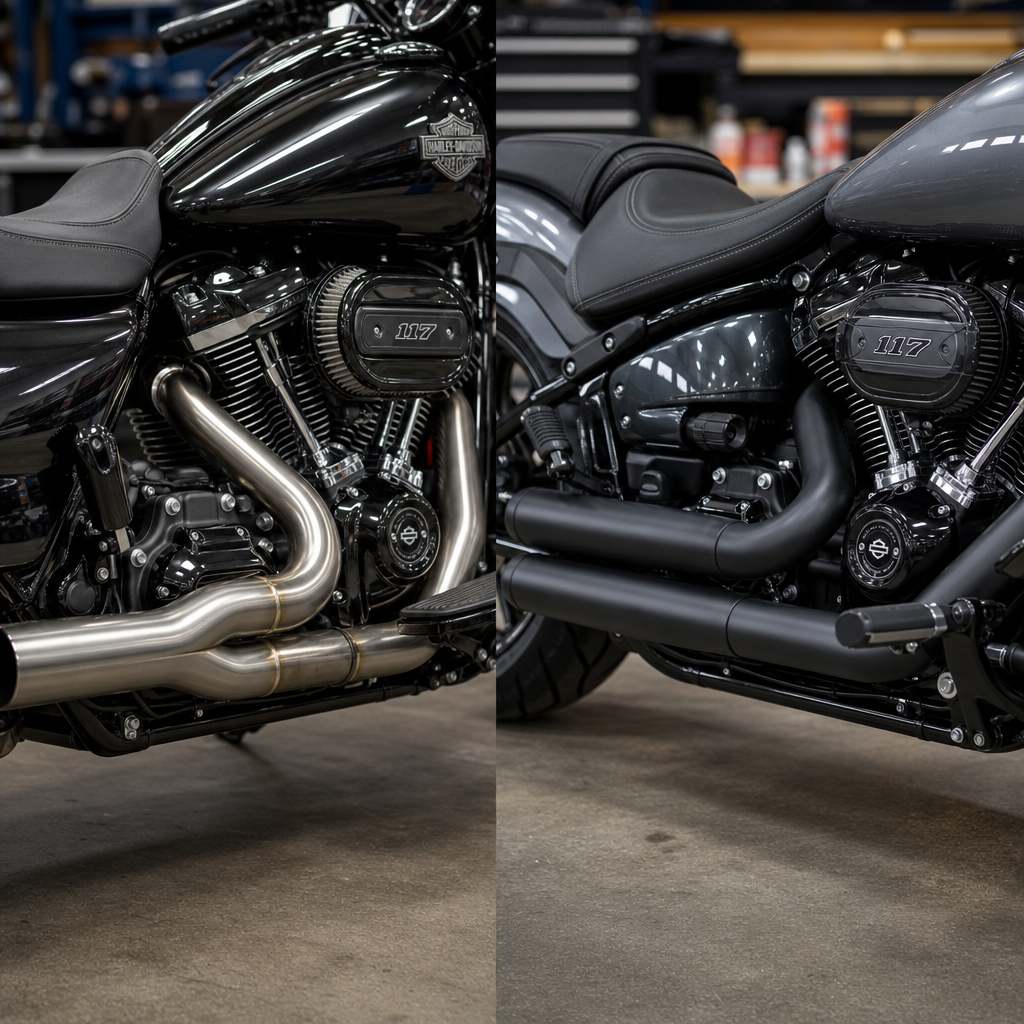
A complete Stage II adjustable pushrod recipe is more than four rods in a box. The core package usually includes the camshaft chosen for the bike’s intended use, adjustable pushrods, matching pushrod tube components, cam chest gaskets, and a calibration update. Depending on mileage and cam profile, I also consider lifters, tappet cuffs, inner cam bearings, and a cam support plate inspection mandatory rather than optional. Harley’s own Screamin’ Eagle combinations set the template, but many independent shops also build around S&S, Fueling, Woods, and Feuling components. The governing rule is simple: lifter preload and valvetrain stability must match the cam’s ramp rate and intended rpm range.
On most 2027 Harley-Davidson Stage II jobs, the adjustable pushrod path is selected to save labor and preserve access. Instead of removing fuel tank sections, induction components, rocker covers, and rocker arm supports to extract one-piece stock rods, the technician rotates the engine to base circle, cuts the stock rods, removes them in sections, installs collapsible or threaded adjustables, and sets each to the specified turns or measured preload. This process can reduce billable hours significantly, but only when done carefully. The engine must be cold, each cylinder must be positioned correctly, and the lifter bleed-down interval must be respected before turning the engine again. Ignoring bleed-down is how bent valves and broken parts happen.
The recipe also changes by model because ergonomics and intended use change by model. A Road Glide rider who spends six hours in the saddle usually wants a broad torque curve and low valvetrain noise, while a Low Rider ST owner may accept a more assertive idle and stronger upper-mid pull. A Street Glide Ultra build may prioritize passenger smoothness and heat management. In each case, the same pushrod service principle applies, but the best companion parts differ. That is why this page serves as a hub: adjustable pushrods simplify service, yet the surrounding recipe should still be matched to how the specific Harley-Davidson is ridden.
Why adjustable pushrods simplify 2027 valvetrain service
The main advantage is reduced disassembly. On Milwaukee-Eight engines, accessing the rocker assemblies to remove fixed-length pushrods adds time, introduces more gasket surfaces, and increases the chance of cosmetic damage around painted tank and rocker components. Adjustable pushrods convert that major teardown into a more contained service operation. For dealership departments and independent shops, that means faster turnaround. For owners doing future cam swaps, lifter replacement, or top-end diagnostics, it means the next service is easier too. One decision today lowers labor on multiple future jobs.
The second advantage is precision. Good adjustable pushrods are not a compromise part when chosen correctly. They allow accurate hydraulic lifter preload setting within the manufacturer’s specified range, typically translated into a defined number of turns based on thread pitch. This matters because preload influences valvetrain noise, plunger position, and the lifter’s ability to control the valve event. Too little preload can leave the valvetrain noisy and unstable. Too much can hold a valve off its seat once oil pressure and heat expand components. I always verify instructions from the pushrod manufacturer rather than relying on memory because thread pitch varies among brands.
The third advantage is long-term service planning. In practice, riders rarely stop at one modification. Once a 2027 Harley-Davidson gets a cam and tune, the next conversations usually involve intake flow, exhaust balance, clutch capacity, gearing, or rider-contact improvements such as bars, seat shape, and floorboard placement. Adjustable pushrods support that progression because they make follow-up valvetrain work less intrusive. They are a serviceability upgrade as much as a performance accessory.
| Model type | Typical riding priority | Cam character that fits | Why adjustable pushrods help |
|---|---|---|---|
| Touring bagger | Low-end torque, heat control, luggage/passenger load | Early intake close, broad midrange | Faster cam service without full top-end teardown |
| Performance cruiser | Stronger roll-on power, lighter feel, aggressive response | Higher lift, quicker ramps, upper-mid emphasis | Easy preload adjustment after cam and lifter changes |
| Trike | Smooth launch, stable cruising, reduced maintenance downtime | Torque-focused, conservative overlap | Less labor and easier future lifter access |
| Long-distance two-up tourer | Quiet operation, predictable throttle, comfort under load | Mild-to-moderate torque cam | Supports repeatable service with minimal cosmetic disruption |
Model-specific ergonomics and performance recipes across the Harley-Davidson range
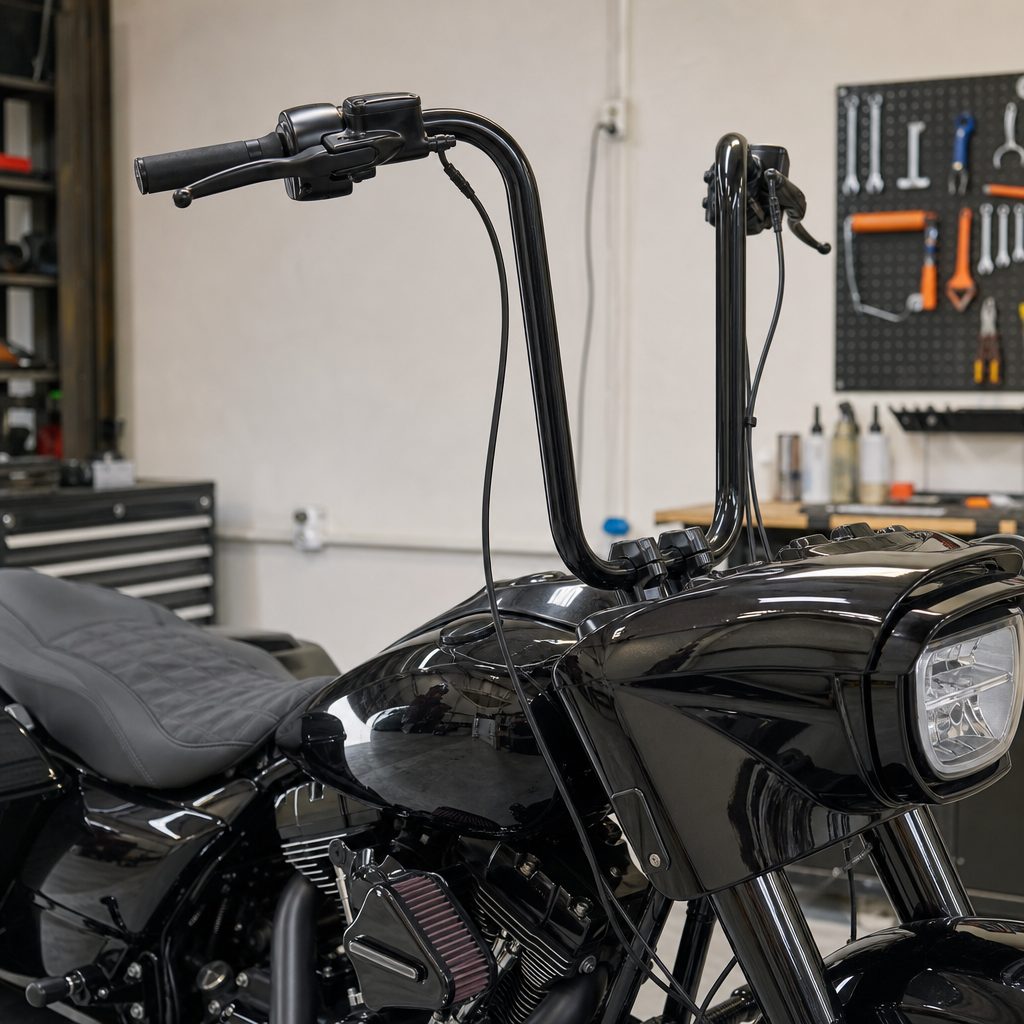
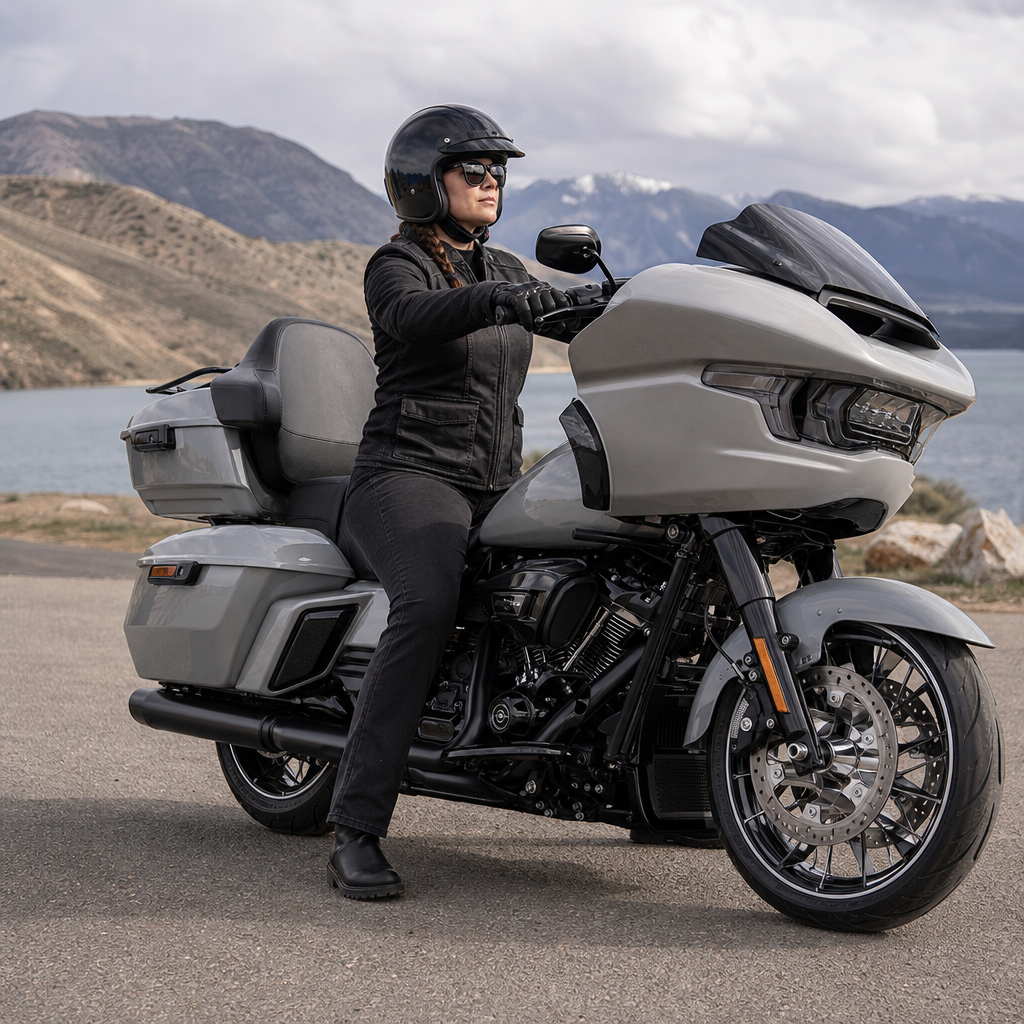
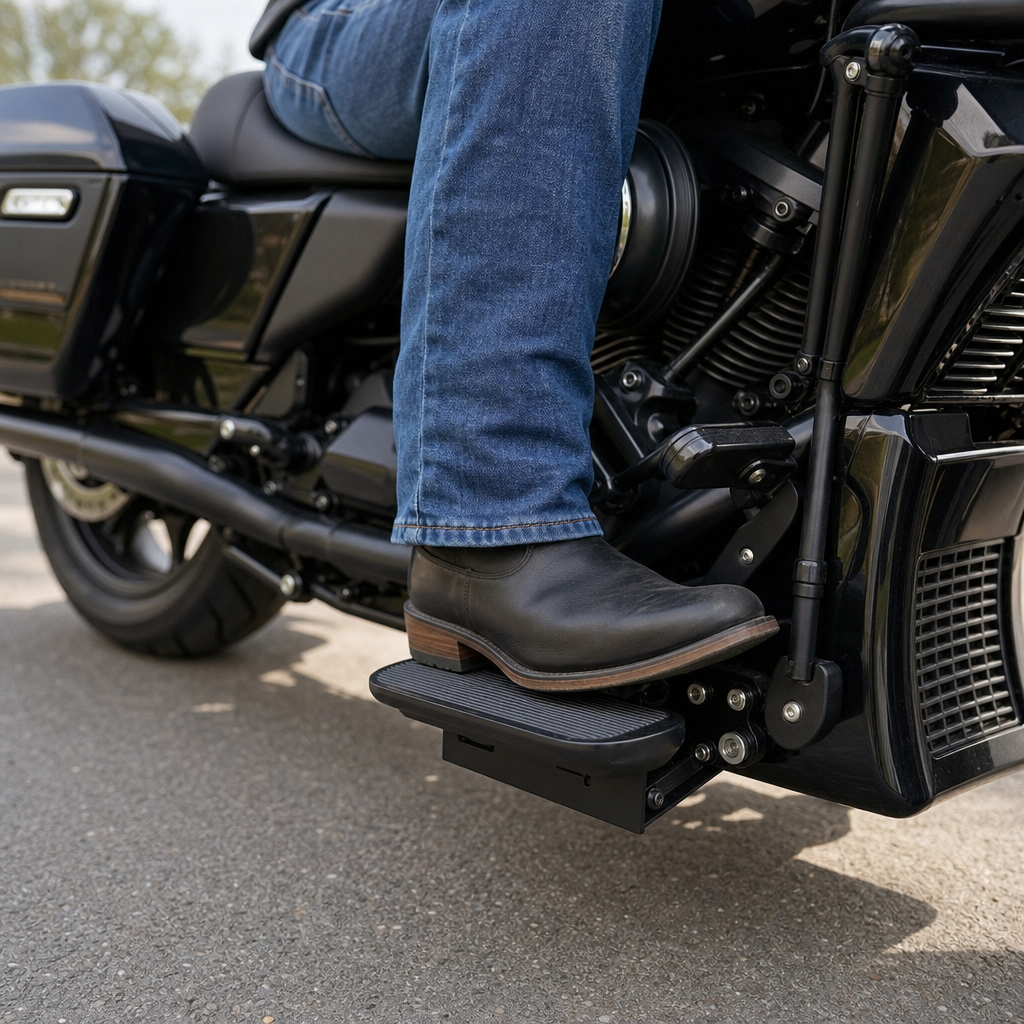
For a hub page under Harley-Davidson, the key is connecting engine service to rider experience. On a Road Glide or Street Glide, ergonomics start with wind management, seat pocket depth, bar reach, and floorboard relationship. Those bikes reward torque-focused Stage II recipes because a heavy touring chassis feels best when power arrives early and smoothly. Adjustable pushrods fit this recipe by enabling efficient cam service while keeping downtime down for riders who pile on annual mileage. Pair that with a proper calibration, clutch evaluation, and exhaust that preserves scavenging without excessive drone, and the result is a touring bike that feels easier everywhere, not merely stronger on a dyno sheet.
On Softail-based performance cruisers such as a Low Rider S or Low Rider ST, the equation shifts. Riders often want sharper transient response, more urgent passing power, and a cockpit setup that supports an active riding posture. Here, the Stage II recipe may lean toward a more assertive cam profile, freer-flowing intake, and careful consideration of tire traction and brake feel because added torque changes how the bike exits corners and loads the chassis. Adjustable pushrods still solve the same service problem, but they become even more valuable when the owner is likely to revisit the cam chest later for lifters, stronger oil pump components, or a more ambitious tune.
Tri Glide and other three-wheel applications deserve separate treatment because mass, cooling airflow, and duty cycle differ from two-wheel bikes. A trike used for travel benefits from strong low-rpm cylinder fill, smooth clutch engagement, and low mechanical fuss. In that context, a moderate Stage II setup with adjustable pushrods makes sense because service access matters more than bragging-rights peak horsepower. Even on CVO-oriented builds, I steer owners toward combinations that preserve idle quality and manageable heat. The best recipe is the one the rider enjoys every day, not the one that only looks impressive on a parts invoice.
Choosing parts that work together
The best adjustable pushrod recipe starts with compatibility, not brand loyalty. Pushrod diameter, material stiffness, tip design, and adjuster locking method all matter. Chromoly pushrods with robust ends resist deflection better under steeper cam profiles, but they may transmit more valvetrain sound than lighter stock-type parts. Hydraulic lifters must match the intended rpm and oiling demands. Camshaft choice should reflect compression ratio, exhaust system behavior, and rider weight. Tuning support is equally critical; even an excellent mechanical package will disappoint if spark, fueling, and throttle tables are wrong.
From direct shop experience, the most reliable builds are the ones where each part was selected around a use case. Example one: a 2027 Road Glide carrying luggage and a passenger benefits from a torque cam, adjustable pushrods, fresh lifters, and a conservative exhaust that maintains velocity. Example two: a Low Rider ST ridden solo in mixed urban and highway conditions can accept a more aggressive Stage II cam, but only if the tuner controls part-throttle manners and the owner understands that a little more mechanical character comes with the territory. Example three: a high-mileage Electra Glide should get careful cam chest inspection before any performance parts are added. Worn components do not become healthy because a new pushrod is installed.
Recognized tools and standards keep the process honest. A quality inch-pound torque wrench, a service manual for the exact platform, manufacturer preload instructions, and a methodical cylinder-positioning procedure are nonnegotiable. I also rely on borescopes, magnetic drain plug inspection, and oil filter media checks on higher-mile engines because valvetrain service is the wrong time to ignore evidence of broader wear. Precision in assembly prevents expensive guesswork later.
Common mistakes, tradeoffs, and service checkpoints
The most common mistake is treating all adjustable pushrods as interchangeable. They are not. Some are quick-install designs intended for no rocker-box removal, while others prioritize stiffness and may require different tube accommodations. Another frequent error is rushing the adjustment. After setting preload, the lifter must bleed down before the engine is rotated. This pause feels inconvenient, but it protects valves, pistons, and technician reputation. I have seen engines leave power on the table, or make needless noise, simply because somebody counted turns incorrectly or mixed up intake and exhaust pushrods.
There are tradeoffs. Adjustable systems can add a small amount of valvetrain noise compared with stock one-piece rods, especially with certain materials and aggressive cams. Premium parts reduce that issue, but they do not erase physics. Cost is another consideration. While adjustable pushrods save labor, pairing them with lifters, tubes, and gaskets can still raise the initial parts bill. For many riders the economics still work because future service becomes cheaper, but it is fair to say the cheapest path today is not always the best long-term value.
Service checkpoints for a 2027 valvetrain recipe are straightforward. Confirm engine cold state, verify cam and pushrod manufacturer instructions, set each cylinder at correct base-circle position, adjust in sequence, wait for bleed-down, rotate by hand, and inspect for free movement before startup. After first run, listen for abnormal clatter, verify oil pressure behavior, and confirm tune quality under load. If the bike shows hard starting, uneven idle beyond the cam’s normal character, or unexplained mechanical noise, stop and recheck the fundamentals rather than assuming the tune will fix a mechanical setup error.
How this hub guides the next Harley-Davidson recipe
This Stage II adjustable pushrod recipe is the entry point to a broader Harley-Davidson map of model-specific ergonomics and performance decisions. Once owners understand how valvetrain service, cam selection, and rider use connect, they can make smarter choices about bars, seats, suspension, exhaust, intake, gearing, and heat control. A bagger recipe should not be copied directly onto a performance cruiser, and a trike should not be tuned like a solo backroad bike. The right build starts with the riding position, load, and road speed range the owner actually experiences.
The central lesson is simple: adjustable pushrods are one of the smartest enablers in a 2027 Harley-Davidson Stage II upgrade because they simplify valvetrain service without sacrificing precision when installed correctly. They reduce disassembly, support accurate hydraulic lifter preload, and make future cam chest work more efficient. More importantly, they fit into a complete performance recipe that respects model differences, rider ergonomics, and long-term reliability. When the cam, lifters, tune, and riding goals are aligned, the motorcycle feels stronger, smoother, and easier to live with.
If you are planning a Harley-Davidson Stage II build, use this hub as your baseline: define the bike’s job, choose parts that work together, and insist on careful preload setup and verification. Then move to the model-specific recipe that matches your touring, cruiser, or trike platform and build from there with confidence.
Frequently Asked Questions
What is a Stage II adjustable pushrod recipe on a 2027 Harley-Davidson, and why do riders use it?
A Stage II adjustable pushrod recipe is the practical parts-and-procedure approach many Harley-Davidson owners and technicians use when installing a cam upgrade and resetting valvetrain geometry without tearing deep into the top end. On a 2027 Harley, the pushrod’s job is to transfer motion from the camshaft and hydraulic lifter up to the rocker arm, which then opens and closes the valve. When the pushrod is adjustable, its length can be changed after installation, allowing the technician to set proper hydraulic lifter preload accurately instead of relying only on fixed-length parts.
The “Stage II” label typically refers to a camshaft package intended to improve torque, horsepower, or overall power delivery beyond a basic intake-and-exhaust setup. Once a cam profile changes, valvetrain requirements often change with it. That is where adjustable pushrods become valuable. They let you compensate for component stack-up, service wear, aftermarket parts tolerances, and cam base-circle differences while avoiding unnecessary removal of rocker boxes in many service scenarios.
Riders use this method because it saves time, reduces labor complexity, and makes future servicing easier. Instead of disassembling more of the engine than necessary, a technician can often install the new cam-related components, cut out the original non-adjustable pushrods if the procedure calls for it, and replace them with quality adjustable units. The result is a more efficient cam service, proper preload on the hydraulic lifters, and a cleaner path to reliable performance. For many people, the biggest advantage is not just convenience—it is the combination of correct setup, reduced downtime, and the ability to service the valvetrain with greater precision.
Why are adjustable pushrods helpful when servicing the valvetrain during a cam upgrade?
Adjustable pushrods are helpful because they simplify one of the most time-consuming parts of valvetrain service: achieving the correct effective pushrod length after internal changes. During a cam upgrade, even small differences in cam dimensions, lifters, rocker components, gasket thickness, or manufacturing tolerances can affect preload. Hydraulic lifters depend on proper preload to operate quietly, maintain valve control, and compensate for thermal expansion and wear. If preload is too loose, the valvetrain may become noisy and inconsistent. If it is too tight, valve seating and lifter operation can be compromised.
On a 2027 Harley-Davidson, a technician performing a Stage II cam service is often balancing efficiency with precision. Adjustable pushrods provide both. They allow the installer to fine-tune each pushrod after it is in place, which is especially useful if the engine has accumulated mileage, already has aftermarket components, or is being upgraded in a real-world shop environment rather than assembled from all-new matched parts. This flexibility helps ensure each cylinder’s intake and exhaust side can be set correctly instead of forcing a one-size-fits-all assumption.
Another major benefit is service access. Traditional fixed-length pushrods can require more extensive disassembly to remove and reinstall, depending on engine design and the work being performed. Adjustable pushrods are commonly chosen because they allow cam and lifter service with fewer steps and less disruption to the upper engine. That means less labor, fewer opportunities to disturb unrelated sealing surfaces, and a more straightforward job overall. In practical terms, they make the cam upgrade process more approachable for experienced do-it-yourself owners and more profitable and efficient for professional technicians.
How do you set hydraulic lifter preload correctly with Stage II adjustable pushrods?
Correct hydraulic lifter preload starts with following the pushrod manufacturer’s instructions exactly, because thread pitch and recommended adjustment range vary by brand. That said, the basic process is consistent across most Harley applications. First, the engine must be positioned so the lifter for the pushrod being adjusted is on the base circle of the cam, meaning the valve is fully closed and there is no lift being applied. At that point, the adjustable pushrod is lengthened until all free play is removed. This is commonly called reaching “zero lash,” where the pushrod has no up-and-down looseness but is not yet compressing the lifter plunger significantly.
From zero lash, the technician adds the specified number of turns or flats to extend the pushrod farther and create the correct preload. That additional length depresses the hydraulic lifter plunger into its operating range. Once adjusted, the locknut is secured according to the manufacturer’s method so the setting does not move. The critical next step is allowing the lifter to bleed down before rotating the engine or proceeding in a way that could force a valve into contact while the lifter is temporarily pumped up. This waiting period is not optional. It is one of the most important parts of the whole procedure.
Accuracy matters because preload directly affects valvetrain behavior. Too little preload can cause ticking, unstable valve motion, and reduced consistency at operating temperature. Too much preload can hold a valve slightly off its seat, reduce compression, create hard starting, and in severe cases contribute to misfire or mechanical stress. That is why experienced Harley technicians treat preload as a measured setup step, not a rough estimate. A good Stage II adjustable pushrod recipe is not just about installing parts quickly—it is about setting each pushrod deliberately so the upgraded camshaft can perform as intended with quiet, reliable valvetrain operation.
Can adjustable pushrods really help avoid unnecessary top-end disassembly?
Yes, that is one of the biggest reasons they are so popular. In many Harley cam service situations, adjustable pushrods allow the installer to avoid removing more upper-engine components than necessary. Instead of disassembling the rocker box area solely to accommodate non-adjustable pushrod removal and replacement, the technician can often use a service-friendly adjustable pushrod design that is installed in sections or adjusted in place. This can significantly reduce labor hours and simplify the workflow, particularly when the primary goal is a cam chest upgrade rather than a full top-end rebuild.
That does not mean every engine or every service scenario is identical. If the engine already needs top-end work, rocker inspection, valve spring upgrades, or other cylinder head-related service, then removing additional components may still be appropriate. But when the job is specifically a Stage II cam upgrade with lifter preload correction and no broader top-end issues, adjustable pushrods are often the sensible shortcut. They reduce the need to disturb gaskets, sealing surfaces, and hardware that are unrelated to the actual repair objective.
For owners, this means lower labor costs and less downtime. For technicians, it means a cleaner, more focused service process. The key is using quality parts and a disciplined installation method. “Avoiding disassembly” should never mean taking risks or skipping critical checks. It should mean eliminating unnecessary steps while still verifying lifter condition, pushrod alignment, preload specification, and proper engine rotation after bleed-down. When done correctly, adjustable pushrods are not a compromise—they are an efficient professional solution.
What should you look for in a Stage II adjustable pushrod setup for long-term reliability on a 2027 Harley?
Long-term reliability starts with choosing components that are matched to the cam package, engine configuration, and intended riding style. Not all adjustable pushrods are equal. You want a set built from quality materials with strong threads, secure locking hardware, and a design known to maintain adjustment under heat cycles and vibration. The camshaft, lifters, pushrods, and any related valve train components should be treated as a system, not as isolated parts. A Stage II package that produces more lift, quicker ramp rates, or different power characteristics places new demands on the valvetrain, so parts compatibility matters.
It is also important to consider installation access, manufacturer instructions, and real-world serviceability. Some pushrods are designed specifically to make cam swaps easier while still preserving strength and oiling performance. Reputable brands will provide clear preload specifications, adjustment procedures, and fitment guidance. That support is valuable because a properly engineered pushrod can still perform poorly if it is adjusted incorrectly. Reliable results come from both hardware quality and installation accuracy.
Finally, pay attention to the total health of the engine rather than focusing only on the pushrods. Worn lifters, improper oil pressure, poor tuning, excessive valve spring pressure, or an aggressive cam installed without supporting components can all create problems that no pushrod can fix. After installation, the engine should start cleanly, idle consistently, and run with normal valvetrain sound for the combination. If there is persistent ticking, rough running, low compression, or abnormal mechanical noise, the setup needs to be rechecked. The best Stage II adjustable pushrod recipe is one that combines the right parts, the right preload, and the right supporting service practices so the 2027 Harley remains durable, responsive, and easy to maintain over the long haul.