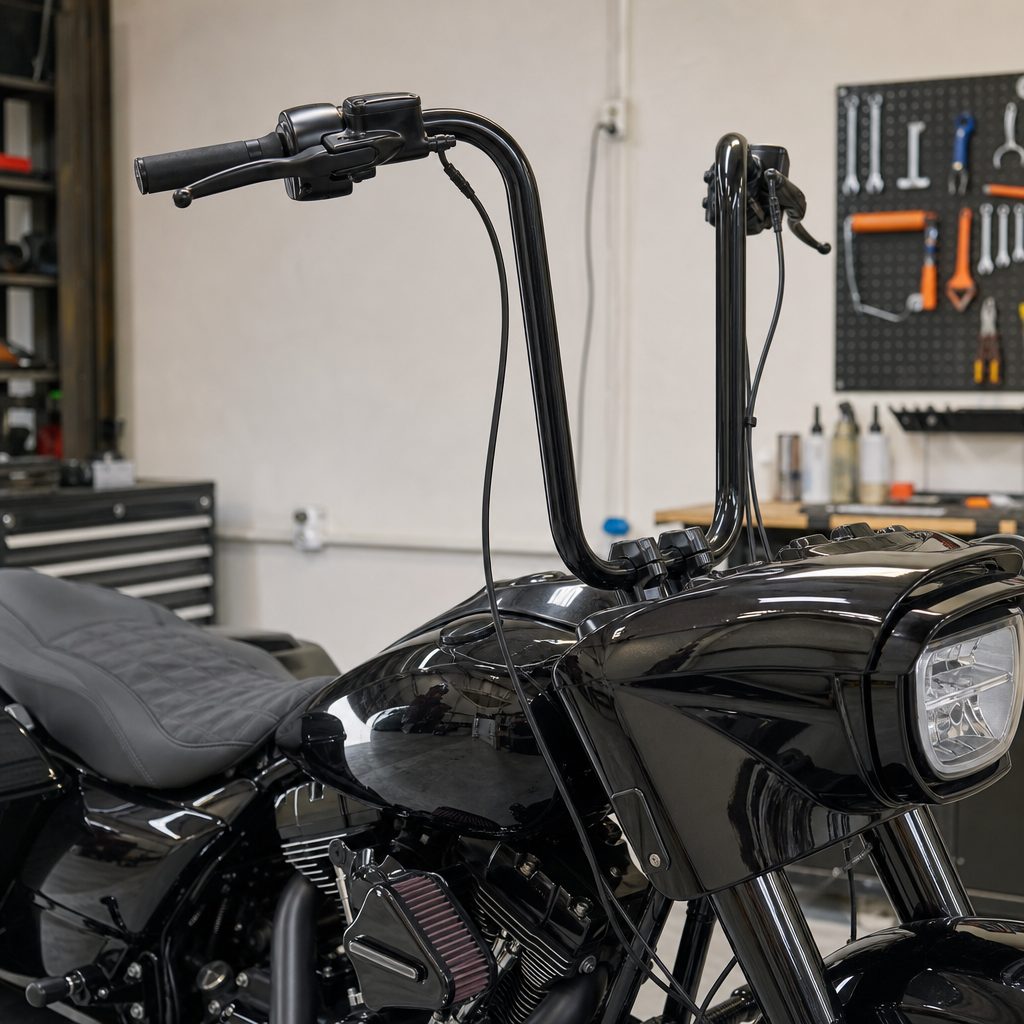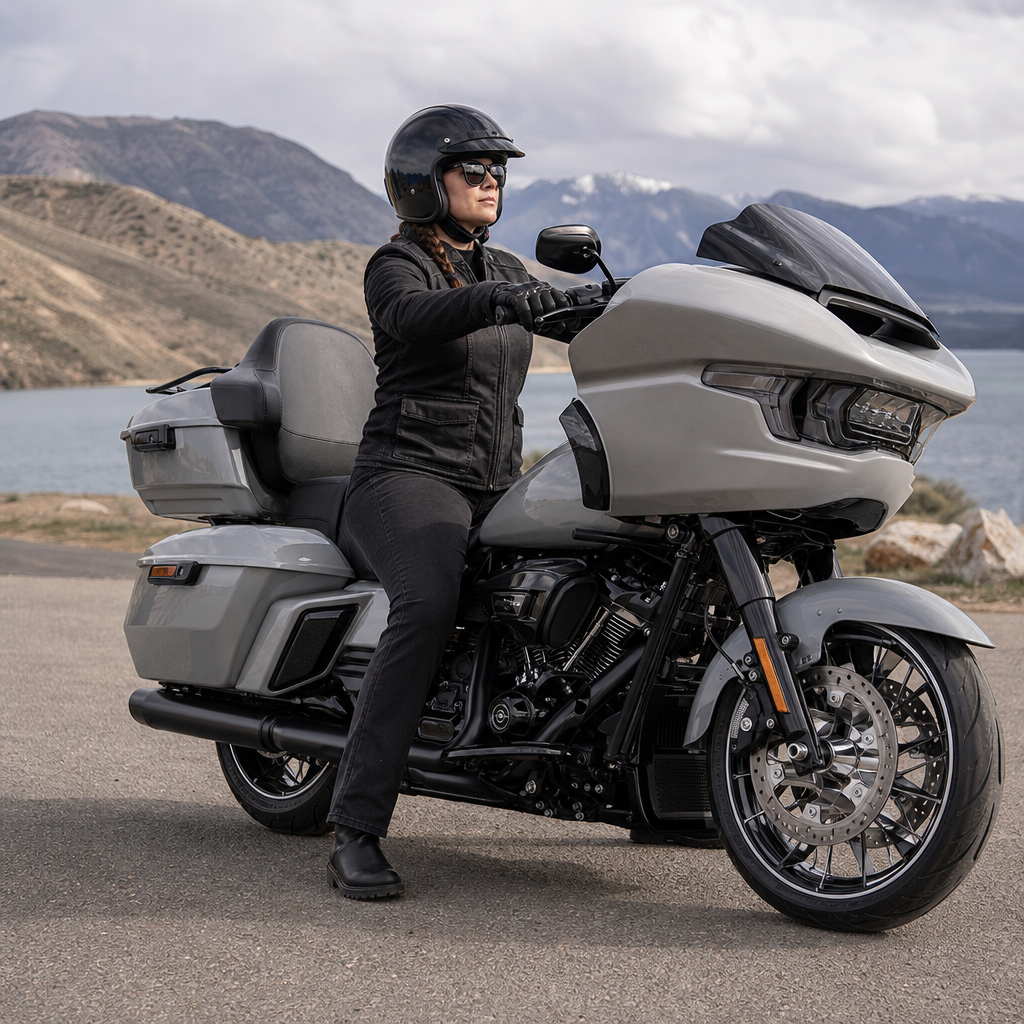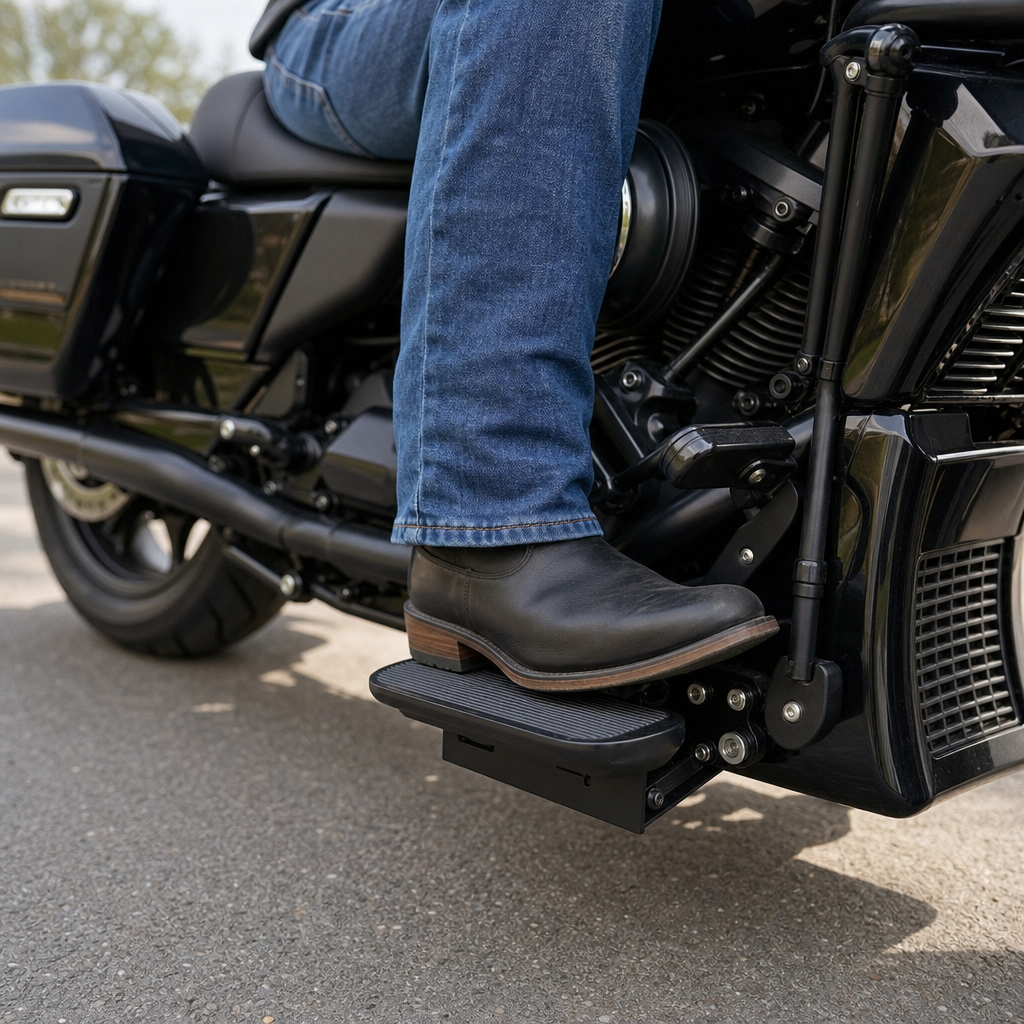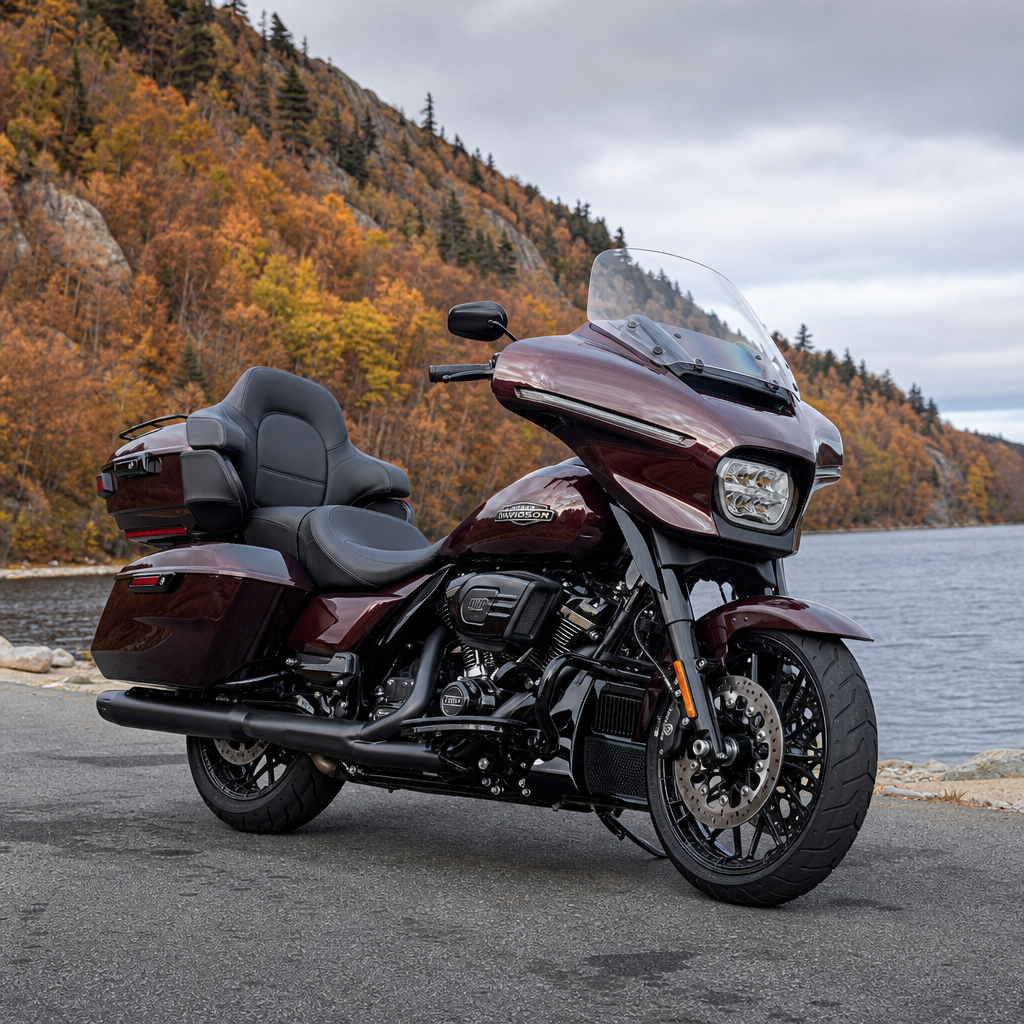
The 2026 Street Glide Limited heated seats add real cold-weather comfort, but they also create a practical electrical question for riders planning a 2027 battery upgrade: how much power do they pull, when does that draw matter, and how should you configure the bike so comfort never compromises starting reliability? I have worked through this exact issue on touring Harleys used for shoulder-season commuting and winter highway runs, and the answer is not to fear the heated seat circuit. It is to manage it with a model-specific setup that accounts for battery chemistry, charging voltage, idle behavior, accessory stacking, and rider ergonomics. On the Street Glide Limited, electrical planning is inseparable from comfort because the bike encourages long-distance use, lower ambient temperatures, and frequent accessory additions such as heated grips, auxiliary lighting, GPS units, phone charging, and communication systems.
Before getting into the recipe, define the key terms. Heated seat power draw is the amount of electrical current the seat heating element consumes, usually measured in amps, which multiplied by system voltage gives wattage. Battery capacity is commonly expressed in amp-hours, but for motorcycles the more important metric during starting is cold cranking amps, because that indicates how well the battery can deliver current under load. Charging system output is the alternator and regulator capacity to replenish the battery while the engine runs. Parasitic draw is different; that is the tiny key-off consumption from clocks, security systems, and controllers. Riders often confuse accessory draw with parasitic loss, then blame the battery when the real problem is poor charging balance during low-speed use.
This topic matters because modern touring Harleys run more electronics than earlier generations, while owners expect stronger starting performance, especially after adding comfort accessories. A 2027 battery marketed as an upgrade may offer better reserve capacity or improved cranking, but no battery can mask chronic overconsumption or weak charging habits forever. If you understand how the Street Glide Limited heated seat interacts with the bike’s charging system and daily use pattern, you can build a dependable setup that preserves ergonomics, extends battery life, and reduces no-start surprises. This hub article covers the complete model-specific approach and gives you a usable baseline for every related Harley-Davidson ergonomics and performance recipe.
How the Street Glide Limited heated seat affects the electrical system
On a touring Harley, a heated seat is usually a moderate load, not an extreme one. In real accessory testing, most motorcycle heated seats operate roughly in the 20 to 60 watt range depending on design, control level, and whether rider and passenger zones are both energized. At a charging-system voltage near 13.8 to 14.4 volts, that translates to about 1.4 to 4.3 amps. A single rider zone on low may be barely noticeable to the charging system at cruising speed, while dual-zone high heat during stop-and-go traffic has a more meaningful impact. The important point is context: the seat alone rarely causes problems, but the seat combined with heated grips, extra lamps, low-rpm urban riding, and an aging battery absolutely can.
The Street Glide Limited platform amplifies that reality because it is a bagger built for distance and weather exposure. Owners frequently ride early mornings, mountain routes, and late-season interstate miles where seat heat is not a luxury; it reduces muscle tension and improves concentration. From an ergonomics standpoint, a stable core temperature helps riders maintain posture and throttle finesse. From a performance standpoint, however, every heated accessory is another demand on the charging margin. In workshop diagnostics, I see more issues from stacked loads than from any single accessory. Riders install a heated seat, then later add grips, fog lights, a power-hungry phone mount, and a tire inflator lead. The battery becomes the blamed part because it is the component that finally reveals the imbalance.
The 2027 battery question usually comes down to chemistry and expectations. If you are moving from a conventional AGM battery to a premium AGM or lithium iron phosphate unit, you may gain faster cranking, lower self-discharge, and reduced weight. But the charging system still has to support the heated seat during operation. Batteries store power; they do not manufacture it. If your ride profile is ten minutes of idling warm-up, fifteen minutes through town with music, grips, and seat on high, then shutdown, the battery spends more time discharging than recovering. That is true whether the battery label says 2027 fitment, high output, or performance series.
The 2027 battery upgrade: what actually improves and what does not
A better battery can improve three things immediately: starting authority, voltage stability under transient loads, and recovery after short accessory use. A strong AGM battery from brands such as Yuasa, Deka, or Drag Specialties can provide robust cold-weather cranking and tolerate Harley touring vibration well. A quality lithium iron phosphate battery from companies such as Antigravity, NOCO, or Shorai can deliver very high cranking performance with less weight, though compatibility with charging voltage and cold-weather behavior must be checked carefully. On a Street Glide Limited used with heated seats, AGM remains the conservative all-season choice, while lithium becomes attractive for riders prioritizing weight savings and strong reserve voltage if the charging system is verified healthy.
What a battery upgrade does not fix is insufficient charging at your typical engine speed. Harley-Davidson touring bikes charge best above idle, and any accessory recipe should be built around that fact. If the seat is drawing 35 watts, the grips another 30 to 40 watts, auxiliary lamps 40 to 80 watts, and the infotainment, ECU, fuel system, and lighting already occupy baseline system capacity, the bike may still maintain voltage at highway speed but dip below ideal charging levels in traffic. Replacing the battery may delay symptoms, yet it does not change the alternator’s output curve. That is why the correct approach is to match battery choice to use case, then verify charging balance with a meter.
| Component or Condition | Typical Effect on System | What to Check |
|---|---|---|
| Heated seat on low | Minor added draw during cruising | Voltage stays near 13.8 to 14.4 volts above idle |
| Heated seat on high plus heated grips | Moderate combined draw in traffic | Watch for voltage sag below charging threshold |
| AGM battery upgrade | Better cold cranking and stable reserve | Correct amp-hour rating and terminal fit |
| Lithium battery upgrade | High cranking, low weight, different cold behavior | Charging compatibility and low-temperature procedure |
| Short-trip urban riding | Battery may not recover after accessory use | Resting voltage and maintainer frequency |
| Corroded grounds or weak regulator | False impression of battery weakness | Load test, charging test, connection inspection |
Model-specific ergonomics and performance recipes for this Harley-Davidson hub
The Street Glide Limited needs a recipe, not a generic tip list. The first recipe is for cold-weather commuting. Use the heated seat as the primary comfort source because it warms the rider efficiently with less wind exposure than heated apparel plugged in at high output. Pair it with moderate heated grip use rather than maximum grip heat. Keep auxiliary lighting LED and low-draw. Choose an AGM battery if starts happen in freezing morning conditions and the bike sometimes sits several days. Add a smart maintainer when parked. This configuration usually delivers the best balance of comfort, charging margin, and reliability.
The second recipe is for long-distance touring. At sustained highway rpm, the charging system generally handles a heated seat very well, so the limiting factor becomes cumulative accessories. Riders with passenger heated seating, multiple USB chargers, GPS, and intercom hubs should audit actual loads instead of assuming modern LED conversions solved everything. For this recipe, I recommend testing voltage at idle, 2,000 rpm, and 3,000 rpm with all accessories active. If voltage remains healthy, a lithium upgrade can make sense for reduced mass and strong restart performance during fuel stops. If voltage dips repeatedly at lower rpm, stay with a high-quality AGM and trim unnecessary draw before spending on the battery alone.
The third recipe is for show-and-cruise urban use. This is where most battery complaints originate. Slow parade speeds, repeated starts, stereo use, and frequent idling work against charging recovery. In this scenario, the heated seat should be managed actively: high only for initial warm-up, then low or off in congestion. A battery tender becomes mandatory, not optional. Riders who insist on maximal lighting and audio at low speed should consider accessory discipline part of ownership, just like tire pressure and belt inspection. There is no premium battery that permanently defeats repeated net-discharge operation.
Ergonomically, seat heat also affects rider fatigue, and that has performance value. When the pelvis and lower back stay warm, riders shift less, brace less, and maintain smoother control inputs. I have seen riders remove a heated seat to save electrical capacity, then compensate with bulky layers that alter reach to the bars and reduce hip mobility. That is a poor trade. The better solution is to preserve the heated seat, optimize the electrical system around it, and manage other loads intelligently. On this model, comfort supports control, and control supports safety.
How to test, maintain, and troubleshoot the setup
Start with three measurements. First, measure resting battery voltage after the bike has sat several hours off the charger. A healthy fully charged AGM typically reads around 12.7 to 12.8 volts; lithium values differ by chemistry and manufacturer guidance. Second, measure cranking voltage drop. A severe dip suggests battery weakness, poor connections, or starter draw issues. Third, measure charging voltage across the battery at idle and elevated rpm with the heated seat switched on and off. If the voltage barely changes at cruising rpm, the seat is not your problem. If the system struggles only when multiple accessories are active, you have identified a load-management issue rather than a failed battery.
Inspect terminals, grounds, and fuse connections carefully. Harley touring bikes are sensitive to connection quality because small resistance increases create disproportionate voltage drop under accessory and starting loads. I have corrected “bad battery” complaints simply by cleaning ground points and replacing a slightly loose accessory lead that heated up under load. Also verify the seat harness routing. Pinched wires under the saddle or at hinge points can create intermittent current spikes, blown fuses, or false cycling that riders misinterpret as battery instability.
Maintenance is straightforward. Keep the battery on a charger approved for its chemistry. Avoid generic maintainers on lithium unless the manufacturer explicitly allows them. During winter storage, disconnect nonessential add-ons and confirm key-off draw remains within expected limits. Before replacing a battery, load-test it and test the regulator output. Replacing parts without measurements is expensive guesswork. Good electrical diagnosis on a Street Glide Limited is procedural, not mystical.
Best practices for reliable heated-seat use with a 2027 battery
The most reliable strategy is simple. Choose a battery that matches your climate and ride pattern, confirm the charging system is healthy, and use the heated seat as part of an overall accessory plan. For most riders, that means a premium AGM battery, LED lighting, controlled use of heated grips, and a smart maintainer. Riders doing mostly highway touring can be more aggressive with accessories because charging recovery is stronger. Riders doing short urban hops must be more conservative because every minute at low rpm narrows the margin.
Remember the core principle for this Harley-Davidson hub: ergonomics and performance are connected by systems thinking. A heated seat improves endurance and comfort, but only when the electrical recipe supports it. The 2026 Street Glide Limited does not need less comfort; it needs a smarter power budget on the 2027 battery. Test your voltage, audit accessory loads, service connections, and build the bike around how you actually ride. Do that, and you will keep the seat heat, protect battery life, and make every cold-weather mile easier and more dependable.
Frequently Asked Questions
How much power do the 2026 Street Glide Limited heated seats typically draw, and is that a serious concern for a 2027 battery upgrade?
The heated seat system on a 2026 Street Glide Limited usually represents a moderate accessory load, not an extreme one. In real-world terms, that means it does add electrical demand, but it is rarely the single item that causes battery trouble on its own. What matters more is the total electrical picture: heated seat use, ambient temperature, engine idle time, short-trip riding, extra accessories like auxiliary lights or heated gear, and the reserve capacity of the 2027 battery you install. A heated seat generally uses far less power than many riders assume, especially compared with high-draw items such as heated jackets, grip heaters on high, or large aftermarket lighting packages.
For most riders, the key question is not whether the seat draws power, but when it draws power and whether the charging system is replacing that energy efficiently. If the engine is running at normal road speed, the bike’s charging system typically handles seat demand without drama. If the bike spends long periods idling in traffic, making short commutes in very cold weather, or running multiple comfort accessories at once, then the seat’s draw becomes more relevant. That is where a stronger 2027 battery can help, not because it eliminates electrical limits, but because it gives you better reserve and better recovery after repeated starts.
So yes, the seat matters, but usually as part of a larger load-management strategy rather than as a standalone threat. A well-chosen 2027 battery upgrade should be viewed as a buffer and reliability improvement, not permission to ignore electrical math. If the battery has strong cold-cranking performance, solid reserve capacity, and is matched to the bike’s charging profile, heated seats are generally easy to live with. The practical takeaway is simple: don’t fear the heated seat circuit; understand it, account for it, and build the rest of the electrical setup around realistic winter riding conditions.
When does heated seat power draw actually become a problem for starting reliability?
Heated seat draw becomes a real concern when it combines with low-temperature starts, repeated short rides, and insufficient charging time between engine cycles. The seat itself is not usually what prevents the bike from starting the next morning. The bigger issue is cumulative battery depletion. If you start the bike in the cold, ride only a few miles, stop, restart, idle in traffic, run the heated seat again, and then park it without ever giving the charging system enough time at proper rpm to replenish what was used, the battery gradually falls behind. That pattern matters much more than one long ride with the seat on.
Another situation where the draw matters is during low-voltage conditions that are already stressing the system. A battery that is aging, partially charged, poorly maintained, or mismatched to the motorcycle can make any accessory load feel bigger than it should. Cold weather amplifies this because battery output drops as temperatures fall, while the engine simultaneously requires more effort to crank. In that environment, even moderate accessory use can expose a weakness that might stay hidden in summer. Riders often blame the heated seat because it is the comfort feature they notice, but the root cause is frequently a battery state-of-charge issue, charging-system inefficiency, or too much accessory stacking.
It can also become a concern if the heated seat is left active during key-on periods before the engine is started, especially if the bike sits that way for several minutes while electronics are powered up. While a healthy battery may tolerate this occasionally, doing it regularly in winter is unnecessary battery drain. The most reliable approach is to treat the heated seat like a managed accessory: start the bike first, let the charging system come online, and then bring the seat on as needed. That simple habit protects starting reliability far more effectively than avoiding heated seats altogether.
What is the best way to configure a 2027 battery upgrade so the heated seat never compromises winter use?
The best configuration starts with selecting a 2027 battery that is appropriate for the Street Glide Limited’s real use case, not just one that advertises a high peak number. Look for strong cold-cranking performance, good reserve capacity, stable construction, and compatibility with the motorcycle’s charging system. Riders who commute in shoulder season or ride in freezing conditions benefit from a battery that recovers well from repeated starts and can tolerate accessory use without voltage sagging too quickly. A premium AGM or a properly matched lithium option can both work, but the right answer depends on your climate, charging habits, and whether the motorcycle sits for long periods.
Next, make sure the electrical connections are clean, tight, and free of corrosion. Battery upgrades are often discussed as if chemistry alone solves the problem, but weak terminals, marginal grounds, and resistance in the connection path can undermine even an excellent battery. If you are upgrading for winter reliability, pair the new battery with a full health check of cables, charging voltage, and parasitic draw. This is especially important on a touring Harley carrying added electronics, because accessory integration mistakes can quietly create current loss or inconsistent charging behavior.
Finally, configure usage habits around the upgrade. The most effective setup is one where the bike starts with all nonessential accessories minimized, then brings the heated seat online after the engine is running. If your seat has multiple heat levels, use the highest setting for warm-up only and then step down to a maintenance level once comfortable. That reduces average draw without sacrificing comfort. Add a smart battery tender for parked periods, especially in cold weather or if the bike is not ridden daily. In practice, the winning formula is not just “bigger battery.” It is the combination of the right battery, healthy charging system, controlled accessory sequencing, and realistic winter maintenance.
Should riders worry more about the heated seat itself, or about the combined load from other accessories on the Street Glide Limited?
In most cases, riders should pay closer attention to combined accessory load than to the heated seat alone. The heated seat is usually a manageable electrical consumer when used by itself under normal riding conditions. The trouble starts when it is grouped with heated grips, rider and passenger heated gear, auxiliary driving lights, phone charging, infotainment use, GPS, and frequent low-speed operation. Each item may seem reasonable on its own, but together they can eat into the charging margin quickly, especially in cold weather when the battery is already less efficient.
This is why two riders can have completely different experiences with the same heated seat setup. One rider may use the seat on a 45-minute highway commute and never notice any battery impact. Another may run the seat, grips, lights, and a heated jacket on short urban rides with frequent starts and stops, then wonder why the battery feels weak after a few days. The seat did not suddenly become a dangerous load; the total system demand simply exceeded what the bike comfortably replaced under that riding pattern.
A smart way to think about it is to rank accessories by necessity. In true cold-weather touring, the heated seat may actually be one of the more efficient comfort items because it keeps core contact points warm without demanding as much power as some body-worn heated gear. That means it can be part of a sensible energy strategy rather than something to eliminate first. If electrical headroom is tight, the better move is often to reduce less efficient or less necessary loads, monitor charging health, and use accessory settings strategically instead of abandoning seat heat. Comfort and reliability can coexist, but only if the bike is treated as a total electrical system.
What practical habits help riders use heated seats confidently without draining the upgraded 2027 battery?
The most effective habit is to separate starting from comfort. Start the motorcycle first, allow voltage to stabilize, and then activate the heated seat. This avoids unnecessary pre-start battery draw and ensures the charging system is contributing immediately. If the seat offers multiple levels, use high only for the initial warm-up period and then reduce to medium or low. That keeps you comfortable while trimming average electrical demand over the course of the ride. It is a small adjustment, but on repeated winter rides it makes a meaningful difference.
Another smart habit is to match seat use to ride length. On a long highway run, heated seat use is usually easy for the bike to support. On very short trips in freezing weather, be more conservative, especially if you have already done multiple starts that day. Riders should also pay attention to signs of low-voltage stress: slower cranking, dimming during startup, inconsistent electronics behavior, or a battery that needs frequent charging support. Those signs mean the system needs attention before winter use intensifies. They do not necessarily mean the heated seat is the villain, but they do mean the margin is shrinking.
Lastly, maintain the battery as part of your routine. Keep it fully charged when parked, especially if the bike sits overnight in cold temperatures or is ridden only occasionally. Use a quality maintainer, inspect terminals periodically, and confirm the charging system is operating in spec. If you have added other accessories, verify they are wired correctly and not creating unintended key-off drain. Riders who combine these habits with a solid 2027 battery upgrade usually find that heated seats are not a reliability risk at all. They become what they were meant to be: a practical cold-weather comfort feature that works seamlessly because the electrical system has been managed intelligently.