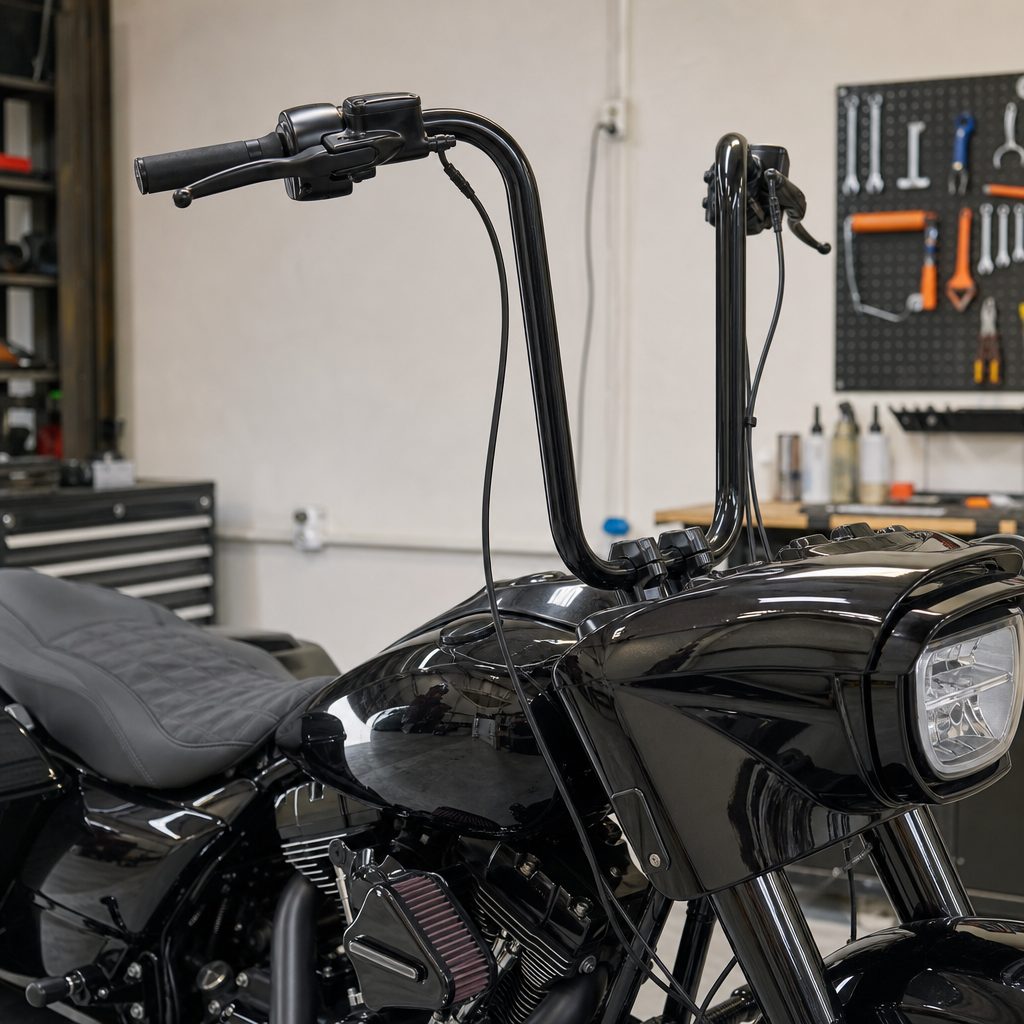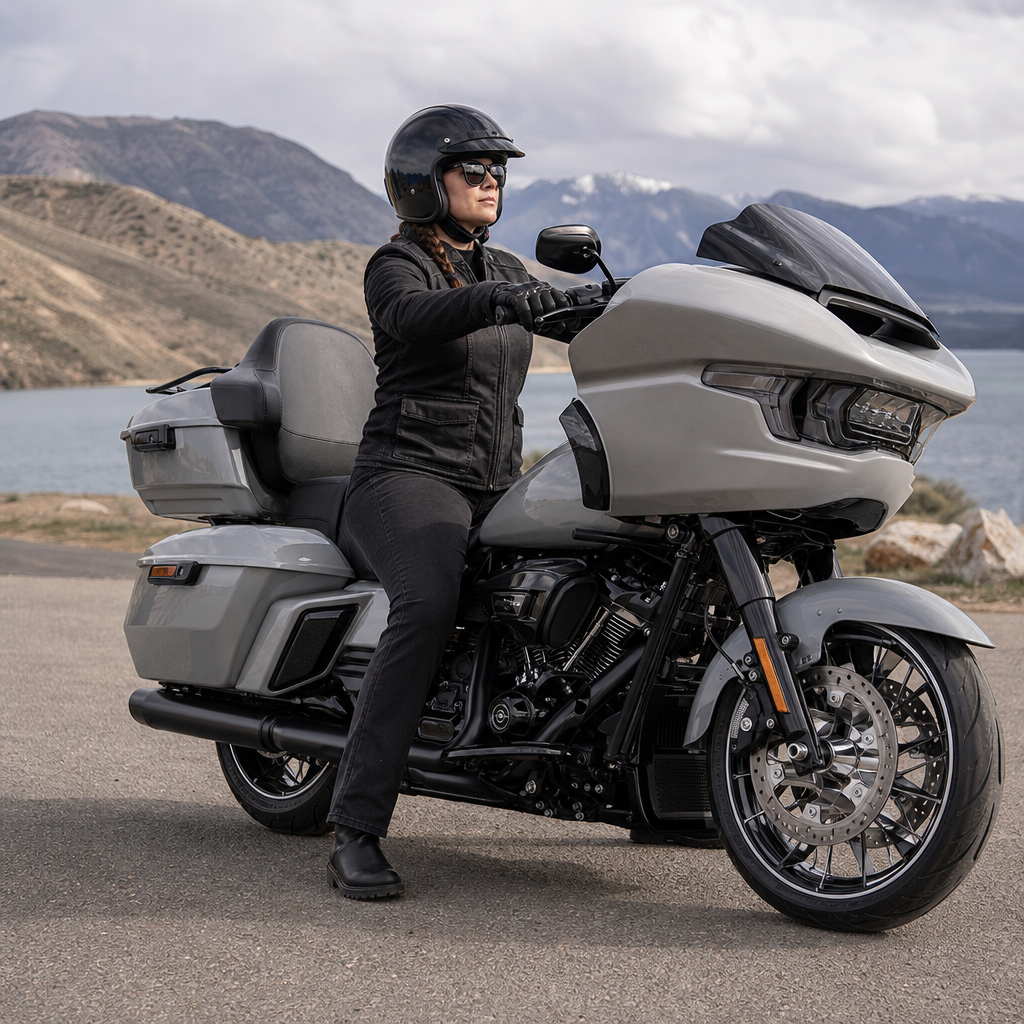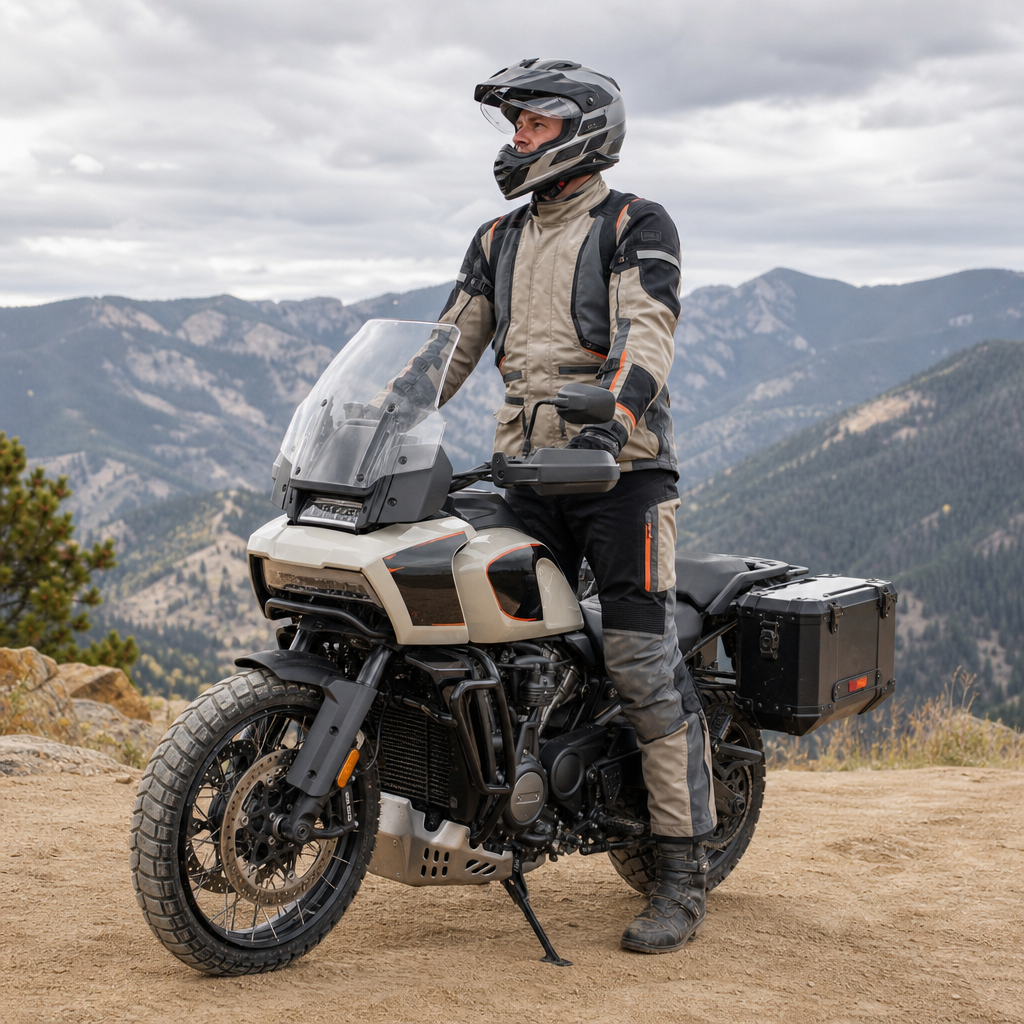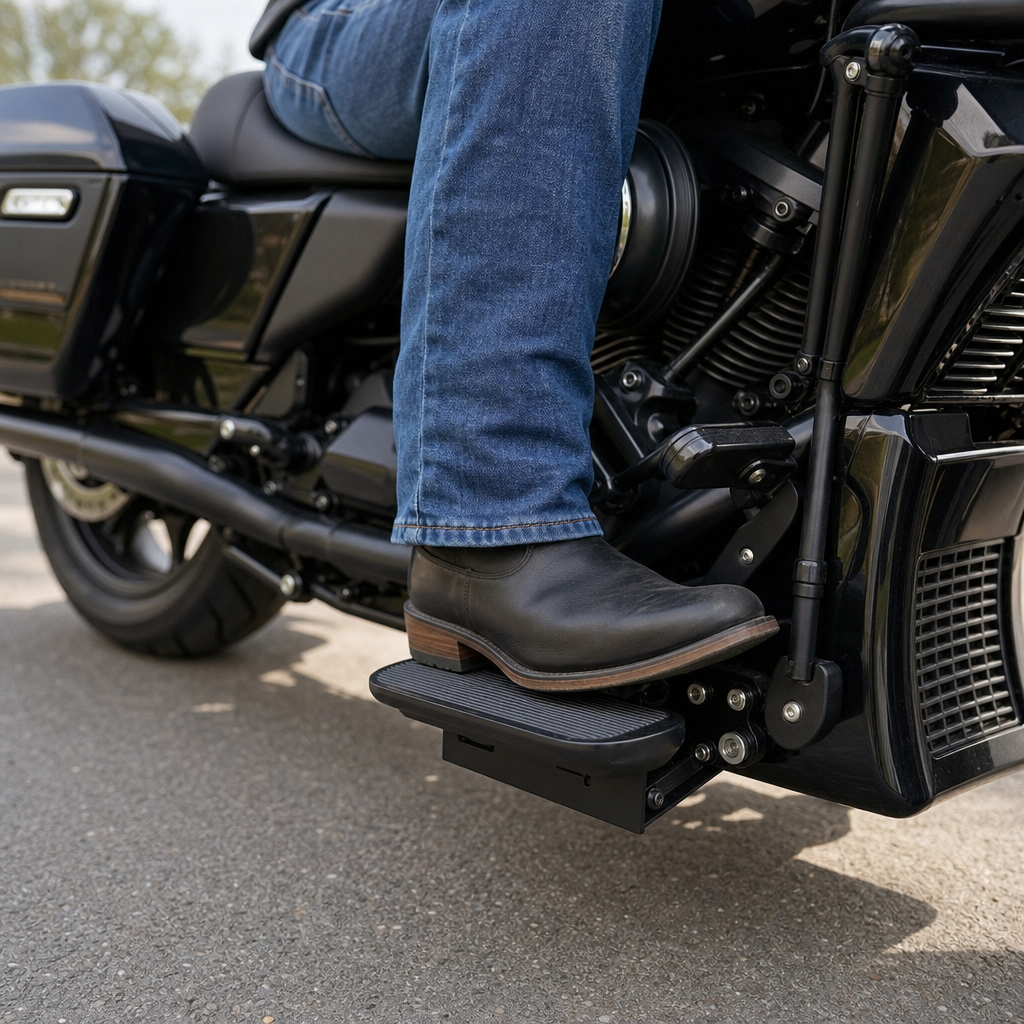
The 2026 Street Glide Limited aerodynamics story matters because touring comfort on a Harley-Davidson is shaped as much by airflow management as by engine torque, suspension tuning, or seat foam. Riders often focus on displacement, horsepower, and infotainment, yet on long interstate days the fairing determines fatigue, helmet noise, buffeting, passenger comfort, and even fuel efficiency. In this comparison, the “new fairing” refers to the modern frame-mounted touring fairing language introduced on recent Street Glide and Road Glide updates, while the “old Batwing 6” points to the prior Batwing design generation many riders know from Twin Cam and early Milwaukee-Eight touring models. Aerodynamics, in plain terms, is the control of how air moves around the motorcycle, rider, passenger, and luggage at speed.
I have spent enough hours riding Harley touring bikes back to back to know that small shape changes produce outsized results. A vent moved by an inch, a windshield lip reshaped by a few degrees, or a fork-mounted mass reduced by several pounds can change how a bike tracks in crosswinds and how fresh you feel after 300 miles. That is why this topic belongs inside a broader technical deep-dive hub covering Harley-Davidson powertrain eras: Evolution, Twin Cam, Milwaukee-Eight, and RevMax. Engines define the platform’s character, but the surrounding systems—fairing, chassis, cooling, electronics, and rider triangle—determine whether that character works on real roads. For readers researching Harley-Davidson in 2026, understanding how fairing design evolved alongside these engine families is essential.
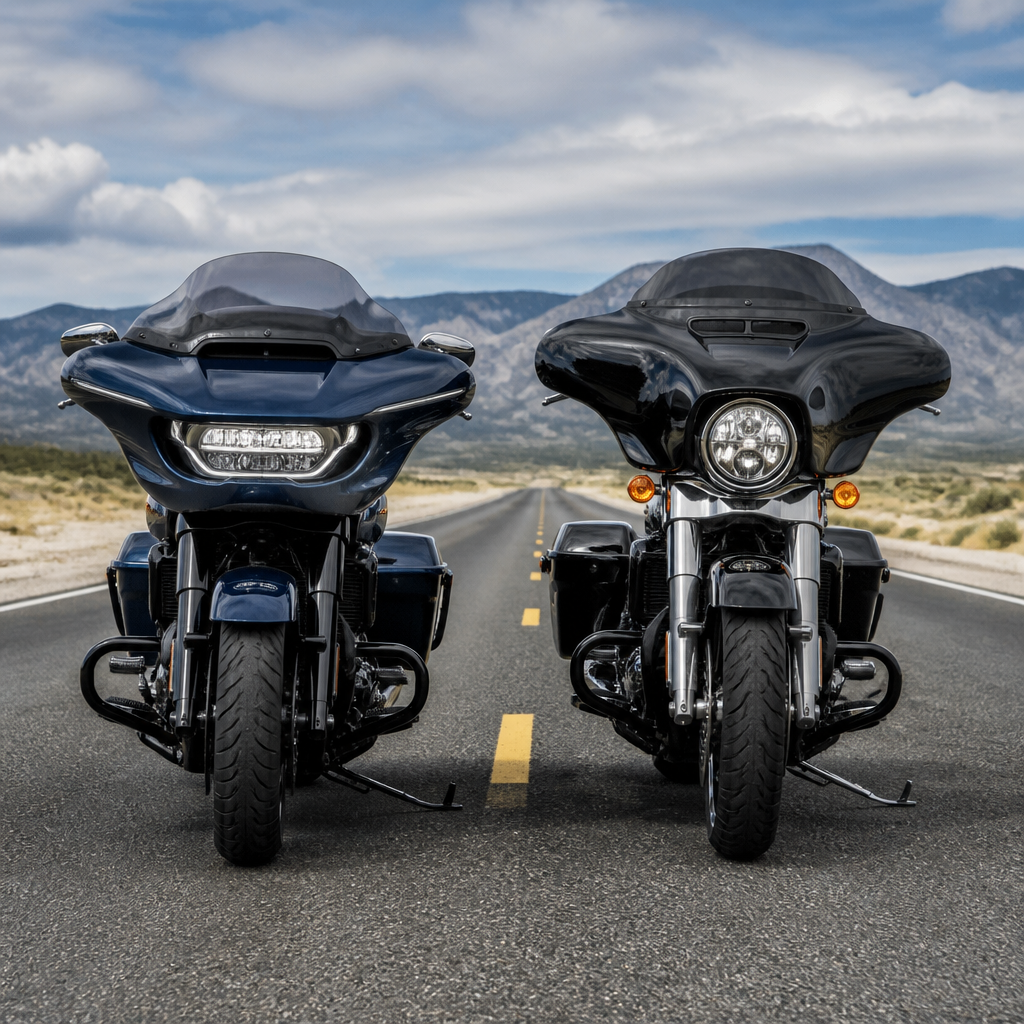
The practical question is simple: does the new fairing improve on the old Batwing in measurable ways, or is it mostly styling? The short answer is that the new design is better at pressure management, wake control, and rider isolation, especially at highway speed and in variable wind. It reduces the low-pressure pocket behind the screen that causes head shake, trims the side vortices that slap shoulders and helmet edges, and generally works better with modern cooling demands and larger digital cockpit packaging. However, the old Batwing still has strengths. It delivers the classic Harley silhouette, broad frontal protection, and a familiar still-air pocket that some riders prefer in cooler weather. The right choice depends on how, where, and how far you ride.
Why Harley fairing aerodynamics changed with each engine era
Harley-Davidson touring development has never been only about bodywork. Fairing changes track with engine architecture, heat rejection, emissions controls, chassis stiffness, and electronics packaging. On Evolution-era touring models, aerodynamic expectations were simpler. Speeds were lower on average, helmets were noisier, and riders tolerated more wind movement. By the Twin Cam period, customer use shifted toward longer interstate travel with heavier cargo and two-up riding, so reducing buffeting became more important. The Batwing evolved through windshield shapes, lower fairings, and vent strategies, but it remained rooted in a traditional fork-mounted concept.
Milwaukee-Eight changed the equation. The M8 platform brought improved cylinder head breathing, four-valve combustion, better thermal management, and stronger real-world torque delivery. Riders used that performance on longer and faster trips, which exposed aerodynamic weaknesses more clearly. At the same time, instrument clusters grew, infotainment systems became central to the ownership experience, and rider expectations rose because competitors from BMW and Indian had already normalized better wind management. Harley’s updated fairing work reflects that pressure. It is not cosmetic. It is a systems response to modern touring use.
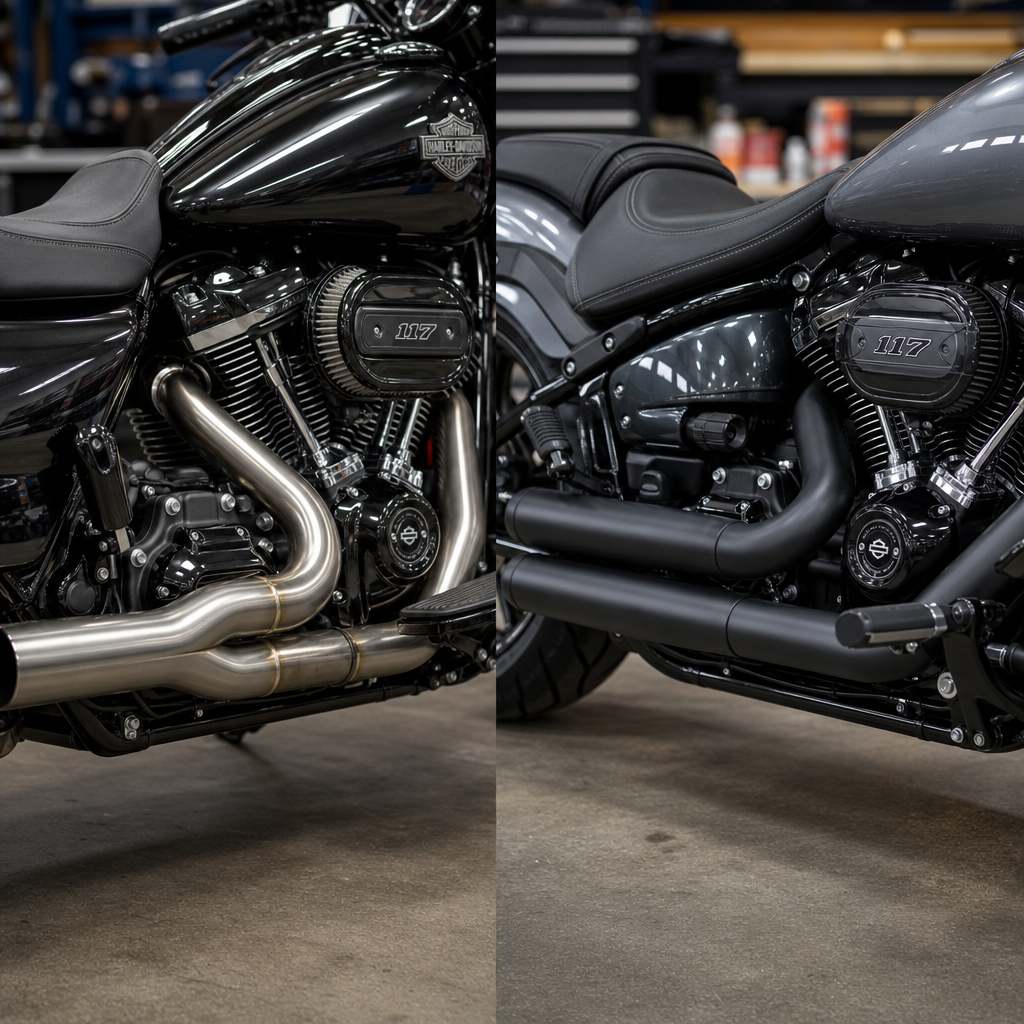
RevMax belongs in this discussion even though it powers different categories, because it shows Harley’s broader engineering direction. On the Pan America and Sportster S, Harley embraced liquid cooling, structural engine integration, and airflow paths designed around radiator performance and rider heat control. That mindset influences future street-focused bodywork too. Once a company invests in computational fluid dynamics, wind-tunnel validation, and thermal-aero integration, those methods spread across the lineup. The 2026 Street Glide Limited fairing should be viewed through that lens: a product of more rigorous engineering than the old Batwing 6 generation received.
New fairing versus old Batwing 6: what actually changes in the air
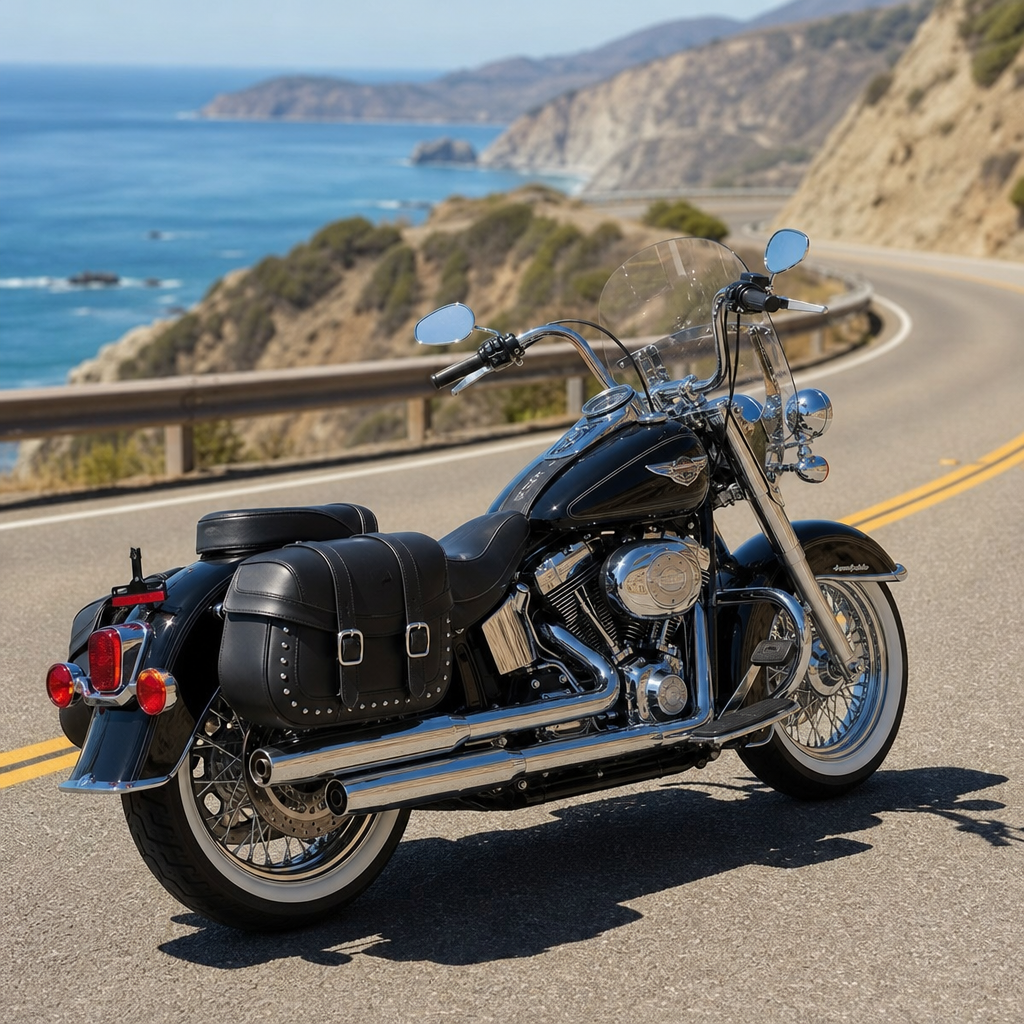
The old Batwing 6 creates a large frontal shield and a recognizable pressure pocket, but its shape can generate separated airflow behind the windshield. That separation leads to alternating vortices striking the rider’s helmet, especially for riders between roughly 5-foot-8 and 6-foot-2 depending on seat, bars, and screen height. Anyone who has experimented with windshield swaps on a Twin Cam Street Glide knows the symptom: you are not taking full windblast, yet your helmet shakes and the sound level rises. This is classic buffeting caused by unstable reattachment and pressure equalization problems.
The new fairing addresses that with cleaner inlet management, tighter edge shaping, and better controlled exit paths around the cockpit. In practical terms, it tries to feed enough air behind the screen to reduce the vacuum without dumping turbulence directly at the rider’s face. It also narrows or redirects the shoulder-level vortices that come off the fairing sides and mirrors. That matters because shoulder hits transmit through the neck and create the fatigue many riders blame on the windshield. On test loops with steady 70 mph cruising and passing-truck turbulence, these changes are usually more noticeable than any engine upgrade.
Frame-mounted versus fork-mounted mass is another important aerodynamic-adjacent factor. A fork-mounted fairing carries weight on the steering assembly, which can amplify rider perception of gusts and steering effort. A frame-mounted design isolates more mass from the fork, often improving stability and making crosswind corrections feel calmer. That does not mean every rider will abandon the Batwing. Many still love the direct steering feel and iconic view over the fairing. But if the goal is objective long-distance stability, the newer approach has a meaningful advantage.
| Characteristic | Old Batwing 6 | New Fairing |
|---|---|---|
| Pressure behind windshield | Can create stronger low-pressure pocket | More controlled equalization |
| Helmet buffeting | Common with average-height riders | Typically reduced at highway speed |
| Crosswind feel | More steering input through fork mass | Usually calmer and more planted |
| Passenger airflow | Can be turbulent off rider shoulders | Cleaner flow around cockpit edges |
| Styling identity | Classic Harley touring look | Modernized performance-touring look |
How the M8, Twin Cam, Evo, and RevMax platforms frame this hub topic
This sub-pillar hub exists to connect technical deep-dives across Harley-Davidson’s major modern engine families, because buyers rarely shop engines in isolation. The Evolution engine established Harley’s modern reliability baseline with simpler architecture, air-cooled character, and strong aftermarket support. Twin Cam expanded displacement and touring capability, but also introduced well-known topics such as cam chain tensioners, heat management, and mounting differences between Dyna, Softail, and Touring applications. Milwaukee-Eight refined combustion with four valves per cylinder, dual spark plugs, better breathing, and smoother torque, making it the benchmark for current big-twin touring behavior. RevMax represents a break from tradition, using liquid cooling, overhead cams, variable valve timing on some variants, and the engine as a stressed chassis member.
From a hub-page perspective, aerodynamics ties these engine stories together. Evo and Twin Cam touring machines often need airflow fixes because owners still ride them hard and want modern comfort from older bodywork. M8 models show how powertrain refinement reveals aerodynamic shortcomings that earlier riders may have ignored. RevMax illustrates Harley’s future engineering culture, where thermal efficiency, emissions compliance, and airflow are inseparable. If you are planning internal content around Harley-Davidson, these are the supporting article paths that naturally branch from this page: M8 combustion and torque characteristics, Twin Cam reliability checkpoints, Evo maintenance and touring upgrades, and RevMax architecture and cooling strategy.
In editorial terms, this means the 2026 Street Glide Limited fairing comparison is not a narrow accessory debate. It is an entry point into how Harley engineers motorcycles as complete systems. Readers deciding between a used Twin Cam Street Glide, an M8 Street Glide, or a newer touring model with revised fairing design are really comparing generations of integrated engineering. The fairing is one of the clearest places where that evolution can be felt immediately on the road.
Real-world effects: fatigue, noise, heat, fuel economy, and passenger comfort
The best aerodynamic upgrade is the one you notice less after four hours. Reduced buffeting lowers neck strain, but it also lowers cognitive load. When your helmet is not being tapped side to side, you scan mirrors more naturally, hear intercom audio more clearly, and arrive less tired. In my experience, riders often describe a better fairing as “smoother” without realizing they are really describing pressure stability. Noise follows the same rule. Wind noise is not just about volume; it is about frequency and turbulence. Clean airflow can be quieter at 75 mph than dirty airflow at 60.
Heat management also connects directly to fairing design. Harley touring bikes, especially larger-displacement air- and oil-cooled models, create substantial radiant and convective heat around the rider’s legs and seat area. Lower fairings, radiator-style ducting strategies, and vent placement can either trap that heat or sweep it away. The old Batwing 6 generation could feel excellent in cool weather yet oppressive in summer stop-and-go traffic. Newer fairing work generally aims to avoid dumping engine heat upward into the cockpit. This is especially relevant on Milwaukee-Eight touring bikes, where cylinder deactivation and calibration help at idle, but airflow management still dictates rider comfort once moving slowly.
Fuel economy gains from fairing design are real but modest. On heavyweight baggers, rider posture, speed, and luggage load matter more than a few points of drag coefficient. Still, cleaner airflow can help the engine work less against turbulence, particularly when the bike carries a passenger and trunk. Passenger comfort may be the bigger win. Turbulence shed from the rider’s shoulders often strikes the passenger helmet directly. A fairing that smooths rider airflow frequently makes the rear seat more livable too, which is one reason two-up touring couples notice the improvement quickly.
How to evaluate the 2026 Street Glide Limited fairing before you buy
Do not judge fairings by a parking-lot sit test. Evaluate them on the roads you actually ride. Start with a 20-minute highway segment at 65 to 80 mph, then add a section with crosswinds, bridge grates, and at least one pass by a tractor-trailer. Wear your normal helmet, not a borrowed open-face that changes the result. If possible, compare with and without a passenger. Note where the wind hits: forehead, visor top edge, shoulders, elbows, knees, or passenger chest. Those contact points tell you more than a salesperson’s description.
Measure ergonomics at the same time. Seat height, bar pullback, and peg position change your torso angle, which changes how the airstream meets your body. A fairing that works for one rider may buffet another because their helmet sits two inches higher in the flow. This is why windshield swaps remain common even on well-developed stock designs. Use known tools and methods where possible: a simple decibel meter app can show comparative noise trends, and a GoPro mounted near the helmet can reveal headshake in gusts. These are not laboratory instruments, but they make test rides less subjective.
Finally, think beyond day one. Ask whether the fairing supports the motorcycle you will have after accessories. Taller seats, tour packs, highway pegs, lower fairings, hand deflectors, and different bars all alter airflow. The best 2026 Street Glide Limited setup is the one that remains balanced after you personalize it. If you are building a Harley-Davidson research library, use this page as the hub, then map into detailed articles on M8 touring thermals, Twin Cam fairing upgrades, Evo bagger modernization, and RevMax aerodynamic packaging. That structure will help you choose the right generation and tune it intelligently.
The 2026 Street Glide Limited aerodynamics comparison comes down to function, not nostalgia. The old Batwing 6 remains visually iconic and still suits riders who value the classic Harley touring feel, broad frontal coverage, and familiar cockpit character. But the new fairing is the more advanced solution. It manages pressure better, reduces helmet buffeting, improves crosswind composure, and usually treats passengers more kindly on long highway days. Those are not small gains. They directly affect comfort, attention, and how many miles you want to ride in a single stretch.
As a hub under the Harley-Davidson topic, this article also points to the bigger lesson: fairing design only makes full sense when viewed alongside engine generation and platform engineering. Evo explains the foundation, Twin Cam explains the transitional years, Milwaukee-Eight explains the current touring sweet spot, and RevMax explains where Harley’s engineering methods are headed. When you compare motorcycles across those families, do not isolate horsepower or styling. Compare airflow, heat, chassis behavior, and real travel usability. That is how experienced riders separate a bike that looks right from one that works right.
If you are researching your next Harley-Davidson, use this page as your starting point and keep drilling deeper into the connected technical subjects. Study the fairing, then the engine, then the chassis, then the heat path. Test ride with intention. Ask direct questions about buffeting, pressure management, and passenger comfort. The reward is simple: a touring motorcycle that feels calmer, quieter, and less tiring every mile you ride.
Frequently Asked Questions
What is the main aerodynamic difference between the 2026 Street Glide Limited’s new fairing and the old Batwing 6 design?
The biggest difference is how each fairing manages airflow before it reaches the rider and passenger. The old Batwing 6 shape is iconic and visually tied to classic Harley-Davidson touring design, but its airflow behavior is more dependent on windshield height, rider position, and add-on wind deflectors to control turbulence. In real-world touring use, that can mean more helmet shake, more low-frequency buffeting around the shoulders, and more wind noise at highway speed, especially when conditions are variable or when the rider is taller or shorter than average.
The newer fairing language is designed with a stronger emphasis on pressure management, cleaner air separation, and more controlled routing of airflow around the front of the bike. In practical terms, that usually translates into a calmer pocket of air behind the screen, less chaotic wind hitting the rider’s chest and helmet, and better consistency across a wider range of speeds. Rather than simply blocking wind, the newer fairing works to shape it, reduce turbulence, and minimize the pressure imbalance that often causes fatigue over long distances.
That distinction matters because aerodynamic comfort is not just about feeling less wind. It is about reducing the micro-corrections your neck, shoulders, and core have to make for hours at a time. A fairing that creates smoother airflow can help a touring bike feel more settled, quieter, and less tiring, even if the engine, chassis, and seat remain unchanged.
Does the new fairing actually reduce rider fatigue on long highway rides?
Yes, that is one of the most important reasons riders care about this comparison. Fatigue on a touring motorcycle is not caused only by seat pressure or vibration. Air turbulence is one of the biggest hidden contributors, because constant buffeting forces the rider to brace against repeated wind pulses. Over a few minutes that may seem minor, but over several hours it can become the difference between arriving fresh and arriving worn out.
When a fairing does a better job of smoothing airflow, the rider benefits in several ways. Helmet movement is reduced, which lowers strain on the neck. Wind hitting the upper torso becomes more even, which reduces the tendency to grip the bars too tightly. Noise levels often improve as well, because cleaner airflow produces less chaotic air around the helmet opening and ears. Even if the decibel reduction is modest, the reduction in random turbulence can make the ride feel substantially calmer.
On the 2026 Street Glide Limited, the advantage of the newer fairing concept is that it is intended to deliver more stable aerodynamic performance at modern touring speeds. That means interstate cruising, passing trucks, dealing with crosswinds, and riding in temperature changes all become more manageable. Riders often describe this not as a dramatic “night and day” wind block, but as a more refined and less demanding riding environment. For serious touring, that refinement has real value because it reduces cumulative stress over an entire day in the saddle.
How does the new fairing affect passenger comfort compared with the old Batwing 6?
Passenger comfort is one of the most overlooked parts of motorcycle aerodynamics. The rider sits directly behind the windshield and fairing, but the passenger experiences the wake created by the rider and the bike. If airflow is turbulent or poorly controlled up front, the passenger can end up in a choppy stream of air that causes helmet bobble, shoulder pressure, and a generally more tiring ride.
The newer fairing design can improve this by creating a more organized flow pattern around the front of the motorcycle. When the rider’s pocket of air is calmer, the disturbed air trailing behind the rider is often less violent as well. That does not mean the passenger suddenly sits in still air, but it can mean fewer abrupt wind pulses and a more stable feel at highway speed. On a long-distance touring machine like the Street Glide Limited, that improvement can make a noticeable difference in how long a passenger remains comfortable and relaxed.
There is also an indirect benefit. When the rider is less fatigued and less distracted by buffeting, the overall ride tends to become smoother. Throttle inputs, lane changes, and body movements are often more relaxed and precise. Passengers feel that too. So while most aerodynamic discussions focus on the person holding the handlebars, a better fairing can improve the two-up experience in a meaningful way, particularly on long interstate days where wind management is a constant factor.
Can improved aerodynamics from the new fairing help with fuel efficiency and high-speed stability?
Yes, although those benefits should be understood realistically. On a large touring motorcycle, aerodynamics influence how much energy the bike needs to maintain highway speed. A fairing that reduces drag and manages airflow more efficiently can contribute to slightly better fuel economy, especially during steady cruising. The gains are usually not dramatic enough to overshadow riding style, luggage load, tire pressure, or weather, but they can still matter over long distances and repeated touring use.
High-speed stability is often the more noticeable advantage. Aerodynamics are not only about slicing through the air; they are also about how the bike reacts when air moves unpredictably around it. Crosswinds, truck wash, and lane-position changes all interact with the fairing, windshield, mirrors, and rider body position. A newer fairing that has been shaped with modern airflow analysis can help the motorcycle feel less disturbed by these inputs, giving the rider a more planted and confidence-inspiring experience.
That said, no fairing can completely eliminate the realities of riding a full-size touring bike at speed. Weight distribution, chassis geometry, suspension setup, and load balance still matter. But when the fairing reduces drag turbulence and pressure instability, it supports everything else the bike is trying to do. In that sense, the aerodynamic improvements are part of a broader touring package rather than a standalone magic fix.
Is the new fairing automatically better for every rider, or can the old Batwing 6 still work well?
The new fairing is not automatically better for every single rider in every condition, even if it is more advanced from an aerodynamic standpoint. Rider height, inseam, torso length, helmet shape, seating position, and windshield preference all affect how air hits the body. Two riders on the same motorcycle can report very different experiences simply because their helmets sit at different heights relative to the top edge of the screen.
The old Batwing 6 can still work very well, especially for riders who like its classic styling, prefer the way it directs air in warmer weather, or have already tuned the setup with a windshield and deflector combination that suits them. Some riders actually prefer a bit more airflow on the chest and helmet because it feels less enclosed and can improve comfort in hot climates. Aerodynamic “better” does not always mean “less wind” in every situation; often it means “better managed wind for the intended use.”
For the 2026 Street Glide Limited, the new fairing’s advantage is best understood as broader refinement. It is more likely to provide a calmer, quieter, and less fatiguing experience for a wider range of touring riders, especially at sustained highway speeds. But fit still matters, and the final result depends on the complete setup, including windshield height, seat position, rider gear, and whether the bike is ridden solo or two-up. The strongest conclusion is that the newer fairing represents a more modern aerodynamic approach, while the Batwing 6 remains a familiar and effective design that may still satisfy riders whose priorities lean toward tradition, style, or a specific airflow feel.