The Stage II torque cam recipe for the 2026 Harley-Davidson 117 VVT is the most practical path to stronger low-end acceleration, cleaner roll-on response, and a more usable touring powerband without turning the motorcycle into a high-rpm specialty build. In Harley-Davidson terms, a “Stage II” setup typically means a camshaft upgrade added to a Stage I foundation of improved intake flow, exhaust flow, and calibration. On the 2026 117 Variable Valve Timing platform, that simple description needs refinement, because cam selection now interacts with valve timing control, ride modes, throttle mapping, thermal limits, gearing feel, rider triangle, and the weight the bike actually carries on the road. When riders ask how to maximize low-end, they are usually asking for three things at once: more torque just off idle, less need to downshift in traffic or on grades, and stronger passing power between roughly 2,000 and 4,000 rpm. Those goals are realistic, but only when the build is treated as a complete recipe rather than a single parts swap.
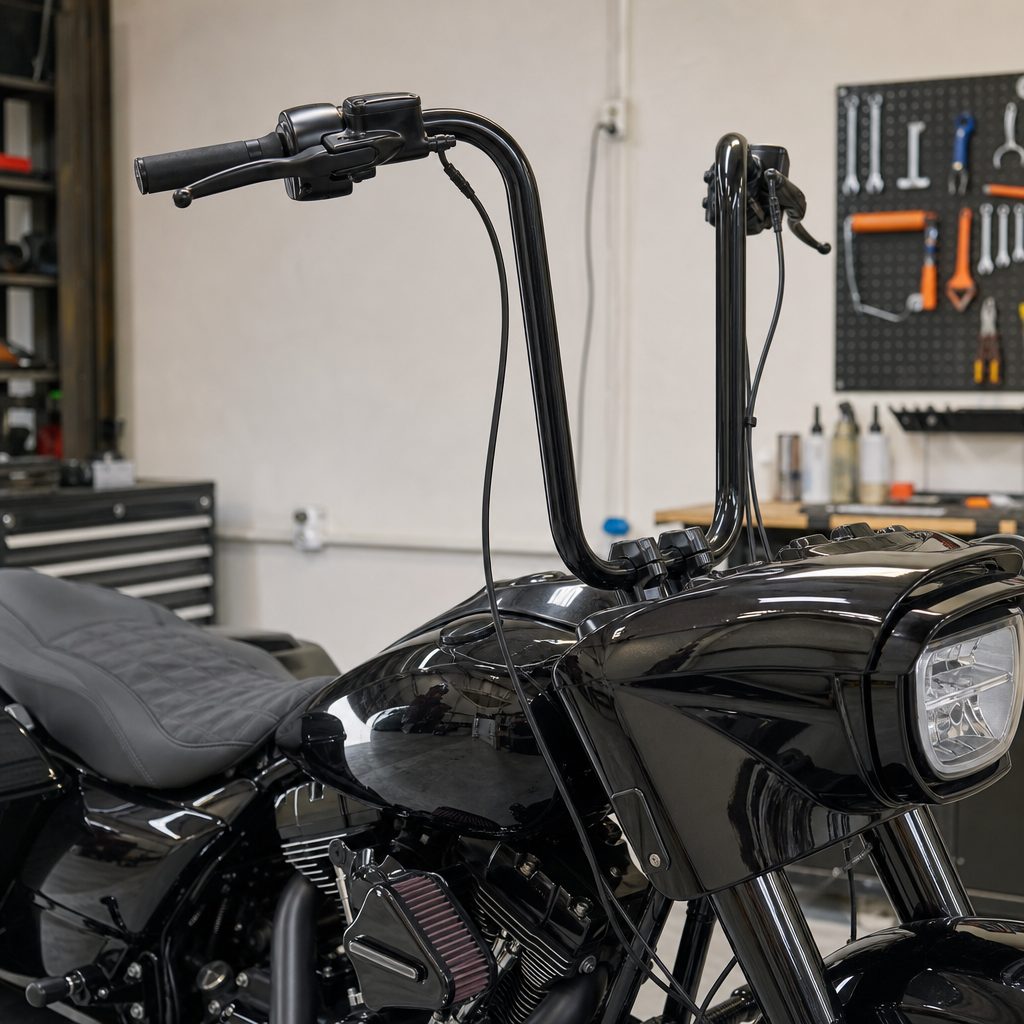
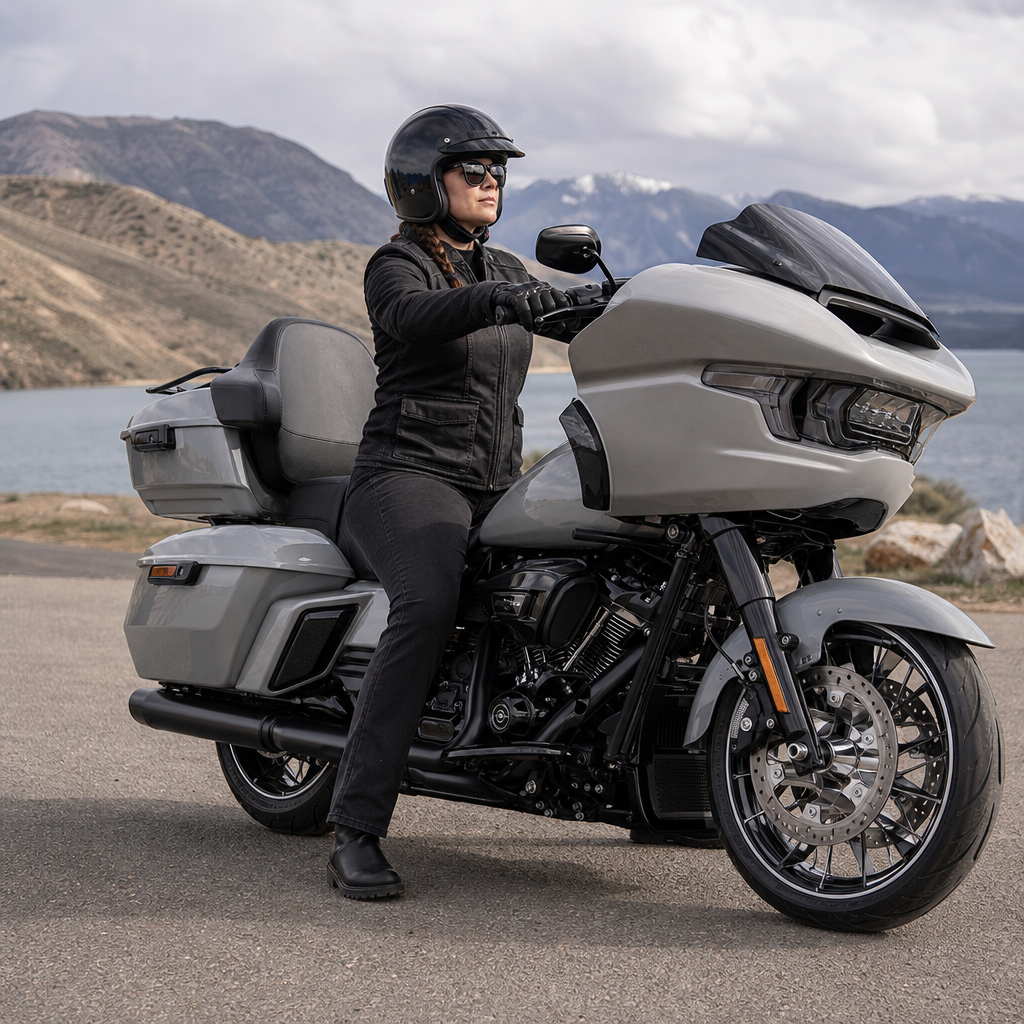
I have tuned big-inch Harley touring and cruiser combinations long enough to see the same mistake repeated: owners choose a cam from peak horsepower marketing, then try to solve softness down low with louder exhaust, taller expectations, or endless map revisions. A genuine torque recipe starts with how and where the bike is ridden. A Road Glide carrying a passenger, tour pack, and highway pegs needs a different emphasis than a lighter Street Glide ridden solo in rolling backroads, and both differ from a Low Rider ST used for aggressive two-lane work. Ergonomics matter because rider position changes how a motorcycle delivers performance in practice. Bar reach, seat shape, floorboard placement, and wind management all affect how confidently a rider loads the chassis and uses early torque. This hub article explains how to build the 2026 117 VVT for low-end performance while keeping the conversation anchored in model-specific ergonomics, reliability, and realistic road use.
At the center of this topic is the idea of a recipe. A recipe is not just a list of parts. It is a matched combination of cam timing intent, compression behavior, intake and exhaust characteristics, calibration strategy, clutch feel, gearing perception, and rider fit. The reason this matters is simple: the 2026 117 VVT engine already has a broad baseline, so gains are won by improving cylinder filling where the bike spends most of its time, not by chasing dyno-sheet headlines at the top of the rev range. For riders researching Harley-Davidson model-specific ergonomics and performance recipes, this page serves as the hub: it lays out the low-end Stage II framework, defines the tradeoffs, and points to the factors that should shape every model-specific follow-up article in this subtopic.
What a Stage II torque cam does on the 2026 117 VVT
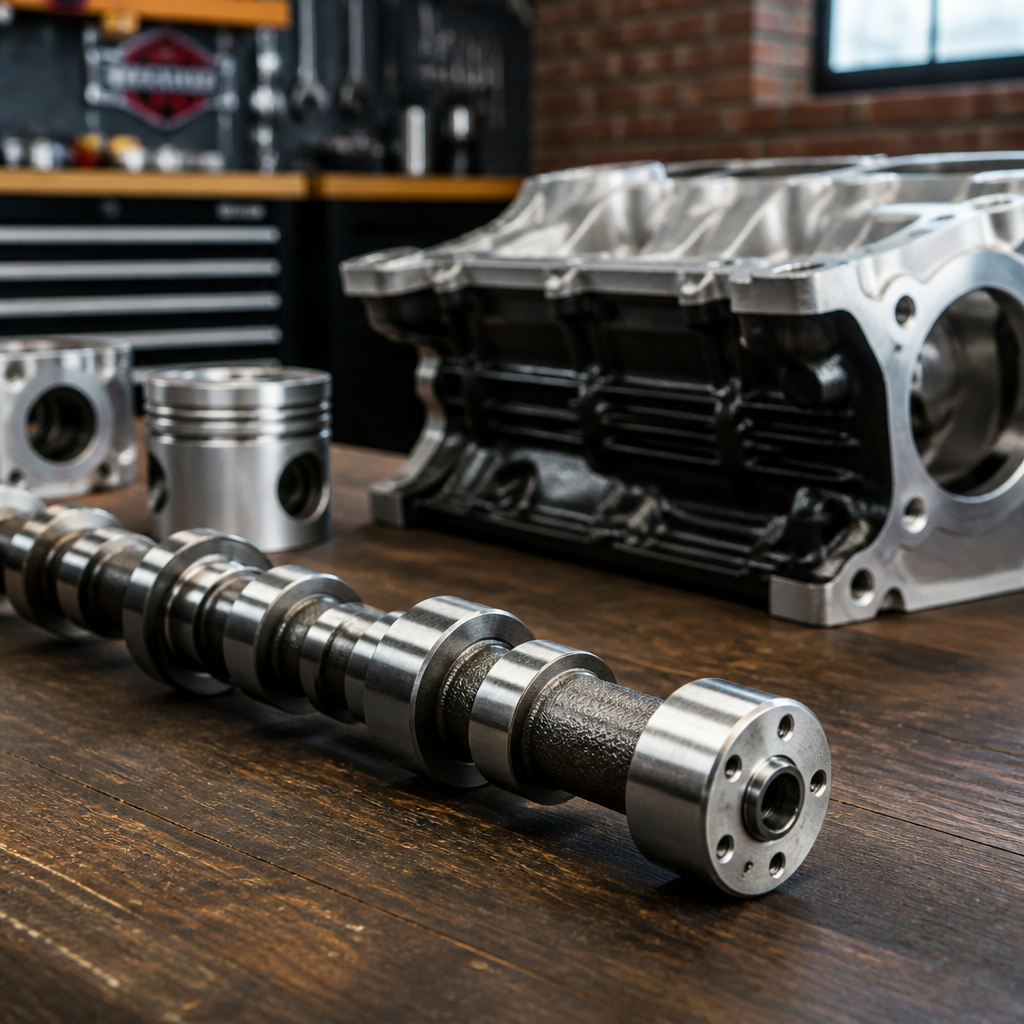
A torque cam changes the timing events that control how the engine traps air and fuel at lower engine speeds. In plain terms, the right cam closes the intake valve early enough to build effective cylinder pressure sooner, limits overlap that can dilute low-rpm efficiency, and supports strong combustion in the rev range where heavy Harley-Davidson models live. On a 117 VVT engine, variable valve timing broadens the usable range by adjusting cam phasing across operating conditions, but it does not erase the base character of the cam grind. The lobe design, lift curve, duration, and lobe separation still determine whether the engine feels immediate and muscular at 2,200 rpm or lazy until 3,500 rpm. That is why a Stage II torque cam recipe remains relevant even on a variable timing platform.
The real-world benefit is most obvious in top-gear roll-ons and stop-and-go riding. Instead of needing a downshift to pass a truck or crest a grade with luggage, the bike responds with less throttle opening and less delay. That improvement also reduces heat load generated by repeated high-throttle, low-gear bursts, because the engine does not need to be worked as hard to move the same mass. Riders often describe this as the motorcycle feeling “lighter,” but the mechanism is torque production, not actual weight reduction. If the tune is correct, throttle transitions become cleaner, part-throttle combustion steadier, and engine braking more predictable. Those are street gains, not brochure gains, and they are the reason torque-focused Stage II builds remain the default recommendation for most touring riders.
The complete low-end recipe: parts, calibration, and airflow
A proper recipe begins with a proven Stage I foundation. That means a high-flow air cleaner with adequate filtration area, an exhaust system that preserves gas velocity instead of simply maximizing sound, and calibration support from a reputable tuning solution. On current Harley platforms, owners commonly use Screamin’ Eagle calibration paths where legal and available, while independent shops may work with tools such as Dynojet Power Vision, TTS MasterTune where supported, or direct ECU strategies depending on platform access. The important principle is not brand loyalty; it is that spark, fueling, throttle progression, torque management, idle behavior, and VVT control logic must be aligned with the cam. Installing a torque cam without recalibration wastes much of the gain and can create drivability complaints that riders incorrectly blame on the hardware.
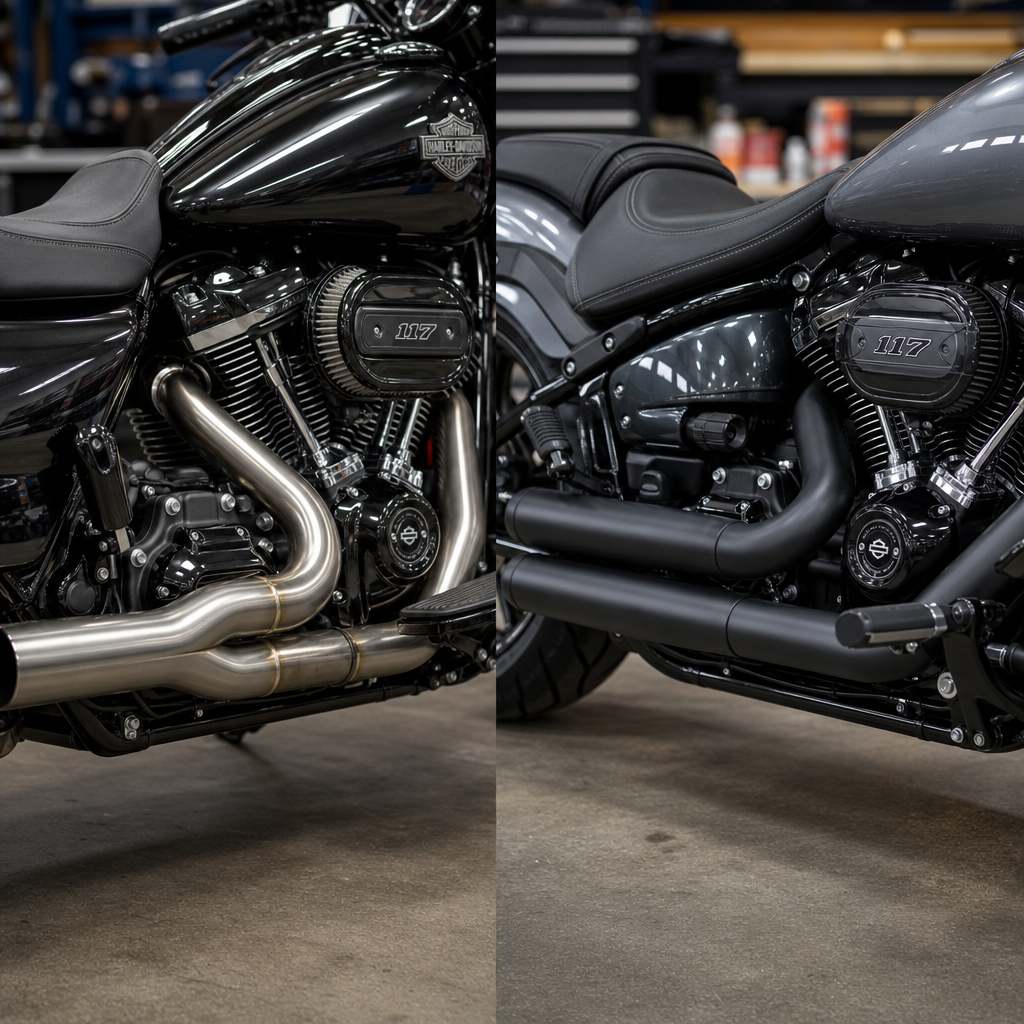
Exhaust choice is where many low-end builds go wrong. Very open systems can reduce the pressure-wave behavior that helps scavenging and midrange response in the rpm band most riders use. A well-designed 2-into-1 often supports stronger low-end and midrange than short, minimally baffled duals, especially on heavier motorcycles. That does not mean every 2-into-1 is automatically better; primary length, collector design, and muffler core matter. Intake parts also need perspective. A large filter element with smooth entry flow helps, but once the engine has enough intake capacity for the target rpm, the tune and cam dominate the street result. The best recipe is balanced: enough airflow to support the cam, not so much emphasis on peak flow that mixture quality and velocity suffer where the bike actually operates.
| Recipe Element | Low-End Priority | What to Look For | Common Mistake |
|---|---|---|---|
| Camshaft | High | Early torque bias, moderate duration, strong 2,000–4,000 rpm focus | Choosing a top-end cam from horsepower advertising |
| Exhaust | High | Efficient 2-into-1 or well-matched touring system with good scavenging | Using an overly open pipe that softens response |
| Air Cleaner | Medium | Stable airflow and adequate filtration | Assuming larger always means faster on the street |
| Calibration | Critical | Correct fueling, spark, throttle, and VVT behavior | Running a canned map without verification |
| Ergonomics | High | Seat, bars, boards, and controls matched to rider use | Ignoring fit and blaming performance alone |
Model-specific ergonomics and why they belong in a performance hub
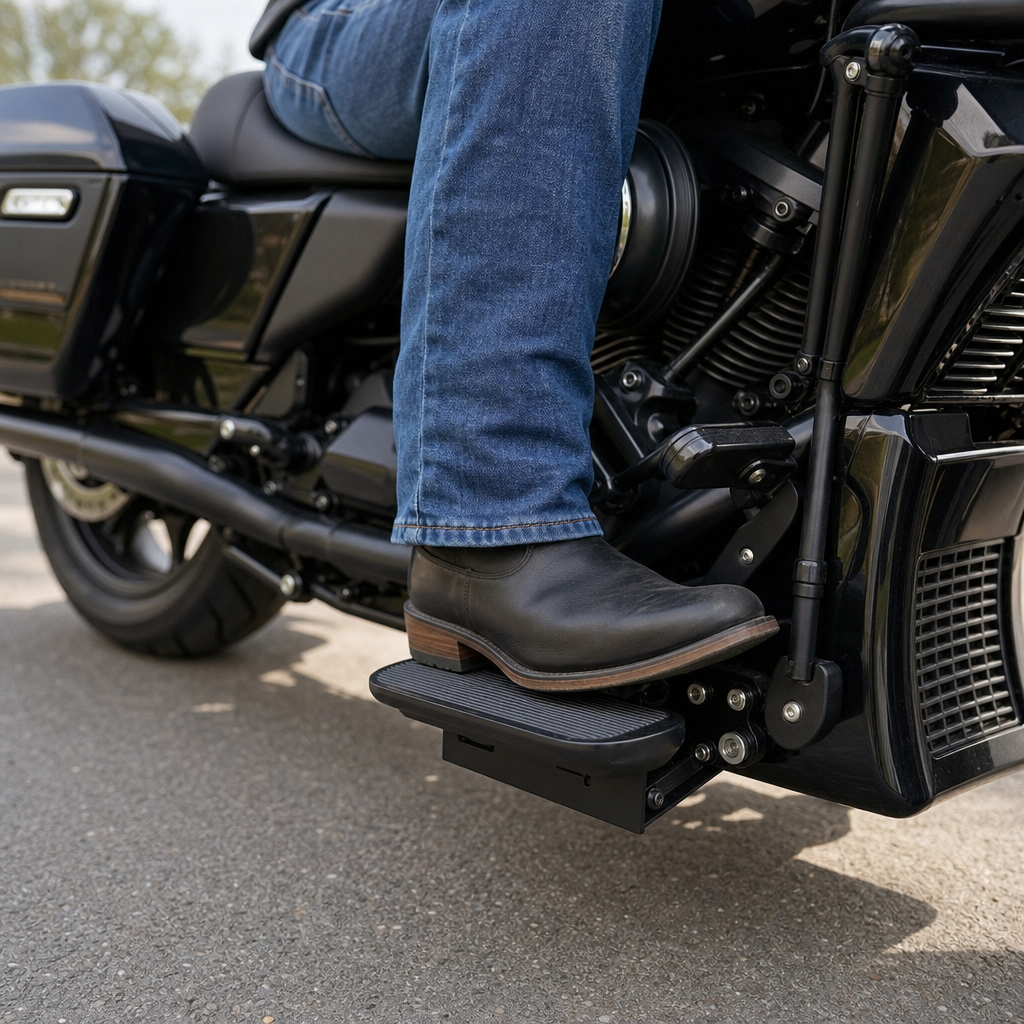
Performance recipes for Harley-Davidson motorcycles cannot be separated from ergonomics because the rider is part of the system. On baggers and performance cruisers, I routinely see the same engine setup feel excellent for one owner and disappointing for another, simply because body position changes leverage, confidence, and how often the rider accesses the useful part of the torque curve. A seat that locks the rider too far back can make the front end feel remote during low-speed throttle pickup. Bars with excessive reach can cause riders to roll on abruptly, then blame abruptness on tune quality. Floorboards or mids set too high or too far forward affect how well the rider braces during acceleration. When the goal is maximizing low-end, confidence in that first half-turn of the throttle matters as much as the dyno result.
This hub covers the full subtopic because each model carries its own ergonomic context. A Road Glide’s frame-mounted fairing alters steering inputs and rider perception under roll-on acceleration. A Street Glide’s batwing and seating relationship can make small changes in bar rise or seat foam reshape the whole riding posture. On a Low Rider ST, mid controls and a more engaged torso position let the rider exploit torque earlier and more aggressively. Even among touring models, passenger load, saddlebag weight, and windshield setup influence how the engine feels off the bottom. A good model-specific recipe therefore pairs the cam and tune with practical fitment advice: seat pocket location, handlebar bend, control reach, boot-to-board interaction, and suspension sag. That is why this page acts as a hub rather than a narrow cam article.
How the 117 VVT responds in touring versus performance-cruiser applications
The 117 VVT behaves differently depending on platform mass, gearing feel, intake tract packaging, and intended use. In a heavier touring chassis, low-end optimization should emphasize immediate torque at modest rpm, smooth throttle transitions, and heat control during loaded travel. The rider often wants the motorcycle to hold top gear on gentle grades, pass without drama, and remain composed in hot weather or slow traffic. In that context, a torque cam with moderate lift and conservative duration is usually superior to a more aggressive grind, even if the latter posts a higher peak number. The heavier the bike and the more often it carries a passenger, the more valuable early cylinder pressure becomes.
In a performance-cruiser application such as a Low Rider ST or similar setup, the same 117 VVT can accept a slightly broader cam if the rider regularly keeps the engine in the meat of the powerband and values harder acceleration through the midrange. Even then, the best street recipes still favor area under the curve over peak output. On backroads, the motorcycle that pulls cleanly from corner exit at 2,500 rpm is usually faster and easier to ride than the one that wakes up late. The difference is magnified when tire choice, suspension setup, and rider posture encourage earlier throttle application. Put plainly, the right Stage II torque recipe should feel stronger everywhere you actually ride, not just in a single dyno window or a full-throttle third-gear pull.
Tuning strategy, fuel quality, and reliability boundaries
No torque cam recipe is complete until the calibration is verified under real operating conditions. A competent tune addresses volumetric efficiency, spark advance, air-fuel targets, idle control, decel behavior, throttle mapping, and any accessible torque-model logic that influences delivery. On modern Harley systems, knock sensitivity, exhaust gas temperature, and component protection strategies matter. If the engine sees poor fuel, excessive heat soak, or sustained heavy load, an aggressive spark map can erase the drivability benefit the cam was meant to create. For most riders, the right answer is not maximum spark or the leanest cruise target; it is stable combustion, repeatable response, and margins that survive summer traffic, altitude changes, and varying fuel quality.
Reliability boundaries are equally important. A low-end Stage II build should start quickly, idle consistently, and avoid unnecessary valvetrain stress. That means using matched components, checking pushrod geometry where applicable, verifying oiling expectations, and following proper break-in and service intervals. It also means being honest about noise, emissions legality, warranty implications, and local regulations. A street recipe that constantly chases check-engine lights, clutch complaints, or heat discomfort is not a successful recipe. The strongest builds I have seen are not exotic. They are coherent. Every component supports the intended rpm band, and every compromise is chosen deliberately rather than discovered after money is spent.
How to choose the right recipe for your Harley-Davidson model
Start with three questions. First, what model are you building, and what is its real operating weight with your usual luggage, accessories, and passenger load? Second, where does the bike spend most of its time: urban traffic, interstate touring, mountain two-lanes, or mixed weekend riding? Third, what do you actually want to improve: launch feel, roll-on passing, reduced shifting, cooler operation, or a stronger midrange after 70 mph? Those answers determine the right cam bias, exhaust type, seat and bar adjustments, and tuning priorities. Riders who answer honestly almost always land on a milder, more torque-focused combination than they first imagined.
For the 2026 117 VVT, the central takeaway is clear. If your goal is maximizing low-end, build around a torque cam that complements the VVT system, pair it with a sensible airflow package, and insist on calibration that is validated rather than assumed. Then finish the job by matching ergonomics to how you ride, because usable torque depends on control as much as output. As the hub for Harley-Davidson model-specific ergonomics and performance recipes, this page gives you the framework to evaluate every follow-up article in the cluster: model, load, posture, airflow, tune, and intended rpm band. Use that framework before you buy parts, and you will end up with a motorcycle that feels stronger, smoother, and better tailored to the road you actually ride.
Frequently Asked Questions
What does a Stage II torque cam recipe actually mean on the 2026 117 VVT?
On the 2026 Harley-Davidson 117 VVT, a Stage II torque cam recipe means building on a proper Stage I foundation and then adding a camshaft chosen specifically to increase cylinder fill and torque production in the lower and middle part of the rpm range. In practical terms, Stage I usually includes a freer-flowing intake, a less restrictive exhaust, and a calibration that matches those parts. Stage II adds the cam upgrade, but on a Variable Valve Timing platform, the cam choice and tuning strategy matter even more because the engine already has broader flexibility than earlier fixed-timing Milwaukee-Eight combinations.
The goal is not to create a dyno-sheet hero that only feels impressive near redline. The goal is to make the motorcycle stronger where touring and street riders actually use it: pulling away from a stop, rolling on in top gear, climbing grades with luggage or a passenger, and accelerating cleanly without repeated downshifts. A well-matched torque cam recipe improves low-end response, builds a fatter midrange, and keeps the bike easy to ride in real-world conditions. That is why it is widely seen as the most practical performance step for riders who want meaningful gains without sacrificing everyday manners.
On the 117 VVT platform, “recipe” is the key word. The cam is the centerpiece, but the best results come from treating the intake, exhaust, valve timing behavior, fuel and spark calibration, and rider expectations as one package. When those elements are matched correctly, the motorcycle feels more immediate and more effortless rather than simply louder or peakier.
Why is a torque-focused cam usually a better choice than a high-rpm cam for touring and street use?
A torque-focused cam is usually the better choice because most street and touring riding happens in the low-to-mid rpm range, not at the top of the tachometer. Riders spend far more time rolling on from 2,000 to 4,500 rpm than they do chasing maximum horsepower near redline. A cam designed for torque improves the exact parts of the powerband that affect how the bike feels day to day. That means better launch, stronger passing power, less need to slip the clutch, and more authority when accelerating in taller gears.
With a high-rpm-oriented cam, the engine may make a bigger peak horsepower number, but that often comes with tradeoffs. The motorcycle can feel softer below the midrange, require more revs to come alive, and become less relaxed in common riding situations. For a dedicated performance build, that compromise may be acceptable. For a bagger, cruiser, or touring motorcycle expected to carry weight, cover distance, and remain comfortable in traffic or on the highway, it is usually not the smartest match.
The 2026 117 VVT engine makes this even more important because the platform already has the ability to broaden usable power through valve timing control. A well-chosen torque cam works with that character instead of fighting it. The result is an engine that feels fuller, smoother, and more responsive over a wide spread of rpm. That broad, easy power is what most riders actually notice and appreciate every time they ride.
What parts and tuning changes should be included in a complete Stage II torque cam setup?
A complete Stage II torque cam setup should include more than just the camshaft itself. At minimum, you want a proven intake, a compatible exhaust system, and a calibration designed specifically for the 2026 117 VVT combination you are running. The tune is critical because the engine’s fueling, ignition timing, throttle behavior, and variable valve timing strategy all influence whether the build feels crisp and strong or merely different. On modern Harley-Davidson platforms, tuning is not an afterthought. It is a major part of the package.
You should also think in terms of component compatibility. Not every exhaust supports low-end torque equally well. Some systems are optimized for peak flow and upper-rpm horsepower, while others preserve exhaust velocity and scavenging that help the engine respond better down low. The same applies to the intake side. A part that looks aggressive on paper is not automatically the best match for a torque-centered build. The best setup is the one that complements the cam’s intended operating range.
Depending on the exact cam profile, supporting hardware such as lifters, pushrods, springs, gaskets, bearings, or related valvetrain parts may also be part of a proper installation plan. Even if some components can technically be reused, many experienced builders prefer to evaluate wear items carefully and replace what makes sense while the engine is open. That approach can improve reliability and reduce the chance of having to revisit labor later.
Finally, the tuner or shop matters just as much as the parts list. A strong Stage II build on a VVT engine should idle well, start cleanly, pull smoothly through the lower range, and deliver repeatable performance under heat and load. If the motorcycle surges, feels lazy off idle, or develops an uneven transition as rpm climbs, the recipe is not fully sorted yet. The complete setup is successful when the bike feels naturally stronger everywhere you expect to use it most.
How much improvement can riders realistically expect from a Stage II torque cam on the 2026 117 VVT?
Riders should think in terms of usable performance improvement rather than obsessing over a single peak number. On a Stage II torque cam build, the biggest gains are usually felt in how quickly the engine responds, how much harder it pulls through the lower and middle rpm bands, and how much less effort it takes to move the motorcycle with authority. The bike may leave a stop with less hesitation, pass more confidently in a taller gear, and maintain speed on inclines with less throttle input. Those changes often matter more in the real world than a headline horsepower figure.
Actual results vary based on the specific cam profile, the intake and exhaust combination, the quality of the tune, fuel quality, elevation, and whether the bike is a lighter cruiser or a heavier fully dressed touring model. Even so, a well-executed torque-oriented package generally delivers a more noticeable seat-of-the-pants improvement than many riders expect, especially if they are coming from a stock cam with only Stage I changes. The difference is often described not as dramatic in one narrow area, but as stronger and more effortless everywhere that matters.
It is also important to set expectations correctly. A torque cam recipe is designed to improve broad rideability, not to transform the 117 VVT into a peaky race engine. If the rider’s priority is canyon carving at high rpm, competitive acceleration events, or chasing the largest possible peak horsepower number, a different cam strategy may make more sense. But if the priority is real-world acceleration, cleaner roll-on, and better loaded touring behavior, a Stage II torque setup is often one of the highest-value upgrades available for the platform.
Will a Stage II torque cam hurt reliability, comfort, or everyday rideability on the 2026 117 VVT?
When the parts are well matched and the tuning is done correctly, a Stage II torque cam should not hurt everyday rideability. In fact, for many riders it improves it. The motorcycle often becomes easier to ride because it responds more immediately at lower rpm, requires fewer downshifts, and feels less strained under passenger or luggage loads. That kind of broad, accessible power typically makes the bike more pleasant in traffic, more capable on back roads, and more relaxed on the highway.
Reliability depends heavily on build quality, installation standards, and whether the overall combination stays within sensible limits. A conservative torque-focused cam is generally a more practical choice than an aggressive high-rpm cam because it does not ask the engine to live in the upper rev range all the time to access its benefits. Still, reliability is never just about the camshaft. Proper clearances, correct installation procedures, quality supporting parts, and a safe calibration all play major roles. Choosing a reputable shop with real experience on the 117 VVT platform is one of the best ways to protect long-term durability.
Comfort is also usually preserved, especially compared with more radical builds. Because the power comes in sooner and carries more evenly, the bike tends to feel smoother and more cooperative in normal operation. You are not constantly waiting for rpm to build before the engine starts working. That makes the motorcycle feel more natural and more in sync with how big-inch Harley touring and street machines are actually ridden. For most owners, that is the entire point: stronger low-end and midrange performance without giving up the dependable, usable character that makes the platform enjoyable in the first place.