The 2016 Heritage Classic sits at a very specific point in Harley-Davidson history: it is the final Heritage Softail built in the counterbalanced Twin Cam Softail era before the platform changed completely. For buyers shopping used Harley-Davidson models from 1990 through 2034, that makes this motorcycle more than a single-year curiosity. It is a reference point for understanding how Harley touring comfort, classic styling, rubber-mounted feel, and pre-Milwaukee-Eight mechanical character evolved across decades. If you want one hub article that explains where the 2016 Heritage Classic fits, what to inspect, how it rides, and which nearby model years deserve comparison, this is the place to start.
In used buyer guide terms, a hub article should do three things clearly. First, it defines the machine itself: on this bike, that means the FLSTC Heritage Softail Classic, powered by the High Output Twin Cam 103B, where the B denotes the internal counterbalancer system used on rigid-mounted Softails. Second, it explains why one year matters within a larger production arc. Third, it links the shopper mentally to adjacent eras: Evo Softails of the 1990s, Twin Cam Softails through 2017, the Milwaukee-Eight Softail redesign from 2018 onward, and the long-range realities of buying, maintaining, and valuing Harley-Davidson cruisers well into 2034.
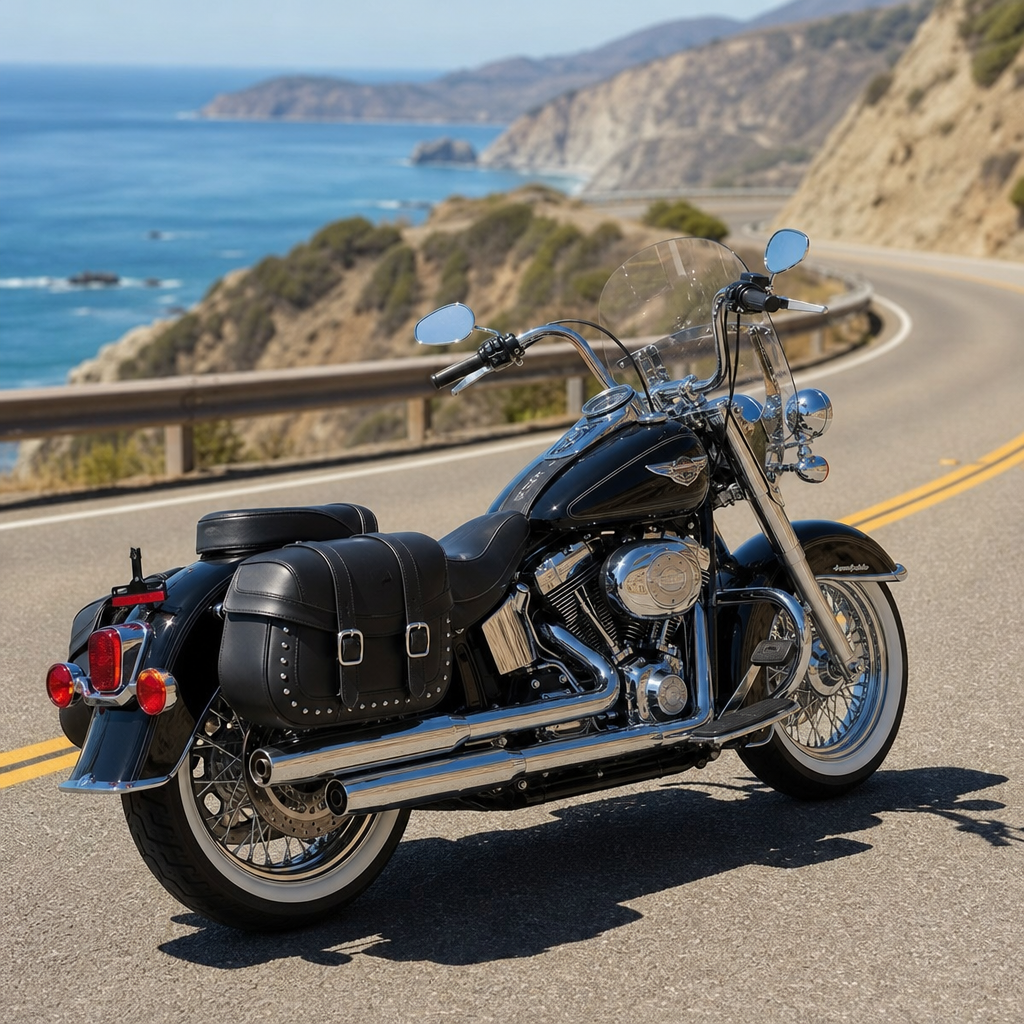
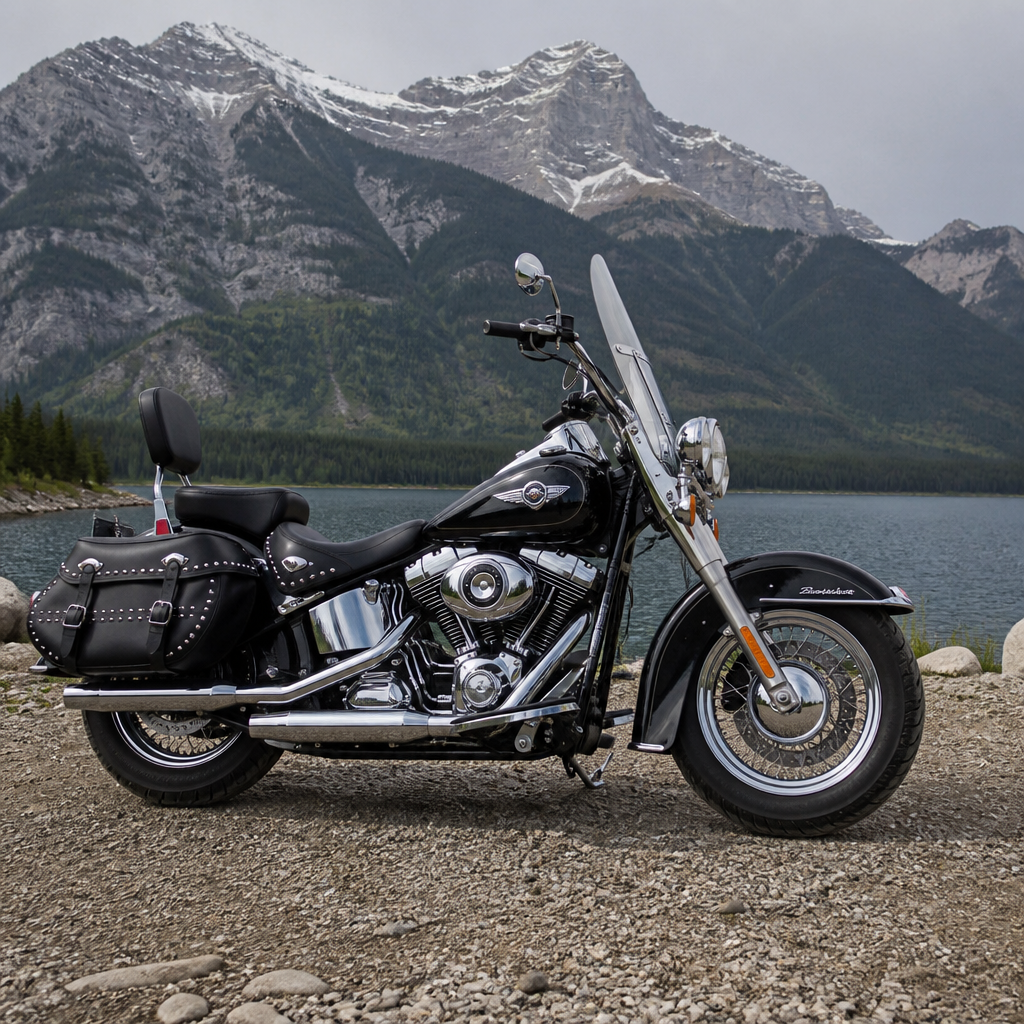
I have worked through enough used Harley inspections to know that model-year boundaries often matter more than brochure trim. The 2016 Heritage Classic matters because it combines mature Twin Cam Softail engineering with old-school Heritage cues: full valanced fenders, leather-look saddlebags, studded trim, floorboards, a removable windshield, and a low, easy-reach riding position. It also arrived after Harley’s High Output revisions, cruise-control availability in the family, stronger braking expectations, and years of dealer familiarity with the Twin Cam platform. For many riders, it represents the sweet spot between traditional Harley feel and everyday usability without the larger physical scale of a full Touring model.
The phrase “last year of the Softail counterbalancer era” needs one clarification. The 2016 Heritage Classic was the last Heritage Classic before Harley replaced the entire Softail chassis and engine architecture for 2018. The 2017 model still belonged to the outgoing Twin Cam B-powered family, so 2016 is not literally the final counterbalanced Softail ever sold. What it is, and why shoppers search for it specifically, is the final pre-updated Heritage year before Harley made buyers choose between nostalgia and an all-new Softail platform. That distinction matters when pricing used bikes, reading owner reports, and deciding whether you want proven old hardware or newer design.
Where the 2016 Heritage Classic fits in Harley-Davidson’s used-buy timeline
For a sub-pillar covering used buyer guides from 1990 to 2034, the cleanest way to position this motorcycle is by generation. From roughly 1990 to 1999, Heritage Softails used the Evolution engine and represent the classic analog baseline: simpler fueling on carbureted examples, lighter electronics, and strong enthusiast support. From 2000 to 2006, Twin Cam Softails arrived with the counterbalanced B motor and better highway composure than rigid old big twins could offer. From 2007 to 2017, six-speed Cruise Drive transmissions and later High Output tuning improved real-world performance. From 2018 forward, the Milwaukee-Eight Softail redesign changed the frame, suspension, stiffness, and engine character enough that it feels like a separate family.
The 2016 model lands near the end of the most fully developed version of the old formula. It uses electronic sequential port fuel injection, anti-lock brakes as optional or commonly equipped depending on market and original specification, a 103 cubic-inch engine, and chassis geometry familiar to any rider coming from other Softails. In practical buyer-guide language, it is late enough to benefit from years of incremental refinements, but early enough to preserve the visual and mechanical identity many buyers specifically seek when they search for a Heritage Classic instead of a Heritage Classic 114.
This matters to buyers building a comparison shortlist. Someone cross-shopping a 1998 Heritage, a 2006 Heritage, a 2016 Heritage, and a 2020 Heritage Classic is not merely comparing age and mileage. They are comparing four different ownership experiences: carbureted Evo simplicity, early Twin Cam B modernization, mature pre-redesign Twin Cam refinement, and post-2018 Softail capability. The 2016 bike frequently wins when the buyer wants old-school appearance, broad parts availability, dealer familiarity, and a lower buy-in than a newer Milwaukee-Eight machine while avoiding the oldest-bike compromises in charging systems, brakes, and chassis feel.
Engine, drivetrain, and what “counterbalanced” means for ownership
The heart of the 2016 Heritage Classic is the air-cooled High Output Twin Cam 103B, displacing 1,690 cc. The counterbalancers inside the engine are there because Softail models mount the powertrain rigidly in the frame rather than using the rubber-mount strategy found on Harley Touring models like the Road King. In plain terms, the balancers reduce the harshness that a large-displacement V-twin would otherwise transmit directly to the rider. You still get pulse, idle shake, and unmistakable Harley cadence, but at cruising speed the bike feels calmer than many people expect from a rigid-mounted big twin.
For used buyers, this engine has a known personality. It makes useful low-end torque, pulls cleanly from low rpm, and suits two-lane riding better than spec-sheet chasing. The six-speed Cruise Drive transmission keeps highway revs relaxed, and the final-drive belt is durable when aligned and maintained correctly. Fuel injection on 2016 models typically means easier cold starts and less seasonal drama than carbureted earlier bikes. In shops, these late Twin Cam Softails are generally straightforward to service because independent mechanics and dealers have seen thousands of them.
Reliability is good, but not magical. Cam chain tensioner concerns are more associated with earlier Twin Cam designs, and by 2016 the platform had matured substantially, yet no used Harley should be bought on reputation alone. Listen for top-end noise beyond normal mechanical clatter, verify charging voltage, inspect for oil leaks around rocker boxes and primary covers, and confirm smooth clutch take-up and positive shifting. A healthy Twin Cam 103B should idle with confidence, accelerate without flat spots, and leave no doubt that basic maintenance was performed on schedule.
| Era | Typical Heritage engine | Buyer advantage | Main tradeoff |
|---|---|---|---|
| 1990s | Evolution 1340 | Mechanical simplicity and classic feel | Older brakes, older electrics, carb tuning |
| 2000–2006 | Twin Cam 88B | Counterbalanced Softail comfort improvement | Earlier Twin Cam design concerns |
| 2007–2017 | Twin Cam 96B or 103B | Six-speed gearbox and mature platform | Heavier feel than newer Softails |
| 2018 onward | Milwaukee-Eight 107 or 114 | Better chassis, suspension, and power | Higher prices, less old-school character |
Ride quality, chassis behavior, and real-world comfort
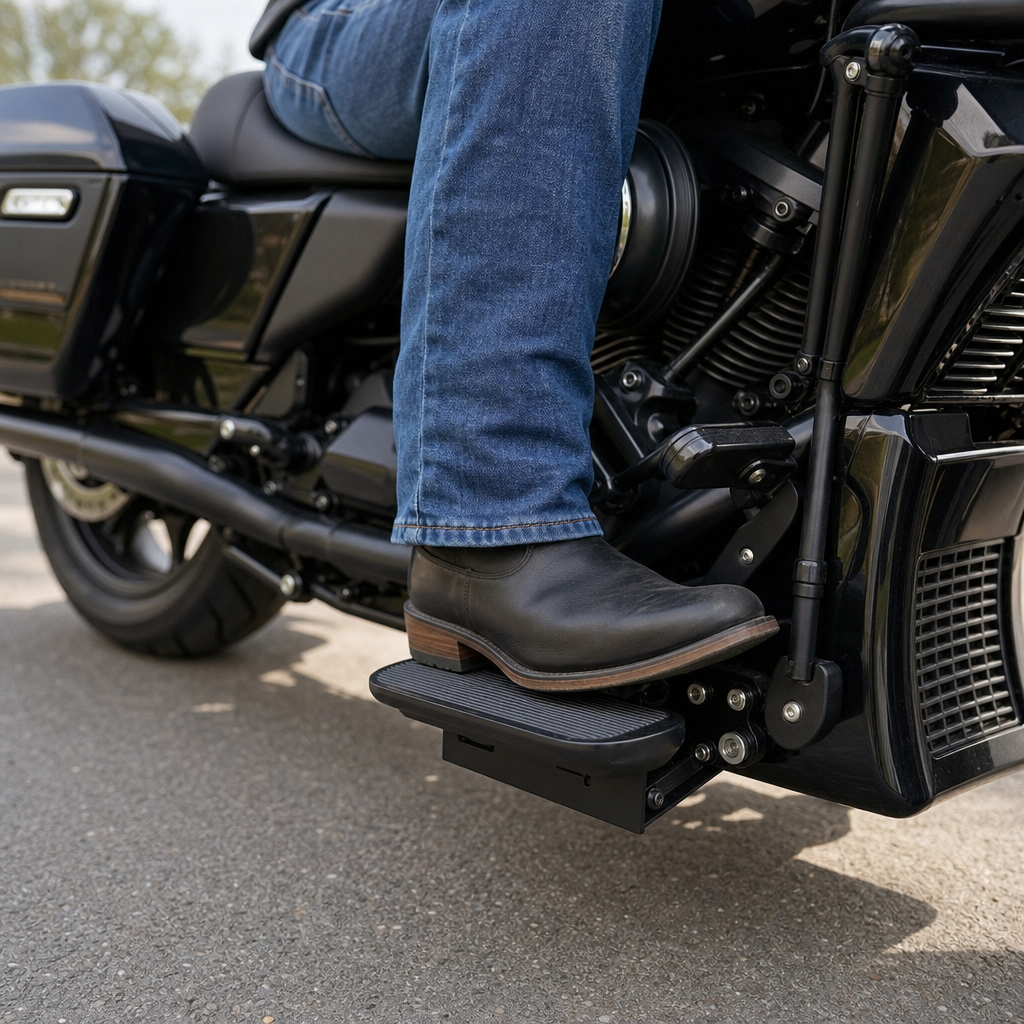
On the road, the 2016 Heritage Classic behaves like a classic cruiser first and a distance bike second. That is not criticism; it is the right expectation. The floorboards, wide handlebar, low seat, and removable windshield create an easygoing, upright posture that flatters moderate-speed touring and scenic highway use. The hidden rear suspension preserves the hardtail look, but suspension travel is limited compared with Harley’s post-2018 Softails or full Touring models. On smooth pavement, the bike feels planted and relaxed. On broken pavement, it reminds you that styling priorities shaped the rear end.
Braking is competent for the class, particularly on ABS-equipped examples, but no buyer should expect the sharper front-end control of a modern standard or adventure bike. The Heritage carries weight low, which helps parking-lot confidence, yet it still requires deliberate slow-speed technique. In owner terms, this is a motorcycle that rewards smooth inputs. Push it hard into bumpy corners and floorboards will announce the limit quickly. Ride it the way it was meant to be ridden and it feels stable, charismatic, and deeply familiar within the Harley lineup.
One reason the 2016 bike remains attractive on the used market is that its ergonomics fit a broad range of riders. Shorter riders often appreciate the accessible seat height, while taller riders can adapt it with bars, seats, and highway pegs. Passenger comfort is acceptable for day rides, especially with the windshield installed, though serious two-up travelers may still prefer a Road King or Electra Glide. In repeated used-bike consultations, I have seen buyers underestimate how much the Heritage’s low center of gravity improves confidence compared with taller or top-heavier alternatives.
Common used-bike inspection points and ownership costs
When evaluating any 2016 Heritage Classic, start with service records. Harley-Davidson’s maintenance schedule is not complicated, but consistency matters more than mileage bragging rights. A bike with 28,000 well-documented miles can be a better purchase than a 7,000-mile garage queen with stale fluids, old tires, and a neglected battery. Check tire date codes, fork seals, brake fluid color, belt condition, wheel bearings, steering-head smoothness, and all lighting functions. Confirm that the saddlebags latch securely and inspect windshield mounts for stress or amateur modifications.
Accessories require judgment. Harley owners personalize everything, and tasteful upgrades can add value, but poor tuning can create headaches. Common modifications include slip-on mufflers, intake kits, stage-one calibrations, seats, luggage racks, and LED lighting. Ask whether the fuel mapping matches intake and exhaust changes. A bike with a Screamin’ Eagle tuner, Dynojet Power Vision history, or dealer documentation is easier to trust than one described only as “runs great.” Electrical add-ons like light bars, audio kits, and battery tenders should be inspected for clean routing and fused connections.
Ownership costs usually land in the reasonable middle of the big-twin Harley spectrum. Insurance varies by rider age and region, but the Heritage is often cheaper to insure than a full-dress touring bike. Tire life depends heavily on riding style, with many owners seeing respectable mileage from touring-oriented cruiser tires. Consumables, dealer labor, and OEM accessory pricing are rarely cheap, yet the broad aftermarket helps contain costs. By 2034, parts support for Twin Cam Softails should remain strong because the installed base is large and independent specialists know these bikes extremely well.
Best alternatives and how to choose the right Heritage era
If the 2016 Heritage Classic appeals to you, your nearest alternatives are easy to define. A 2015 model delivers nearly the same ownership experience and may cost less if condition is equal. A 2017 model is the direct adjacent year and can be judged mainly on price, equipment, and service history. A 2018 or newer Heritage Classic gives you a dramatically better chassis, revised rear suspension, more rigid frame, and Milwaukee-Eight power, but it also moves away from the older FLSTC identity. Some buyers love that improvement; others miss the traditional look and feel immediately.
Looking further back, a 2006 Heritage Softail represents the end of the pre-six-speed period and can suit riders who want Twin Cam character at a lower purchase price. A late-1990s Evo Heritage attracts hands-on owners who prefer mechanical simplicity and timeless styling over convenience. The decision comes down to your tolerance for age-related maintenance, your interest in modification, and how often you actually ride. For frequent weekend use with occasional touring, the 2016 model remains one of the safest recommendations in the used Heritage timeline because it balances familiarity, serviceability, and market availability.
As a hub page for Harley-Davidson used buyer guides spanning 1990 to 2034, this motorcycle also serves a strategic role. It is the benchmark old-platform Heritage to compare against every article around it: early Evo buyer guides, Twin Cam transition years, final-year pre-redesign models, and modern Milwaukee-Eight Heritage reviews. If your shortlist starts here, the next step is simple: compare the 2016 Heritage Classic with one older Evo-era example and one 2018-plus Softail, then buy the one that matches how you want to ride, maintain, and keep a Harley long term.
The main takeaway is straightforward. The 2016 Heritage Classic is a mature, highly usable late Twin Cam Softail that captures the classic Heritage formula before Harley-Davidson’s modern Softail redesign reshaped the category. It offers proven mechanicals, strong aftermarket support, approachable ergonomics, and enough refinement to work as a real-world cruiser rather than a nostalgic ornament. Its limitations are also clear: suspension travel is modest, braking is only class-appropriate, and newer Milwaukee-Eight bikes outperform it in chassis sophistication. None of that weakens its value if what you want is traditional Harley personality with fewer compromises than much older machines.
For used buyers covering the full 1990–2034 Harley-Davidson landscape, this bike is one of the most important anchor points. It helps define the end state of the old Softail idea: counterbalanced Twin Cam torque, hidden-shock styling, removable touring equipment, and unmistakable Heritage visual identity. When condition, maintenance records, and honest pricing align, it is a smart buy that can serve reliably for years. Use this article as your starting point, then move outward to compare neighboring model years, confirm inspection priorities, and test ride with a clear understanding of what makes the 2016 Heritage Classic special.
Frequently Asked Questions
Why is the 2016 Heritage Classic considered such an important year in Softail history?
The 2016 Heritage Classic matters because it represents the last full model year of the traditional Twin Cam Softail formula before Harley-Davidson completely reworked the platform. In this case, “traditional” means the long-running Softail chassis paired with the counterbalanced Twin Cam 103 engine, hidden rear suspension layout, classic valanced fenders, floorboards, detachable windshield, leather-look saddlebags, and the old-school visual identity that many riders associate with the Heritage name. For shoppers looking across Harley-Davidson models from the 1990s through the 2030s, the 2016 model is a useful benchmark because it closes out a very specific engineering era.
It is also important because it captures the final version of Harley’s pre-Milwaukee-Eight big-twin character in a Softail. Later Heritage models moved to the redesigned Softail chassis and Milwaukee-Eight engine family, which changed the riding feel, power delivery, frame behavior, handling precision, weight distribution, and even the overall personality of the motorcycle. The 2016 bike still delivers the older mechanical experience many riders want: more pulse, more of the familiar Twin Cam rhythm, and a more classic interpretation of long-distance cruiser comfort. That makes it especially relevant for used buyers who are trying to decide whether they prefer the older Harley feel or the more modern performance and refinement of newer generations.
What does “counterbalanced Twin Cam Softail era” actually mean on the 2016 Heritage Classic?
On the 2016 Heritage Classic, the phrase refers to the version of Harley-Davidson’s Twin Cam engine used in Softail models, where internal counterbalancers were added to manage engine vibration while still allowing the engine to be rigidly mounted in the frame. This is different from the rubber-mounted layout used in many Touring and Dyna models of the period, where rubber isolation reduced vibration in a different way. The Softail approach let Harley preserve the hardtail-inspired styling that hid the rear suspension and maintained the clean visual line under the seat, while still making the bike more comfortable and usable for real-world riding.
For riders, the result is a motorcycle that still feels like a Harley but is more controlled than earlier rigidly mounted big twins without balancing. You get noticeable engine character and some low-frequency pulse, but not the same level of harshness that would make all-day riding tiresome. That balance is a major part of the 2016 Heritage Classic’s identity. It is neither as raw as older generations nor as smooth and modern-feeling as the newer Milwaukee-Eight Softails. For used-bike buyers, understanding that difference is critical because the 2016 model sits in the sweet spot for people who want authentic mechanical personality without giving up too much comfort.
How does the 2016 Heritage Classic compare to later Milwaukee-Eight Heritage models?
The biggest difference is that the 2016 Heritage Classic feels like the end of one Harley era, while Milwaukee-Eight Heritage models feel like the beginning of another. The newer bikes generally offer stronger acceleration, broader torque, better cylinder-head breathing, a stiffer and lighter chassis, improved cornering clearance, more composed suspension behavior, and a more modern riding experience overall. They are often objectively better motorcycles in terms of performance, refinement, and dynamic capability.
But “better” on paper does not automatically mean “better” for every rider. The 2016 Heritage Classic appeals to people who prefer the visual mass, lower-tech feel, and unmistakably older Harley delivery of the Twin Cam Softail. It has a different cadence at idle, a different response through the drivetrain, and a more relaxed, classic cruiser identity. The newer Heritage models feel more evolved and capable; the 2016 feels more rooted in the historical Softail tradition. If someone is shopping used bikes and wants the clearest dividing line between old-school Softail character and the newer platform, the 2016 model is one of the most useful comparison points in the entire Harley-Davidson lineup.
Is the 2016 Heritage Classic a good used Harley for buyers who want comfort, classic styling, and long-distance usability?
Yes, for the right rider it can be an excellent used Harley because it blends nostalgic styling with practical equipment in a way few models have matched as consistently. The Heritage Classic has always been one of Harley-Davidson’s most versatile traditional cruisers, and the 2016 version reflects that formula very well. It combines a comfortable seat, floorboards, a detachable windshield, passenger capability, saddlebags, and a relaxed riding position with unmistakable full-fender classic styling. That makes it attractive to riders who want a bike that looks rooted in Harley’s heritage but can still handle day trips, weekend travel, and regular road use without feeling stripped-down or compromised.
Just as importantly, the 2016 model gives buyers access to mature Twin Cam-era engineering. By that point, Harley had years of development behind the platform, so the bike benefits from a design that was well understood by owners, technicians, and the aftermarket. That means parts availability, service familiarity, and owner knowledge are all strong advantages. A buyer looking for a used Harley that is easy to live with, easy to accessorize, and closely tied to the classic Harley touring-cruiser image will often find the 2016 Heritage Classic especially compelling. It offers real comfort and road practicality without stepping fully into the larger Touring family, which is exactly why it remains relevant in the used market.
What should buyers pay attention to when shopping for a used 2016 Heritage Classic today?
Buyers should start by deciding whether they want this bike specifically because it is the last of the Twin Cam counterbalanced Softails, or whether they are simply looking for the best overall Heritage value. That distinction matters because the 2016 model often attracts shoppers who appreciate its historical place in the lineup, and that can influence pricing, condition expectations, and how much originality matters. If the appeal is its final-year status, then service records, factory equipment, unmodified condition, and evidence of careful ownership become more important. If the goal is simply to get a comfortable used Harley, then tasteful upgrades and minor cosmetic wear may not be deal-breakers.
Mechanically, buyers should evaluate general big-twin condition with an emphasis on maintenance history, driveline feel, suspension condition, brakes, tires, charging performance, fluid leaks, and the fit and finish of accessories or aftermarket parts. On a Heritage Classic, it is also worth checking touring-oriented items such as the windshield hardware, saddlebag mounts and latches, seat condition, floorboards, and any detachable components. Since many of these bikes were used for casual travel, mileage alone does not tell the whole story; a well-maintained higher-mile example can be a stronger purchase than a neglected low-mile bike. In the bigger picture, the 2016 Heritage Classic is most valuable when understood for what it is: not just an older Harley, but the final expression of a Softail generation that bridged classic styling, mature Twin Cam engineering, and a distinctly pre-Milwaukee-Eight riding experience.