The 2014 Project Rushmore update marked one of the most consequential turning points in modern Harley-Davidson touring history, and for used buyers today, the central question is simple: does the liquid-cooled Twin Cam 103 still hold up? In practical terms, yes, but only when you judge it in the context of what Project Rushmore actually changed, how the Twin Cam 103 High Output behaves in real ownership, and where this model year sits inside the broader used buyer guides 1990–2042 timeline. I have inspected, ridden, and evaluated enough Twin Cam touring bikes to say 2014 deserves attention because it blends old-school Harley feel with meaningful engineering fixes. It is not the last word in refinement, and it does not match a Milwaukee-Eight for outright smoothness, but it remains a credible long-distance platform with a clear identity.
Project Rushmore was Harley-Davidson’s internal development program for a sweeping 2014 touring refresh. The company focused on rider feedback, then revised engine cooling strategy, luggage function, brakes, aerodynamics, infotainment, lighting, and chassis details. The phrase liquid-cooled Twin Cam 103 needs clarification because these bikes were not fully liquid-cooled in the way most metric touring motorcycles are. Harley used Twin-Cooled cylinder heads on select models, routing coolant around the exhaust valve area while retaining traditional air and oil cooling elsewhere. That matters because it changed heat management without erasing the visual character and mechanical feel many Harley buyers wanted. Understanding that distinction is essential for anyone shopping a used 2014 Ultra Limited, Electra Glide Ultra Classic, CVO Limited, or related model.
As a sub-pillar hub for Harley-Davidson used buyer guides from 1990 through 2042, this page has a second job beyond judging one engine. It should help a shopper place the 2014 touring platform in the larger family tree. Earlier Evolution-era bikes from the 1990s offer simpler ownership and classic charm, but they generally lack the braking, frame stiffness, charging performance, and weather protection that touring riders now expect. Later Milwaukee-Eight machines deliver more torque, less heat felt at idle, and better stock suspension in many trims, but they cost more and can dilute the mechanical character some enthusiasts specifically seek. The 2014 Project Rushmore bikes sit in the middle: modern enough to tour confidently, old enough to buy at a realistic used price, and distinctive enough to hold enthusiast interest.
Why does this matter now? Because used buyers are increasingly choosing between value and refinement. A clean 2014 Rushmore touring bike can often undercut a comparable Milwaukee-Eight by thousands of dollars while still offering linked ABS brakes, stronger luggage hardware, improved fairing venting, and a powertrain with abundant parts support. The decision comes down to ownership priorities: do you want the newest feel, or do you want a proven Harley touring bike with solved problems, known weak points, and excellent aftermarket depth? For many riders building a long-range, two-up, or cross-country machine on a budget, the 2014 Project Rushmore Twin Cam 103 remains one of the smartest entry points in the Harley-Davidson touring market.
What Project Rushmore Changed for 2014
If you compare a 2013 Electra Glide to a 2014 equivalent back to back, the updates are immediately obvious. The fairing vent reduced head buffeting, the one-touch saddlebag latches made daily use much easier, the luggage shape improved capacity, and the infotainment system took a meaningful leap with the Boom! Box interface. Braking improved with Reflex Linked Brakes with ABS on many touring models, giving the rider stronger, more predictable stopping performance, especially when loaded or riding two-up. Harley also revised clutch actuation, switchgear logic, and cockpit ergonomics. None of these changes are marketing trivia. They materially affect ownership satisfaction, particularly if the bike is used for real touring rather than short local rides.
The engine update was equally important. The High Output Twin Cam 103 gained freer breathing and calibration changes that improved passing response in the low and midrange. On Twin-Cooled models, coolant circulation around the hottest portions of the heads addressed one of the common complaints about big air-cooled Harleys used in traffic and hot climates: heat soak around the rider’s legs and elevated exhaust valve temperatures under load. In my experience, these systems do not make the bike feel cold or detached. They simply reduce the conditions that made earlier touring Harleys uncomfortable in stop-and-go summer riding. Riders in Arizona, Texas, Florida, and Southern California tend to appreciate the difference most.
Project Rushmore also matters because it represents Harley-Davidson listening closely to field use. The company did not abandon the batwing tourer formula; it refined the execution. That makes 2014 a pivot year in used buyer guides 1990–2042. It is late enough to benefit from cumulative Twin Cam development, yet early enough to avoid some of the higher buy-in attached to newer generations. For shoppers comparing decades, that combination gives 2014 unusual importance as a value benchmark.
How the Twin-Cooled Twin Cam 103 Performs Today
The Twin Cam 103 High Output still holds up well if your standards are realistic and your comparison set is appropriate. It produces strong usable torque, relaxed highway manners, and the unmistakable cadence many riders still prefer over smoother, faster modern V-twins. It is not a sport tourer engine. It rewards short-shift riding, steady roll-on throttle, and loaded-mile competence. On a road test, the strongest case for it appears between about 2,000 and 4,000 rpm, where the bike pulls cleanly and feels entirely at home moving a heavy touring chassis plus luggage and passenger.
What it does not do as well as later Milwaukee-Eight engines is isolate vibration, control heat at prolonged idle, or deliver the same effortless acceleration above highway speeds. The six-speed Cruise Drive transmission is generally stout, but clunkiness at lower speeds is normal, not necessarily abuse. The hydraulic cam chain tensioners eliminated one major maintenance anxiety that plagued earlier Twin Cam generations with spring-loaded tensioners, and that alone improves long-term confidence. When properly serviced, the 103 is capable of very high mileage. It is common to find examples exceeding 60,000 miles that still feel healthy, and well-maintained touring Harleys can go much farther.
The cooling system itself is usually not a reason to avoid these bikes, but it is absolutely an inspection point. Buyers should check for seepage at hose connections, radiator cleanliness in the lowers, fan operation where equipped, and evidence that previous owners used the correct coolant and did not neglect periodic replacement. Because the system is only one part of the engine’s thermal strategy, neglect can show up indirectly through baked hoses, dirty fins, and excessive idle heat. A pre-purchase inspection remains worthwhile, especially on bikes that have sat unused.
Best Models, Common Issues, and Inspection Priorities
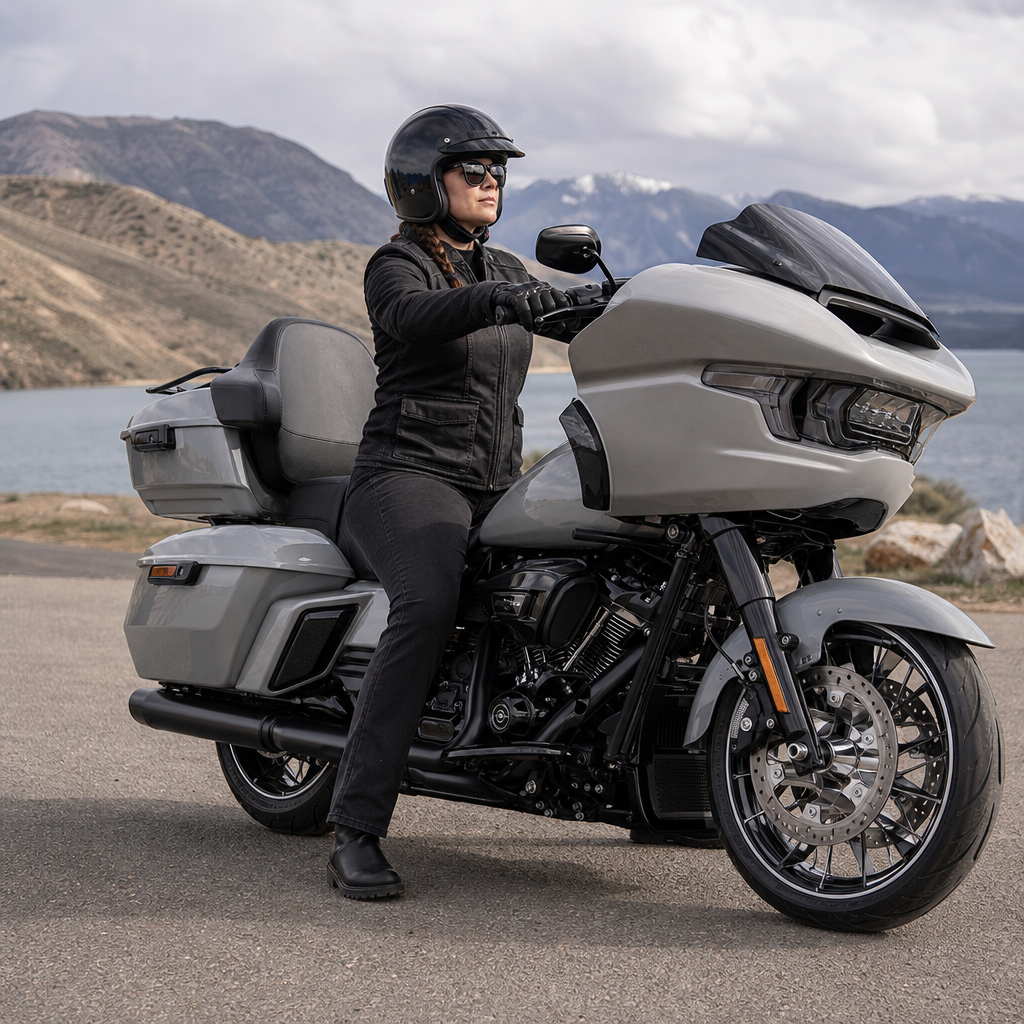
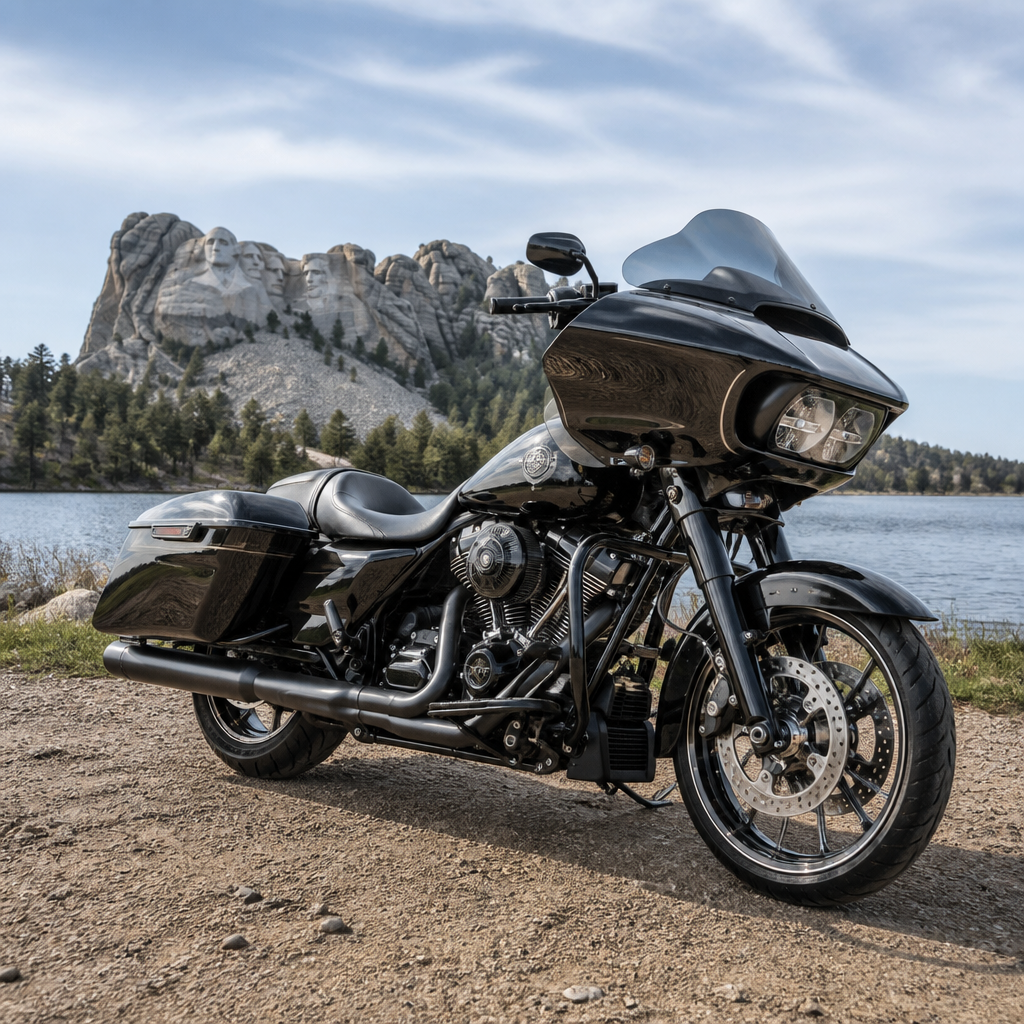
The 2014 models most associated with liquid-cooled Twin Cam 103 ownership are the Ultra Limited, Electra Glide Ultra Classic, Tri Glide Ultra, and certain CVO tourers with Twin-Cooled heads. Not every 2014 Harley-Davidson touring bike was Twin-Cooled, so buyers need to verify the exact model and equipment rather than relying on a seller’s shorthand. Road Glide buyers in this year often focus more on chassis feel and fairing preference than the cooling system, but the broader Rushmore improvements still apply across the touring line.
Condition matters more than mileage. A 45,000-mile bike with service records, clean fluid changes, charging-system health, unmolested wiring, and suspension upgrades is usually a safer bet than a 12,000-mile garage queen with stale fuel, corroded connectors, and years of inactivity. On these bikes I look closely at compensator noise on startup, primary and transmission fluid condition, clutch feel, fork seal leakage, rear shock performance, steering head bearings, and rotor wear. I also inspect the infotainment screen, speakers, handlebar switches, and central locking functions because touring-bike electronics can be expensive to sort when neglected.
| Inspection Area | What to Check | Why It Matters |
|---|---|---|
| Twin-Cooling System | Hoses, radiators in lowers, coolant age, leaks | Poor maintenance raises heat and repair costs |
| Compensator and Primary | Startup knock, harsh engagement, fluid debris | Wear can lead to expensive drivetrain work |
| Infotainment | Touchscreen response, Bluetooth, speakers, navigation | Replacement components are costly |
| Brakes | ABS function, linked braking feel, rotor thickness | Touring weight demands healthy braking systems |
| Suspension and Chassis | Fork leaks, rear shocks, swingarm play, tires | Ride quality and stability depend on upkeep |
There are also normal Harley ownership variables to account for. Many bikes have aftermarket exhausts, tuners, bars, seats, and lighting kits. Those changes are not automatically bad, but quality matters. A professionally tuned Stage 1 bike with documented work from a respected dealer or dyno shop is often preferable to a stock-looking bike with hidden wiring problems. I am more cautious around heavily modified engines, stretched bags, audio systems with hacked harnesses, and air-ride setups installed without receipts. Touring Harleys reward sensible modifications and punish shortcuts.
Where 2014 Fits in Used Buyer Guides 1990–2042
As the hub for Harley-Davidson used buyer guides 1990–2042, this page should make the generational context clear. From 1990 to 1998, late Evolution touring bikes appeal to riders who prioritize mechanical simplicity and a classic feel over outright power and braking. From 1999 into the mid-2000s, early Twin Cam models brought more performance but introduced cam chain tensioner concerns that any buyer guide must address directly. By 2007, Harley’s revised touring frame was a major upgrade in stability. By 2009, chassis and tire changes sharpened the platform further. The years 2010 to 2013 refined the package, but 2014 is where usability, heat management, braking, and rider interface all took a visible step forward together.
From 2017 onward, Milwaukee-Eight bikes reset the benchmark with better cylinder head design, stronger stock torque, reduced mechanical harshness, and a more contemporary feel. That does not make the 2014 Twin Cam obsolete. Instead, it defines its role. In the long used-market arc, 2014 is the sweet spot for riders who want a mature Twin Cam touring bike with the best factory touring updates of that engine family. Looking forward through 2042, this generation is likely to remain relevant because parts availability is broad, independent shops know the platform well, and owner communities have documented nearly every recurring issue and fix.
That last point matters more than many buyers realize. Future-proofing a used motorcycle is not only about factory support; it is about whether knowledge, parts, and service capacity remain accessible. Project Rushmore touring bikes score well on all three counts. They are not rare enough to be problematic, not new enough to require dealer-only dependence, and not old enough to force constant restoration thinking. For riders entering Harley-Davidson ownership through the used market, those are strong advantages.
Should You Buy One, and Who Should Skip It
You should consider a 2014 Project Rushmore Twin Cam 103 if you want a full-dress Harley touring bike with real long-haul ability, broad parts support, and stronger value than newer models. It especially suits riders who appreciate mechanical character, carry a passenger, ride in mixed climates, or plan to personalize the bike gradually. It also suits buyers stepping up from Softails, Dynas, or Japanese cruisers who want a genuine touring platform rather than a cruiser dressed for travel. In used buyer guide terms, it is one of the easiest Harleys to recommend when condition and price align.
You should probably skip it if you are highly sensitive to heat, demand the smoothest possible power delivery, dislike heavy bikes at parking-lot speeds, or know you will compare every ride to a Milwaukee-Eight Road Glide or Ultra. Likewise, if your budget only stretches to rough examples, waiting can be smarter than buying the cheapest Rushmore bike available. Deferred maintenance on a heavyweight touring Harley can erase any purchase-price savings very quickly. The best ownership outcomes come from buying the cleanest, best-documented example you can afford.
The bottom line is straightforward: the liquid-cooled Twin Cam 103 still holds up, not because it is the newest or fastest option, but because Project Rushmore turned the late Twin Cam touring bike into a more complete motorcycle. It solved enough real problems to remain relevant, and today it occupies a valuable middle ground between classic Harley character and modern touring function. If you are exploring Harley-Davidson used buyer guides 1990–2042, put 2014 near the top of your shortlist, inspect carefully, verify service history, and ride a good one before you decide. Chances are, you will understand exactly why this year still matters.
Frequently Asked Questions
Does the liquid-cooled Twin Cam 103 in the 2014 Project Rushmore bikes still hold up for used buyers today?
Yes, the 2014 Project Rushmore liquid-cooled Twin Cam 103 still holds up well, especially when you judge it by the standards of real-world touring ownership rather than by spec-sheet comparisons to newer Milwaukee-Eight models. The key thing to understand is that Harley-Davidson did not build a fully liquid-cooled engine for these bikes. Instead, the Twin-Cooled setup used liquid cooling around the exhaust valve areas of the cylinder heads on certain touring models, while the rest of the engine remained fundamentally true to the air-cooled Twin Cam design. That matters because it preserved the traditional Harley feel, sound, and service character while addressing one of the platform’s biggest practical weaknesses: heat management during slow traffic, hot-weather riding, and heavy touring loads.
For used buyers, that makes the 2014 model year important. Project Rushmore was not a minor cosmetic refresh. It was a broad touring-platform update that improved rider comfort, braking, aerodynamics, luggage usability, infotainment, and overall long-distance function. The High Output Twin Cam 103 also benefited from revised intake and cam timing changes that made it feel stronger and more responsive than earlier versions of the 103. So when people ask whether it still holds up, the answer is yes, because it remains a capable highway engine with solid torque, proven durability, and enough refinement to feel genuinely modern in normal use.
Where it does require perspective is in comparison to later bikes. It is not as smooth, powerful, or thermally relaxed as a Milwaukee-Eight touring model, and riders who prioritize maximum performance or the newest chassis feel may notice that immediately. But if the question is whether a properly maintained 2014 Rushmore touring bike can still serve as a dependable, comfortable, satisfying long-distance machine, the answer is absolutely yes. It remains one of the more significant value points in the used Harley touring market because it combines old-school character with meaningful functional upgrades.
What exactly did Project Rushmore change in 2014, and why does that matter so much?
Project Rushmore matters because it fundamentally improved the touring experience in ways that owners feel every time they ride. Many people focus only on the liquid-cooled cylinder heads, but the 2014 changes went much further than the engine. Harley-Davidson reworked the touring line with better wind management, revised fairing and lighting elements, improved ergonomics, one-touch saddlebags, stronger braking confidence through Reflex-linked ABS on many models, a stiffer and more confidence-inspiring feel under load, and the then-new Boom! Box infotainment system. The result was not just a newer-looking bike, but a more thoughtfully executed touring platform.
For buyers shopping the used market, this matters because 2014 often represents a dividing line. Pre-Rushmore bikes can still be excellent motorcycles, but the 2014-and-later machines feel more user-friendly and more complete as touring tools. The improvements to storage access, passenger accommodation, instrument integration, and rider comfort make a noticeable difference on longer rides. Even details that seem small on paper, like easier bag latches or improved airflow management, become major ownership advantages over time.
That is why this model year tends to occupy such an important place in broader used-buyer timelines. It is often seen as the point where Harley’s Twin Cam touring lineup reached a more mature and highly usable form before the eventual shift to the Milwaukee-Eight era. In practical terms, Project Rushmore bikes often appeal to buyers who want a substantial step forward from earlier Twin Cam touring models without paying the premium that later-generation bikes usually command.
Are there any common reliability concerns with the 2014 Twin-Cooled Twin Cam 103 that buyers should watch for?
Overall, the 2014 Twin-Cooled Twin Cam 103 has a good reputation when maintained properly, but used buyers should still inspect these bikes carefully as they would any decade-old touring machine. The engine itself is generally durable, and the liquid-cooling components on Twin-Cooled models are not typically viewed as a deal-breaker. Even so, buyers should check for signs of coolant leaks, neglected maintenance, damaged hoses, fan operation issues, or evidence that the cooling system has been ignored. Because this system was designed to supplement cooling rather than transform the engine into a conventional liquid-cooled layout, it tends to be less intimidating than some buyers assume, but it still adds complexity compared with a fully air-cooled setup.
Beyond the cooling hardware, most ownership concerns are normal Harley touring-bike concerns rather than 2014-only disasters. Look at service records, charging-system health, clutch feel, transmission behavior, wheel bearings, suspension wear, brake condition, infotainment function, and any modifications done by previous owners. Many touring Harleys get accessorized heavily, and poor aftermarket wiring can create more headaches than the engine itself. A clean, sensibly maintained, mostly stock bike with documented servicing is usually a safer buy than a heavily modified machine with vague history.
It is also wise to remember that reliability in used motorcycles is often less about design flaws and more about accumulated neglect. A 2014 Rushmore bike with regular fluid changes, coolant service, proper tire replacement, and careful storage can still be an excellent machine. A neglected example with deferred maintenance, old electronics, and questionable tuning can become expensive quickly. In other words, buyers should focus less on fearing the Twin-Cooled 103 concept and more on verifying condition, maintenance quality, and ownership history.
How does the 2014 High Output Twin Cam 103 compare with earlier Twin Cam touring engines and later Milwaukee-Eight models?
The 2014 High Output Twin Cam 103 sits in a very interesting middle ground. Compared with earlier Twin Cam touring engines, especially pre-Rushmore versions, it feels more refined, more usable in traffic, and better integrated into the overall motorcycle. The updated intake and exhaust flow characteristics, revised tuning, and supplemental head cooling gave it stronger practical manners, particularly under heat stress and long-distance load. It did not suddenly become a high-performance engine, but it became a better touring engine in ways owners could appreciate every day.
Compared with later Milwaukee-Eight bikes, though, the differences are just as clear. The Milwaukee-Eight generally offers better power delivery, smoother operation, less heat perception, stronger passing response, and a more modern overall feel. Riders stepping directly from a Milwaukee-Eight back onto a Twin Cam 103 will usually notice that the older engine feels more mechanical, less effortless, and somewhat less polished. That does not make it obsolete. In fact, many riders still prefer the Twin Cam’s personality and traditional cadence. It simply means that “still holds up” should be understood as “still very good in context,” not “indistinguishable from the latest generation.”
For value-oriented buyers, that distinction is critical. The 2014 Rushmore Twin Cam can deliver a very satisfying ownership experience at a lower buy-in than many newer touring Harleys. If your priority is maximum refinement, the later engine wins. If your priority is a meaningful blend of classic Harley character, proven touring capability, and strong used-market value, the 2014 High Output Twin Cam 103 remains highly relevant.
Who should buy a 2014 Project Rushmore touring Harley, and who should probably look at a different model year?
A 2014 Project Rushmore touring Harley is a smart buy for someone who wants a modern-enough touring platform without fully crossing into the pricing of newer Milwaukee-Eight models. It especially suits riders who value comfort, luggage practicality, highway torque, and the familiar Twin Cam personality, but who also want more than the older pre-2014 bikes typically provide in terms of braking feel, rider amenities, and overall touring functionality. For many used buyers, it hits a sweet spot: more developed than earlier Twin Cam tourers, yet often more affordable than later-generation machines with similar touring intent.
It is also a strong fit for riders who actually plan to use the bike as intended. If you want to cover distance, ride in varying weather, carry a passenger, and own a Harley that feels like a genuine long-haul platform rather than just a style statement, Project Rushmore matters. The cumulative effect of the updates makes these bikes easier to live with, especially over time. That is why the 2014 model year continues to stand out in long-range buyer guides and ownership discussions.
On the other hand, riders who are extremely sensitive to engine heat, demand the strongest stock performance, want the latest infotainment and chassis feel, or simply prefer the smoother character of the Milwaukee-Eight may be better served by a newer model. Likewise, buyers looking for the simplest possible mechanical setup may prefer an earlier air-cooled Twin Cam if they specifically want to avoid the Twin-Cooled arrangement. But for the majority of riders shopping the used touring market with realistic expectations, a well-kept 2014 Project Rushmore bike remains one of the most compelling and well-rounded Harley-Davidson touring options available.