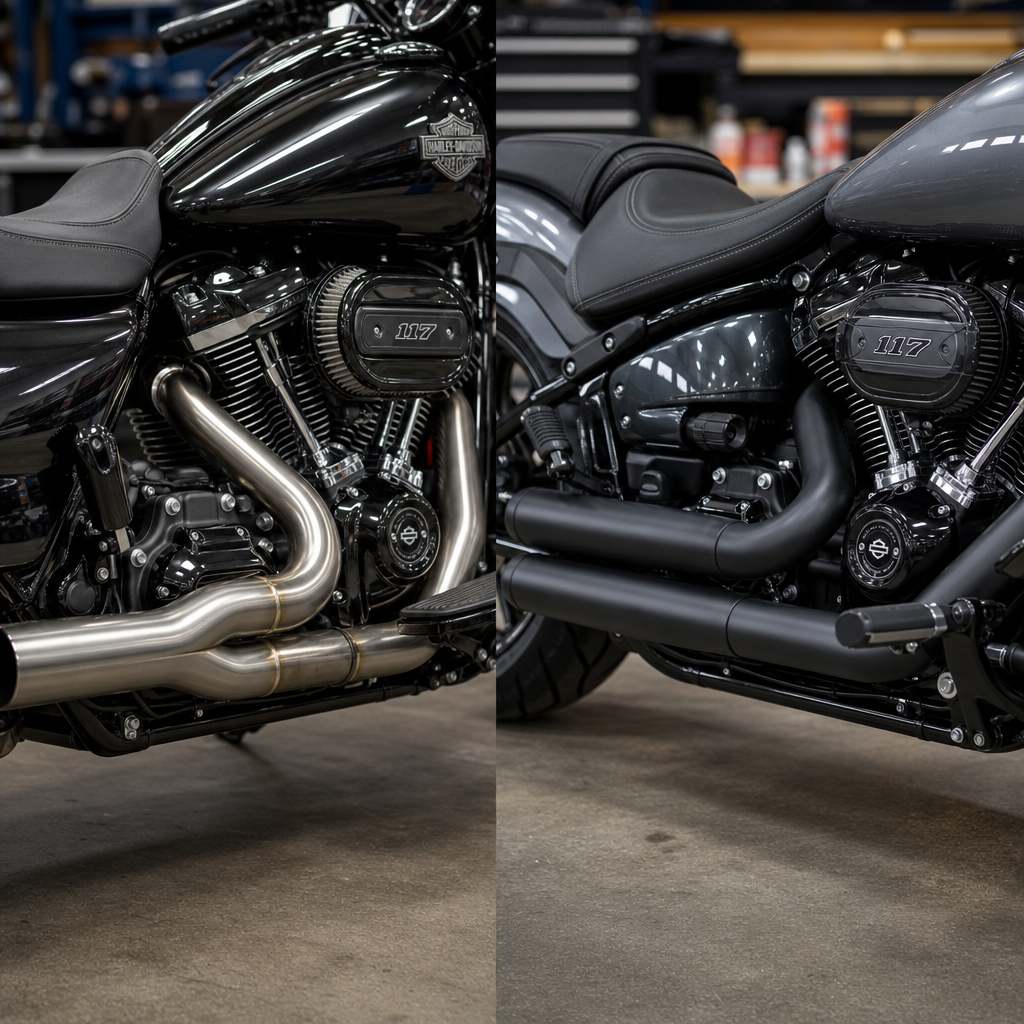
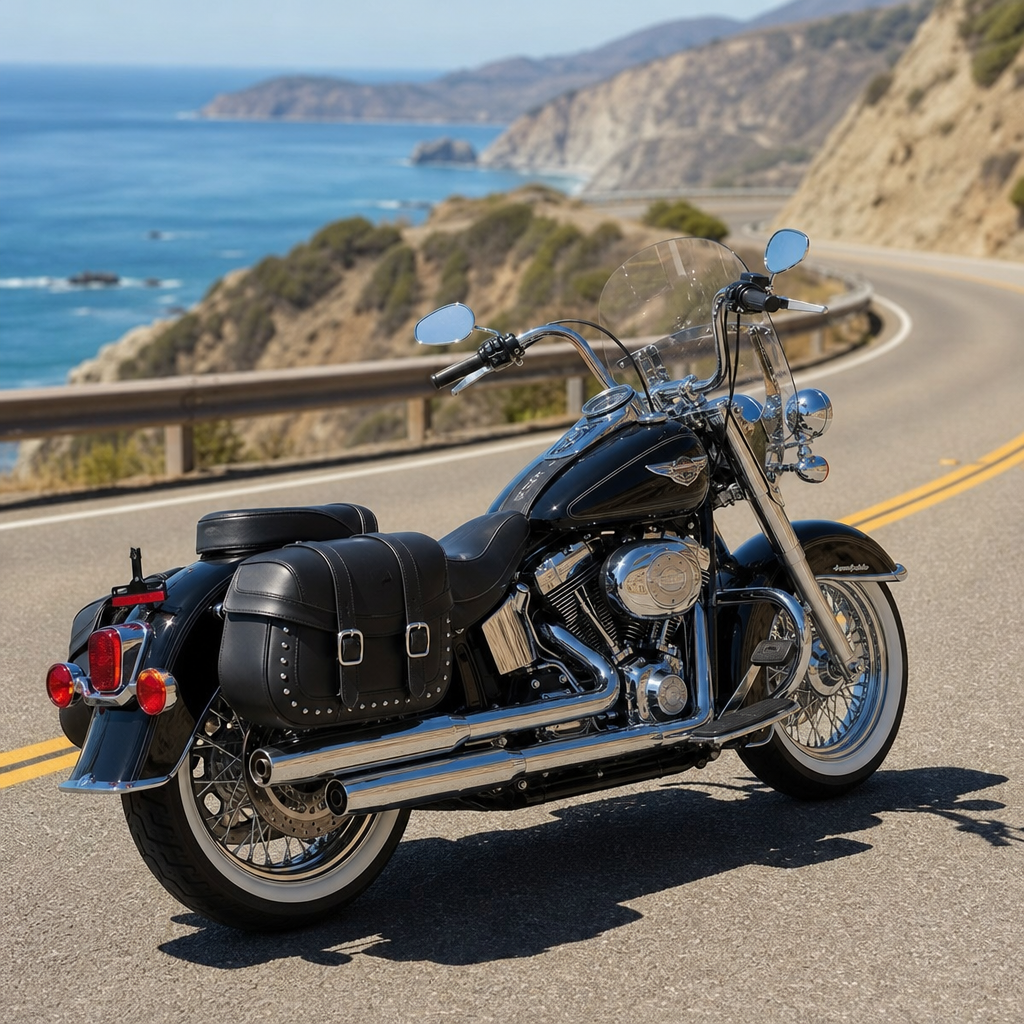
The 2012-2016 Twin Cam 103 High Output sits in a sweet spot that used touring buyers rarely get twice: modern enough to ride anywhere, old-school enough to service without drama, and common enough that prices still lag behind capability. In Harley-Davidson terms, this engine and platform define the late Twin Cam touring era, covering Road King, Street Glide, Electra Glide, Ultra Limited, and related FLH and FLT models built just before the Milwaukee-Eight reshaped the market. A used buyer guide matters here because pricing alone can mislead. The cheapest bike is rarely the best bargain, and the best bargain is not always the newest motorcycle on the lot. When I inspect used touring Harleys, I look for three things first: engine character, chassis updates, and ownership history. The 2012-2016 High Output bikes score well on all three.
For buyers researching Used Buyer Guides: 1990-2038, this era works as the center of gravity. Earlier Evolution and early Twin Cam machines established the formula, while later Milwaukee-Eight models improved refinement and performance. The 2012-2016 group bridges those worlds. You get cruise-ready ergonomics, six-speed gearing, fuel injection, solid parts availability, and broad aftermarket support without paying the premium attached to newer touring bikes. Key terms matter. Twin Cam 103 refers to Harley’s 103 cubic inch air-cooled V-twin. High Output identifies the revised version introduced on touring models with better breathing and stronger torque delivery. Touring means the large-frame FL platform designed for long-distance comfort, luggage, wind protection, and passenger use. Bargain does not mean cheap junk. It means a motorcycle that delivers a higher ratio of reliability, usability, and retained value than its current asking price suggests.
This matters because the used touring market has widened. Riders want one bike that can commute on Tuesday, carry luggage on Friday, and cross three states on Saturday. In that use case, the 2012-2016 Twin Cam 103 High Output remains one of the smartest buys in the Harley-Davidson universe. It has enough power to feel relaxed at highway speed, enough aftermarket support to tailor fit and storage, and enough familiarity among independent shops that repairs are predictable. More important, depreciation has already done most of its work. A clean, documented example often costs far less than a newer equivalent while sacrificing less in real-world touring ability than many shoppers assume.
Why the 2012-2016 Twin Cam 103 High Output Hits the Value Sweet Spot
The value case starts with timing. By 2012, Harley-Davidson had already addressed many of the rough edges associated with earlier Twin Cam touring bikes, and by 2014 the Rushmore project improved luggage, braking feel, lighting, infotainment, and rider interface on many models. By 2016, the platform was mature. That maturity matters in the used market. Mature platforms have known failure points, abundant replacement parts, and an owner community that has already documented fixes, upgrades, and preventive maintenance procedures. In practical terms, that reduces purchase risk.
The High Output version of the 103 is not a marketing footnote. It brought revised cams, better intake flow, and exhaust changes that improved passing power where touring riders actually use it: the middle of the rev range. On the road, the difference is not about peak numbers for bragging rights. It is about effortless roll-on when merging, climbing grades two-up, or carrying a tour pack full of gear. Riders coming from older 88 or 96 cubic inch touring bikes immediately notice the stronger response without losing the familiar Harley feel. Riders cross-shopping a newer Milwaukee-Eight often notice that the older bike gives up refinement, not usefulness.
Price is the other half of the equation. The market consistently discounts these bikes because they are neither classic enough to command collector money nor new enough to justify premium financing. That awkward middle age benefits buyers. A well-kept Road King or Street Glide from this period can deliver years of service at a price that leaves room for tires, suspension, seat upgrades, and deferred maintenance. I have seen buyers spend less overall on a sorted 2014-2016 touring bike than on a cheaper early Twin Cam that immediately needed compensator work, worn suspension replacement, and electrical cleanup from years of accessory additions.
What Changed from 1990 to 2038, and Where This Era Fits
As a hub for Used Buyer Guides: 1990-2038, this page should help buyers place the 2012-2016 bikes in context. From 1990 through 1998, touring Harleys used the Evolution engine, prized for mechanical honesty, simpler electronics, and classic feel. Those bikes appeal to owners comfortable with older charging systems, aging rubber components, and lower stock performance. In 1999, the Twin Cam arrived, bringing more power but also introducing new concerns over cam chain tensioners on some non-touring applications and the normal teething issues that accompany major platform shifts.
The 2007-2011 touring bikes added the 96 and then 103 cubic inch configurations, six-speed Cruise Drive, and electronic throttle on certain models, but they still sit before the full maturity of the High Output period. From 2012 to 2013, the bikes became especially attractive because the stronger engine arrived before the larger 2014 refresh. From 2014 to 2016, Project Rushmore improved brakes with linked systems on many models, one-touch saddlebags, better aerodynamics, stronger luggage hardware, and upgraded ergonomics. Those updates are immediately noticeable in daily use. Then 2017 introduced the Milwaukee-Eight touring models with significantly smoother running, improved cooling strategy on some versions, and better stock suspension feel. From there, the used market splits: Twin Cam for value and proven familiarity, Milwaukee-Eight for refinement and stronger stock performance.
Looking toward later buyer guides through 2038, these 2012-2016 machines will likely remain a benchmark recommendation because they represent the end of one fully developed engineering era. They are not the fastest touring Harleys, the lightest, or the most advanced. They are simply one of the easiest to buy intelligently because condition, maintenance records, and model-specific equipment matter more than chasing the latest badge. That is what creates a durable bargain.
Models to Target and How to Compare Them
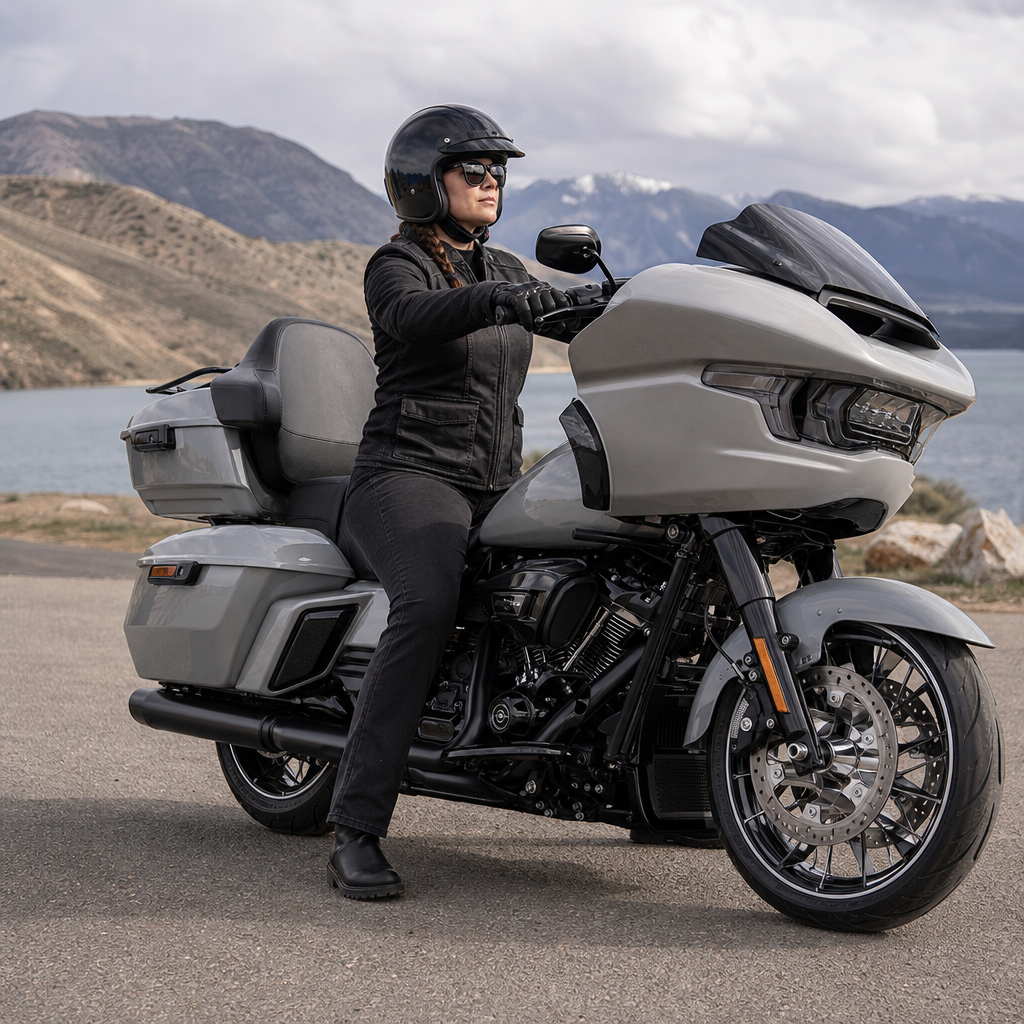
Model choice changes the ownership experience more than many first-time touring buyers expect. The same Twin Cam 103 High Output can feel very different in a Road King versus an Ultra Limited because wind protection, weight, luggage layout, and rider triangle shape how the bike is used. The Road King is the simplest gateway into this era. It offers detachable windshield flexibility, lower visual bulk, and easier access to the front end for service. For riders who like long days but dislike a fixed fairing around town, it remains one of the strongest values.
The Street Glide is the style leader and often the price leader too, meaning it can cost more than its mechanical differences justify. Batwing fairing, infotainment, and custom appeal support demand. The Electra Glide and Ultra Limited are usually the smarter pure-value buys because they often include more touring equipment for similar money, especially if cosmetics matter less to the buyer than function. If you ride two-up, the passenger accommodations on an Ultra matter. If you mostly ride solo and want the lightest feel in this family, a Road King may suit better.
| Model | Best For | Typical Advantage | Watch Out For |
|---|---|---|---|
| Road King | Riders wanting simplicity and windshield flexibility | Often lower pricing and easier access for service | Check detachable hardware, wheel condition, suspension wear |
| Street Glide | Solo touring and custom-focused buyers | Strong resale and popular batwing setup | Higher asking prices, audio modifications, cosmetic-only upgrades |
| Electra Glide | Budget-minded long-distance riders | Good equipment-per-dollar ratio | Fleet or police history on some examples |
| Ultra Limited | Two-up travel and maximum storage | Best stock touring package | Higher curb weight, neglected comfort items, infotainment issues |
For most buyers, the best bargain is not the lowest-mile bike. It is the bike with the best evidence of regular use, stable ownership, and sensible upgrades. A touring Harley that has been ridden, serviced, and stored properly is usually a safer purchase than a neglected garage queen with old tires, stale fluids, and dried seals.
Known Issues, Inspection Points, and What to Pay For
No used buyer guide is credible without discussing faults. The Twin Cam 103 High Output is dependable when maintained, but there are still recurring items to inspect. Start with the compensator and primary behavior. Listen for harsh clunking on startup or shutdown and feel for excessive driveline lash. Some bikes develop compensator wear, especially when ridden hard or modified carelessly. Next, inspect for oil leaks around rocker boxes, pushrod tube areas, primary covers, and transmission seals. Minor seepage is not unusual on aging Harleys; active leaks require budgeting.
Check charging voltage, battery age, and all accessory wiring. Touring bikes often accumulate lights, audio amplifiers, heated gear leads, and phone chargers. Poor wiring causes more ownership headaches than the core engine on these machines. I also inspect steering head bearings, swingarm stability, wheel bearings, brake rotor thickness, ABS function where equipped, and fork condition. On 2014-2016 models with infotainment, verify screen operation, speaker output, hand controls, and Bluetooth or USB functions if those matter to you. Replacement electronics are expensive compared with routine mechanical items.
Service history should include engine oil, transmission fluid, primary fluid, brake flushes, and regular tire replacement based on age as well as tread. Harley’s maintenance intervals are straightforward, and a seller who cannot explain basic service timing usually does not have the bike sorted. Suspension is another overlooked cost. Stock rear shocks and fork components may be tired by now, but that can be good news if the bike already wears quality replacements from Progressive Suspension, Öhlins, or Legend. The same logic applies to seats, windshields, and bars: practical upgrades add value, but heavily modified engine tuning from unknown shops does not.
How to Buy Smart: Pricing, Records, and Test Ride Priorities
When pricing these bikes, compare trim, mileage, maintenance, and included parts rather than model year alone. A documented 2013 can be a better purchase than a neglected 2016. Regional demand also matters. In warm-weather states, supply is broader, but custom modifications are more common. In seasonal markets, lower fall and winter pricing can offset shipping costs. Use dealer listings, private-party comps, service receipts, and VIN-based history reports together. None is enough alone.
On a test ride, ignore exhaust noise and focus on operating behavior. The bike should start cleanly, idle steadily once warm, shift positively, track straight, and brake without pulsing. Roll on from 50 to 70 mph in top gear and feel for smooth torque rather than drama. These engines are built for that exact task. If the bike surges, pops excessively on deceleration, or runs unusually hot, suspect tuning or intake and exhaust modifications that were not calibrated well. Ask whether the tuner is still installed and whether the original parts come with the sale. A reputable calibration from Dynojet, Screamin’ Eagle, or a respected independent shop can be fine; undocumented changes deserve caution.
Negotiation is easier when you quantify deferred maintenance. Tires older than five years, weak batteries, fork seal leaks, worn brake pads, cracked intake seals, and dated drive belts all have real replacement costs. Present those numbers calmly. Sellers respond better to evidence than theatrics. If you are building out your Harley-Davidson research path, use this hub as the midpoint: compare this era against Evolution tourers if you want simplicity, and against Milwaukee-Eight tourers if you want more polish and budget allows.
Why This Era Remains the Used Touring Benchmark
The 2012-2016 Twin Cam 103 High Output remains the best bargain in used touring today because it combines mature engineering, strong real-world torque, broad model choice, and manageable purchase prices. It is the era I recommend most often to riders who want one Harley-Davidson that can actually do everything expected of a touring bike without demanding top-of-market money. These motorcycles are old enough for depreciation to work in your favor and new enough to feel fully competent on modern highways.
As the hub for Used Buyer Guides: 1990-2038, the lesson is broader than one engine. The best used Harley is rarely defined by mythology or model year alone. It is defined by platform maturity, parts support, service transparency, and honest fit for your riding. In that framework, the High Output Twin Cam touring bikes stand out. They offer a balanced ownership proposition that earlier bikes cannot always match and newer bikes often charge heavily for.
If you are shopping now, target condition first, records second, and equipment third. Ride several models, inspect them methodically, and buy the cleanest example you can afford. Start with a Road King if you want versatility, an Ultra if you travel two-up, and an Electra Glide if value tops your list. Use this page as your entry point into the broader Harley-Davidson used-buying landscape, then narrow your search by era, platform, and riding style. Done right, a 2012-2016 Twin Cam 103 High Output can deliver the kind of dependable, satisfying touring ownership that makes every dollar feel well spent.
Frequently Asked Questions
Why is the 2012-2016 Twin Cam 103 High Output considered such a strong value in the used touring market?
The 2012-2016 Twin Cam 103 High Output hits a rare balance that is getting harder to find in used Harley-Davidson touring bikes. These models are modern enough to be genuinely comfortable on long interstate days, capable of carrying passengers and luggage, and refined enough to feel like real cross-country machines rather than nostalgic toys. At the same time, they still belong to the late Twin Cam era, which means they retain a mechanical simplicity many buyers and independent shops prefer. Parts are everywhere, platform knowledge is deep, and most routine service is straightforward compared with newer, more electronically layered touring models.
What really makes them a bargain is the market position they occupy. They sit just before the Milwaukee-Eight transition, so they often get overshadowed by newer bikes in classifieds and dealer inventory. That keeps prices more reasonable, even though these touring models already benefit from important chassis, braking, and comfort improvements that make them far more usable than older Twin Cam FLH and FLT bikes. In practical terms, a buyer can often get a Road King, Street Glide, Electra Glide, or Ultra Limited from this era for significantly less than a Milwaukee-Eight bike while still ending up with a machine that can tour reliably, hold highway speed all day, and accept a huge range of aftermarket upgrades. For many riders, that gap between price and real-world capability is exactly why this generation stands out.
What makes the Twin Cam 103 High Output different from earlier Twin Cam touring engines?
The High Output version of the Twin Cam 103 was Harley-Davidson’s way of sharpening the touring package without completely reinventing it. Compared with earlier Twin Cam touring engines, the 103 High Output brought revised cams and intake flow aimed at improving usable power where touring riders actually feel it: low-end and midrange torque. That matters much more in day-to-day riding than a big top-end horsepower number. On a heavy bagger or full-dress touring bike, stronger roll-on acceleration, easier passing, and less strain when carrying a passenger are the qualities that make a bike feel capable and relaxed, and the High Output setup improved exactly those areas.
Beyond the engine itself, these years also benefit from being part of the late-stage refinement of the Twin Cam touring formula. By this point, Harley had spent years improving the platform, and many of the rougher edges associated with much older touring bikes had already been addressed. Buyers are not just getting an engine upgrade; they are getting a more mature overall package. Depending on model and year, that can include improved chassis behavior, modernized infotainment on certain trims, linked ABS braking on some bikes, and a level of long-distance competence that earlier Twin Cam tourers may not match as easily. In short, the 103 High Output is not just “another Twin Cam.” It is one of the most sorted and broadly usable versions of the Twin Cam touring drivetrain.
Are 2012-2016 Twin Cam 103 High Output touring bikes reliable, and what problems should used buyers watch for?
Overall, these bikes have a strong reputation when they have been maintained properly, which is one of the biggest reasons they are so attractive as used purchases. The late Twin Cam touring platform is well understood by owners, dealerships, and independent mechanics, and that reduces the mystery factor that can scare buyers away from older motorcycles. A well-cared-for example can rack up serious mileage and continue to serve as a dependable touring machine. That said, condition matters far more than the badge on the tank. Service history, owner behavior, and modification quality are what separate a bargain from a headache.
Used buyers should pay special attention to cam chain tensioner condition and the overall valvetrain history, especially on bikes with unknown mileage or performance modifications. While late Twin Cam systems are better understood than early versions, any Twin Cam purchase deserves a careful review of maintenance records and any upgraded parts already installed. Oil leaks, charging system health, compensator noise, clutch feel, and signs of hard use should all be evaluated. Suspension wear is also common on touring bikes that have spent years carrying weight, and wheel bearings, tires, brake components, and motor mounts deserve inspection. If the bike has been modified, look closely at how the work was done. A tastefully upgraded touring Harley can be a plus, but a poorly tuned engine build, cheap audio install, or hacked wiring job can turn a good platform into an expensive project. The best examples are usually bikes with consistent service, sensible upgrades, and a complete paper trail.
Which models from this era are the best buy: Road King, Street Glide, Electra Glide, or Ultra Limited?
The best buy depends on how you ride, but that is one of the strengths of the 2012-2016 Twin Cam 103 High Output window: the same basic platform supports several distinct personalities. The Road King is often the sleeper value because it gives you the touring chassis, hard bags, and big-bike highway stability without the full fairing or the extra complexity of a fully dressed touring rig. For riders who like a more traditional look, easier garage access, and a little more flexibility around customization, the Road King can be the smart-money pick.
The Street Glide tends to command the strongest demand because of its style, batwing fairing, and broad appeal, so it may not always be the cheapest option, but it remains one of the most desirable all-around used baggers from this era. The Electra Glide and Ultra Limited are often the better bargain if your priority is actual long-distance comfort. They come with more weather protection, passenger accommodations, storage, and touring equipment, and because some buyers chase style over utility, these fuller-dress models can sometimes be priced more favorably than their equipment level suggests. If you ride two-up or plan to cover serious miles, they deserve a hard look. In general, the best buy is not just the cheapest model; it is the cleanest, best-maintained version of the setup that matches your riding style.
What should a buyer inspect before purchasing a used 2012-2016 Twin Cam 103 High Output touring bike?
Start with the fundamentals: title status, VIN consistency, mileage, and service records. A used touring Harley should tell a coherent story. If the seller cannot explain ownership history, maintenance intervals, or major upgrades, proceed carefully. Look for evidence of regular fluid changes, scheduled service, tire replacement, brake maintenance, and any known engine or drivetrain work. Touring bikes often accumulate miles quickly, and high mileage is not automatically a problem, but neglected mileage is. A bike with 50,000 cared-for miles can be a much better purchase than a 15,000-mile bike that sat for years and was serviced sporadically.
On physical inspection, check for fluid leaks around the engine, primary, and transmission, inspect the condition of fork seals and rear suspension components, and look for uneven tire wear that might suggest suspension or steering issues. Test the brakes, clutch engagement, and charging system, and listen carefully during startup and idle for abnormal compensator or top-end noise. Confirm that all electronics work, especially on models with infotainment systems, fairing-mounted controls, lighting accessories, and security features. If the bike has ABS, make sure the warning lights behave normally. Also inspect the bags, latches, fairing mounts, crash bars, floorboards, and exhaust for signs of tip-overs or crash damage. Finally, pay close attention to modifications. A professionally installed exhaust, tune, and intake setup can add enjoyment and value, but the ideal used example is one that was upgraded thoughtfully rather than endlessly “improved” by a series of shortcuts. If possible, have a trusted Harley specialist perform a pre-purchase inspection, because a little expert scrutiny can save a lot of money later.