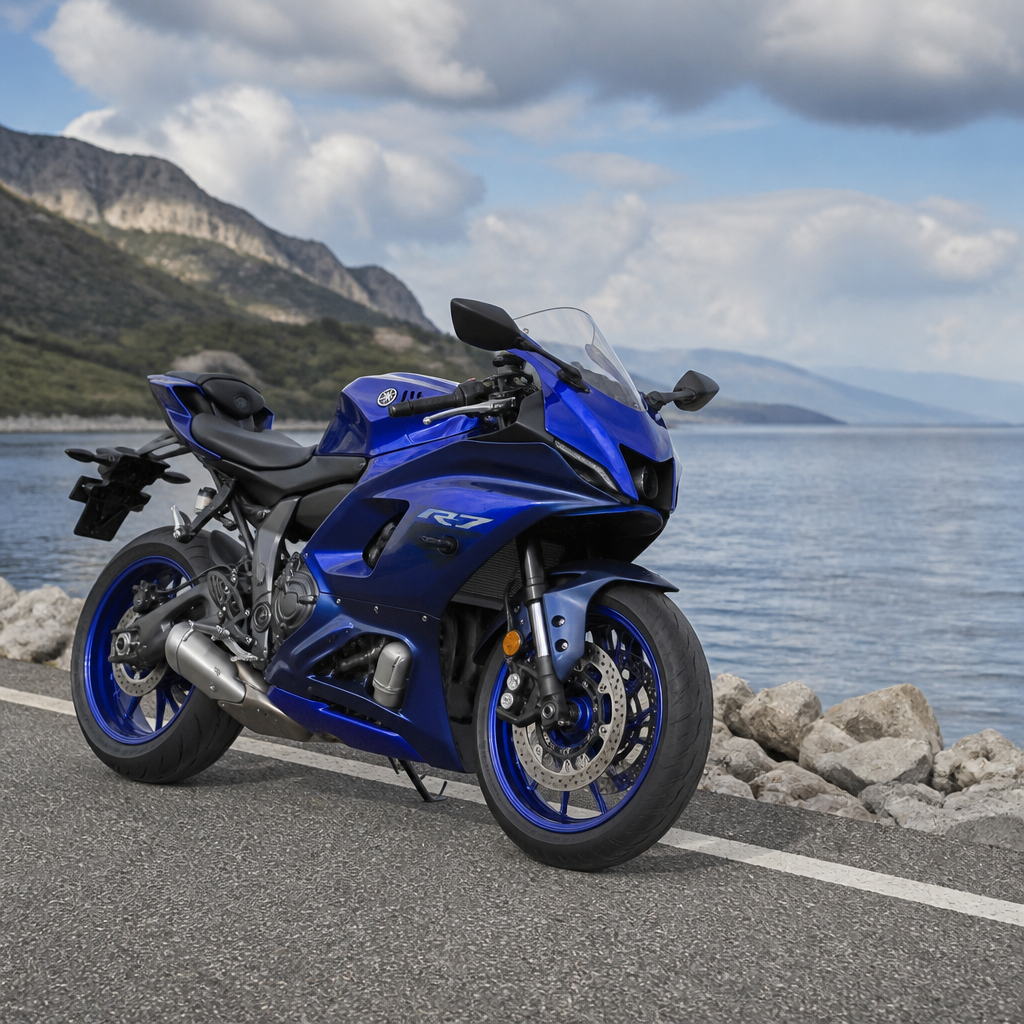
The Yamaha R7 reliability story starts with a design choice that changed how many riders judge modern middleweight twins: the 270-degree crank. In practical terms, this crankshaft layout spaces combustion pulses unevenly, creating a V-twin-like character while preserving the packaging, efficiency, and manufacturing advantages of a parallel twin. For owners, that matters because reliability is not only about whether an engine survives high mileage. It is also about heat management, vibration control, service access, fastener standards, driveline smoothness, and how predictable the machine remains after years of commuting, track days, and neglected weather exposure.
I have worked on enough Japanese metric motorcycles to know that reliability conversations often go off course. Riders fixate on peak horsepower, internet anecdotes, or one dramatic failure photo, while ignoring the maintenance ecosystem that actually determines long-term durability. On the Yamaha R7, the engine architecture deserves attention, but so do the less glamorous details: JIS fasteners that owners round out with incorrect screwdrivers, torque specs applied to aluminum threads, coolant intervals, chain alignment, brake fluid condition, and the metric-specific habits that separate a dependable machine from a prematurely tired one. If this article works as intended, it should become the central reference point for the entire Maintenance & Technical Encyclopedia for metric motorcycles.
The Yamaha R7 uses the CP2 platform derived from the MT-07 family, an engine already respected for durability in daily use. The R7 adapts that foundation to a fully faired sport chassis with revised ergonomics, suspension, and braking focus, but the basic reliability equation remains familiar: a compact liquid-cooled 689 cc DOHC parallel twin, forged pistons, plated cylinders, and a 270-degree crank that improves traction feel and usable torque without the complexity of a four-cylinder supersport. Compared with older 600 cc inline-fours that reward high revs but demand more valve-count service labor and often encourage harder use, the R7 presents a simpler ownership proposition. That simplicity is a large part of why many riders now treat the 270-degree twin as a new benchmark for real-world metric reliability.
This hub also needs to cover adjacent topics owners inevitably search for: the JIS standard, DCT maintenance in the broader metric landscape, and the small but important quirks common to Japanese motorcycles. JIS refers to Japanese Industrial Standards fastener geometry, especially cross-head screws that look like Phillips but are not identical in engagement. DCT means dual-clutch transmission, most commonly associated with Honda’s road bikes, and while the R7 does not use DCT, understanding DCT service philosophy helps riders compare maintenance complexity across metric platforms. Metric quirks include connector sealing styles, flange bolt sizing, thread pitch expectations, hose routing discipline, and the expectation that correct tools matter. Seen together, these elements explain why the Yamaha R7 is reliable, what can undermine that reliability, and how to build a maintenance routine that matches the machine’s engineering intent.
Why the 270-Degree Crank Changes Reliability Expectations
A 270-degree crank in a parallel twin alters more than sound. It changes firing intervals, rear tire loading, and the subjective feel of traction, especially on corner exit and in mixed-grip road conditions. Yamaha’s CP2 engine has become a case study in how this layout can deliver both character and durability. From the workshop side, the advantage is that the engine makes accessible torque lower in the rev range, so many owners do not need to keep it constantly near redline the way they might with a traditional supersport 600. Lower average operating stress, fewer frantic downshifts, and less heat cycling at extreme rpm all contribute to real-world longevity.
The engineering tradeoff is vibration management. A 270-degree twin naturally needs careful balancing to prevent rider fatigue and long-term wear in brackets, mirrors, and ancillary hardware. Yamaha solved this well. In service, I consistently see CP2-based bikes holding up with fewer drama points than some highly strung middleweights, provided owners keep oil level correct and avoid amateur modifications that disturb fueling or cooling. The reliability metric here is not that the engine is indestructible; it is that the design remains mechanically calm under normal use and forgiving under imperfect use. That is what makes the 270-degree crank the new standard for many metric riders.
Core Yamaha R7 Reliability Points Every Owner Should Know
The strongest indicator of Yamaha R7 reliability is the track record of the underlying CP2 engine family. These engines routinely accumulate substantial mileage when maintained on schedule, and they tolerate commuting, stop-and-go traffic, and occasional spirited riding better than many sport bikes designed around peak output. Key strengths include a relatively low parts count compared with inline-fours, good oil control when the bike is maintained properly, and straightforward cooling system architecture. Valve inspections still matter, but the service burden is generally more approachable than on bikes with sixteen valves and race-oriented packaging.
Most preventable R7 problems come from use patterns, not inherent design flaws. Common issues I watch for include chain neglect causing driveline lash, over-tightened axle or pinch hardware, contaminated brake fluid from long storage, and damaged bodywork fastener clips after repeated fairing removal. Owners who install exhausts without correcting fueling assumptions can create abrupt throttle response, though the stock mapping is usually reliable and conservative. Track riders should pay closer attention to coolant condition, tire wear masking suspension setup problems, and clutch free play. None of these are exotic failures. They are routine metric-bike ownership realities, and the R7 generally responds well when serviced with discipline.
| Maintenance area | Why it matters on the R7 | Common owner mistake | Best practice |
|---|---|---|---|
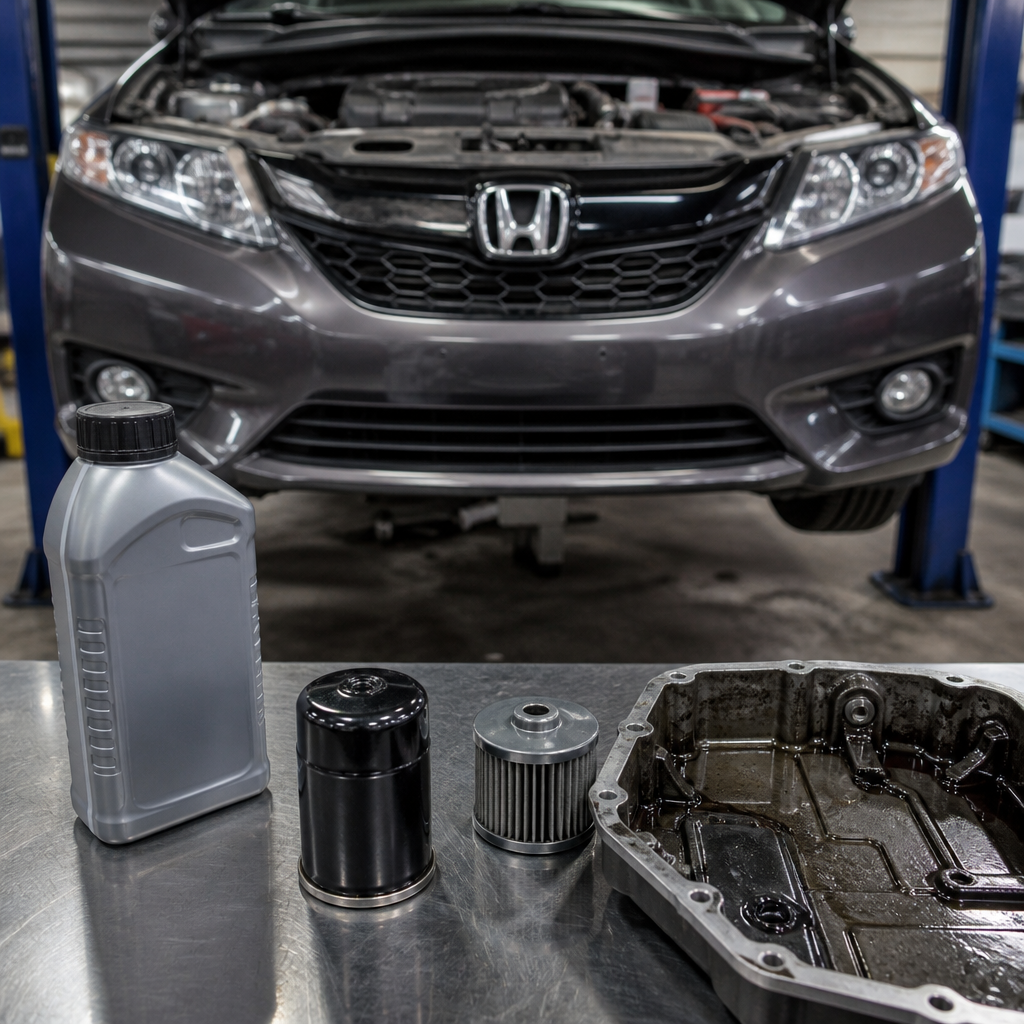
| Engine oil and filter | Protects bearings, cams, clutch, and heat stability | Extending intervals after hard riding | Use correct viscosity and shorten intervals for track use |
| Chain and sprockets | Affects smooth power delivery and output shaft load | Running chain too tight | Measure slack to spec with suspension unloaded as instructed |
| Coolant | Controls thermal cycling and corrosion | Ignoring age because mileage is low | Replace by time interval, inspect hoses and radiator fins |
| Brake fluid | Maintains lever feel and ABS performance | Leaving fluid in for years | Flush regularly and use unopened DOT-rated fluid |
| Fasteners and fairings | Prevents stripped threads and rattles | Using wrong driver on JIS screws | Use JIS tools, torque wrench, and correct clip handling |
The JIS Standard: The Fastener Detail That Protects Metric Bikes
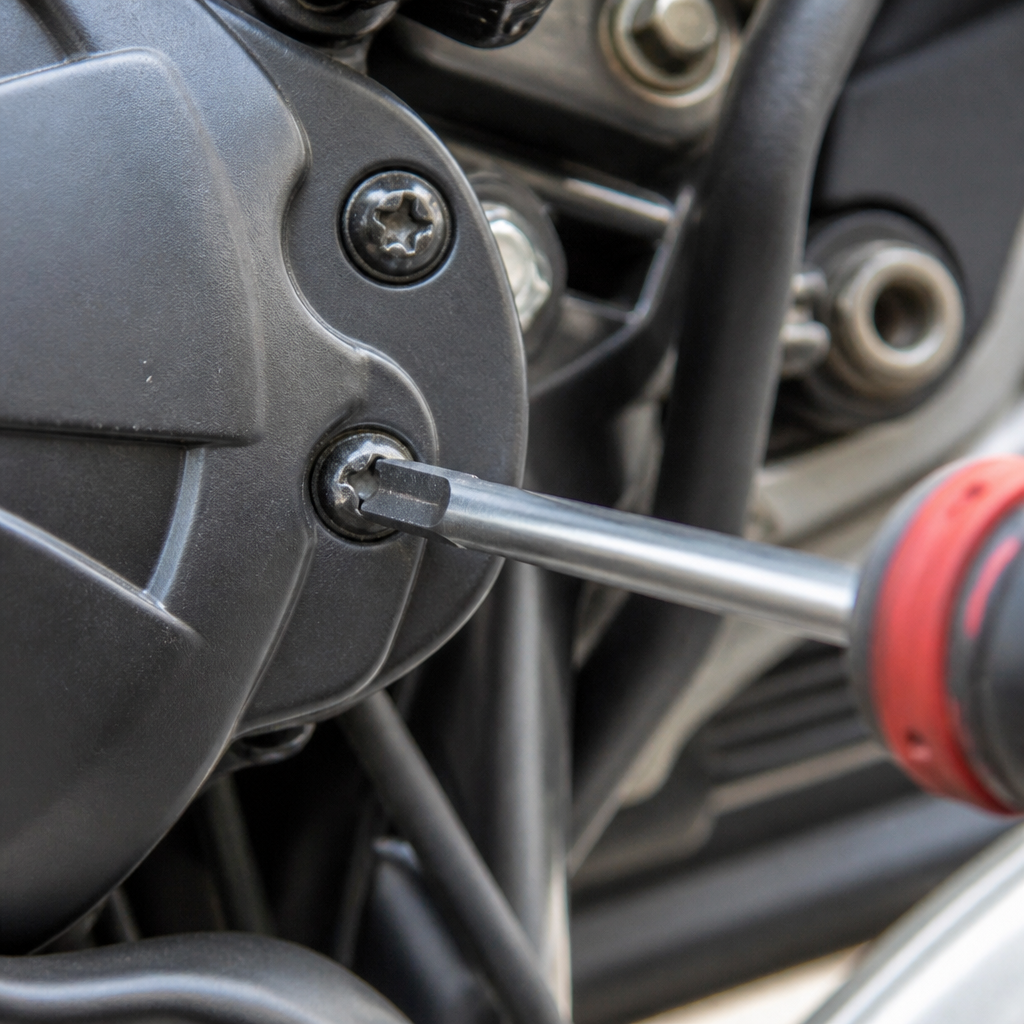
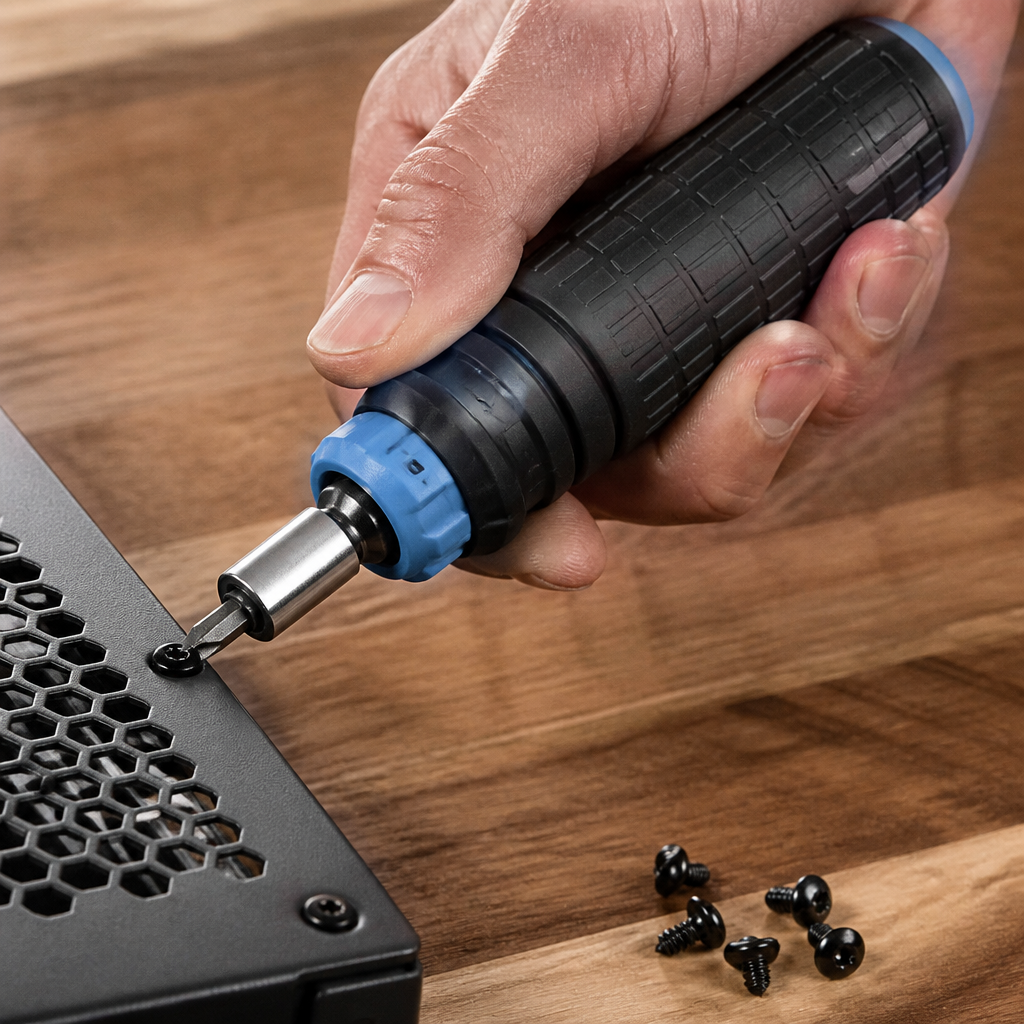
If there is one overlooked concept that saves Japanese motorcycles from avoidable damage, it is understanding JIS cross-head screws. Many riders assume every cross-head fastener is Phillips. On older and current Japanese machines, that assumption destroys screw heads, especially on reservoir caps, carburetor-era hardware, switchgear, and body attachments. JIS geometry allows different driver engagement, with less cam-out when the proper bit is used. Brands such as Vessel and Hozan make dedicated JIS drivers and impact tools that should be considered basic equipment for anyone maintaining a metric bike.
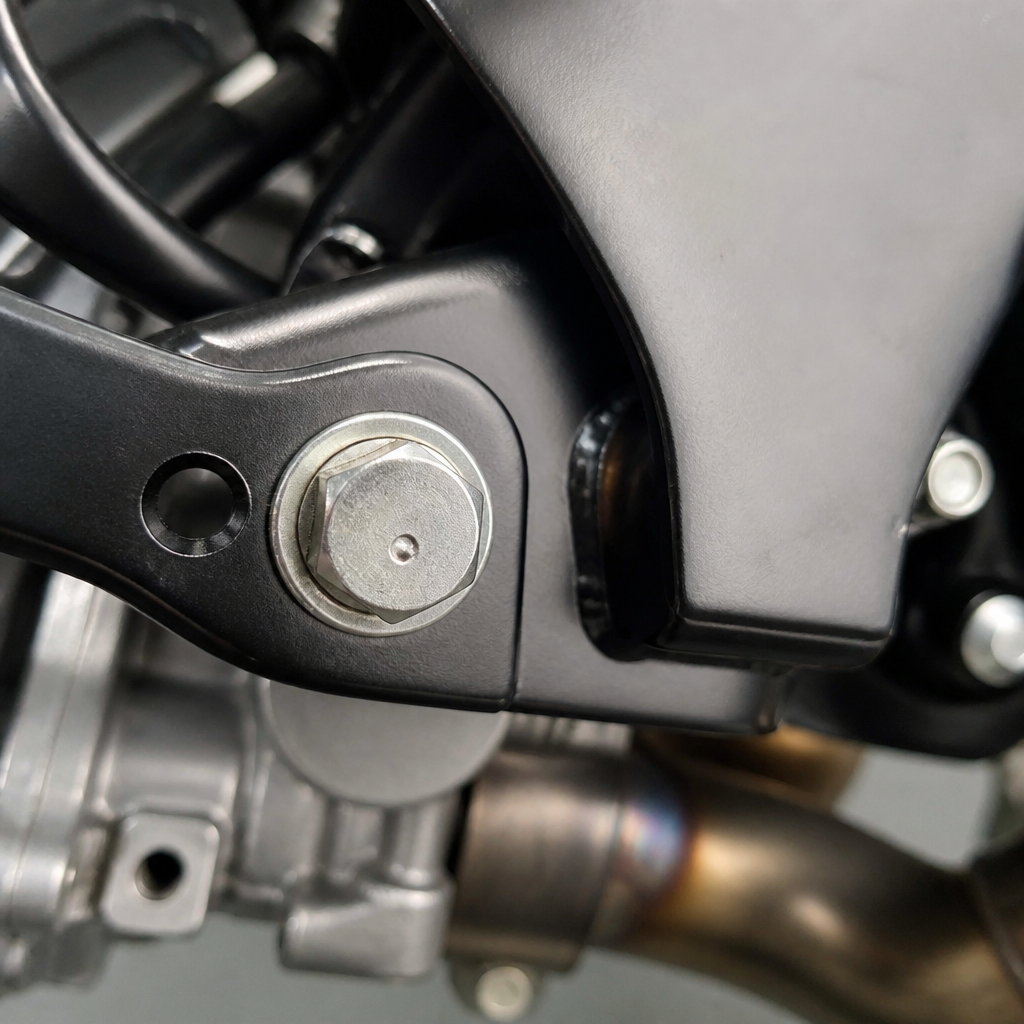
On the Yamaha R7, you will encounter more hex and flange hardware than on older bikes, but the JIS principle still matters because the broader Japanese design philosophy rewards tool precision. Once an owner uses the right driver standard, correct metric socket sizes, and disciplined torque application, a lot of “Japanese bikes have soft fasteners” complaints disappear. In my experience, the fasteners are usually fine; the tool choice is wrong. For this hub, the practical takeaway is simple: correct standard, correct bit engagement, and clean tool faces reduce stripped screws, protect painted covers, and maintain serviceability across the life of the bike.
DCT Maintenance and Why It Belongs in an R7 Hub
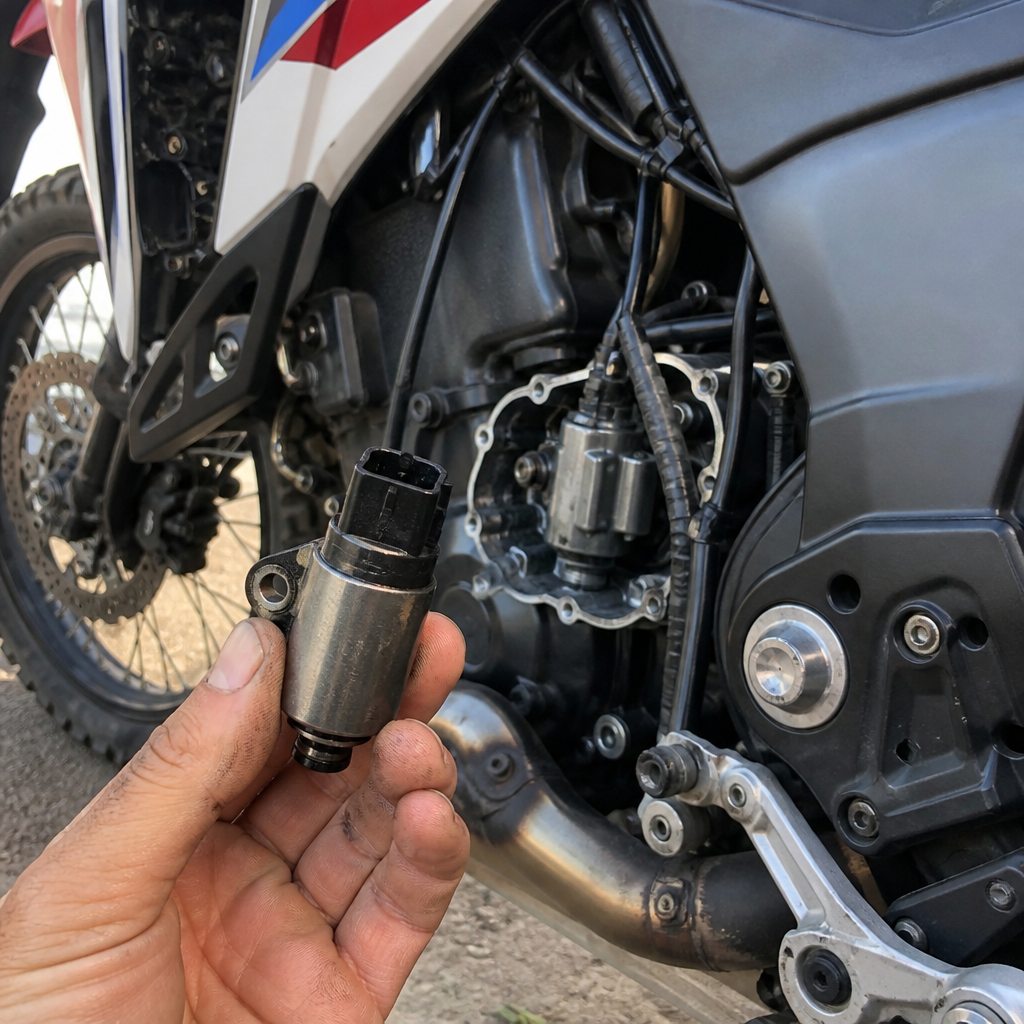
The Yamaha R7 does not have a dual-clutch transmission, yet DCT maintenance belongs in this hub because riders comparing metric reliability frequently cross-shop Japanese platforms, especially Honda models with DCT. DCT systems add mechatronic and hydraulic complexity but are not inherently unreliable. They require disciplined fluid quality, proper filter service, battery health, and software-aware diagnostics. Owners who understand DCT maintenance gain a useful contrast: the R7’s conventional six-speed manual and cable-operated clutch are simpler, cheaper to service, lighter, and easier to troubleshoot in a home garage.
That comparison highlights why the R7 appeals to riders who want modern performance without advanced transmission complexity. A DCT-equipped sport-tourer can be exceptionally durable, but service planning is less forgiving of neglect. Fluid contamination or skipped maintenance can affect shift quality and actuator response. By contrast, on the R7, clutch wear is easier to detect through feel, free-play changes, and engagement behavior. If your goal is minimum mechanical uncertainty, the R7 benefits from traditional simplicity. If your goal is reduced rider workload in traffic, DCT may justify its extra service demands. Reliability is always relative to design intent.
Metric Quirks That Matter More Than Spec Sheets
Metric motorcycles share certain workshop quirks that experienced owners learn quickly. Thread pitch can differ even when bolt heads look familiar, aluminum engine cases punish over-torque, and Japanese electrical connectors often require a release-tab technique that should never be forced with a pick. On faired bikes like the R7, panel removal order matters. Pulling in the wrong direction breaks tabs and creates future rattles that owners mistake for deeper problems. Hose clamps, rubber well nuts, and push rivets also deserve patience. Reliability is often the sum of these tiny choices repeated over years.
Another metric-specific habit is trusting the service manual over generic internet advice. Japanese manufacturers usually provide clear torque values, fluid grades, and inspection procedures for a reason. I have seen more damage from universal “tight enough” thinking than from any factory defect. The R7 rewards procedural maintenance: keep a metric torque wrench, use anti-seize only where appropriate, avoid contaminating brake components, route accessory wiring away from steering sweep and heat sources, and log every service by date and mileage. This is how a reliable motorcycle stays reliable. It is rarely glamorous, but it is measurable and repeatable.
Building a Long-Term Maintenance Plan for the Yamaha R7
A strong Yamaha R7 maintenance plan starts with interval discipline and use-case adjustment. Street-only riders can follow factory schedules closely, but anyone doing track days, aggressive canyon riding, or frequent short trips should tighten fluid and inspection intervals. Oil changes should reflect thermal load, not just mileage. Chain service should happen before the chain looks dry. Brake fluid should be changed by time because moisture contamination does not care how little the bike was ridden. Tires should be evaluated for age, profile distortion, and heat cycling, not just tread depth. These habits preserve reliability more effectively than any aftermarket part.
For this encyclopedia hub, the best ownership model is modular. Start with four recurring checkpoints: fluids, fasteners, wear items, and electronics. Under fluids, track oil, coolant, brake fluid, and fork service timing. Under fasteners, inspect controls, rearsets, calipers, axle hardware, and body mounts. Under wear items, monitor chain, sprockets, pads, tires, and clutch feel. Under electronics, verify battery state, charging voltage, lighting, switches, and connector condition. Owners who build this structure into a spreadsheet or maintenance app usually spend less over time because they catch deterioration early. The R7’s reliability is strongest when maintenance becomes a system, not a reaction.
Where the R7 Fits in the Modern Metric Standard
The phrase “new metric standard” fits the Yamaha R7 because it represents a broader shift in what riders value. Ten years ago, middleweight credibility often meant an inline-four screamer or a larger displacement compromise bike. Today, many riders prioritize usable torque, manageable service demands, lower operating cost, and durability under mixed use. The 270-degree crank parallel twin delivers that package. It feels engaging without being fragile, fast enough without encouraging constant redline abuse, and accessible to home mechanics without being crude. That combination is why the architecture now shapes expectations across the metric category.
The real lesson is not that every rider should buy an R7. It is that reliability should be judged as a complete ownership system: engine design, fastener standards, maintenance complexity, tool compatibility, and how well the bike tolerates normal human imperfection. The Yamaha R7 scores highly because its core engineering is proven and its surrounding service demands are reasonable. Learn the JIS standard, respect metric quirks, understand how simpler drivetrains compare with DCT systems, and maintain the bike with precision. If you do, the R7 becomes more than a sport bike. It becomes a practical benchmark for reliable modern metric motorcycling, and a strong foundation for the rest of your maintenance knowledge. Start with the service manual, the right tools, and your next scheduled inspection.
Frequently Asked Questions
1. Why is the Yamaha R7’s 270-degree crank so important to its reliability story?
The 270-degree crank is central to the Yamaha R7’s reputation because it affects far more than exhaust note or “character.” In a parallel twin, crankshaft design shapes how power pulses are delivered, how vibration is felt, how traction behaves under throttle, and how the engine manages stress over time. With a 270-degree crank, the firing intervals are uneven, which gives the R7 a V-twin-like feel while keeping the compact size, lower parts count, and efficient packaging of a parallel twin. That combination matters for durability because the engine can remain relatively simple and space-efficient without sacrificing the broad, usable torque that riders want in the real world.
From a reliability perspective, simplicity is a major advantage. Compared with more complex engine layouts, the R7’s twin-cylinder platform has fewer moving parts than an inline-four, which generally helps with long-term maintenance and service accessibility. The 270-degree crank also contributes to a more planted and predictable torque delivery, which can reduce the sense of abruptness that sometimes encourages excessive clutch slip, repeated harsh downshifts, or aggressive throttle corrections. In other words, the crank design does not just change the engine’s personality; it influences how the motorcycle is ridden, and rider behavior always plays a role in wear patterns.
It also matters because modern reliability standards are no longer judged only by whether an engine can accumulate mileage. Riders increasingly expect a bike to feel smooth enough for daily use, controlled enough for spirited riding, thermally stable in traffic, and durable under repeated load. The 270-degree crank helps the R7 meet those expectations by offering strong midrange performance and a distinctive pulse pattern without requiring a physically larger or more mechanically complex powerplant. That is why many riders see it as a benchmark feature in the middleweight category: it supports both emotional appeal and practical longevity.
2. Does the 270-degree crank make the Yamaha R7 more reliable than other middleweight sport bikes?
Not automatically, but it gives the R7 several traits that support dependable real-world ownership. Reliability is never determined by one component alone. It is the result of engine design, tuning, cooling efficiency, manufacturing quality, maintenance intervals, rider habits, and how hard the bike is used. The 270-degree crank should be viewed as one part of a broader engineering package rather than a magic solution. That said, it does help the R7 stand out because it delivers a very usable torque curve and strong rideability from a relatively straightforward twin-cylinder engine architecture.
In practical terms, the R7 benefits from Yamaha’s well-established CP2 engine family, which has already earned a strong reputation in other models for durability and manageable ownership costs. That history matters more than marketing language. An engine platform that has been used, tested, and refined across multiple applications usually inspires more confidence than an all-new design pushed to the edge of performance. The R7 is not trying to be a fragile, ultra-strung race replica. It is tuned to balance performance with street usability, and that philosophy tends to age well from a reliability standpoint.
Compared with some higher-revving alternatives, the R7’s twin-cylinder layout can also mean less complexity, easier service access, and fewer components competing for space under the fairings. None of that guarantees perfection, but it improves the odds of long-term satisfaction. The real takeaway is that the 270-degree crank contributes to a broader formula: strong midrange, predictable power delivery, compact design, and proven mechanical architecture. Those are exactly the qualities that make a motorcycle feel dependable year after year, especially for riders who want both fun and low drama.
3. How do vibration and heat management affect Yamaha R7 reliability in daily riding?
Vibration and heat are two of the most overlooked parts of motorcycle reliability, and both are highly relevant to the Yamaha R7. Many riders think reliability begins and ends with catastrophic engine failure, but long-term ownership is often shaped by smaller stresses. Excessive vibration can loosen fasteners, fatigue brackets, accelerate wear in mounts and rubber components, and simply make a motorcycle more tiring to ride. Heat, meanwhile, affects oil stability, coolant efficiency, sensor performance, gasket longevity, and overall comfort in slow traffic or hot climates. A bike does not need to “break” to feel unreliable; if it runs uncomfortably hot, transmits harsh vibration, or becomes inconsistent in stop-and-go use, owners will judge it more harshly.
The R7’s 270-degree crank gives it a more character-rich pulse than a conventional evenly firing twin, but Yamaha’s engineering approach keeps that character from becoming a liability. Proper balancing, engine mounting, and modern fueling all help ensure that the bike feels alive rather than crude. Riders usually describe the R7 as engaging, not punishing, which is important because a machine that communicates the road without shaking itself apart tends to inspire confidence over time. A manageable vibration profile also helps preserve comfort on longer rides, reducing rider fatigue and making the bike easier to live with as an everyday machine.
Heat management is equally important because the R7 is expected to perform in multiple environments: urban commuting, canyon riding, weekend sport use, and occasional track exposure. A reliable middleweight must be able to control temperatures under varied loads without becoming temperamental. Yamaha’s proven engine platform helps here, as does the overall balance of power output versus engine size. The R7 is not trying to produce superbike-level numbers from a compact twin, which gives it more thermal breathing room. As long as owners keep coolant fresh, monitor the cooling system, and avoid neglecting basic maintenance, the R7’s thermal behavior is generally consistent with what riders want from a dependable modern sport bike.
4. Is the Yamaha R7 engine durable enough for high mileage, commuting, and occasional track use?
Yes, for most owners the Yamaha R7 is widely considered durable enough to handle exactly that mix of use, provided it is maintained correctly. One of the strongest arguments in the R7’s favor is that it uses an engine architecture already known for solid long-term service. The CP2-based platform has earned credibility because it combines practical power with a comparatively low-stress operating character. The bike is lively and sporty, but it is not tuned in a way that suggests extreme fragility. That makes it appealing to riders who want one motorcycle that can commute during the week, carve roads on the weekend, and still survive the occasional track day without feeling like a maintenance-intensive exotic.
For commuting, the engine’s broad midrange torque means the bike does not need to be constantly revved hard to make progress. That can reduce unnecessary mechanical strain in everyday riding and also makes the R7 easier on the rider in traffic. For high-mileage use, consistency matters more than peak excitement. Regular oil changes, chain maintenance, coolant service, valve inspections at the proper intervals, and responsible warm-up habits will do far more for the bike’s life expectancy than any single design feature. Yamaha’s reputation in this category is largely built on exactly that kind of sustained, routine ownership success.
For track use, context is important. Occasional track days are very different from full-time racing. The R7 is generally well suited to amateur or enthusiast track riding because its engine character is predictable, its chassis is focused, and its overall package is not operating at the razor’s edge of reliability. However, repeated high-rpm sessions, hot ambient temperatures, or aggressive modifications can increase wear. If an owner plans to track the bike regularly, more frequent fluid changes, close inspection of brake and cooling components, and careful attention to tire and chain condition become essential. In stock or lightly modified form, though, the R7’s engine is widely seen as one of the more sensible and durable choices in the middleweight sport segment.
5. What maintenance habits matter most if you want the Yamaha R7 to stay reliable long term?
The most important maintenance habit is consistency. The Yamaha R7 does not demand exotic care, but it does reward owners who stay ahead of routine service instead of waiting for symptoms. Oil and filter changes at appropriate intervals are foundational because the engine depends on clean lubrication for heat control, friction management, and long-term internal protection. Using the correct oil grade, checking levels regularly, and avoiding extended neglect are among the simplest ways to preserve reliability. The same applies to coolant condition, as cooling system health directly affects how well the engine handles traffic, warm weather, and repeated spirited riding.
Chain care is another major factor that is often underestimated. A neglected chain and sprocket set can create driveline harshness, accelerate wear, and make the bike feel rougher than it actually is. Keeping the chain properly lubricated and adjusted helps maintain smooth power delivery and reduces unnecessary stress throughout the final drive. Tire condition, brake fluid, clutch feel, and fastener checks also matter because reliability is about the whole machine, not just the engine. A motorcycle that starts every time but has a poorly maintained chassis or worn controls will not feel dependable in real use.
Owners should also pay attention to riding habits. Let the bike reach operating temperature before demanding full performance, avoid abusive clutch launches, and be realistic about the impact of aftermarket tuning. Many reliability problems attributed to a motorcycle model are actually linked to skipped maintenance, poor-quality modifications, or repeated hard use without supporting service. The R7’s appeal is that it combines