The Suzuki GSX-8TT “Retro Spirit” Performance centers on a 776cc parallel-twin that blends modern engineering with classic styling, and maintaining it correctly means understanding more than routine oil changes. Owners need to know how Suzuki’s twin differs from older UJMs, why metric service habits matter, how Japanese Industrial Standard fasteners can affect simple jobs, and where dual-clutch transmission maintenance enters the bigger conversation even on bikes that do not use one. As a hub within a Maintenance & Technical Encyclopedia built around metric motorcycles, this guide connects those threads into one practical framework. In my workshop, the bikes that stay reliable longest are rarely the most pampered; they are the ones serviced with the correct specifications, tools, intervals, and assumptions. That distinction matters because modern middleweights are tightly packaged, emissions-calibrated, and electronically managed. A small mistake like using the wrong screwdriver profile, overfilling coolant, or misunderstanding metric torque can turn a basic service into stripped hardware, sensor faults, or premature wear.
For this article, key terms deserve clear definitions. A parallel-twin is a two-cylinder engine with both cylinders upright in the same block, sharing one crankcase. The GSX-8 platform uses a 776cc DOHC twin with four valves per cylinder and a 270-degree crankshaft, giving V-twin-like firing character while retaining compact dimensions. JIS refers to Japanese Industrial Standards, including screw and fastener profiles commonly found on Japanese motorcycles, especially legacy parts and electrical components. DCT means dual-clutch transmission, a system best known from Honda models, using two clutches and electro-hydraulic control to automate gear changes. Metric quirks are the service realities specific to Japanese and European motorcycles: millimeter-based fasteners, torque values in newton-meters, hose sizes in metric inner diameters, and tolerance stacks that punish inch-based guesswork. Even when one model lacks DCT, a serious maintenance encyclopedia must cover it because owners often cross-shop, share tools, and carry assumptions from one metric bike to another.
Why does this matter for the GSX-8TT specifically? Because Suzuki’s 776cc twin is a high-value performance engine that rewards disciplined maintenance. Its compact layout, liquid cooling, ride-by-wire throttle, and modern electronics make it more robust than older carbureted machines in some ways and less forgiving in others. The owner who understands standards, transmission types, and metric conventions can service the motorcycle faster, avoid damaged hardware, and speak the same language as the factory service manual. That lowers cost, preserves reliability, and protects resale value.
Understanding the 776cc parallel-twin and its maintenance priorities
Suzuki’s 776cc twin, shared across the GSX-8 family, is built around a 270-degree crank, dual overhead camshafts, and a cross balancer system designed to reduce vibration without bloating the chassis. In practical maintenance terms, that architecture creates four top priorities: lubricant quality, cooling system integrity, throttle and fueling smoothness, and fastener care during repeated access to tightly packaged components. The engine’s character encourages spirited riding, which means heat cycles, chain loads, and frequent use of the midrange where twins spend much of their service life. I have seen these modern twins hold up extremely well when owners keep oil within specification, maintain chain slack correctly, and do not delay coolant and brake fluid changes. Neglect usually shows up first as rough shifting feel, notchy driveline response, corrosion around fittings, or accessory-induced electrical problems rather than catastrophic engine failure.
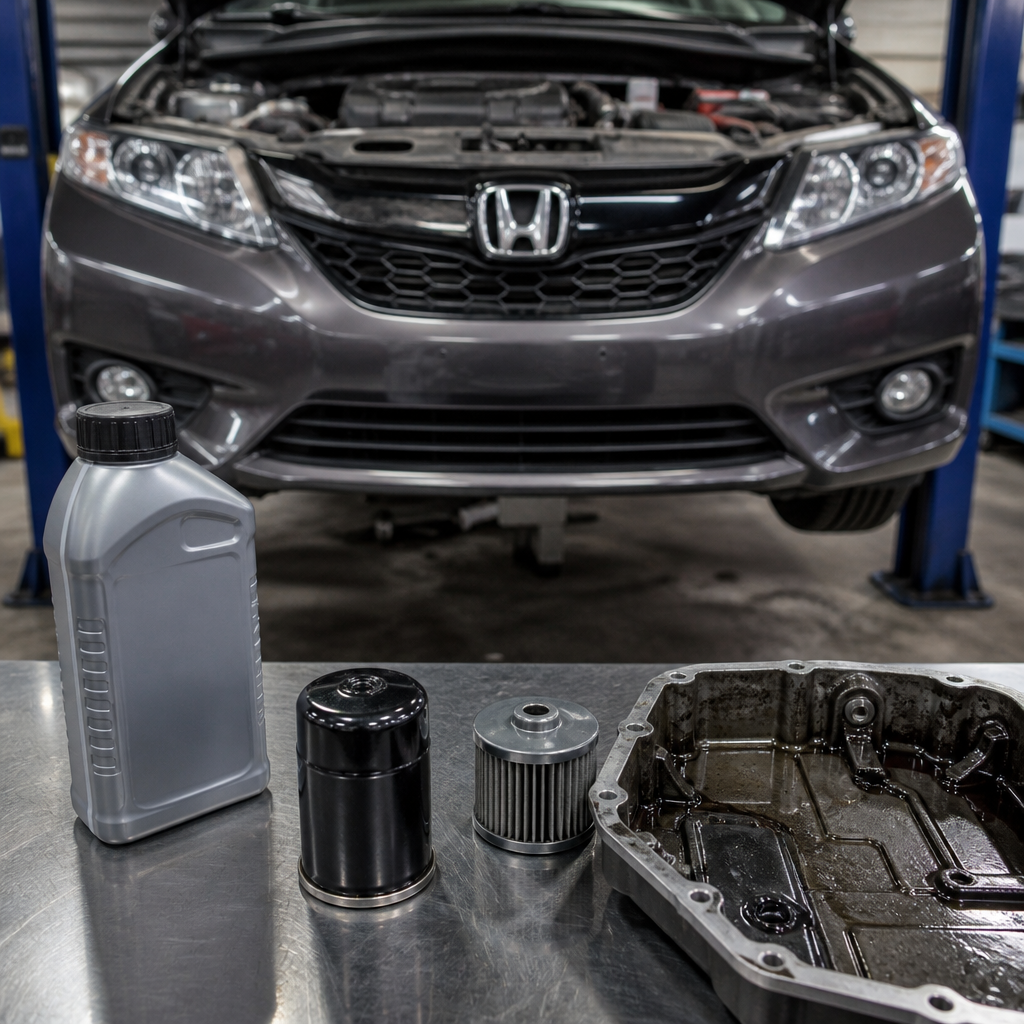
For oil service, the rule is simple: use the grade and specification Suzuki calls for, match the viscosity to climate, and change it on schedule or earlier if the bike sees repeated short trips, track days, or dusty use. Wet-clutch motorcycles depend on oil not only for engine protection but also for clutch behavior and gearbox feel. That means automotive oil with friction modifiers can create problems even when the viscosity looks correct on the bottle. A quality motorcycle oil meeting JASO MA or MA2 standards is the safe baseline. The cooling system deserves equal attention. The 776cc twin relies on stable operating temperatures for emissions control, combustion efficiency, and long gasket life. Check hose clamps, radiator fins, and coolant level at the reservoir, but never treat the overflow bottle as the whole system; cap condition and proper bleeding matter too. Modern liquid-cooled bikes tolerate neglect for a while, then punish it suddenly.
Air intake and fueling on the GSX-8 platform are also worth watching because ride-by-wire systems mask minor problems until they become obvious. A dirty air filter, stale fuel, weak battery voltage, or poorly routed accessory wiring can show up as hesitant starts, unstable idle adaptation, or warning lights. Unlike an older carbureted twin, this engine needs stable sensor input to deliver smooth power. Battery health is therefore a maintenance item, not a convenience. When system voltage falls, diagnostics become confusing and owners start replacing good parts. Use a smart charger during storage, test resting voltage, and inspect grounds before chasing phantom issues. The broader lesson is that performance maintenance on a modern Suzuki means caring for the whole operating environment around the engine, not just the pistons and cams.
The JIS standard: why Japanese fasteners still trip up skilled owners
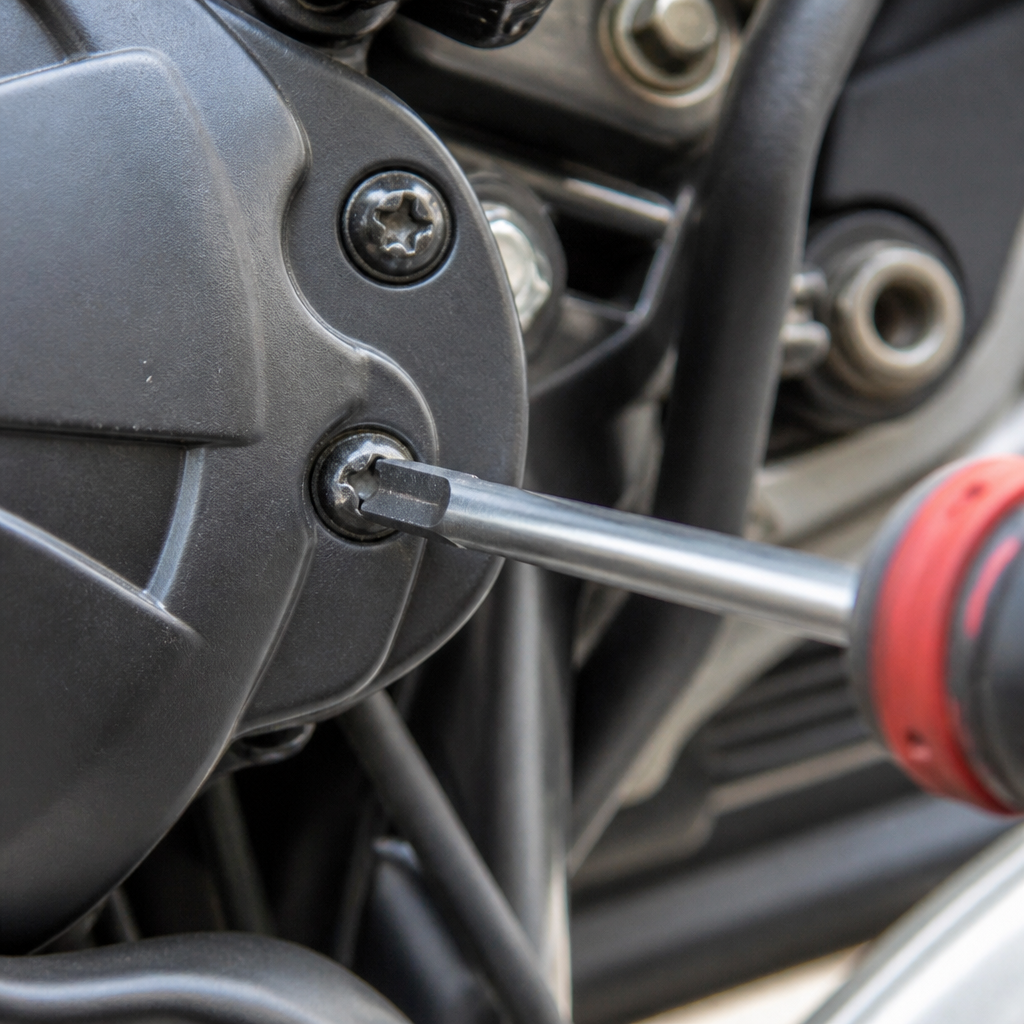
JIS hardware is one of the most overlooked subjects in motorcycle maintenance, yet it explains why so many perfectly competent owners mangle screw heads on Japanese bikes. Traditional Japanese crosshead screws are not identical to Phillips. The difference is subtle in appearance but significant in use. Phillips was designed to cam out under excess torque; JIS was designed for more positive engagement. Put a common Phillips screwdriver into a JIS screw on a master cylinder lid, switchgear housing, carb top, or bodywork bracket, and the driver can ride up the flanks, chew the recess, and leave the owner thinking the screw was overtightened by the factory. In reality, the tool fit was wrong. On newer motorcycles, hex sockets and flange bolts have replaced many old-style screws, but JIS still appears often enough in controls, reservoir caps, and electrical components that every metric-bike owner should own dedicated JIS drivers or bits.
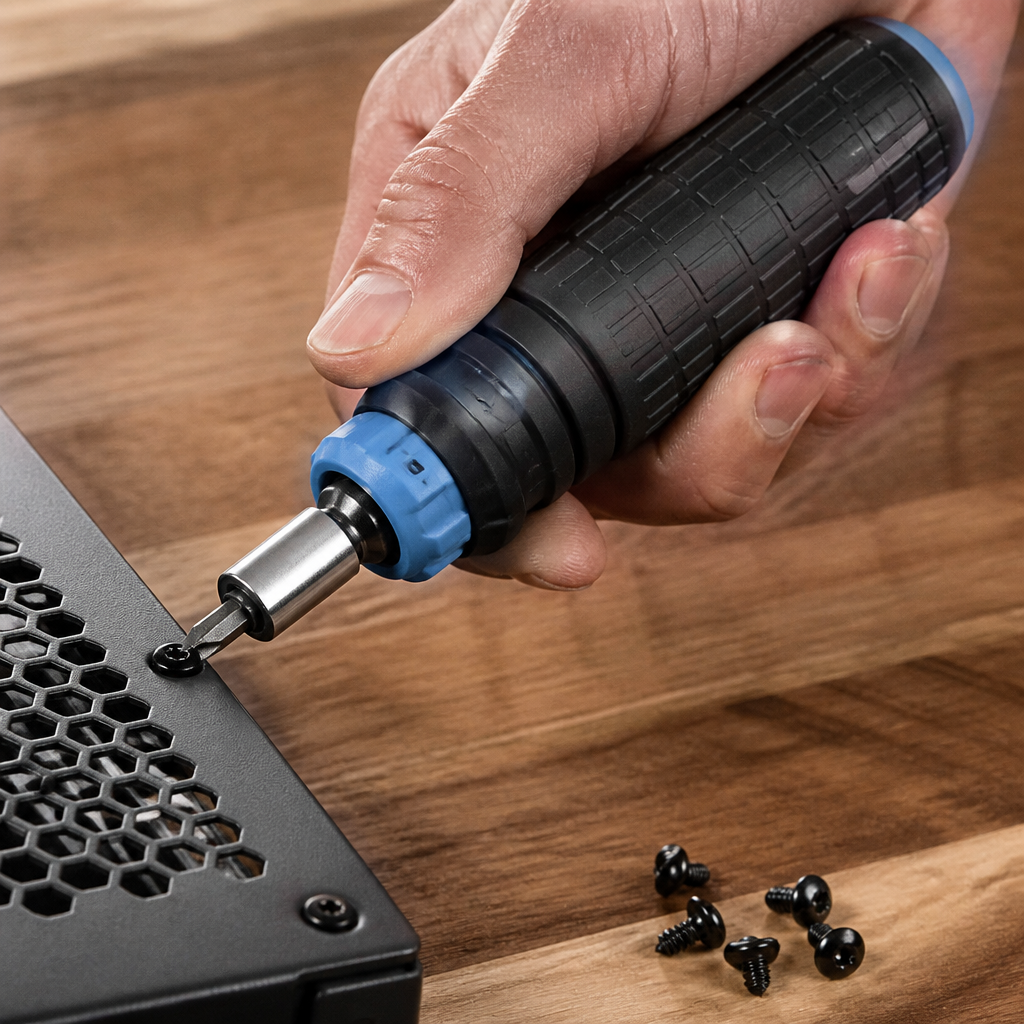
In the shop, I treat JIS awareness as cheap insurance. A Vessel or Hozan JIS driver costs far less than one damaged brake reservoir cap or one hour spent extracting a ruined screw. The practical method is straightforward: clean the fastener recess first, seat the driver fully, apply downward pressure, and break the screw loose in one deliberate motion. If corrosion is present, use penetrating oil and a hand impact driver where appropriate. Avoid jumping straight to locking pliers, because that usually scars adjacent finishes and turns a maintainable machine into a cosmetic compromise. On a retro-styled bike like the GSX-8TT, preserving visible hardware matters. Fastener appearance contributes to long-term value and owner confidence as much as a dyno chart does.
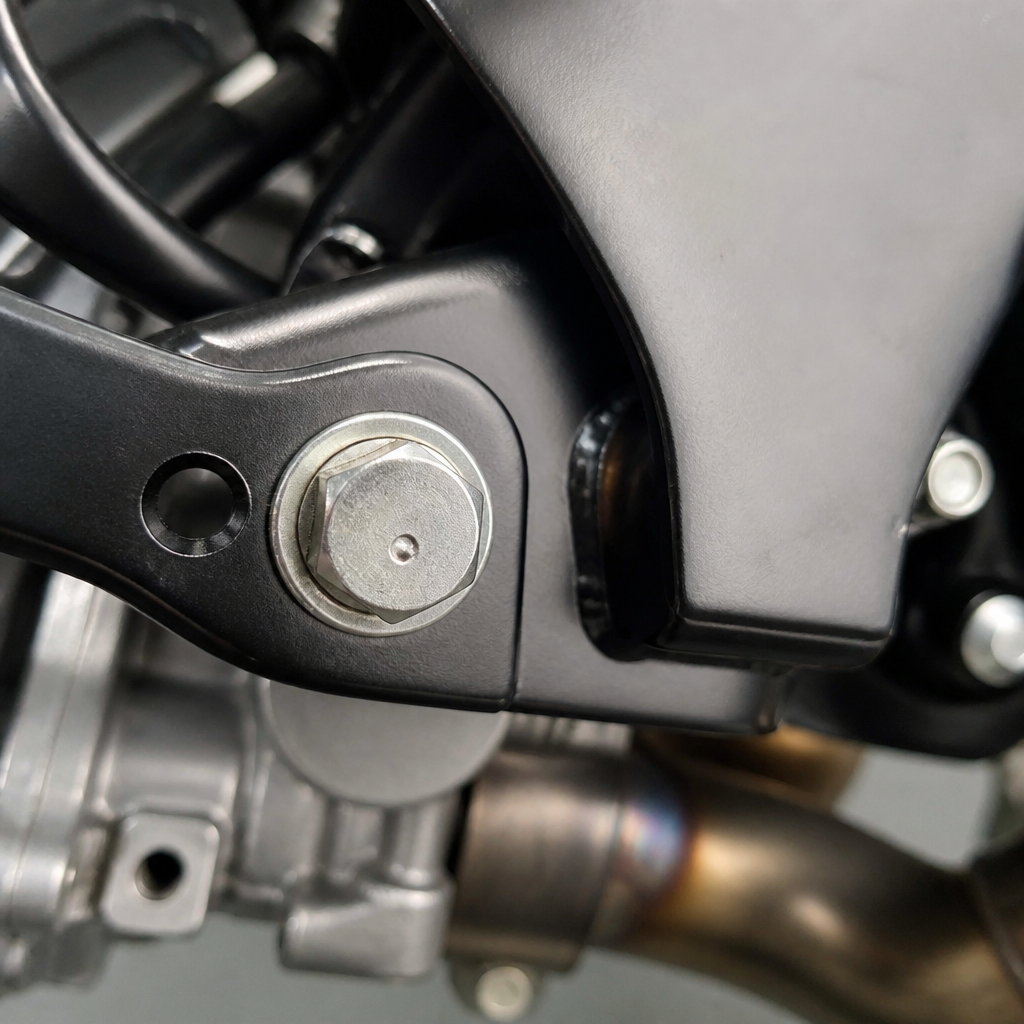
JIS knowledge also overlaps with torque discipline. Many stripped threads on metric motorcycles come from owners who assume small fasteners need “snug plus a little more.” That is not a specification. Aluminum engine covers, bar clamp mounts, brake perches, and bodywork inserts each have different thread engagement and clamping needs. Use a torque wrench scaled appropriately for the job. A 3/8-inch drive wrench is often too coarse for tiny fasteners; a 1/4-inch drive inch-pound or low-range newton-meter wrench is safer. If the service manual calls for threadlocker, use the correct strength and apply it sparingly. If anti-seize is used where it is not specified, torque values can become inaccurate because lubricated threads change clamping force. Correct tool geometry, correct standard, and correct torque are what keep a Japanese motorcycle serviceable after years of ownership.
DCT maintenance in a metric encyclopedia: relevant lessons even without DCT on the bike
The GSX-8TT does not use a dual-clutch transmission, but DCT maintenance belongs in this hub because many riders move between metric platforms and carry habits from one machine to another. Honda’s DCT system uses two clutches, oil pressure control circuits, shift actuators, and software logic to preselect gears and automate engagement. The service implications are different from a conventional six-speed with a hand-operated wet clutch. Fluid cleanliness, filter changes, adaptation behavior, battery voltage, and scan-tool diagnostics matter more, while lever free play does not apply. Why include this in a Suzuki-focused article? Because maintenance errors often come from assumptions. Riders familiar with conventional manuals may underestimate the importance of exact oil specifications on DCT bikes, while DCT owners may forget that clutch feel, cable adjustment, and shift linkage alignment remain central on non-DCT machines.
The transferable lesson is that transmission maintenance always follows the mechanism, not the badge. On a conventional Suzuki twin, evaluate clutch engagement point, shift pedal linkage wear, chain slack, sprocket condition, and oil shear stability. On a DCT-equipped metric bike, add transmission filter service, software updates where applicable, and symptom tracking for delayed engagement or harsh low-speed transitions. In both cases, low voltage can mimic larger faults. I have watched owners blame transmissions for behavior caused by neglected batteries or contaminated oil. The answer is systematic diagnosis. Start with the service schedule, verify consumables, inspect external adjustments, and only then suspect internal failure. That method saves money on every type of metric motorcycle.
| Maintenance area | Conventional wet-clutch manual | DCT-equipped metric motorcycle |
|---|---|---|
| Oil specification | Critical for clutch grip and gearbox feel | Critical for clutch packs, hydraulic control, and shift quality |
| Rider adjustment | Lever free play, cable or hydraulic feel, shift linkage | No clutch lever adjustment; focus on mode behavior and diagnostics |
| Common symptom source | Chain tension, worn linkage, clutch wear, poor oil | Battery voltage, fluid contamination, sensor or actuator faults |
| Service mindset | Mechanical inspection first | Mechanical inspection plus electronic validation |
For owners using this page as a hub, the key point is not that all motorcycles need DCT-specific service. It is that metric-bike literacy includes understanding major drivetrain types and their maintenance logic. That makes you better at asking questions, choosing tools, and interpreting symptoms accurately.
Metric quirks that shape real-world service on Japanese motorcycles
Metric quirks sound minor until they ruin a Saturday service session. The obvious part is fastener sizing: 8, 10, 12, 14, and 17 millimeter heads dominate Japanese motorcycles, and using worn or sloppy tools rounds them quickly. The less obvious part is measurement culture. Torque is specified in newton-meters, clearances in millimeters, runout in fractions of a millimeter, and fluid capacities in liters. Owners who mentally convert everything to inch-pounds, quarts, or fractional drill sizes invite mistakes. On modern bikes, those mistakes cascade. An overtorqued M6 bolt can pull threads from aluminum. A chain adjusted by feel instead of the specified measurement can overload output shaft bearings. A coolant hose replaced with the nearest inch-based substitute can seep under heat cycling because clamp tension and wall thickness differ.
Metric quirks also include electrical connectors, hose routing, and parts-lookup discipline. Japanese motorcycles often use compact Sumitomo-style or similar connectors with positive locking tabs and weather seals. Forcing them apart with picks can damage retention features that are hard to see and expensive to replace. Learn connector release geometry before pulling. Label hoses and fasteners during disassembly because modern naked and sport-standard bikes package emissions plumbing, coolant lines, and harness branches tightly. The GSX-8 platform is not unusually difficult, but it rewards orderly work. I recommend a parts tray by subsystem, photos before removal, and torque notes during reassembly. Those habits matter more on metric machines because many fasteners appear interchangeable until thread pitch, shoulder length, or flange diameter says otherwise.
Finally, metric service culture values the factory manual more than folklore. Japanese manufacturers publish exact intervals, tightening sequences, and inspection limits because the motorcycles are engineered around them. Use those numbers. If aftermarket exhausts, luggage, or protection parts are installed, recheck nearby fasteners after heat cycles and vibration exposure. Accessory fitment is where many “mystery rattles” and stripped threads begin. Keeping a GSX-8TT reliable is not complicated, but it is precise. Respect the standard, use the right tools, and service the motorcycle the way its engineers intended.
Building a durable maintenance routine for the GSX-8TT
A durable routine for the GSX-8TT starts with interval-based service, but it becomes truly effective when paired with condition-based checks. Before every ride, inspect tires, lights, chain condition, fluid leaks, and brake feel. Every few hundred miles, clean and lubricate the chain, then verify slack at the specified point because suspension position changes chain tension. At oil service, inspect the drain plug washer, look for metal on the plug if magnetic, and note whether used oil smells burnt or fuel diluted. At seasonal intervals, flush brake fluid, inspect pad thickness, check coolant age, clean radiator fins carefully, and examine fork seals for weeping. On a parallel-twin used enthusiastically, these small checks are what preserve the polished, immediate response riders associate with a well-kept Suzuki.
Documentation is the final habit that separates average ownership from excellent ownership. Keep dates, mileage, oil brand and viscosity, filter part numbers, torque-critical jobs, battery replacement dates, chain and sprocket changes, and any software or recall work in one log. When troubleshooting, that record is often more valuable than memory. It shows patterns, validates warranty conversations, and raises resale confidence because buyers can see consistent care rather than vague claims. For a sub-pillar hub on maintenance and technical standards, the central message is simple: the 776cc GSX-8TT performs best when serviced with metric fluency, JIS awareness, and a drivetrain mindset broad enough to understand systems like DCT even where they do not apply directly. Use the factory manual, buy proper JIS and metric tools, follow exact fluid specifications, and build a routine before problems appear. Do that, and this retro-inspired Suzuki will deliver the dependable performance its design promises for years.
Frequently Asked Questions
What makes the Suzuki GSX-8TT’s 776cc parallel-twin different from older Japanese twins, and how does that affect maintenance?
The GSX-8TT’s 776cc parallel-twin may wear retro-inspired styling, but mechanically it belongs to a very modern generation of Suzuki engines. That matters because owners should not approach it like an older Universal Japanese Motorcycle twin from the 1970s or 1980s. Older air-cooled twins were often more tolerant of broad maintenance intervals, simpler carbureted fuel systems, and more basic ignition and emissions hardware. By contrast, the GSX-8TT’s engine is designed around tighter manufacturing tolerances, electronic fuel injection, advanced engine management, liquid cooling, and modern emissions expectations. In practical terms, that means service quality, fluid selection, torque accuracy, and inspection discipline all matter more than many riders assume from the bike’s classic appearance.
One of the biggest differences is how precisely this engine is engineered to deliver its power. A modern 776cc parallel-twin is built to balance strong midrange torque with cleaner combustion, smoother fueling, and dependable cold-start behavior. That gives the bike much better real-world performance and consistency, but it also means maintenance needs to be performed to specification rather than by feel alone. Oil grade, coolant type, spark plug condition, chain adjustment, and throttle response are all tied more closely into overall engine behavior than they would be on a looser-tolerance vintage machine. If something is even slightly off, the rider may notice it sooner in heat management, fuel economy, idle stability, or shift quality.
Another important difference is that preventive maintenance has a larger role than reactive repair. On older motorcycles, owners often waited until a problem became obvious: a carburetor clogged, a cable frayed, or a gasket seeped. On a modern Suzuki twin, the better approach is scheduled inspection and fluid care before symptoms appear. Regular oil and filter changes remain foundational, but they are only part of the picture. Coolant service, brake fluid replacement, air filter inspection, battery health monitoring, chain and sprocket evaluation, and checking for software or diagnostic issues all contribute to preserving performance.
The takeaway is simple: the GSX-8TT rewards modern maintenance habits, not vintage assumptions. Treat it like a contemporary performance motorcycle with retro character, and it will return smoother operation, better durability, and more predictable long-term ownership.
Beyond oil changes, what routine maintenance matters most for keeping the 776cc parallel-twin performing at its best?
Oil changes are essential, but they are only the beginning if your goal is to maintain the GSX-8TT’s full performance character. The engine depends on a complete maintenance routine that supports lubrication, cooling, fueling, airflow, drivetrain efficiency, and chassis function. If one of those areas is neglected, the motorcycle can still run, but it may not feel as responsive, refined, or reliable as it should.
Start with the air intake system. A clean air filter is critical on a modern fuel-injected twin because airflow directly affects combustion quality and throttle response. A clogged or aging filter can reduce efficiency and make the engine feel slightly muted or uneven under acceleration. Riders who operate in dusty areas, urban stop-and-go conditions, or mixed-weather environments should inspect the filter more often than the minimum schedule suggests. It is one of the easiest ways to preserve crisp performance.
Cooling system care is equally important. Because this is a liquid-cooled engine, coolant condition and level directly affect thermal stability. Modern parallel-twins are designed to run within a tightly controlled temperature range. Old or contaminated coolant can reduce corrosion protection and heat-transfer efficiency, especially over long intervals. Hoses, clamps, and the radiator should also be inspected periodically. Overheating on a modern motorcycle is not always dramatic at first; it can begin as subtle heat retention, fan overactivity, or inconsistent temperature behavior.
Chain maintenance has an outsized influence on how the bike feels. A poorly adjusted or under-lubricated chain introduces driveline lash, noise, uneven wear, and reduced smoothness during acceleration and deceleration. Keeping the chain properly tensioned, cleaned, and lubricated helps protect both performance and the life of the sprockets. Since the GSX-8TT is likely to be enjoyed for both spirited riding and casual cruising, consistent chain service keeps power delivery clean and predictable.
Brake fluid, clutch feel, and controls should not be ignored either. Even though they are not engine internals, they affect the motorcycle’s overall performance envelope. Brake fluid degrades over time by absorbing moisture, and old fluid can compromise braking feel and internal component longevity. Control cables, pivot points, and lever free play should also be checked regularly so the bike remains precise and easy to manage.
Finally, pay close attention to tires, battery condition, and fastener checks. Tire pressure alone can change how the motorcycle turns, rides, and transfers power. A weak battery may create hard starts or inconsistent electronics behavior, particularly on a bike that relies on modern engine management. A quick visual once-over for loose hardware, seepage, abnormal sounds, or wear patterns often catches small problems before they become expensive ones. In short, the best-performing GSX-8TT is rarely the one with only fresh oil; it is the one maintained as a complete system.
Why do metric service habits matter so much on the GSX-8TT, and what mistakes should owners avoid?
Metric service habits matter because Suzuki designs and assembles its motorcycles around exact metric specifications, not approximate equivalents. That sounds obvious, but many owner-service mistakes come from treating metric hardware, torque values, clearances, and fluid quantities casually. On a machine like the GSX-8TT, where engineering tolerances are modern and component packaging is compact, using the correct metric tools and procedures is more than neatness—it is the difference between professional-grade maintenance and avoidable damage.
The first rule is to use properly sized metric hand tools only. Slightly incorrect tools, worn sockets, or “close enough” substitutes can round bolt heads quickly, especially in areas that see heat cycles or factory thread treatment. This is particularly important on engine covers, brake hardware, axle pinch bolts, and bodywork fasteners. A stripped fastener on a modern motorcycle can turn a simple service job into a drilling, extraction, and replacement project in very little time.
Torque discipline is the next major issue. Many owners overtighten smaller fasteners because they are used to older bikes or general automotive work. Aluminum engine cases, brackets, and threaded mounting points can be damaged by excessive force long before the installer realizes it. A quality torque wrench calibrated for the correct range is one of the most valuable tools an owner can have. Following the exact service manual specification protects both the fastener and the component it threads into.
Fluid measurement and specification also deserve precision. Use the exact oil viscosity and quality standard recommended for the bike, along with approved coolant and brake fluid types. Mixing incompatible products or estimating refill quantities can lead to reduced lubrication performance, seal issues, poor clutch feel, or cooling system inefficiency. Metric-minded maintenance means measuring rather than guessing.
Owners should also avoid applying universal habits from older motorcycles, such as overusing threadlocker, forcing fittings, or substituting hardware based on visual similarity. Metric pitch and diameter must match exactly. Even if a bolt appears to fit, the wrong thread can damage the receiving threads permanently. Good metric service habits are really about respecting the machine’s engineering. On the GSX-8TT, precision is not fussy—it is practical, and it protects performance, safety, and long-term reliability.
How do Japanese Industrial Standard fasteners affect home maintenance on a Suzuki, and what tools should owners use?
Japanese Industrial Standard, or JIS, fasteners are an often-overlooked part of working on Japanese motorcycles correctly. Many owners see a cross-head screw and assume it is a standard Phillips design, but that assumption can create stripped screw heads very quickly. On a Suzuki, especially during routine service around covers, clamps, switchgear, reservoir caps, and other smaller fittings, the difference between the correct driver and a generic one can decide whether a job takes ten minutes or becomes a frustrating extraction exercise.
The key difference is engagement. JIS screw heads are designed to accept a driver profile that seats more positively and reduces cam-out under torque. A Phillips driver is intentionally designed to slip out more easily at higher torque levels, which is helpful in some manufacturing applications but frustrating on motorcycles. If you use a Phillips driver on a JIS-style fastener that has been heat-cycled, exposed to moisture, or tightened firmly from the factory, the odds of chewing up the screw head increase dramatically.
For home maintenance, the solution is simple: buy a proper set of JIS-compatible screwdrivers or bits. These are inexpensive compared to the cost of replacing damaged hardware or paying a shop to remove seized screws. An impact driver can also be very helpful for stubborn case screws or cover fasteners, provided it is used carefully and with the correct bit. Many experienced Japanese motorcycle owners consider JIS tools essential, not optional.
It is also wise to inspect fasteners before beginning any service task. If a screw already shows signs of wear, corrosion, or prior damage, address it carefully from the start rather than forcing it. Penetrating oil, controlled