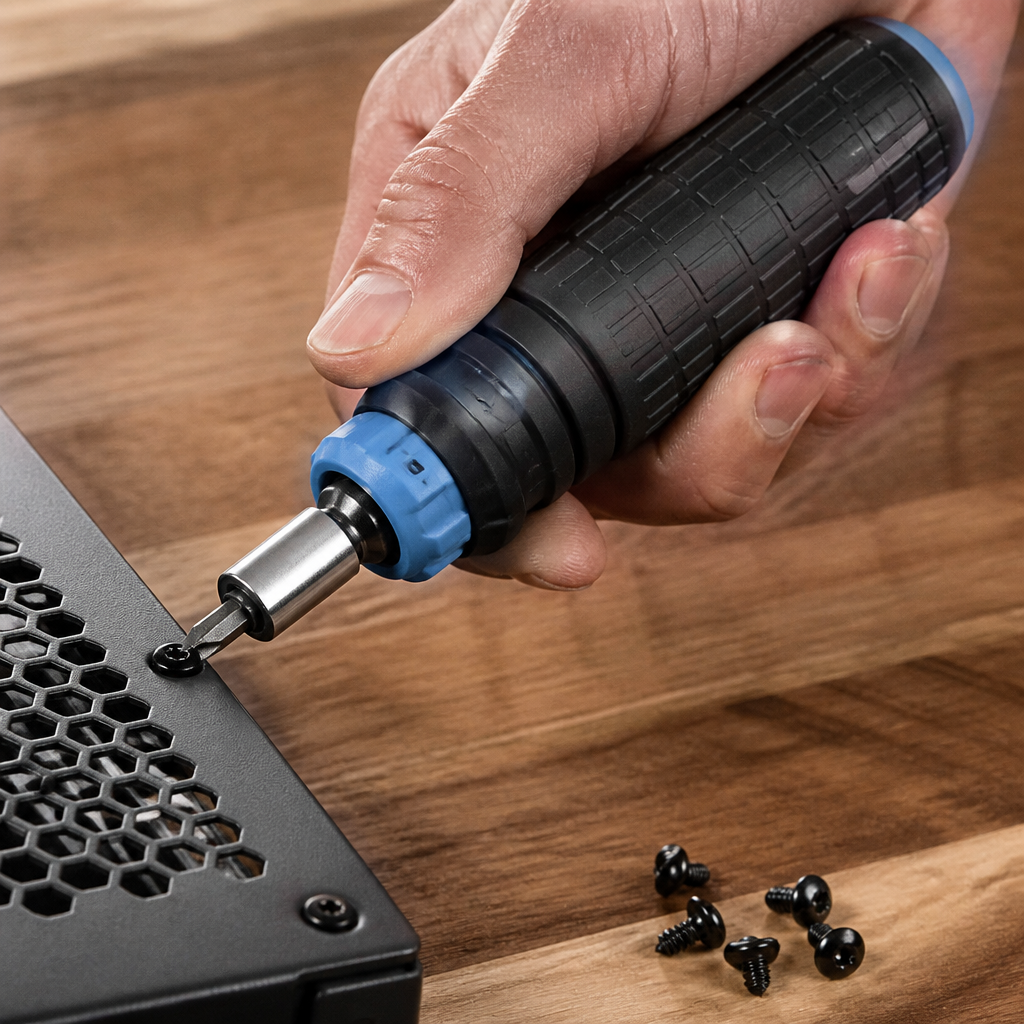
The Vessel Megadora Impacta is the most practical hand tool I keep within reach for metric case screws because it solves three problems at once: stubborn fasteners, damage-prone screw heads, and the confusion created by Japanese Industrial Standard geometry, DCT maintenance routines, and small but costly metric quirks. In workshops that service watches, cameras, motorcycles, industrial controls, Japanese audio gear, and drivetrain components, “metric case screws” usually means machine screws and tapping screws sized in millimeters, often with head designs that look familiar but behave differently under load. The term also covers screws fitted into covers, housings, side cases, electrical boxes, gearbox casings, engine covers, and sealed assemblies where access is tight and corrosion or thread locking compounds are common.
I have used standard Phillips drivers, budget impact tools, torque screwdrivers, and improvised punches on these jobs, and the recurring lesson is simple: most screw damage happens before the screw even starts turning. A driver that cams out rounds recesses. A heavy impact shock cracks brittle housings. The wrong tip standard feels “close enough” until it slips. The Vessel Megadora Impacta stands out because it combines a correctly ground precision tip, a hammer-activated impact mechanism, and controlled rotational force designed for seized screws in metric assemblies. That combination matters most on JIS crosshead screws, where fit is everything, and on DCT service work, where case fasteners often see heat cycling, oil exposure, sealant, and factory thread treatments.
This article is the hub for the full subtopic because the same misunderstandings appear across disciplines. People ask whether JIS is just Phillips, whether impact screwdrivers are too aggressive for electronics or transmission covers, whether DCT screws are special, and why one screw loosens cleanly while another strips instantly. The answers connect. JIS defines driver-to-recess engagement more precisely than many users realize. DCT maintenance places unusual demands on screws because mechatronic covers, clutch covers, valve bodies, and sensor housings combine precision surfaces with service intervals. Metric quirks include pitch assumptions, flange head variations, captive screw designs, threadlocker strength, galvanic corrosion, and inconsistent marking practices. If you understand those three areas, the Megadora Impacta stops being a niche tool and becomes the default first choice for safe removal.
What makes it “the only tool you need” is not that it replaces every screwdriver in a technical bench. It means that for the specific problem of removing and reinstalling metric case screws without destroying hardware, it does the highest-value work better than a drawer full of near-matches. Used correctly, it breaks static friction with a short axial blow, keeps the tip seated under force, reduces cam-out, and gives enough control to preserve reusable fasteners. For anyone building a reliable maintenance system around metric equipment, this is the tool that ties standards knowledge to real results.
Why the Vessel Megadora Impacta works so well on metric case screws
The Vessel Megadora Impacta is a hand impact screwdriver engineered around a simple principle: a struck handle converts downward force into a small turning action while keeping the bit driven into the recess. That matters because seized screws are usually defeated by the combination of shock, axial pressure, and fit, not brute torque alone. On a conventional screwdriver, increasing torque often reduces control. On the Impacta, the blow loads the screw head vertically at the same moment the internal mechanism applies rotational movement, which is exactly when a corroded or threadlocked screw is most likely to release.
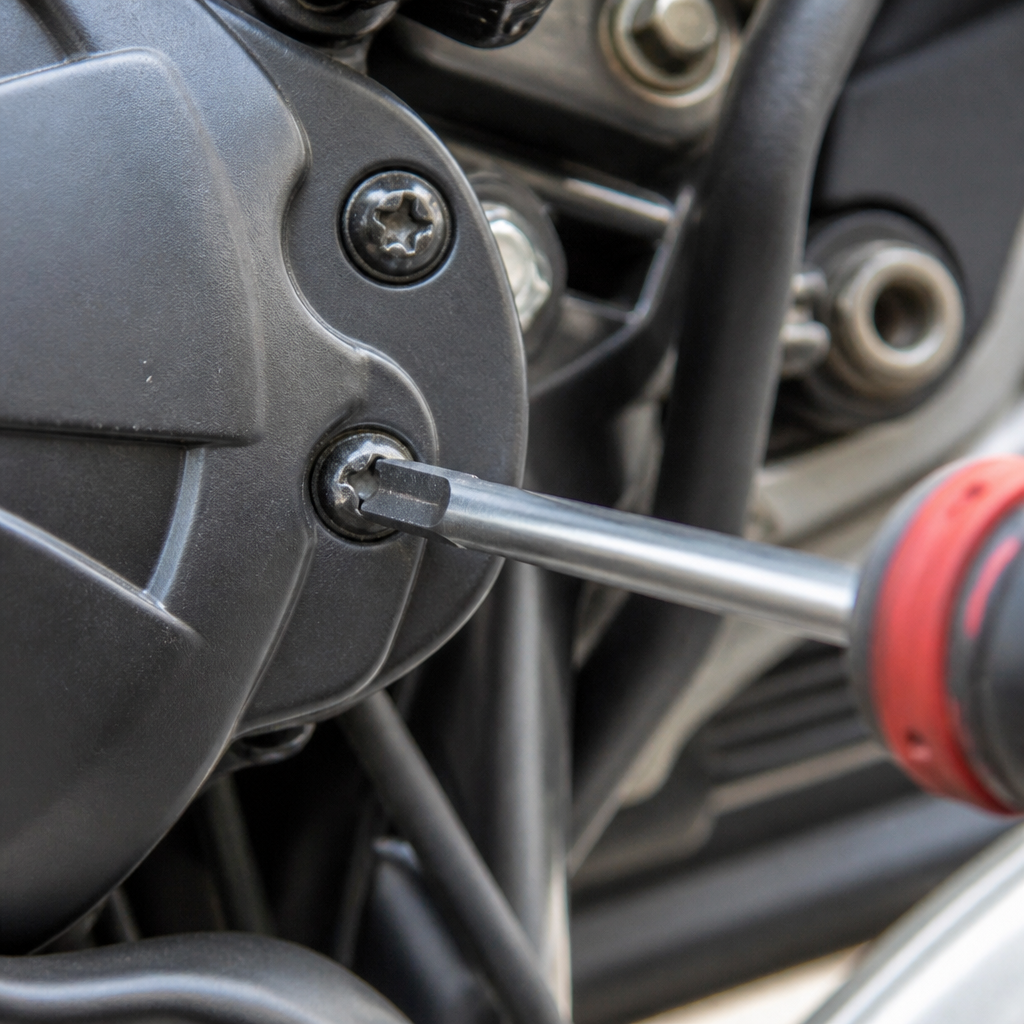
In practice, the tool shines on side cover screws in motorcycles, gearcase covers, brake reservoir lids, carburetor bowls, machine enclosures, Japanese instrument panels, and DCT covers. These fasteners are often low-profile, shallow-recessed, and tightened into aluminum. That is the worst possible environment for a poor tip. The Vessel geometry tends to seat deeply, especially on Japanese crosshead screws that many people misidentify. I have repeatedly removed factory-installed cover screws that a regular #2 driver could not move without visible recess damage, then broken them free with one or two deliberate taps using the Impacta.
Another advantage is repeatability. Because the strike force is short and localized, you can meter your effort far better than with a long breaker bar or pliers on the handle. That reduces collateral damage to surrounding castings, painted surfaces, gaskets, and sealing faces. It also preserves diagnosis. If a screw will not move after correct seating, penetrating oil, and a controlled impact, the problem may be corrosion, overlength replacement hardware, thread deformation, or cured sealant inside a blind hole. The tool helps reveal the issue rather than masking it with excessive force.
Understanding the JIS standard and why it is not just Phillips
JIS crosshead screws are one of the most persistent sources of avoidable damage in metric maintenance. The common mistake is assuming any cross recess is Phillips. While modern manufacturing has blurred strict distinctions and many assemblies now use Pozidriv, Torx, hex, or revised industrial cross standards, large amounts of Japanese equipment still contain screws that reward true JIS-compatible tips. The key difference is fit behavior under torque. Phillips was historically designed with intentional cam-out tendencies for assembly lines. JIS-style crossheads generally allow fuller engagement and transmit torque with less tendency to climb out when the correct driver is used.
On the bench, the difference is immediately obvious. A proper JIS-capable tip feels planted. The driver enters deeper, side play is reduced, and the user does not need to squeeze unnaturally hard just to keep engagement. This matters on soft screw heads and shallow pan heads found on covers and cases. It matters even more after years of oxidation, varnish buildup, oil residue, or repeated service with incorrect drivers. A Megadora Impacta fitted with the right Vessel bit addresses both issues at once: geometry and release shock.
There is also a standards nuance worth stating clearly. Not every screw made in Japan is strictly JIS, and not every modern Japanese product uses classic JIS recesses. However, in service environments, using a true Japanese-pattern crosspoint driver remains the safest default whenever a screw visually resembles legacy JIS hardware. If you are working on DCT cases, motorcycle engine covers, carburetors, cameras, or audio equipment, the probability of improved fit is high enough that this should be your starting assumption, not an afterthought.
DCT maintenance: why case screws become a special problem
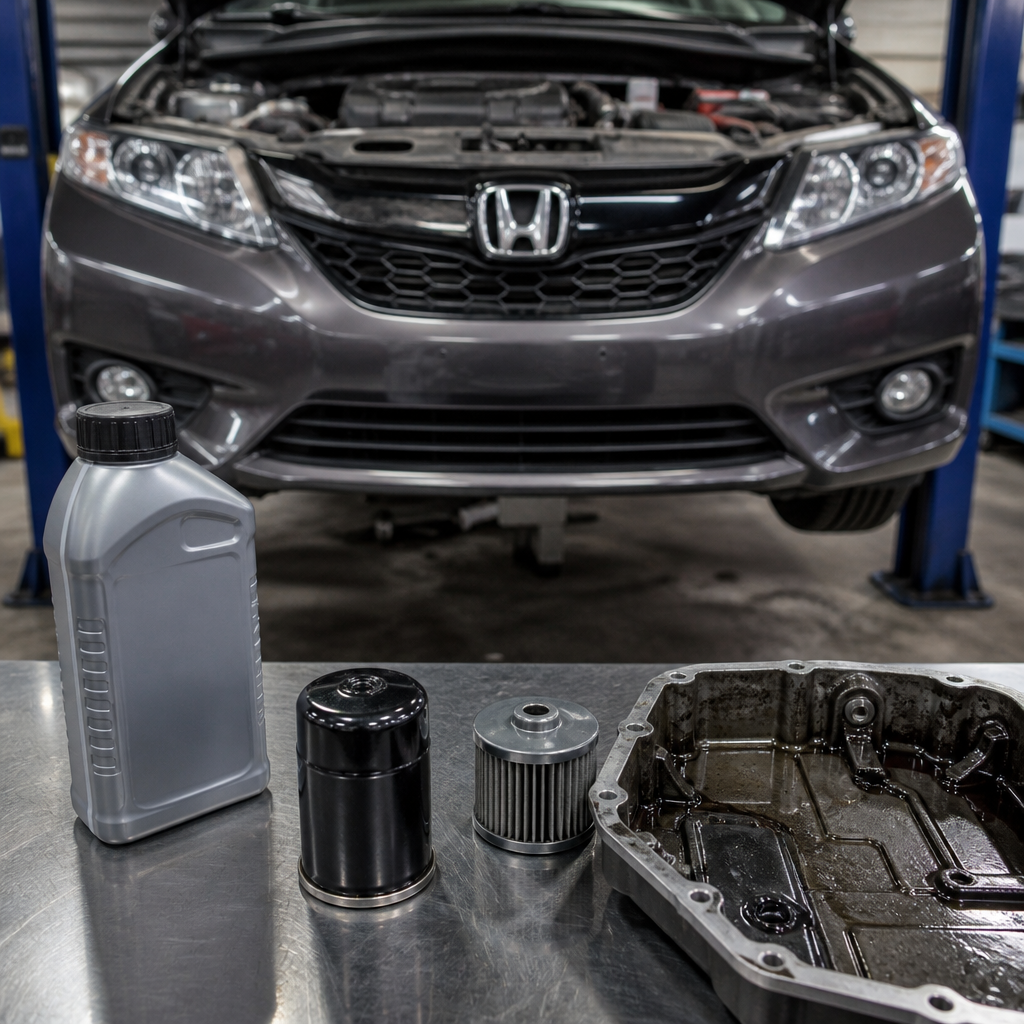
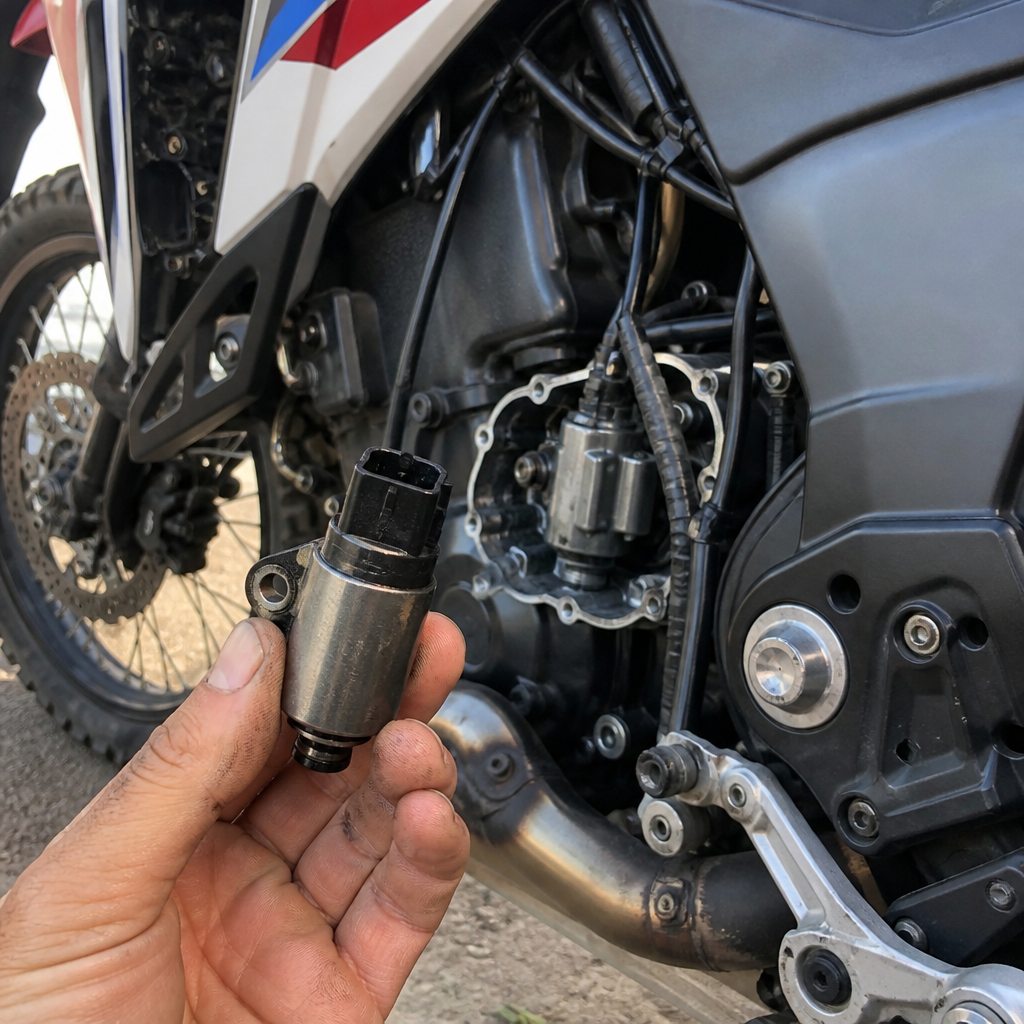
DCT maintenance adds mechanical, thermal, and procedural complexity to ordinary screw removal. Dual-clutch transmissions use tightly packaged clutch assemblies, hydraulic circuits, solenoids, pumps, sensors, valve bodies, and covers that must seal reliably while tolerating temperature changes and fluid exposure. Service tasks can involve fluid changes, filter access, mechatronic inspection, clutch service, pan removal, side cover access, and control-unit related work. In all of those tasks, case screws matter more than they look because the cover they secure often protects precision-machined surfaces or pressure-sensitive components.
Why do these screws seize? Heat cycles expand and contract aluminum housings around steel fasteners. Gear oil or transmission fluid can wick contaminants into recesses. Factory-applied threadlocker or sealant hardens with age. Road salts accelerate corrosion on external housings. Previous service may have overtightened screws or mixed thread lengths. Some covers are doweled, which means a released screw still feels stuck and tempts the technician to overwork the fastener instead of separating the cover properly. A hand impact driver is effective here because it breaks the initial bond without applying sustained twisting loads that distort thin covers.
On DCTs, I treat case screw removal as part fastener job and part sealing-surface protection job. The sequence matters: clean the recess, confirm the bit standard, preload the driver perfectly in line with the screw, strike once with intent, then reassess. If the screw moves a fraction and stops, reverse slightly, add penetrant or heat where appropriate, and work it incrementally. This controlled method avoids tearing out threads in aluminum housings. Once removed, each screw should be checked for shank stretch, thread pickup, corrosion under the head, and evidence of bottoming. Reinstallation requires the opposite discipline: correct length, clean threads, specified lubricant or threadlocker, and torque in sequence.
Metric quirks that turn ordinary screws into expensive mistakes
Metric hardware looks standardized until you service enough equipment to see the traps. M5 does not tell you head style, pitch assumptions, underhead flange diameter, shoulder presence, captive design, or whether the screw is meant to clamp a gasketed cover or locate a component. Japanese equipment often uses fine packaging tolerances with screws that appear interchangeable but differ by a millimeter in length or by thread pitch. That one-millimeter error can crack a blind hole boss, distort a cover, or leave insufficient clamp load at a sealing edge.
| Metric quirk | What it causes | Best response |
|---|---|---|
| JIS-style cross recess mistaken for Phillips | Cam-out and recess damage | Use a true JIS-compatible Vessel tip |
| Mixed screw lengths in one cover | Bottoming or weak clamping | Lay screws out in removal order |
| Aluminum housing with steel screws | Thread galling or corrosion lock | Use penetrant, controlled impact, correct torque |
| Factory threadlocker | False sense of over-tightening | Add heat if service data allows |
| Sealed cover with dowels | Cover feels stuck after screws release | Separate at pry points, not by twisting screws |
Pitch is another hidden issue. Common metric coarse pitches are familiar, but manufacturers do not always use the pitch a general hardware bin suggests. Replacing a case screw with an almost-fitting alternative can cut new threads into aluminum or bind halfway down, creating future seizure that technicians later blame on torque alone. Head bearing surfaces matter too. Flange screws distribute load differently from plain pan heads with washers. On sealed covers, that affects gasket compression and long-term leak behavior.
Then there is materials science. Stainless replacement screws are often marketed as upgrades, yet they can gall, alter clamp characteristics, and encourage over-torquing because they feel smoother on installation. Zinc-plated carbon steel may be closer to original engineering intent. In high-vibration assemblies, pre-applied patch locking, liquid threadlocker selection, and underhead friction all influence achieved preload. The lesson is consistent: metric screws are system components, not generic consumables, and the Impacta helps protect them so identification remains possible.
Best practices for using the Impacta without damaging screws or cases
The right technique is straightforward and worth standardizing. First, expose the screw head completely. Remove dirt, paint, corrosion bloom, or sealant from the recess using a pick and solvent. Second, confirm the bit fit by hand before any strike. Third, support the work so impact energy goes into the fastener rather than flexing the housing. Fourth, hold the driver exactly in line with the screw axis. Fifth, use controlled hammer taps, starting lighter than instinct suggests. Most seized case screws release from shock and engagement, not violence.
When resistance persists, escalate intelligently. Apply penetrating oil and give it time on externally exposed screws. Use localized heat only when surrounding seals, coatings, electronics, and service procedures permit it. Tap the screw head lightly to help wick penetrant and fracture corrosion. On DCT or engine covers, verify whether threadlocker is specified by the manufacturer; if it is, heat may be the deciding factor. Once the screw breaks free, switch to a standard driver for removal to avoid unnecessary repeated impact.
For reassembly, the “only tool you need” claim ends where final torque accuracy begins. The Impacta is a removal and initial-break tool first. After cleaning threads and checking hardware, reinstall with the correct driver or torque screwdriver, following manufacturer sequence and specification. That said, its value continues during assembly because the same precise tip geometry helps start screws cleanly and detect misalignment before damage occurs. In a metric maintenance workflow, that prevention is often worth more than the extraction itself.
Why this article serves as the hub for the subtopic
The reason this page anchors the JIS standard, DCT maintenance, and metric quirks subtopic is that all three subjects converge on one practical decision: how to remove and reinstall case screws without creating secondary failures. If you understand screw-head geometry, transmission and cover-service realities, and the non-obvious details of metric hardware, you avoid the chain reaction that starts with one stripped recess and ends with drilling, thread repair, seal replacement, and downtime. The Vessel Megadora Impacta sits at that intersection because it translates standards knowledge into a repeatable shop method.
The main takeaway is clear. Metric case screws are not difficult because they are small; they are difficult because they combine shallow engagement, material mismatch, environmental exposure, and frequent misuse of near-correct tools. JIS-compatible fit reduces cam-out. Controlled impact breaks static friction. DCT-aware handling protects sealing surfaces and aluminum threads. Attention to metric quirks prevents wrong replacements and bad torque outcomes. Put together, these practices save hardware, labor time, and expensive housings.
If you maintain Japanese equipment, service DCT assemblies, or build a serious metric tool kit, make the Vessel Megadora Impacta your first-line screwdriver for case screws and build your procedures around it. Then audit your bits, label screw locations during teardown, and verify thread specifications before reassembly. One correct tool, used with correct standards knowledge, will solve most of the fastener problems that send technicians reaching for extractors.
Frequently Asked Questions
What makes the Vessel Megadora Impacta so useful for metric case screws?
The Vessel Megadora Impacta stands out because it addresses the three failure points that cause the most trouble with metric case screws: seized threads, fragile screw heads, and poor bit engagement caused by subtle driver-profile mismatches. In real-world service work, especially on Japanese equipment, a screw may look like a standard Phillips fastener but actually be cut to Japanese Industrial Standard geometry. That difference matters. A mismatched driver tends to cam out, chew the recess, and turn a simple removal into an extraction job. The Impacta reduces that risk by combining precise engagement with an impact-assisted turning action that helps the tip stay planted while rotational force is applied.
That is a major advantage in workshops dealing with watches, cameras, motorcycles, industrial controls, Japanese audio gear, and drivetrain components, where many case screws are small, tight, and easily damaged. Instead of reaching for separate tools for penetrating force, torque, and controlled alignment, the Impacta consolidates those needs into one hand tool. A sharp strike converts into turning force while simultaneously loading the driver into the screw head, which is exactly what helps break corrosion, thread locking compound, dried oils, and long-seated fasteners loose without destroying the recess.
Its practicality also comes from speed and repeatability. When a technician repeatedly encounters metric machine screws in covers, housings, side plates, and inspection panels, having one tool within reach that reliably improves first-attempt removal saves time and lowers the odds of cosmetic and mechanical damage. That combination of protection, control, and versatility is why many professionals treat it less like a specialty item and more like a daily-use essential.
How does the Impacta help prevent stripped or damaged screw heads?
The biggest reason screw heads get damaged is not excessive force alone, but force applied with unstable engagement. On a conventional screwdriver, once you start leaning hard into a stubborn fastener, the bit can begin to lift, tilt, or slip. That is when the recess rounds over, the slots burr, or the cross pattern deforms. The Megadora Impacta helps prevent that by driving the bit deeper into the screw head at the exact moment torque is introduced. That downward impulse is what keeps the driver seated instead of skating out.
This is especially important with metric case screws because many are relatively small and installed into softer metals, painted housings, plated surfaces, or delicate assemblies. A damaged screw is rarely an isolated problem. Once the head is compromised, the surrounding finish may get scratched, the component may need drilling or extraction, and service time increases immediately. With the Impacta, the tool’s strike-to-turn action gives the technician a more controlled way to persuade the screw loose before resorting to more aggressive methods.
It also helps when dealing with screws that have already started to deteriorate. In those borderline situations, a well-fitting driver and a planted tip can mean the difference between successful removal and total head failure. Used properly, the Impacta gives better bite, less cam-out, and more confidence on aged, thread-locked, or over-tightened screws. For anyone maintaining equipment where original hardware matters, that damage prevention alone makes the tool worth keeping close.
Why does Japanese Industrial Standard geometry matter when working on metric case screws?
Japanese Industrial Standard geometry matters because many screws used in Japanese-made products are not identical to the generic Phillips-style screws people assume they are. The recess shape, wall angles, and fit characteristics are different enough that using the wrong driver can lead to poor engagement even when the tool appears to fit at a glance. That mismatch often causes cam-out under load, and cam-out is one of the fastest ways to ruin a screw head.
In categories like cameras, motorcycles, audio equipment, industrial devices, and precision housings, this comes up constantly. A technician may encounter case screws that are metric in thread and diameter, but the real service challenge is the head geometry. If the driver does not fully seat and transfer torque cleanly, even a lightly corroded or thread-locked screw becomes high risk. The Vessel approach is valued in part because it recognizes that fit is not a minor detail; it is the foundation of safe fastener removal.
The Megadora Impacta becomes especially effective in this context because it pairs that better-fit philosophy with impact-assisted rotation. In other words, it does not just hit harder; it applies force in a way that supports proper seating and controlled breakaway. That matters when preserving original hardware, avoiding slips near sensitive surfaces, and reducing frustration in repeated service work. For shops that handle Japanese-made assemblies regularly, understanding JIS-related fit is not trivia. It is one of the key reasons some tools work dramatically better than others on metric case screws.
Is the Vessel Megadora Impacta only for heavily stuck screws, or is it useful for routine maintenance too?
It is absolutely useful for routine maintenance, not just worst-case fasteners. In fact, one of its greatest strengths is that it bridges the gap between everyday service and problem-solving. Many case screws are not fully seized, but they are tight enough, aged enough, or delicate enough that a standard screwdriver feels marginal. Routine disassembly on covers, housings, guards, side cases, and access panels often benefits from the extra security of a tool that seats positively and reduces the chance of head damage on the first try.
That matters in DCT maintenance routines and other repeated service tasks where multiple metric fasteners have to come out cleanly and go back in without drama. In those settings, consistency is everything. A tool that can cleanly break the initial hold of factory torque, mild corrosion, varnish, old thread locker, or compressed gasket load can turn a tedious job into a predictable one. You are not waiting until a screw is completely frozen before the Impacta becomes relevant; you are using it to prevent an ordinary screw from becoming a problem screw.
It is also practical because workshops often deal with “small but costly” metric quirks: shallow heads, cramped access, hardware that is no longer easy to replace, or screws installed in materials that do not tolerate rework well. For those situations, the Impacta functions as a preventive tool as much as a rescue tool. It helps preserve fasteners, speed up teardown, and reduce the likelihood that a routine service operation escalates into repair work caused by stripped hardware.
What types of equipment and service environments benefit most from using the Megadora Impacta?
The tool is especially valuable anywhere metric case screws are common and damage-free removal is important. That includes watch and clock service, camera repair, motorcycle maintenance, industrial controls, Japanese hi-fi and audio gear, machinery covers, drivetrain components, and countless enclosures built around metric machine screws. These environments share the same challenge: the screws may be small, tightly installed, exposed to age or vibration, and mounted in assemblies where cosmetic condition and part preservation matter.
For technicians working on motorcycles and drivetrain assemblies, the benefit is often breakaway control on screws exposed to heat cycles, moisture, thread locker, and long service intervals. In electronics and audio gear, the benefit is reducing slips and preserving original case hardware and finish quality. In cameras, instruments, and precision equipment, the stakes are even higher because a stripped head or accidental tool jump can damage surrounding parts that are expensive or hard to source. In industrial settings, the value often comes from speed, repeatability, and fewer interruptions from damaged fasteners that slow service workflows.
What ties all of these use cases together is not just that the screws are metric, but that they are frequently part of assemblies where the wrong tool creates unnecessary risk. The Megadora Impacta earns its place because it provides a more controlled way to handle stubborn, delicate, or easily misidentified screw heads without constantly escalating to extractors, pliers, or destructive removal methods. For busy workshops and serious enthusiasts alike, that makes it one of the most practical tools to keep within reach.