Honda Maintenance Minder codes have become more detailed in modern vehicles, and for owners of 2026 Honda models equipped with dual-clutch transmission technology, understanding the DCT service codes is essential to protecting drivability, warranty compliance, and long-term mechanical life. In practical terms, the Honda Maintenance Minder is the onboard service reminder system that calculates maintenance timing based on engine operating conditions, temperature, load, trip length, and mileage rather than relying only on a fixed calendar. DCT stands for dual-clutch transmission, a gearbox that uses two clutches to preselect gears for faster, smoother shifts than a conventional torque-converter automatic. JIS refers to Japanese Industrial Standards, which influence many fastener sizes, fluid specifications, testing conventions, and service documentation practices seen across Honda engineering. Metric quirks describes the real-world details technicians and owners encounter when maintaining Japanese vehicles: millimeter fasteners, torque values in newton-meters, liter-based fluid capacities, and specification tables that do not always translate cleanly into older U.S. habits. This topic matters because a misunderstood maintenance code can lead to the wrong fluid, delayed clutch service, stripped hardware, or an incorrect assumption that all transmission service intervals are the same.
I have worked on Honda platforms where owners treated a DCT like a standard automatic and paid for it later with harsh engagement, shudder complaints, and accelerated wear. The most common mistake is assuming the Maintenance Minder is vague. It is not. Honda built the system to prompt very specific service actions, and those actions make more sense when you view them through Honda’s engineering logic: compact packaging, fluid-sensitive hydraulic control, and strict material compatibility. On 2026 vehicles, especially hybrid-adjacent and motorcycle-derived drivetrain discussions that influence public understanding of DCT servicing, the questions are usually the same. What does the code mean? What fluid is required? How often should service happen under severe use? Why do Japanese standards matter? This hub article answers those questions directly and sets up the broader subtopic of JIS standard practices, DCT maintenance procedures, and the metric conventions that define accurate Honda service work.
How Honda Maintenance Minder service codes work on DCT-equipped models
Honda Maintenance Minder displays a main code and, when needed, sub-codes that specify the service operation. The system tracks usage patterns, not just distance. Short trips in cold weather, repeated stop-and-go driving, mountain grades, towing where applicable, and high thermal loads can reduce the remaining oil life faster than highway cruising. For DCT-equipped vehicles, this matters because clutch engagement quality and mechatronic performance depend heavily on fluid condition. The reminder is not merely counting miles; it is estimating degradation. In shop practice, I have seen vehicles at the same odometer reading require very different service timing because one lived on the freeway and the other spent its life in urban traffic.
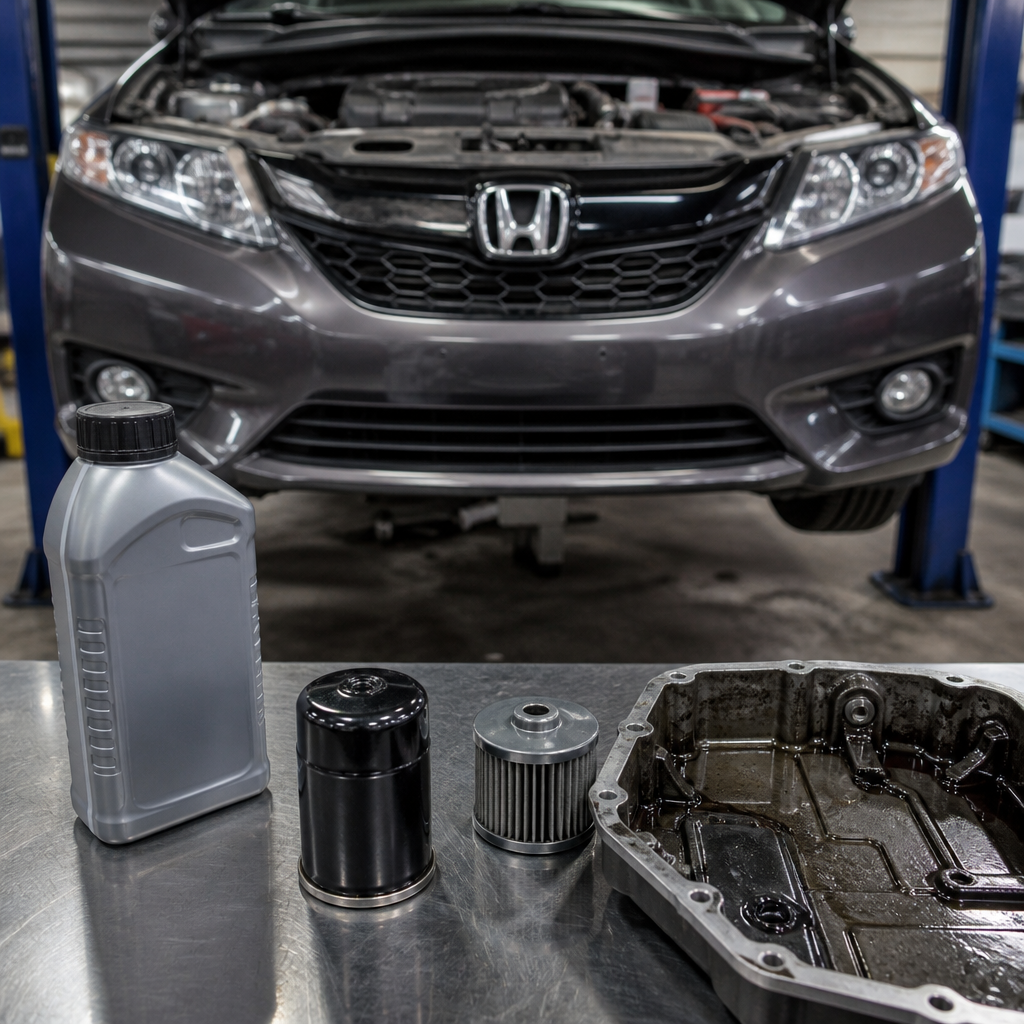
For owners trying to decipher transmission-related reminders, the key principle is this: the main oil-life percentage tells you when attention is due, while the sub-code tells you what component needs service. Honda service literature should always be the first reference because code sets can vary by market, model, and powertrain. A Honda using a DCT may share certain reminder logic with other transmissions, but the service task itself is not interchangeable. A fluid change on a DCT is not a generic drain-and-fill done with universal ATF. It requires the exact specified fluid, the correct temperature and level-check procedure where applicable, and clean handling practices because clutch and hydraulic control systems are sensitive to contamination.
Owners also need to understand the difference between a service reminder and a fault indicator. The Maintenance Minder is scheduled maintenance guidance. A transmission warning light, drivability symptom, or diagnostic trouble code is something else entirely. If a DCT shows abnormal hesitation, gear hunting, overheating behavior, or warning messages before a routine service interval, the proper next step is diagnostic inspection with factory-capable scan tools, not just resetting the reminder after a fluid change.
The JIS standard and why it changes how Honda service should be performed
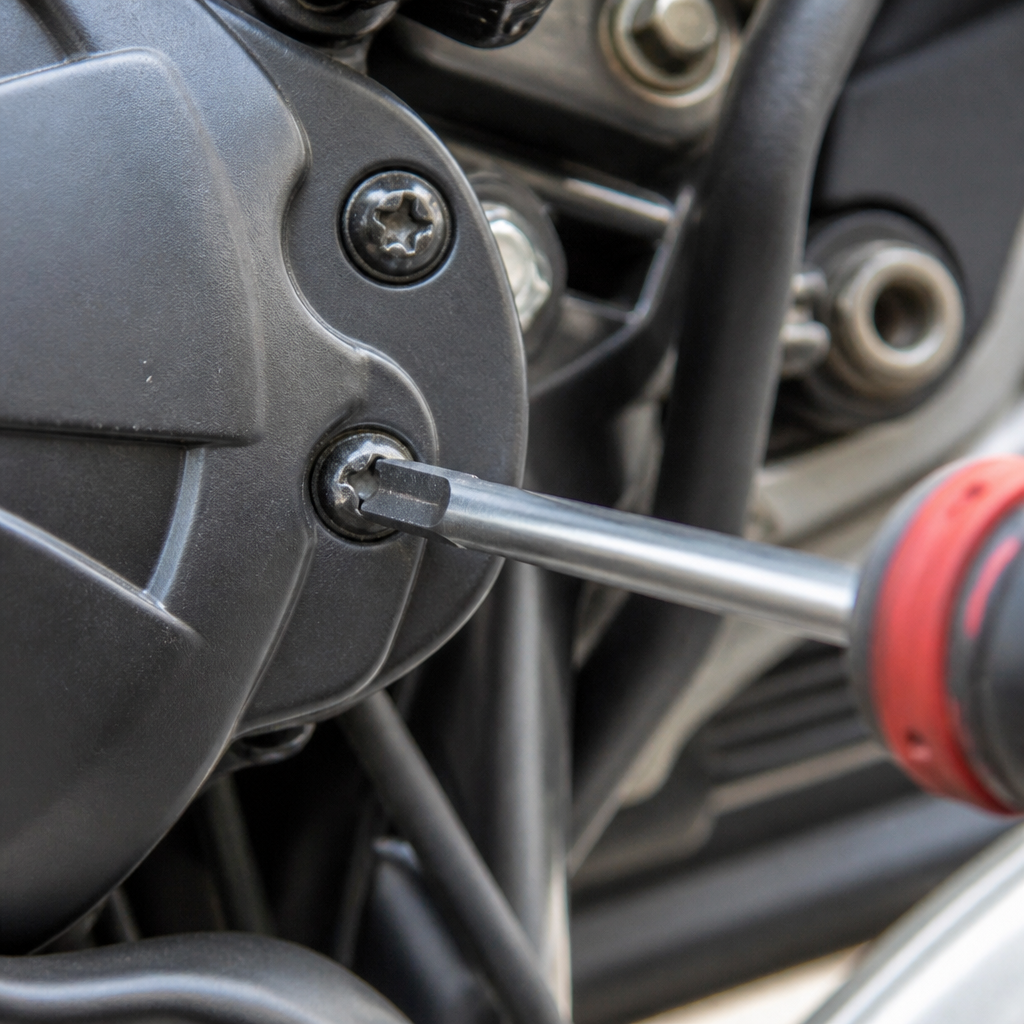
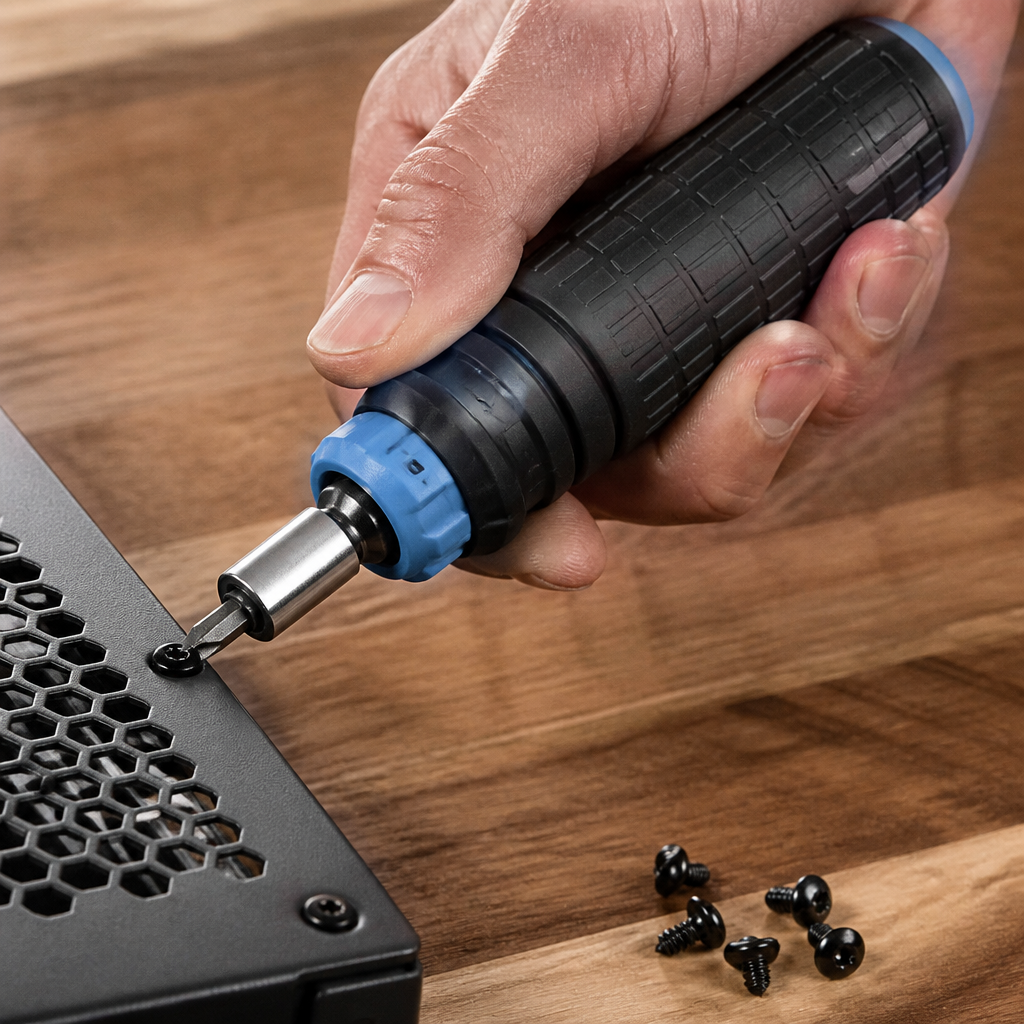
JIS standards shape many details that technicians notice immediately when servicing Honda vehicles. Fastener head dimensions often differ from what people expect when they are used to SAE-centric habits. Screw head profiles historically labeled as “Japanese Phillips” are a familiar example: using the wrong driver geometry can cam out the head and damage the fastener. On modern Honda maintenance work, the larger impact is not branding but precision. JIS-influenced hardware, torque specs, and material standards assume metric tooling and correct fit. A 10 mm, 12 mm, 14 mm, and 17 mm socket set gets used constantly, and torque values are published in N·m first for a reason.
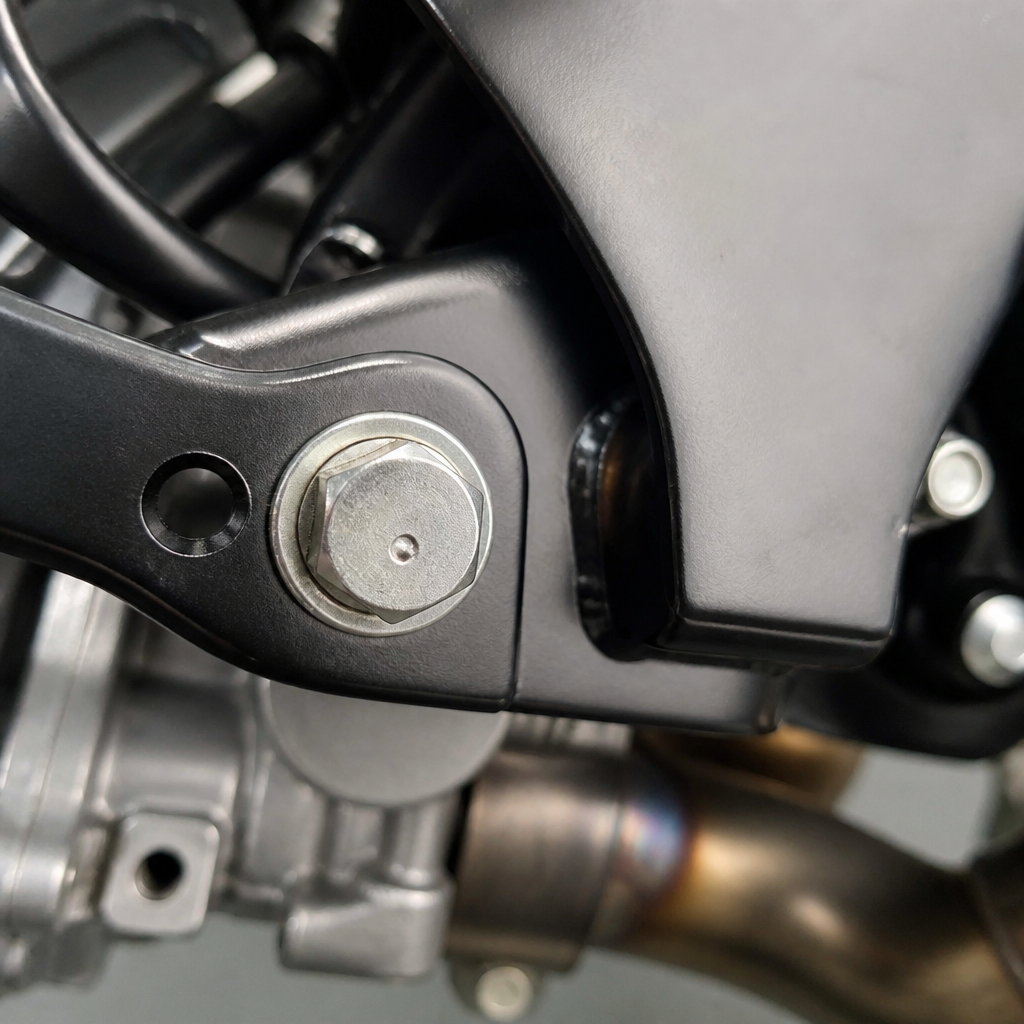
This matters during DCT maintenance because transmission housings, drain plugs, fill plugs, sealing washers, and brackets are designed around exact clamp loads. Over-tightening a drain plug can distort threads or crush a washer improperly. Under-tightening can lead to seepage that owners may not notice until fluid level drops enough to affect shift quality. Honda service manuals typically specify a replacement sealing washer, not reuse by default. That is a JIS-influenced discipline many general repair shops skip, but it is sound practice. Aluminum crush washers are cheap insurance against leaks and false torque readings caused by work-hardened reused seals.
Fluid labeling also reflects standardization culture. Honda does not specify fluid casually. If the literature calls for a particular genuine fluid or an explicitly approved equivalent meeting the same properties, that instruction should be followed exactly. In the field, the transmission services that hold up best over time are the ones completed with factory fluid, documented quantities in liters, and a measured refill rather than guesswork. That approach aligns with the broader Japanese service philosophy: controlled procedure, repeatable result, low tolerance for improvisation.
DCT maintenance essentials: fluid, heat, adaptation, and wear patterns
A dual-clutch transmission combines mechanical gearsets with electronically controlled clutch operation. One clutch typically manages odd gears and the other even gears, allowing the next gear to be preselected. The result is efficient power delivery and quick shifts, but the design is unforgiving of neglected fluid. DCT fluid does more than lubricate gears. Depending on the Honda design, it also supports hydraulic actuation, cooling, friction behavior, and cleanliness inside precision passages. As fluid ages, viscosity stability, additive effectiveness, and thermal resistance decline. When that happens, owners may notice harsher engagement, low-speed awkwardness, delayed response, or intermittent shudder.
The service interval question comes up constantly. The direct answer is that Honda’s Minder and model-specific schedule should govern timing, but severe use shortens practical service life even when no fault is present. Stop-and-go commuting, hot climates, steep grades, repeated short trips, and performance-oriented driving all increase clutch heat. Heat is the enemy because it accelerates oxidation and changes friction characteristics. That is why two identical vehicles can produce different service histories. A car used for school runs and downtown congestion may need transmission fluid service meaningfully sooner than one used primarily for steady rural travel.
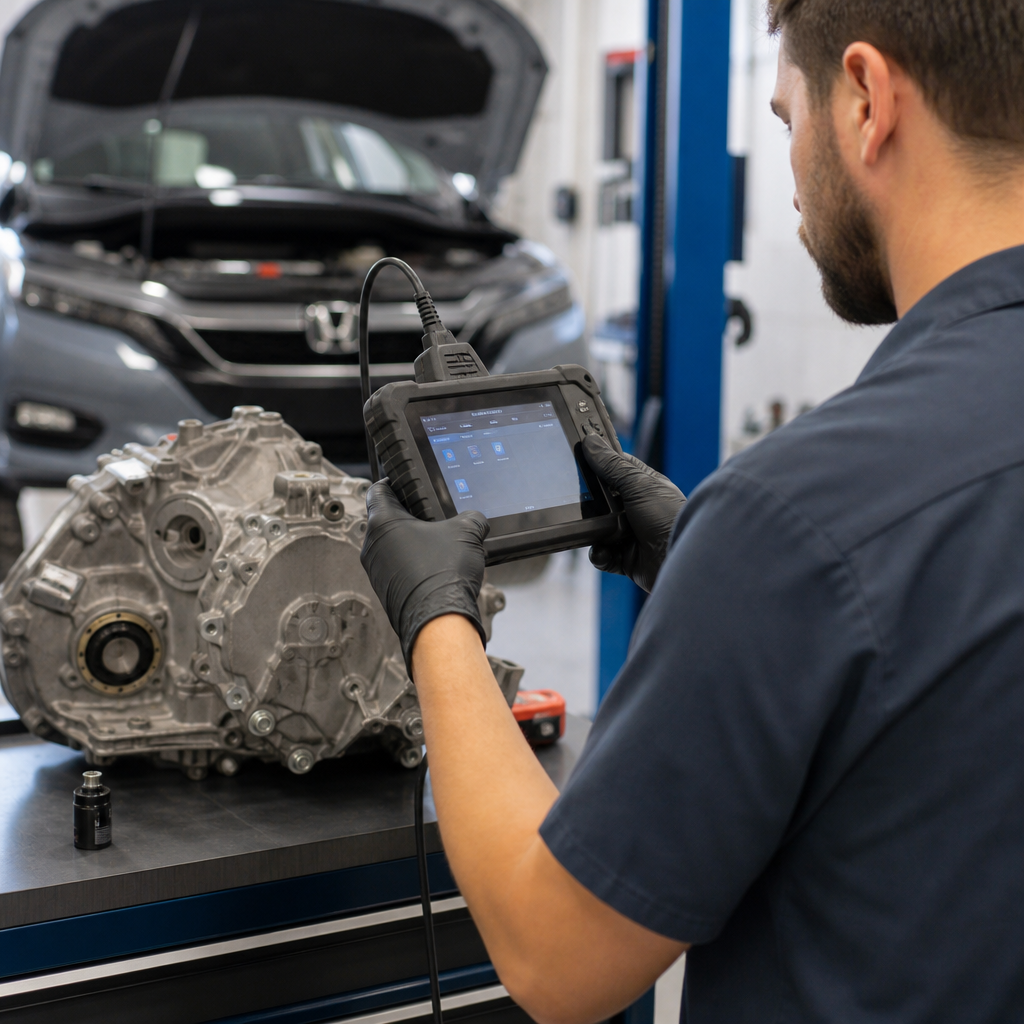
Adaptation is another area owners misunderstand. Many modern transmissions, including DCT systems, learn clutch engagement behavior over time. After service, some models may benefit from or require a relearn or calibration procedure using factory scan equipment such as the Honda Diagnostic System. Skipping that step when it is specified can leave a transmission feeling worse after proper mechanical work. In independent shops, this is one of the dividing lines between a simple fluid swap and a complete professional service. The fluid may be fresh, but if clutch kiss points or shift adaptations are not recalibrated when required, the result can still be complaints.
| Maintenance area | What to check | Why it matters on a Honda DCT |
|---|---|---|
| Fluid specification | Use the exact Honda-specified DCT fluid | Incorrect friction properties can cause shudder, harsh shifts, or clutch wear |
| Drain and fill hardware | Inspect plug threads and replace sealing washers | Prevents leaks and protects aluminum cases from damage |
| Fluid quantity | Measure in liters and verify level by the service procedure | Overfill and underfill both affect hydraulic and thermal performance |
| Temperature awareness | Follow fill-check conditions exactly | Fluid expansion changes level accuracy |
| Post-service calibration | Perform adaptation or relearn if specified | Restores proper clutch engagement strategy and shift quality |
Wear patterns tell a story. Dark fluid alone is not enough to diagnose a problem, but burnt odor, excessive metallic debris on a magnet, or repeat complaints after correct servicing point toward deeper issues. In my experience, chronic low-speed shudder after the right fluid and correct procedure usually means the next step is not another fluid change. It is inspection for software updates, adaptation status, clutch wear, or actuator problems. Good maintenance prevents damage, but it does not erase existing mechanical faults.
Metric quirks that trip up owners and general repair shops
Metric service work on Honda vehicles sounds simple until small mistakes compound. The first quirk is torque language. Many owners still think in foot-pounds, while Honda manuals often center newton-meters. Conversion errors happen constantly. A drain plug spec of roughly 39 N·m is not the same as casually tightening “about 39 pound-feet.” That difference is large enough to matter on aluminum threads. The second quirk is fluid capacity. Honda may list a refill amount and a dry-fill amount, and confusing the two can leave a DCT overfilled. The third is tool fit. Using a worn socket on a shallow-head plug or the wrong screwdriver profile on JIS-style hardware creates damage that then gets blamed on the car.
Another recurring issue is parts catalog ambiguity. By 2026, many online parts sellers improve lookup accuracy, but owners still cross-shop by appearance instead of VIN-specific fitment. On DCT service items, that is risky. Sealing washer dimensions, filter references where applicable, and fluid supersessions must match the exact model and market. A Civic, an overseas-market Honda, and a motorcycle with Honda DCT branding can share terminology but not service parts. This hub exists partly because DCT discussion online often blends automotive and powersports advice in ways that confuse readers. The principles overlap, but the procedures and parts do not.
Documentation is the final metric quirk worth respecting. Honda service information is explicit about sequence, units, and inspection criteria. Good technicians write down drained quantity, refill quantity, fluid type, torque values used, and whether adaptation was completed. That documentation protects the owner if drivability issues appear later and establishes a reliable maintenance baseline. It also supports resale value because a buyer can distinguish between generic “trans service done” and a properly recorded Honda DCT service performed to specification.
Building a smart maintenance strategy for 2026 Honda ownership
The best strategy is simple: treat the Maintenance Minder as the trigger, use the factory procedure as the standard, and adjust your expectations based on how the vehicle is actually driven. If your Honda sees dense traffic, high ambient temperatures, steep terrain, or repeated short trips, discuss shorter fluid service intervals with a Honda-trained technician even if the car has not developed symptoms. Preventive DCT servicing is cheaper than clutch or mechatronic repairs. Use genuine fluid unless Honda explicitly approves an alternative. Replace washers, verify torque, and never reset the Minder without completing the underlying work.
This sub-pillar hub should also guide how you explore the wider encyclopedia topic. If you need fastener and tool guidance, move next into JIS hardware practices. If you need hands-on procedure details, continue into model-specific DCT maintenance articles covering fluid changes, adaptations, and inspection points. If unit conversion and service data interpretation cause confusion, the metric reference articles will help you translate liters, millimeters, and N·m into accurate workshop habits without guesswork. The common thread is precision. Honda engineering rewards precise maintenance and exposes shortcuts quickly.
Honda Maintenance Minder DCT service codes are not mysterious once you understand the system behind them. They are concise prompts tied to a very specific maintenance philosophy: monitor real use, service with exact materials, and follow measured procedures grounded in JIS and metric standards. For 2026 Honda owners, that means better shift quality, fewer avoidable transmission complaints, and a clearer path to long-term reliability. Start by checking your owner’s manual and factory service information for your exact model, then build your maintenance records carefully. If you service your own vehicle, use the right tools and units. If you hire the work out, choose a shop that knows Honda DCT procedure in detail. Precision now prevents expensive guesswork later.
Frequently Asked Questions
What does the DCT-related Maintenance Minder code mean on a 2026 Honda?
On 2026 Honda models equipped with a dual-clutch transmission, a DCT-related Maintenance Minder code is the vehicle’s way of telling you that service tied to the transmission’s operating condition is due or coming due soon. Honda’s Maintenance Minder system does not rely on mileage alone. It factors in how the vehicle has actually been driven, including engine load, temperature cycles, trip duration, stop-and-go traffic, and other real-world conditions that affect fluid life and mechanical wear. When the system identifies that the dual-clutch transmission requires attention, the code helps point you toward the specific service category that should be performed.
That matters because a DCT is not the same as a conventional automatic transmission. It uses a more specialized design that blends aspects of manual and automatic operation, often relying on electronically controlled clutches and carefully calibrated fluid performance to deliver smooth shifting and efficient power transfer. If the fluid degrades or required service is delayed, owners may notice harsher shifts, hesitation, reduced smoothness, or increased wear over time. The Maintenance Minder is designed to reduce guesswork by signaling service based on use patterns rather than forcing every owner into the exact same interval.
In practical terms, if you see a DCT-related code, treat it as a maintenance instruction rather than a generic warning light. The best response is to review the owner’s manual for your specific 2026 Honda model and confirm the exact code meaning, since code structures can vary by trim, powertrain, and market. If the code specifically references transmission service, it usually means inspection, fluid replacement, or another factory-recommended DCT maintenance item is needed to keep the system operating properly and to support long-term durability.
How is a DCT service code different from a regular oil change reminder?
A regular oil change reminder is focused primarily on engine lubrication, while a DCT service code is tied to the condition and maintenance needs of the dual-clutch transmission system. Honda’s Maintenance Minder can display multiple service items, and each one corresponds to a different part of the vehicle. An engine oil reminder addresses contamination, thermal breakdown, and loss of protective properties in engine oil. A DCT service code, by contrast, is concerned with transmission fluid performance and the operating environment affecting the clutch and shifting system.
This distinction is important because many drivers assume all service reminders can be handled together in a general sense. While they can often be performed during the same visit, they are not interchangeable services. Dual-clutch transmissions depend on fluid characteristics that support hydraulic function, cooling, lubrication, and shift quality. Ignoring a DCT code because the vehicle “still drives fine” can be a costly mistake. Transmission issues often develop gradually, and the first signs may be subtle enough to dismiss until wear becomes more advanced.
Another key difference is that transmission service intervals can be affected heavily by driving style and operating conditions. Frequent short trips, urban traffic, steep grades, hot climates, towing where applicable, or more aggressive acceleration patterns can cause the Maintenance Minder to call for service sooner than an owner might expect. That is why the system is so valuable on modern Hondas: it adapts maintenance timing to actual use. If your display shows both engine-related and DCT-related service items, each should be completed according to Honda’s recommendation rather than assuming one service covers the other.
Can I keep driving if a DCT Maintenance Minder code appears, or should I service it immediately?
In most cases, a Maintenance Minder code is not the same as an emergency failure warning, so the vehicle may still be drivable for a short period. However, that does not mean the service should be postponed casually. Honda’s system is intended to notify you when maintenance is due based on calculated wear and operating conditions. If a DCT-related code has appeared, the safest approach is to schedule service as soon as reasonably possible, especially if the reminder has reached a low remaining percentage or if the display indicates the service is overdue.
The urgency increases if you notice symptoms along with the code, such as rough shifting, delayed engagement, surging, shuddering during takeoff, unusual noises, or transmission overheating messages. Those signs can indicate that the transmission is no longer operating within its ideal range. Continuing to drive under those conditions may accelerate wear on internal components or clutches. Even if no symptoms are present, delaying service for long periods can undermine the very reason the Maintenance Minder exists: to prevent problems before they become expensive repairs.
There is also a warranty and documentation aspect to consider. Following Honda’s recommended maintenance schedule helps demonstrate that the vehicle has been cared for properly. For a 2026 model, keeping records of service visits, fluid changes, and Maintenance Minder resets can be especially valuable if a transmission concern ever arises during the warranty period. In short, you usually do not need to panic when a DCT code first appears, but you should not ignore it. Prompt attention is the smart move for drivability, reliability, and long-term ownership costs.
What service is usually performed when a Honda DCT code comes up?
The most common DCT-related service is transmission fluid replacement using the exact Honda-specified fluid for that dual-clutch system. This is critical because DCTs are highly sensitive to fluid chemistry, viscosity, friction characteristics, and thermal stability. Using the wrong fluid or a universal substitute can negatively affect shift quality and component protection. Depending on the model and code, the service may also include an inspection for leaks, checking software updates or adaptation procedures, and verifying that the transmission is functioning normally after the maintenance is completed.
In some cases, a technician may inspect related components that influence transmission operation, such as seals, mounts, cooling lines, electrical connectors, or control system behavior. The exact procedure depends on the code displayed and Honda’s factory service information for that particular 2026 vehicle. That is why it is important not to generalize one DCT service code across the entire lineup. A compact Honda hybrid, a turbocharged crossover, and another DCT-equipped model may have slightly different service instructions or timing thresholds.
Owners should also understand that simply resetting the reminder without doing the work is not proper maintenance. The reset function only clears the alert after the required service has been completed. If the fluid is overdue and the system is reset without replacement, the transmission continues operating on degraded fluid while the owner loses the reminder’s tracking benefit. The best practice is to have the code interpreted accurately, perform the recommended DCT service with OEM-approved parts and fluids, and keep a dated record of the work for future reference.
How can I make sure I’m interpreting Honda’s 2026 DCT service codes correctly?
The most reliable source is the owner’s manual for your exact 2026 Honda model, because Honda may use code combinations that differ slightly depending on powertrain configuration, trim level, and regional specifications. The Maintenance Minder typically shows a main service item along with sub-items, and the meaning of those sub-items should always be confirmed against Honda’s official documentation. If the display includes a code you are unsure about, a Honda dealer or a qualified independent shop with current Honda service data can decode it accurately and explain what maintenance is required.
It also helps to pay attention to the context in which the code appears. Note the oil life percentage, whether the message says service is due soon or overdue, and whether any drivability symptoms are present. Take a photo of the dashboard display if possible. That makes it easier to communicate with a service advisor and ensures the code is interpreted correctly. Since DCT systems are more specialized than standard automatics, clear documentation helps prevent mistakes such as incomplete service, wrong fluid selection, or unnecessary repairs.
Finally, avoid relying solely on forum guesses or generic maintenance charts. Online discussions can be helpful for owner experiences, but they are not a substitute for Honda’s official service guidance. Maintenance Minder logic is vehicle-specific and based on actual operating conditions, so the same timing may not apply from one driver to another. If you want to protect the transmission, maintain smooth performance, and preserve warranty confidence, the best approach is straightforward: verify the code through Honda-approved information, perform the correct service on time, and document everything carefully.