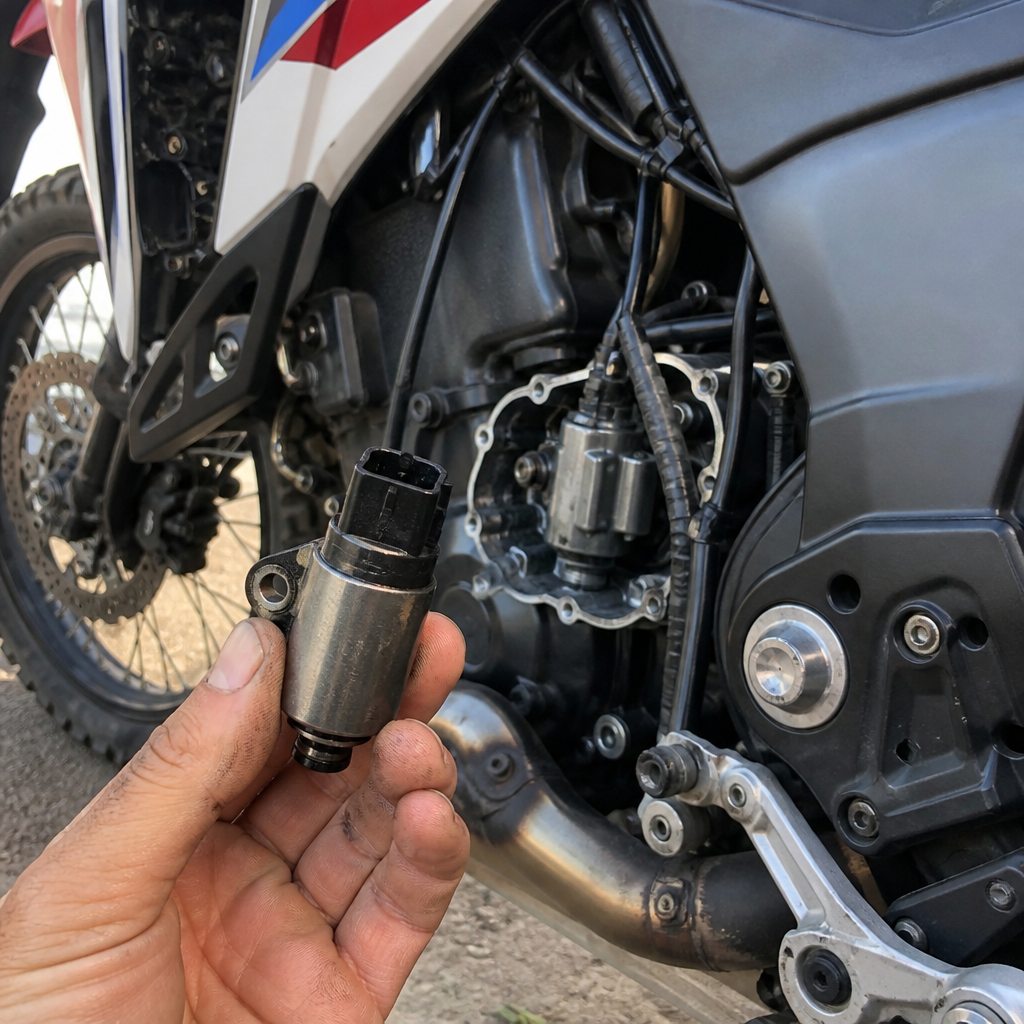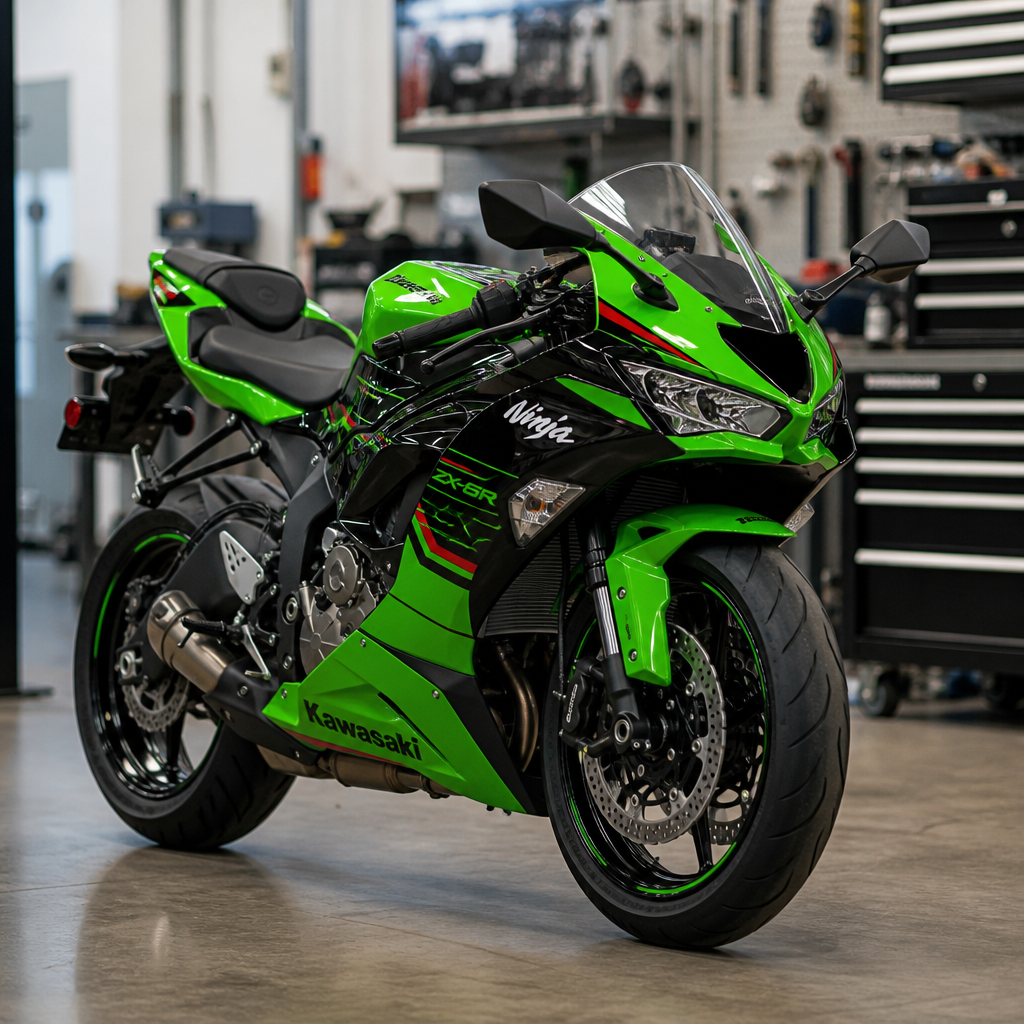
The Kawasaki Ninja ZX-6R crankshaft recall matters because a failed crankshaft can destroy an engine without much warning, and owners in 2025 and 2026 still need a clear way to confirm whether their motorcycle is affected. In practical terms, a recall is a manufacturer-directed safety or reliability campaign to inspect, repair, or replace a defective part at no cost to the owner. A VIN, or vehicle identification number, is the 17-character code that uniquely identifies a motorcycle and lets Kawasaki dealers and official databases verify recall status. I have helped riders sort through recall notices, decode Japanese Industrial Standards fasteners, and plan dual-clutch service schedules, and the same lesson keeps repeating: technical accuracy prevents expensive mistakes. This article acts as the central guide for the metric-focused maintenance and technical encyclopedia, tying together three areas that often confuse riders—JIS hardware, DCT maintenance practices, and the metric-specific quirks that show up in modern motorcycles. Even if your immediate goal is simply to check a Kawasaki Ninja ZX-6R VIN, understanding these related systems makes you less likely to strip screws, miss service intervals, or apply the wrong torque values. That matters in a supersport platform where tolerances are tight, parts are expensive, and small workshop errors can quickly become major failures.
How the Kawasaki Ninja ZX-6R Crankshaft Recall Works and Why VIN Verification Comes First
The first question most owners ask is simple: how do you know whether a Kawasaki Ninja ZX-6R is included in a crankshaft recall? The answer is equally simple: you verify the VIN through official recall channels, then confirm the result with a Kawasaki dealer. Kawasaki recall campaigns are tied to production ranges, not just model names, so two ZX-6R motorcycles from the same year may have different statuses depending on build date and plant records. A crankshaft-related campaign typically concerns manufacturing defects such as improper heat treatment, machining variance, oiling-related risk, or component durability that could lead to abnormal bearing wear, vibration, seizure, or complete engine failure. When I walk owners through this process, I tell them not to guess from internet forum lists alone. Forums can be useful for spotting patterns, but they cannot replace manufacturer data tied to your exact VIN.
To check your VIN in 2025 or 2026, start with the 17-character number stamped on the steering head and printed on your registration and insurance documents. Enter it into Kawasaki’s recall lookup if available in your region, or use the National Highway Traffic Safety Administration recall lookup in the United States. Then call an authorized Kawasaki dealer and ask the service department to run the VIN in the manufacturer system. Dealers can usually see open campaigns, completed recall history, and parts availability. Ask for the campaign number, the remedy description, and whether the recall is safety-related or service-related. If the motorcycle was previously repaired, request documentation. I have seen used-bike buyers assume a recall was completed because a seller said so, only to discover the campaign remained open in the dealer system.
There are also important limits to VIN lookups. A recall database may lag if records have not updated, and imported or gray-market motorcycles may not appear cleanly in domestic systems. Salvage-title bikes can create more confusion if major components were swapped. For that reason, the dealer confirmation step matters. If the recall concerns a crankshaft, do not keep riding aggressively while waiting for confirmation if you already notice knocking, metallic debris in the oil, unexplained vibration, or oil-pressure warnings. A crankshaft issue is not like a cosmetic defect; it can cascade into connecting rod, bearing, and case damage very quickly.
Where to Find the VIN and What a Proper Recall Check Looks Like in Practice
On a Kawasaki Ninja ZX-6R, the VIN is typically visible on the steering head area of the frame, and you should compare that physical stamping with your title, registration, and insurance card. Matching these records matters because clerical mistakes are more common than many riders think. One transposed digit can produce a false negative in a recall database. In the workshop, I always photograph the frame VIN and the compliance label before calling a dealer, because it avoids repeating the same readback and reduces mistakes over the phone.
A proper recall check follows a short but disciplined sequence. First, clean the steering head enough to read the stamp clearly. Second, write the VIN in block characters or copy it digitally. Third, run it through the official lookup source. Fourth, call a dealer and have a service advisor verify the result in the factory system. Fifth, ask whether remedy parts are in stock and whether the repair duration depends on technician scheduling, engine tear-down, or replacement assembly availability. If the recall involves an internal engine component such as the crankshaft, downtime can be longer than a simple bolt-on campaign.
| Step | What to Do | Why It Matters |
|---|---|---|
| 1 | Read VIN from frame and documents | Confirms the bike identity and catches paperwork errors |
| 2 | Use an official recall lookup | Shows whether open campaigns exist for that exact unit |
| 3 | Call an authorized Kawasaki dealer | Dealer systems often provide fuller campaign detail |
| 4 | Request campaign number and remedy | Clarifies whether inspection, repair, or replacement is required |
| 5 | Document the outcome | Useful for resale, warranty history, and future service records |
When buying a used ZX-6R, add one more step: ask for service invoices proving recall completion. An open recall is not always a deal-breaker, but it should affect timing and negotiation. If the motorcycle is out of riding season and the dealer can perform the work promptly, the risk is manageable. If parts are backordered and the engine shows suspicious symptoms, walk away or price the uncertainty accordingly. This disciplined process is the best way to check your Kawasaki Ninja ZX-6R VIN in 2025 and 2026 without relying on rumor.
The JIS Standard: Why Japanese Fasteners Feel Different and How to Avoid Stripping Them
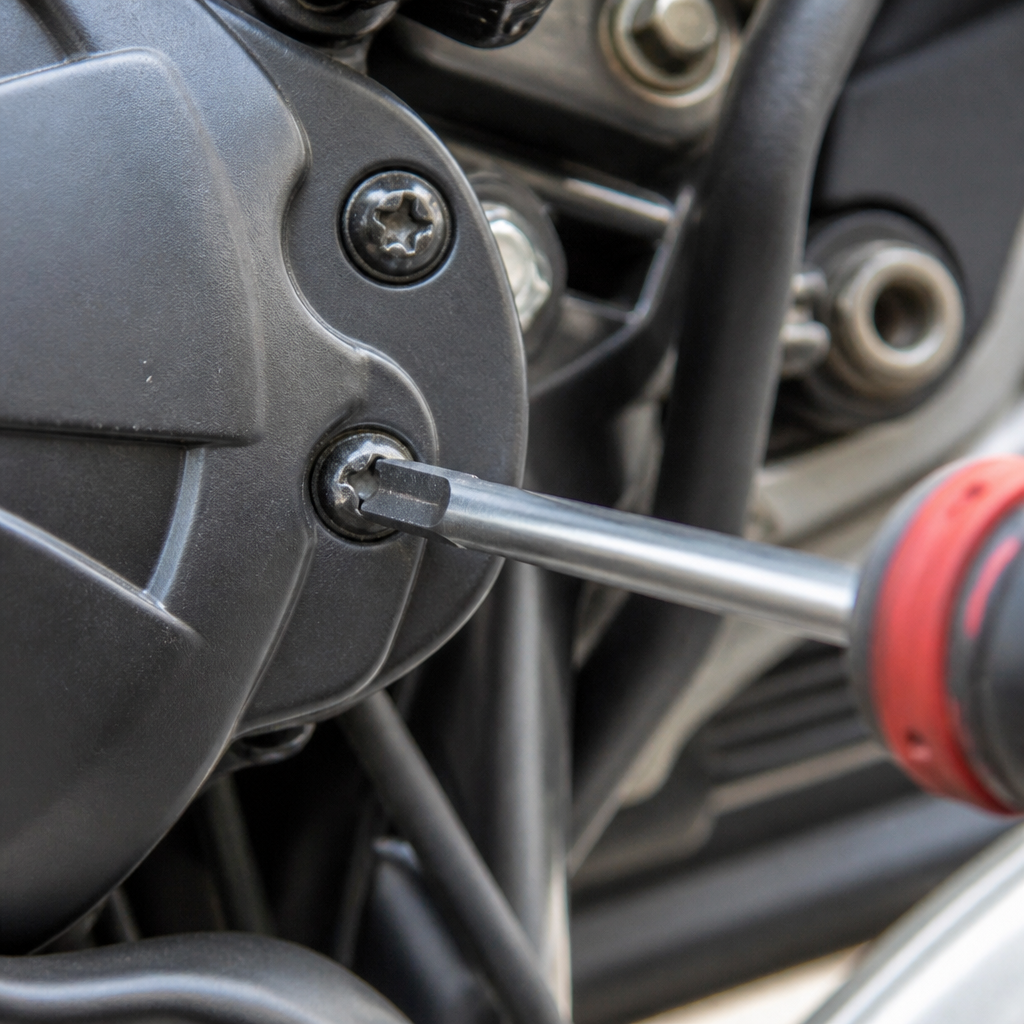
Any hub for metric motorcycle maintenance needs to explain the JIS standard clearly, because it causes avoidable damage in home garages. JIS refers to Japanese Industrial Standards, and on motorcycles it most often affects cross-head screw design, dimensions, and fit expectations. Many riders call every cross-head screw “Phillips,” but classic Japanese motorcycle screws were often JIS-pattern fasteners designed to reduce cam-out when the correct driver is used. That distinction matters on carburetor bowls, switchgear housings, brake reservoir covers, fairing attachments, and engine covers. Use a standard Phillips driver on a stubborn JIS screw, lean too hard, and you can round the recess quickly.
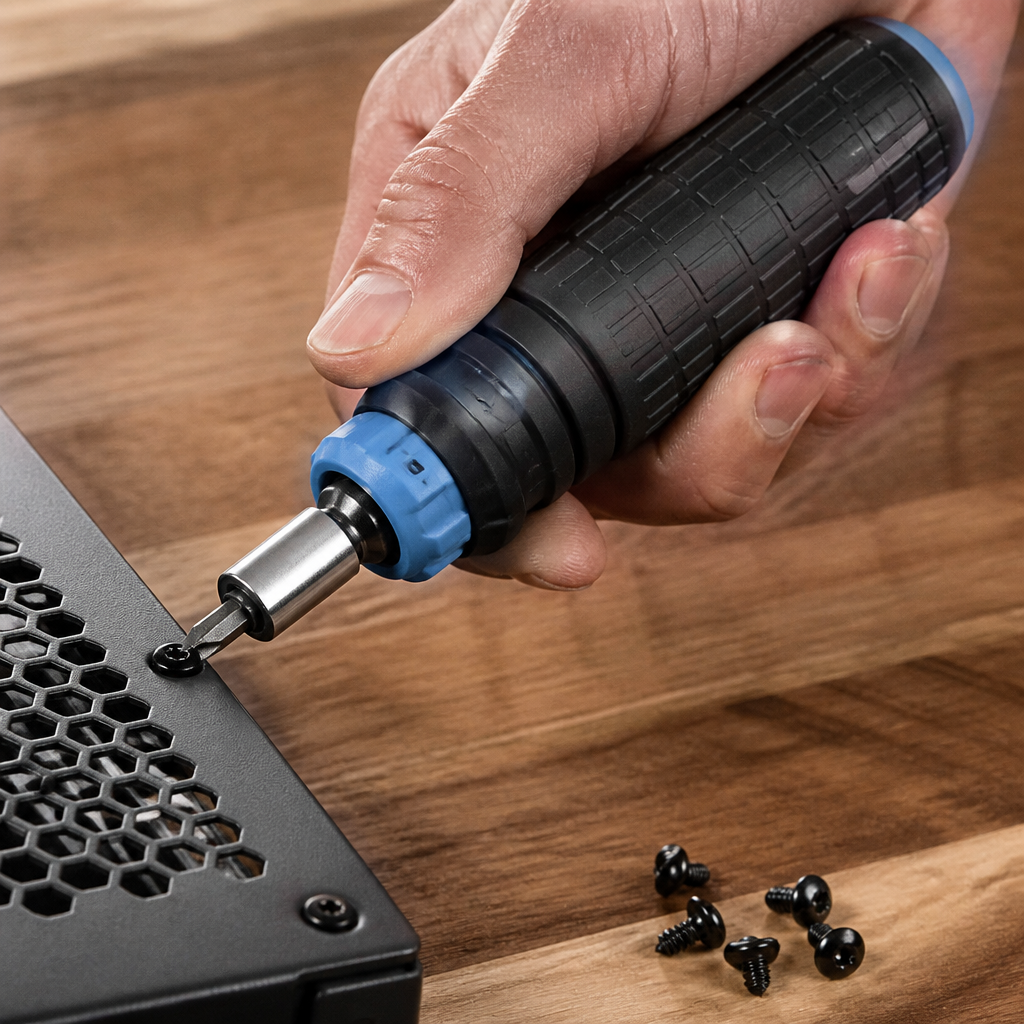
On late-model machines, globalized sourcing means not every fastener will follow older expectations exactly, but the rule still saves time: if a Japanese motorcycle screw seems unusually tight yet the recess looks crisp, reach for a proper JIS driver bit or a modern bit set rated for Japanese cross-head profiles. Vessel, Hozan, and JIS-compatible bit makers are well known because they fit better and transfer torque more cleanly. I keep impact-rated JIS-compatible bits beside hand impact drivers for seized reservoir screws and side-case hardware, and they pay for themselves fast. The practical benefit is not nostalgia; it is damage prevention.
The JIS conversation also extends to markings, torque habits, and thread care. Metric fasteners on Japanese bikes commonly use 8 mm, 10 mm, 12 mm, and 14 mm hex sizes in places where new owners expect imperial equivalents. Threads are often fine enough that dirt, corrosion, or crossed starts create misleading resistance. The right approach is to clean threads, start bolts by hand, confirm pitch, and torque to the service manual using calibrated tools. Guessing by feel is risky on aluminum engine cases, especially around side covers and sensor mounts. If you understand JIS-related fit and general metric fastener behavior, you are much less likely to create your own maintenance emergency while chasing a recall or routine service job.
DCT Maintenance: What Dual-Clutch Service Teaches Even If Your ZX-6R Does Not Use It
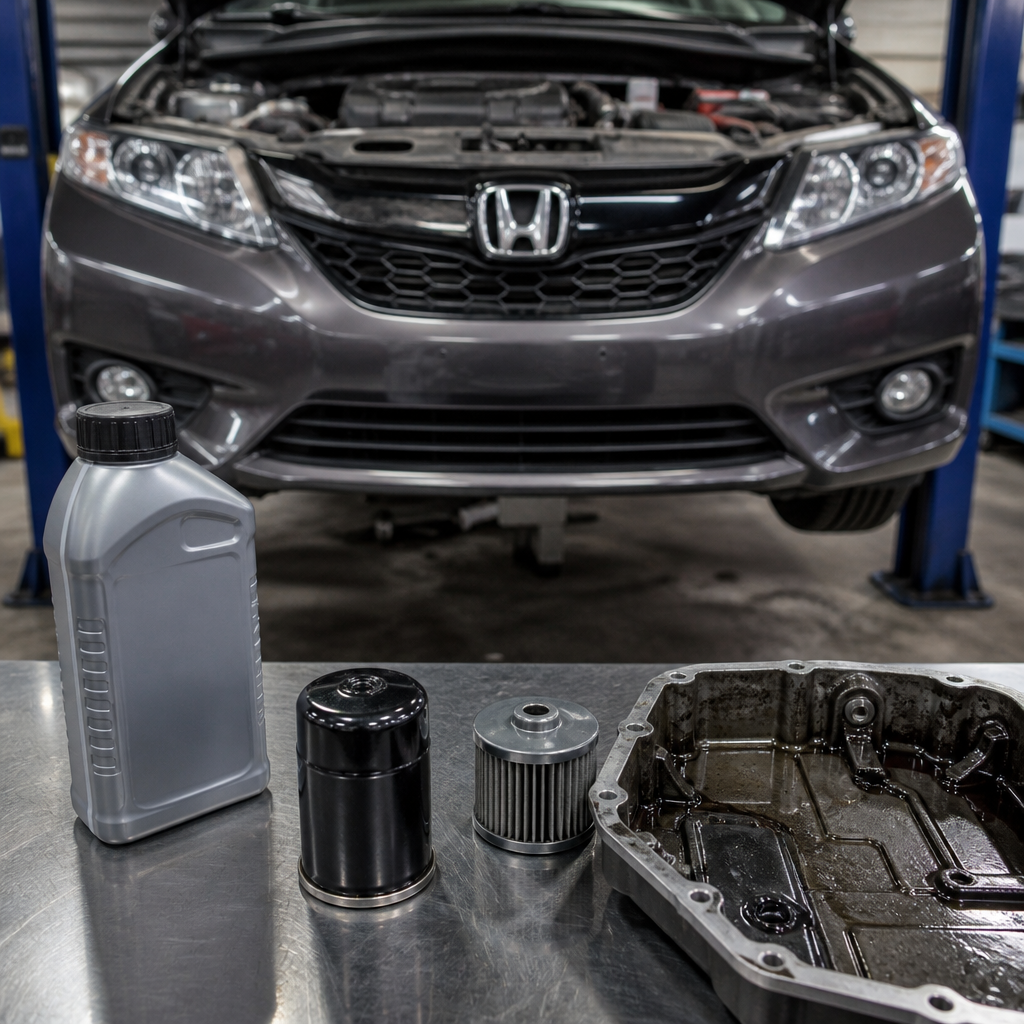
The Kawasaki Ninja ZX-6R does not use Honda’s dual-clutch transmission architecture, but DCT maintenance belongs in this hub because it teaches broader lessons about modern metric motorcycle service: fluid specification matters, adaptation procedures matter, and electronic-mechanical systems punish shortcuts. DCT, or dual-clutch transmission, uses two clutches and electro-hydraulic control logic to preselect gears. On Honda models such as the Africa Twin, Gold Wing, NC750X, and Rebel 1100, maintenance schedules often include engine oil and filter changes at strict intervals because the oil supports clutch and gearbox function, not just engine lubrication. Using the wrong viscosity or friction profile can affect shift quality, clutch engagement, and internal wear.
Why does that matter to a ZX-6R owner? Because the same mindset applies to any high-performance Japanese motorcycle. Manufacturers specify oil grades, coolant chemistry, brake fluid standards, and torque sequences for reasons grounded in metallurgy and system design. Riders who dismiss DCT service requirements as overcomplicated often make the same mistake elsewhere: they assume all motorcycle fluids and procedures are interchangeable. They are not. Modern service work increasingly blends software logic, hydraulic control, emissions hardware, and tight mechanical tolerances. Even on a conventional manual-transmission supersport, sensor calibrations, quickshifter behavior, and clutch feel can all be affected by neglecting the basics.
DCT also illustrates the value of following official maintenance intervals rather than internet folklore. Owners sometimes want a universal answer to “how often should I change oil” or “can I skip a filter this time,” but transmission-integrated engine systems do not tolerate generalized advice well. The best workshops use the model-specific manual, record every service, and verify part numbers before installation. That is the standard worth importing into any metric motorcycle maintenance routine.
Metric Quirks That Catch Owners Off Guard: Torque, Threads, Fluids, and Tools
Metric motorcycles reward precision, but they also have quirks that surprise riders coming from cars, cruisers, or mixed-tool garages. The first is torque scale. Many critical motorcycle fasteners are tightened to relatively low values, especially on fairings, covers, controls, and sensors. A large automotive torque wrench can be inaccurate at the bottom of its range, so a smaller calibrated wrench is often necessary. I see more stripped threads from oversized tools than from actual overconfidence. Aluminum threads in engine cases, fork pinch bolts, and handlebar control clamps need the right tool and the right scale.
The second quirk is thread pitch. Two M6 bolts can share diameter but differ in pitch, flange style, shoulder length, or hardness. Forcing “close enough” hardware into a captive nut or engine case can ruin threads quickly. The third is fluid specificity. Brake systems call for specified DOT fluid grades; coolant systems may require silicate-free, aluminum-safe formulas; clutch and suspension service need correct viscosity and bleed procedures. Mixing incompatible fluids or topping off with whatever is on the shelf is false economy.
The fourth quirk is access. Supersport bodywork compresses service space, so routine tasks such as spark plug inspection, air filter replacement, and throttle-body access may require careful panel removal and clip management. This is where JIS-compatible tools, magnetic trays, service-manual diagrams, and labeled fastener storage prevent reassembly errors. The fifth is documentation. Metric motorcycles often look straightforward until one small washer, clip orientation, or torque sequence is overlooked. Good technicians take photos, note bolt lengths, and reference manual diagrams before forcing parts apart.
These habits matter beyond convenience. They make recall work, pre-purchase inspections, and preventive maintenance more reliable. Whether you are checking a ZX-6R VIN, replacing fairings after a dealer visit, or servicing another Japanese bike with a dual-clutch system, disciplined metric practice protects components and preserves value.
Building a Smarter Maintenance Routine for 2025 and 2026
The best takeaway from the Kawasaki Ninja ZX-6R crankshaft recall question is bigger than one campaign: build a maintenance routine that treats verification, standards, and documentation as normal parts of ownership. Keep a digital record with VIN photos, recall results, dealer invoices, oil-change dates, torque notes, and part numbers. Use model-specific service literature, not generic charts, for torque values and procedures. Invest in quality metric sockets, hex bits, torque wrenches, and JIS-compatible drivers. If you own or service bikes with advanced transmissions, follow fluid and filter intervals exactly and avoid improvising with substitutes.
For used-bike buyers, always check recalls before purchase, confirm whether open campaigns affect rideability, and ask whether the seller has proof of completion. For current owners, recheck VIN status periodically, especially before a long trip, resale, or a major service appointment. Recalls can appear after initial registration, and database updates are not always front-of-mind for riders who only think about maintenance during riding season.
In the end, this hub connects three ideas that belong together: a Kawasaki Ninja ZX-6R crankshaft recall demands exact VIN verification, Japanese motorcycles reward respect for JIS and metric fastener standards, and modern systems such as DCT show why manufacturer procedures matter. Learn the standards, use the right tools, confirm the facts, and document the work. If you do that, you reduce risk, save money, and make every future maintenance decision easier. Start today by locating your VIN, running an official recall check, and reviewing your toolkit and service records for the gaps most riders miss.
Frequently Asked Questions
What is the Kawasaki Ninja ZX-6R crankshaft recall, and why is it important in 2025 and 2026?
The Kawasaki Ninja ZX-6R crankshaft recall refers to a manufacturer-issued campaign involving a potential defect in the crankshaft or related engine components that could lead to serious internal engine damage. The crankshaft is one of the most critical moving parts in the engine. It converts the up-and-down motion of the pistons into rotational force that drives the motorcycle forward. If that part fails, the result can be sudden loss of power, catastrophic engine damage, and an expensive repair if the issue is not handled through the recall process.
This matters in 2025 and 2026 because recall eligibility does not disappear just because a bike is a few model years old. Many owners are buying used ZX-6R motorcycles, inheriting bikes from previous owners, or finally catching up on maintenance and paperwork. In those cases, it is completely possible for an affected motorcycle to still have an open recall. A recall is different from a routine service bulletin or standard maintenance item because it is a manufacturer-directed correction tied to safety or reliability concerns, and it is typically performed at no cost to the owner.
For ZX-6R owners, the practical concern is simple: a crankshaft-related defect can develop with little warning, and waiting until symptoms appear can be risky. That is why checking recall status by VIN remains one of the smartest things an owner can do before riding regularly, purchasing a used bike, or investing in modifications and performance upgrades.
How can I check whether my Kawasaki Ninja ZX-6R VIN is affected by the crankshaft recall in 2025 or 2026?
The most reliable way to check your Kawasaki Ninja ZX-6R recall status is by using the motorcycle’s VIN, which stands for vehicle identification number. A VIN is a unique 17-character code assigned to a specific motorcycle. Kawasaki and authorized dealers use that number to determine whether a recall applies to your exact bike, whether the recall repair has already been completed, and whether there are any other open campaigns you should know about.
Start by locating the VIN on the motorcycle. On most bikes, including the ZX-6R, it is commonly found on the steering head or frame neck, and it may also appear on registration, title, insurance, or finance documents. Once you have the full 17-character VIN, enter it into Kawasaki’s official recall lookup tool if available for your region, or contact an authorized Kawasaki dealer and ask them to run a recall check. A dealership service department can usually confirm open recalls quickly and may also tell you whether the motorcycle has already received the crankshaft-related remedy.
When checking the VIN, be careful to copy every character correctly. Confusing the number 0 with the letter O, or 1 with I, can produce inaccurate results. If you are shopping for a used ZX-6R in 2025 or 2026, ask the seller for the VIN before purchase so you can verify recall status in advance. That single step can help you avoid buying a motorcycle with unresolved recall work or uncertainty about its repair history.
What symptoms might suggest a crankshaft problem on a Kawasaki Ninja ZX-6R, and should I keep riding if I notice them?
A crankshaft-related problem may show up as unusual engine noises, vibration, knocking, metallic sounds, rough operation, or sudden changes in engine smoothness. Some riders may also notice abnormal oil contamination, warning signs during acceleration, or a general sense that the engine does not sound or feel as refined as it normally does. In more severe cases, the issue can progress to significant internal damage or abrupt engine failure.
That said, one of the reasons the recall is taken seriously is that serious crankshaft damage may not always provide a long list of obvious warnings before it becomes expensive or dangerous. You should not assume that “no symptoms” means “no problem.” If your VIN is included in the recall range, the important step is to arrange the official inspection or repair rather than waiting for the motorcycle to develop a problem.
If you are already hearing unusual noises or suspect internal engine trouble, it is wise to stop riding until the bike can be professionally evaluated. Continuing to ride a motorcycle with a possible crankshaft defect can increase damage and may create a safety risk if the engine loses power unexpectedly. Contact an authorized Kawasaki dealer, explain the symptoms, provide the VIN, and ask for guidance on next steps. Acting early gives you the best chance of preventing further damage and getting the issue documented properly under the recall process.
What happens if my ZX-6R is included in the recall, and will Kawasaki fix it for free?
If your Kawasaki Ninja ZX-6R is confirmed to be part of the crankshaft recall, the dealer will follow the official recall procedure issued by Kawasaki. That usually means inspecting the affected components and then performing the approved remedy, which may include repair or replacement of the defective part or related engine assemblies, depending on the campaign instructions. The exact repair process depends on how Kawasaki structured the recall and what technicians are directed to do for affected VINs.
In general, recall work is performed at no cost to the owner. That is one of the key differences between a recall and ordinary wear-and-tear repair. If the motorcycle qualifies, Kawasaki covers the approved corrective action through its dealer network. Owners should still call ahead because some recall repairs involve parts ordering, technician scheduling, or longer shop time than a basic service appointment.
When you contact the dealer, have your VIN ready and ask whether the recall is open, whether parts are in stock, how long the inspection or repair may take, and whether there are any preparation steps you should follow before bringing the bike in. It is also smart to keep copies of repair orders and recall completion paperwork for your records. That documentation can be useful if you sell the motorcycle later, because buyers often want proof that recall work was completed properly.
What should used-bike buyers and current owners do to protect themselves when dealing with a ZX-6R crankshaft recall?
If you already own a Kawasaki Ninja ZX-6R, the best protection is to verify the VIN, confirm whether the recall is open or completed, and keep written records of every dealer interaction. Do not rely only on what a previous owner said, and do not assume a bike is unaffected just because it runs well today. Recalls are VIN-specific, and the only dependable answer comes from Kawasaki’s official records or an authorized dealer lookup.
If you are buying a used ZX-6R in 2025 or 2026, ask for the VIN before money changes hands. Check the recall status yourself, request service history, and ask whether the seller has paperwork showing the recall was completed. If there is an open recall, that does not automatically mean you should walk away, but it does mean you should factor the unresolved repair into your timing, convenience, and confidence about the purchase. Ideally, the seller should allow you to verify everything before finalizing the sale.
It is also a good idea to inspect the motorcycle for signs of neglect unrelated to the recall, such as poor maintenance, suspicious engine noises, or incomplete records. A completed recall does not guarantee the bike has been cared for in every other respect. On the other hand, an open recall may simply mean the current or previous owner never scheduled the appointment. The smart approach is to combine a VIN recall check with a broader used-motorcycle inspection so you understand both the recall status and the overall condition of the ZX-6R.