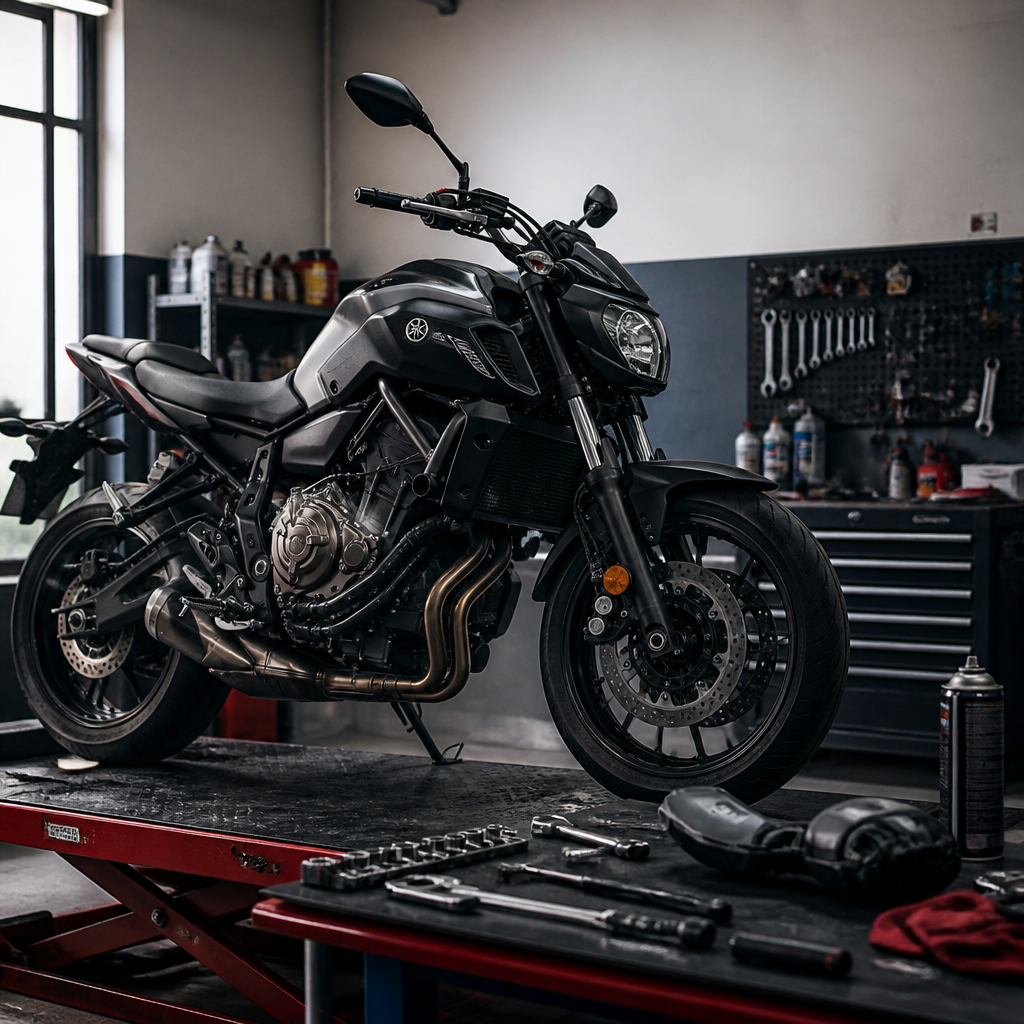
The Yamaha MT-07 has earned a rare reputation in modern motorcycling: it is quick enough to entertain experienced riders, affordable enough to attract first-time owners, and simple enough to keep running without draining a workshop budget. Much of that reputation comes from its 689 cc parallel-twin, commonly nicknamed the “financial miracle” engine because it delivers strong real-world performance with unusually low ownership cost. In practical terms, that means fewer labor hours for routine service, wide parts availability, predictable wear patterns, and straightforward access to common maintenance points. For riders building a metric maintenance skill set, the MT-07 is one of the clearest examples of how good engineering lowers both cost and complexity.
When riders ask why this bike is easy to maintain, they are usually asking several different questions at once. Is the engine layout accessible? Are the fasteners standardized? Does it require specialty tools? Are service intervals reasonable? How much does owner error matter? The answer to all of those questions is favorable, but understanding why requires looking beyond the brochure. The MT-07 sits in the middle of three subjects every metric motorcycle owner should understand: Japanese Industrial Standards fasteners, dual-clutch transmission maintenance as a point of comparison, and the small metric-specific design quirks that catch out riders trained on automotive hardware or older British and American machines. As a hub article, this guide connects those ideas through the MT-07’s real maintenance logic.
First, a key term. The “financial miracle” label does not refer to a factory designation; it is enthusiast shorthand for an engine-platform-and-ownership package that punches above its price. Yamaha’s CP2 engine uses a 270-degree crankshaft, which gives the MT-07 a broad torque curve and a characterful firing feel without adding mechanical complication. Unlike a high-strung inline-four that may demand more bodywork removal, tighter packaging compromises, or expensive multi-cylinder top-end labor, the CP2 keeps routine work relatively direct. That matters because maintainability is not only about durability. A durable engine that is difficult to service can still be expensive to own. The MT-07 succeeds because its durability and serviceability reinforce each other.
It also matters because many owners of middleweight metric bikes do at least part of their own maintenance. Oil and filter changes, chain service, brake pad replacement, air filter access, spark plug inspection, battery replacement, and coolant checks are all tasks a careful home mechanic can learn. On the MT-07, these jobs are not hidden behind excessive bodywork or dependent on unusual tools. Yamaha’s service documentation is generally clear, torque values follow familiar metric logic, and the bike’s design leaves enough room to work methodically. That combination reduces stripped fasteners, broken tabs, and abandoned weekend projects. In my experience, that is where a bike becomes truly cheap to maintain: not merely when parts are inexpensive, but when routine service can be completed correctly on the first attempt.
Why the CP2 engine keeps maintenance simple
The MT-07’s maintainability starts with engine architecture. A liquid-cooled, DOHC, eight-valve parallel twin with two cylinders and a compact head is inherently less time-consuming to service than a four-cylinder machine with double the spark plugs, throttle body balancing complexity, and tighter packaging around the top end. Valve clearance inspection still matters, but there are simply fewer components involved. Fewer cylinders mean fewer combustion chambers to inspect, fewer coil sticks to remove, fewer exhaust header studs to navigate, and less cumulative labor when chasing a running issue. For a shop, that lowers invoice totals. For an owner, it lowers the barrier to learning.
The CP2 also avoids unnecessary complication in routine systems. Chain final drive is visible and serviceable. The wet clutch is conventional. The cooling system is modern but not exotic. The airbox, tank area, and side covers require normal disassembly discipline rather than model-specific tricks. Even basic consumables tend to last predictably because the engine’s torque character does not force riders to rev aggressively just to move briskly in traffic. Lower stress in everyday use often means smoother driveline behavior, less abuse of the clutch, and fewer heat cycles spent near redline. None of that makes the engine maintenance-free, but it does make wear patterns easier to predict.
Another reason this engine earns its reputation is parts ecosystem maturity. The MT-07 platform has been sold globally for years, and many service items cross-reference easily through Yamaha dealers, OEM fiche systems, and aftermarket catalogs. Oil filters, air filters, chain kits, brake consumables, spark plugs, and gaskets are widely stocked. Diagnostic familiarity also improves with popularity. Independent shops know the platform. Forums and service communities have documented common jobs. That lowers both downtime and troubleshooting uncertainty, which are major hidden costs in motorcycle ownership.
The JIS standard: the fastener detail that saves metric motorcycles
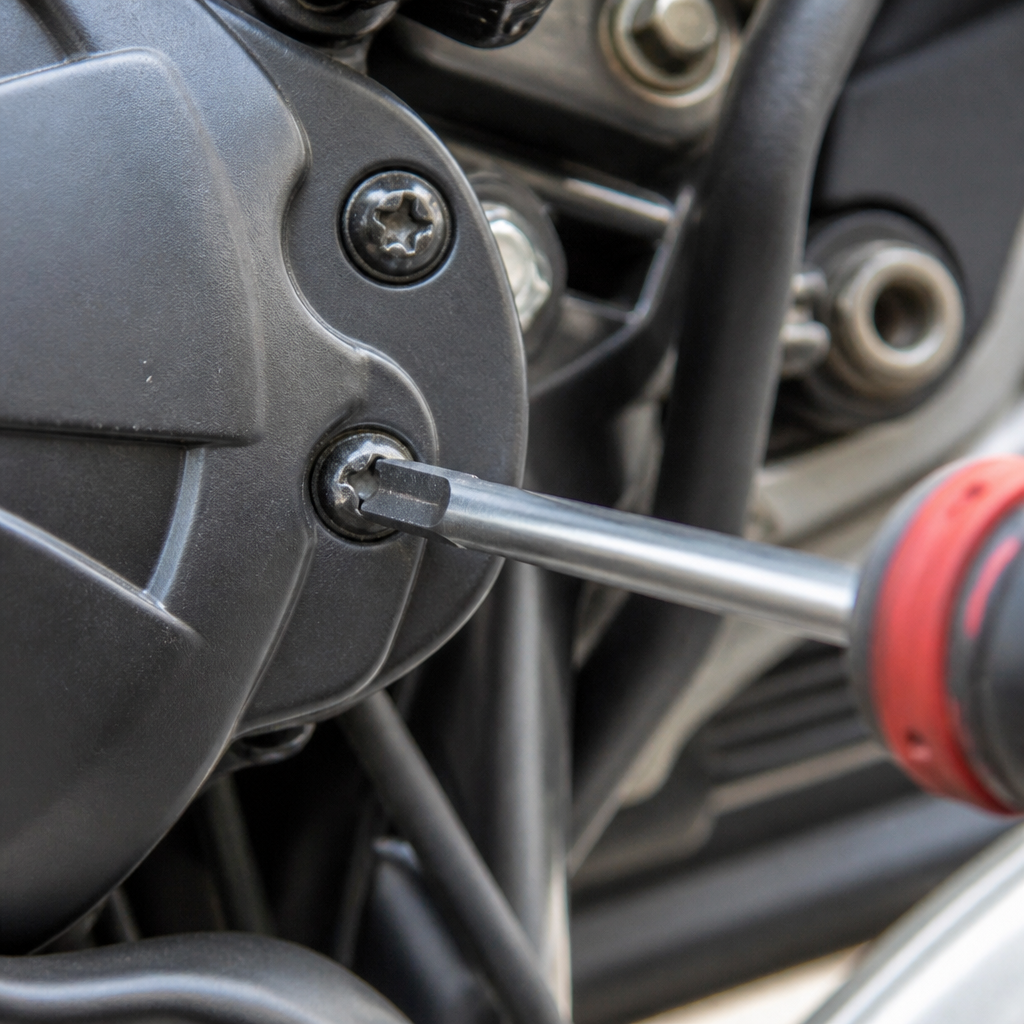
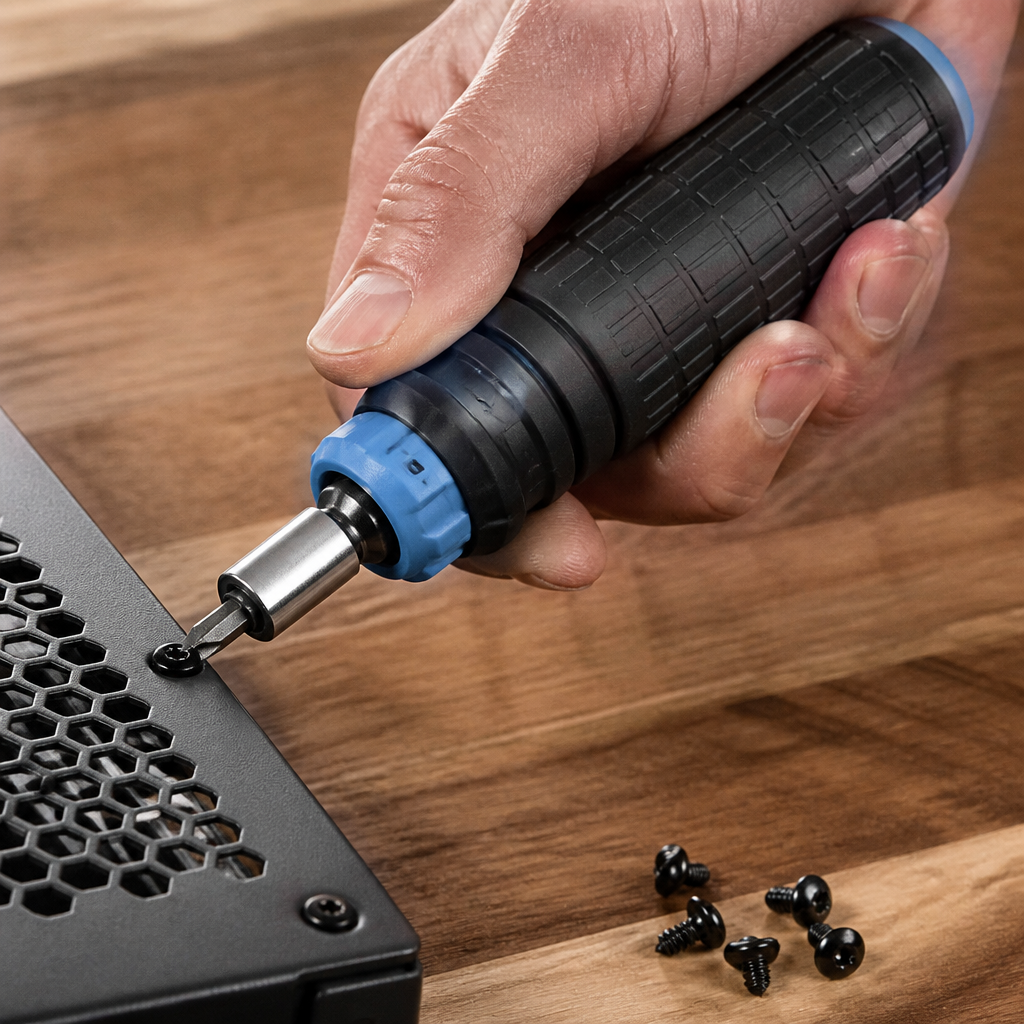
One of the most important maintenance lessons on Japanese motorcycles is understanding the difference between JIS and Phillips-style crosshead screws. Many riders see a cross-shaped recess and assume a standard Phillips screwdriver will do. On Japanese bikes, that mistake causes cam-out, chewed screw heads, and needless drilling. JIS, originally defined through Japanese Industrial Standards, uses a different geometry that allows more positive engagement. On carburetor bowls, switchgear, reservoir covers, and bodywork-adjacent screws, the right driver bit transforms the job. If you maintain metric motorcycles regularly, a vessel-style JIS screwdriver set or high-quality JIS-compatible bits is not optional; it is foundational.
The MT-07 benefits from Yamaha’s broader use of metric hex fasteners, but the JIS principle still matters across Japanese ownership culture, service habits, and accessory installation. Many owners first encounter the issue while replacing levers, opening switch housings, or servicing another Japanese bike in the same garage. Learning JIS discipline on an MT-07 prevents damage across the rest of a metric fleet. It also teaches a larger rule: fastener standards are part of maintainability. A machine becomes expensive when the owner uses the wrong interface, rounds a head, then turns a ten-minute task into a broken-hardware extraction job.
Best practice is simple. Clean the recess before turning the fastener. Use a correctly fitting JIS bit, not a worn Phillips driver. Apply firm axial pressure. If threadlocker is suspected, use controlled heat where appropriate and confirm surrounding plastics are protected. On stuck screws, an impact driver can be safer than brute force because it converts hammer energy into rotational shock while keeping the bit seated. Those methods sound basic, but they explain why some owners describe Japanese bikes as fragile while experienced mechanics describe them as sensible. The difference is usually tool choice, not hardware quality.
Metric quirks every MT-07 owner should understand
Metric motorcycles reward precision. That statement sounds obvious, but it has practical consequences. The MT-07 uses metric fasteners, metric torque values, metric hose diameters, and clearances measured to fine tolerances. Owners coming from automotive work sometimes over-tighten small fasteners because motorcycle threads are often cut into lighter aluminum castings with less margin for abuse. A rocker cover bolt, brake reservoir screw, or body panel fastener does not need “one extra tweak for safety.” It needs the specified torque, clean threads when required, and the correct tightening sequence. Over-tightening is one of the fastest ways to make an easy-to-maintain bike suddenly expensive.
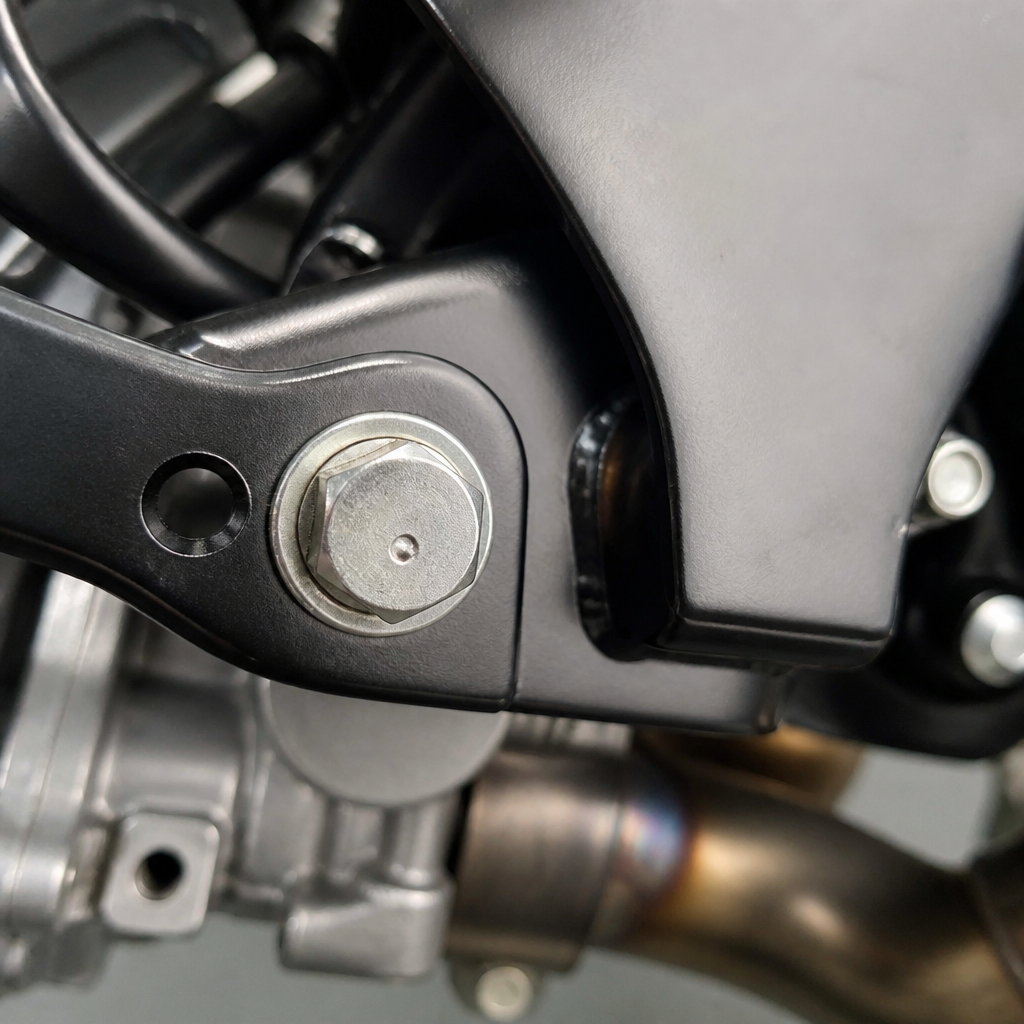
Another metric quirk is the prevalence of flange bolts and shouldered hardware designed to spread load without separate washers. If a bolt appears unusually long for its thread size, inspect how the shoulder indexes the component before substituting generic hardware. Yamaha engineers often use bolt length, shoulder depth, and collar placement as alignment aids. Mixing hardware during reassembly can distort covers, pinch wiring, or create vibration issues that did not exist before the service. Organized teardown matters. I recommend laying fasteners out on a clean tray in component order and taking quick phone photos before removing layered brackets or clips.
Fluid service also follows metric logic that rewards accurate measurement. The right oil grade, brake fluid specification, coolant type, and chain slack measurement are more important than brand mythology. On the MT-07, using the specification listed in the service manual and measuring carefully will outperform most internet folklore. Chain slack should be checked at the prescribed point and with the bike positioned according to the manual. Oil level should be confirmed under the stated conditions, not guessed after a hurried top-up. Brake bleeding should prioritize clean fluid, proper sequence, and correct lever feel. Maintenance simplicity comes from repeatable procedure.
How the MT-07 compares with DCT maintenance complexity
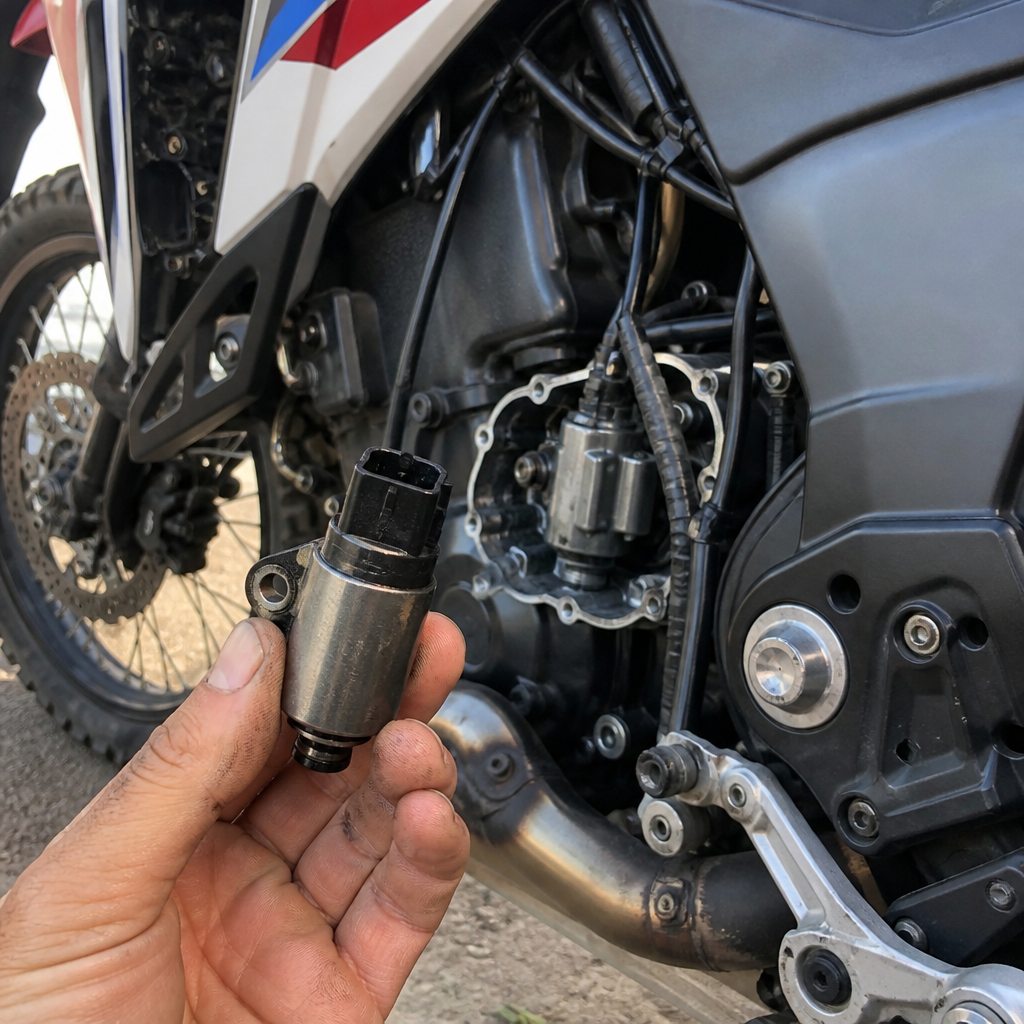
The easiest way to understand the MT-07’s service advantage is to compare it with a motorcycle fitted with a dual-clutch transmission. DCT systems, most notably associated with Honda road and adventure models, are impressive pieces of engineering. They can shift quickly, reduce rider fatigue, and broaden accessibility. They also add mechanical and electronic layers that the MT-07 simply does not have. A DCT motorcycle introduces clutch pack control logic, hydraulic actuation complexity, additional sensors, calibration considerations, and model-specific diagnostic procedures. Routine maintenance remains manageable, but when problems arise, the troubleshooting tree is longer and the consequences of fluid neglect can be greater.
That comparison does not mean DCT is unreliable. It means conventional motorcycles like the MT-07 are easier for the average owner to understand end to end. A cable-operated clutch or standard hydraulic clutch circuit is easier to inspect than a semi-automated transmission control system. A conventional gearbox with rider-actuated shifting gives more direct mechanical feedback. If something changes in lever feel, engagement point, or shift quality, the owner can usually isolate the issue quickly: cable adjustment, worn plates, old oil, chain tension, bent lever, or shift linkage play. With DCT, diagnosis can involve electronic fault codes, adaptation logic, and components many home mechanics will not disassemble.
| Maintenance area | Yamaha MT-07 | DCT-equipped motorcycle |
|---|---|---|
| Clutch system | Conventional, mechanically familiar | Computer-controlled dual clutch assemblies |
| Diagnosis | Often visible and tactile | Often requires scan tools and model-specific procedures |
| Fluid sensitivity | Important but straightforward | Critical to shift quality and system function |
| Owner service access | High for routine tasks | Moderate for basics, lower for faults |
| Failure cost risk | Usually contained | Potentially higher due to complexity |
For a maintenance encyclopedia hub, the point is not to discourage advanced systems. It is to explain why the MT-07 is such an effective baseline machine for learning metric service. Once you can maintain a CP2-powered Yamaha correctly, you build habits that transfer upward: tool discipline, torque awareness, fastener identification, fluid control, service-manual reading, and symptom-based diagnosis. Those habits are exactly what riders need before stepping into more complex platforms like DCT motorcycles, ride-by-wire adventure bikes, or tightly packaged sport machines.
Routine service points that make ownership affordable
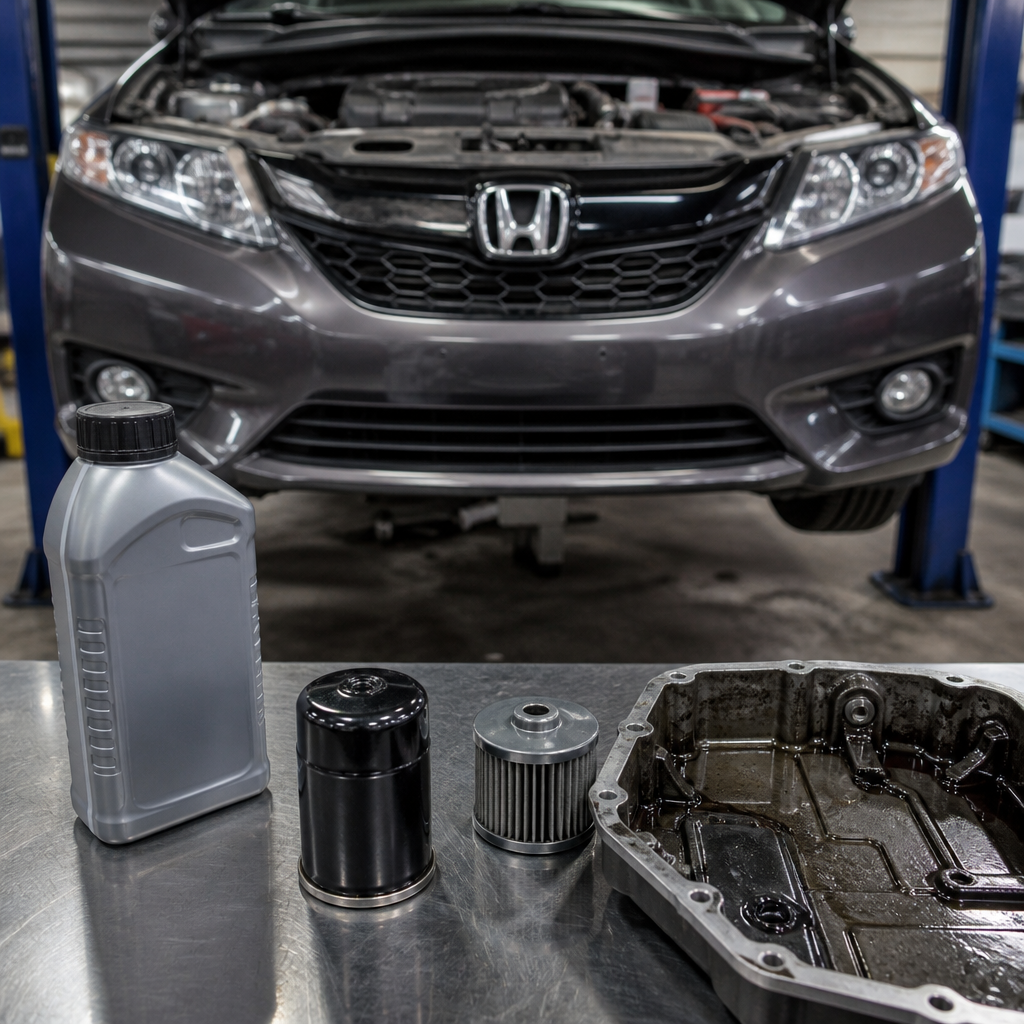
Several specific service tasks explain the “financial miracle” nickname better than any slogan. Oil changes are straightforward, with easy drain access and common filter availability. Chain cleaning and adjustment are visible jobs that reward regular attention and protect sprocket life. Air filter replacement is not a roadside task, but it is manageable in a home garage with basic sockets and patience. Spark plug service is more approachable than on many fully faired motorcycles. Brake pad inspection is quick. Coolant checks are simple. Battery access is reasonable. None of these tasks alone is remarkable; together, they create a bike that does not punish routine care.
The real savings come over time. A rider who changes oil on schedule, keeps the chain correctly tensioned and lubricated, torques axle hardware properly, and monitors brake fluid condition can avoid a surprising number of second-order failures. Misadjusted chains accelerate sprocket wear and load bearings. Neglected brake fluid absorbs moisture and lowers boiling performance while promoting corrosion. Loose fasteners create vibration damage that gets misdiagnosed as “Yamaha build quality.” The MT-07 responds well to basic discipline. It does not demand constant attention, but it clearly rewards it.
There are tradeoffs. “Easy to maintain” does not mean “ignore the manual.” Valve inspections still matter. Cheap tools can still strip hardware. Aftermarket accessories can complicate access, especially tail tidies, crash protection, luggage frames, and wiring for heated gear or auxiliary lights. Owners who modify intake or exhaust components may also introduce fueling complaints that are blamed on the bike rather than the installation. The MT-07 remains affordable because its base design is forgiving, not because it is immune to poor workmanship.
Building a metric maintenance toolkit around the MT-07
If the MT-07 is your entry point into metric motorcycle service, build your toolkit around accuracy rather than quantity. Start with quality metric sockets, hex keys, torque wrenches that cover low and mid ranges, JIS-compatible screwdrivers, feeler gauges, a chain alignment method you trust, and a service manual. Add brake bleeding tools, a multimeter, picks, hose clamps, and a magnetic parts tray. Brands matter less than fit, repeatability, and not rounding fasteners. I have seen budget tools work fine and expensive tools fail in careless hands. The decisive factor is using the correct tool with measured force.
Documentation habits matter just as much. Record oil type, mileage, chain adjustments, brake service dates, battery age, and tire changes. Keep torque notes for commonly serviced parts. Label accessory wiring. Save receipts for consumables and part numbers that fit correctly. These practices sound shop-oriented, but they are exactly what turn a straightforward motorcycle into a reliably cheap one. Maintenance costs rise when owners repeat mistakes, buy duplicate parts, or cannot remember the last fluid service.
The MT-07 proves that motorcycle ownership does not have to be financially punishing to be mechanically satisfying. Its CP2 engine is easy to understand, its routine service tasks are approachable, and its hardware follows the logic of well-executed metric design. Learn the JIS standard, respect torque values and metric fastener quirks, and use the MT-07 as a foundation for broader technical confidence. Compared with more complex systems such as DCT, the bike’s conventional layout keeps troubleshooting clear and ownership costs controlled. If you want a practical machine that teaches good maintenance habits while staying affordable, start with the MT-07 and service it by the book.
Frequently Asked Questions
Why is the Yamaha MT-07’s engine often called a “financial miracle”?
The nickname comes from the way Yamaha’s 689 cc CP2 parallel-twin combines performance, durability, and low running costs in a package that feels unusually well balanced for the price. In the real world, riders get strong midrange torque, easy urban manners, and enough highway performance to keep the bike enjoyable for years without stepping into the maintenance burden that often comes with more complex engines. It is not “cheap” because it cuts corners; it is affordable because the design is efficient, accessible, and proven.
A big part of that reputation is mechanical simplicity. The MT-07 does not rely on excessive complexity to make useful power. Its parallel-twin layout is compact, straightforward to package, and generally easier to service than larger multi-cylinder alternatives with more parts, more valves, and tighter packaging. For owners, that often translates into fewer labor hours during routine service, better access for common inspection points, and lower parts consumption over time.
The engine’s long-standing track record also matters. Over multiple model years, the CP2 platform has built a reputation for reliability when maintained properly. That reliability reduces the chance of costly surprises and gives owners confidence that routine maintenance is usually just that: routine. Put simply, the “financial miracle” label sticks because the MT-07 delivers a lot of everyday motorcycle for comparatively little money in purchase price, workshop time, and long-term upkeep.
What makes the MT-07 easier to maintain than many other middleweight motorcycles?
The MT-07 is easier to maintain because Yamaha kept the overall design practical. The 689 cc twin is compact, and the motorcycle around it is not overcomplicated with layers of bodywork, oversized electronics architecture, or tightly packed engine bays that turn simple jobs into expensive ones. On many motorcycles, labor cost comes less from the part itself and more from the time needed to reach it. The MT-07 helps keep that time under control.
Its parallel-twin configuration is a major advantage. Compared with inline-fours, there are fewer cylinders, fewer related components, and generally less complexity when technicians perform valve inspections, ignition service, or intake-related work. Access is not perfect on any modern motorcycle, but it is usually more straightforward than on higher-strung machines designed primarily around peak horsepower. That is important for owners who pay shop rates, because reduced disassembly often means lower invoices.
The bike also benefits from a practical maintenance philosophy. Routine items such as oil changes, chain service, air filter replacement, coolant checks, and brake inspections are all familiar, conventional jobs. Nothing about the MT-07 is especially exotic, and parts availability is typically strong thanks to the model’s popularity. That broad support network helps owners and independent mechanics alike, since consumables, replacement parts, and service knowledge are easy to find. Altogether, the motorcycle’s design keeps maintenance predictable, which is one of the biggest reasons it has become such a favorite among budget-conscious riders.
Which routine maintenance jobs on the Yamaha MT-07 are typically simple and affordable?
Several common service items on the MT-07 are relatively straightforward and cost-effective. Oil and filter changes are among the clearest examples. The bike uses a conventional wet-sump setup and does not require unusual procedures, so this basic service is easy for a home mechanic and reasonably priced at a dealership. Regular oil service is one of the best ways to protect the CP2 engine, and on the MT-07 it does not feel like an expensive commitment.
Chain maintenance is another area where ownership stays manageable. Like most naked middleweights, the MT-07 makes chain cleaning, lubrication, and adjustment fairly accessible. Because the bike is light and mechanically simple, many owners handle chain care themselves in a short amount of time. The same goes for basic inspections such as brake pad wear, tire condition, fluid levels, and fastener checks. These small tasks matter because they prevent larger, more expensive problems from developing later.
Air filter replacement, spark plug service, and coolant maintenance are also generally less intimidating than on bikes with more bodywork or more tightly crowded engine layouts. Valve clearance inspections are naturally more involved than simple fluid changes, but even there, the two-cylinder format helps keep complexity in check compared with four-cylinder competitors. None of this means maintenance can be ignored; it means the MT-07 rewards consistent care without punishing the owner with excessive labor or rare, high-cost consumables.
Is the MT-07 a good choice for first-time owners who want to learn basic motorcycle maintenance?
Yes, the MT-07 is widely considered a very good platform for riders who want to start learning maintenance, provided they follow the service manual, use the right tools, and stay within their comfort level. One reason is that the bike is mechanically approachable. It does not overwhelm new owners with unnecessary complexity, and many of the standard ownership tasks are realistic for beginners to understand over time. That includes checking fluid levels, lubricating and adjusting the chain, changing oil, inspecting brake components, and monitoring tire wear.
The motorcycle’s popularity also works in a beginner’s favor. Because so many MT-07s are on the road, there is a large owner community, broad aftermarket support, and plenty of model-specific guidance available. That makes it easier for new owners to find parts, compare service experiences, and understand what normal wear patterns look like. For someone trying to become more self-sufficient, that kind of support can reduce the intimidation factor significantly.
Just as important, the MT-07 teaches useful habits without demanding expert-level mechanical skill from day one. A first-time owner can start with simple inspections and consumable maintenance, then gradually decide whether to take on more advanced jobs or leave them to a professional. The bike’s maintenance friendliness lowers the barrier to learning, but it still rewards discipline. In other words, it is ideal for owners who want a motorcycle that is easy to live with while also serving as a practical introduction to responsible mechanical care.
How can owners keep the Yamaha MT-07 reliable and inexpensive to run over the long term?
The best strategy is simple: follow the maintenance schedule consistently and do not postpone small jobs. The MT-07 is affordable to own partly because it responds well to routine care. Fresh oil, a clean and correctly adjusted chain, healthy tires, proper brake maintenance, and timely fluid changes all help preserve the bike’s reliability and prevent wear from turning into expensive repairs. On a machine like this, neglect is usually more costly than maintenance itself.
Owners should also pay attention to riding conditions. Frequent short trips, heavy stop-and-go commuting, wet weather use, and dusty roads can all increase wear on chains, filters, brakes, and fluids. Adjusting service habits to match real usage is one of the smartest ways to protect the bike. A motorcycle that is ridden year-round in tough conditions may need more frequent inspection than one used only on fair-weather weekend rides. That is not a flaw in the MT-07; it is simply good mechanical judgment.
Using quality parts and fluids matters as well. Sticking with the correct oil grade, replacing consumables before they are fully exhausted, and addressing unusual noises or changes in performance early can save significant money over the life of the bike. Finally, keeping records helps more than many owners realize. A clear maintenance history supports resale value, prevents missed service intervals, and makes troubleshooting easier if an issue appears later. The MT-07 earns its “financial miracle” reputation when owners treat it as a well-engineered machine that thrives on regular, uncomplicated care rather than expensive intervention.