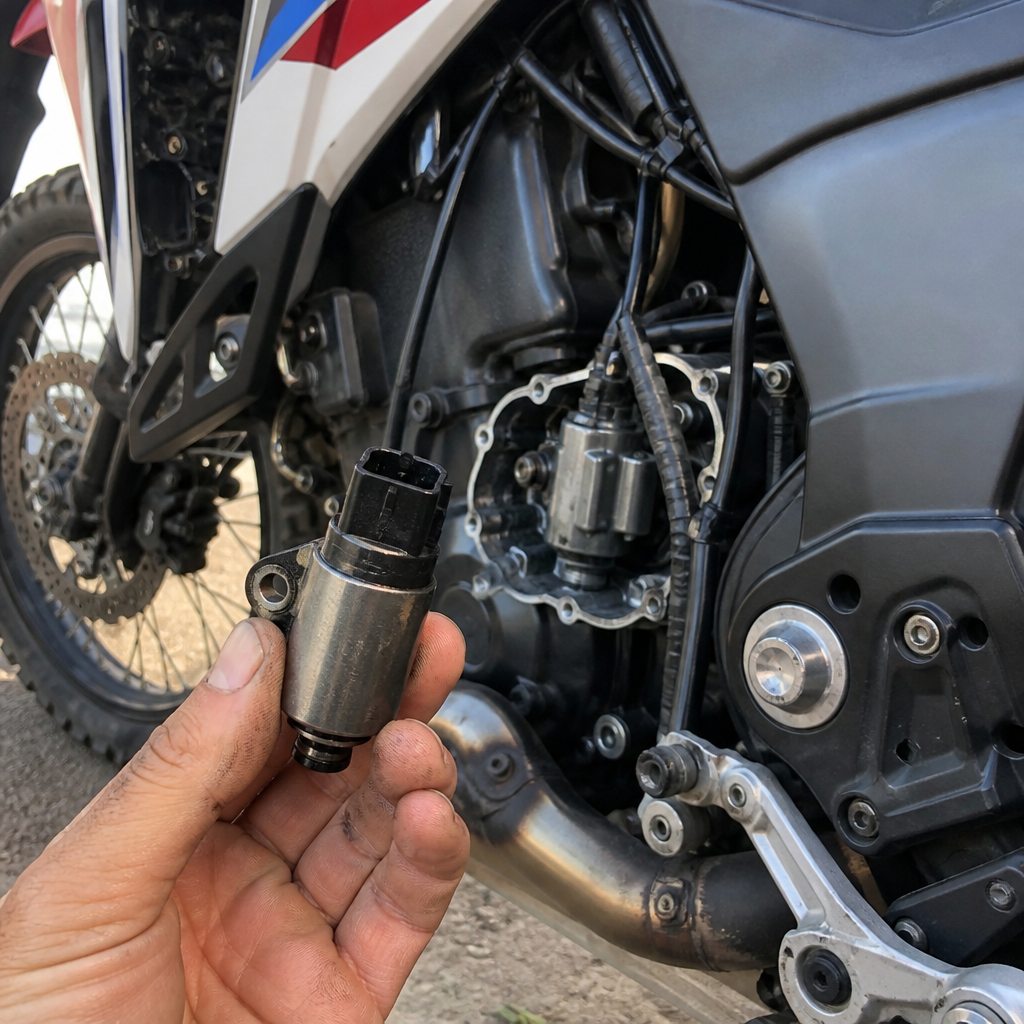
The Honda Africa Twin’s dual clutch transmission is durable, smooth, and remarkably tolerant of hard use, but neglected filters can trap clutch debris, restrict oil flow, and contribute to heat buildup that shortens component life. In this maintenance and technical encyclopedia hub, I’ll explain how cleaning the DCT filters helps prevent overheating, why the JIS standard matters on this motorcycle, and which metric quirks repeatedly catch owners during service. For clarity, DCT means Dual Clutch Transmission, JIS refers to Japanese Industrial Standards fastener geometry, and metric quirks include thread sizes, torque values, socket dimensions, and service conventions that differ from what many riders expect on European or American bikes. This topic matters because the Africa Twin is often ridden exactly where transmission stress rises fastest: slow technical climbs, loaded travel, deep sand, commuting in hot weather, and long off-road sections with frequent shifts.
I have serviced several CRF1000L and CRF1100L Africa Twins after heat warnings, harsh engagement, or delayed shifts, and the pattern is familiar. Owners often change engine oil on schedule yet overlook the DCT centrifugal screen and external cartridge filter because the transmission keeps functioning until restriction becomes significant. By the time symptoms appear, the bike may still ride normally at speed while struggling in low gear, where clutch slip and repeated engagement generate the most heat. Honda’s engineering is conservative, but no wet-clutch system is immune to contaminated oil. Understanding the filter circuit, using the correct JIS-fitting tools, and respecting Honda’s metric hardware conventions turns this job from intimidating to routine. As the hub page for this subtopic, this article connects the practical task of DCT filter cleaning with the larger technical framework riders need to maintain these machines correctly, confidently, and without avoidable damage.
Why DCT filter cleaning prevents overheating on the Africa Twin
The Africa Twin DCT uses oil pressure to operate clutch packs, shift actuators, and lubrication passages inside a compact transmission case. Heat is normal in any wet-clutch design, but overheating risk increases when debris reduces oil circulation through the DCT-specific filtration points. On these motorcycles, clutch material and fine metallic particles can accumulate in the DCT centrifugal screen and the DCT oil filter, especially if the bike sees stop-and-go traffic, aggressive low-speed off-road riding, or extended use in high ambient temperatures. When flow is restricted, the clutches may not receive ideal cooling and hydraulic response. The result can be harsher engagement, delayed gear changes, elevated case temperatures, and in severe cases warning indicators or protective operating modes.
Many riders assume overheating always means a radiator issue, but transmission heat can be a separate contributor. I have opened DCT filter housings that looked fine externally while the internal screen held a paste-like layer of dark friction residue. After cleaning the screen and replacing the filter, shift quality often improves immediately. That is not magic; it is restored hydraulic efficiency. Honda’s service logic is simple: clean oil carries away heat, supports clutch engagement pressure, and removes abrasive particles before they circulate. On a heavy adventure bike that may crawl up rocky trails with luggage, that margin matters. If you want to protect the DCT, treat filter service as preventive maintenance, not as a repair after symptoms become obvious.
The DCT maintenance points owners most often miss
Honda’s maintenance schedule emphasizes engine oil and regular inspections, but the Africa Twin’s DCT adds service points that deserve equal attention. Depending on model year and regional documentation, you will see references to a DCT oil filter, a DCT strainer or screen, and associated O-rings or sealing washers. The exact layout differs between the CRF1000L and CRF1100L, so always verify against the factory service manual for your VIN range. The hub principle is constant: inspect the filter path that serves the DCT hydraulic system, clean reusable screens thoroughly, replace one-time sealing parts, and refill with oil that meets Honda’s wet-clutch requirements, typically JASO MA or MA2 in the specified viscosity.
Owners miss these steps for three reasons. First, the bike has multiple covers and plugs, making it easy to confuse the DCT service points with general engine oil service points. Second, some fasteners are in vulnerable locations where mud, chain fling, and crash-bar hardware make access awkward. Third, many mechanics outside the Honda adventure community simply do not see enough Africa Twin DCT units to build habits around them. That is why this page functions as a sub-pillar hub: every related task, from correct screwdrivers to thread pitch verification, feeds into whether the DCT filter service is completed cleanly and correctly.
| Service area | What to inspect | Why it matters | Common mistake |
|---|---|---|---|
| DCT external filter | Replace filter and verify seal seating | Maintains hydraulic oil cleanliness and flow | Using the wrong filter orientation or reusing a damaged seal |
| DCT screen or strainer | Remove, clean, inspect for debris | Catches clutch material and fine particles before restriction increases | Skipping cleaning because engine oil was recently changed |
| Fasteners and covers | Check JIS heads, threads, and torque values | Prevents stripped screws, leaks, and warped covers | Using Phillips bits or inch-pound guesswork |
| Refill oil | Use correct grade and quantity | Supports clutch cooling, lubrication, and shift control | Choosing automotive oil without wet-clutch approval |
The JIS standard and why it matters on Honda service work
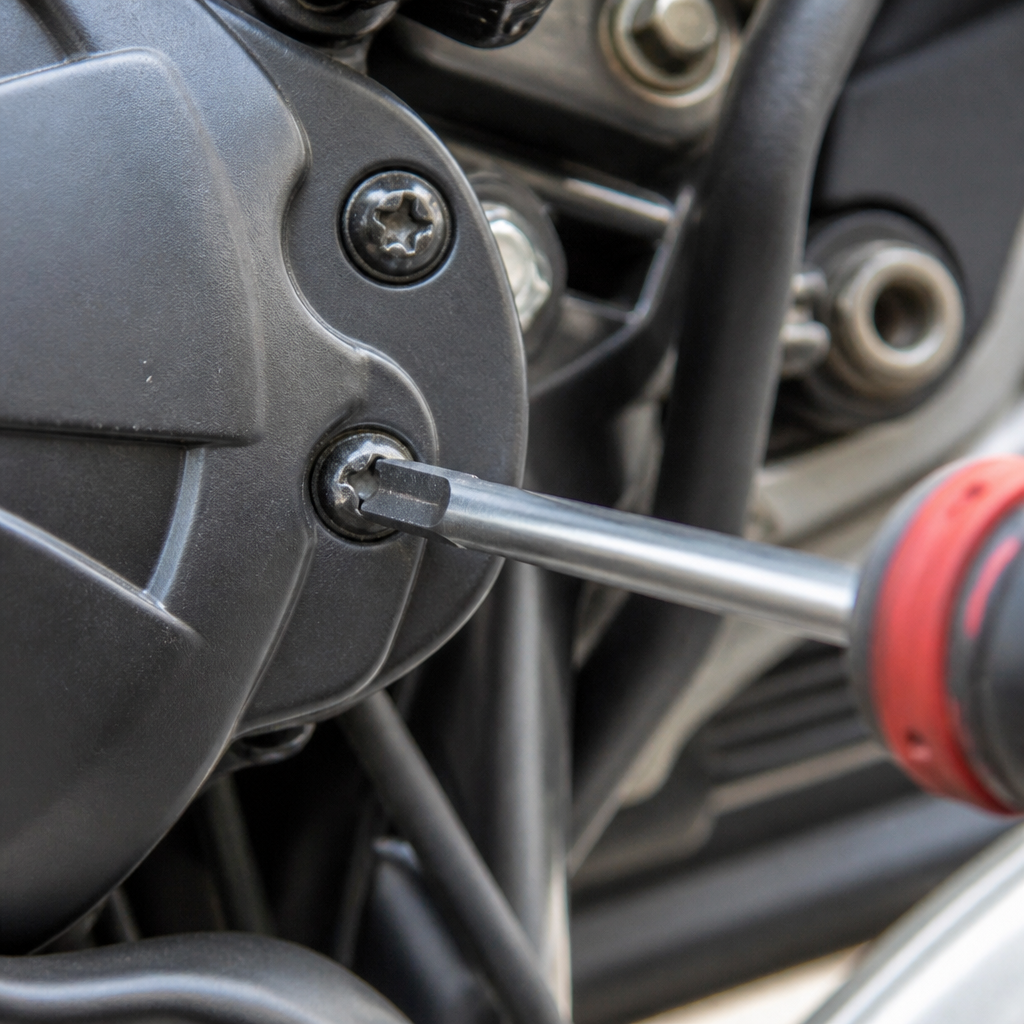
If you work on Japanese motorcycles long enough, you learn that many “stripped Phillips screws” were not Phillips screws at all. They were JIS cross-head screws, designed with different flank geometry and reduced cam-out compared with Phillips. On Africa Twin service points, especially covers, clamps, reservoir screws, and smaller machine screws around the chassis, using the correct JIS driver dramatically lowers the chance of damaging the head. Vessel, Hozan, and JIS-compatible bits from quality tool makers are worth owning if you service Hondas regularly. This is not a collector’s detail; it directly affects maintenance outcomes.
On DCT-related work, the issue appears when riders remove filter covers, bodywork, or adjacent components with the wrong screwdriver. A standard Phillips driver tends to ride upward under torque, chewing the recess and forcing the mechanic toward locking pliers, extractors, or replacement hardware. Once that happens, a simple filter cleaning job becomes a fastener recovery job. I advise owners to clean the screw head, seat the JIS bit fully, support it square to the fastener, and apply controlled torque rather than impact unless corrosion demands extra force. If the screw has already been rounded, an impact driver with the correct bit can sometimes save it, but prevention is easier and cheaper.
Metric quirks that matter on the Africa Twin
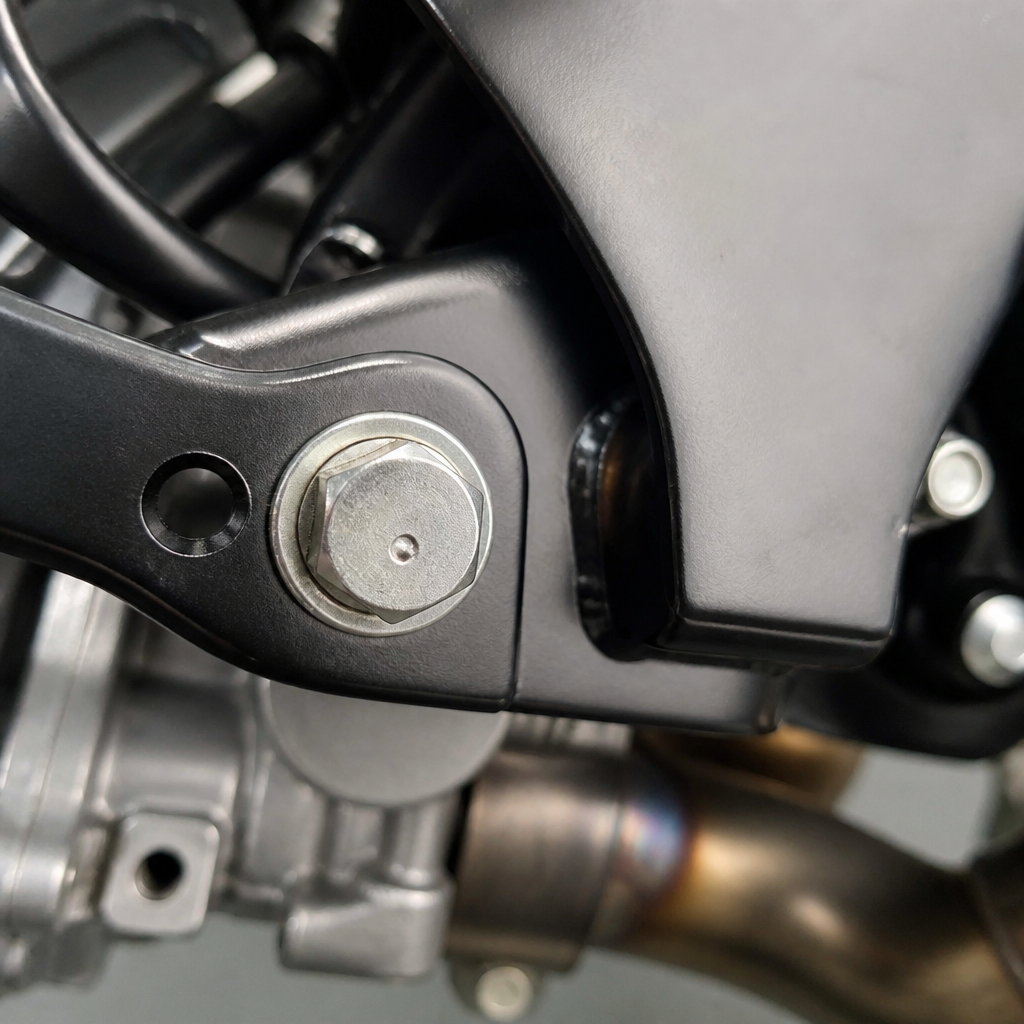
The Africa Twin is straightforward by motorcycle standards, yet it contains metric details that repeatedly create errors. Common examples include flange bolts that look interchangeable but have different shoulder lengths, sealing washers that should not be reused indefinitely, and thread pitches that differ from what a general hardware bin suggests. Honda often uses precise bolt lengths to control cover compression and clearance around passages. Mixing bolts during DCT service can crack a cover, distort a gasket surface, or bottom a bolt in a blind hole before the cover fully seats. Organized disassembly is essential.
Torque is another metric quirk. Riders working from memory may convert values incorrectly or use oversized torque wrenches outside their accurate range. Small DCT cover bolts usually require low torque where a quarter-inch drive wrench is more appropriate than a large half-inch wrench. The service manual should always be the final authority, but the operating principle is universal: low-torque fasteners in aluminum cases fail from over-tightening far more often than from proper installation. Thread condition also matters. Dirty threads, residual threadlocker, or oil on threads can change clamping force significantly. Clean, inspect, and torque in sequence. When in doubt, stop and verify rather than “snugging it a little more.”
How to clean the DCT filters correctly
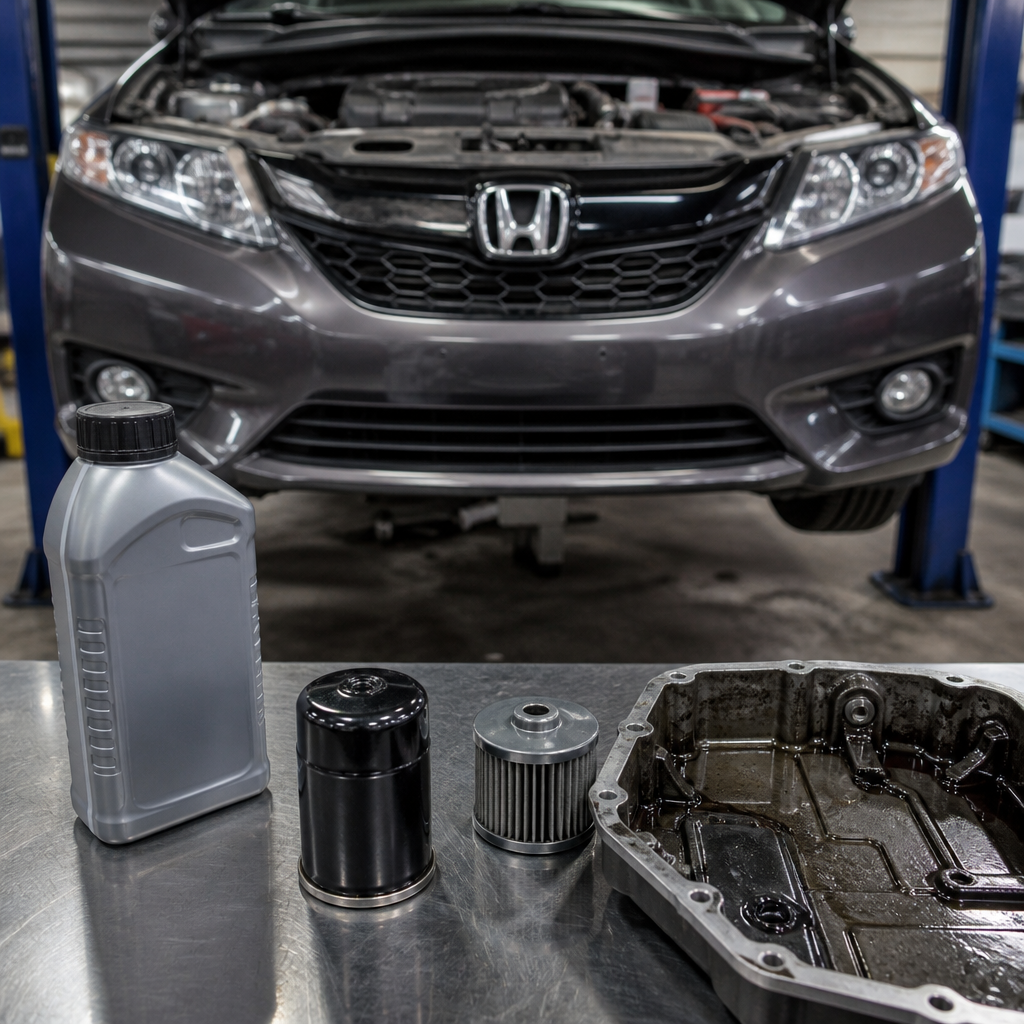
Begin with the factory service manual, a clean work area, fresh oil, the correct replacement filter, new sealing parts, brake cleaner or approved solvent for the reusable screen, lint-free cloths, and a drain pan. Bring the engine to operating temperature briefly, then let it cool enough to work safely. Support the bike securely on level ground. Remove any guards, bars, or panels that obstruct access, keeping fasteners arranged by location. Drain the oil as specified for your model. Remove the DCT filter cover or housing carefully, noting orientation, spring position, and seal placement. Extract the cartridge filter and inspect the cavity for debris.
Next, remove the DCT screen or strainer assembly if your model uses a serviceable screen in a separate plug or housing. Clean the screen from the inside out so contamination exits the mesh rather than embedding deeper. Inspect for unusual glitter, chips, or excessive friction material. A light film is expected; flakes, slivers, or chunks are not. Check O-rings for cuts, flattening, or hardening, and replace them if there is any doubt. Before reassembly, wipe mating surfaces clean, lubricate new seals lightly with fresh oil, and reinstall components exactly as documented. Torque fasteners to specification in stages. Refill with the correct oil, run the engine, cycle gears as directed, and verify level and leak-free operation after shutdown and settling.
What debris tells you about DCT health
Filter cleaning is not only maintenance; it is diagnostics. The material trapped in the screen and filter can reveal how the transmission is living. Dark friction paste usually reflects normal clutch wear accelerated by heat and repeated low-speed modulation. Fine, silvery sheen can be normal break-in residue on younger machines, but it should diminish over time. Bright flakes, needle-like particles, or magnetic fuzz beyond light accumulation deserve attention because they may indicate gear, bearing, or actuator wear elsewhere in the system. Context matters: a bike used for heavy off-road training at walking speeds will usually show more clutch residue than one used mostly for highway touring.
Pay attention to symptoms that accompany the debris pattern. If the bike has rough takeoffs, delayed engagement when selecting drive, unexplained heat warnings, or abrupt downshifts, combine those observations with what you found in the filter circuit. I have seen owners chase coolant thermostats and fan switches when the underlying problem was contaminated DCT filtration combined with aged oil. Conversely, a perfectly clean filter on an overheating bike points you away from the transmission and toward cooling system airflow, coolant condition, radiator blockage, or sensor issues. Good maintenance reduces guesswork by turning inspection into evidence.
Tools, intervals, and practical maintenance strategy
For most owners, the smartest strategy is to align DCT filter inspection with scheduled oil services or with any period of severe use. Severe use includes slow rocky climbs, deep sand, towing-like loads from heavy luggage and a passenger, courier-style urban traffic, and sustained operation in extreme heat. Riders who use the bike gently on open roads may find very little contamination at each check, while expedition or training bikes often justify shorter intervals. The service manual and regional Honda schedule should set the baseline, but your actual riding conditions should refine it.
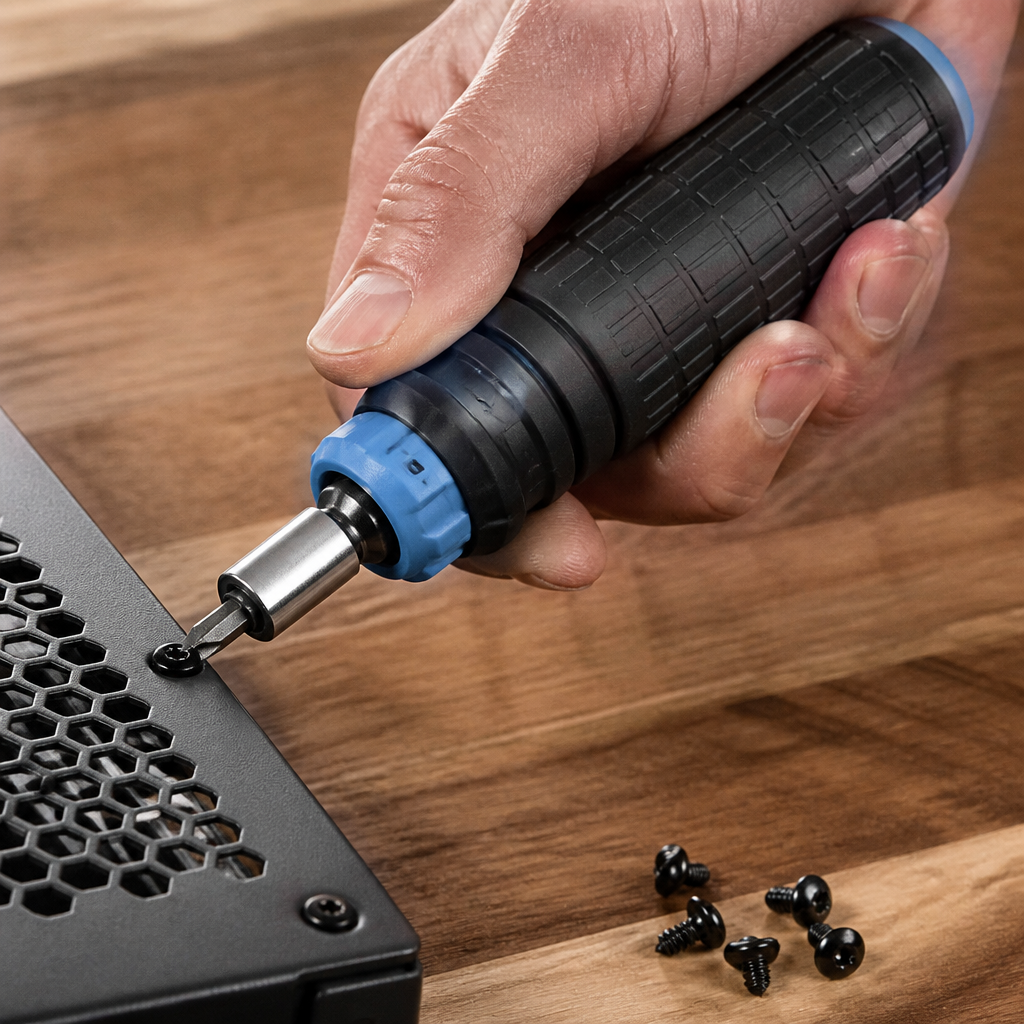
Use tools that match the job: JIS drivers or bits, a quarter-inch torque wrench for small fasteners, six-point metric sockets, picks for O-rings used carefully to avoid scratches, and a magnetic tray or labeled board for bolts. Record what you find at each service. A simple log noting mileage, oil type, debris amount, and any shift symptoms helps establish trends. That record is valuable if the bike develops a recurring issue, and it adds credibility if you later consult a dealer. As the hub for JIS standard, DCT maintenance, and metric quirks, this topic comes down to disciplined basics: correct tools, correct specs, clean parts, and careful observation. If you service your Africa Twin with that mindset, DCT overheating becomes far less likely, shift quality stays consistent, and the motorcycle remains ready for the kind of demanding travel it was built to handle. Start by checking your manual, gathering JIS-capable tools, and putting DCT filter service on your regular maintenance calendar.
Frequently Asked Questions
What does DCT mean on the Honda Africa Twin, and why do its filters matter so much for overheating prevention?
DCT stands for Dual Clutch Transmission. On the Honda Africa Twin, this system uses electronically controlled clutch packs and hydraulic circuits to deliver smooth, fast shifts without a traditional manual clutch lever. It is one of the bike’s biggest strengths because it performs extremely well in commuting, touring, off-road riding, and technical low-speed situations. That durability, however, depends on clean oil circulation. The DCT filters are there to catch clutch material, metallic particles, and general contamination before debris can keep circulating through the transmission and hydraulic control system.
When those filters become loaded with debris, oil flow can be restricted. Reduced flow means less effective lubrication and less efficient heat transfer. In real-world terms, that can allow temperatures to climb higher than they should, especially under heavy use such as hot-weather riding, slow off-road work, frequent stop-and-go traffic, steep climbs, or two-up touring with luggage. Heat is always the enemy of fluid quality, seals, clutch friction surfaces, and long-term component life. A partially blocked filter does not always create an immediate dramatic failure, but it can slowly increase operating stress and shorten the service life of expensive DCT parts.
Cleaning or servicing the DCT filters at the correct intervals is therefore preventive maintenance, not just housekeeping. It helps maintain oil pressure and flow where the system needs it most. On a motorcycle known for reliability, this is one of those overlooked tasks that supports the machine’s reputation. Owners often focus on oil changes alone, but if the filters are neglected, clean oil still has to pass through restricted passages. Keeping the filters clean is one of the simplest ways to reduce avoidable heat buildup and help the Africa Twin’s DCT continue operating smoothly and consistently.
How do dirty DCT filters contribute to heat buildup in the Africa Twin’s transmission system?
Dirty DCT filters contribute to overheating by interfering with the movement of oil through the transmission and clutch control circuits. Oil in the Africa Twin’s DCT does more than lubricate gears. It also helps cool components, carry away friction-generated heat, and support the hydraulic functions that make the dual-clutch system work properly. If debris accumulates in the filters, the system has to work harder to move oil, and some areas may receive less flow than intended.
That matters because clutch operation naturally creates fine wear particles over time. This is not automatically a sign of failure; it is part of how wet clutch systems function. The problem comes when that material builds up enough to limit circulation. Restricted oil flow can mean less cooling around critical clutch and transmission parts, increased friction, and higher localized temperatures. Once heat rises, oil can thin out or degrade faster, which further reduces its ability to protect and cool. That creates a compounding effect: restricted flow raises temperature, and higher temperature reduces oil performance.
Many owners expect overheating to show up as an obvious warning light right away, but in many cases the early signs are subtle. Shifts may feel less crisp, engagement may become less consistent when hot, or the bike may simply seem to run harsher in demanding conditions. In severe neglect cases, excess heat and contamination can accelerate wear on clutch packs, valves, seals, and other internal components. The key point is that the filters are not passive accessories. They are part of the oil management system that helps keep the DCT operating within a healthy temperature range. Regular cleaning or replacement helps preserve both performance and long-term reliability.
Why does the JIS standard matter when cleaning or removing DCT filter components on a Honda Africa Twin?
The JIS standard matters because many fasteners on Japanese motorcycles, including the Honda Africa Twin, are designed around Japanese Industrial Standard dimensions rather than the more commonly assumed Phillips pattern. At a glance, the screws may look similar, so owners often reach for an ordinary Phillips screwdriver. That is where trouble starts. A Phillips driver does not seat as positively in a JIS screw head, which makes cam-out, slipping, and head damage much more likely, especially on screws that are factory-tightened or exposed to heat cycles and corrosion.
This issue becomes especially important during maintenance around DCT filter covers, related access points, and surrounding hardware because you want controlled, clean removal without damaging the fasteners. Once a screw head is partially rounded or chewed up, a straightforward maintenance task can turn into a frustrating extraction job. That wastes time and increases the chance of damaging nearby surfaces or introducing contamination into an area you are trying to service carefully.
Using proper JIS drivers or bits gives noticeably better engagement. The tool fits deeper and more securely, allowing you to apply torque with less slipping. On a motorcycle like the Africa Twin, where many owners do their own maintenance and where access can already be tighter than expected, the correct driver is not a luxury. It is basic protection against avoidable damage. If you are cleaning the DCT filters to prevent overheating, the last thing you want is to create another service problem by attacking JIS screws with the wrong tool. In practice, learning the JIS difference is one of the most useful “small details” a Honda owner can pick up.
What metric quirks and service mistakes commonly catch Africa Twin owners when working on the DCT filters?
The Africa Twin is generally straightforward to service, but it has enough model-specific and Japanese-metric quirks to catch even experienced riders if they rush the job. One common mistake is assuming all fasteners and fittings will behave like generic hardware found on other motorcycles. In reality, the bike rewards precision. Metric socket sizes, sealing washers, torque values, and thread feel all matter. Owners who jump in with worn tools, incorrect bits, or assumptions about fastener type can quickly create stripped heads, damaged sealing surfaces, or overtightened parts.
Another frequent issue is confusing a simple filter-cleaning task with a “close enough” reassembly approach. On DCT-related service points, cleanliness is critical. Dirt introduced during removal or installation can undo the benefit of the maintenance. People also sometimes overlook O-rings, gaskets, or sealing washers, reusing them when they are flattened, nicked, or contaminated. That can lead to leaks or poor sealing after the bike is put back into service. In addition, some owners overtighten cover bolts or plugs because small fasteners “feel like they need more.” On aluminum engine cases, that can become an expensive lesson very quickly.
There is also the basic but important challenge of following the exact service procedure for the specific Africa Twin model year and variant. Honda may make small changes across generations or markets, and those details matter. The safest approach is to work from the correct service information, use proper JIS and metric tools, keep everything clean, and torque fasteners correctly rather than by feel. If there is one pattern repeated over and over in owner service errors, it is not usually a lack of enthusiasm. It is underestimating how much precision this motorcycle appreciates. Paying attention to these metric and fastener details makes DCT filter service smoother and helps ensure the overheating-prevention benefit is real and lasting.
How often should the DCT filters be cleaned, and what signs suggest the service should not be delayed?
The best interval is always the one specified for your exact Africa Twin model in the official Honda maintenance schedule, because service timing can vary by model year, usage pattern, and market. That said, the real-world answer is that riders who use the bike hard should be especially disciplined about this maintenance. Frequent low-speed off-road riding, riding in very hot climates, heavy loads, repeated hill work, urban stop-and-go commuting, and aggressive use of the DCT under demanding conditions can all increase heat and contamination stress. In those scenarios, staying on top of filter cleaning is more important than waiting until symptoms become obvious.
Signs that service should not be delayed include harsh or inconsistent shifting when hot, a general sense that the transmission feels less smooth than usual, evidence of excessive contamination during oil service, or any maintenance history gap where the filter condition is simply unknown. If the bike was purchased used and the prior owner did not document DCT filter service, it is wise to inspect and establish a baseline rather than assume everything is fine. Preventive inspection is far cheaper than waiting for heat-related wear to become significant.
It is also important to understand that clean filters are part of a bigger maintenance picture. Correct oil type, proper oil level, careful installation, clean work habits, and attention to fastener standards all support the same goal: stable DCT operation and controlled temperatures. The Africa Twin’s dual-clutch system is robust and forgiving, but no transmission benefits from neglected filtration. If you want the DCT to stay smooth, durable, and resistant to overheating over the long term, filter service should be treated as a normal ownership responsibility rather than an occasional afterthought.