Backcountry Discovery Routes have become the benchmark for North American adventure riding, and training for BDR success in 2026 starts long before the first gravel mile. A BDR is a curated off-pavement route, usually spanning several states, designed for dual-sport and adventure motorcycles that must handle pavement transfers, forest roads, sand, rocks, water crossings, weather shifts, navigation challenges, and self-supported travel. Riders often ask whether a big-bike class is enough. In practice, BDR preparation requires a mix of motorcycle control, terrain reading, route planning, packing discipline, and recovery skills. I have watched competent street riders struggle on simple ruts because they never learned body position, braking on loose surfaces, or how suspension setup changes traction. That gap is exactly why the best off-road schools matter.
For 2026, this topic matters even more because BDR popularity keeps growing while route conditions, bike technology, and training options keep changing. More riders are buying middleweight and heavyweight ADV machines with rider aids, tubeless wheels, electronic suspension, and smartphone-based navigation, then pointing them toward routes that still punish poor fundamentals. At the same time, several schools have expanded curriculums to include modern systems such as traction control modes, ABS management in dirt, digital route workflows using GPX files, and trail-side field repairs. Riders planning 2026 and 2027 trips also need to think beyond pure technique. Seasonal closures, wildfire impacts, permit requirements, and evolving land-use rules can alter a BDR plan quickly, so the smartest training programs now blend riding drills with real trip logistics.
This article serves as a practical hub for ADV and BDR technical prep in 2026, with clear guidance on which off-road schools deserve serious consideration, what each one teaches well, and how to match a school to your route, bike, and current ability. It also addresses the most common questions riders ask before booking: Is one day enough? Should you train on your own bike? Do you need sand practice for every BDR? What updates should shape a 2026 or 2027 training plan? The best answer is straightforward: choose a school that teaches transferable skills, then build those skills into your route research, maintenance, and packing process. Done correctly, training reduces crashes, lowers fatigue, protects your machine, and makes long-distance off-road travel dramatically more enjoyable.
What BDR Riders Need to Train for in 2026
BDR training is not generic dirt-bike training. The demands come from the specific profile of Backcountry Discovery Routes: long days, loaded bikes, mixed surfaces, variable traction, and limited support. A rider can survive a local OHV park with mediocre technique and still be underprepared for a six-day route on a 500-pound machine. The core skills for 2026 remain body positioning while standing, clutch-throttle coordination at low speed, front and rear brake management on loose surfaces, hill starts, descending with control, line selection through embedded rock, sand momentum, and slow-speed balance in ruts or switchbacks. Those are the foundations every serious school should teach.
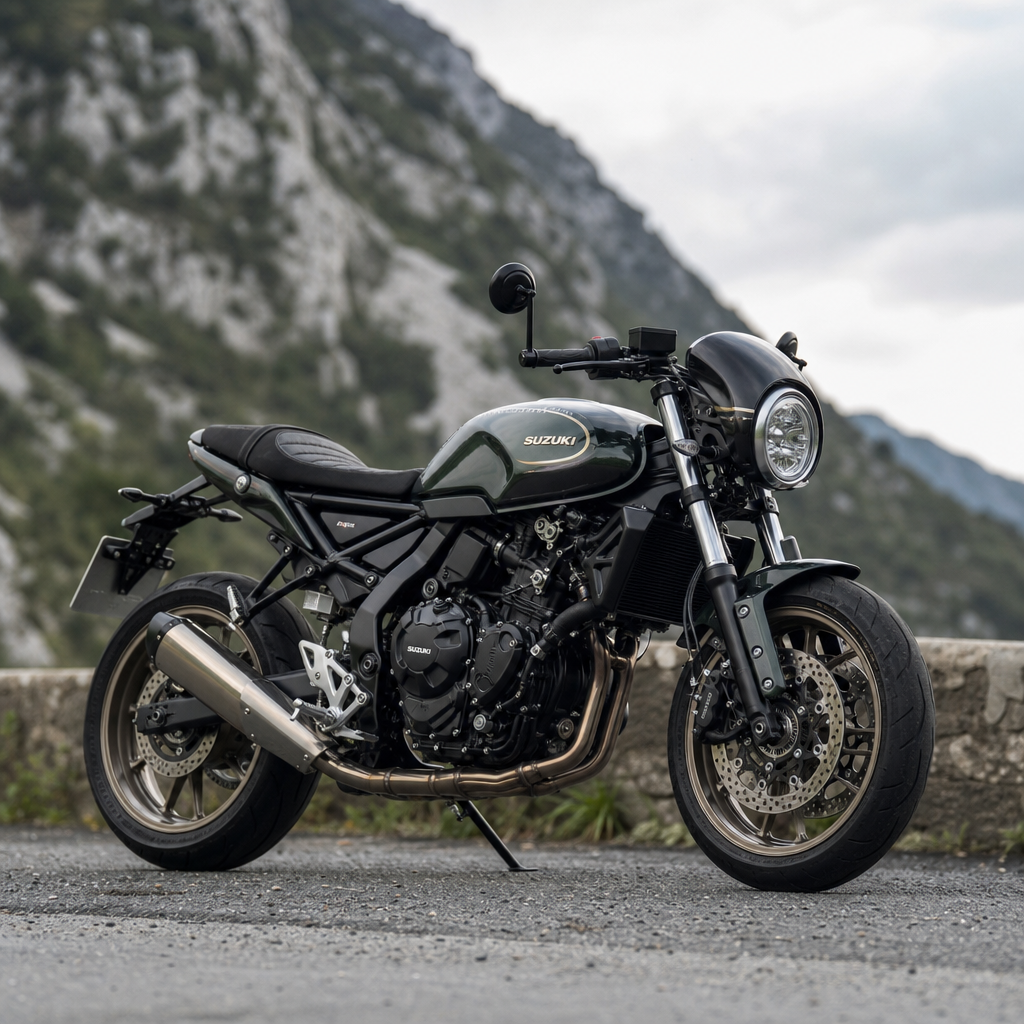
What has changed is how schools package those fundamentals around current ADV realities. More students arrive on bikes such as the Yamaha Ténéré 700, KTM 890 Adventure R, Honda Africa Twin, BMW R 1300 GS, Aprilia Tuareg 660, Suzuki V-Strom 800DE, and Harley-Davidson Pan America 1250 Special. Each machine has different weight distribution, electronics behavior, and crash vulnerability. A competent 2026 school should explain when to reduce or disable ABS, how traction control can help or hinder in deep gravel, how to manage a tall seat on uneven stops, and how luggage changes braking distance and suspension response. Riders also need navigation readiness: importing GPX files, understanding tracks versus routes, carrying a bar-mounted GPS or rugged phone, and maintaining power redundancy.
Preparation for 2026 and 2027 also means training for environmental unpredictability. Snowpack, monsoon washouts, burn scars, and temporary closures can convert an intermediate section into an expert-only challenge overnight. Good schools increasingly simulate this by teaching decision-making: when to turn around, when to scout a crossing on foot, how to ride around baby-head rock instead of through it, and when fatigue makes a safe line impossible. In my experience, that judgment layer is what separates a rider who finishes a BDR from one who simply survives it.
The Best Off-Road Schools to Attend for BDR Preparation
Several programs stand out for riders targeting BDR travel in 2026. RawHyde Adventures remains one of the most recognizable names for big-bike off-road instruction in the United States. Its curriculum is built around adventure motorcycles rather than lightweight enduro machines, which makes it directly relevant to BDR riders carrying camping gear. RawHyde’s training typically emphasizes body position, braking drills, hill work, obstacle negotiation, and confidence-building repetition. The school also benefits from a large alumni network and route-oriented culture, so students often leave with realistic expectations about what multi-day ADV travel actually feels like.
BMW’s U.S. Rider Academy, especially when hosted at facilities with mixed terrain and ADV-specific modules, is another strong option for riders on large machines. While branded instruction can sometimes skew toward familiarization, the better academy programs teach transferable techniques that apply well beyond BMW models. Students can expect controlled exercises on clutch modulation, low-speed balance, braking, and standing posture. This is especially useful for riders who have never learned how to let the bike move beneath them on gravel.
West38Moto’s training deserves attention because it is rooted in route leadership and real ADV travel rather than staged marketing. Its classes often focus on practical riding, rider mindset, and route execution in the western terrain many BDR riders eventually face. For riders eyeing Colorado, Utah, Idaho, or sections with altitude, loose climbs, and exposure, that context matters. Likewise, Bret Tkacs training programs have earned trust because they combine precise technique coaching with plain-language explanations of why certain methods work. His emphasis on vision, balance, traction management, and big-bike physics maps directly to common BDR problems.
Smaller regional schools can also be excellent if they teach adventure-specific skills on the terrain you actually need. A Pacific Northwest rider preparing for the Washington BDR or Idaho BDR may benefit more from local instruction on wet rock, mud, and steep forest roads than from a generic desert course. The key is to evaluate the curriculum, instructor background, student-to-coach ratio, and whether the class includes repeated drills on loaded ADV bikes rather than one-pass demonstrations.
| School | Best For | Typical Strengths | BDR Relevance |
|---|---|---|---|
| RawHyde Adventures | Big-bike beginners to intermediates | Confidence building, drills, travel mindset | High for loaded multi-day ADV travel |
| BMW U.S. Rider Academy | Riders new to ADV technique | Structured instruction, modern bike systems | High for fundamentals and electronics use |
| West38Moto | Route-focused western riders | Real-world terrain, travel logistics | Very high for western BDR conditions |
| Bret Tkacs programs | Technique-driven learners | Clear coaching, traction and balance methods | Very high for skill transfer across routes |
| Regional ADV schools | Riders targeting local terrain | Surface-specific practice, smaller groups | High if matched to your actual route |
How to Choose the Right School for Your Bike, Route, and Skill Level
The best school is not automatically the most famous one. Match the program to the motorcycle you will actually ride, the route difficulty you expect, and the weaknesses you already know you have. If you are taking a Yamaha Ténéré 700 on the New Mexico BDR, prioritize sand, loose climbs, heat management, and recovery drills. If your target is the Mid-Atlantic BDR on a BMW R 1250 GS, focus on mud, slick surfaces, water crossings, and low-speed control in narrow corridors. If your route includes Colorado passes, altitude, rocky ledges, and switchbacks should be central to your training day.
Skill honesty is critical. Riders routinely overestimate their dirt ability because they can cruise gravel roads quickly. BDRs expose weaknesses at low speed, not high speed. If tight uphill turns, off-camber stops, or descending loose rock make you tense, book a fundamentals-heavy class first. Intermediate classes work best after you can stand comfortably for long periods, modulate the clutch instinctively, and pick lines without target fixation. Advanced classes are useful, but only if your foundation is already stable.
Also consider whether to train on your own motorcycle. Using your own bike has major advantages: you learn its clutch feel, seat height, protection limits, turning radius, and electronics behavior under stress. That familiarity transfers directly to travel. However, school bikes can be smart if you are brand-new to off-road riding and want to crash something lighter or better protected before risking your fully loaded machine. I usually advise riders to take at least one course on the same platform they will use on the BDR, because setup knowledge is part of preparation.
Technical Prep Beyond the Classroom: Bike Setup, Navigation, and Field Repair
Training does not end when class ends. For BDR riders, the most useful schools reinforce a larger system of technical prep. Start with ergonomics. Handlebars, lever angle, footpegs, and windscreen height all influence your ability to stand neutrally and control the bike off pavement. Suspension sag matters more than many riders realize; an overloaded rear end can lighten the front, reduce steering precision, and make washouts more likely in gravel. Tires are equally decisive. A 50/50 tire may be adequate on a dry route, but more aggressive tread often pays off on rocky climbs, sand, or prolonged mud. Popular BDR-friendly choices include the Dunlop Trailmax Raid, Motoz Tractionator line, Mitas Enduro Trail+, and Continental TKC 80, each with tradeoffs in longevity, road noise, and wet-pavement feel.
Navigation is now part of core ADV competence. In 2026, most riders will use a combination of dedicated GPS units from Garmin, ruggedized smartphones running Gaia GPS, onX Offroad, or DMD2, and offline GPX backups. The technical skill is not merely loading a track. You need to verify map layers, identify fuel range gaps, understand bailouts, and carry redundant charging. A school that includes route planning or at least discusses navigation workflows offers more long-term value than one focused only on cone drills.
Field repair readiness is the other missing piece in many training plans. Every BDR rider should know how to pick up a loaded bike safely, plug a tubeless puncture, swap or patch a tube if required, adjust chain slack, reset a dislodged shifter, and diagnose a no-start caused by a tip-over sensor, drained battery, or loose terminal. These are not advanced rally skills; they are baseline self-support skills. I have seen trips saved by a mini compressor, a mushroom plug kit, spare master link, and basic Torx tools carried by someone who had practiced at home once.
2026 and 2027 Updates That Should Shape Your BDR Training Plan
The biggest 2026 and emerging 2027 update is that route planning must account for volatility, not just distance. Western wildfire seasons continue to affect access roads, air quality, and lodging patterns. Heavy winter snow can delay high-pass openings well into summer, while flash-flood damage can make published difficulty ratings temporarily obsolete. Riders should track official BDR organization updates, U.S. Forest Service notices, Bureau of Land Management alerts, and state transportation bulletins as part of pre-trip training. A school that teaches adaptive decision-making is now more valuable than one that teaches only ideal-condition technique.
Another update is the growing sophistication of ADV motorcycles. Rider aids are better, but they do not replace skill. Cornering ABS, inertial measurement units, customizable throttle maps, and semi-active suspension can help stabilize poor inputs, yet they can also create confusion if riders do not understand what the system is doing. Expect top schools in 2026 to spend more time on mode selection for loose surfaces and on how to simplify electronics before entering technical terrain. That instruction is especially relevant as more riders bring premium machines into remote areas.
Finally, the training market itself is maturing. More schools are offering women-led clinics, route-specific camps, and shorter intensive modules for experienced street riders crossing into ADV travel. That is good news because better segmentation usually means better outcomes. For 2027, expect tighter integration between skills coaching, digital navigation, and self-supported travel modules. If you are building a long-term ADV plan, start with a fundamentals course in 2026, follow it with route-specific practice, then schedule a loaded shakedown weekend before attempting a full BDR. That sequence produces measurable improvement and fewer expensive mistakes.
Training for BDR riding in 2026 is ultimately about reducing uncertainty. The right off-road school teaches the mechanics of traction, braking, balance, and line choice, but its real value is broader: it turns a vague goal into a repeatable process. Riders who invest in serious instruction understand how to stand correctly, when to trust momentum, how to work with modern electronics, and how to manage a heavy motorcycle when conditions deteriorate. They also approach route planning, bike setup, tire choice, navigation, and field repair with more discipline. That combination matters far more than brand loyalty or social media bravado.
If you are choosing where to train, favor schools with adventure-specific curriculums, experienced instructors, realistic terrain, and a clear link to the BDR conditions you expect to face. RawHyde Adventures, BMW U.S. Rider Academy, West38Moto, Bret Tkacs programs, and strong regional ADV schools all have legitimate value when matched to the right rider. The smartest next step is simple: identify your target BDR, list the terrain and skill gaps it exposes, then book a course that closes those gaps before you finalize your trip calendar. Better training leads to safer riding, stronger judgment, and a much better chance of enjoying every mile of the route instead of merely enduring it.
Frequently Asked Questions
What kind of training is best for getting ready for a BDR in 2026?
The best training for a Backcountry Discovery Route is not just a generic “adventure bike class,” but a progression of instruction that matches the realities of BDR travel. A true BDR demands more than basic bike control. Riders need to manage a loaded motorcycle over changing terrain, often for multiple long days in a row, while also handling navigation, fatigue, weather, mechanical issues, and self-supported decision-making. That means the most effective preparation combines fundamental off-road technique with route-specific skills.
For most riders, the ideal path starts with a foundational off-road course that focuses on body position, clutch and throttle control, braking on loose surfaces, hill management, cornering on dirt, line selection, and low-speed balance. From there, the next step should be an intermediate or big-bike-specific class that introduces sand, rocks, ruts, descents, water crossings, recovery techniques, and riding a fully loaded adventure motorcycle. Schools that teach real-world scenario riding rather than closed-course repetition tend to be especially valuable for BDR preparation because they more closely replicate what happens on route.
In practice, the best off-road schools for BDR riders in 2026 are the ones that blend technique, terrain, and travel mindset. Look for programs that train on larger ADV bikes, cover picking up a dropped motorcycle, discuss packing and suspension setup, and include navigation or trail-readiness modules. If a school offers multi-day training in mixed terrain, that is often a strong sign it understands what BDR success really requires. Riders planning western routes with deep sand or baby-head rocks should prioritize schools known for terrain management, while riders planning longer, more remote routes should also seek instruction in self-sufficiency, pace management, and backcountry risk assessment.
Is a big-bike off-road class enough to prepare for a Backcountry Discovery Route?
Usually, no—not by itself. A big-bike class is an excellent starting point, and for many riders it is the single most important investment they can make before attempting a BDR, but it rarely covers every skill needed for a full route. Most BDRs combine pavement transfers, fast forest roads, loose climbs, rocky descents, changing weather, remote logistics, and the cumulative effect of long days in the saddle. A class may teach the mechanics of controlling the bike, but BDR success also depends on endurance, judgment, route planning, and the ability to adapt when conditions are worse than expected.
Think of a big-bike class as the foundation, not the finish line. It should teach the essentials: standing posture, vision, braking in gravel, power delivery in low traction, turning a heavy bike in limited space, and recovering from common mistakes. But riders also need seat time after class to turn those drills into instinct. That means practicing on local dirt roads, training with luggage installed, learning how the bike behaves when fully fueled, and gradually increasing terrain difficulty. A rider who takes one class but never practices may still struggle on a real BDR when tired, overloaded, and faced with unfamiliar surfaces.
The strongest preparation plan usually includes three stages: formal instruction, deliberate practice, and a shakedown trip. After training, riders should spend several weekends applying skills on gravel, two-track, mild rock sections, and hill work. Then they should complete at least one overnight or multi-day ride with their full travel setup to test luggage, tools, hydration, navigation, tires, and comfort. By the time the actual BDR begins, the rider should already know how to manage the bike in poor traction, how to pick it up alone, how to troubleshoot basic issues, and how to make smart go/no-go choices. That is what turns a class into true readiness.
What should I look for when choosing the best off-road school for BDR training in 2026?
The best off-road school for BDR preparation is one that teaches the kind of riding you will actually face on route, on the type of motorcycle you plan to use, at a level that matches your current ability. Start by looking at the school’s bike focus. Some programs are excellent for lightweight dirt bikes but less relevant for riders on loaded 500-pound adventure motorcycles. If your BDR machine is a mid-size or full-size ADV bike, choose a school with a proven curriculum for heavier motorcycles, including low-speed control, balance under load, traction management, and recovery techniques.
Terrain matters just as much as instruction style. A school may have excellent coaches, but if all the training happens on smooth, predictable surfaces, it may not prepare you for the broken, loose, and inconsistent conditions common on BDR routes. Look for schools that train on mixed terrain and specifically mention rocks, sand, ruts, climbs, descents, water crossings, and uneven trail surfaces. It is also a plus if the school addresses “trail consequence” skills such as stopping on a hill, restarting on loose ground, turning around on narrow tracks, and reading terrain before committing to a line.
You should also evaluate whether the program includes practical BDR-relevant topics beyond pure riding technique. Strong schools often discuss tire pressure strategy, suspension basics, luggage placement, rider ergonomics, fatigue management, hydration, navigation tools, and what to do when conditions exceed your comfort level. Small class sizes are another major advantage because adventure riding skills improve fastest when coaches can give personalized feedback. Finally, pay attention to instructor credibility. The best schools are usually staffed by coaches with real adventure-riding, dual-sport, or expedition backgrounds who understand not just how to ride difficult terrain, but how to teach riders to manage the entire BDR experience safely and efficiently.
How far in advance should I start training for a BDR, and what should that timeline look like?
Ideally, riders should begin preparing for a BDR at least three to six months in advance, and in many cases even earlier is better. That timeline gives you room to build skills gradually instead of trying to cram confidence into the final few weekends before departure. BDR riding rewards consistency. Riders who spread training over months tend to improve more than those who take one class right before the trip, because they have time to practice, identify weaknesses, make bike setup changes, and arrive at the start with a system that already works.
A practical timeline begins with honest assessment. In the first month, evaluate your current off-road background, fitness, bike setup, and route ambitions. If you are new to dirt or stepping up to a larger bike, book a fundamentals class early. In months two and three, complete one or two formal training sessions and start repeating core drills: standing transitions, braking on loose surfaces, slow-speed balance, hill starts, turns on gravel, and obstacle management. During this phase, riders should also begin riding with their intended luggage, test protective gear, and sort out ergonomics such as bar position, footpegs, wind protection, and seat comfort.
In the final stretch, shift from isolated drills to BDR simulation. Do one or two long day rides on mixed surfaces, then complete a weekend shakedown with your full kit. Practice using your GPS or navigation app while managing fuel stops, food, hydration, and time pressure. Confirm that you can lift the bike, repair a flat or at least manage tire-related issues, and ride safely when tired. This stage is also the right time to evaluate whether your planned BDR sections match your skill level. A smart timeline does more than improve technique—it helps riders make better route choices, reduce unnecessary risk, and start the trip with a realistic, prepared mindset.
Besides riding technique, what else should riders train for before attempting a BDR?
Riding technique is only one part of BDR readiness. In fact, many otherwise capable riders run into trouble not because they lack raw bike skill, but because they underestimate the demands of navigation, endurance, logistics, and self-supported travel. A BDR asks you to think like a backcountry traveler, not just a day rider. That means training should include physical conditioning, route management, mechanical basics, packing strategy, and mental decision-making under changing conditions.
Navigation is one of the most overlooked areas. Riders should know how to load and follow tracks, use backups, confirm reroutes, and make informed choices when weather, closures, or fatigue disrupt the plan. Mechanical preparedness matters too. You do not need to become a master technician, but you should be able to handle basic roadside problems such as loose controls, minor electrical issues, chain adjustment, puncture response, and fastener checks. Packing is another skill in itself. Overloading a motorcycle changes braking, balance, turning, and rider energy use, so every item on the bike should be justified and tested before the trip.
Physical and mental preparation are just as important. Long days on rough terrain are demanding on the legs, core, hands, and concentration. A simple training plan that improves mobility, balance, and muscular endurance can make a major difference in bike control late in the day, when many mistakes happen. Mentally, riders should prepare to slow down, reroute, or stop when conditions are beyond their margin. Good BDR training builds judgment as much as technique. The most successful riders in 2026 will not necessarily be the fastest or most aggressive—they will be the ones who combine solid off-road skills with smart planning, strong habits, and the ability to stay