The “shaken” mindset explains why Japanese maintenance schedules are superior: they treat reliability as a system, not a reaction. In Japan, vehicle upkeep is built around inspection law, manufacturer service discipline, and engineering standards that assume machines should remain precise throughout their life, not merely survive until failure. For drivers, technicians, fleet managers, and enthusiasts working within a metric service environment, that approach matters because it produces longer component life, more predictable costs, and fewer compound failures. I have seen this difference repeatedly when comparing Japanese service records with cars maintained under looser schedules: the Japanese-maintained vehicle usually arrives with cleaner fluids, tighter tolerances, less deferred work, and far fewer mystery noises.
At the center of this mindset is shaken, Japan’s mandatory vehicle inspection program. Shaken is often misunderstood outside Japan as simply an expensive roadworthiness test. In practice, it shapes owner behavior far beyond the inspection lane. Because vehicles must periodically meet strict standards for safety, emissions, lighting, brakes, steering, and general condition, owners are incentivized to address wear before it accumulates. That preventive rhythm influences workshops, parts supply, dealership procedures, and even consumer expectations. A car is not considered healthy because it still starts; it is healthy because it can repeatedly meet objective standards.
This article serves as a hub for the Maintenance & Technical Encyclopedia (Metric) topic covering the JIS standard, DCT maintenance, and metric quirks. JIS refers to Japanese Industrial Standards, a broad framework governing dimensions, materials, test methods, electrical ratings, fastener conventions, lubricant classifications, and product quality across industries. In vehicle service, JIS affects battery sizing, tool selection, torque references, wiring colors, hose dimensions, and replacement parts compatibility. DCT means dual-clutch transmission, a gearbox design that combines manual-style gearsets with automated clutch control. Metric quirks include the practical differences technicians encounter when Japanese vehicles use metric hardware, Japanese-specific specifications, and component designs that look globally familiar but follow local conventions.
Why does this matter now? Because modern Japanese vehicles are durable but less tolerant of neglect than many owners assume. Turbocharged direct-injection engines, electric water pumps, low-viscosity oils, start-stop systems, hybrid drivetrains, and wet-clutch DCTs demand exact fluids and accurate service intervals. The old habit of stretching maintenance until a dashboard light appears is expensive. By contrast, the shaken mindset aligns preventive inspection with design intent. It recognizes that the cheapest repair is usually the one avoided through scheduled fluid analysis, rubber inspection, calibration checks, and replacement of age-sensitive components before they damage adjacent systems. That disciplined approach is the real reason Japanese maintenance schedules outperform more casual alternatives.
How shaken creates a preventive maintenance culture
Shaken operates on a legal schedule that varies by vehicle type and age, but its larger value is cultural. Owners know the car will be examined against standards, so routine maintenance becomes a continuous preparation process rather than a last-minute scramble. Workshops inspect underbody corrosion, brake line condition, suspension play, headlight aim, emissions output, tire condition, and fluid leaks with unusual seriousness. The result is a service environment where small defects are caught early. A cracked CV boot, for example, is not ignored until the joint fails. It is replaced when the grease first begins to escape, preserving the axle and preventing a far costlier repair.
That discipline has practical consequences. Brake fluid gets flushed on time because moisture raises boiling point risk and corrodes ABS components. Coolant is renewed because additive packages deplete and electrochemical protection weakens. Spark plugs are changed before worn electrodes stress ignition coils. Belt noise is investigated before a seized idler pulley shreds the accessory drive. In my experience, Japanese service schedules also encourage more complete inspections during ordinary jobs. A technician rotating tires is more likely to note bushing cracks, seepage at a damper, or early uneven pad wear. Maintenance is treated as a network of observations, not a single task line on an invoice.
Another strength is documentation. Japanese owners commonly keep dealer or workshop records that show exact dates, kilometer readings, and parts used. Good records make pattern recognition possible. If a model tends to consume rear pads every 35,000 kilometers, transmission fluid darkens by 50,000 kilometers under urban use, or a certain coolant hose hardens after eight years, that trend becomes visible. Predictable maintenance lowers risk. It also preserves resale value because buyers trust a machine with evidence-based care. This is one reason imported Japanese used vehicles often arrive in better mechanical condition than their age suggests, even when their cosmetic condition is ordinary.
The JIS standard and why it matters in the workshop
JIS is not a single car-only rulebook. It is a standards ecosystem that influences industrial products throughout Japan. For technicians, its importance is practical. JIS dimensions and performance requirements shape batteries, terminals, wire gauges, hose materials, fasteners, and testing methods. A common example is the Japanese battery code system, such as 55D23L, which encodes performance rank, size class, and terminal orientation differently from common European DIN conventions or North American group sizes. Installing the wrong equivalent can create hold-down issues, cable strain, or insufficient cold-cranking performance even if the battery physically fits the tray.
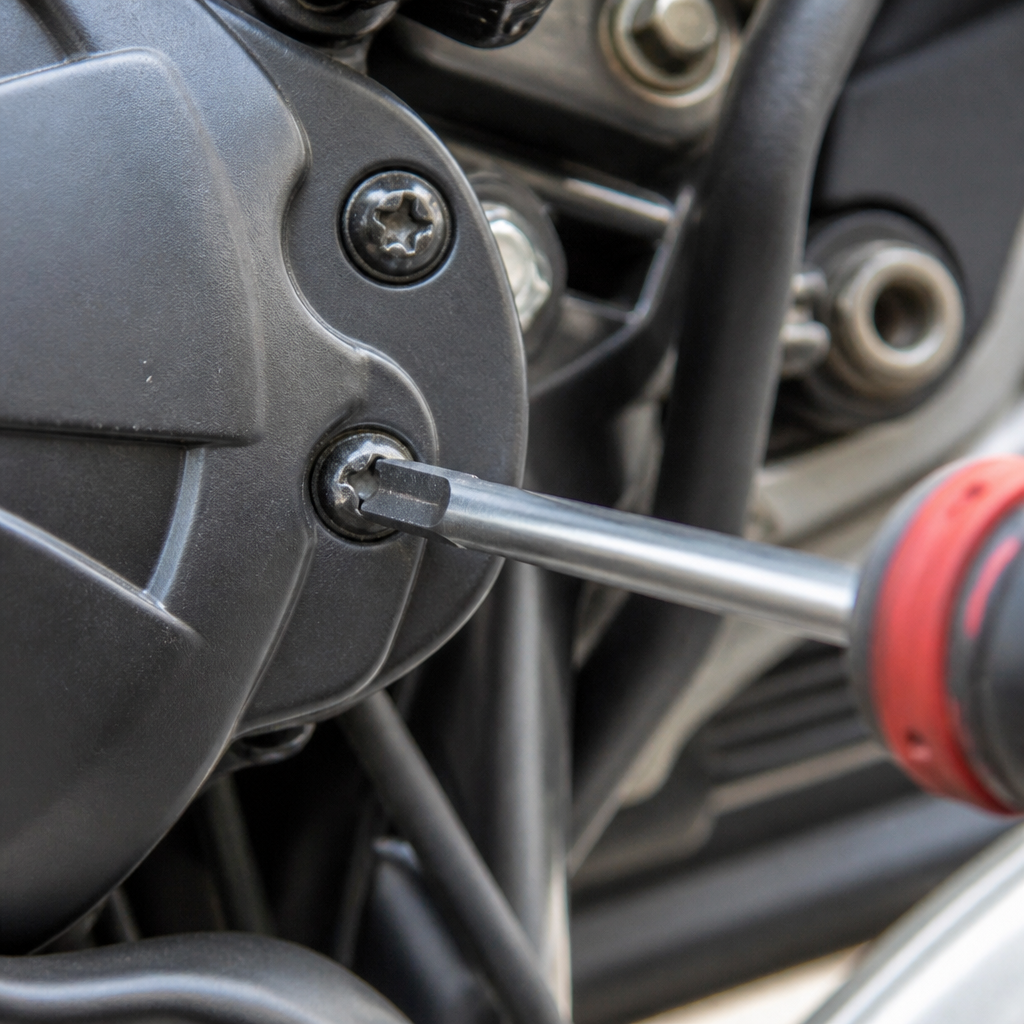
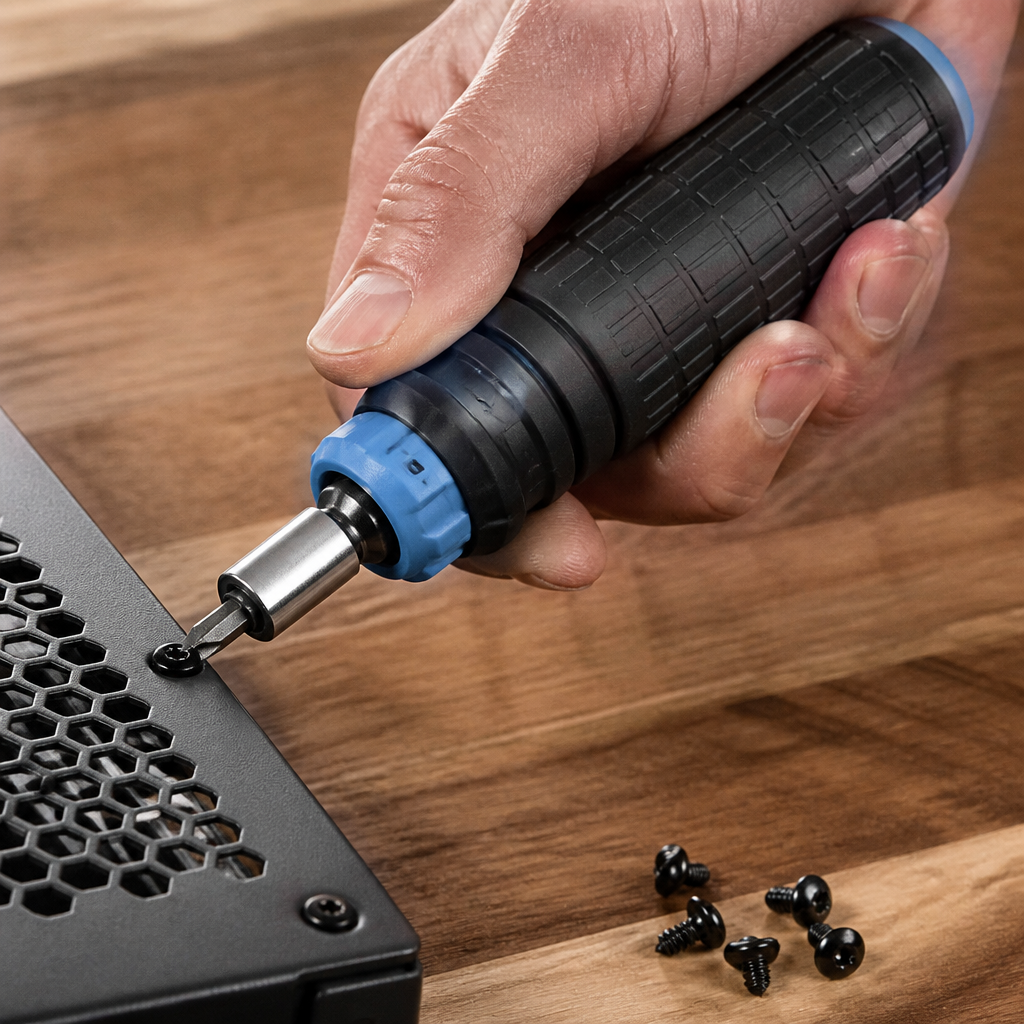
Fasteners create another frequent point of confusion. Many Japanese vehicles use metric hardware, but not every cross-head screw should be treated as a standard Phillips screw. Traditional JIS cross-head profiles differ in geometry, and using the wrong driver can cam out the head, especially on carburetor screws, brake rotor retaining screws, switchgear fasteners, and motorcycle hardware. Modern production has blurred some distinctions, yet the technician who understands JIS tooling still avoids damaged heads and wasted labor. This is the broader lesson of Japanese maintenance: specifications are there to reduce error, and the right tool is part of the maintenance schedule.
Lubricants and materials also reflect standards thinking. Grease type, coolant chemistry, rubber hardness, and electrical connector seals are selected around expected service life and temperature range. Replacing a Japanese OE hose with a generic hose of similar diameter but lower heat resistance may work temporarily, then fail early under modern underhood temperatures. The same applies to electrical replacements. A cheap nonstandard terminal can increase resistance, heat up under load, and create intermittent faults that mimic ECU or sensor failure. Superior maintenance requires respect for standards because standards preserve compatibility, testability, and repeatable results.
DCT maintenance: where precision matters most
Dual-clutch transmissions reward exact maintenance and punish improvisation. A DCT uses two clutches, one typically handling odd gears and the other even gears, allowing the next ratio to be preselected for rapid shifts. That design improves efficiency and performance, but it introduces strict requirements for fluid condition, clutch calibration, thermal management, and software adaptation. Japanese manufacturers and suppliers such as Getrag, Aisin, and BorgWarner design these systems around tightly controlled friction characteristics. If the wrong fluid is installed, clutch engagement quality changes, mechatronic valves respond differently, and internal wear accelerates.
There is no universal DCT service rule because dry-clutch and wet-clutch systems behave differently. Dry-clutch units may not use transmission fluid for clutch cooling, but still rely on correct gearbox lubricant and precise adaptation procedures. Wet-clutch DCTs depend heavily on fluid quality because the oil manages hydraulic actuation, cooling, and friction behavior simultaneously. In workshop practice, I treat DCT fluid as a functional component, not a background consumable. If a manufacturer specifies replacement at a defined kilometer interval or severe-use schedule, ignoring it is not thrift; it is deferred damage. Harsh launches, stop-and-go traffic, towing, and steep terrain raise heat load and shorten fluid life.
| Component | Why service matters | What neglect causes |
|---|---|---|
| DCT fluid | Controls lubrication, cooling, hydraulic response, and clutch friction behavior | Shift shock, overheating, clutch slip, mechatronic wear |
| Clutch adaptation | Matches engagement points to wear state and software logic | Judder, delayed takeoff, rough low-speed shifts |
| Filter or strainer | Captures debris that can affect valves and pump function | Pressure instability, contamination-related faults |
| Cooling system support | Maintains operating temperature under traffic and load | Thermal derating, accelerated fluid breakdown |
Good DCT maintenance also includes symptom interpretation. A brief hesitation at parking-lot speed may indicate normal clutch modulation, or it may signal software, wear, or fluid deterioration depending on the platform. A scan tool that reads clutch temperatures, adaptation values, line pressure, and fault history is essential. Guesswork is expensive. The superior schedule is one that combines fluid replacement, adaptation checks, leak inspection, and road-test validation before complaints escalate into gearbox removal. Japanese maintenance philosophy excels here because it assumes systems should be kept within design parameters, not driven until they cross failure thresholds.
Metric quirks that separate average service from expert service
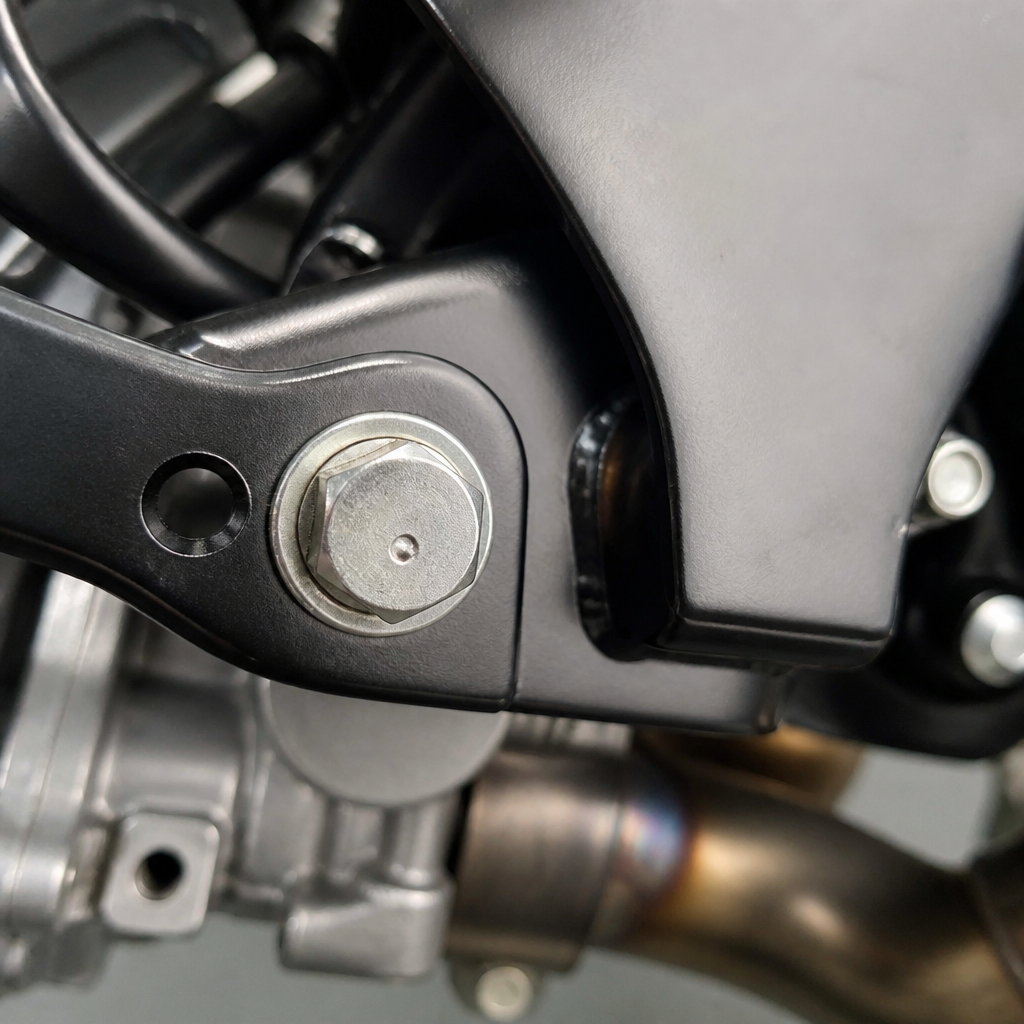
Metric service sounds simple until the details start costing time. Japanese vehicles may use common metric socket sizes, yet still present quirks in thread pitch, flare fittings, torque sequences, battery dimensions, spark plug seat design, hose diameters, and diagnostic naming. For example, an M10 fastener can appear in different pitches depending on application, and forcing the wrong replacement can damage captive threads in aluminum housings. Brake line fittings may require specific flare tools or line dimensions. Spark plugs can differ in reach, heat range, projected tip, seat type, and required tightening angle even when thread diameter matches. Expert maintenance means confirming the exact specification every time.
Fluids are another area where metric-region assumptions create mistakes. A technician may know the fill quantity in liters yet still use an incorrect specification. Continuously variable transmissions, conventional automatics, transfer cases, differentials with limited-slip packs, and hybrid reduction gears each have distinct fluid needs. Japanese manufacturers often publish exact standards and supersessions, and those details matter more than brand loyalty. I have seen shift complaints caused solely by “close enough” fluid. The same principle applies to coolant. Mixing silicate-heavy formulas with long-life phosphate-based coolant can shorten water-pump seal life and reduce corrosion protection.
Electrical service reveals more quirks. JIS battery terminals can be smaller than some international equivalents. Ground paths may be sensitive to paint, corrosion, or improperly torqued body fasteners. Japanese wiring diagrams often use connector views and splice references that reward methodical reading. Replacing sensors without checking reference voltage, continuity under load, and connector pin tension wastes money. The shaken mindset improves outcomes because it values inspection discipline. Instead of replacing parts reactively, the technician verifies condition, measures against specification, and records the result. That process is slower at the start and much faster by the end because comebacks decline.
Building a superior schedule for Japanese vehicles
A superior maintenance schedule for Japanese vehicles combines legal-style inspection discipline, standards compliance, and component-specific intervals. Start with the manufacturer’s normal and severe-use schedules, then adjust for climate, load, mileage pattern, and age. City driving, short trips, dusty roads, high humidity, towing, and repeated cold starts all justify shorter intervals for oil, filters, brake fluid, and transmission service. Add annual underbody inspections for corrosion, steering play, CV boots, dampers, and exhaust hangers. Replace tires based not only on tread depth but also age, shoulder wear, and alignment pattern. Test the battery and charging system before winter, not after a no-start.
For DCT-equipped vehicles, include fluid condition review, scan-tool checks, software updates where applicable, and adaptation verification after service events. For JIS-related items, confirm battery code, terminal orientation, hose specifications, correct cross-head tools, and exact fastener torque. For metric quirks, keep thread gauges, calipers, a torque wrench set covering low and medium ranges, and service information from factory manuals or trusted platforms such as ALLDATA, HaynesPro, Autodata, or OE portals. The main benefit of this approach is simple: fewer failures, fewer diagnostic detours, and a vehicle that behaves as the engineers intended. Apply the shaken mindset to your maintenance plan, document every service, and use specifications as nonnegotiable instructions.
Frequently Asked Questions
What does the "shaken" mindset really mean in Japanese vehicle maintenance?
The "shaken" mindset refers to a broader philosophy of vehicle care that goes well beyond passing an inspection. In Japan, shaken is the legally mandated vehicle inspection system, but culturally and mechanically it represents something larger: the idea that reliability should be preserved through structure, precision, and regular intervention rather than restored only after something breaks. Instead of treating maintenance as a reactive expense, this approach treats it as a normal and necessary part of keeping a machine operating to its intended engineering standard.
That distinction matters. In many maintenance cultures, servicing becomes event-driven: a warning light comes on, a noise develops, a leak appears, or a part finally fails. The shaken-oriented mindset works differently. It assumes that wear is predictable, fluids degrade on a timeline, tolerances drift gradually, and safety systems deserve periodic verification even when no obvious problem exists. That means inspections are not just checking for current failure, but identifying future weakness before it affects drivability, emissions, efficiency, or safety.
It also reflects a respect for manufacturer schedules and engineering intent. Japanese maintenance programs typically follow metric service intervals, fluid specifications, torque values, and replacement criteria with far less improvisation. The underlying belief is that vehicles remain dependable when they are maintained as systems made up of interdependent components, not as collections of isolated parts. In practical terms, that leads to cleaner engines, more consistent braking performance, better fuel economy, fewer roadside failures, and a much longer period of precise operation over the life of the vehicle.
Why are Japanese maintenance schedules often considered superior to more reactive service habits?
Japanese maintenance schedules are often seen as superior because they are built around consistency, prevention, and system-level reliability. Rather than waiting for visible symptoms, they establish service intervals based on how components actually age in real-world use. Oil loses protective qualities, brake fluid absorbs moisture, rubber hardens, coolant chemistry changes, and suspension parts slowly develop play long before a catastrophic problem appears. A disciplined maintenance schedule addresses those changes before they become expensive or dangerous.
Another major advantage is that Japanese service culture tends to respect the relationship between inspections and long-term mechanical health. A vehicle is not judged solely by whether it still runs; it is judged by whether it continues to run within expected standards for safety, emissions, and mechanical precision. That creates a maintenance environment where technicians are encouraged to check measurements, document wear, inspect seals, monitor fluid condition, and replace aging items before they compromise adjacent systems. Preventing one failure often prevents three more.
There is also a quality-control benefit. Routine, scheduled maintenance creates records, trends, and repeatable standards. Fleet managers can predict downtime, owners can budget more accurately, and technicians can spot unusual wear patterns earlier. For drivers and enthusiasts in a metric service environment, this makes the entire ownership experience more stable. The result is not just fewer breakdowns, but a vehicle that feels tighter, operates more efficiently, and retains more of its original performance characteristics for a longer period.
How does the shaken approach affect vehicle longevity and lifetime operating costs?
The shaken approach generally improves vehicle longevity because it limits the compounding effect of neglect. Most major failures do not begin as major failures. They begin as small, manageable issues: contaminated fluid, a slight misalignment, a worn bushing, a weak battery, a seep at a gasket, or a cooling system component that has aged out of its safe service life. When those issues are identified and corrected early, the vehicle avoids the chain reactions that shorten lifespan and inflate repair bills.
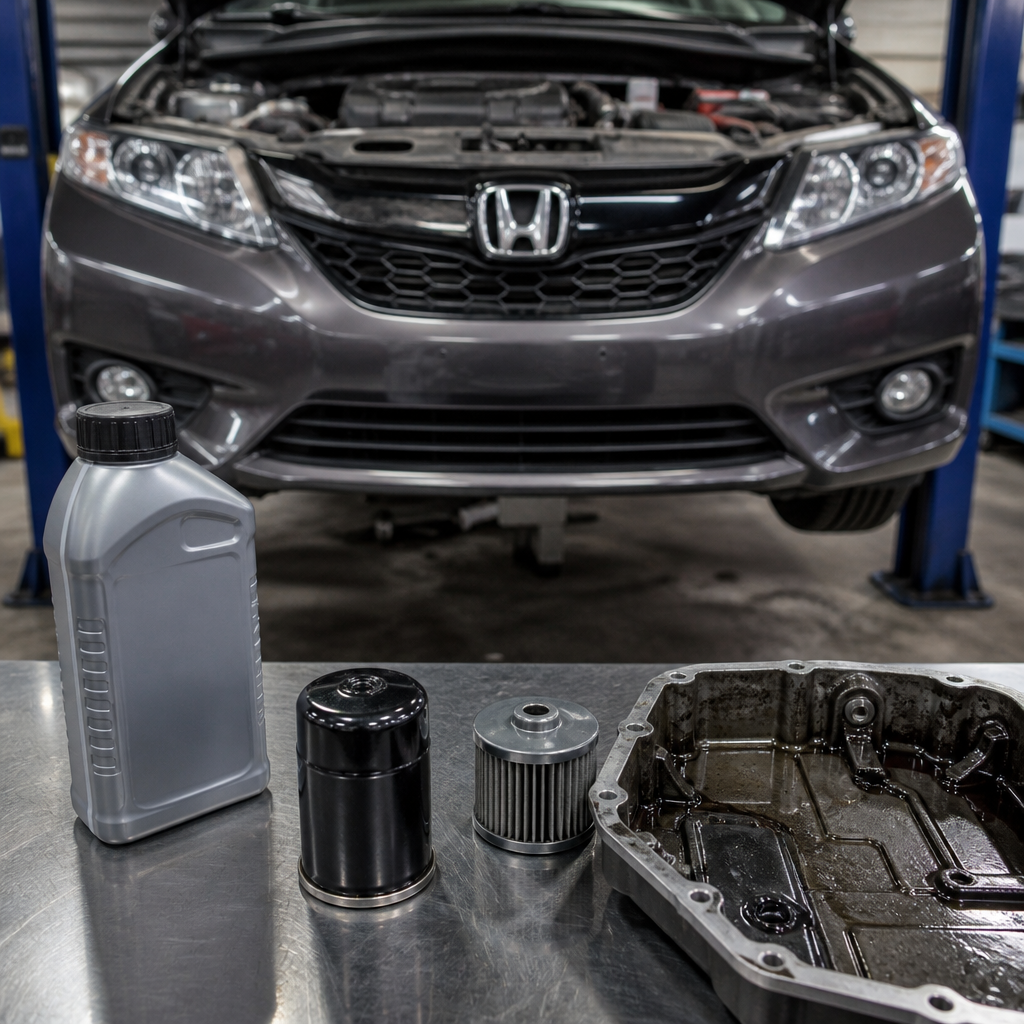
For example, regular fluid service protects internal engine and transmission surfaces, timely brake maintenance prevents corrosion and hydraulic degradation, and scheduled cooling system care reduces the risk of overheating damage. Likewise, routine checks of belts, hoses, wheel bearings, suspension joints, and steering components preserve not only those parts themselves but also the systems they influence. Precision maintenance helps the whole vehicle age more gracefully.
In terms of cost, some owners initially assume stricter maintenance is more expensive because service happens more often and with more discipline. In reality, the total cost picture is usually more favorable over time. Preventive maintenance tends to replace lower-cost items at planned intervals, while reactive maintenance often leads to emergency repairs, towing, collateral damage, lost productivity, and accelerated wear in other components. Especially for commercial operators and fleets, predictable service is almost always cheaper than unpredictable failure. The shaken mindset turns maintenance from a crisis response into a controllable operating strategy.
Why is this philosophy especially important for technicians, fleets, and drivers working in a metric service environment?
In a metric service environment, accuracy and adherence to specification matter at every level. Japanese vehicles and many global platforms built around metric standards are engineered with exact fluid capacities, torque requirements, inspection tolerances, and replacement intervals. The shaken philosophy aligns naturally with that framework because it assumes that precision is not optional. Proper maintenance means using the right viscosity, the correct fastener torque, the specified clearance, and the designated service procedure rather than relying on approximation.
For technicians, this creates a more professional and repeatable workflow. Service becomes less about guesswork and more about measurement, documentation, and specification-based decision-making. For fleet managers, it improves uptime planning, compliance, and asset preservation. Vehicles can be cycled through preventive inspections before defects become operational problems, and maintenance histories become more useful because the work is performed within a consistent technical standard.
For individual drivers and enthusiasts, the benefits are just as real. A metric service discipline helps preserve the original driving feel of the vehicle, reduces the chance of improper parts substitution, and supports better long-term reliability. It also reinforces the idea that maintenance is part of preserving engineering integrity, not just keeping the vehicle moving. When a machine is serviced according to the standards it was designed around, it tends to perform more smoothly, wear more evenly, and remain trustworthy for longer.
Can drivers outside Japan apply the shaken mindset even if their local laws and inspection systems are different?
Absolutely. The shaken mindset is valuable even without Japan’s exact legal structure because its real strength lies in the maintenance philosophy behind it. Any driver, shop, or fleet can adopt the core principles: inspect regularly, follow manufacturer guidance closely, replace wear items before failure, use correct metric specifications, and treat reliability as an outcome of discipline rather than luck. You do not need a Japanese inspection law to benefit from Japanese maintenance logic.
The best way to apply it is to shift from symptom-based servicing to schedule-based servicing. Start with the manufacturer’s maintenance intervals, then adjust intelligently for actual operating conditions such as stop-and-go driving, high heat, heavy loads, short trips, or extended idling. Keep detailed records. Inspect brakes, suspension, steering, tires, seals, and fluids even when the vehicle seems fine. Pay attention to aging, not just mileage, because time degrades many components just as surely as use does.
Most importantly, adopt the idea that maintaining precision is worthwhile. A vehicle should not be considered healthy simply because it still starts and moves. It should stop correctly, steer accurately, cool properly, shift smoothly, meet emissions expectations, and operate without excessive vibration, leakage, or deferred wear. That is the real lesson behind the shaken mindset. It is not merely about passing inspections; it is about preserving mechanical quality throughout the life of the machine.