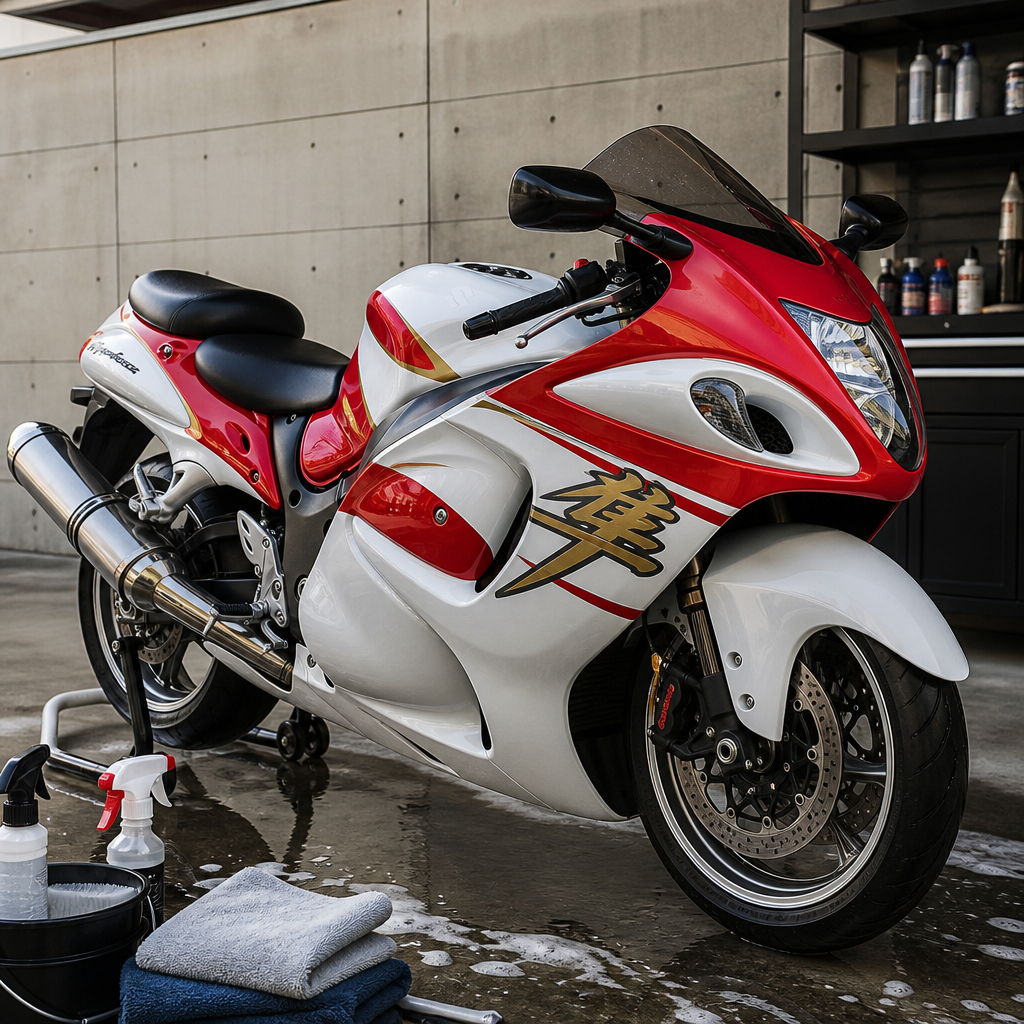
The Suzuki Hayabusa 40th Anniversary is more than a fast motorcycle with commemorative graphics. It is a limited-production machine whose visual identity depends on careful paint preservation, correct cleaning chemistry, and maintenance habits that respect both the finish and the underlying engineering culture of Japanese motorcycles. When owners search for Suzuki Hayabusa 40th Anniversary maintenance, they often start with paint care, but the subject quickly expands into a broader metric service mindset: Japanese Industrial Standards fasteners, dual-clutch transmission maintenance on related metric platforms, and the small workshop quirks that separate proper care from stripped bolts, stained panels, and expensive cosmetic corrections.
Special edition paint matters because it cannot be treated like ordinary bodywork. Metallic layers, pearl effects, high-contrast striping, and model-specific decals react differently to abrasion, solvents, ultraviolet exposure, and heat cycling. I have seen anniversary bikes lose value not because of mileage or mechanical wear, but because an owner used a strong degreaser on a lower fairing, polished through an edge on a graphic, or rubbed road grit into the clear coat during a rushed wash. Mechanical service can often be redone. Original paint condition is far harder to restore invisibly.
Three terms define this discussion. First, special edition paint refers to the full finish system: primer, basecoat, graphics, clear coat, and any protective film or ceramic layer added later. Second, JIS standard refers to the Japanese Industrial Standards hardware and tool interface commonly found on Japanese motorcycles; many screws that look like Phillips are not true Phillips, and using the wrong driver damages heads quickly. Third, DCT maintenance refers to service practices for dual-clutch transmission motorcycles, especially fluid selection, clutch calibration procedures, and heat management. The Hayabusa itself does not use DCT, but this hub covers the metric maintenance ecosystem many owners cross-shop, own alongside the Busa, or service in the same garage.
This topic matters because cosmetic care and technical literacy are linked. Paint damage often happens during routine maintenance, not during riding. A slipped screwdriver near an inner panel, a dangling belt buckle against the tank, over-torqued JIS screws at a cowl seam, or chain lubricant overspray left to bake onto a painted wheel can mark a special edition bike permanently. Owners who understand metric quirks work cleaner, faster, and with less risk. That is why this article treats paint care as the center of a larger maintenance discipline rather than an isolated detailing task.
Understand the Hayabusa 40th Anniversary finish before touching it
The first rule of caring for special edition Hayabusa paint is to identify what you are actually cleaning. Suzuki’s commemorative finishes typically combine bold color blocking, layered graphics, and clear-coated decals on complex fairing shapes. Those edges matter. Paint thickness is not uniform across every panel, and raised transitions around stripes or decals can tolerate less aggressive polishing than flat sections on a tank or tail. On a used bike, previous correction work may have already reduced clear coat thickness, making a “light polish” riskier than it sounds.
In practice, that means inspection comes before washing. Under bright LED lighting, look for bug etching on the nose, boot scuffs near frame contact points, fuel drips around the filler, and chain fling on the rear cowl and wheel. Check whether protective film has been installed on the tank shoulders or leading fairing edges. If paint protection film is present, your chemical choices change because some tar removers and high-pH cleaners can cloud film adhesives over time. If a ceramic coating has been applied, maintenance shampoos should be residue-free and wax-safe rather than heavy gloss enhancers that can leave patchy buildup.
Storage conditions also shape the finish. Garage-kept bikes still collect dust, condensation, and airborne contamination from tires, solvents, and nearby woodworking or metalwork. Outdoor-kept motorcycles face ultraviolet degradation, bird droppings, tree sap, hard-water spotting, and thermal cycling. Dark sections absorb more heat, which can accelerate wax failure and make contaminants bond more tightly. On anniversary paint, that heat contrast can produce uneven aging between graphic colors if the bike is parked in direct sun repeatedly.
Safe washing and decontamination methods for special edition paint
Use the least aggressive method that safely removes contamination. For most Hayabusa owners, a controlled hand wash is the baseline. Start with a cool surface, rinse thoroughly, and use a pH-neutral motorcycle or automotive shampoo with high lubricity. Avoid household detergents; they strip protection and can dry trim. I prefer separate wash media for upper painted surfaces and lower grime-prone areas because brake dust and road grit from the belly pan are exactly what create fine swirls on glossy side fairings.
Drying is where many excellent washes go wrong. Blot or glide a clean microfiber drying towel rather than grinding trapped mineral residue into the clear coat. Filtered air or an electric blower is ideal around mirrors, panel seams, fuel caps, and fairing fasteners because it removes standing water that would otherwise creep out and spot the finish later. If you ride in a region with hard water, a final rinse using deionized water is one of the simplest upgrades you can make for spot prevention.
Decontamination should be targeted, not routine. Use bug remover only on affected areas and do not let it dry. For tar or chain fling, choose a paint-safe solvent and test it first on an inconspicuous zone. Iron removers can help on wheels and lower fairings exposed to embedded brake particles, but strong products have odor and dwell-time limits; follow label guidance closely. Clay bars or synthetic clay media remove bonded contaminants effectively, yet they also introduce marring if used on insufficiently lubricated paint. On a limited-edition bike, the goal is preserving thickness, so decontaminate only when the surface genuinely feels rough after washing.
Polishing, protection, and when less is better
Paint correction on a Suzuki Hayabusa 40th Anniversary should be conservative. Machine polishing can restore gloss and remove light swirls, but every polishing step removes some clear coat. On special edition panels with graphic edges, body lines, and uncertain repaint history, aggressive compounds are rarely justified unless measured with a paint depth gauge and performed by a skilled technician. I have corrected many Japanese sportbike panels, and the best results usually come from a finishing polish on a soft foam pad, not from chasing absolute perfection.
Protection choices fall into three practical categories: quality wax or sealant, ceramic coating, and paint protection film. A sealant is affordable, easy to refresh, and suitable for owners who enjoy frequent maintenance. Ceramic coatings offer better chemical resistance and easier washing, especially on bug-prone front fairings, but they require meticulous prep and controlled installation conditions. Paint protection film provides the best defense against chips and abrasion on high-impact zones such as the nose, mirrors, and tank sides. For a collectible Hayabusa, the strongest setup is often film on impact areas plus a coating on exposed painted surfaces.
| Protection option | Best use | Main advantage | Main limitation |
|---|---|---|---|
| Sealant or wax | Garage-kept bikes with regular hand washing | Low cost and easy reapplication | Shorter durability against heat and detergents |
| Ceramic coating | Frequent riders facing bugs, rain, and wash cycles | Strong chemical resistance and easier cleaning | Prep-sensitive and harder to remove if applied poorly |
| Paint protection film | High-impact zones on collectible bodywork | Best defense against chips and abrasion | Higher cost and visible edges on some panels |
Whatever protection you choose, remember that maintenance products must match it. Avoid all-in-one cleaner waxes on matte or satin accent pieces. Do not stack oily dressings near panel seams where residue can migrate under graphics. If fuel spills on the tank during filling, wipe it immediately with a soft towel and then clean the area properly once home. Modern clear coat resists brief contact, but repeated exposure softens protection layers and leaves staining around decals and filler trim.
JIS fasteners, metric tools, and the workshop habits that protect paint
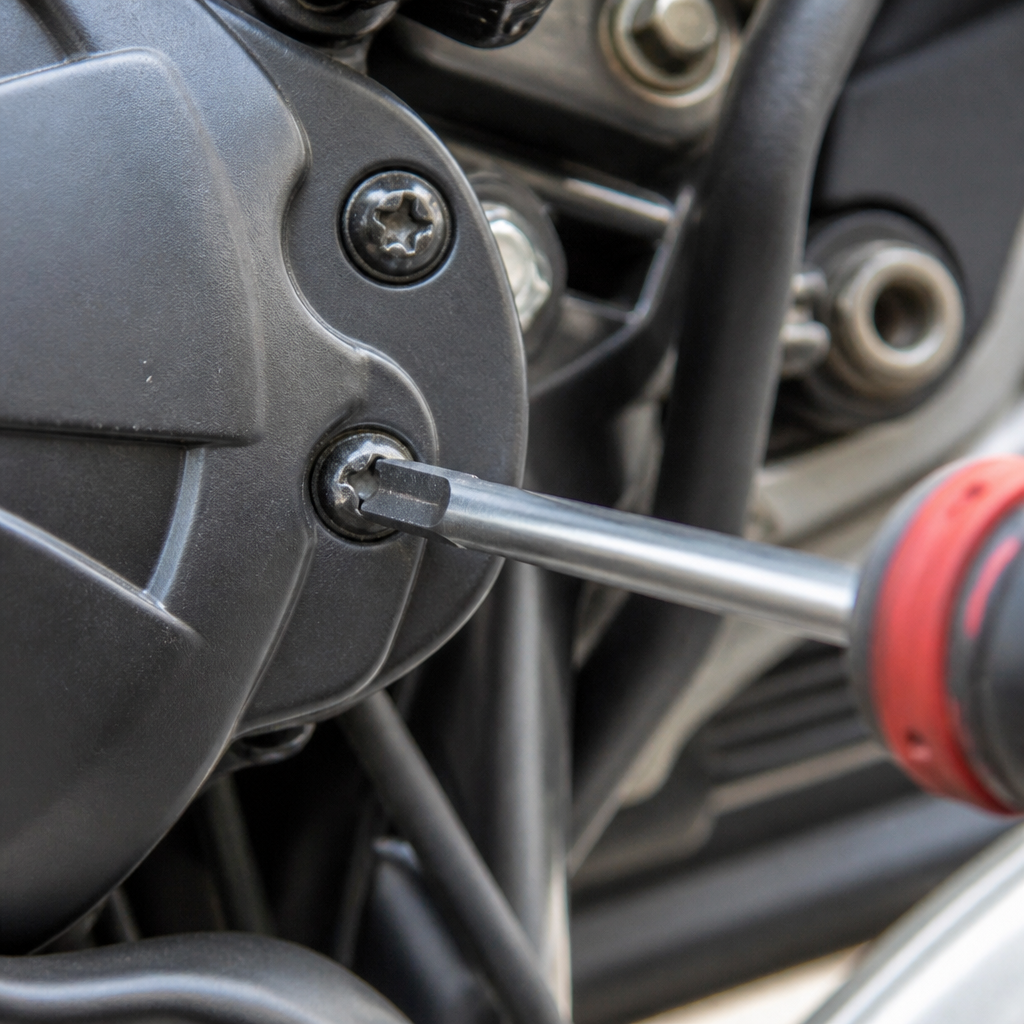
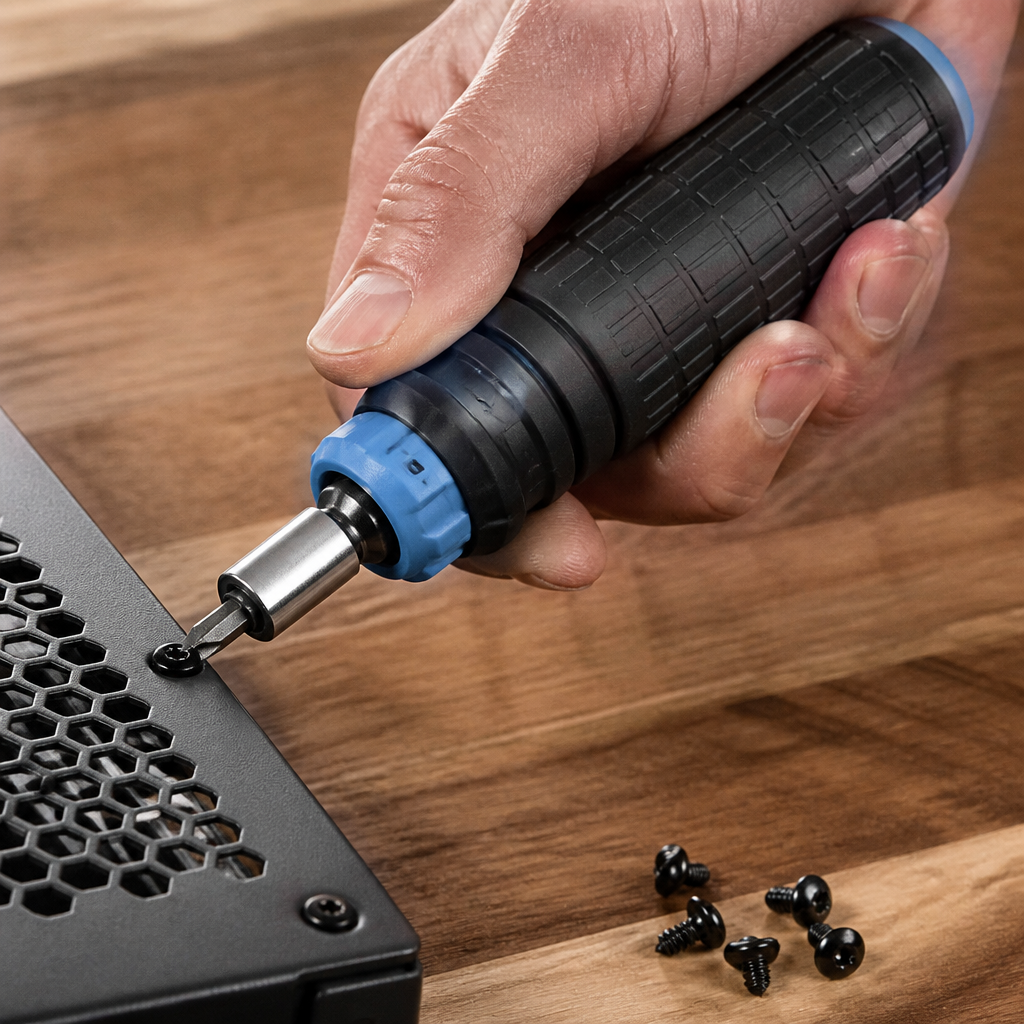
If there is one metric quirk every Japanese motorcycle owner should learn, it is the difference between JIS and Phillips. Many fairing screws, reservoir screws, and trim fasteners on Japanese bikes are designed around JIS geometry. A Phillips driver cams out by design under higher torque; a correct JIS driver seats more fully and reduces the chance of stripping. Vessel, Hozan, and other Japanese tool makers produce proper drivers and bits. When removing Hayabusa bodywork, that tool choice is not trivia. It is what keeps a screwdriver from skipping across a painted panel.
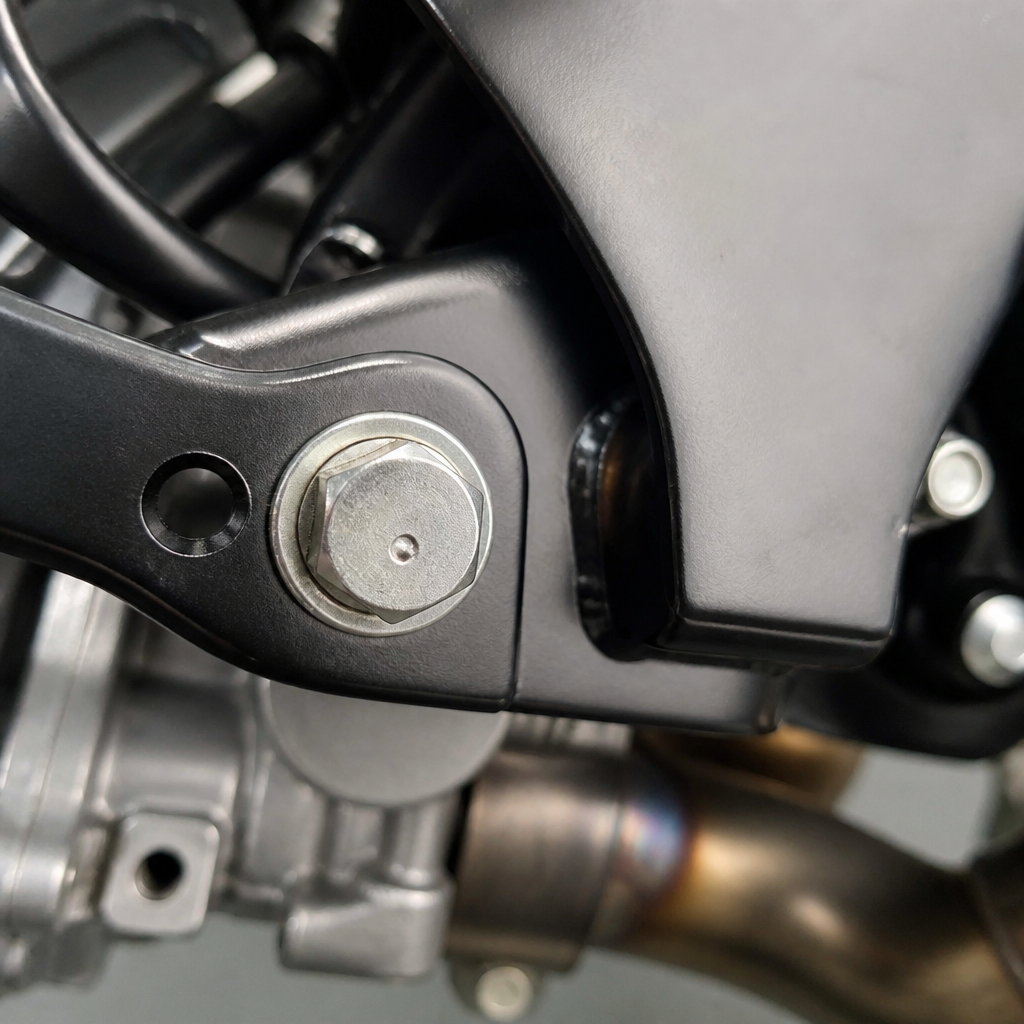
Other metric habits matter just as much. Use 8 mm, 10 mm, and 12 mm sockets with six-point engagement on common body and bracket fasteners. Magnetic pickup tools and fender covers prevent dropped hardware from bouncing across paint. Blue painter’s tape along fairing edges and around tool approach points is cheap insurance during disassembly. Bag and label fasteners by panel because Japanese motorcycles often use similar-looking bolts with different shoulder lengths or flange profiles; forcing the wrong bolt into a well nut can crack a panel or distort a grommet.
Torque discipline protects appearance as well as structure. Over-tightening fairing bolts compresses rubber isolators, distorts panel alignment, and can create stress marks around mounting holes. Use a small torque wrench where specifications are provided, and tighten fasteners evenly from centered mounting points outward. On older bikes, add anti-seize only where appropriate and never substitute it blindly because lubrication changes clamping force. Precision is part of clean cosmetic preservation.
DCT maintenance and what Hayabusa owners should learn from it
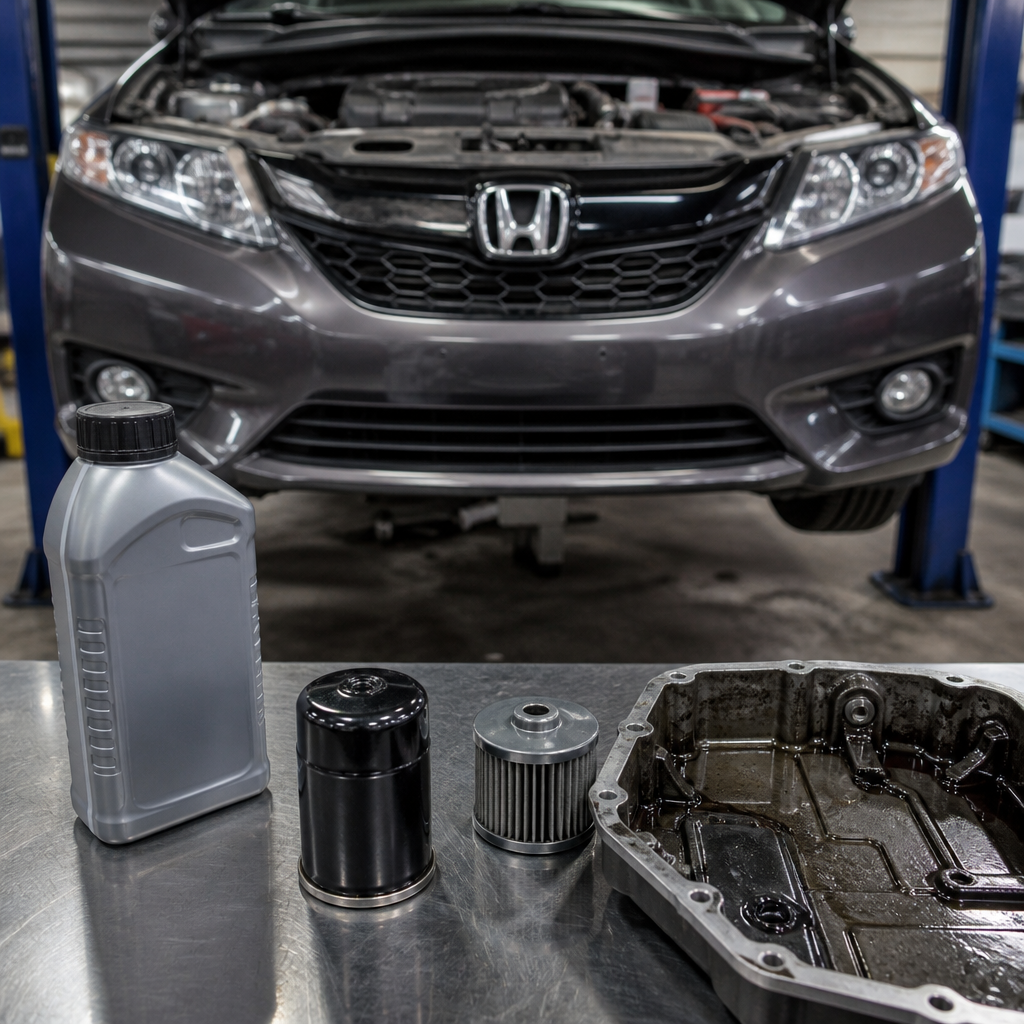
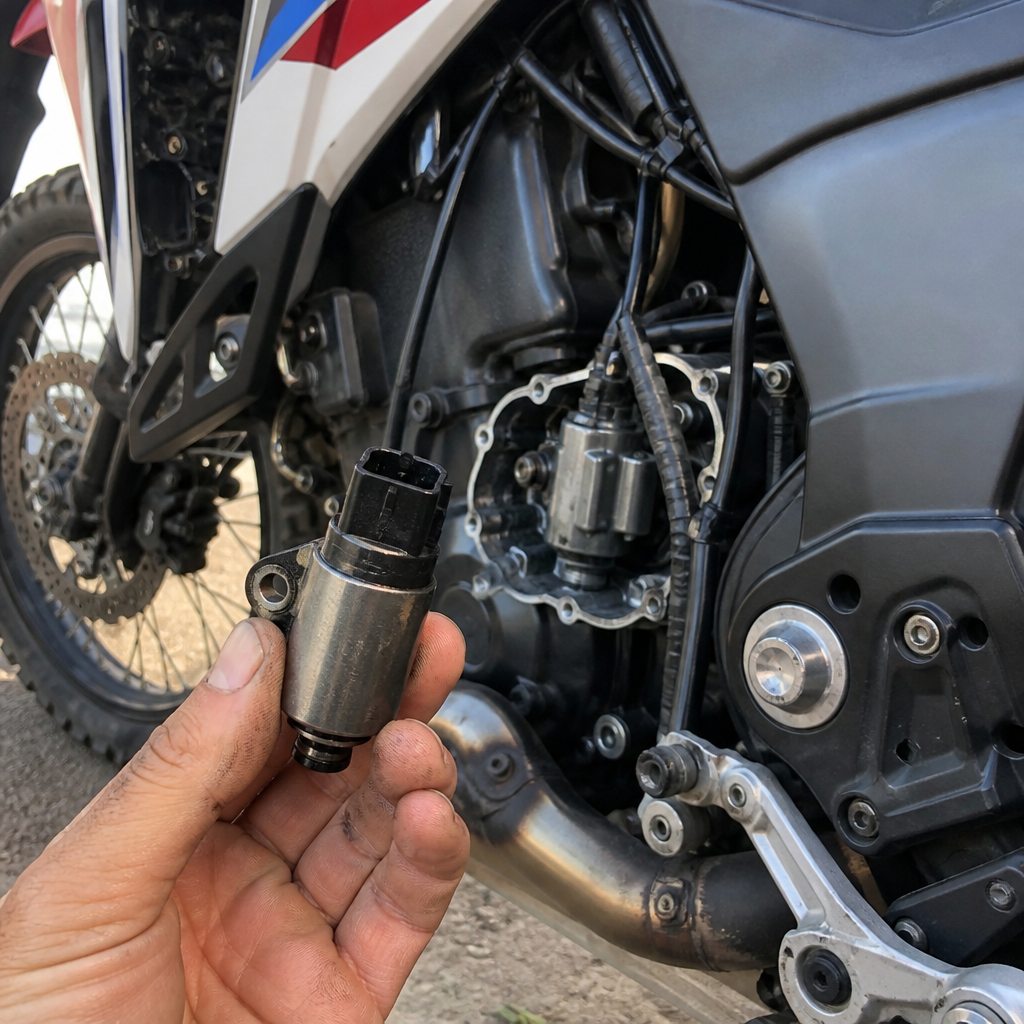
Although the Hayabusa does not have a dual-clutch transmission, DCT maintenance belongs in this hub because many metric-bike garages include Honda Africa Twin, Gold Wing, Rebel 1100, or NC-series machines alongside conventional sportbikes. The lesson DCT teaches is simple: modern Japanese motorcycles reward exact fluid, filter, and procedure compliance. Owners who get casual with intervals or substitute fluids carelessly often create drivability complaints that are preventable.
DCT systems rely on hydraulic control circuits, clutch packs, shift actuators, and software logic calibrated around specific oil behavior. That means the correct JASO-rated oil, accurate level setting, clean filters or screens where applicable, and updated service information matter more than folklore. Symptoms such as harsh low-speed engagement, gear hunting, delayed shifts when hot, or fault codes can stem from overdue fluid, battery voltage issues, or clutch adaptation needs, not just “bad transmission” hardware. Following the factory service manual is non-negotiable.
The crossover lesson for Hayabusa paint care is procedural discipline. If you would not guess at DCT fluid requirements, do not guess at solvent strength on special edition paint, hardware type behind a panel, or polishing aggressiveness on a graphic edge. Metric maintenance culture is about respecting specifications. Whether the task is transmission service on a DCT bike or cowl removal on a Hayabusa, the process protects the machine.
Metric quirks that catch owners off guard
Japanese motorcycles share patterns that experienced owners learn quickly. Bodywork often interlocks in a specific sequence, with hidden tabs that break when pulled in the wrong direction. Rubber well nuts age and spin. Thread pitches differ from visually similar hardware in a home toolbox. Battery terminals are soft enough to strip if over-torqued. Brake and clutch reservoir screws seize if neglected, especially when incorrect drivers were used previously. None of these problems is dramatic, yet each can turn routine maintenance into accidental cosmetic damage around a special edition finish.
Another quirk is contamination transfer. Chain lubricants formulated for high-speed O-ring chains can sling onto painted wheels and tail sections if overapplied. Silicone-heavy sprays migrate onto seats, pegs, and lower bodywork, attracting dust and complicating future paint prep. Ethanol-blended fuel can stain around caps and decals when repeatedly topped off to the brim in heat. Even common touch points matter: zippers scratch tanks, microfiber towels dropped on concrete become abrasive, and cheap bike covers trap grit that scours clear coat in wind.
The fix is systematic ownership. Use model-specific service literature, quality metric tools, and a repeatable wash and storage routine. Keep quick-detail spray and soft towels in the garage for immediate bug or fuel cleanup. Inspect high-contact paint monthly. Replace worn grommets and missing panel cushions before they let bodywork vibrate. Small interventions preserve both appearance and fit.
Caring for Suzuki Hayabusa 40th Anniversary paint is ultimately about protecting rarity through disciplined maintenance. Wash gently, decontaminate only when necessary, polish conservatively, and choose protection based on how the bike is actually used. Learn JIS hardware, respect metric fastener and panel design, and adopt the same specification-first mindset that defines proper DCT service on modern Japanese motorcycles. These practices prevent swirls, stripped screws, misaligned fairings, and avoidable finish damage that lowers pride of ownership and long-term value.
The main benefit is simple: your special edition Hayabusa keeps its original visual impact while routine service becomes safer and more precise. That combination matters on a collectible machine. Build your maintenance setup around correct tools, correct chemicals, and correct procedures, then use this hub as the starting point for deeper articles on JIS standards, DCT maintenance, and the metric quirks that every serious owner should master. Start with your next wash, inspect the paint closely, and upgrade one part of your process today.
Frequently Asked Questions
How should I wash the Suzuki Hayabusa 40th Anniversary without damaging its special edition paint and graphics?
The safest approach is a gentle, controlled hand wash using pH-neutral motorcycle shampoo, clean water, and soft microfiber wash media. Start only when the bike is cool and out of direct sunlight, because heat causes water and soap to dry too quickly and increases the chance of spotting or streaking. Before touching the paint, rinse thoroughly to remove loose grit that could scratch the clear coat. If the bike has heavier contamination around the lower fairings, front cowl, or tail section, use a dedicated pre-wash or foam product designed for painted motorcycle surfaces rather than household cleaners or strong degreasers.
Use separate wash tools for painted panels, wheels, and greasy areas. That matters on a Hayabusa because brake dust, chain residue, and road grime can easily transfer from lower components to high-visibility painted surfaces. Wash from the cleanest areas downward, using light pressure only. Around anniversary graphics and edges of decals under clear coat, avoid aggressive scrubbing. If bugs are stuck to the nose or mirrors, soften them first with a wet microfiber towel or bug-removal product labeled safe for painted finishes. After washing, rinse thoroughly and dry with a plush microfiber drying towel or filtered air blower. Avoid bath towels, automatic car washes, abrasive sponges, and high-pressure spray aimed close to seams, emblems, or panel edges. A careful wash routine protects gloss, reduces swirl marks, and preserves the sharp appearance that makes a limited-edition Hayabusa stand out.
What cleaning products are safe for the 40th Anniversary finish, and which ones should owners avoid?
Choose products specifically formulated for automotive or motorcycle clear coat, ideally pH-balanced soaps, detail sprays, paint-safe bug removers, silica-based spray sealants, and non-abrasive waxes or ceramic maintenance products. If your Hayabusa has matte or satin accent areas, verify that the product is compatible with those finishes as well, because some gloss enhancers can create uneven sheen. For routine maintenance, the safest kit usually includes a pH-neutral wash soap, microfiber towels, a dedicated wheel cleaner safe for coated wheels, a gentle chain cleaner used carefully away from painted bodywork, and a paint protection product that adds UV and contamination resistance.
Avoid strong alkaline cleaners, undiluted degreasers on painted parts, kitchen or bathroom chemicals, solvent-heavy tar removers used carelessly, abrasive polishes unless true paint correction is necessary, and any product containing harsh rubbing compounds not intended for modern motorcycle clear coats. Owners should also be cautious with fuel spill cleaners and chain lubricants, because overspray and residue can stain or dull nearby painted panels if not wiped promptly. As a rule, test unfamiliar products on a low-visibility area first. The special edition graphics are part of the motorcycle’s identity and value, so product discipline is not just cosmetic maintenance; it is preservation. Using the right chemistry helps maintain color depth, clear-coat integrity, and the crisp visual distinction expected from a commemorative Japanese performance motorcycle.
Is paint protection film, ceramic coating, or wax best for preserving the anniversary paint?
Each option serves a different purpose, and the best choice depends on how the bike is used. Paint protection film offers the strongest defense against stone chips, zipper scuffs, and abrasion in vulnerable areas such as the front fairing, tank edges, side panels, and tail sections. For a limited-production Hayabusa with unique anniversary styling, film is often the most practical first layer of protection if installed by a reputable professional familiar with motorcycles and complex body shapes. Proper installation is especially important around curves, vents, graphics, and panel transitions where poor film placement can become visible.
Ceramic coating does not stop impact damage the way film can, but it adds chemical resistance, UV protection, easier cleaning, and a slick surface that helps dirt and bug residue release more easily. Wax or synthetic sealant is the most affordable option and still useful, but it requires more frequent reapplication and offers less durability. Many owners use a combination strategy: film on high-impact zones, ceramic coating over exposed painted surfaces, and careful maintenance washes thereafter. That layered approach makes sense for a commemorative Hayabusa because it balances preservation, appearance, and practicality. If originality matters to you for long-term ownership or collector interest, choose reversible and professionally applied protection products, keep records of what was installed, and avoid overly aggressive correction work just to chase short-term shine.
How do paint care habits connect to broader Suzuki Hayabusa 40th Anniversary maintenance?
Paint care may be where many owners begin, but it naturally leads into a broader maintenance mindset. A clean motorcycle is easier to inspect, and regular washing gives you repeated opportunities to notice early signs of trouble such as coolant stains, fork seal seepage, loose fasteners, chain fling, corrosion beginning around hardware, or wear points where luggage, riding gear, or accessories contact body panels. On a Hayabusa, whose bodywork covers much of the machine, cleanliness is part of mechanical awareness. You are not just protecting the finish; you are creating conditions for better inspection and more disciplined ownership.
This matters because Japanese motorcycle maintenance culture has always emphasized consistency, correct intervals, and respect for engineering detail. Owners searching for Suzuki Hayabusa 40th Anniversary maintenance often start with preserving the commemorative paint, then realize the same approach applies to the rest of the bike: use the correct fluids, maintain chain tension and lubrication properly, follow torque specifications, monitor tire condition and pressures, and keep records of service and cosmetic care alike. A well-maintained special edition motorcycle is one where appearance and mechanical condition support each other. The paint tells part of the story, but thoughtful washing, storage, service scheduling, and contamination control all contribute to preserving the machine as a complete package.
What are the best long-term storage and day-to-day habits for keeping the special edition paint in excellent condition?
Store the motorcycle indoors whenever possible, in a dry, well-ventilated space away from constant sun exposure, moisture swings, and airborne contaminants. UV light is one of the biggest long-term threats to color richness and clear-coat stability, especially on bikes with bold graphics or contrasting finishes. Use a soft, breathable motorcycle cover only after the bike is fully clean and dry. Putting a cover over dust or moisture can trap contamination against the paint and create fine scratches over time. If the bike is stored for longer periods, wash it, dry it thoroughly, top up protection with a sealant or ceramic maintenance spray, and make sure any fuel splash, bug residue, or chain fling has been removed before storage begins.
For daily use, adopt small habits that make a big difference. Wipe off bird droppings, bug residue, fuel drips, and road tar promptly because they can etch or stain if left in place. Be careful when fueling, especially around the tank and upper fairing surfaces. Use tank pads or protective film in rider contact zones to prevent jacket and zipper abrasion. Avoid leaning cleaning bottles, tools, gloves, or keys on painted panels. If you use a battery tender, luggage, or paddock stands, make sure straps and hardware do not rub against bodywork. These details may seem minor, but they are exactly what separates average cosmetic condition from truly preserved condition. On a Suzuki Hayabusa 40th Anniversary model, consistent everyday discipline is often more important than any single premium product.