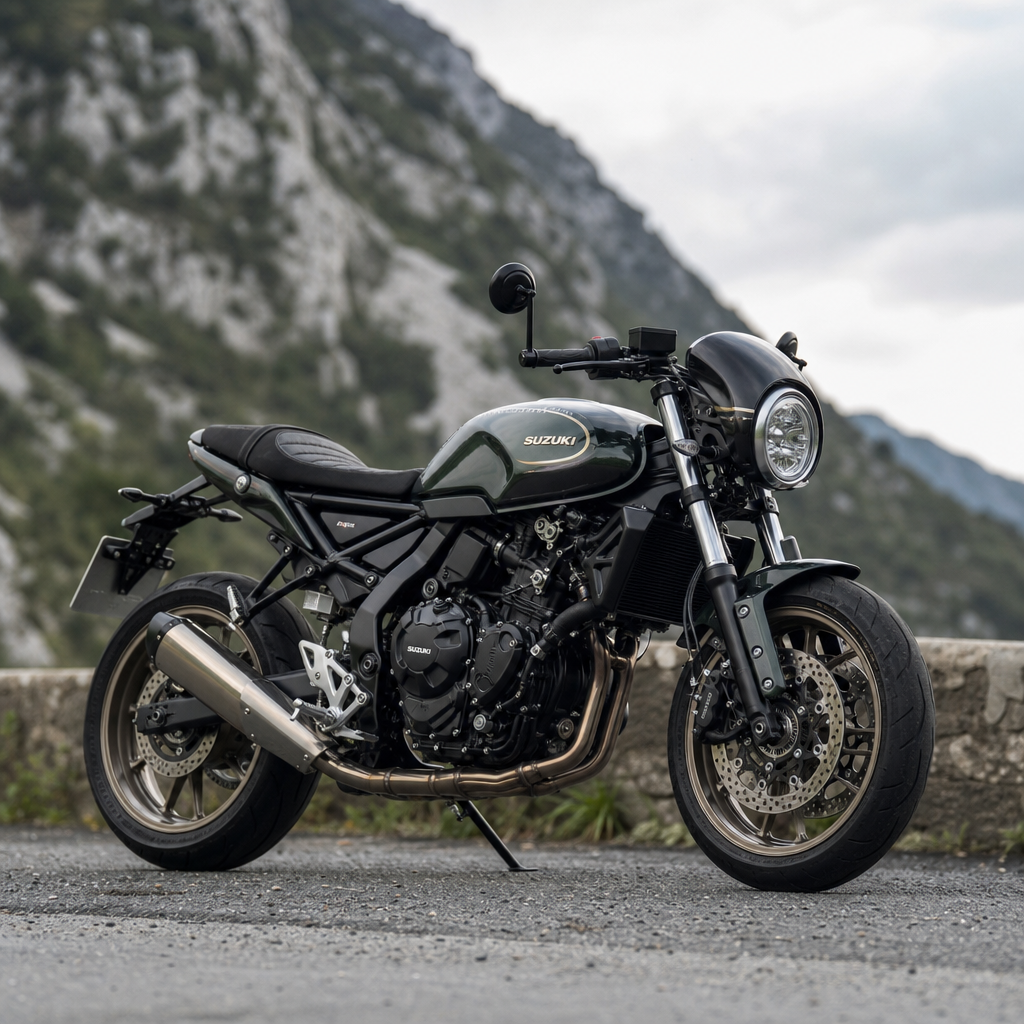
The Adirondack BDR-X Premiere at Americade 2026 marks a turning point for Northeast adventure riding because it brings Backcountry Discovery Route planning, technical bike setup, rider training, and regional travel logistics into one highly visible launch event. A BDR-X route is a shorter, state-focused expedition designed by the Backcountry Discovery Routes organization to deliver off-pavement travel that is challenging enough to be memorable yet accessible enough for riders building skills before attempting a multi-state BDR. Americade, held in and around Lake George, New York, is one of the largest motorcycle touring gatherings in the United States, so premiering the Adirondack BDR-X there places adventure riding directly in front of a broad audience that includes veterans, first-time ADV owners, instructors, outfitters, and gear manufacturers. That combination matters. In my own route-planning and event-support work, the biggest failures never come from lack of enthusiasm; they come from weak preparation, outdated assumptions about terrain, and poor coordination between machine, rider, and season. A hub article on ADV and BDR technical prep for 2026 and 2027 therefore needs to do two jobs at once: explain why the Adirondack BDR-X premiere matters, and give riders a practical framework for bike setup, navigation, timing, packing, and risk management. The Adirondack region adds special urgency because it mixes remote forest roads, fast-changing weather, tourism traffic, and sensitive public-land access rules. Riders who understand those variables will enjoy the route more, avoid preventable damage, and make better decisions before they leave the parking lot at Americade.
Why the Adirondack BDR-X Premiere Matters in 2026
The premiere matters because the Adirondacks are uniquely positioned to expand adventure motorcycling in the Northeast without forcing riders to ship bikes west or commit to a two-week expedition. The region already has recognized tourism infrastructure, an established event base through Americade, and road networks that combine gravel, seasonal dirt, forest connectors, small-town fuel stops, and scenic pavement. That makes it ideal for a BDR-X format. For many East Coast riders, this will be the first BDR-branded route they can reach in a day’s drive, ride over a long weekend, and repeat in different conditions to build competence.
Timing is equally important. By 2026, the ADV market has matured well beyond niche status. Middleweight bikes such as the Yamaha Ténéré 700, Suzuki V-Strom 800DE, Aprilia Tuareg 660, Honda Africa Twin, KTM 890 Adventure, BMW F 900 GS, and Triumph Tiger 900 Rally Pro have created a realistic path for riders moving from street touring into mixed-surface travel. Manufacturers have also improved electronics, tubeless wheel durability, switchable ABS modes, and standing ergonomics. A premiere at Americade captures riders at the moment they are asking the right questions: what route should I ride, what should I change on the bike, and what skills matter most on loose surfaces?
The other reason this launch matters is stewardship. The Adirondacks are not an empty playground. They are a living mosaic of state land, local roads, private inholdings, seasonal routes, and communities that can either welcome riders or push back against them. Well-designed routes, responsible speed control near homes, and adherence to legal access are not optional details. They are the foundation for keeping the route open and respected.
Core Technical Prep for ADV and BDR Riding
Technical prep starts with reliability, not accessories. Every bike intended for the Adirondack BDR-X should receive a current service baseline before Americade. That means confirming tire age and tread depth, checking spoke tension where applicable, inspecting wheel bearings, measuring chain wear, replacing worn brake pads, examining rotors for minimum thickness, verifying coolant strength, and ensuring the air filter is clean and properly seated. If the bike has known recalls or software updates, complete them before the trip. Modern ride-by-wire bikes can run flawlessly for years, but sensor faults, weak batteries, and pinched accessory wiring still strand riders more often than dramatic mechanical failures.
Tires deserve special attention because the Adirondacks can shift from hardpack to washboard to rain-slick gravel in a single day. True 50/50 or 60/40 tires are the safest starting point for most riders. Examples include the Mitas E-07+, Dunlop Trailmax Raid, Bridgestone Battlax Adventurecross AX41, Motoz Tractionator GPS, and Continental TKC 70 Rocks for riders prioritizing pavement balance. Aggressive fronts often provide more confidence than aggressive rears because front-end washouts create immediate risk. I routinely advise riders to choose a slightly more dirt-oriented front tire than they think they need.
Protection and control upgrades should be functional. Hand guards, a robust skid plate, radiator protection, and folding mirrors reduce trip-ending vulnerability. Wide footpegs help standing control. Bar risers can help, but only if they preserve cable slack and do not force an upright posture that overloads the rear wheel on climbs. Suspension sag should be measured with the rider in full luggage configuration. Too much rear preload reduction or overloaded soft luggage can make steering vague and increase the chance of bottoming on embedded rock or erosion bars.
| Prep Area | Minimum Standard for Adirondack BDR-X | Why It Matters |
|---|---|---|
| Tires | Fresh 50/50 or 60/40 set, correct pressures for load | Improves traction on gravel, mud, and wet pavement |
| Suspension | Set sag with luggage, verify damping adjustments | Maintains stability, ground clearance, and braking control |
| Protection | Skid plate, hand guards, engine case protection | Prevents minor impacts from becoming trip-ending damage |
| Navigation | Offline GPX on primary and backup device | Cell service is inconsistent in the Adirondacks |
| Tools and Repair | Tire kit, pump, axle tools, master link, fuses | Solves common field failures without a tow |
| Luggage | Weight kept low and tight, essentials only | Reduces fatigue and improves bike handling off pavement |
Navigation, Electronics, and 2026 to 2027 Route Planning Updates
Navigation for a BDR-X ride should always be redundant. The primary tool can be a Garmin Zumo XT2, ruggedized Android tablet, BMW ConnectedRide unit, or a modern smartphone running Gaia GPS, onX Offroad, Calimoto, OsmAnd, or Rever with downloaded maps. The backup should be a second device with the same GPX track stored offline. Do not rely on live routing alone. In the Adirondacks, weak coverage, reroutes around closures, and battery management issues can turn a simple day into a recovery exercise.
For 2026 and 2027, riders should expect route updates to become more dynamic, not less. Municipal road work, storm damage, culvert replacement, timber activity, and changing local access conditions increasingly affect legal through-travel on unpaved connectors. The smart approach is to treat the official GPX as the baseline, then cross-check it close to departure against BDR communications, county highway notices, DEC alerts, and local tourism advisories. If you are building linked loops around the premiere event, create alternates by fuel range and difficulty, not just by mileage. A forty-mile detour on pavement may be faster and safer than a fifteen-mile rough bypass after heavy rain.
Electronics management also deserves discipline. Use a fused power distribution block if you are running heated gear, auxiliary lights, GPS, and charging ports. Vibration kills cheap USB adapters and unsupported phones. Secure every cable. Carry a short paper note with emergency contacts, medical information, and the names of towns along your planned line. It is low-tech, but when screens fail, that note shortens decision time.
Rider Skills, Safety, and Field Repairs
The Adirondack BDR-X will reward smooth technique more than raw speed. Riders need to be comfortable standing for extended periods, weighting the outside peg in loose corners, using light hands on the bars, and braking progressively on descending gravel. The most common mistakes I see are target fixation, overpacking, seated riding in rough sections, and panic braking with the front wheel turned. Training matters. Programs based on balance drills, clutch-throttle coordination, hill restarts, and low-speed obstacle negotiation deliver direct gains on routes like this.
Field repair competence is equally important. Every rider should know how to fix a puncture, reseat a bead if conditions allow, adjust and lubricate a chain, replace a lever, and diagnose a no-start caused by a sidestand switch, battery connection, or blown fuse. Tubeless repair with plugs is faster, but riders on tube-type wheels need practice removing axles, breaking beads, and reinstalling tubes without pinching them. If your bike requires unusual axle hex sizes or Torx fasteners, carry the exact tools. That sounds obvious, yet it is one of the most repeated failures in group rides.
Personal safety equipment should fit the terrain and season. ADV boots with lateral support, impact-rated armor, abrasion-resistant layers, waterproof gloves, and eye protection are baseline kit. Early summer in the Adirondacks can begin near 45 degrees Fahrenheit at elevation and climb into the 80s by afternoon. Dehydration often arrives before riders notice it because cool morning air masks fluid loss. Carry water on your body, not buried in luggage, and eat regularly to maintain concentration.
Travel Logistics, Seasonal Conditions, and Hub Topics for 2026 and 2027
As a hub under The Open Road, this topic extends beyond the premiere itself. Riders planning around Americade need lodging strategy, transport planning, fuel discipline, and weather awareness. Lake George fills quickly during major event windows, so riders should book early and choose accommodations based on trailer parking, secure bike access, drying space for gear, and proximity to departure points. If trailering, check tie-down points, spare wheel bearings, trailer tire age, and lighting. A breakdown before the ride is still a failed logistics plan.
Fuel range should be calculated honestly, especially for bikes loaded with soft bags and ridden on mixed surfaces. Gravel and low-gear climbing can reduce real-world economy significantly. A bike that normally returns 52 mpg on highway touring may drop into the low 40s or below on rough routes. Riders with smaller tanks should identify conservative refuel points and consider compact auxiliary fuel systems only if they are mounted securely and handled legally.
Seasonal conditions are a major 2026 and 2027 planning theme. Spring mud, frost heaves, washouts, and road grading can reshape difficulty from one month to the next. Black fly season affects comfort and campsite choices. Summer thunderstorms can flood low crossings and cover gravel with runoff. Autumn offers superb traction and visibility in some areas, but colder mornings and leaf-covered surfaces introduce their own hazards. The best planning habit is to build a decision matrix before departure: go, modify, or abort based on weather, bike condition, rider energy, and daylight.
This hub also connects naturally to related subtopics: tire selection for Northeastern dual-sport terrain, tubeless versus tube repair strategies, packing for three-day versus seven-day BDR-style trips, GPS workflow for GPX import and reroute creation, suspension setup for loaded ADV bikes, and Americade basecamp planning. Riders who use the Adirondack BDR-X premiere as a catalyst for improving these systems will gain far more than a single memorable ride. They will build a repeatable process for safe, efficient mixed-surface travel throughout 2026 and 2027.
The Adirondack BDR-X Premiere at Americade 2026 is more than an event announcement. It is a practical gateway into adventure riding for the Northeast and a timely reason to upgrade how riders prepare bikes, routes, and expectations. The core lessons are clear: start with mechanical reliability, choose tires and protection for actual terrain, carry redundant navigation, develop the field-repair skills that solve common failures, and plan logistics with the same care you give the motorcycle itself. The Adirondacks reward riders who respect changing conditions, legal access, and local communities. They punish shortcuts, overloaded bikes, and vague planning.
For 2026 and 2027, the riders who get the most from this route will be the ones who treat preparation as part of the experience, not as a chore before the fun begins. Build your service checklist now, update your navigation workflow, test your luggage setup, and schedule skill practice before Americade. Then use this hub as the starting point for every related decision, from tire choice to lodging strategy. Prepare well, ride light, and the Adirondack BDR-X will deliver exactly what a great BDR-style route should: challenge, scenery, self-reliance, and the confidence to keep exploring.
Frequently Asked Questions
What is the Adirondack BDR-X, and why is its premiere at Americade 2026 such a big deal?
The Adirondack BDR-X is a Backcountry Discovery Route-style expedition created for riders who want a shorter, state-focused adventure that still delivers the signature mix of scenic backroads, off-pavement sections, route planning, and skill-building that the BDR organization is known for. Unlike a full multi-state BDR, a BDR-X is designed to be more compact and approachable, making it especially attractive to riders who want to experience adventure travel without committing to a long-distance expedition. That shorter format does not make it watered down. The goal is still to provide memorable riding, meaningful terrain variation, and a strong sense of journey, just in a package that better fits a long weekend, a regional trip, or a first step into organized adventure riding.
Its premiere at Americade 2026 matters because Americade gives the route instant visibility in front of a large, engaged motorcycle audience that includes experienced ADV riders, touring riders curious about dirt, instructors, gear companies, route planners, and regional tourism stakeholders. Instead of unveiling the route quietly online, the launch places it at the center of a major powersports gathering where riders can immediately ask questions about navigation, bike prep, tire choice, luggage strategy, riding technique, and the practical realities of traveling through the Adirondacks. That combination makes the premiere more than a ceremonial announcement. It becomes a live information hub where the route, the bikes, the riding skills, and the travel logistics all come together in one place.
For the Northeast in particular, this is a turning point because adventure riders in the region have often had to piece together route information, legality, seasonal access details, and training advice from scattered sources. A high-profile BDR-X launch helps legitimize the Adirondacks as a destination for structured adventure riding while also giving newcomers a clear entry point. In that sense, the premiere is important not only because a new route exists, but because it connects route design, rider education, and destination awareness in a way that can expand the Northeast adventure riding scene well beyond Americade itself.
Who is the Adirondack BDR-X best suited for: beginners, intermediate riders, or experienced adventure motorcyclists?
The Adirondack BDR-X is likely to appeal to a broad range of riders, but its sweet spot is often the beginner-to-intermediate adventure rider who wants a real off-pavement experience without jumping straight into a highly remote or technically punishing expedition. BDR-X routes are generally designed to be challenging enough to feel authentic and rewarding, yet accessible enough for riders who are still developing confidence in gravel, hardpack, forest roads, elevation changes, surface transitions, and loaded-bike handling. That makes the format ideal for riders who have done street touring or light dual-sport riding and are now ready to move into a more organized adventure-travel experience.
For beginners, the route can serve as an excellent progression platform, especially if they arrive at Americade ready to learn about setup, body positioning, traction management, line choice, and route planning. The real advantage of a premiere event is that new riders can get context before they ride. They can find out whether a midweight ADV bike makes more sense than a larger touring-oriented machine, what tires are realistic for mixed-surface conditions, how much luggage is too much, and when weather can transform an easy section into a demanding one. Those details often determine whether a first adventure ride feels empowering or overwhelming.
Intermediate riders may benefit the most because they typically have enough base skill to enjoy the route while still gaining a lot from structured preparation. They are also more likely to appreciate the full package: GPS navigation, bike setup, travel timing, fuel planning, and rider technique. Experienced riders, meanwhile, may not view the BDR-X as extreme, but many will still value it for its scenery, route curation, regional discovery, and usefulness as a shorter expedition or training ride. In other words, the Adirondack BDR-X is not just for experts chasing difficult terrain. It is built to meet riders at a practical point in their development and give them a credible, well-designed next step.
How does the Americade 2026 premiere help riders prepare for the route beyond simply introducing it?
The Americade 2026 premiere has value because it can compress months of independent research into one focused event experience. Riders do not just learn that the route exists; they gain access to the surrounding ecosystem that makes the route rideable, enjoyable, and safer. That includes technical discussions about navigation tools, route files, daily mileage expectations, bike protection, suspension setup, tire pressure management, luggage balance, hydration systems, communications gear, and the practical tradeoffs between comfort and capability. For many riders, that kind of preparation is far more important than the map itself.
The event setting also creates opportunities for rider training and direct feedback. A rider can ask whether their current motorcycle is appropriate, whether a skid plate or handguards are essential, how aggressive their tires need to be, or how to adjust their approach if they are carrying camping gear. Those are the kinds of questions that dramatically influence success on a route like this. At a major launch, answers can come from route experts, seasoned ADV travelers, trainers, exhibitors, and other riders who have solved the same problems. That exchange helps remove guesswork, which is especially valuable for people transitioning from pavement-focused riding into mixed-surface travel.
Just as importantly, the premiere helps riders understand logistics that are easy to overlook. In the Adirondacks, timing, weather, road conditions, lodging availability, fuel spacing, and seasonal restrictions can shape the entire trip. A launch event tied to Americade puts those travel considerations front and center. Riders can begin to think in terms of trip strategy rather than just route excitement. That is what makes the premiere so useful: it turns curiosity into informed planning and helps riders approach the Adirondack BDR-X as a complete adventure, not just a downloaded track.
What should riders expect from the Adirondack BDR-X in terms of terrain, bike setup, and travel planning?
While exact route characteristics depend on the final design and current conditions, riders should expect the Adirondack BDR-X to reflect the core BDR philosophy of mixing scenic value with meaningful off-pavement challenge. In practical terms, that usually means a blend of dirt roads, gravel, hard-packed surfaces, possible loose sections, changing traction, and terrain that rewards steady technique rather than brute speed. In the Adirondacks, riders should also be prepared for environmental variability. Moisture, shade, elevation, washouts, potholes, and seasonal maintenance patterns can all influence how difficult a section feels on a given day. A route that seems straightforward in dry conditions may become far more technical after rain.
Bike setup matters because even moderate terrain becomes more demanding when a motorcycle is poorly prepared. Riders should think carefully about tires, suspension sag, protective equipment, luggage weight, and overall manageability. A well-prepared midweight adventure bike with appropriate tires and sensible luggage may be easier and more enjoyable than a heavier machine loaded for long-distance touring. Protective essentials often include engine protection, handguards, and a plan for carrying tools, repair supplies, and emergency basics. Navigation should not be an afterthought either. Riders should know how to use their GPS or phone-based route system before leaving pavement, not while stopped at an unfamiliar forest junction.
Travel planning is equally important. Fuel range, meal stops, weather windows, overnight options, and communication strategy all deserve attention. The Adirondacks can feel remote even when they are not truly isolated, which means riders should avoid assuming that convenience will always be nearby. Smart planning includes checking current route information, understanding local regulations, building realistic daily distances, and allowing time for slower sections, photography, or unexpected delays. The most successful riders usually treat the route as a fully planned expedition rather than a casual detour. That mindset leads to better decisions, less stress, and a much stronger overall experience.
Why does the Adirondack BDR-X matter for the future of adventure riding in the Northeast?
The Adirondack BDR-X matters because it helps define what a Northeast adventure riding experience can look like when it is organized, visible, and supported by a trusted route-development framework. For years, riders in the region have known that the Northeast offers beautiful terrain, rich local culture, and plenty of backroad potential. What has often been missing is a clear, widely recognized route product that combines scenic appeal, legal ride planning, rider progression, and destination credibility. A BDR-X changes that by giving riders a specific, structured way to engage with the region rather than leaving them to stitch together unofficial tracks and inconsistent advice.
Its launch at Americade 2026 amplifies that impact because it introduces the route in a setting where multiple parts of the riding community intersect. That visibility can influence not just individual riders, but also local businesses, tourism agencies, event organizers, trainers, and aftermarket brands. When a route is launched publicly and tied to a major event, it signals that the region is ready to participate more fully in the broader ADV travel conversation. That can lead to more rider education, stronger support services, better awareness of responsible travel practices, and more momentum for future route development across the Northeast.
On a rider level, the Adirondack BDR-X also