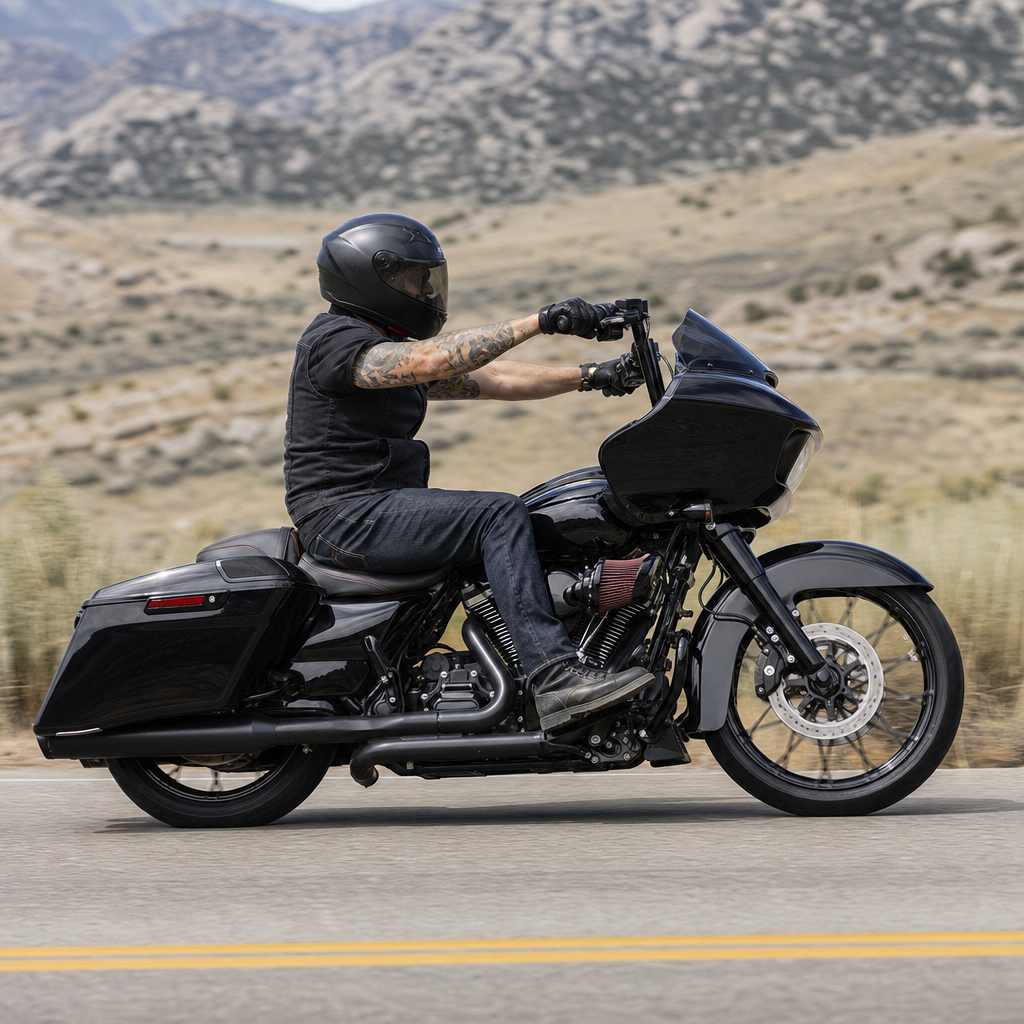
The 2026 Mid-Atlantic BDR is shaping up as one of the most rider-friendly yet technically honest versions of the route, with refined main tracks, better documented alternates, and renewed attention on the Hite Hollow ALT Harder section for riders who want a sharper challenge. For adventure motorcyclists, BDR means Backcountry Discovery Route: a mapped dual-sport and ADV ride that strings together public dirt roads, forest tracks, mountain passes, and connecting pavement across a region. Technical prep, in this context, means more than packing tools. It includes bike setup, navigation planning, fuel range validation, suspension tuning, tire choice, weather strategy, and the judgment to match rider skill to route difficulty. That matters because the Mid-Atlantic BDR sits in a deceptively complex zone. On paper, its elevations are modest compared with western routes, but in practice I have found the route demands disciplined line choice, wet-surface management, and careful risk control. The surface mix can shift from graded gravel to baby-head rock, slick clay, rutted forest two-track, and water bars in the same day. Add Appalachian weather, tree cover, remote stretches with inconsistent cell service, and a heavily loaded ADV bike, and small mistakes compound quickly. As a hub for 2026 and 2027 planning, this guide explains what changed, what riders should prepare for, and how to use the route intelligently whether you ride a lightweight dual-sport, a middleweight ADV machine, or a fully loaded large-bore travel bike.
What the 2026 Mid-Atlantic BDR update means for riders
The biggest practical change in the 2026 Mid-Atlantic BDR update is refinement rather than reinvention. In route development, refinement usually means problem sections have been re-evaluated for erosion, closures, drainage damage, private land sensitivity, seasonal maintenance, and ride quality. Riders benefit because a refined track typically flows better, reduces ambiguous navigation points, and removes connectors that added miles without improving scenery or challenge. That does not mean easier across the board. In many BDR revisions, the main route becomes more consistently representative of the region, while optional hard sections are clarified so riders can make informed choices instead of stumbling into terrain beyond their margin.
That distinction is especially important with Hite Hollow ALT Harder. Optional hard sections exist to preserve route accessibility while still serving experienced riders. When they are well documented, they improve safety because groups can decide in advance whether to attempt them, where to regroup, and when to bypass. I have seen this change trip outcomes dramatically. A group on 250s may treat a rocky climb as a fun challenge. The same climb on 500-pound bikes with camping gear after a day of rain can become a repeated tip-over zone that burns daylight, energy, and clutch plates. The 2026 revisions should be read as a signal: expect better route curation, not lower consequences.
For 2027 planning, the same principle applies. Riders should assume the published GPX is current only for the season in which it is issued. Forest Service detours, storm cleanup, and gate changes can alter route reality faster than many riders expect. Good technical prep therefore starts with version control. Save the latest GPX, read official change notes, compare with recent rider reports, and mark bailout pavement, fuel, lodging, and emergency extraction points before departure.
Understanding route difficulty by bike class, load, and conditions
One of the most common planning errors is treating route difficulty as fixed. It is not. The Mid-Atlantic BDR can feel moderate on a 320-pound dual-sport with aggressive tires and soft luggage, but demanding on a 550-pound adventure bike carrying aluminum panniers, extra fuel, and camping gear. Weight changes braking distance, low-speed balance, rut recovery, and rider fatigue. Wheel size matters too. A 21-inch front generally tracks through loose rock and rain-cut channels better than a 19-inch front, especially when tire pressure and carcass stiffness are matched to the terrain.
Conditions amplify those differences. Appalachian gravel often rides fast when dry and marbly when recently graded. Clay-based sections can turn slick enough to defeat electronics and premium tires alike. Shallow water crossings may be trivial in summer and axle-deep after storms. Leaf cover in fall can hide embedded rock, roots, and drainage edges. In practical terms, route ratings should always be read with three filters: your bike, your load, and the week’s weather. Riders planning 2026 and 2027 trips should build a margin for all three, not just average conditions.
| Factor | Lower-risk setup | Higher-risk setup | Why it matters on the MABDR |
|---|---|---|---|
| Bike weight | 300 to 430 pounds ready to ride | 500 plus pounds loaded | Heavier bikes magnify fatigue, clutch heat, and recovery difficulty in rocks and ruts |
| Tires | 50/50 to aggressive ADV knobbies | Street-biased adventure tires | Wet gravel, clay, and loose climbs demand lateral bite and braking traction |
| Luggage | Soft luggage, compact load | Wide hard panniers, top-heavy packing | Width affects dab room; high weight hurts balance and slow-speed control |
| Weather | Dry, stable forecast | Recent rain or active storms | Water crossings rise, climbs slick over, and recovery time increases sharply |
| Skill level | Regular off-pavement practice | Mainly road miles with occasional gravel | Line choice, momentum control, and vision are decisive on technical alternates |
Hite Hollow ALT Harder: what makes it harder
Hite Hollow ALT Harder deserves specific attention because the word harder means different things to different riders. Here, harder usually points to a mix of steeper grades, rougher embedded rock, looser baby-head sections, possible erosion channels, tighter line choice, and less room to recover momentum if you stall or get cross-rutted. It is not simply a matter of bravery. The section rewards basic off-road fundamentals executed consistently: eyes up, loose upper body, steady throttle, weight transfer, and a willingness to commit to a line without overcorrecting.
On the ground, the challenge often comes from sequencing rather than one dramatic obstacle. Riders may clear the first rocky pitch, then lose focus in a churned exit, or dab in a rut and stop where restarting is hardest. Big ADV bikes suffer most when the rider alternates between too much speed and too much hesitation. In Hite Hollow style terrain, smooth torque delivery matters more than peak power. That is why traction-oriented ride modes, reduced rear preload only when appropriate for grip, and carefully chosen tire pressures can make a bigger difference than bolt-on accessories.
If you are deciding whether to attempt the alternate, ask direct questions. Can you routinely climb loose, rocky grades while standing? Can you turn the bike around on a narrow slope if needed? Can your group recover a dropped loaded bike repeatedly without overheating riders or machine? If the honest answer is no, bypassing is smart route management, not failure. Optional hard sections are there to be selected deliberately, not to prove a point.
Bike setup that actually changes outcomes
After years of watching riders struggle for avoidable reasons, I am convinced that setup errors cause more trouble on the Mid-Atlantic BDR than lack of horsepower. Tires are first. For this route, tread blocks with real edge bite outperform vague all-rounders when surfaces turn wet or rocky. Common successful choices in the category include Dunlop Trailmax Raid, Motoz Tractionator Adventure, Mitas Enduro Trail XT+, Michelin Anakee Wild, and more dirt-biased dual-sport options on lighter machines. No tire fixes bad technique, but the wrong tire absolutely narrows your margin.
Suspension is next. Sag should be set for your actual travel load, not an unloaded showroom baseline. Too much rear sag unloads the front, widens turns, and reduces steering precision in loose climbs. Too little compliance causes deflection on embedded rock and washboard. Hand controls matter as well. Position levers for standing, not seated commuting. A brake pedal set too low for boots costs confidence quickly on descents. Protection should be selective and functional: skid plate, hand guards with a proper backbone, radiator or vulnerable side protection where relevant, and folding mirrors or compact replacements. Over-armoring a bike with heavy accessories can be counterproductive if it raises weight and width.
Luggage discipline is a major advantage. Keep dense items low and central. Tools, tubes, pump, and water should not all ride high in a tail bag. Hard panniers look tidy on a packing list but punish mistakes in technical terrain and can trap a leg in a low-speed fall. Soft luggage is usually the better BDR choice. Fuel range should be validated, not assumed from brochure economy. A machine that returns 50 mpg on pavement may drop well below that in first and second gear climbs with a loaded bike.
Navigation, communications, and recovery planning
Reliable navigation for the Mid-Atlantic BDR requires redundancy. A primary device such as a Garmin Zumo XT2, Montana, Tread, or ruggedized phone running Gaia GPS, onX Offroad, or OsmAnd should be backed by offline maps and a secondary power source. I prefer loading the official GPX, then creating separate waypoints for fuel, lodging, probable lunch stops, extraction roads, and known bypasses. That sounds obsessive until weather or fatigue force a change late in the day. At that point, a prebuilt decision map is worth far more than improvisation.
Communication planning is equally important because cellular coverage can disappear in hollows and forested ridgelines. A satellite communicator such as Garmin inReach or ZOLEO is a serious safety tool, not an expedition luxury. Set check-in expectations with someone at home, and make sure your group agrees on simple protocols: nobody advances out of sight at major intersections, the lead stops when dust or terrain splits the group, and everyone knows who carries first-aid gear, tire repair, and the master tool kit. Recovery plans should cover punctures, dead batteries, bent controls, and overheating. For tubeless bikes, a quality plug kit and mini compressor solve many problems. For tubes, carry front and rear spares or know your emergency fitment options.
Seasonal timing, weather windows, and realistic daily mileage
The Mid-Atlantic riding season rewards timing. Spring can deliver lush scenery and cool temperatures, but also runoff, storm damage, and soft surfaces. Summer offers longer daylight yet brings humidity, thunderstorms, and rider dehydration that sneaks up under mesh gear. Fall is often ideal for traction and temperature, though leaf cover can conceal hazards and hunting seasons may alter the feel of remote areas. The best technical prep is matching your trip window to your group’s tolerance for uncertainty. If your riders are newer off pavement, prioritize a stable forecast over a fixed vacation date.
Daily mileage should be conservative on any BDR with mixed surfaces and optional hard sections. Riders accustomed to 300-mile pavement days often underestimate how slow a technical 120 to 180 miles can feel once photo stops, gates, fuel detours, navigation checks, and bike pickups are included. If Hite Hollow ALT Harder is on the plan, reduce the day’s total further. Hard terrain consumes time nonlinearly. A single difficult mile can take longer than ten easy gravel miles, especially if one rider struggles and the whole group assists. Build in margin for weather, mechanicals, and simple enjoyment; otherwise the route becomes a checklist instead of a ride.
2026 and 2027 prep checklist for this subtopic hub
As the hub for ADV and BDR technical prep plus 2026 and 2027 updates, this page should guide your next steps clearly. First, confirm the latest Mid-Atlantic BDR GPX and change notes. Second, assess your bike honestly for tires, fuel range, protection, luggage, and suspension sag under load. Third, decide in advance whether your group will attempt Hite Hollow ALT Harder based on demonstrated skill, not optimism. Fourth, build navigation redundancy, communication backups, and a mechanical recovery kit sized to your bike type. Fifth, plan around weather and shorten daily mileage targets if conditions are wet or the route includes technical alternates.
The benefit of doing this work is simple: the refined 2026 Mid-Atlantic BDR becomes more enjoyable, safer, and more repeatable when you ride it with the right expectations. The route is not defined by one obstacle or one update. It is defined by how well your machine, your judgment, and your group match the terrain in front of you. Use this hub as the starting point for every linked planning article in the series, update your prep before the 2027 season, and ride the Mid-Atlantic BDR with a margin you can trust.
Frequently Asked Questions
What is new about the 2026 Mid-Atlantic BDR compared with earlier versions?
The 2026 Mid-Atlantic BDR is notable because it appears to balance accessibility and challenge more effectively than previous iterations. The main route is being described as more refined, which generally means cleaner navigation, better continuity between dirt sections, improved surface notes, and fewer surprises that come from outdated assumptions about road conditions or seasonal changes. For riders, that translates into a route that feels more intentional: public gravel roads, forest tracks, mountain connectors, and pavement transitions are better integrated, so the ride flows more naturally across the region.
Another important update is the stronger emphasis on documented alternates. That matters because Mid-Atlantic conditions can vary dramatically due to weather, forestry work, washouts, gate closures, and traffic on popular dual-sport corridors. Better documented alternates help riders make smart decisions without feeling like they are abandoning the spirit of the BDR. In practical terms, the 2026 version should make route planning easier for a wider range of riders, from newer ADV owners seeking a credible first Backcountry Discovery Route to experienced riders who want a polished route with optional technical spice.
The other headline change is renewed attention on the Hite Hollow ALT Harder section. Rather than treating difficult terrain as an afterthought, the 2026 route context makes that harder option part of the conversation from the start. That gives riders clearer expectations: the main track remains rider-friendly and broadly achievable, while the harder alternate exists for those who deliberately want more technical riding. It is a smart evolution because it preserves the BDR’s inclusive appeal without diluting the challenge that many adventure riders actively seek.
How difficult is the 2026 Mid-Atlantic BDR, and who is it best suited for?
Overall, the 2026 Mid-Atlantic BDR sounds like a strong fit for intermediate adventure riders, but the route should still be enjoyable for confident newer riders who prepare properly and ride within their limits. One of the strengths of a refined BDR is that difficulty is not measured only by steep climbs or deep mud; it is also shaped by route clarity, the predictability of terrain transitions, and the availability of alternate lines. A better organized main track can feel much less intimidating even when it still includes loose gravel, ruts, slick forest roads, water management features, and elevation changes.
For riders on larger ADV motorcycles, the main route will likely be the default choice because it offers the classic BDR mix of scenic dirt and manageable technicality. On a loaded middleweight or full-size adventure bike, even modest terrain can become demanding if surfaces are wet or if the rider is fatigued late in the day. That is why the phrase “technically honest” matters here. It suggests the route is not pretending to be easier than it is. Riders should still expect real dual-sport conditions, changing traction, remote segments, and the need for steady bike handling skills.
For more experienced riders, the inclusion of better alternates, especially the Hite Hollow ALT Harder option, makes the 2026 route more attractive because it allows them to raise the difficulty selectively. That flexibility is one of the route’s best features. A skilled rider can enjoy the scenic rhythm of the main track and then opt into a tougher section when conditions, energy, and bike setup are right. In short, the route is best suited for riders who appreciate a well-mapped backcountry experience but still respect that “rider-friendly” does not mean easy in every circumstance.
What should riders know about the Hite Hollow ALT Harder section before attempting it?
The Hite Hollow ALT Harder section is the part of the 2026 Mid-Atlantic BDR most likely to attract riders looking for a sharper technical challenge, and it deserves serious respect. “Harder” in BDR language usually means more than just rougher scenery. It can involve steeper grades, looser rock, deeper erosion, tighter line choice, larger embedded obstacles, more commitment on climbs or descents, and less margin for error on heavier motorcycles. That does not automatically make it extreme, but it does mean riders should treat it as a deliberate technical option rather than a casual detour.
Bike size, luggage load, tire choice, and weather all matter here. A section that feels entertaining on a lightly packed dual-sport with aggressive tires can become significantly more demanding on a fully loaded ADV bike with 50/50 tires, especially after rain. Riders should evaluate traction conditions honestly before dropping into any tougher alternate. If the route is wet, rutted, or churned up, the difficulty can increase quickly. A smart approach is to stop, assess, and decide as a group whether everyone has the skill, stamina, and machine setup to continue comfortably.
It is also wise to think beyond pure riding ability. Harder alternates require better recovery planning if something goes wrong. Riders should be prepared for slower average speeds, more physical effort, and a greater chance of needing to pick up a dropped bike or spot one another through difficult lines. Good crash protection, solid boots, hydration, and basic trail repair gear become more important on sections like this. The Hite Hollow ALT Harder route is best approached as a rewarding bonus challenge for prepared riders, not as a mandatory test of commitment.
How should riders prepare their motorcycle and gear for the 2026 Mid-Atlantic BDR?
Preparation for the 2026 Mid-Atlantic BDR should start with the assumption that the route, even in its more refined form, is still a real backcountry ride. At minimum, riders should inspect tires, brakes, chain or final drive condition, wheel bearings, suspension, battery health, and fluid levels before departure. Tire choice is especially important on a Mid-Atlantic route because surfaces can change rapidly between packed gravel, broken rock, damp forest soil, and paved connectors. Many riders can complete the route on versatile 50/50 tires, but anyone considering tougher alternates like Hite Hollow ALT Harder should strongly consider more aggressive rubber if conditions warrant it.
Luggage discipline also matters. One of the most common mistakes on BDR-style rides is carrying too much weight too high on the bike. A refined route may reduce navigational stress, but it does not cancel out the handling penalties of overpacking. Keep tools practical, carry weather layers, pack enough hydration and food for delays, and secure luggage so it does not shift on rough terrain. Protective equipment should reflect the possibility of low-speed falls on uneven ground: sturdy ADV or off-road boots, impact protection, gloves suited to variable weather, and eye protection for dust, rain, and branches are all worthwhile.
Navigation and communications deserve equal attention. Riders should carry the route in a reliable GPS or navigation app, with offline access and backup power. Because alternates are a bigger part of the 2026 conversation, being able to identify, compare, and reroute confidently is more important than ever. A paper overview map is still a smart backup. If riding with others, establish fuel range, regroup points, and check-in procedures before starting each day. The best-prepared riders are not necessarily the ones with the most gear; they are the ones who have thought through how terrain, weather, distance, and bike setup interact on a multi-day backcountry route.
Why are refined main tracks and better documented alternates such a big deal on a BDR route?
They matter because they improve both safety and ride quality without reducing the route’s legitimacy. A Backcountry Discovery Route is at its best when it gives riders a coherent, scenic, and engaging path through a region while still allowing for changing conditions on the ground. Refined main tracks reduce confusion, eliminate awkward or outdated transitions, and help riders stay focused on the ride itself instead of constantly second-guessing navigation. That is especially valuable on multi-day trips, where fatigue, weather, and time pressure can turn small route uncertainties into bigger problems.
Better documented alternates are equally important because they give riders options without forcing improvisation. In the Mid-Atlantic, conditions can shift fast. A storm, a closure, or a deteriorated road can make a planned segment unwise or simply less enjoyable. When alternates are clearly described and intentionally included, riders can adapt while staying within the designed experience of the route. That preserves momentum and confidence, particularly for mixed-skill groups where not everyone wants the same level of challenge at every moment.
From a broader standpoint, this is also why the 2026 Mid-Atlantic BDR feels significant. It is not just about making the route easier or harder. It is about making it more transparent. Riders can understand what the main track is intended to deliver, what an alternate adds, and where a section like Hite Hollow ALT Harder fits into the overall experience. That kind of clarity is valuable for trip planning, gear selection, daily mileage expectations, and group decision-making. In other words, refined tracks and well-documented alternates are what turn a good route into a dependable adventure resource.