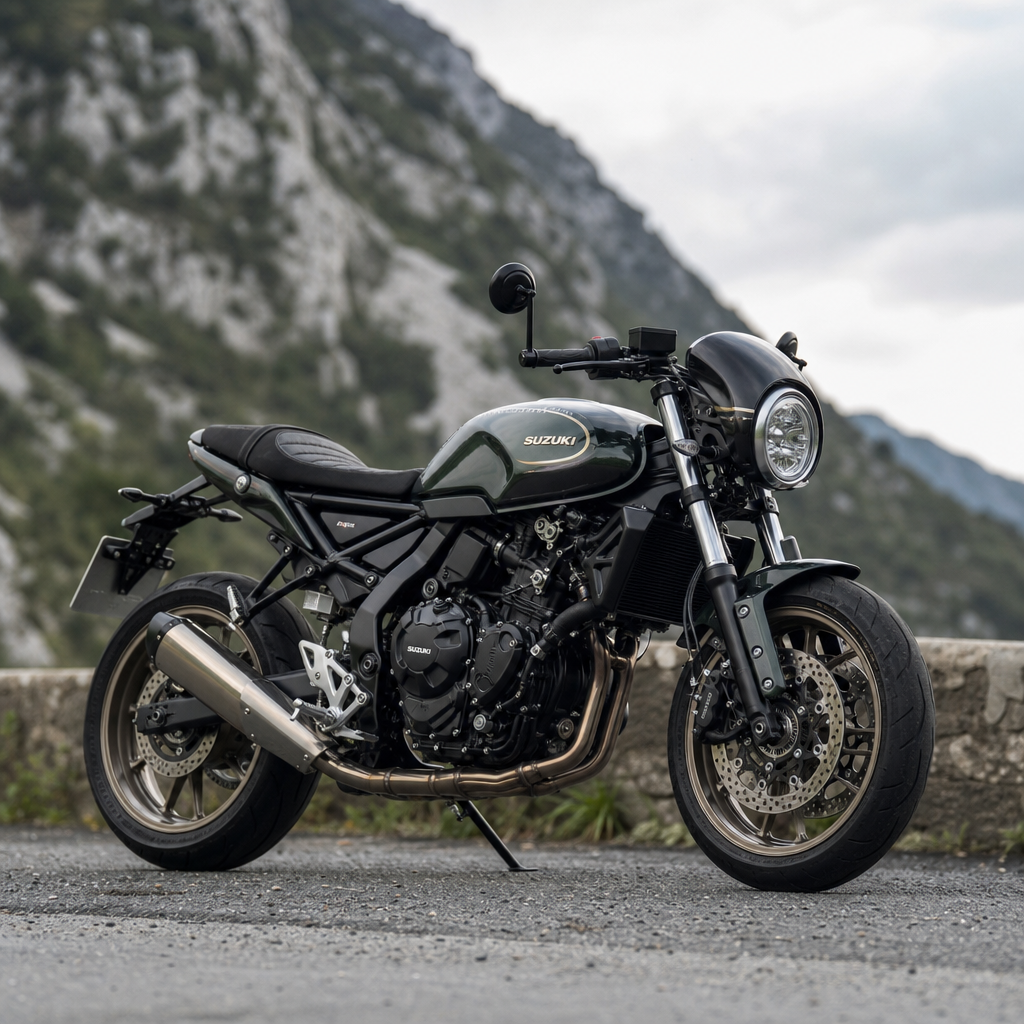
Lone solo ADV travel in the 2026 backcountry demands more than confidence on a loaded motorcycle; it requires disciplined technical prep, conservative route judgment, and survival skills built for delayed rescue, unstable weather, and increasingly digital logistics. In this context, ADV means adventure motorcycling on mixed surfaces, while BDR refers to Backcountry Discovery Routes, the mapped off-highway routes that guide riders through remote regions across the United States. A hub article on ADV/BDR technical prep and 2026/2027 updates must connect riding technique, bike setup, navigation, communication, and field survival because failure in any one area can escalate quickly when you are alone. I have seen simple problems like a pinched tube, a dead phone, or one wrong fuel assumption turn into overnight survival situations. That is why lone solo ADV planning matters now more than ever: route demand is rising, seasonal closures are changing faster, wildfire impacts are reshaping western travel, and newer motorcycles add useful electronics without removing the need for hard skills. Riders entering the 2026 season need a complete system, not a packing list.
The modern backcountry rider also has to think beyond the ride itself. Travel windows are tighter in snow-prone mountain states, land-management alerts can change a route mid-trip, and emergency response in many BDR regions still depends on self-reporting through satellite devices rather than fast cellular coverage. Solo travel increases consequences because there is no partner to share tools, lift the bike, validate navigation choices, or assist after injury. The essential survival question is straightforward: if the motorcycle stops moving, can you still stay found, stay warm, stay hydrated, and get yourself or rescuers to the right place? Every serious preparation decision should answer that question. This article serves as the hub for the entire ADV/BDR technical prep and 2026/2027 updates topic by outlining the core skills, systems, and route-era changes that matter most before you drill into bike-specific setup, tire selection, luggage strategy, recovery methods, or regional ride planning.
Build the bike around survival, not vanity
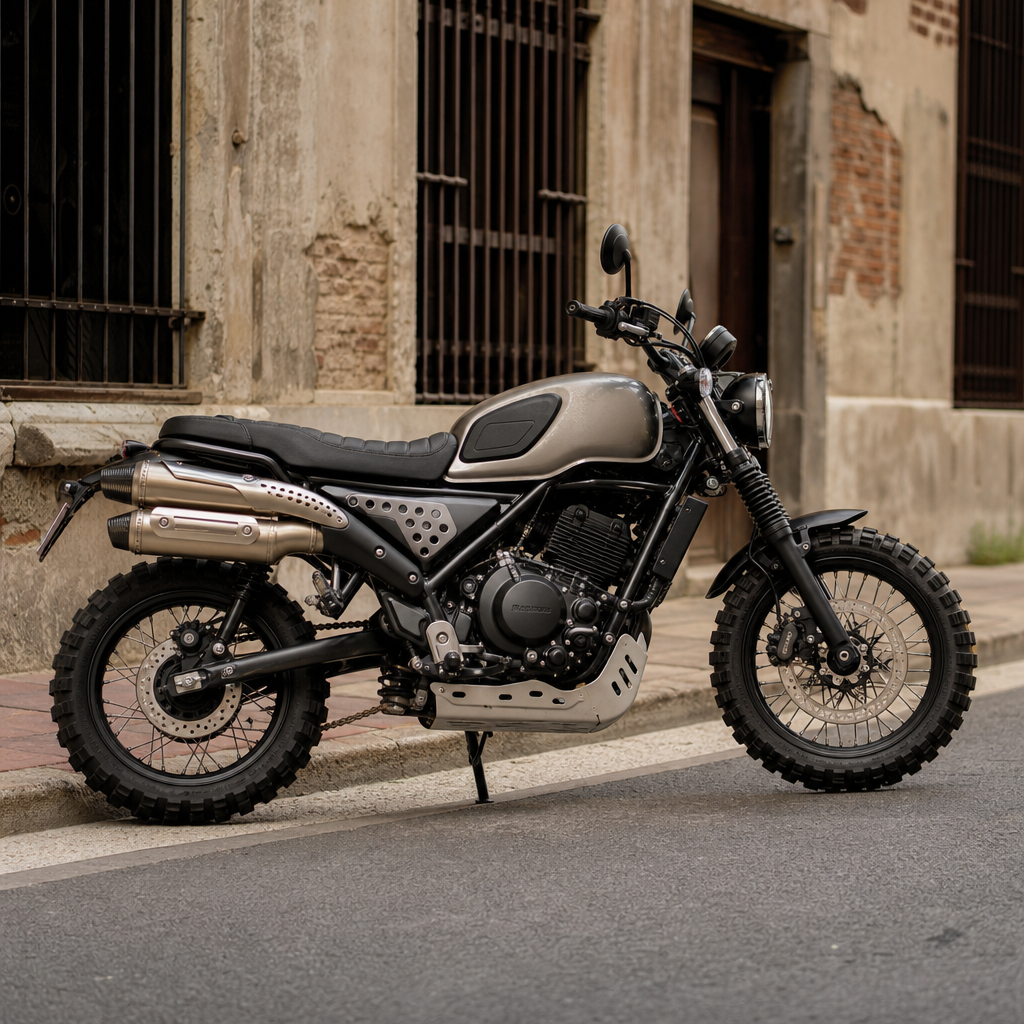
A solo ADV motorcycle should be configured for fault tolerance. That starts with protection and serviceability, not accessory volume. Prioritize a real skid plate, wraparound hand guards, radiator protection where applicable, folding mirrors, case savers, and luggage that does not trap a leg in a low-speed crash. Hard panniers still have a place for mixed travel, but in technical backcountry terrain I consistently favor soft luggage because it is lighter, more crash-friendly, and easier to compress when carrying only what you need. Weight placement matters more than total carrying capacity. Keep dense items low and central: tools, tubes, water, and spares should sit near the bike’s center of gravity rather than high in a tail duffel.
Mechanical readiness should follow a documented baseline before every BDR-class trip. Replace questionable wheel bearings, brake pads below half life, aging chains, and bent levers before departure. Torque critical fasteners, inspect spokes, confirm charging output with a multimeter, and test the battery under load if it is older than three years. Tubed bikes need fresh heavy-duty tubes if current ones are old or patched repeatedly; tubeless bikes need plugs, insertion tools, valve cores, and a compressor that you have actually used on your wheels. For 2026 travel, electronic rider aids are common on middleweight and large ADV bikes, but traction control and cornering ABS do not reduce stopping distance on loose descents the way many new riders assume. Learn how your bike behaves with ABS on, front-only active, and both channels disabled if your model allows it.
Suspension setup deserves special attention because overloaded or undersprung bikes cause crashes and fatigue. Set rider sag with luggage on the bike, then ride a rough local loop and adjust rebound so the chassis settles without pogoing. A bike that wallows in embedded rock or deflects sharply off washboard will punish line choice all day. If you cannot loft the front wheel over a rain rut or stop confidently on loose off-camber surfaces, do not add more gear until the setup is fixed. Preparedness in the backcountry begins in the garage.
Master the survival systems: water, shelter, heat, signaling
When I evaluate a solo kit, I divide it into four survival systems: hydration, shelter, thermal control, and rescue signaling. Water is first because dehydration degrades judgment long before it feels dramatic. In high desert and summer mountain conditions, many riders underestimate sweat loss inside armored gear. Carry a drinking reserve separate from your routine hydration bladder so a puncture or forgotten refill does not eliminate your contingency margin. A practical baseline is enough on-bike water to handle an unplanned overnight plus the next morning’s movement to a known source. Water treatment should be redundant but compact: a squeeze filter such as a Sawyer Squeeze or Katadyn BeFree handles most clear sources, while purification tablets cover silty water, freezing-risk damage, or filter failure.
Shelter does not need to mean a full camping setup on every day ride, but it does need to preserve life if weather or injury forces a stop. At minimum, carry an emergency bivy or heat-reflective shelter that you have opened before, not a foil packet you hope will work in wind. Add a puffy layer, waterproof shell, dry gloves, and a way to create insulation from the ground, even if that means a trimmed foam sit pad. Heat loss in shoulder seasons is a real risk at elevation because many BDR segments jump from warm valleys to cold passes within an hour. A rider who crashes into a creek at 9,000 feet can become hypothermic in temperatures far above freezing once wet and immobile.
Signaling and emergency communication are now nonnegotiable for lone solo ADV riding. A satellite messenger such as a Garmin inReach or ZOLEO should be considered core safety equipment, not an optional gadget. Set message presets before the trip, share your track with a trusted contact, and understand your device’s SOS workflow. Newer satellite-enabled phones are useful supplements, but they should not replace a dedicated communicator because battery management, interface simplicity, and breadcrumb tracking still matter in real incidents. Visibility tools also belong in this category. A compact headlamp, high-visibility panel, whistle, and the ability to mark your position precisely on a map can save hours during a search.
Navigation in 2026: digital first, paper backed
Backcountry navigation has improved, but it has also become easier to overtrust. The strongest 2026 setup uses layered redundancy: a primary GPS app, an offline backup app on a second device if possible, and paper maps or printed route segments for strategic overview. For BDR travel, many riders now combine dedicated route files with apps such as Gaia GPS, onX Offroad, CalTopo, or OsmAnd. Each has strengths. Gaia offers robust track management and layering, onX Offroad excels in many trail and access contexts, CalTopo is outstanding for terrain interpretation and planning, and OsmAnd remains valuable offline with flexible map data. The best tool is the one you can operate quickly when tired, wet, or stressed.
In practice, survival-oriented navigation means knowing more than where the purple line goes. You need bailout points, fuel intervals, water opportunities, medical access points, and weather-sensitive choke points. Mark river crossings, passes above tree line, and long no-fuel stretches before departure. I always create decision points in the route: if average speed drops below a certain threshold by midafternoon, I already know where I will exit rather than forcing miles after dark. This matters because many solo incidents begin with a small schedule slip that turns into rushed riding, poor line choice, and an unnecessary crash.
| Prep area | Best practice for 2026 | Why it matters solo |
|---|---|---|
| Primary navigation | Offline GPS app with verified route files | Prevents signal-dependent failures |
| Backup navigation | Second device or printed maps | Protects against crashes, dead batteries, and app errors |
| Emergency comms | Dedicated satellite messenger | Enables SOS and location sharing beyond cell range |
| Route intelligence | Pre-mark fuel, bailouts, closures, water | Reduces rushed decisions and night riding |
| Power management | Hardwired charging plus battery bank | Keeps nav and comms alive after bike issues |
The 2026/2027 update angle is important here. Land-use data, fire closures, and seasonal restrictions are being updated faster and distributed across more channels than riders used even a few years ago. Do not rely solely on a route file downloaded in winter for a late-summer ride. Check BDR organization updates, National Forest and BLM notices, state transportation alerts for connector roads, and local ranger district information. If a route crosses tribal, private, or permit-sensitive areas, verify access directly. Digital convenience has not eliminated the need for direct confirmation.
Field repairs and recovery skills that actually matter
The most valuable repair skill in the backcountry is not advanced engine work; it is the ability to solve the failures that stop rides most often. Those include punctures, bent controls, broken chains, electrical connection issues, clogged filters, loose fasteners, drowned bikes, and dead batteries. Your tool kit should match your motorcycle fastener sizes exactly. Aftermarket tools are often lighter, but only if they fit and can access buried bolts. Test every tool during routine service at home. If you cannot remove your front axle, bodywork needed for battery access, or rear wheel with your travel kit, the kit is incomplete.
Practice tire work until it stops being a garage drama. On tubed bikes, know how to break the bead trailside, patch a tube, replace a valve core, and inspect the tire carcass for thorns, cords, or rim-strip problems. On tubeless bikes, practice using bacon-strip plugs and understand their limit: large sidewall cuts usually need an internal patch or a tube conversion to limp out. Carry a compact pump that can seat your tire well enough to ride. Recovery skills matter just as much. Learn safe solo bike lifting methods, including turning the bike downhill if terrain allows, unloading luggage before lifting, and using the side stand as a pivot when appropriate. A lightweight strap or compact mechanical advantage kit can turn an impossible extraction into a slow, workable one.
Water crossings remain a common incident point on BDR-style routes. The survival rule is simple: if you cannot assess depth, bottom composition, exit angle, and current, do not ride in just because the track says so. Walk it when safe. If you drown the bike, do not keep cranking blindly. Follow your model’s basic water-ingestion recovery logic, especially on fuel-injected bikes with sensitive electronics. In many solo scenarios, the best skill is the willingness to turn around before the repair becomes a rescue.
Riding strategy, risk management, and 2026/2027 route realities
Backcountry survival is mostly a decision-making discipline. Ride at a pace that leaves capacity for surprises, because there will be surprises: marbles over hardpack after a grader pass, snow shadow ice in June, hidden square-edge hits, cattle guards on blind corners, and reroutes that dump a fully loaded bike into terrain better suited to a lighter dual sport. Solo riders should adopt a stricter margin than groups. If a climb or descent feels close to your limit early in the day, it is over your limit late in the day with fatigue, heat, and a navigational mistake layered on top.
The 2026 and 2027 landscape is shaped by three practical changes. First, wildfire burn scars and post-fire flooding continue to alter western routes, creating debris fields, washouts, and temporary closures long after flames are gone. Second, shoulder-season unpredictability is increasing in mountain states, with snowpack and monsoon patterns complicating what used to be reliable travel windows. Third, route popularity is drawing more regulation, more dispersed-camping pressure, and more scrutiny of rider behavior. That means stricter adherence to legal travel corridors, better camp discipline, and less tolerance for bypass creation or mud damage. Riders who want continued access should treat stewardship as part of technical prep.
For this sub-pillar hub, the most useful mindset is to see every ride as a system of linked decisions: bike setup supports control, control preserves energy, energy preserves judgment, judgment prevents emergencies, and good communication limits the consequences when prevention fails. Build your 2026 solo ADV plan around that chain. Then use the deeper articles in this topic cluster to refine motorcycle selection, luggage and weight distribution, navigation workflows, survival kits, maintenance intervals, and route-by-route BDR timing updates. The riders who enjoy the backcountry consistently are rarely the boldest. They are the most methodical.
Lone solo ADV success in the 2026 backcountry comes down to preparation that still works after the plan breaks. The essential survival skills are clear: configure the motorcycle for reliability and manageable weight, carry layered systems for water, shelter, warmth, and signaling, navigate with redundant offline tools, and practice the repairs and recovery tasks that end real rides. Just as important, manage pace and route choices with humility. Solo travel magnifies every error, but it also rewards disciplined riders with extraordinary range, freedom, and self-reliance.
As the ADV/BDR landscape moves into 2026 and 2027, the biggest update is not a single product or route release. It is the need to integrate changing closures, fire impacts, weather volatility, and digital logistics into every trip plan. Riders who check current land information, maintain accurate tracks, carry dedicated satellite communication, and treat turnaround decisions as a strength will stay safer and travel farther. Those habits also protect access by reducing avoidable rescues and off-route damage. In other words, technical prep is no longer separate from survival or stewardship. It is the foundation of both.
Use this hub as your starting point for every backcountry season. Review your bike, your repair kit, your navigation stack, and your emergency systems before your next route download becomes a real commitment in remote terrain. Then go deeper into the related articles under The Open Road to build a complete solo ADV system for BDR travel, regional timing, packing strategy, and 2026/2027 route updates. Prepare conservatively, ride deliberately, and let skill—not optimism—carry you into the backcountry.
Frequently Asked Questions
What survival skills matter most for lone solo ADV riding in the 2026 backcountry?
The most important survival skills for lone solo ADV travel are not flashy riding techniques or extreme endurance; they are decision-making, self-sufficiency, and the ability to prevent a manageable problem from becoming an emergency. In 2026, backcountry riders are navigating more variable weather, more digital route dependence, and many of the same old realities of remote travel: long gaps between services, weak cell coverage, delayed rescue timelines, and terrain that punishes overconfidence. That means the core skills begin with route judgment. A solo rider should know how to assess whether a section of trail, BDR connector, water crossing, washout, snowfield, or steep descent is genuinely rideable with a loaded motorcycle, not just theoretically passable. Turning around early is often the most advanced survival skill you can have.
Mechanical self-recovery is equally essential. A solo ADV rider should be able to repair a flat tube or tubeless puncture, manage a broken lever, troubleshoot a no-start condition, tighten critical fasteners, improvise a shifter or clutch fix, and recover a bike after a tip-over without burning all of their energy. Just as important is body management. You need to recognize dehydration before it becomes confusion, caloric deficit before it becomes poor judgment, and cold stress before it becomes a dangerous drop in coordination. Shelter skills matter too: knowing how to stay dry, layer correctly, block wind, and make it through an unplanned overnight without a fire can be more valuable than any camping luxury. Navigation remains a survival discipline, not just a convenience. Riders should know how to use GPS tracks, offline maps, route backups, and basic map orientation if a device fails. Finally, communication planning is critical. Satellite messengers, check-in schedules, location sharing, and clear contingency plans for missed contacts are now baseline best practices for anyone traveling truly alone in the backcountry.
How should I prepare my motorcycle and gear for a solo BDR or remote backcountry route?
Preparation for a solo BDR or remote backcountry route starts with one principle: reliability beats accessories. A well-maintained motorcycle with fresh consumables and a loadout you fully understand is far safer than a heavily modified bike packed with gear you have never used in the field. Before departure, focus on the systems most likely to end a ride: tires, tubes or puncture repair setup, chain and sprockets, wheel bearings, battery health, charging output, brake pads, controls, cooling system, air filtration, and all major fasteners. If the route includes extended rock, sand, washboard, or mud, tire selection and tire condition become survival-level concerns, not just performance choices. Fuel range should be measured realistically under loaded backcountry conditions, not estimated from ideal pavement mileage.
Your toolkit should match your motorcycle, not a generic packing list. If you cannot remove both wheels, access the battery, adjust controls, patch a fuel line, or remove body panels with the tools you carry, your tool roll is incomplete. Spare items should focus on probable failures: tubes or plugs, inflation method, fuses, master link, bolts, safety wire, zip ties, tape, a lever or compact backup, and critical bike-specific parts known to fail. On the personal gear side, prioritize layering, waterproofing, hydration capacity, emergency shelter, first-aid capability, lighting, power management, and food that can be eaten quickly under stress. In 2026, digital logistics are part of preparedness as well. Carry offline maps, downloaded GPX files, paper notes for fuel and bailouts, charging redundancy, and at least one navigation backup if your main device fails. Every item should answer a practical question: does this help me keep moving, stay oriented, stay warm, stay hydrated, or get found if I cannot self-recover? If it does not, it may not deserve space on a solo backcountry bike.
What is the safest way to handle navigation and communication when riding alone in remote areas?
The safest approach is to assume that any single device can fail and that no one is coming quickly unless you make your situation understandable to the outside world. Effective solo navigation starts before the ride with route study. Do not rely only on a line on a screen. Learn where fuel stops are, where seasonal closures commonly happen, where weather can change elevation conditions rapidly, and where the route offers sensible exits to pavement or towns. If you are riding a BDR or adjacent backcountry connectors, review current route conditions from official sources, local reports, and land management alerts. Then store your route in multiple formats: a primary GPS or phone app with offline maps, a secondary device if possible, and at minimum a simple written reference for towns, intersections, fuel, and emergency exit points.
Communication planning should be just as deliberate. A satellite communicator is one of the most important pieces of equipment for a lone rider because it bridges the gap between self-reliance and delayed rescue. Set up regular check-ins with a trusted contact, share your intended route and expected overnight locations, and define what “overdue” means before you leave. That contact should know when to wait, when to message, and when to escalate to emergency services. On the trail, keep devices powered, protected from weather and vibration, and easy to access without unpacking your whole bike. If you need help, clear communication matters: send exact injury status, bike condition, terrain challenges, weather concerns, and whether you can shelter in place. Navigation and communication are no longer separate categories in the backcountry. In real emergencies, your route history, shared location, and message clarity may determine how fast rescuers can narrow your position and what type of response they launch.
How do I manage weather, injury, and an unplanned overnight if things go wrong?
When a solo backcountry ride starts to go bad, the rider who slows down and stabilizes the situation usually does better than the rider who rushes into a second mistake. Weather, injury, and an unplanned overnight often stack together, so your first job is to stop the cascade. If the weather turns, reduce exposure immediately. Put on insulation and rain protection before you feel dangerously cold, not after. If you are sweaty from exertion after lifting the bike or pushing through technical terrain, change strategy early because wet clothing and wind can drive your core temperature down quickly even outside winter conditions. If lightning, mud, wildfire smoke, flash-flood risk, or early snow is in play, do not cling to the original plan. The safest move may be to stop, reroute, descend, or retreat.
For injury, begin with an honest assessment. Can you think clearly? Are you bleeding, losing strength, struggling to bear weight, or showing signs of concussion? A rider traveling alone must be brutally conservative because there is no partner to compensate for impaired judgment. Use your first-aid kit to control bleeding, immobilize what you reasonably can, and preserve warmth and hydration. If self-recovery would likely worsen the injury, activate your emergency communication device sooner rather than later. For an unplanned overnight, think in priorities: shelter from wind and precipitation, insulation from the ground, water access or reserves, calories, visibility to rescuers, and battery preservation. A compact emergency bivy, tarp, insulated layer, and headlamp can transform a miserable night into a survivable one. Fire can help in some situations, but it should never be your only warmth plan. The real goal is not comfort; it is maintaining body temperature, mental clarity, and enough energy to make good decisions at first light or while waiting for help.
What mindset helps solo ADV riders stay safe without giving up the adventure?
The safest mindset is a disciplined one: confident enough to act, humble enough to reassess, and practical enough to separate ego from outcome. Solo ADV riding rewards independence, but it punishes pride. Many backcountry problems begin when a rider confuses commitment with competence and keeps pushing because they do not want to “fail” a route, skip a section, or admit that conditions have changed. In reality, the best solo riders are usually the most conservative with risk. They pace themselves, protect energy reserves, and make route choices based on current conditions instead of ambition. They do not wait until they are exhausted, cold, or low on fuel to start solving problems. They solve them early.
This mindset also includes accepting that survival is usually procedural, not heroic. You stay safe by checking weather before and during the ride, eating before you bonk, hydrating before you cramp, stopping before you overheat, layering before you chill, and turning around before the trail traps you. It means treating digital tools as aids, not guarantees; understanding that rescue may be delayed; and building your trip around margins rather than maximums. That does not make the experience less adventurous. It makes the adventure sustainable. A lone rider who returns with energy, insight, and a functioning motorcycle is not someone who played it too safe; that is someone who understood the true nature of backcountry travel. In 2026, the strongest solo ADV strategy is still the same one that has always worked in remote terrain: prepare thoroughly, ride within your limits, and never let momentum overrule judgment.