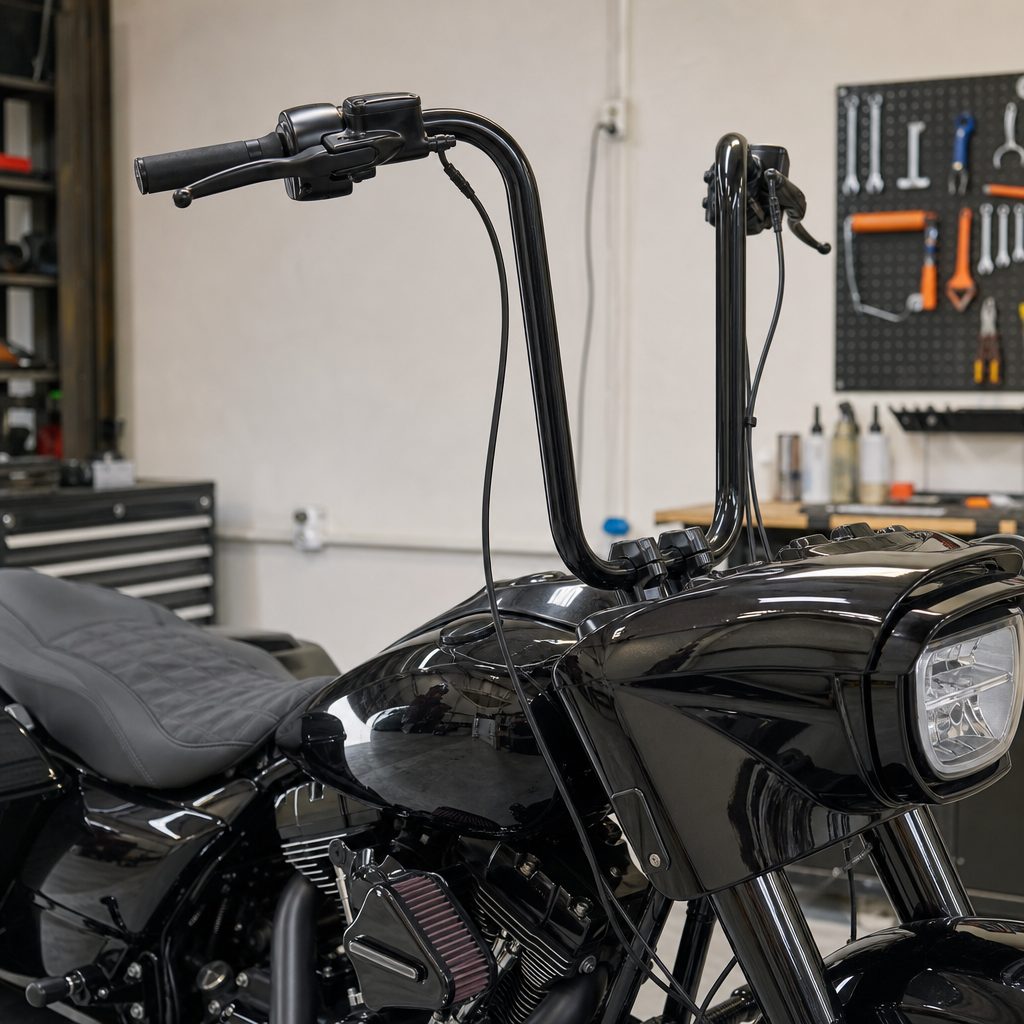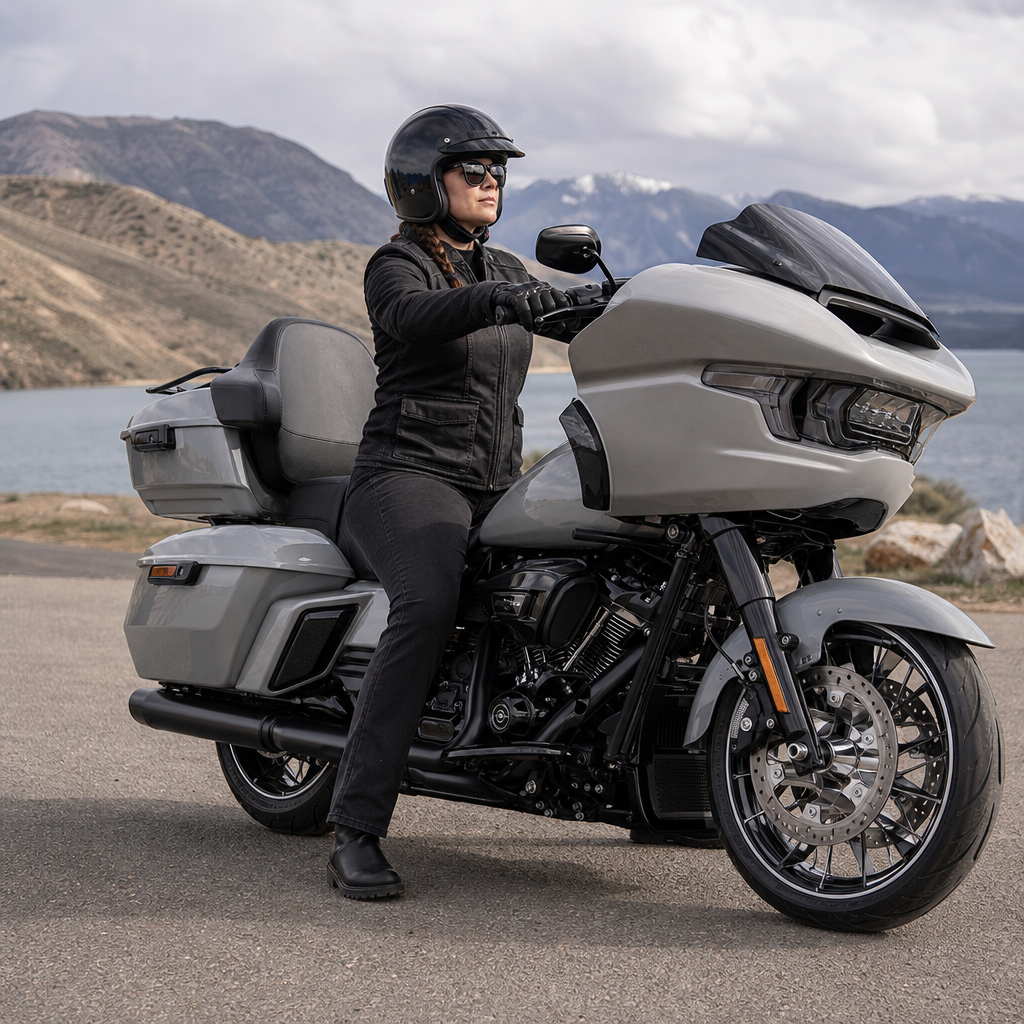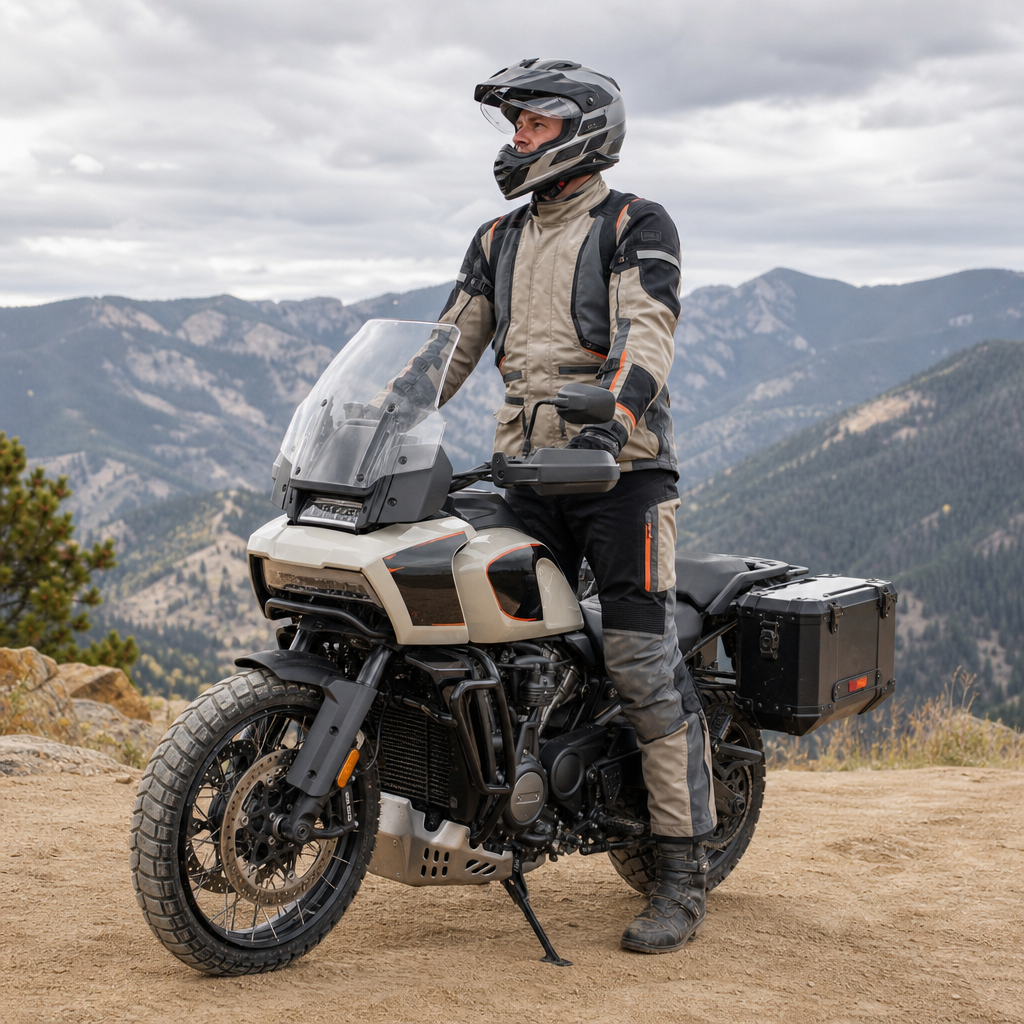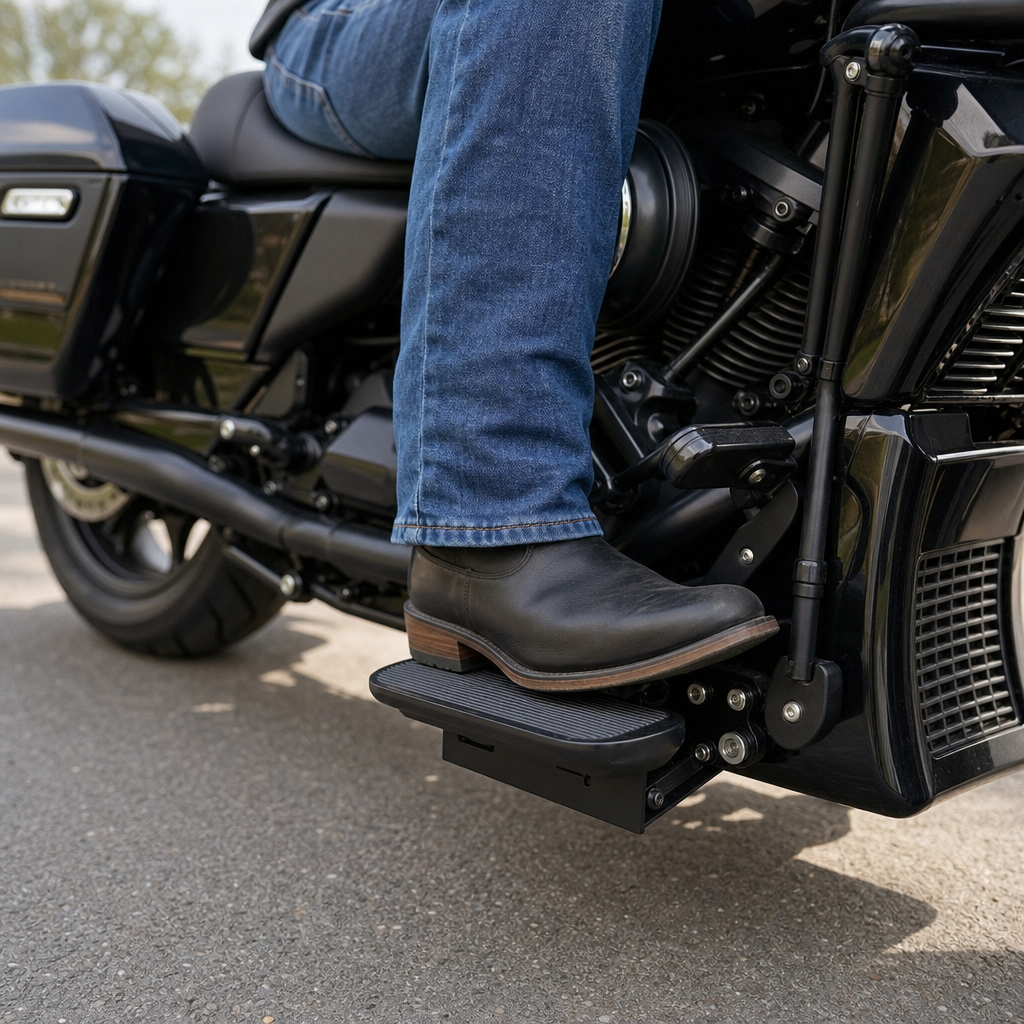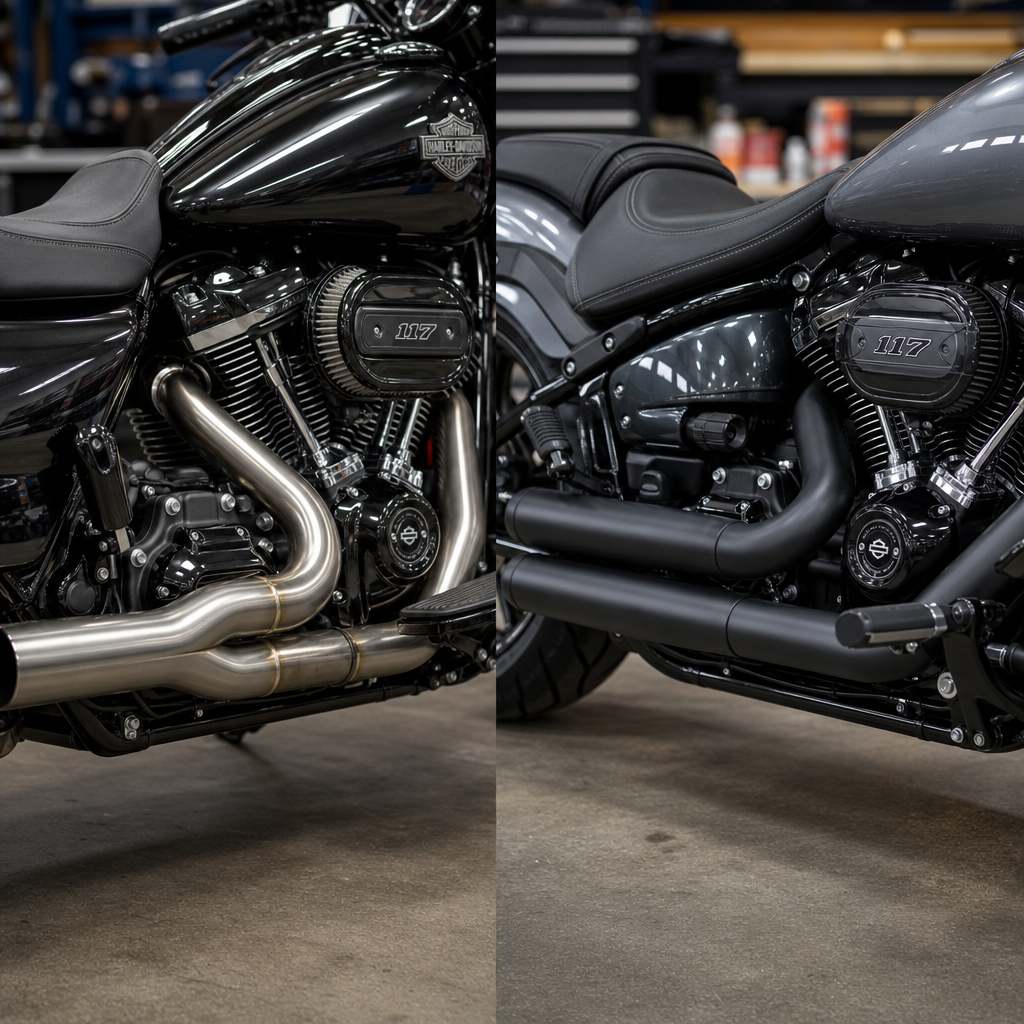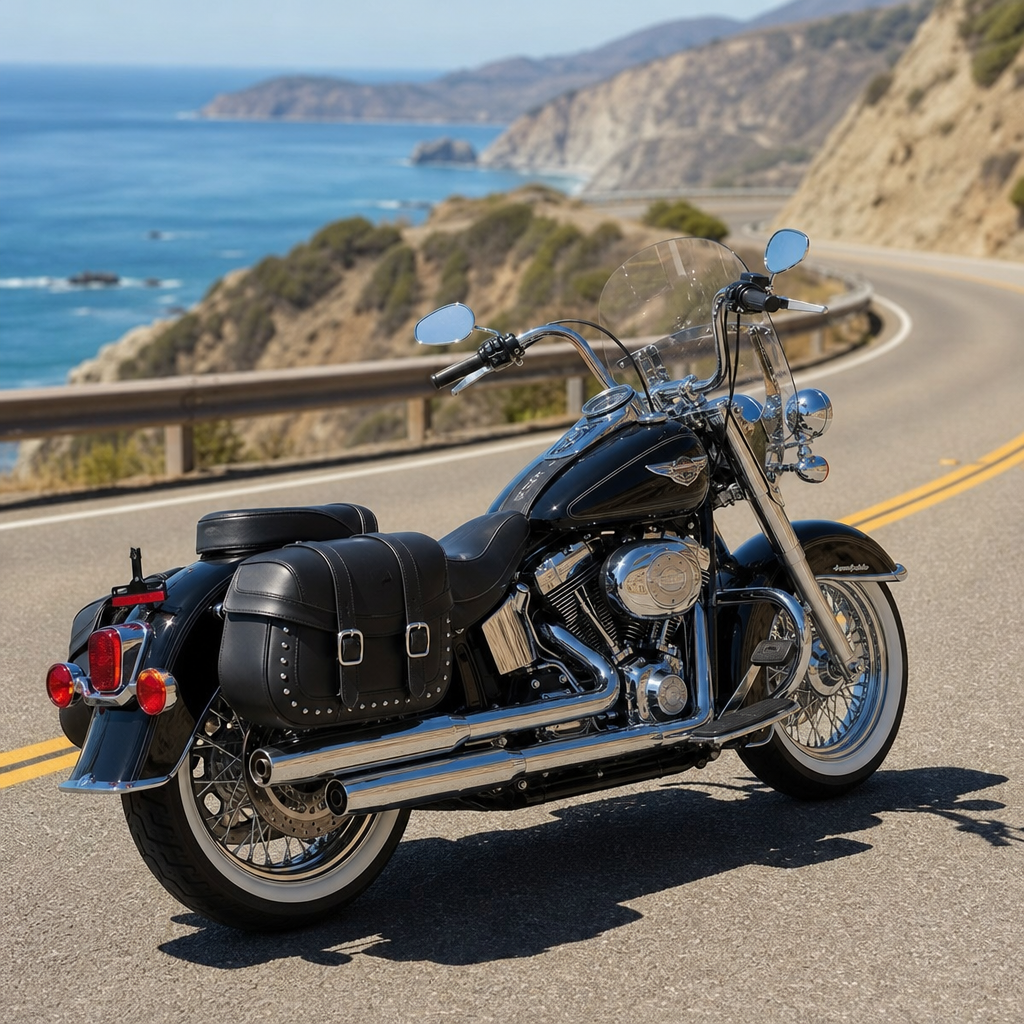
The 2026 Liberty Edition arrives with obvious visual drama, yet the real engineering story sits in the interface between cosmetics and mechanics: Midnight Ember metallic paint durability on a heat-cycling Harley-Davidson V-Twin. In this technical review, that phrase means more than whether the finish looks glossy on delivery day. Durability covers film build consistency, chip resistance, ultraviolet stability, resistance to fuel and cleaner exposure, tolerance for engine heat, adhesion over metal and composite panels, and long-term appearance after vibration, washing, and road debris. Because this model belongs in the Harley-Davidson conversation around V-Twin performance and mechanics, the paint cannot be judged in isolation. It lives on a machine defined by large-displacement cylinders, exhaust pulse, radiant heat, oil circulation, mounting architecture, and rider use patterns. From years of evaluating touring bikes, cruisers, and special editions, I have learned that premium finishes fail for predictable reasons: poor edge coverage near tank seams, clearcoat softening after repeated fuel spills, micro-cracking around stressed mounting points, and accelerated fading on surfaces that run hottest. Midnight Ember matters because dark metallic finishes show defects quickly, and limited-edition buyers expect collector-grade longevity, not merely showroom impact.
For riders researching the Liberty Edition as a special model and for owners comparing it with other Harley-Davidson paint systems, this article serves as a hub for the broader subject of V-Twin performance and mechanics. Understanding paint durability on this motorcycle naturally leads into engine thermal behavior, frame vibration management, fuel-system design, maintenance technique, and accessory installation practices. Those subjects are linked in practice because the same heat that defines air-cooled character also stresses nearby coatings, and the same torque pulses that make a Milwaukee-Eight feel alive can influence panel fasteners, saddlebags, and tank-mounted trim. A reliable review therefore has to answer practical questions directly: How durable is Midnight Ember in normal touring use? What mechanical factors threaten the finish? Which maintenance habits preserve it? How does the Liberty Edition compare with known Harley-Davidson standards for materials and assembly? The short answer is favorable: the finish appears well engineered, but its long-term success depends on heat management, careful fuel handling, correct washing, and realistic expectations about stone-chip exposure on a heavyweight V-Twin ridden the way it was built to be ridden.
Midnight Ember paint system: what the finish is actually doing
Midnight Ember is best understood as a multilayer metallic coating engineered to create depth under variable light while holding color consistency across curved bodywork. On a Harley-Davidson Liberty Edition, that usually means a prepared substrate, corrosion-resistant primer, color basecoat carrying metallic flake, and a clearcoat formulated for gloss retention and environmental resistance. Dark metallic colors are harder to execute than flat solids because orientation of the metallic particles affects how the eye reads the panel. If flake laydown varies between the tank, fenders, and side covers, the color will appear mismatched even when the paint code is identical. The Liberty Edition’s finish succeeds visually because the metallic content appears evenly distributed, with controlled sparkle rather than coarse flake that can cloud the clear layer.
Durability begins with adhesion and film thickness, not shine. A premium finish needs enough primer and clearcoat build to survive polishing, bug removal, and contamination events without exposing the base layer. On motorcycles, edges matter more than on cars. The lip of a front fender, the lower leading area of saddlebags, and the seam region around the fuel tank absorb grit and pressure washing mistakes. In my experience, Harley-Davidson special finishes perform best when clearcoat edge coverage is generous and panel handling during assembly avoids imprinting or tension marks. Midnight Ember appears designed with those lessons in mind. Its visual depth suggests a healthy clear layer, and that matters because UV absorbers and scratch resistance live primarily in the clearcoat chemistry, not in the metallic base itself.
Why V-Twin performance and mechanics determine paint durability
Any technical review of a Harley-Davidson finish has to start with the engine. The defining architecture is a large-displacement V-Twin that generates strong low-end torque, pronounced firing pulses, and significant thermal concentration near the heads, exhaust ports, oil cooling path, and catalytic exhaust components. Those are not defects; they are the design realities that shape ownership. On a Liberty Edition, the paint around the tank, side panels, and rear bodywork is repeatedly exposed to heat soak after shutdown, especially in summer traffic or after long uphill pulls with luggage. Repeated expansion and contraction cycles can stress coatings over years, particularly at mounting holes and along sharp creases where film thickness may taper.
The mechanical layout also influences chemical exposure. Harley-Davidson V-Twins place the rider in close interaction with the fuel tank, air cleaner, and often a warm exhaust route. During refueling, even a small fuel dribble can soften or stain vulnerable clearcoat if left in place. Modern finishes are much better than older lacquer-era systems, but gasoline, ethanol blends, bug removers, and harsh degreasers remain real risks. Vibration adds another variable. Counterbalancing and mounting strategy have improved dramatically on recent Harley-Davidson platforms, yet all big twins transmit enough character that unsecured accessories, belt buckles, and tank pouches become practical paint hazards. In other words, Midnight Ember durability is a mechanical ownership question as much as a cosmetic one.
Heat, vibration, and fuel contact: the three biggest real-world threats
If a buyer asks for the single most useful durability forecast, I answer by ranking the threats. First is heat exposure, especially after repeated slow-speed operation in hot weather. Clearcoat does not suddenly fail from engine warmth, but sustained thermal cycling can accelerate oxidation, dullness, and fine surface checking over many years. Harley-Davidson manages this with material selection, airflow, and in many cases oil-cooling strategies, yet riders who commute in dense urban traffic will always stress finishes more than riders who spend their time at open-road cruise. Second is vibration-related wear. This usually appears not as paint cracking across broad panels but as fretting around fasteners, hardware contact points, badge edges, or accessory brackets installed without isolation washers. Third is fuel contact. One careless overfill repeated a hundred times can do more visible damage than thousands of highway miles.
| Threat | How it affects Midnight Ember paint | Typical Liberty Edition source | Best prevention |
|---|---|---|---|
| Heat cycling | Can reduce gloss over time and stress thin edge areas | Traffic, summer touring, post-shutdown heat soak | Frequent cleaning, covered parking, avoid trapping heat with poor-fit covers |
| Vibration contact | Creates rub marks, fretting, and chip initiation near hardware | Loose accessories, tank bags, badge edges, luggage mounts | Torque checks, protective film, rubber isolation points |
| Fuel or chemical exposure | Can stain, soften, or etch clearcoat if not removed quickly | Overfilling, splash-back, aggressive cleaners | Wipe immediately with clean microfiber and use paint-safe products |
| Road debris | Causes leading-edge chips that dark metallic colors reveal easily | Front tire throw, truck traffic, gravel shoulders | Paint protection film on impact zones and increased following distance |
These factors explain why two identical motorcycles can look drastically different after three seasons. A carefully maintained touring bike stored indoors may retain nearly factory-level gloss, while a machine parked outside near salt air and washed with strong detergents may haze early. Midnight Ember should age well if treated like a premium coating rather than a disposable surface.
How Midnight Ember compares with established Harley-Davidson finish standards
Harley-Davidson has long understood that paint is part of brand identity, especially on commemorative and special-edition models. Factory finishes over the last decade have generally improved in consistency, with better color match, deeper clear, and stronger resistance to ordinary washing than many riders remember from older bikes. The Liberty Edition benefits from that baseline. Compared with lighter solid colors, Midnight Ember will show swirl marks, dust, and stone chips sooner simply because dark metallic paint increases contrast. That does not mean it is less durable; it means it is less forgiving visually. Compared with matte or denim finishes, however, a gloss metallic system offers a major advantage: it can be decontaminated, machine polished by a skilled detailer, and protected with wax, sealant, or ceramic coating.
Against recognized industry benchmarks, the key standards are straightforward. A quality motorcycle finish should resist short-term fuel exposure, maintain adhesion through temperature swings, and preserve gloss under UV exposure. Manufacturers typically validate coatings through accelerated weathering, humidity testing, chip testing, and crosshatch adhesion protocols. Riders rarely see the lab data, but field evidence matters. On recent Harley-Davidson touring and cruiser platforms, factory paint has generally held up well when owners avoid abrasion and chemical neglect. Midnight Ember appears to fit that pattern. The finish looks engineered for premium depth first, but not at the expense of practical resilience, which is the correct balance for a Liberty Edition meant to be ridden rather than permanently stored.
Ownership practices that preserve the finish without compromising the machine
The best maintenance plan starts with habits that respect both the paint and the V-Twin underneath it. Wash only when the bike is cool to the touch. Hot panels flash-dry minerals and make soaps harder to rinse, which can leave spotting on dark clearcoat. Use a pH-neutral automotive shampoo, separate wash media for painted surfaces and lower grime zones, and microfiber drying towels with enough pile to lift residue rather than drag it. I strongly recommend blowing water from emblems, fasteners, and panel gaps before towel drying because trapped grit at those edges is a common source of scratching.
Protection matters, but product choice should be realistic. Traditional wax adds gloss and some sacrificial protection, polymer sealants last longer, and ceramic coatings improve chemical resistance and washability. None prevents rock chips. For a Liberty Edition that will tour, paint protection film on the front fender leading edge, tank knee area, bag fronts, and other impact points is the most effective physical defense. Riders should also think mechanically. Check accessory clearance after installation, verify that cables do not touch painted surfaces at full steering lock, and inspect seat tabs, backrests, and luggage racks for contact marks. On Harley-Davidson motorcycles, cosmetic preservation is often won or lost in these small interface points rather than in the paint chemistry itself.
Why this review belongs in a V-Twin performance and mechanics hub
Paint durability may sound like a styling topic, but on a Harley-Davidson it opens the door to the full mechanics conversation. Thermal management determines rider comfort and coating longevity. Engine tuning affects exhaust heat. Idle strategy and stop-and-go use influence heat soak. Suspension setup changes how often road debris reaches bodywork. Even braking and tire choice matter because sticky front tires can throw more grit rearward and poorly controlled fork dive can increase fender contamination. That is why this page works as a hub for V-Twin performance and mechanics: every system touches the ownership outcome.
Riders exploring the Liberty Edition should therefore continue into deeper subtopics: Milwaukee-Eight combustion behavior, oil cooling and lubrication strategy, exhaust flow and catalyst heat, primary drive and transmission feel, chassis vibration isolation, and maintenance intervals that preserve both mechanical health and exterior condition. The central point is simple. Midnight Ember metallic paint durability is not just about the coating formula. It is the visible record of how well the motorcycle’s engineering, operating conditions, and owner habits work together over time. Evaluate it that way, and the 2026 Liberty Edition stands up as a technically credible special edition with a finish worthy of the badge.
The 2026 Liberty Edition proves that a Harley-Davidson special finish can be assessed with the same discipline used for engines, cooling, suspension, and driveline components. Midnight Ember metallic paint is visually striking, but its real strength is that it appears matched to the demands of a modern V-Twin motorcycle rather than treated as a fragile display-only surface. The coating’s likely durability comes from solid fundamentals: even metallic distribution, adequate clearcoat depth, good adhesion, and a chemistry designed to withstand sunlight, washing, and ordinary contamination. Still, no premium motorcycle finish is invulnerable. Heat cycling from large-displacement V-Twin operation, vibration at contact points, fuel splash, aggressive cleaners, and road debris remain the main threats, and dark metallic paint will always reveal neglect faster than lighter colors.
For owners, the benefit of understanding these mechanics is practical. Better cleaning habits, faster response to fuel spills, careful accessory installation, paint protection film on impact zones, and sensible storage can preserve Midnight Ember for years without changing how the bike rides or feels. For shoppers, this review also frames the larger Harley-Davidson topic correctly: V-Twin performance and mechanics are not separate from appearance; they directly shape long-term finish quality, resale value, and daily satisfaction. If you are building out your knowledge of Harley-Davidson motorcycles, use the Liberty Edition as the starting point and keep exploring the connected subjects that matter most: engine heat, vibration control, maintenance practice, and protective detailing. That is how you judge the machine as a complete system and keep a premium finish looking premium.
Frequently Asked Questions
What does “paint durability” actually mean for the 2026 Liberty Edition’s Midnight Ember metallic finish?
In this review, paint durability goes far beyond whether Midnight Ember looks deep and glossy under showroom lighting. On the 2026 Liberty Edition, durability refers to how well the full coating system performs over time when exposed to real motorcycle conditions, especially the thermal vibration and repeated heat cycling generated by a Harley-Davidson V-Twin. That includes film build consistency across complex tank and fender surfaces, the ability of the metallic basecoat to maintain even flake orientation, the clearcoat’s resistance to scratching and environmental fallout, and the integrity of adhesion between every layer in the stack.
It also includes resistance to practical threats riders actually create during ownership. Fuel splashes near the filler neck, bug residue left on hot bodywork, aggressive cleaners, ultraviolet exposure during storage or touring, and stone impacts from normal road use all test a finish differently. A durable paint system is not just hard; it must be chemically stable, flexible enough to tolerate vibration, and thermally resilient enough to avoid premature softening, discoloration, edge lift, or micro-cracking. On a motorcycle, especially one with a visually dramatic metallic color, true durability means the finish keeps its color depth, gloss, adhesion, and protective function after months and years of mechanical and environmental stress, not just after delivery prep.
How does engine heat and thermal cycling affect Midnight Ember metallic paint on a V-Twin motorcycle?
Thermal cycling is one of the most important technical issues for any premium motorcycle finish, and it matters even more on a large-displacement V-Twin because the surfaces surrounding the engine repeatedly heat up and cool down. Every ride creates expansion and contraction in nearby metal and composite parts. If the primer, basecoat, and clearcoat do not expand at compatible rates, internal stress can build over time. That stress may show up as loss of gloss, subtle texture changes, reduced adhesion at edges, or in more severe cases, checking, cracking, or delamination. Midnight Ember metallic paint is especially dependent on coating stability because metallic finishes reveal defects more readily than flat colors.
Heat also affects how the visual character of the finish ages. Elevated temperatures can accelerate oxidation in the binder system, alter clearcoat hardness, and in poor formulations, distort metallic flake presentation so the finish looks less uniform under angled light. The best-performing systems are engineered with resin chemistry and curing parameters that preserve flexibility while still achieving enough hardness for scratch and chip resistance. In practical terms, a durable Midnight Ember finish should remain color-stable around engine-adjacent zones, avoid yellowing or hazing in the clear, and maintain adhesion even after repeated operating cycles. The question is not whether the paint sees heat, because it will; the question is whether the coating system was formulated and applied to survive that heat without sacrificing appearance or protection.
Is Midnight Ember metallic paint more vulnerable to chipping, scratching, or visible wear than a solid color finish?
Metallic paint is not automatically weaker than a solid color, but it is often less forgiving visually. With Midnight Ember, the perceived richness of the finish comes from the interaction of color pigments, metallic particles, and clearcoat depth. When a chip penetrates the clear and base layers, the disruption can be more noticeable because it interrupts both color and reflectivity. On a solid non-metallic finish, some marks may appear flatter or blend more easily at a glance. That means owners often interpret metallic finishes as “less durable,” when in many cases the issue is that damage is easier to see rather than more likely to occur.
Actual resistance to chipping and scratching depends more on substrate preparation, primer quality, film thickness control, cure quality, and clearcoat formulation than on metallic styling alone. If the film build is too thin, impact protection can suffer. If it is too thick, the finish may become more brittle. The best technical evaluation looks for even coverage at edges, around mounting points, and on leading surfaces where road debris strikes first. For scratching, the clearcoat is the main line of defense, so wash technique and maintenance matter almost as much as factory chemistry. A properly engineered Midnight Ember system should deliver strong everyday durability, but because of its metallic character, preserving its appearance requires realistic care: careful washing, rapid removal of contaminants, and attention to impact-prone areas such as the front of the tank and fenders.
How well should the 2026 Liberty Edition’s paint resist fuel spills, cleaners, UV exposure, and everyday contamination?
A premium motorcycle finish should be designed to tolerate brief exposure to the substances it will predictably encounter, and that is a key part of evaluating Midnight Ember durability. Fuel resistance is especially important around the tank opening, where small splashes can soften or stain an under-cured or chemically weak clearcoat. A durable finish should resist short-term fuel contact without wrinkling, dulling, or leaving a permanent ring, provided spills are wiped promptly. Cleaner resistance matters just as much, because many owners use detailing sprays, degreasers, or wash products that vary widely in pH and solvent strength. A strong coating system should withstand normal motorcycle-safe cleaning products without clouding or swelling.
Ultraviolet stability is another major issue, particularly for a dark metallic finish with visual depth. UV exposure can fade pigments, reduce gloss, and degrade the resin structure in the clearcoat if protection is inadequate. A well-formulated system uses UV absorbers and stabilizers to slow that process and preserve both color accuracy and surface clarity. Everyday contaminants such as bug acids, bird droppings, road tar, and hard-water minerals can also etch if left in place, especially on warm paint. That does not necessarily indicate poor factory quality; it reflects the harsh chemistry these finishes face in use. The practical benchmark is that Midnight Ember should maintain gloss, color uniformity, and surface integrity under normal ownership conditions when cleaned reasonably quickly and maintained with products intended for modern automotive or motorcycle clearcoat systems.
What should buyers and owners look for when judging the long-term durability of Midnight Ember metallic paint?
The most useful evaluation starts with close inspection of application quality, because long-term durability usually reflects process discipline as much as material selection. Buyers should look for uniform metallic distribution across panels, consistent depth and gloss under direct and angled light, clean transitions at panel edges, and no signs of dry spray, mottling, solvent pop, or thin coverage around sharp contours. On a technically sound paint job, reflections should appear even, the color should not shift unpredictably between adjacent surfaces, and the clearcoat should feel smooth and well-resolved rather than wavy or underbuilt. These are early indicators that film thickness, curing, and environmental controls during application were handled properly.
Over time, owners should monitor several durability markers: chip frequency on leading edges, gloss retention after washing, any softening or staining near the fuel filler, discoloration on heat-exposed sections, and edge stability around fasteners, trim, and seams. If the finish remains visually consistent after seasonal temperature swings, repeated washing, sun exposure, and normal riding, that is a strong sign the coating system is doing its job. Good maintenance helps confirm rather than create durability, so the best approach is to wash gently, remove fuel and insects quickly, avoid harsh solvents, and use a quality protectant compatible with clearcoat finishes. In other words, long-term success with Midnight Ember is judged by how well the paint balances appearance and engineering: it should still look dramatic, but it also needs to keep adhering, resisting contamination, and surviving V-Twin heat without cosmetic decline becoming a structural coating problem.